
unlearned helplessness | partner @lowercarbon, previously @stripe
Joined December 2011
- Tweets 4,983
- Following 1,610
- Followers 15,570
- Likes 23,433
409 Photos and videos





Pinned Tweet

12 Dec 2021
A weird property of the frontier: finding the edge forces a realization that there’s very few people there, the others who’ve found it are tightly clustered and therefore quite happy to see you, and you all can’t help but ask “where is everybody?” in escalating confusion
17
39
547
Ryan Orbuch retweeted

The modern world is predominantly a result of both lack of control and an abdication of responsibility, rather than particularly malevolent control.


10
57
894
27,039
Ryan Orbuch retweeted

Jun 3
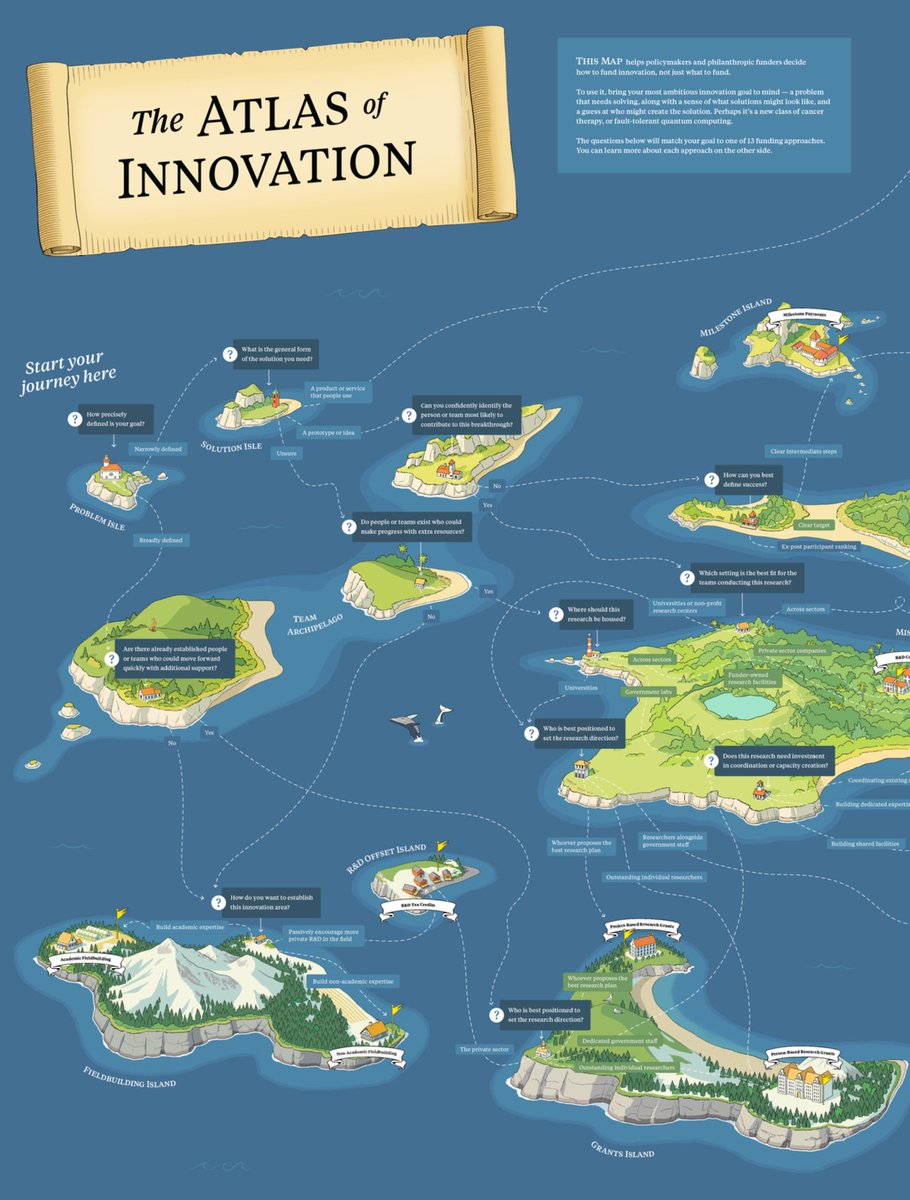
Really neat new tool by the folks at @IFP to help find the best funding mechanism based on the problem you're trying ot solve.
Jun 2

At @IFP, we’ve spent the past 3 years thinking about all the different ways the US government & philanthropy fund R&D.
Until now, R&D funders haven’t had a systematic way to match the innovation problem to the right funding tool.
We built THE ATLAS OF INNOVATION to fill that gap.
atlasofinnovation.org
Alongside @UChi_MSA, we’ve boiled down thousands of hours of research into a handful of questions covering how much the R&D funder knows about:
- the problem they want to solve
- the solution it should have
- the team that should build the solution
Why the Atlas matters:
The US government spends close to $200 billion every year on R&D. And after the Anthropic and OpenAI IPOs, there will be hundreds of billions of dollars in new philanthropic giving.
Choosing the correct funding approach to the social problems they’re trying to solve will mean the difference between success and failure.
For example, NSF research grants have helped seed breakthroughs from MRI machines to search engines, but grants aren’t built to deliver the kind of industrial speed and scale that a project like Operation Warp Speed required.
Picking the wrong funding approach can leave programs behind schedule, over budget, or without anything to show for all the money they spent.
How we built the Atlas:
1. We began by creating a matrix of dozens of considerations that a thoughtful policymaker or funder would ideally weigh before deciding how to fund a project.
2. We looked at every major funding approach, from grants to R&D tax credits to advance market commitments, analyzing when they work well and when they fail to meet the mission.
3. We spent months deep in the weeds of contract theory and incentive design, looking at historical examples and the state-of-the-art research in innovation economics.
4. We then worked to turn that research into a tool that time-strapped policymakers and philanthropic funders could rely on at the start of an innovation funding cycle.
5. Three years later, we are launching just that: a new (and visually stunning) website to help funders decide how to best incentivize innovation. And all they have to know… is what they currently know about their innovation goal! The Atlas takes care of the rest.
How to navigate the Atlas:
Answer questions about your goal to find the funding approach aligned with the information you have.
Each funding mechanism has its purpose for particular technologies and specific moments in development.
There shouldn’t be an ARPA for every field, just like we don’t need a prize or AMC for every innovation. The Atlas helps you navigate those tradeoffs.
1
13
57
11,985
Ryan Orbuch retweeted

May 29
Documentary recapping Rainmaker's historic accomplishment for the Great Salt Lake this past winter
We are the first company to repeatedly prove we're making it snow
The care, toil, and brilliance of our team was heroic
But we still need more water, the jobs not finished
24
58
402
32,077
Ryan Orbuch retweeted
May 19
New blog post: The third wave of American philanthropy
Hundreds of billions of dollars in new philanthropic capital will soon become liquid. The OpenAI Foundation holds 26% of OpenAI, worth about $220B at today’s valuation. Anthropic’s seven co-founders have pledged to give away 80% of their wealth and have instituted the most aggressive donor matching program for employees in tech history.
How much does this all add up to? And how meaningful is that in the context of philanthropy today?
I was doing some simple napkin math to wrap my head around the scale of what’s coming, and radicalized myself in the process. I had dramatically underappreciated the scale of the philanthropic capital that’s about to become available and the corresponding gap in talent and organizations that will be needed to make the most of it.
This piece aims to directionally sketch the scale of what’s coming, the gap in operational capacity needed to absorb it, and what we can do to fill it.
(Link to full post in reply)
122
199
1,673
1,779,378
Ryan Orbuch retweeted

Climate activists have spent decades shutting down nuclear, blocking clean energy transmission, and trying to ban research on cooling the planet... but the movement that wins the next century will be led by the people doing the work, not those protesting it. New essay out today👇

17
57
338
92,179
Ryan Orbuch retweeted

May 10
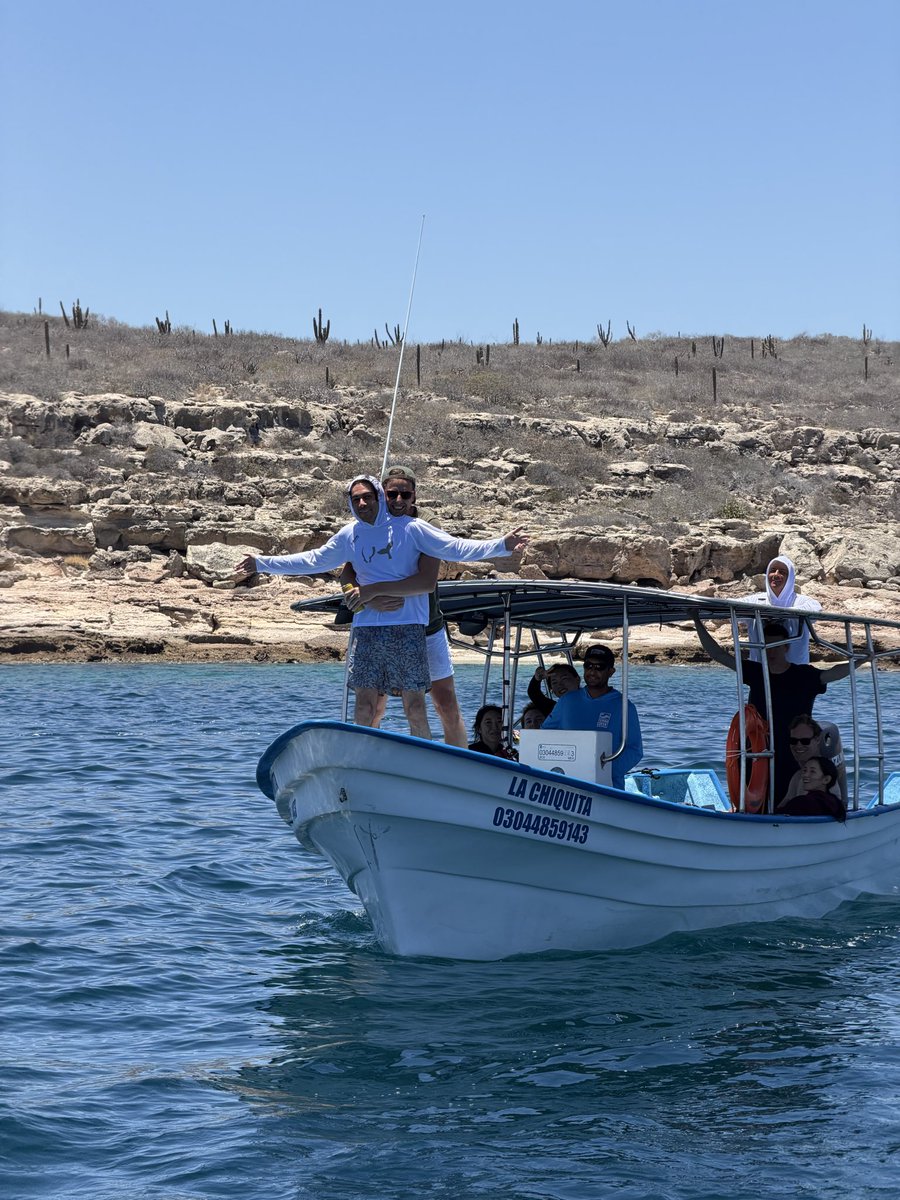
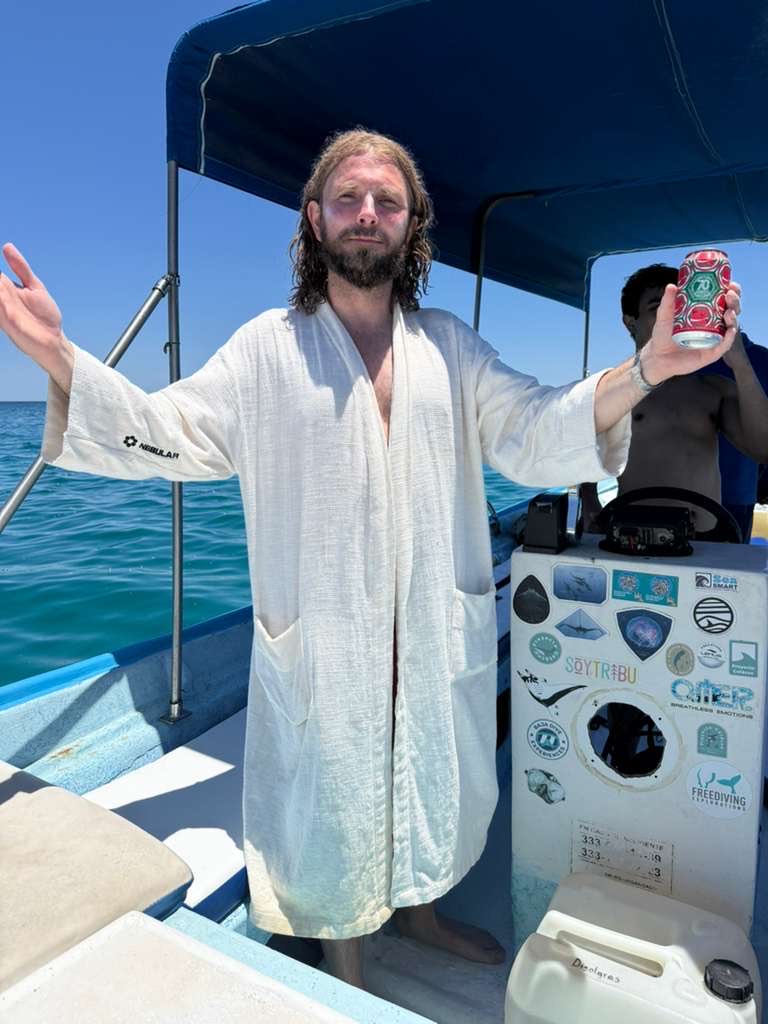
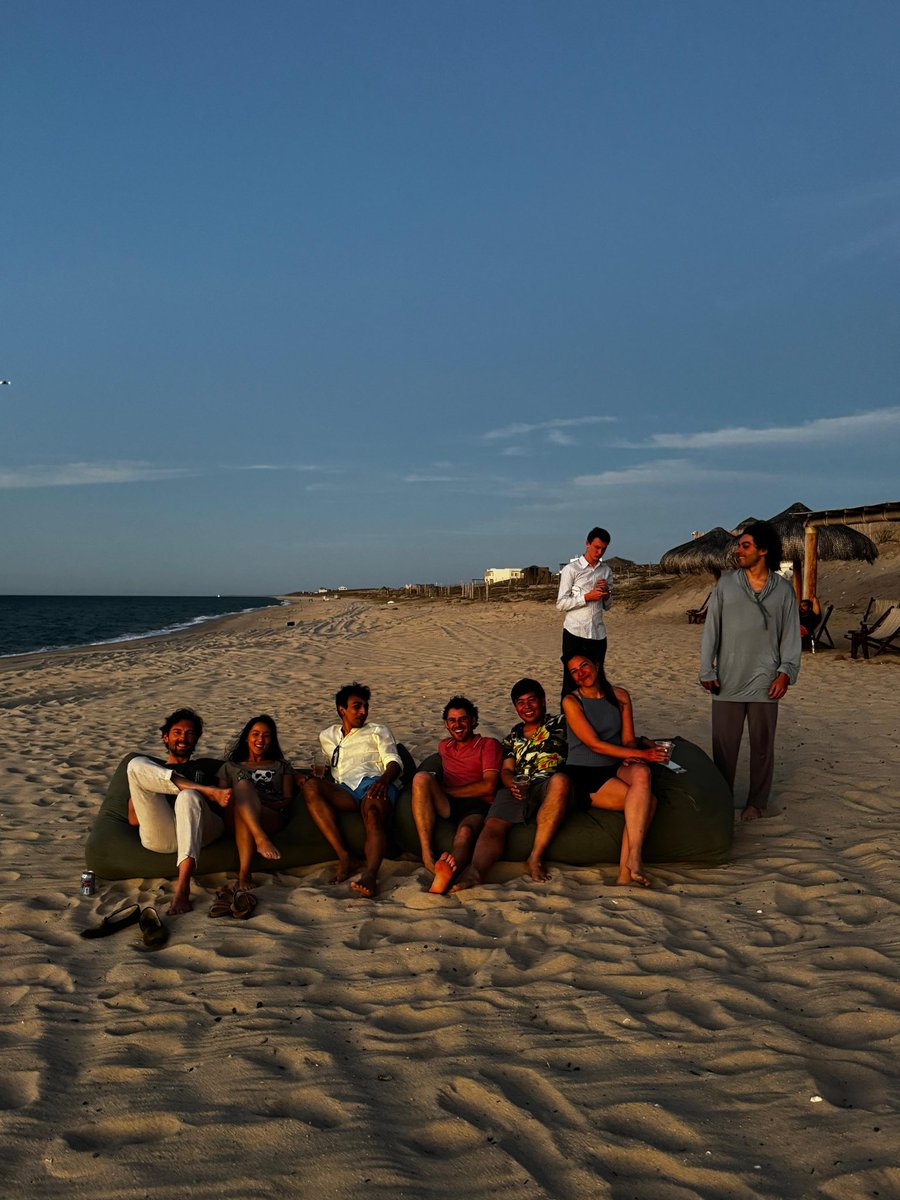
great success had with no fatalities on this the second annual Nebular Deep Dive freediving excursion

4
8
77
7,707
Ryan Orbuch retweeted

Today we're announcing @_panthalassa’s $140M Series B, led by Peter Thiel, with participation from John Doerr and many other incredible investors. The mission: unlock the ocean as another planetary-scale energy resource for humanity. First stop: compute.
64
133
1,196
294,126
Ryan Orbuch retweeted

May 1
We should fund and build more organizations that are meant to solve problems - instead of working on them.
New essay.

7
37
178
29,639
Ryan Orbuch retweeted

Apr 30
1/ @OctopusEnergy is backing Living Carbon with $500M to reforest degraded land and remove CO₂ across North America. This major project financing comes with an additional ~$13M investment in our carbon business.
Living Carbon is putting low quality land back to work. Our innovative reforestation turns low quality land into thriving forests faster to remove carbon or produce sustainable forest products.
Read more about it in today’s @WSJ (link in the comments) →
16
37
182
198,573
Ryan Orbuch retweeted
Apr 27
Mankind has always been at the mercy of the weather.
No longer.
Rainmaker is the first company in history to routinely, unambiguously, modify the weather.
Last quarter, we produced >143MM gallons of unambiguously man-made precipitation.
Here’s how we do it 🧵
148
171
1,361
254,982
Ryan Orbuch retweeted
In spite of how I present myself on the internet (unhinged, slightly feral) I do Real Work on Cool Things in Various Places and have published a new post to revive my substack / push myself to talk about this more. Link in next post to game the algorithm 👇

5
8
47
3,048
Apr 27
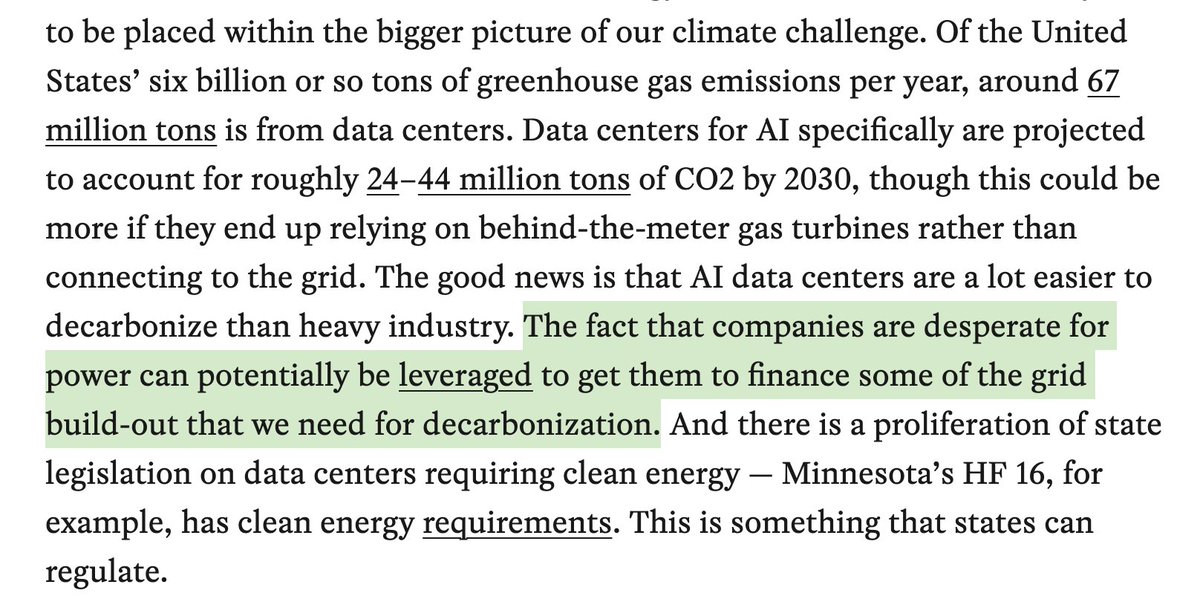
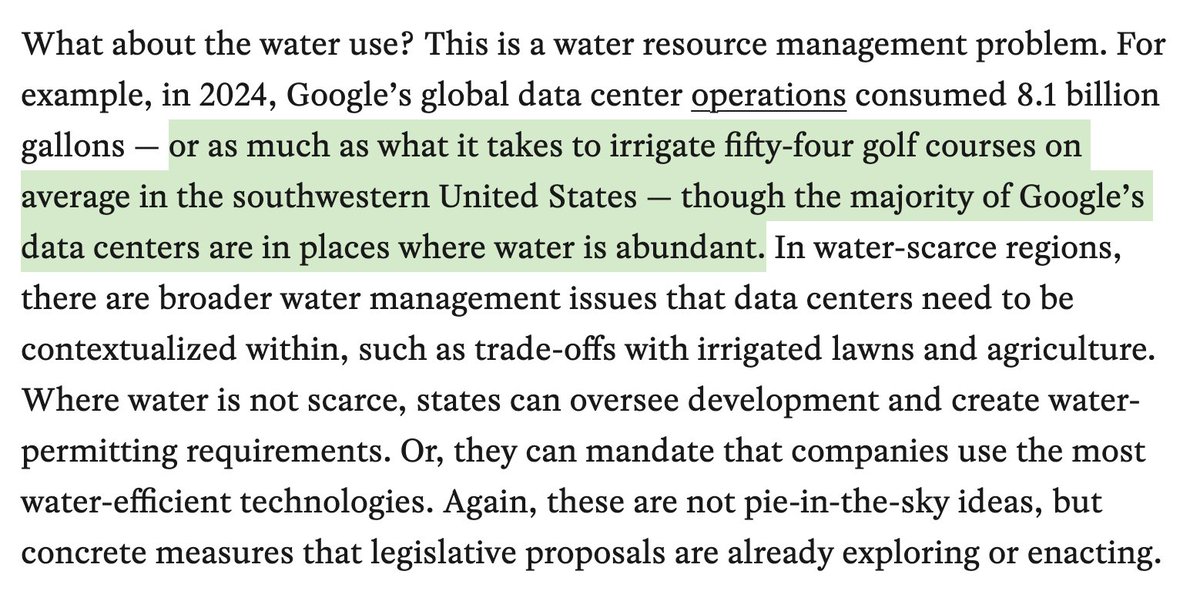
excellent as usual from @hollyjeanbuck, Actual Understander Of The Thing People Are Being Crazy About

1
8
1,776
Ryan Orbuch retweeted

Apr 18
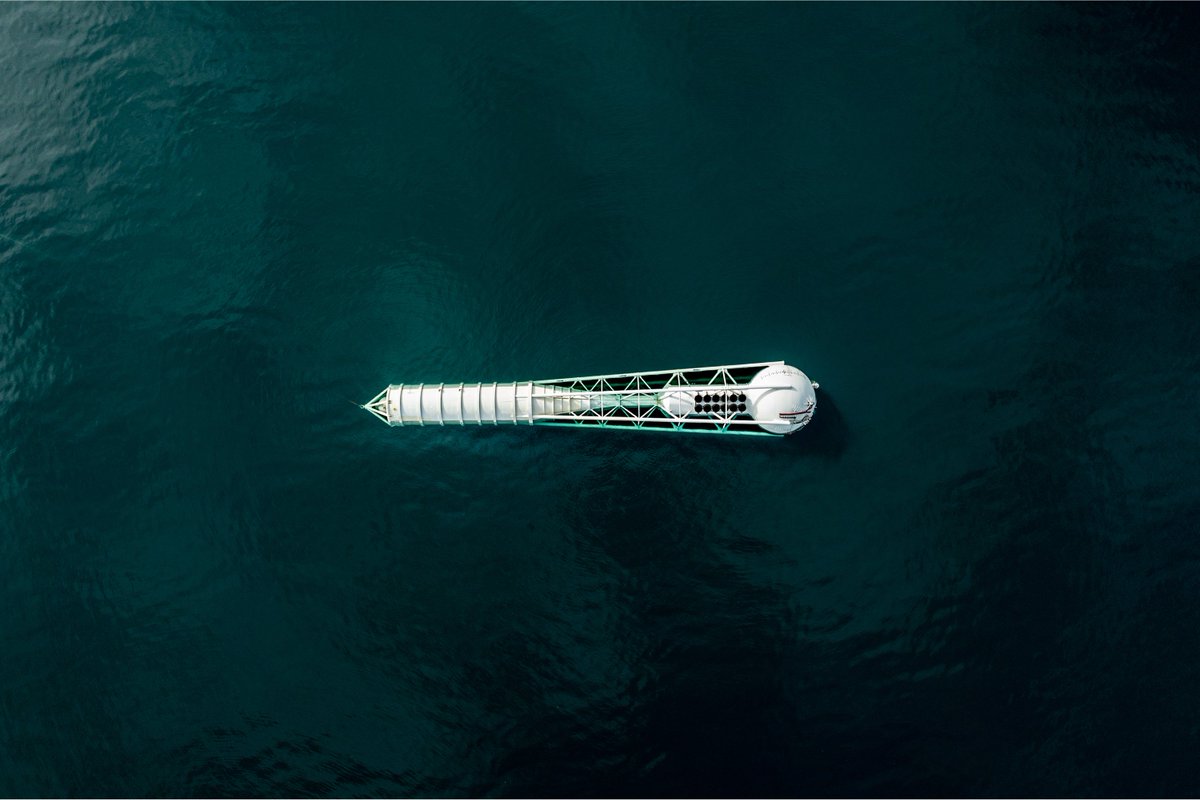
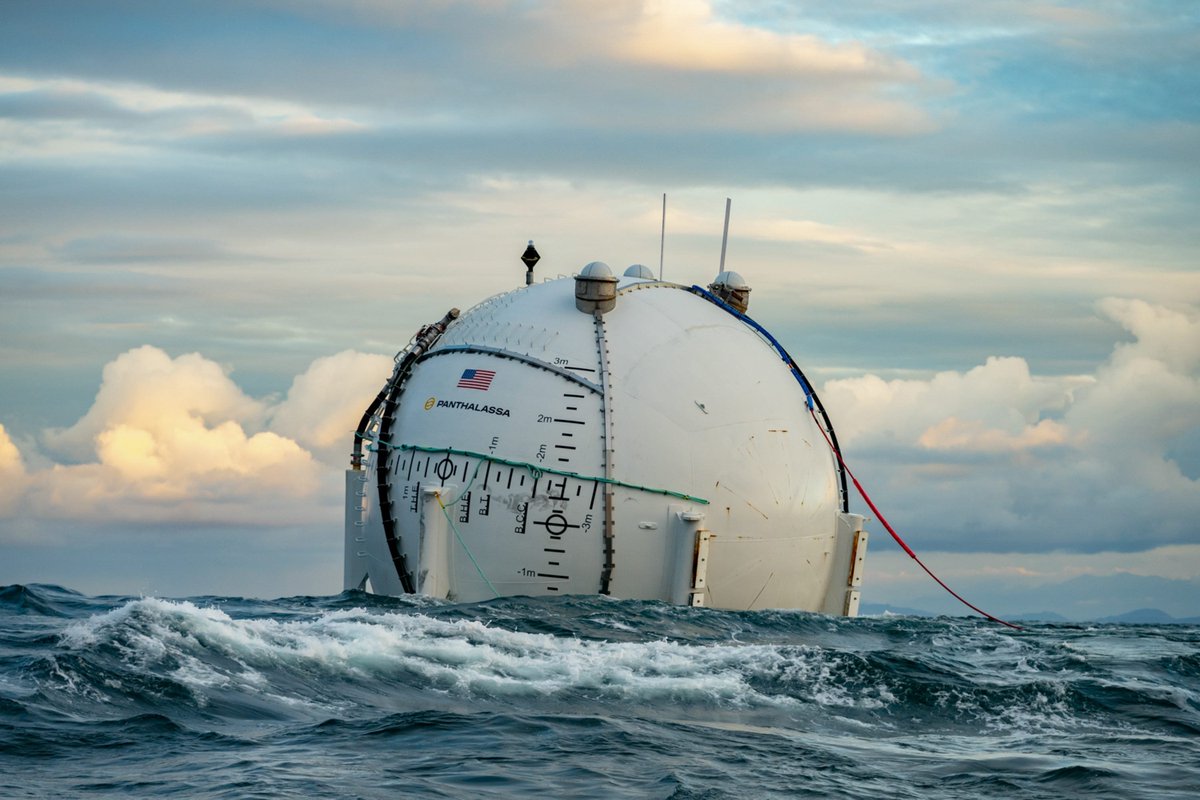
So, @_panthalassa operated mostly in secret for a decade. And what it built is nuts.
Massive, massive floating data centers that drive themselves out to sea and then capture water inside of them to spin a turbine and power GPUs. Look at these things.
Full episode on the tech here youtube.com/watch?v=Q4PCJRN7…
110
358
3,319
683,011
Ryan Orbuch retweeted

Apr 17
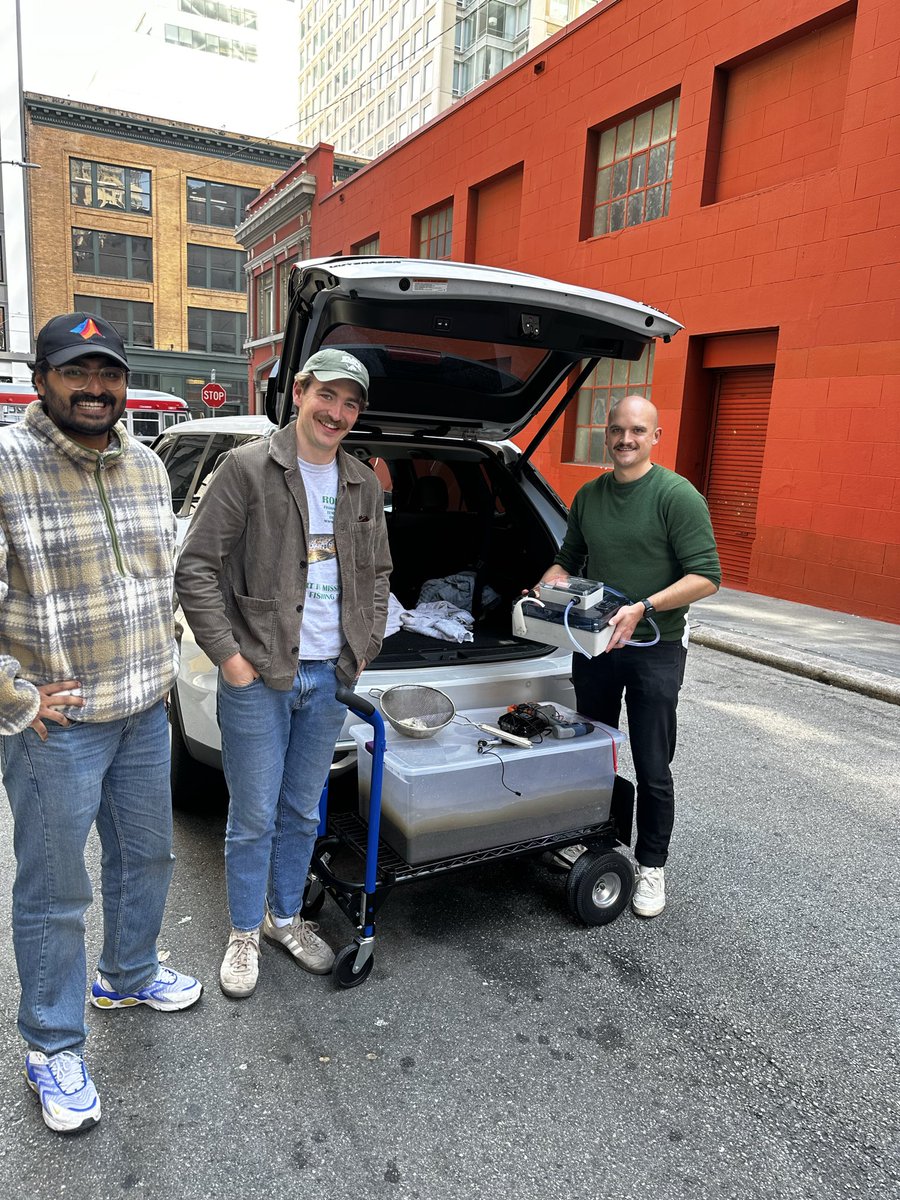
A couple years ago the Ulysses team wheeled a tub of water and their first robot into our SF office. They said they would give humanity the tools to unlock the ocean frontier.
They’re making good on that promise.
Grateful to have backed them since the beginning 🦈
Apr 16

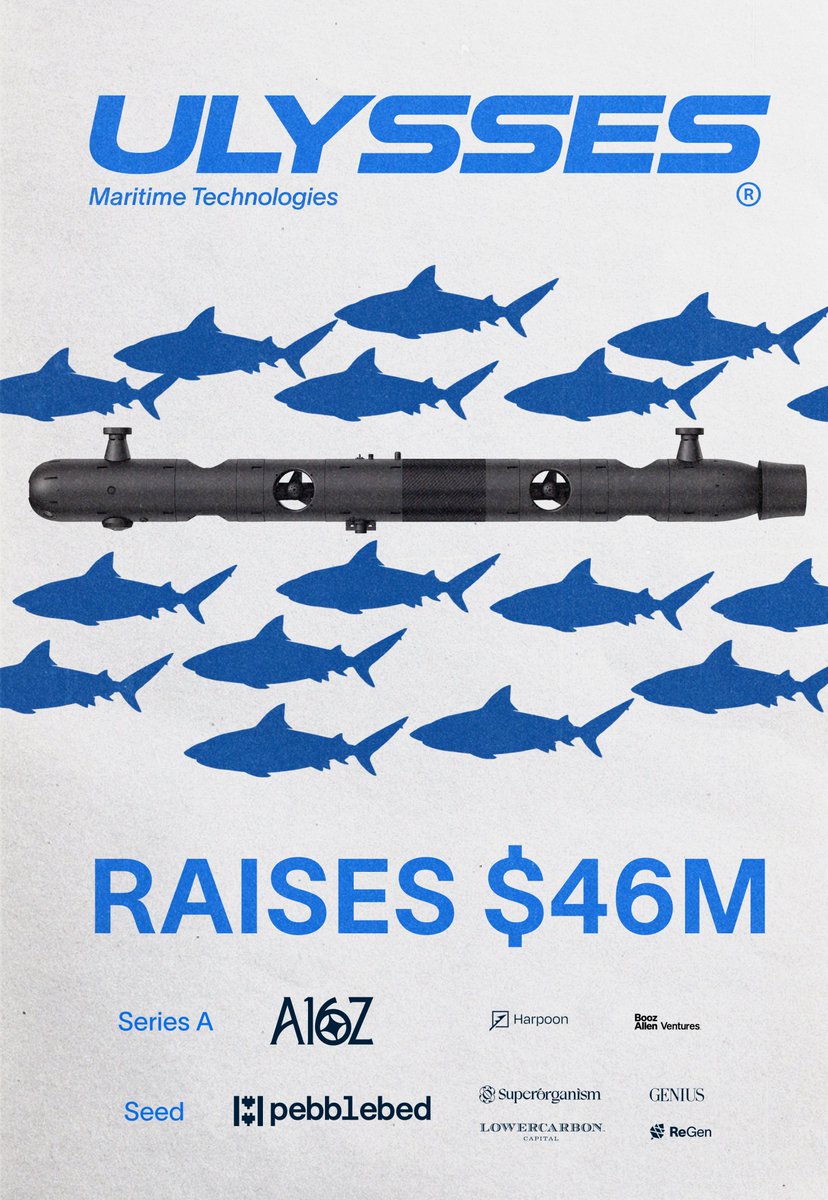
Ulysses has raised $46M led by a16z American Dynamism.
We are building The Ocean Company.
The ocean is 71% of the planet. But it is less explored than Mars, and full of secrets, waiting to be told.
It is the backbone of global defense. Home to the critical infrastructure that powers our world. And the key to the health of our planet.
This frontier needs technology to protect and steward it.
We are building it. And we need more builders
Join us and explore the Great Blue Frontier: theoceancompany.com/careers
1
4
39
21,798
Ryan Orbuch retweeted

Apr 16
Ulysses has raised $46M led by a16z American Dynamism.
We are building The Ocean Company.
The ocean is 71% of the planet. But it is less explored than Mars, and full of secrets, waiting to be told.
It is the backbone of global defense. Home to the critical infrastructure that powers our world. And the key to the health of our planet.
This frontier needs technology to protect and steward it.
We are building it. And we need more builders
Join us and explore the Great Blue Frontier: theoceancompany.com/careers
289
174
2,453
574,953
Ryan Orbuch retweeted

Mar 22
Nature’s Heartbeat : Gross Primary Production (GPP) of the biosphere on land throughout the year
18
253
1,766
579,643
Ryan Orbuch retweeted
Mar 3
We waste too much time worrying about short term hype. Hyper-fixating on the news cycle isn’t going to fix the biggest problems facing society in the coming decades.
The world needs more long term thinking.
So we are launching Forecast 2050: a series of conversations with the thinkers, founders, and investors shaping the next 25 years.
Thank you to @tylercowen, Scott Aaronson, @noor_siddiqui_, @soundboy, @matthewclifford, @devonzuegel, @CJHandmer, @MalcolmRifkind, Yanai Yedvab, @viswacolluru, @pablolubroth, and @PhilipJohnston for joining us.
First episode with Tyler drops tomorrow. Stay tuned.
48
36
398
40,495
Ryan Orbuch retweeted

Feb 24
It's actually 1.1 million now 🤭
But in all seriousness, I am so proud of the @stripepress team and our incredible stable of authors. It’s easy to be fatalistic about the state of publishing, but there *is* an audience for books—even ones that are challenging and technical.


Feb 24

Congrats to @stripepress and @tamarawinter on selling 1M books!!
That’s a lotta books!! 📚
61
49
866
87,020
Ryan Orbuch retweeted
Jan 15
New blog post:
There should be ‘general managers’ for more of the world’s important problems
There’s a surprisingly big category of problems that are ‘orphaned.’ By ‘orphaned’ I mean: you can’t point to a specific person or organization who thinks it’s their responsibility to deliver the outcome in its entirety. Lots of people talk about the problem, and often many work on slices of it. But if you asked: ‘is there a hyper-competent person waking up every day feeling accountable for making sure this gets solved?’—the answer is very often, ‘no.’
These problems exist across domains and at a variety of ‘altitudes.’ Indeed, some are perhaps better described as ‘things we want to be true’ rather than ‘problems.’ In any event, a few examples that have been on my mind recently:
(1) Can we prevent infection from all respiratory pathogens (including the common cold)?
(2) Can we make every new building in SF both serve its function and be beautiful?
(3) Can we permanently fix the American west’s water problem?
(4) Can we halve X risk?
(5) Can we eliminate single-use plastic globally without making convenience trade-offs?
(6) Can we make childcare costs so low that they’re a non-factor in deciding whether to have kids?
In my opinion, there should be ‘general managers’—GMs—for problems like these. These are founder-types who feel personally responsible for delivering a specific outcome (vs field-building generally); hyper-competent leaders who will pull whatever levers necessary to achieve the defined outcome. Most companies wouldn’t let an important initiative go unmanned or without a ‘directly responsible individual’ — why are we OK not having GMs for even more wide-reaching problems?
(Link to full post in reply)
52
69
645
151,630
Ryan Orbuch retweeted

22 Dec 2025
This ended up being my favorite interview by a wide margin. Thanks for the great conversation @ti_morse
One step closer to finally explaining we're an airplane company that just so happens to have invented a new kind of engine (and how we’re doing it)

My first interview with Ian Brooke (@ianbrooke), founder & CEO of @AstroMechanica.
0:31 Creating Long-Range Supersonic Planes
3:07 Private Jets vs Airliners
8:26 How Insanely Expensive Private Jets Actually Are
11:30 Building Great Products That Last Forever
20:39 Front Loading Work To Design Things Well
30:42 Making Contact With Reality
43:32 Following Your Intuition
48:38 Thinking In Shapes
53:54 Expressing Yourself Through Building Things
58:56 Starting With A Vague Idea & Sharpening The Vision Over Time
1:03:16 Trying To Tell A Story vs Just Building Something
1:17:44 Seed & Soil - Emmett Shear
1:27:57 Doing Things That Bring You Joy & Energy
1:32:35 Keeping The Product Vision In Your Head
5
14
119
44,468