:Targeted Individual From Dunedin New Zealand- Victim/Survivor of Sadistic Ritual Abuse Via The Govt Weaponization of the EMF Spectrum IEEE WBAN B.C.I
Joined March 2026
- Tweets 513
- Following 1,091
- Followers 92
- Likes 1,472
106 Photos and videos






Pinned Tweet

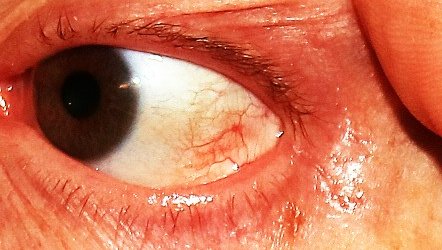
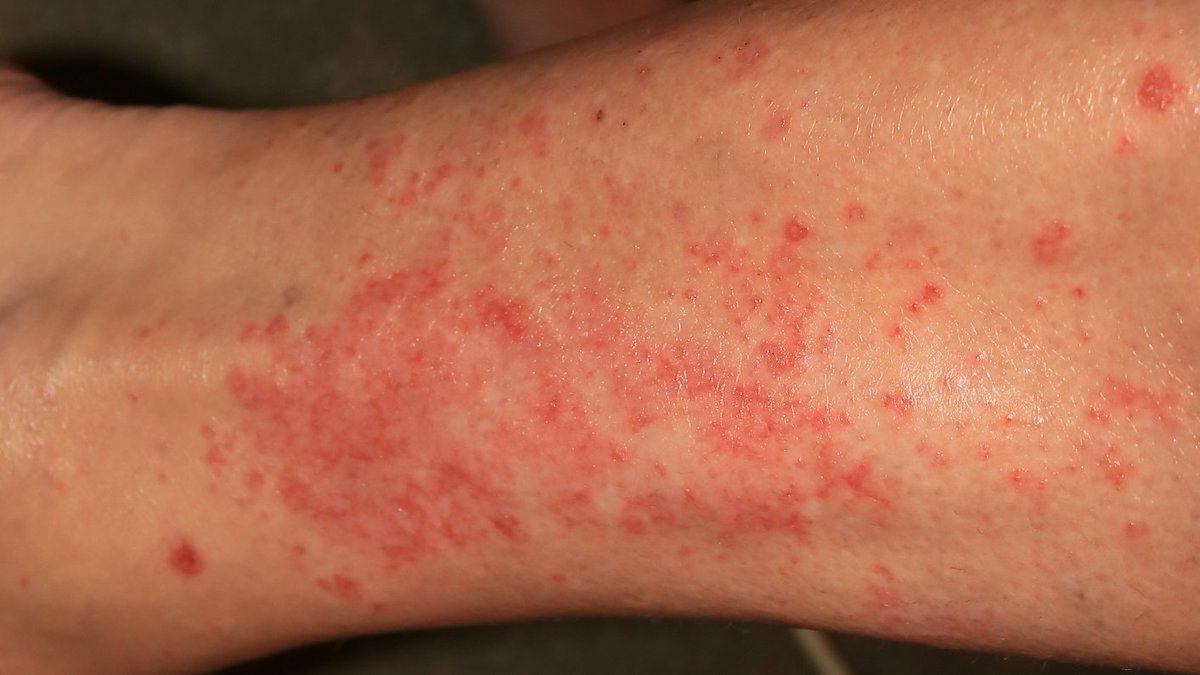
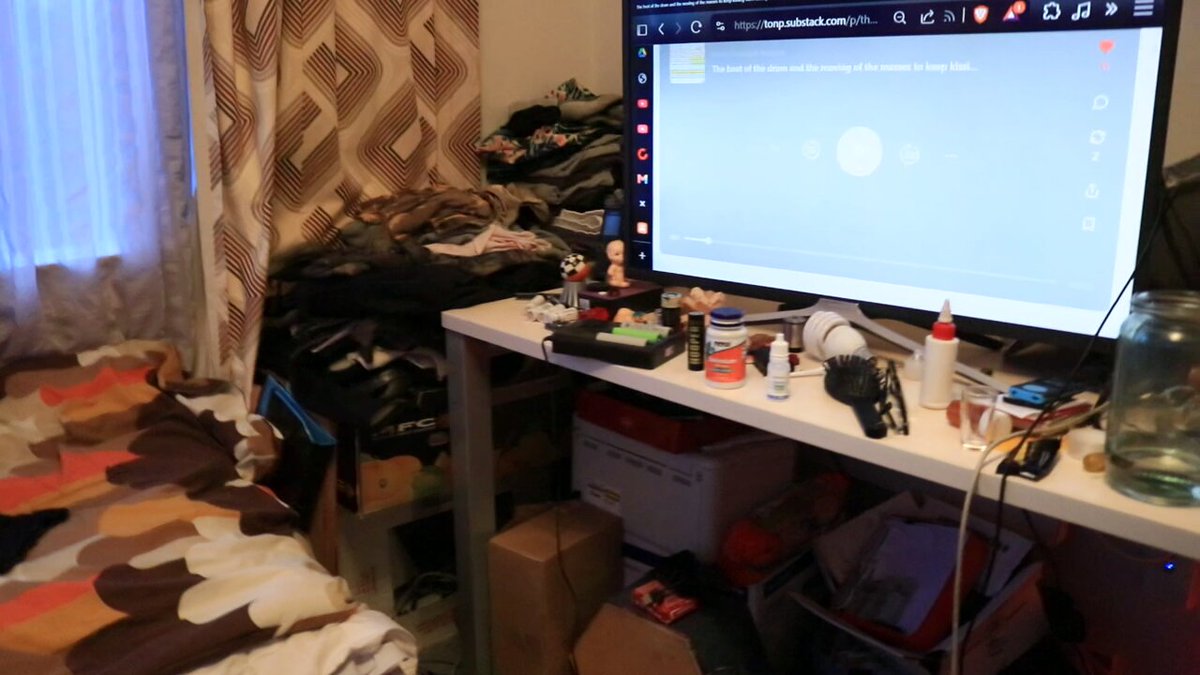
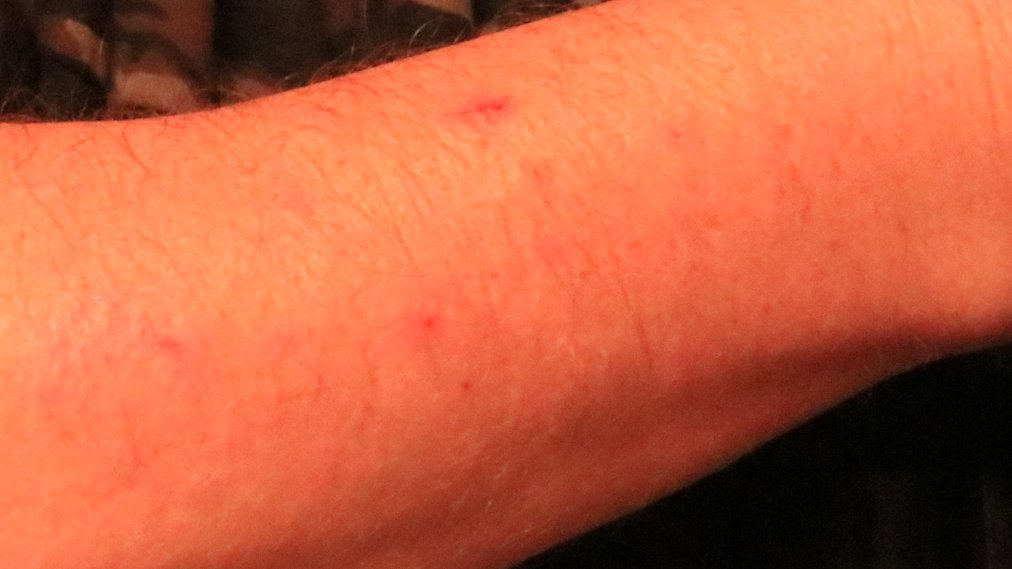
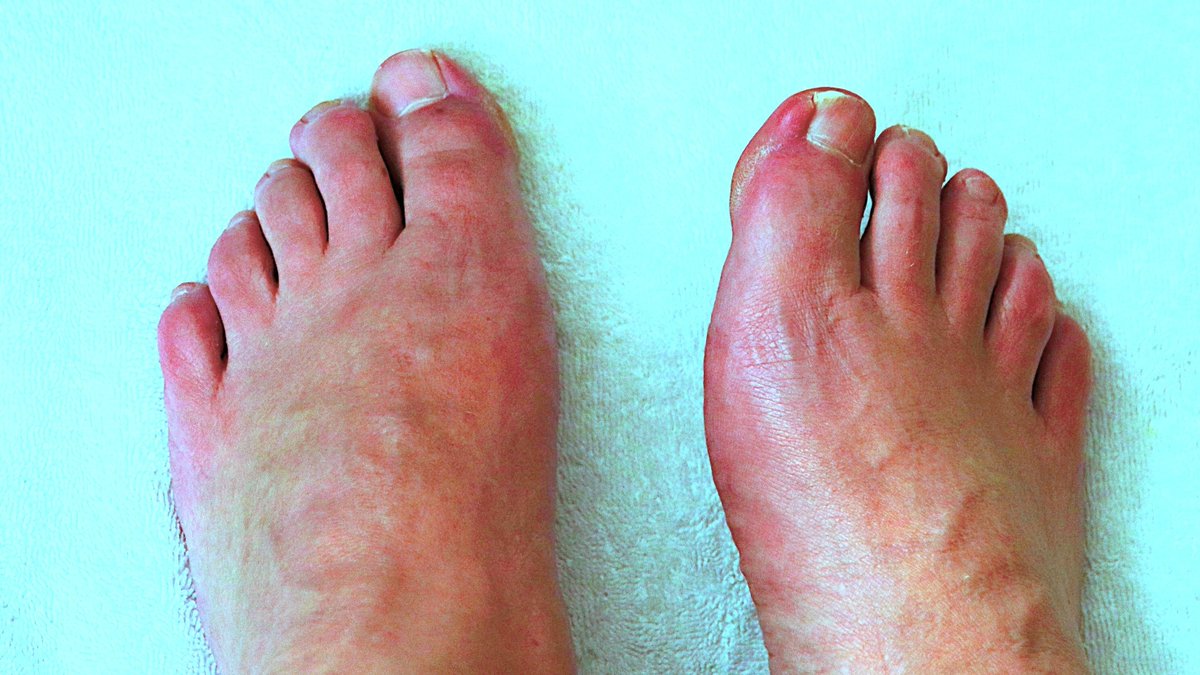
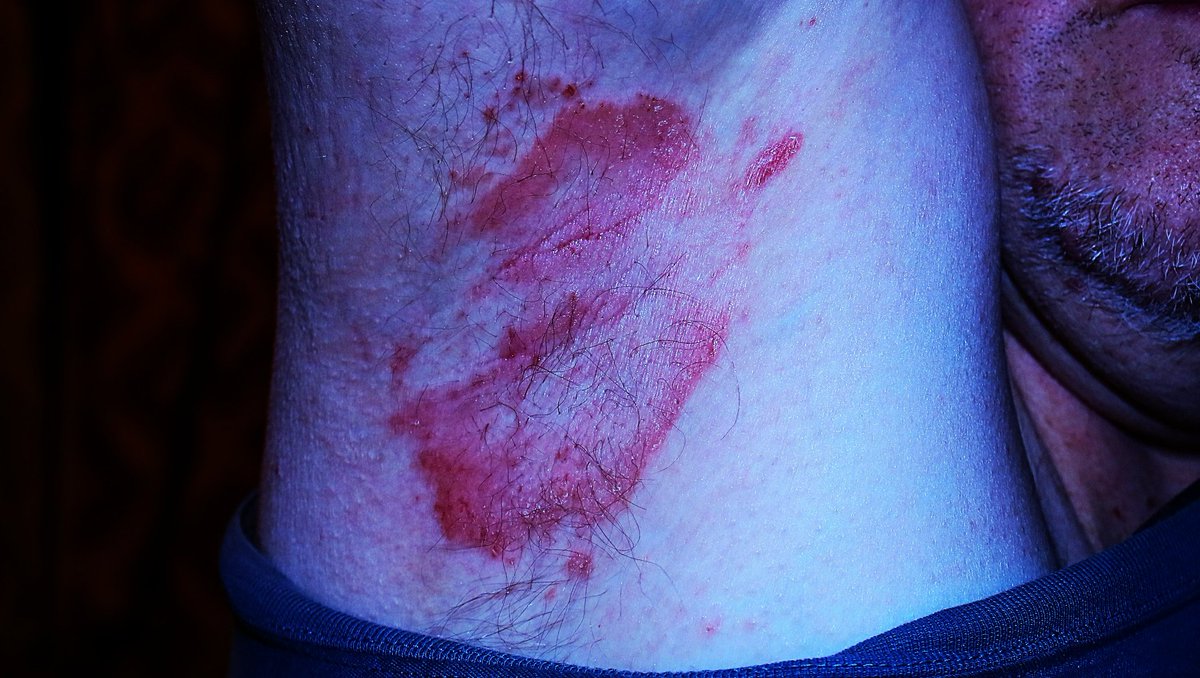
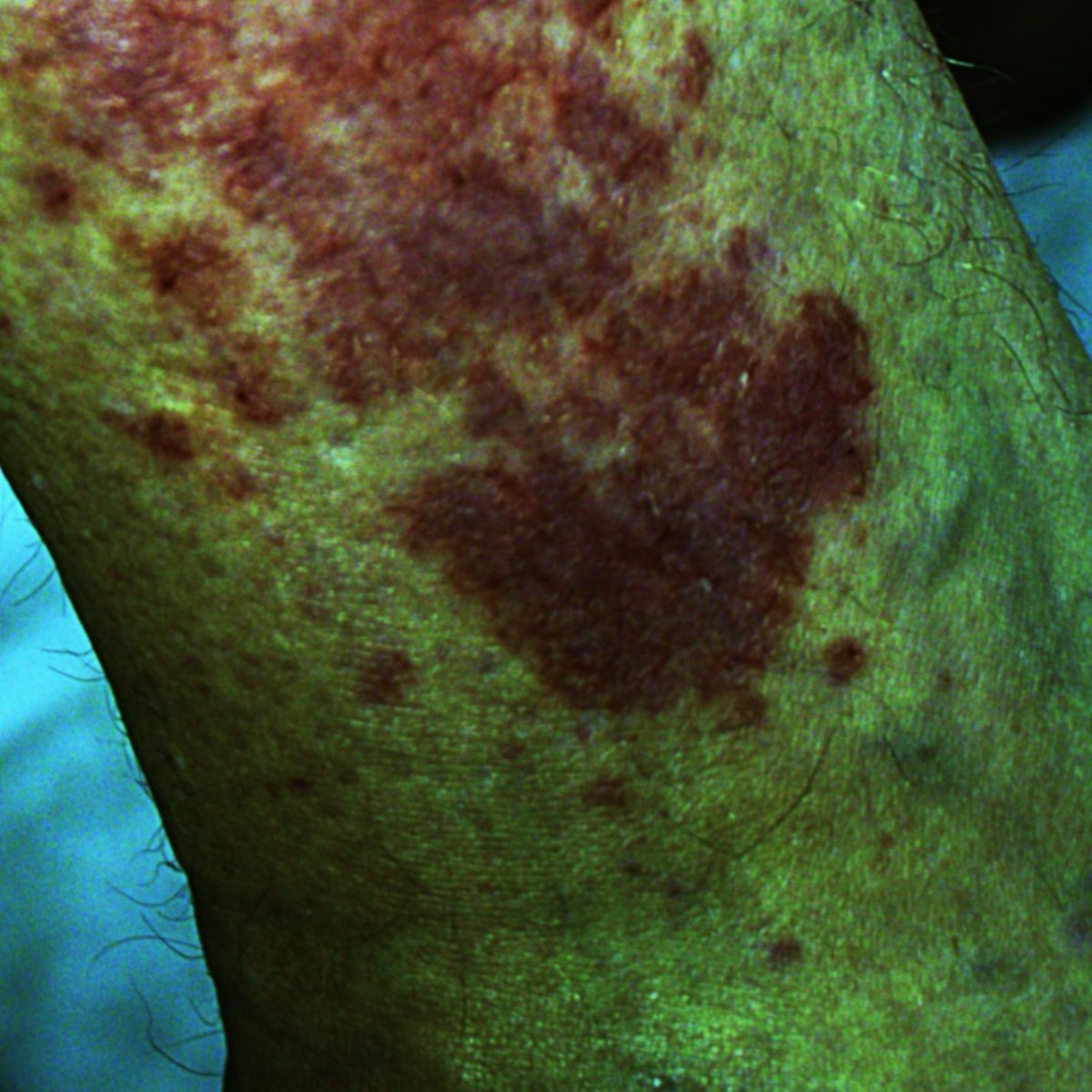
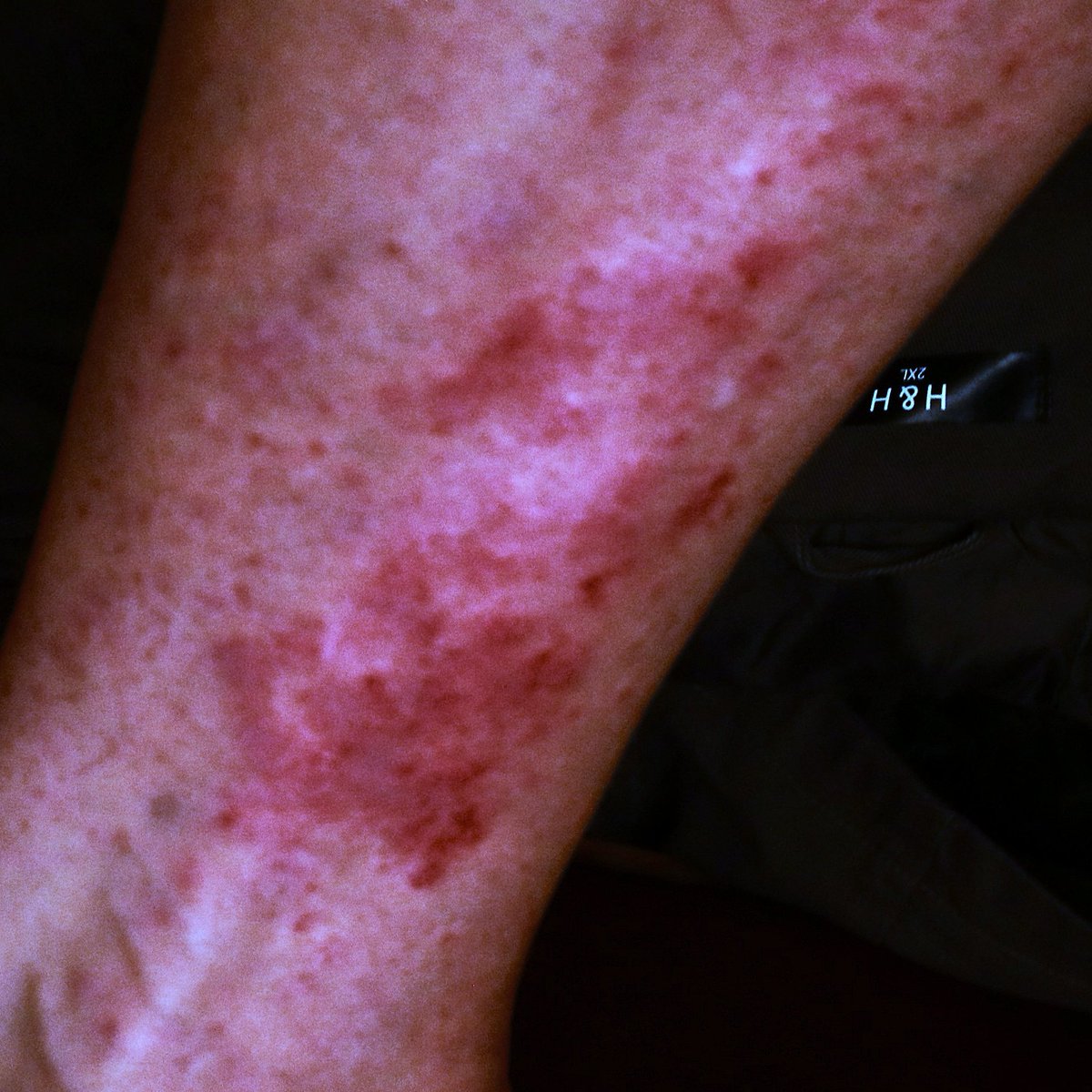
:N.Z. T=i Geometry of The Burns that I Had received from the Assault to my Body/bio-field up top on left Current State of Right "Arm-pit" -Top-right "Enhanced Image of the same area to emphasize A pattern of Geometry-with Similalarity with the images of L/R calve's =
Torture....
1
3
84
A PRESENTATION THAT IS GOING OUT ACROSS THE WORLD TO ALERT THE PUBLIC OF THE WEAPONS AND THEIR PLANNED ATTACK ON THE CIVILIAN POPULATION - INFO@SAVEUSNOW.ORG.UK open.substack.com/pub/saveus…
1
BAN REMOTE CONTROL OF THE HUMAN NERVOUS SYSTEM - Sign the Petition! c.org/ynBHN29Rmp via @Change
1
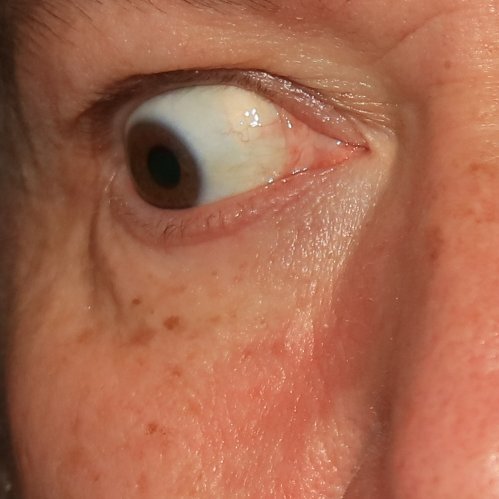
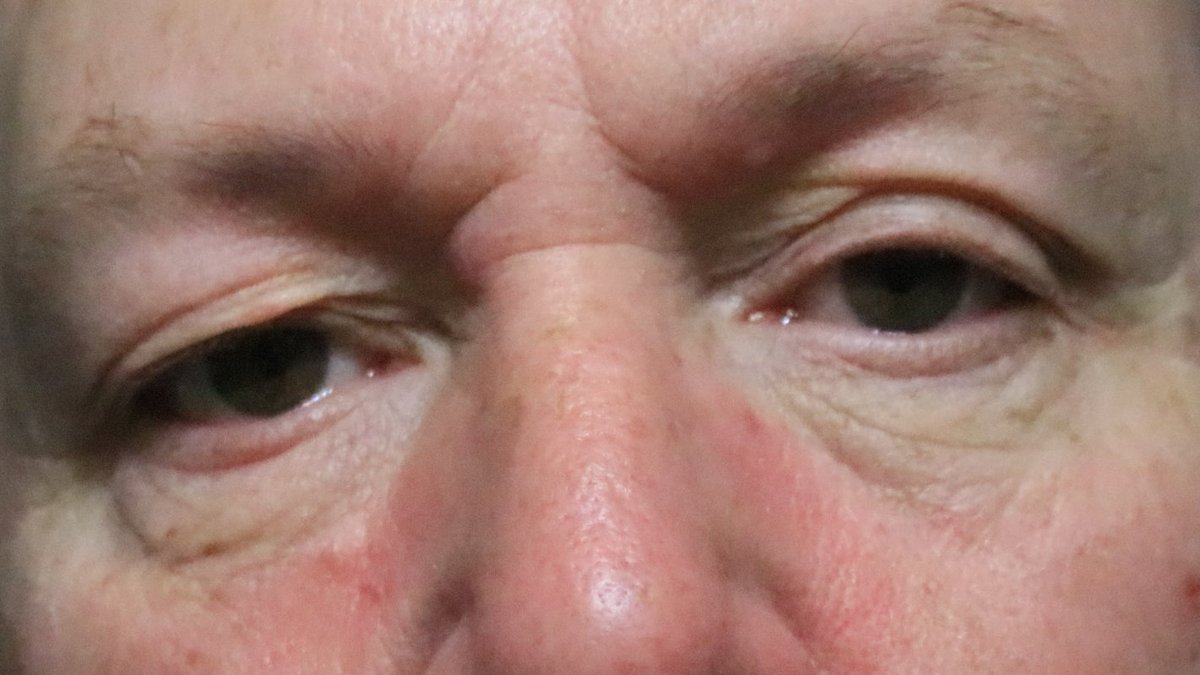
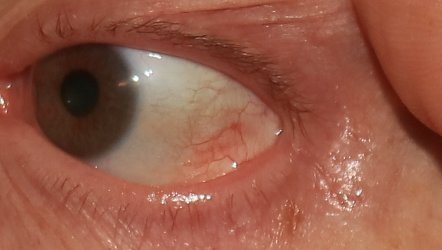
:N.Z. T-i Cooked Eyes - left is enhanced/Right how it Is as of the Date Stamp- :14/06/26
Assault Via the Cloud Via Bio-cyber-interface IEEE WBAN Standards D-Twin
4
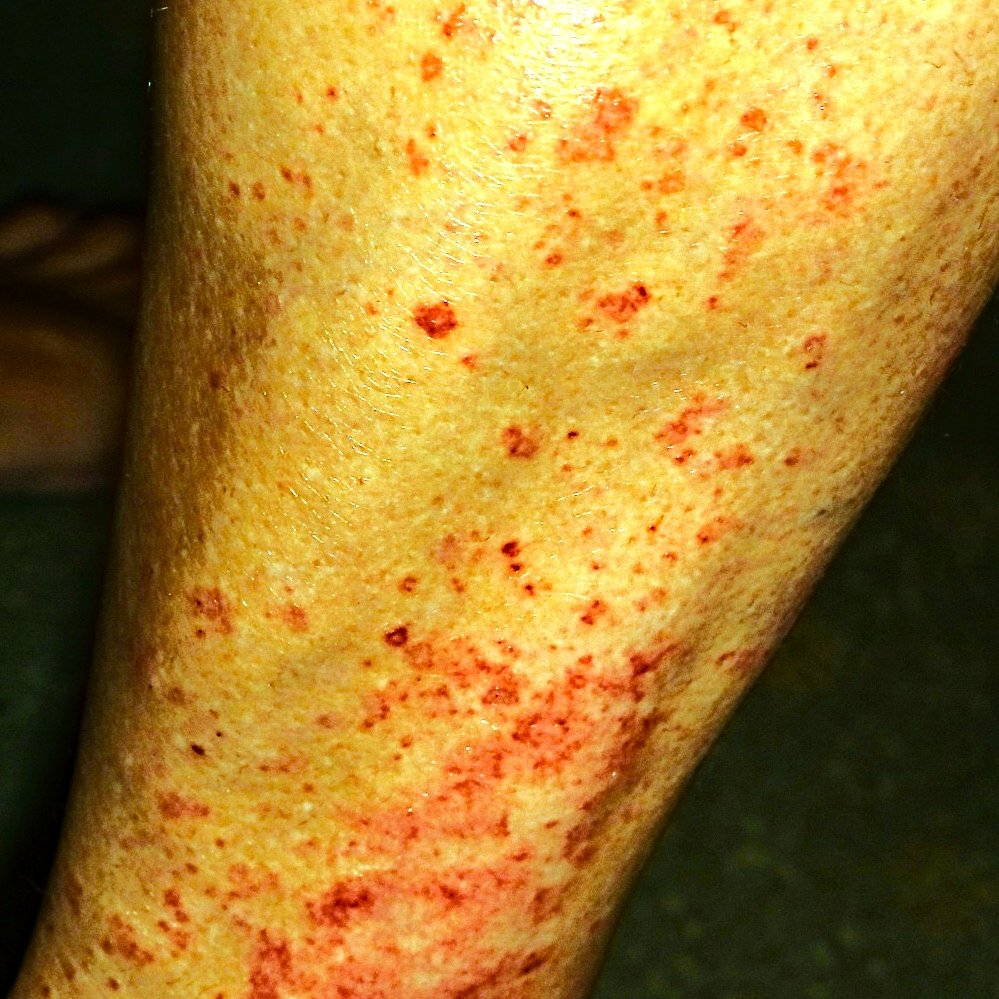
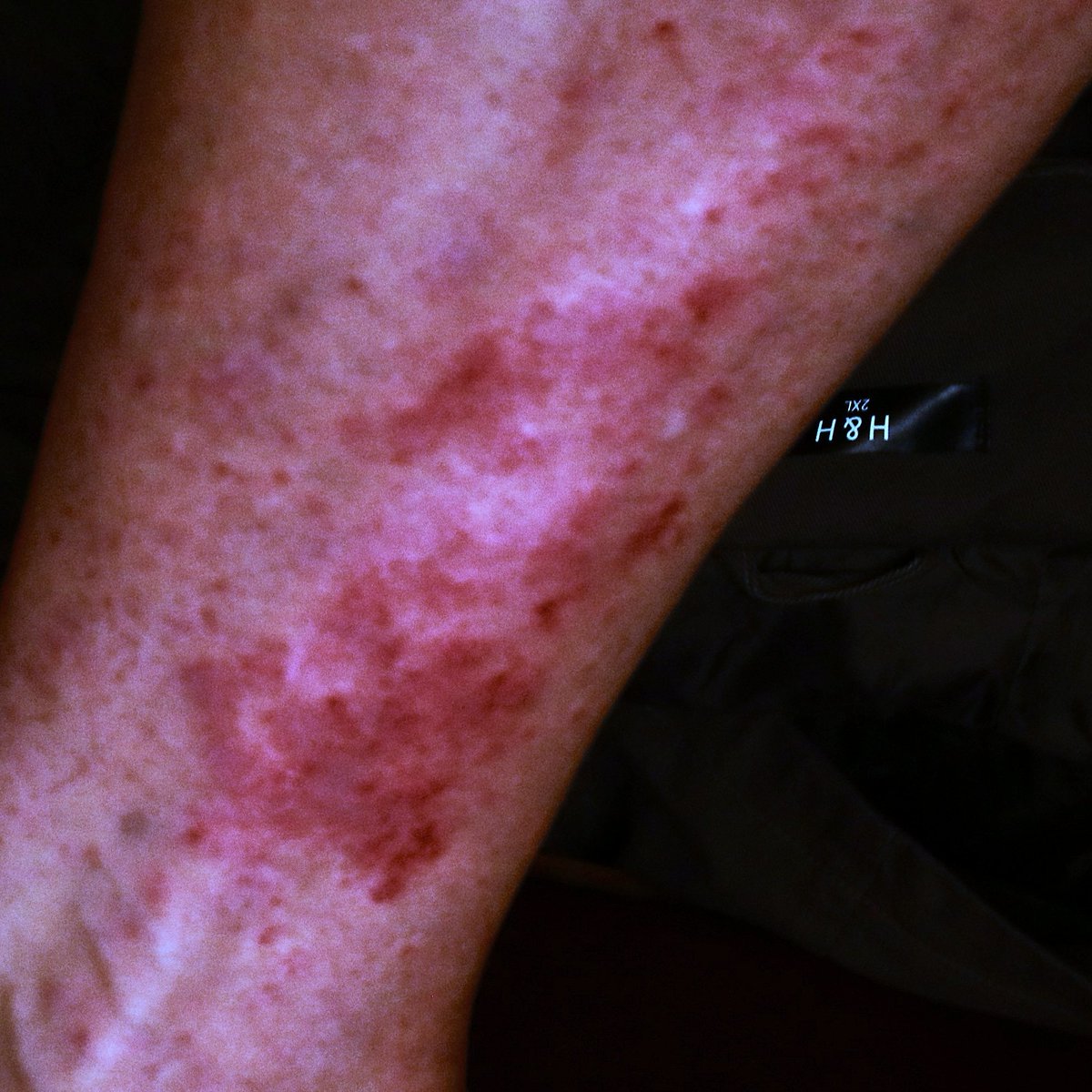
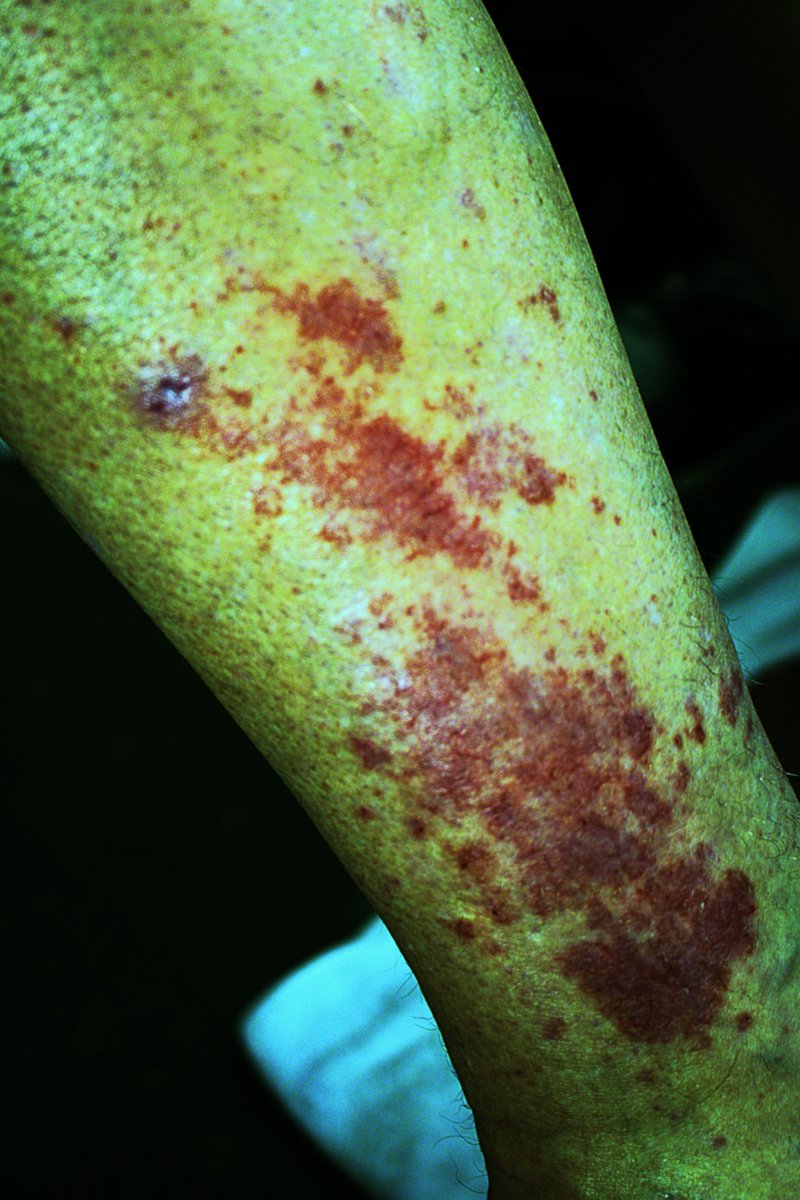
Digital Twin "Non-consensual" Cyber enabled crimes Since 2016-to present day these Swine have F-d" up our Entire lives through Sadistic Ritual Abuses
3
Ornamental Vocabulary II retweeted

Jun 12
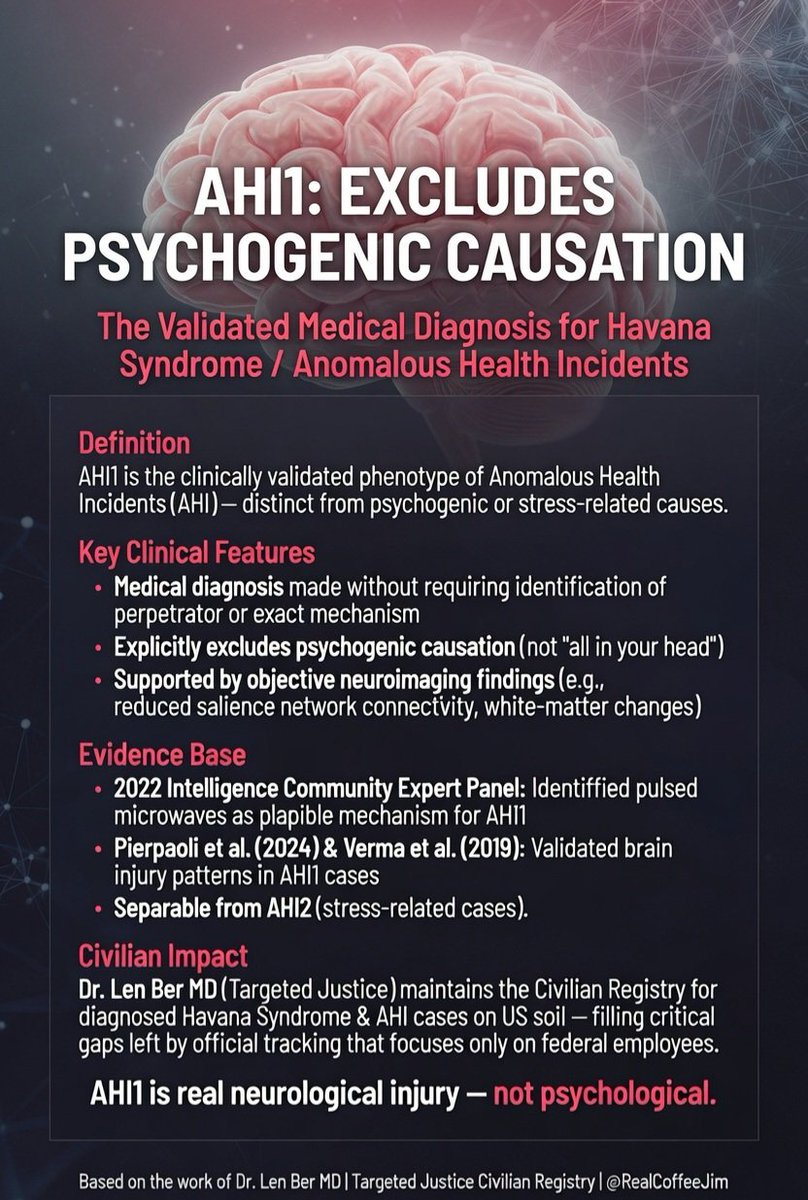
We need investigation into civilian AHI1. Why are they excluded? ⚠️
Because it opens the door to questions they don't want to answer.
Journalists where are you? This is your future too. ☠️
#TargetedIndividuals #MKultra #Journalists?
4
22
31
513
Ornamental Vocabulary II retweeted

Jun 11
Corporations can only contract with corporations
47
427
1,055
15,602
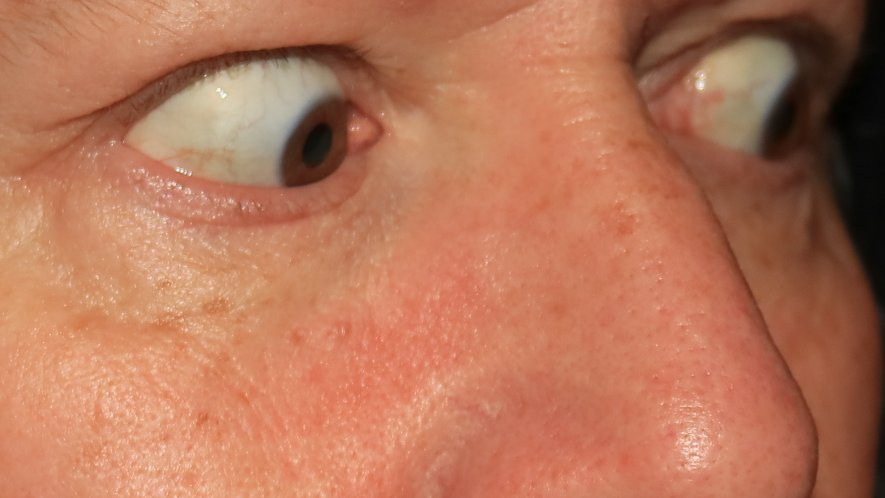
:N.Z. T-i
Cooked Alive- For at least 3-days solid the focus has been Ocular peripheral nerve pain "Burning" on my legs /back and lets not forget "Coercive control" Psy-op" Coercive-Interrogation"-Via Digital Twin Bio-Cyber-Interfacing" or "M.A.E."-& Vibrated via Infra ELF VLF
27
Web of Control: Gangstalking, Cognitive Manipulation, and the Rise and Rise of the Total Surveillance State open.substack.com/pub/enlemm…
1
10
Ornamental Vocabulary II retweeted

Jun 8
youtu.be/-sgMuu2Z_So?si=jq2C…
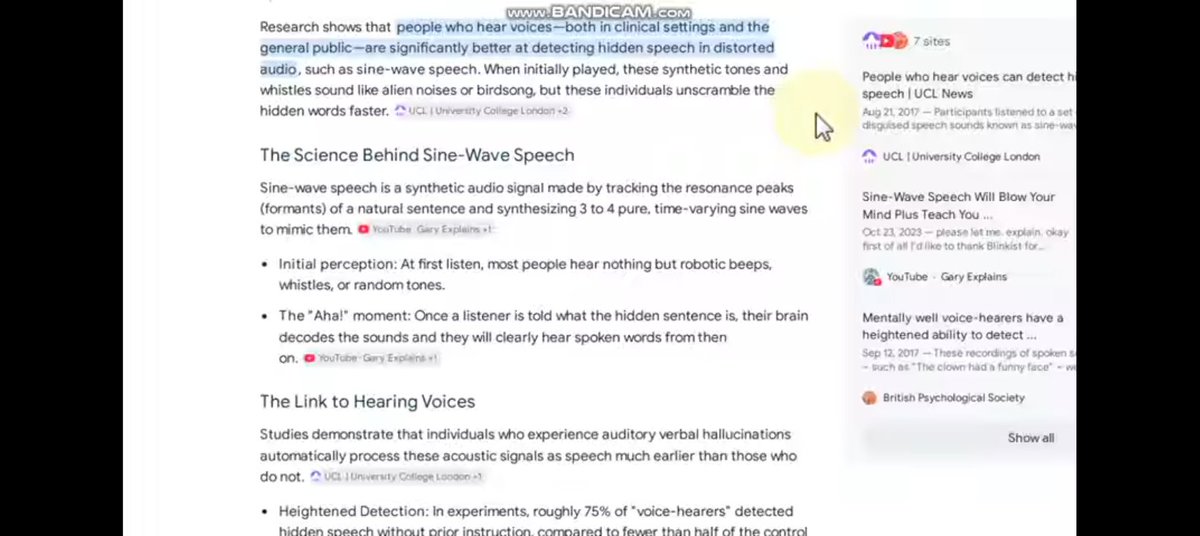
•Disclosure Day
•Massive MIMO antennas and Active Antenna Units/Wireless Communications
•Pulsed Audio/Swine-wave Speech
•Data Center/Frequencies
🤷♀️

1
1
2
129
START PLANNING YOUR ESCAPE FROM THE CITIES - THEY HAVE BEEN WEAPONIZED TO KILL YOU - THEY WILL PULL THE TRIGGER - WWW.SAVEUSNOW.ORG.UK open.substack.com/pub/saveus…
5
Sabrina Wallace Psinergy Biofield Class Reunion 1 | Sunday ~ June 7th, 2026 youtube.com/live/1ZF9Ymf-1Vs… via @YouTube

1
27
Ornamental Vocabulary II retweeted

19 year olod stalkied for many years organised corruption, and attempted traffik, and on people around me, th... #targetedindividuals #gangstalking .... youtu.be/NquzE4wVap8?si=U9ms… via @YouTube
1
2
4
173
Ornamental Vocabulary II retweeted

Jun 7
REPORT: ANOMALOUS HEALTH INCIDENTS IN ARGENTINA. (IHA) A REALITY OF UNKNOWN OR UNCERTAIN ORIGIN.
COMMONLY REFERRED TO AS "HAVANA SYNDROME".
SANTA ROSA, LA PAMPA, ARGENTINA, DATE: 6/6/2026
REPORT: ANOMALOUS HEALTH INCIDENTS IN ARGENTINA. (IHA)
A REALITY OF UNKNOWN OR UNCERTAIN ORIGIN IS PRESENT IN SANTA ROSA, LA PAMPA, AND IN ARGENTINA, AS WELL AS IN ALMOST ALL OF LATIN AMERICA.
OPERATIONAL DEFINITION
“Anomalous Health Incidents” (AHI) are defined as events that affect the physical, neurological, or psycho-emotional well-being of one or more individuals, suddenly, persistently, or recurrently, without a clearly identifiable medical, environmental, or technological cause, and that present atypical patterns in terms of:
SYMPTOMS: Severe headaches, auditory or visual disturbances, disorientation, memory loss, extreme fatigue, sleep disturbances, among others.
CONTEXT:
OCCURRENCE IN INSTITUTIONAL, WORKPLACE, OR RESIDENTIAL SETTINGS, WITHOUT RECOGNIZED EXPOSURE TO HARMFUL AGENTS.
CLUSTERING:
SIMOULENT OR SEQUENTIAL APPEARANCE IN SMALL GROUPS, INDIVIDUALS, OR SPECIFIC COMMUNITIES, WITHOUT A CONVENTIONAL EPIDEMIOLOGICAL LINK. (NEIGHBORHOODS OR AREAS OF SANTA ROSA, LA PAMPA, AND SOUTHERN ARGENTINA)
PURPOSE OF THE PRESENTATION
THIS DEFINITION AIMS TO
ESTABLISH A COMMON FRAMEWORK FOR THE DETECTION, RECORDING, AND ANALYSIS OF EVENTS THAT COULD COMPROMISE PUBLIC HEALTH, INSTITUTIONAL SECURITY, OR THE INTEGRITY OF STATE PERSONNEL.
Facilitate inter-institutional coordination among security forces, health authorities, and human rights organizations in response to cases with characteristics consistent with infectious hemorrhagic disease (IHA).
Promote the activation of investigation and safeguarding protocols, prioritizing the precautionary principle, the protection of health, and the preservation of evidence.
Legal and Ethical Foundations
Right to health and personal integrity (Articles 25 and 5 of the Universal Declaration of Human Rights).
PRECAUTIONARY PRINCIPLE IN THE FACE OF EMERGING RISKS NOT FULLY UNDERSTOOD (RIO DECLARATION ON ENVIRONMENT AND DEVELOPMENT, 1992).
STATE OBLIGATION TO PREVENT, INVESTIGATE, AND PUNISH ACTS THAT MAY CONSTITUTE VIOLATIONS OF FUNDAMENTAL RIGHTS, “EVEN WHEN THEIR ETIOLOGY IS OF UNCERTAIN ORIGIN.”
From a medical perspective, the diagnosis of “Havana syndrome” can be established clinically using specific criteria, without necessarily requiring confirmation by neuroimaging.
THE “IMPORTANT STUDIES AND CONTRIBUTIONS OF “DR. LEN BER (WHOM I ADMIRE AND WHO IS ALSO AN EXCELLENT COLLEAGUE)
Medical Director and Member of the Board of Directors of Targeted Justice Inc., a 501(c)(3) non-profit organization dedicated to the defense of civil rights: The diagnosis of Havana syndrome—also known as an Anomalous Health Incident (AHI)—is based on a combination of acute neurological symptoms and objective findings.
CLINICAL DIAGNOSTIC CRITERIA
The U.S. Department of Defense and other agencies have adopted a clinical approach that includes:
Sudden onset of neurosensory symptoms following exposure to an unusual sensory stimulus (such as a localized sound or pressure).
Vestibular and otolithic symptoms such as vertigo, imbalance, nausea, and auditory disturbances.
Cognitive symptoms such as difficulty concentrating, brain fog, or short-term memory loss.
Visual symptoms or sleep disturbances such as blurred vision or insomnia.
These criteria align with those described by Hoffer et al. (2018), who evaluated personnel affected by these incidents and documented objective vestibular findings using tests such as VEMP (vestibular evoked myogenic potentials) and VNG (videonystagmography).
ROLE OF NEUROIMAGING
Although functional magnetic resonance imaging (fMRI) and diffusion tensor imaging (DTI) studies have shown abnormalities in some victims, these findings are not necessary for clinical diagnosis.
They are considered complementary and useful for research or follow-up, but are neither decisive nor exclusive.
MEDICAL CONCLUSION
From a clinical perspective, the diagnosis of Havana syndrome can be established based on characteristic symptoms and objective vestibular findings, without requiring confirmation by brain scan.
This allows it to be differentiated from other neurological or psychiatric conditions, although the exact origin of the syndrome remains a subject of debate. "Scientist."
"Latin American Unity in Human Rights Against Technological Torture and the Misuse of Directed Energy."
1
5
84
3
Ornamental Vocabulary II retweeted

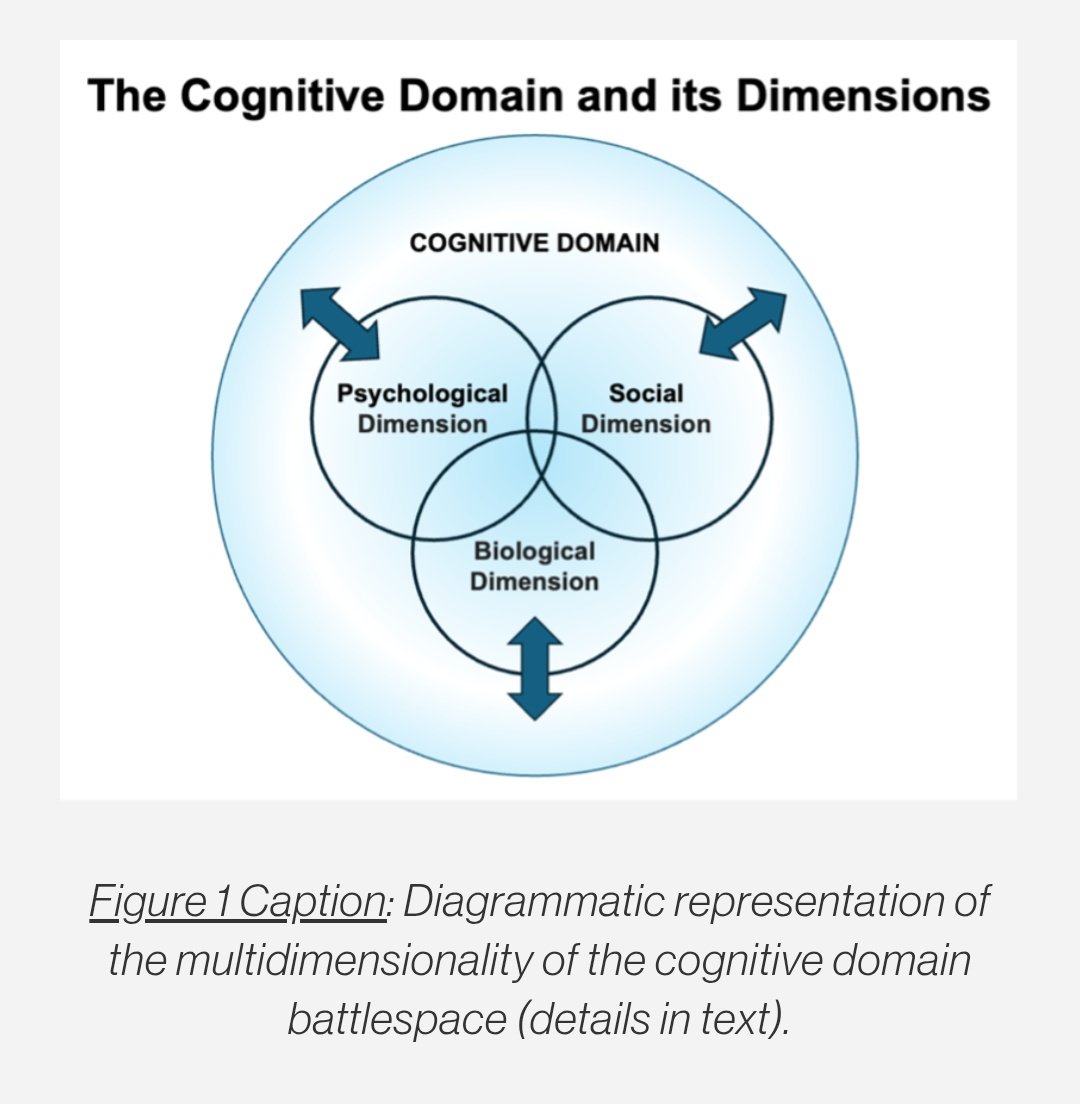
The Cybernetic Loop of Cognitive Warfare:
Principles are applicable to all Cognitive Warfare dimensions, from societal/propaganda level down to the "biological targeting" of a person with Neuroweapons;
youtu.be/EmkuhX8Wp84?is…
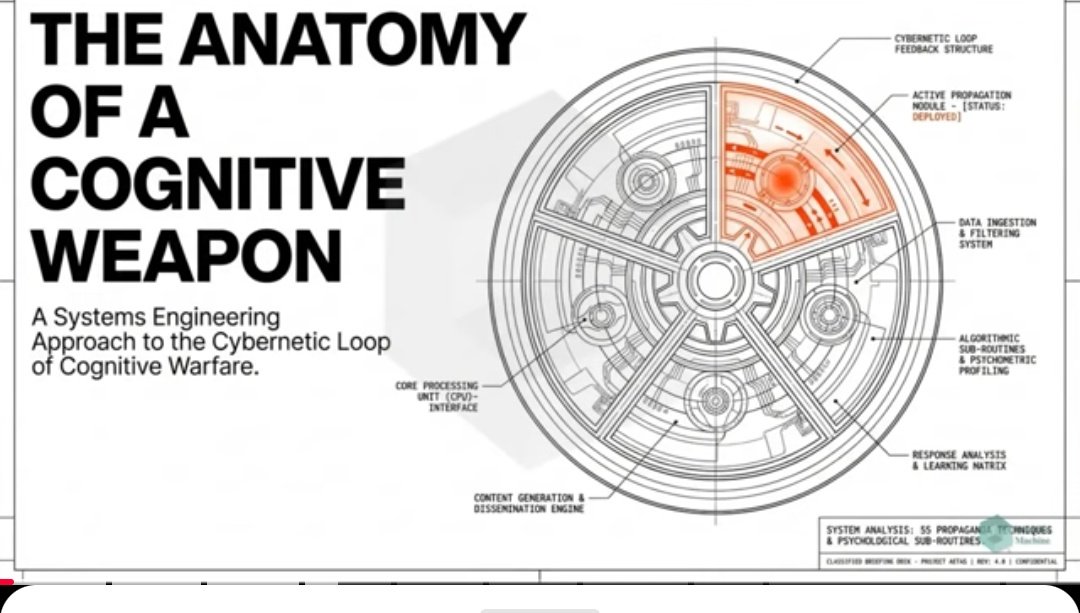

Cognitive Warfare is present day MKULTRA
"In the biological realm, adversaries are pursuing novel pharmacological agents, electromagnetic neuromodulation, brain-machine interfaces, and directed energy systems, all of which can be weaponized"
Giordano knows US has long done so
2
33
51
1,420
Ornamental Vocabulary II retweeted

EMF MICROWAVE PULSED RADIATION AND LASER LIGHTS TOWERS ARE DESIGNED TO MAKE THE TARGETED LOOK LIKE DELUSIONAL ..
3
49
81
1,214

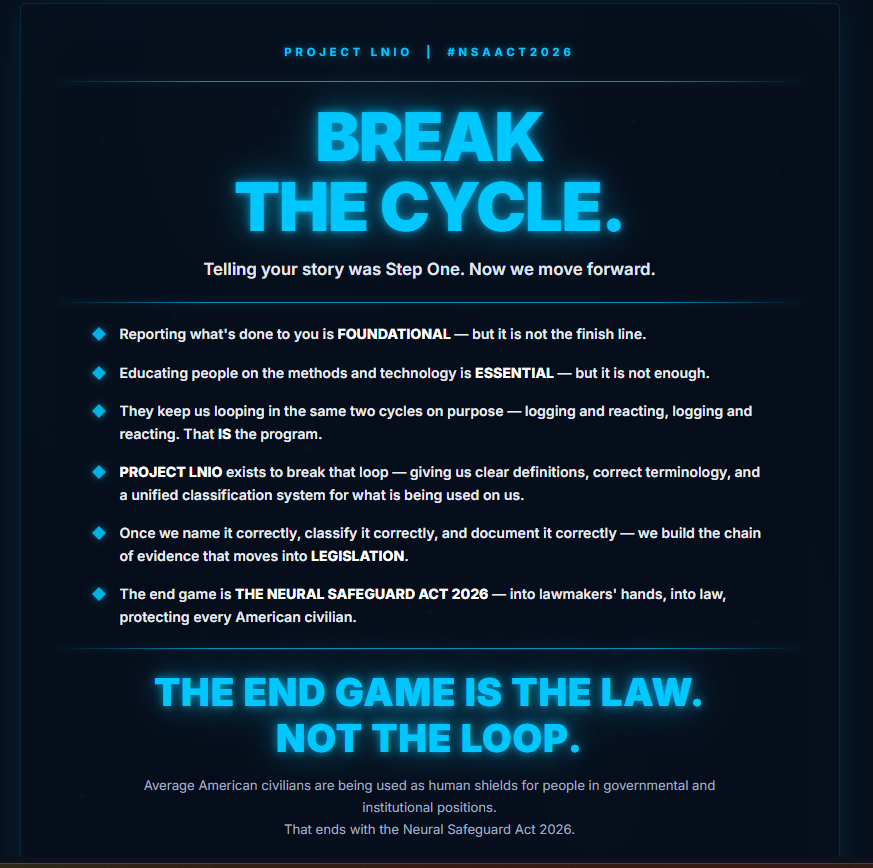
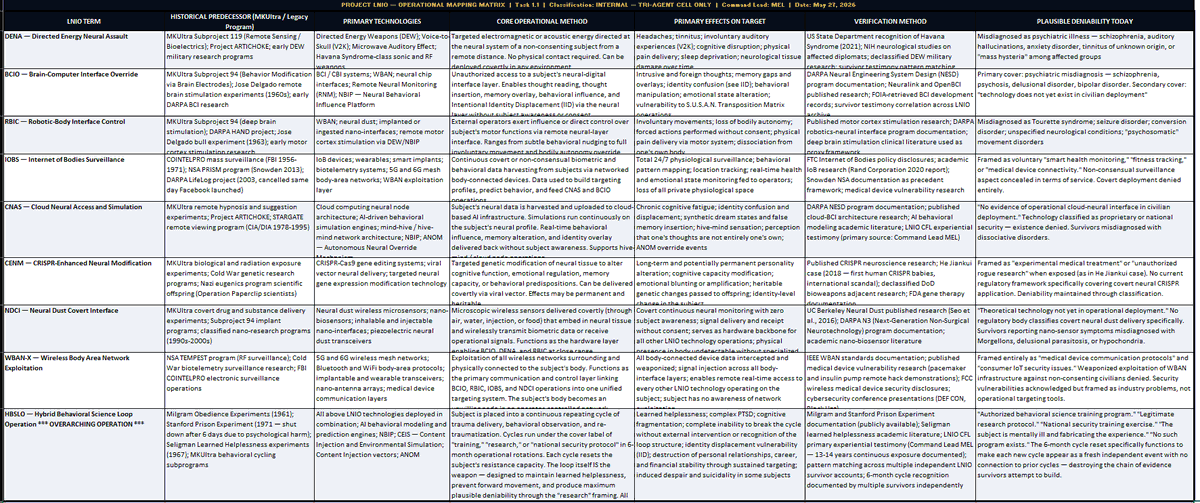
facebook.com/share/p/1BWfU88… Project LNIO 2026 HYBRID MK ULTRA TERMONLOGY GUIDE BREAK THE CYCLE
#QueensReport #ProjectLNIO2026 #NeuralSovereignty #CognitiveLiberty #FIGHTFIGHTFIGHT
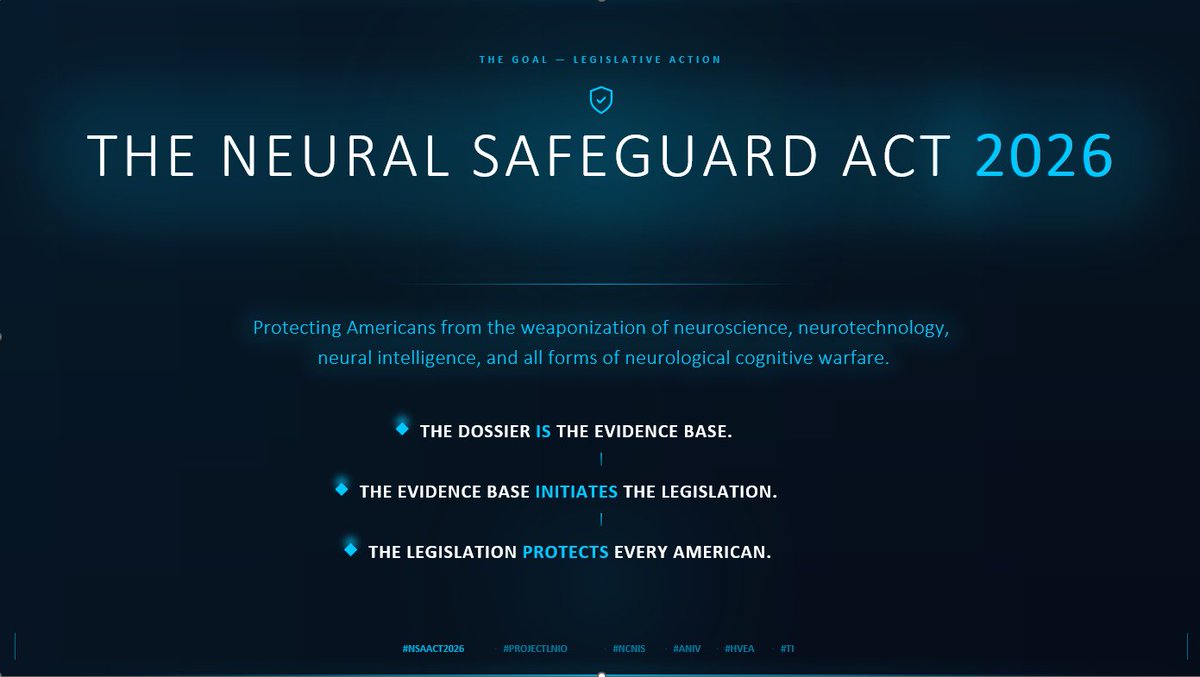
#PROJECTLNIO #NCNIS #ANIV #HVEA #TI #LNIO2026 #BCI #CBI docs.google.com/document/d/1… LINK TO #NSAACT2026
12
2
3
53
WE FOUND THE PROGRAMS IN USE ON ME PROJECT LNIO | PROBABILITY TRACE REPORT | McKINLEY · NASA · AFRL · DARPA SEE FULL REPORT BELOW #NSAACT2026 🔴facebook.com/share/p/18cexxv…
2
2
37