
Four Funny Females™ creator turned C19 hospital patient rescuer. Founder Hospital Hostage Hotline™ & Sister of Dr. Bartlett | HospitalHostageHelp.com
Joined October 2023
- Tweets 5,719
- Following 1,569
- Followers 6,918
- Likes 14,512
876 Photos and videos

Pinned Tweet

13 Jun 2025
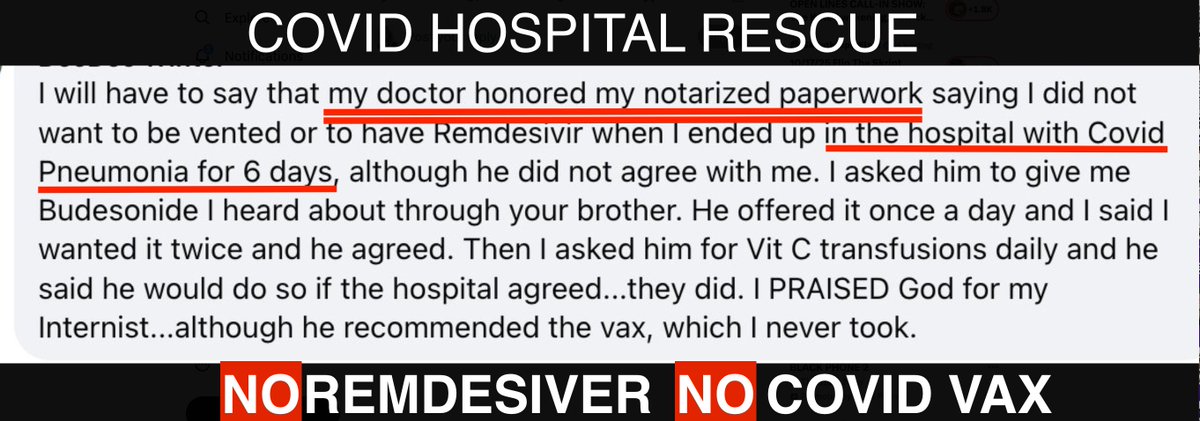
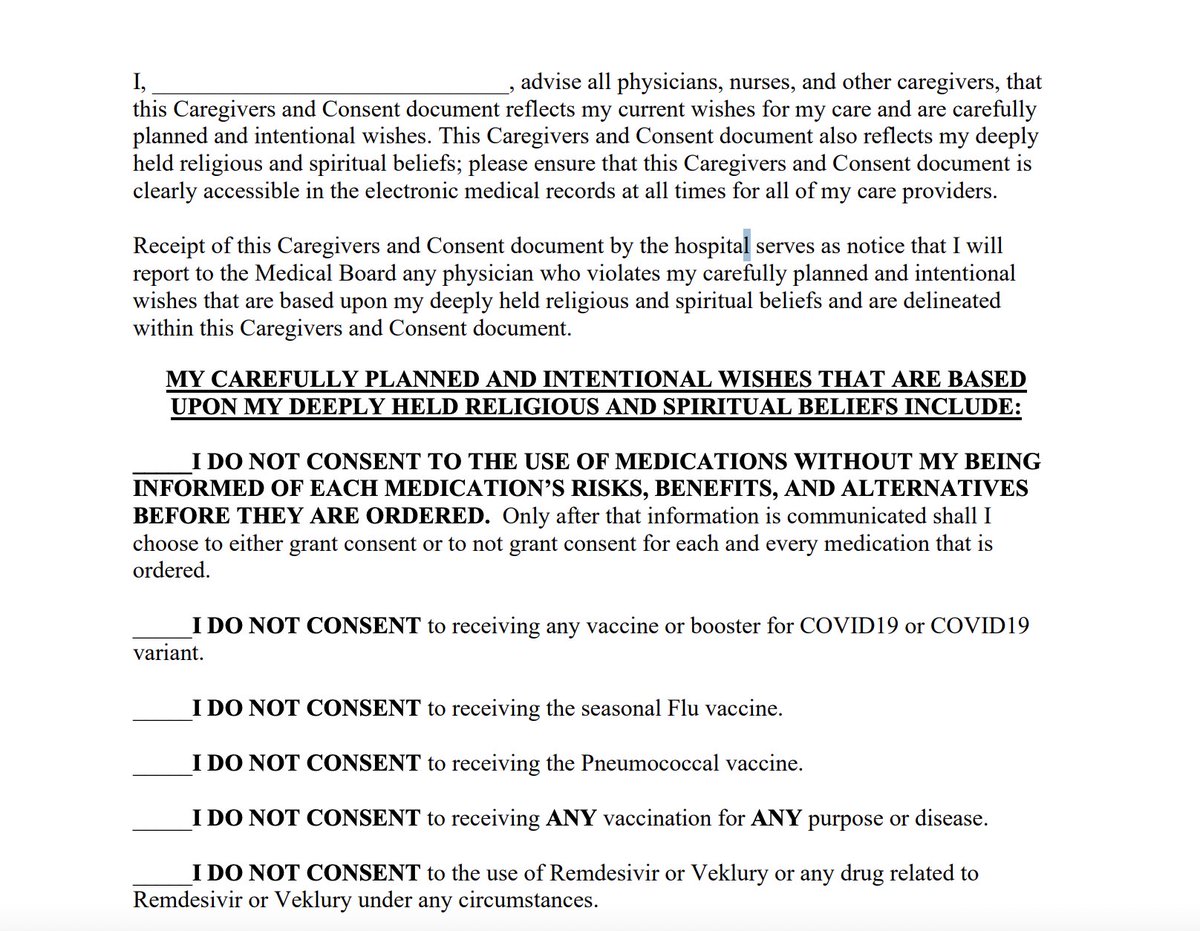
Hospitals get away with M_rder when you don't have a document like this in your electronic patient record which stops the SHOTS, drugs, etc you "DON'T CONSENT." (partial example)
@TheRebelPatient @ShannonJoyRadio @MdBreathe @PierreKory @ProtocolWidow @stella_immanuel
142
1,160
2,654
266,604
How many people would have lived and not died due to the deadly Hospital Covid Protocol if they had used an I Do Not Consent Form™
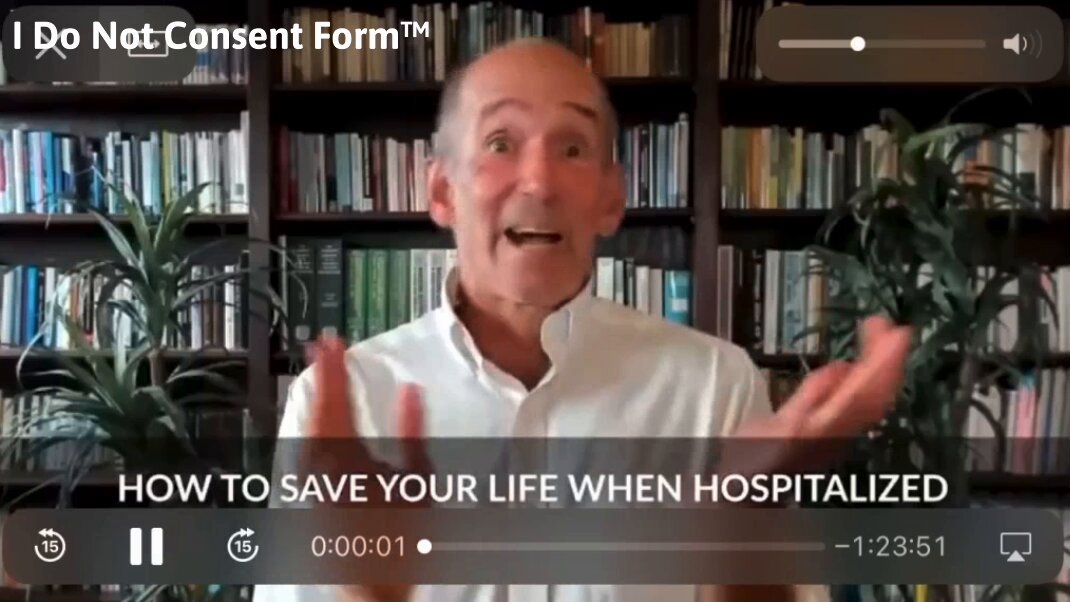
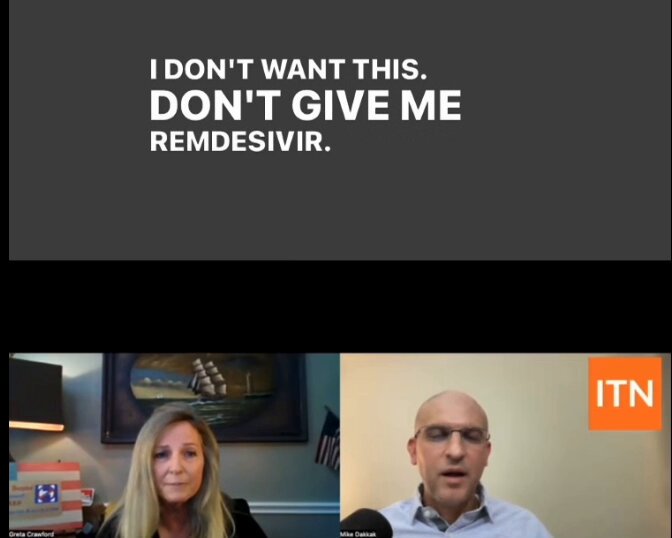
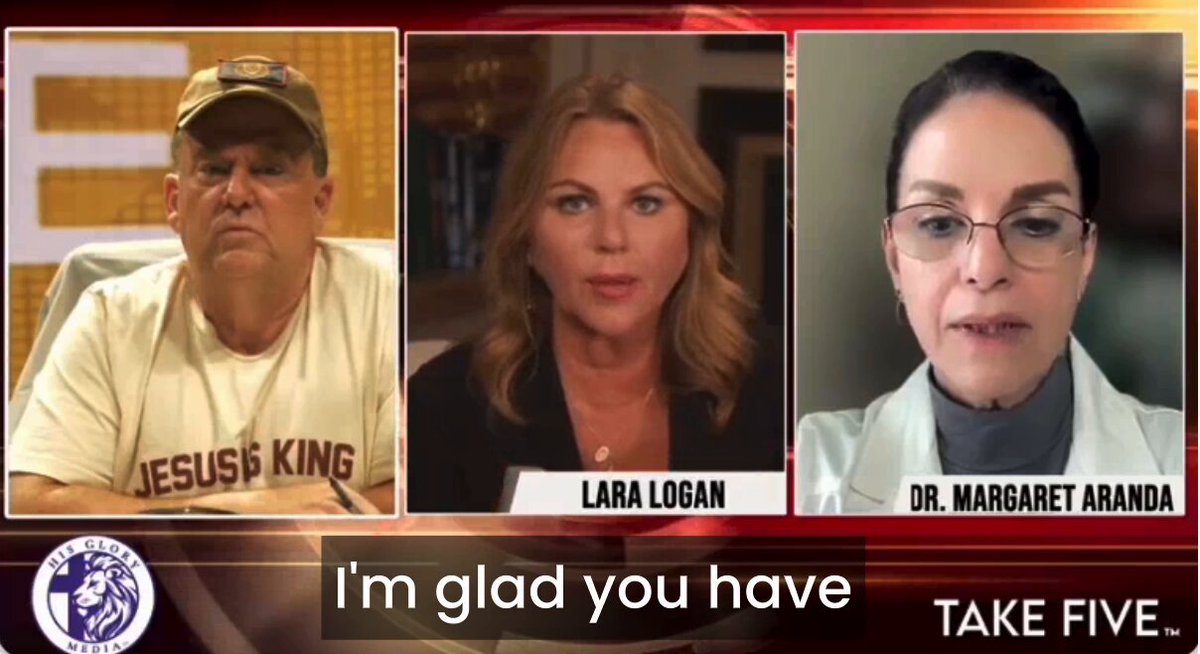
Dr. Joesph Mercola invited me on his show in 2023 to explain "How To Save Your Life When Hospitalized"
My #1 Pro Tip as founder, Hospital Hostage Hotline, a free patient advocacy and rescue helpline🚨:
I Do Not Consent Form™ - a drug and vaccine refusal form. (that's what he is so excited about in the video)
And if a doctor violates your refusal to the C19 death shot, Remdesivir, C19 Contaminated Blood 🩸etc. the patient can sue for INTENTIONAL MEDICAL BATTERY.
"Notice is everything"
"Evidence is everything"
Tom Renz, America's Medical Freedom Attorney
What do you think?
Should this post message be SHARED on X by every medical freedom loving doctor and nurse so hospital patients across America aren't abused and bullied?
@DrMargaretShow @mercola @VigilantFox @laralogan
@HISGLORYME @TXAG @
11
124
213
3,968
It's 100% FREE and available to download on my website. Make sure to download the instructions and follow to the T. How and When you should deliver the form is equally important. Use as directed. IDoNotConsentForm.com
9
10
172
Laura Bartlett - I DO NOT CONSENT FORM™ retweeted

The “Give the Gift of Life?” documentary:
youtu.be/BxvLzETgxBs?si=yaaU…
1
10
19
1,159
Laura Bartlett - I DO NOT CONSENT FORM™ retweeted

12 Feb 2025
5 Ways an Anti-Vaxxer is Made
In case you did not know
110
534
1,239
111,438
Great news for everyone who lost someone to the deadly hospital protocols!

Great News!
Due to the actions of two courageous protocol widows, Senator Ron Johnson is going to hold a congressional hearing on the deadly hospital protocols.
If you lost a loved one, it is very important that you get your letter into protocol widow Leslie Batts.
Go to Betrayalprojectusa.org and click on our Substack or click on the link in this post to get details about how to write the letter and where to send it.
We should have thousands of letters that he can put in the official Senate record.
Substack article 👇👇👇👇
substack.com/home/post/p-198…
@akahuckleberry @Saorise69 @Betrayal_Proj
@bluhawii26 @Healthwarrior86 @MIBetrayalProj
@MicMeowed @VinnDoggRadio @Justice4Earl
@WeaponizedNews @donna_spach626
@_TheYoungBlood @welcometheeagle
@LeslieBatts02 @ourptrights @WellnessPattiG
@MJ826233075 @JohnBeaudoinSr @MaryBowdenMD
@kacdnp91 @sparkysgirls777 @julie4butte5
@ChildrensHD @MuzzledTruth1
3
8
187
My #1 Pro Tip: I DO NOT CONSENT FORM™,
a legally binding, adult-patient protecting, refusal form for any drug, vaccine, test, treatment, protocol you don't want to "accidentally" or "on purpose" receive while in a hospital, LTAC, rehab, or nursing home.
Dr. Margaret and I provide it - FREE of charge
at our website IDoNotConsentForm.com
Provides protection before any hospital bracelet is applied or IV has been adminstered.
Thank God! It's yet to fail.
Nobody has reported receiving ANY vaccine or drug when used as directed, per the attorney/nurse who created this first-of-its' kind CURRENT CONSENT form.
And God forbid - if any doctor ever did administer a drug or vaccine after being NOTICED, the patient can NOW sue for intentional medical battery.
Delivered in 2 ways with Proof of receipt:
1. Hired Courier Delivery Service
2. Certified Mail Return Receipt Requested
"Notice is everything."
"Evidence is everything."
@HISGLORYME @laralogan @DrKatLindley @drawandstrike @GodsRiddles @DiedSuddenly_

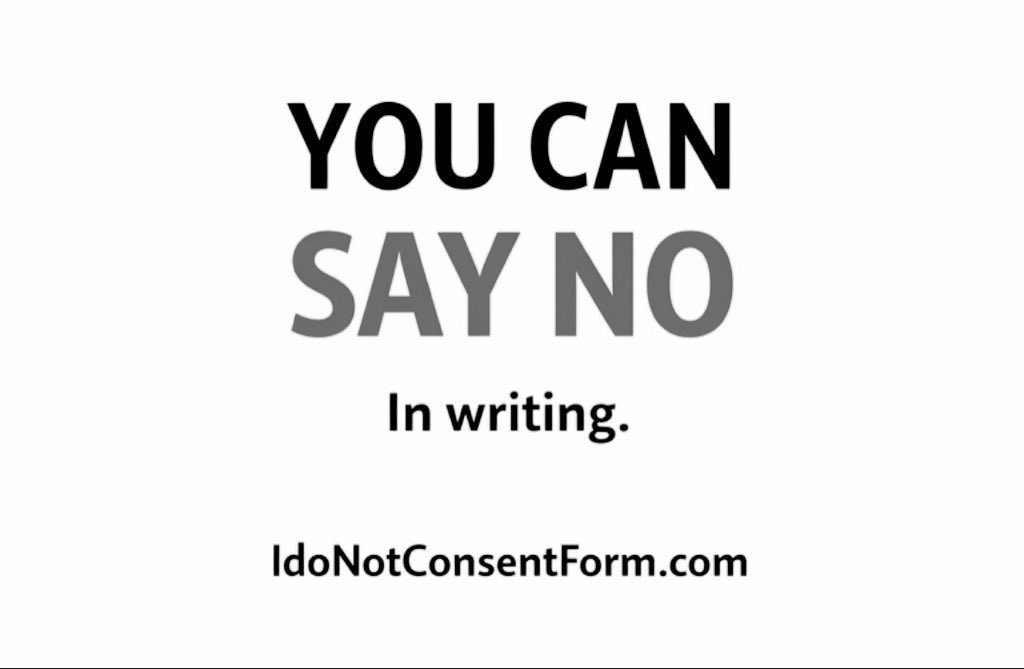
☑️ REMEMBER: You Can Say,
“NO!”
Visit this website and download your I Do Not Consent Form™️ ☑️
17
565
1,139
52,708
Be Prepared, Not Scared.
IDoNotConsentForm.com
Jun 12

🚨Don’t let this happen to you or your family. Trust me, I’ve been there and lost my husband because we didn’t know this form was necessary for me (his wife) to make decisions about life changing choices. A simple form prepared ahead of time will save you a lot of stress and frustration.
Hopefully you’ll never need it, but it’s best to be prepared for the just in case factor.
8
18
730
You're welcome, Mike!
And very well said, too!
Jun 12

Thank you for all you do to help people literally survive against the "sickness management for profit" agenda ...
1
13
450
I will help if the family will call me - at no charge.
Hospital Hostage Hotline (888) 219-3637
Patient Protecting Paperwork To Bring To The Hospital:
1. Prepare a Advanced Directive (in some states called a Living Will) and state 'I Do Not Consent to a brain apnea test" and "I Do Not Consent to being a Organ Donor"
2. Prepare, per @heidiklessigmd -a separate "Organ Refusal Form" - available at halovoice.org/resources/
18 or older with capacity:
Protection from being administered ANY vaccine or ANY drug without your consent :
1. Prepare a I Do Not Consent Form™ FREE at my website: for download: IDoNotConsentForm.com
2. Deliver IDNCF™ as directed with 2 proofs of receipt upon hospital admission. (full delivery instructions at IDoNotConsentForm.com )
@laralogan @HISGLORYME @thehealthb0t @HealthRanger @BetrayalProjCA @Betrayal_Proj @ProtocolWidow @joerogan @realMKOrts @DrMargaretShow @PatriotSkyrific @SecKennedy
Jun 11

🚨 Please help this family. If you are an organ donor, I highly suggest you get it removed from your driver’s license. This is happening every day.
👇👇

"I need your help. My brother is in the ICU at Methodist Dallas Medical Center.@Methodist Hospital A few days ago, he suffered a cardiac arrest and severe brain injury. The doctors are telling us he is no longer here but our family has witnessed movements, and nurses have also seen movement. (We have only been here 4 days) Now we're being told a brain perfusion test will be performed without wifes consent, and we're trying to understand our rights and get answers before decisions are made. They tried to escort us out with Police Officers due to her refusing. DR's blame each other that certain items cant be done until ICU Dr agrees. We've requested Patient Relations, Ethics Committee involvement, and copies of the hospital's policies. We feel like we're being rushed through one of the most important decisions a family can ever face and our Christian beliefs. We're not asking for special treatment. We're asking for transparency, time, and for our concerns to be heard. If you know a patient advocate, healthcare attorney, neurologist, ICU specialist, or anyone who can help us understand this process, please contact me. Please share this video and pray for my brother and our family. #DallasNews #TexasNews #BreakingNews #fyp #PatientRights @Univision23DFW @Noticias23DFW @Telemundo39 @wfaa @NBCDFW @CBSNewsTexas @FOX4 @endlocalnews
20
552
867
27,761
Laura Bartlett - I DO NOT CONSENT FORM™ retweeted

Jun 10
I so appreciate this being brought to the public's attention.
@DrMargaretShow covered this topic a few weeks ago before this tragedy occurred.
Many years ago a friend of mine was presumed to be in a vegetative state after a motorcycle accident. I had spent time during my training to become a psychologist doing neuropsychological testing.
After spending just 15 minutes with him, without doing any testing, I challenged the assumption that he wasn't fully aware and that the issue was a form of locked in syndrome. Everyone involved disagreed.
I threatened his parents with legal action on his behalf and sure enough after doing testing he wasn't vegetative at all. It took me a lot of time, but I pushed for him to be assessed to be able to use a communication device, and within minutes he was answering questions by moving a cursor across a screen using eye tracking and he was getting the answers correct!
It's about 15 years later now, and he is still recovering. But even in this compromise state, he is an incredible human being that brings joy to everyone he encounters. I had a wonderful conversation with him last week, something that his complete team of medical professionals, including the neurologist, would have never thought possible.
Life is precious.
Continued prayers for Annelise Camp and her family.
x.com/laralogan/status/20648…
7
33
88
1,867
Laura Bartlett - I DO NOT CONSENT FORM™ retweeted

Jun 10
#ReleaseAnnelise 💙
Lara Logan joins The Charlie Kirk Show to discuss the ongoing fight for two-year-old Annelise Camp and her family’s efforts to secure continued treatment and a peaceful transfer to a facility willing to give her more time to heal.
As Lara explains, Annelise’s parents are not asking anyone to guarantee an outcome. They are simply asking for time.
Time for a little girl who suffered a drowning accident on Memorial Day.
Time for a child whose family believes she deserves every opportunity to recover.
Time for hope.
Please join us in praying for:
🙏 Annelise’s healing and recovery
🙏 A peaceful and successful transfer to a new facility
🙏 Wisdom, strength, and courage for her parents and loved ones
🙏 Favor with every doctor, nurse, hospital administrator, attorney, and decision-maker involved
No matter where you stand, this is ultimately about a little girl and a family fighting for their daughter.
If you would like to support the Camp family during this difficult time:
givesendgo.com/annelise-camp…
@AndrewKolvet @charliekirk11 @GoingRoguewLara
Please pray. Please share. Please stand with Annelise and her family.
#PrayForAnnelise #AnneliseCamp #CharlieKirk #LaraLogan
33
399
1,241
30,671
Laura Bartlett - I DO NOT CONSENT FORM™ retweeted

Jerry Pflugradt – Isolated, Neglected and Murdered
Watch full interview here👇👇👇
betrayalprojectusa.org/jerry…
Jerry Pflugradt was a strong, outspoken, larger-than-life man who worked hard and loved deeply. He was a truck driver, owned semis, and seemed to know someone everywhere he went. To his wife Kim, he was her protector, her partner, and her whole life. They had been together for thirty-five years. Jerry had four children of his own and helped raise Kim’s two children as if they were his. He loved hunting, fishing, boating, road trips, antique malls, garage sales, the lake, and animals.
Jerry and Kim had sold their home, bought a fifth wheel, and were preparing for a new chapter together as snowbirds. They were supposed to travel, rest, and enjoy the life they had worked so hard to build.
Instead, Jerry entered Mosaic Hospital in Buchanan County, Missouri, on December 29, 2021, and never came home.
Before Jerry was hospitalized, Kim believed something serious was happening with his heart. He had been passing out periodically, had concerning symptoms, and had also fallen at work. When his breathing became worse, she took him to the hospital hoping he would receive answers and care. But once Jerry entered the hospital, Kim says the focus quickly became COVID. She remembers telling staff she did not believe COVID was the true cause of what was happening but says she was told he would be put down as COVID anyway.
From there, Kim says Jerry was isolated from her. At first, she could speak to him by phone, but he quickly became confused. He told her he could not figure out how to order food. Then nurses stopped answering the phone, and Jerry stopped answering too. When Kim finally got into his room, she found his phone shut off and placed across the room, out of his reach. Her husband had been cut off from the one person fighting for him.
What Kim found in that room still haunts her. Jerry was out of it, struggling under an oxygen device blowing so hard she said it looked like it could blow-dry hair. He kept trying to remove it. He could barely communicate. When Kim pulled back the covers, she found him still wearing the same jogging pants he had worn when he entered the hospital days earlier. He was soaked from his chest down, red, raw, and neglected. Kim screamed for help. When help did not come quickly enough, she demanded supplies and cleaned her husband herself.
Kim later discovered in Jerry’s records that he had suffered a major heart attack and a stroke while hospitalized. She says no one called her when it happened.
There was also confusion over a DNR. Jerry told Kim a nurse had questioned why he had a DNR because he was too young. Kim says Jerry did not want to be placed on a machine, but he wanted to live. She believes he signed paperwork without fully understanding what he was signing because he was already medicated and confused. Fearing what was happening, Kim went to court to gain authority so doctors would have to communicate with her. She says they still did not.
Jerry was given remdesivir. Kim remembers him calling and saying they were going to start “the protocol” and that he was going to do it because he wanted to live. She begged him not to, but he was scared, alone, and made to believe compliance was his only chance. Kim asked for ivermectin and hydroxychloroquine, but says those requests were refused and dismissed. One doctor told her ivermectin was for horses and animals, not humans. Kim knew that was not true and called him out for lying.
Then came the ventilator. Kim says staff told her it was the only way to save him. Jerry had said he did not want to be on a machine, but when he became distressed, multiple people held him down while staff yelled to vent him. Kim was asked what she wanted them to do. She said, “Save his life.” To the hospital, that meant intubation.
Jerry remained on the ventilator for fourteen days.
During that time, Kim says he developed mold in his lungs and a catheter-related infection. She believes he was not given proper basic care and that infections contributed to his decline. A nurse also told Kim that if Jerry had been vaccinated, “probably none of this would have happened,” confirming what Kim already felt that his vaccination status affected how he was treated.
After fourteen days, Jerry was finally removed from the ventilator. Though his throat was damaged and he could barely speak, he woke up. He smiled. He laughed. Family came to see him. For one day, there was hope. Kim saw her husband still fighting to live.
Then he was moved out of ICU quickly. Kim says she overheard a doctor say they needed the room. Almost immediately, people began coming into Jerry’s new room telling Kim he was not going to make it and asking what she wanted to do. Kim ordered them out. Jerry was still alive. He was still present. He still wanted to go home.
Kim says Jerry later received a shot she was told was saline, after previously reacting badly to a similar injection. A nurse later told her the doctor had given it and that Jerry had reacted. After that, Jerry lost consciousness and never came back.
When staff told Kim there was nothing more, they could do, she wanted to take him home. But she says a social worker frightened her by asking what she would do if he died on the way. Exhausted and terrified, Kim agreed to palliative care. Jerry died in the hospital on January 28, 2022. He was 67 years old.
Kim was left alone in the fifth wheel that was supposed to carry them into retirement. The car Jerry bought her as an early Christmas gift still sits as a painful reminder of the future they never got to share.
Jerry’s story reflects the devastating patterns families across the country have described: isolation, communication cut off, vaccination-status hostility, pressure around DNR, remdesivir, refusal of requested treatments, aggressive oxygen escalation, ventilation, restraint, failure to communicate critical medical events, neglect of basic care, infections, and end-of-life pressure after a patient appeared to be improving.
What happened to Jerry was institutional betrayal. These egregious crimes against humanity must be exposed, stopped, and never allowed to happen again.
Betrayal Project USA gives victims and families like Kim a platform to tell the truth, preserve their loved ones’ stories, seek reform and accountability, and build a community of support for those who suffered institutional betrayal. Our organization, board members, and volunteer force are made up primarily of victims, widows, widowers, and survivors who experienced similar harm and refuse to let these stories be erased.
If you or a loved one has been harmed by COVID-related protocols, shots, or policies, please document your story at betrayalprojectusa.org.
@akahuckleberry
@Saorise69 @Betrayal_Proj @bluhawii26
@Healthwarrior86 @MIBetrayalProj
@MicMeowed @VinnDoggRadio @Justice4Earl
@WeaponizedNews @donna_spach626
@_TheYoungBlood @welcometheeagle
@LeslieBatts02 @ourptrights @MJ826233075
@JohnBeaudoinSr @kacdnp91
@sparkysgirls777 @julie4butte5 @ChildrensHD
4
27
34
1,205
Laura Bartlett - I DO NOT CONSENT FORM™ retweeted

🕊️🕊️🕊️🕊️🕊️🕊️🕊️🕊️🕊️🕊️🕊️🕊️🕊️🕊️
A PRAYER OF FAITH AND HEALING FOR ANNELISE
@Txmaniac
Gentle and Merciful Father,
Healer of the broken and Restorer of life,
We lift up precious two-year-old Annelise, who is fighting after drowning and a brain injury.
You formed her, You know every part of her. Nothing is too hard for You.
In faith we ask: Breathe fresh life into her brain.
Restore what was damaged, reconnect every pathway, and bring complete healing to her mind and body. Let her wake with bright eyes and joyful toddler energy once again.
Surround her in the hospital with Your presence.
Guide the doctors and nurses with wisdom, and comfort her little heart.
Strengthen her family with Your peace.
Carry them and remind them You are with her every moment.
We trust You with Annelise.
You are mighty to save! Bring beauty from these waters and hope stronger than ever!
In Jesus’ name,
Amen.
12
34
112
1,172
Laura Bartlett - I DO NOT CONSENT FORM™ retweeted

Jun 10
UPDATE ON OUR GRANDDAUGHTER ANNELISE!
I want to thank you all for your many prayers and concerns of love that have gone up for Annelise. The updates come slow in terms of strict medical data. But the number one question I receive daily, is how can we pray?
Here’s how I pray for our granddaughter every day and her parents Johnston and Joy! They have two other wonderful children that I would ask for you to lift up before the Lord as well.
Here are three ways that you can pray in this situation::
1. God, only You could bring her back from the condition she is in. If it be Your will… please fully restore her physical health to your glory alone!
2. God, please permit other doctors or medical procedures that could help her be made available and to remove the roadblocks prohibiting that from occurring. If it be Your will to provide proven, effective procedures that could restore her physical health!
And, 3. God, if You sovereignly choose not to heal her body or make available other medical resources, doctors and hospitals … then give Johnston as the head of his family the grace-filled strength and faithful love to give Annelise into Your hands and say as a family their heartfelt goodbye to their precious daughter knowing she would be with You!
With much tearful love and deep encouragement for you all!
Psalm 103
Steve
47
100
479
14,009
Laura Bartlett - I DO NOT CONSENT FORM™ retweeted

Thank you for all you do! ❤️🙏
1
1
111
Laura Bartlett - I DO NOT CONSENT FORM™ retweeted
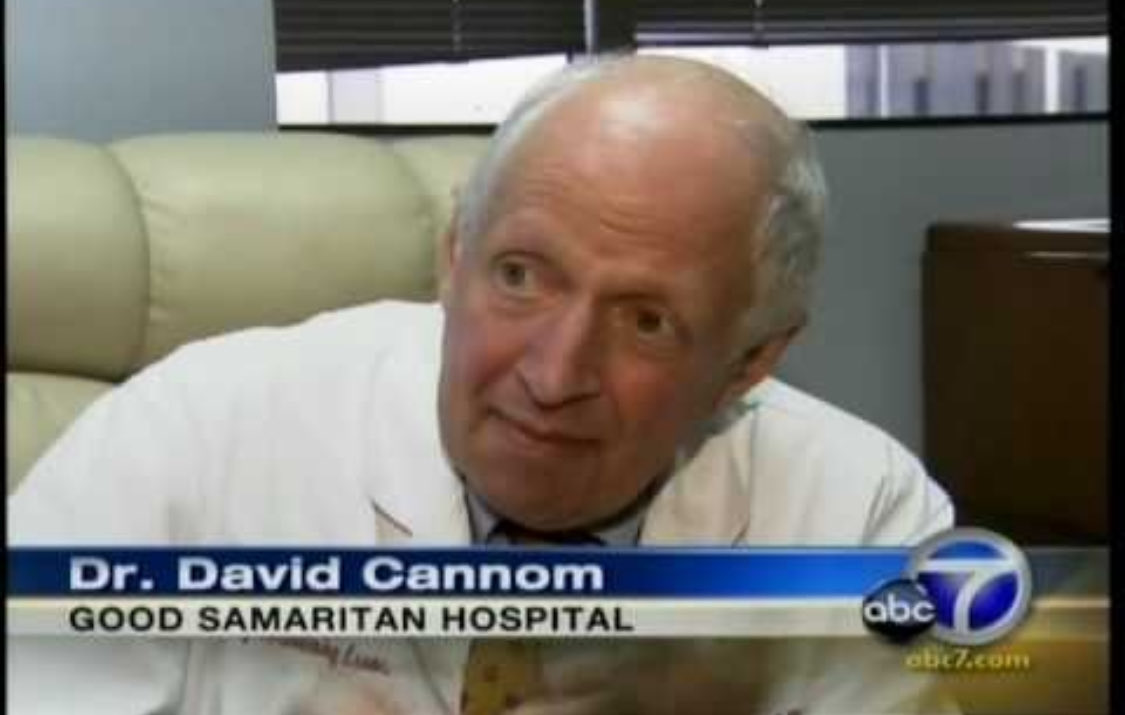
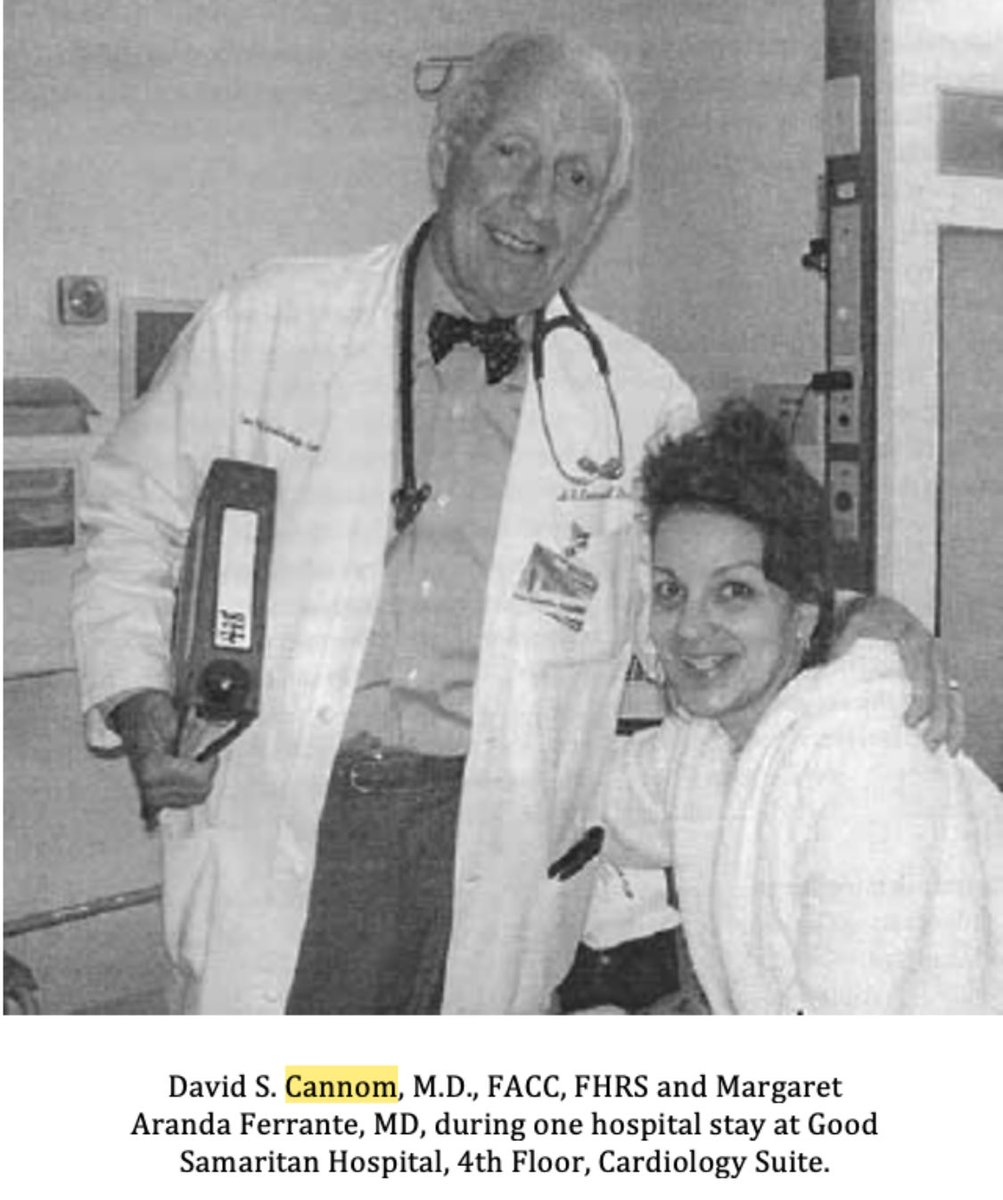
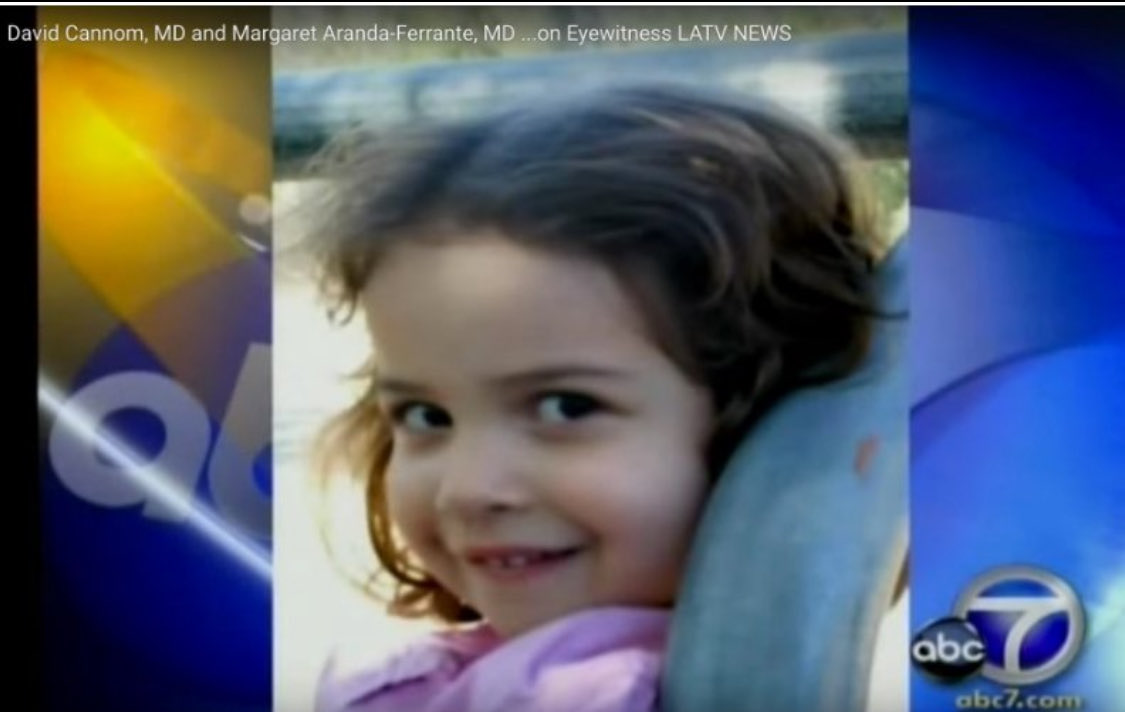
THIS is the doctor who was God’s miracle for me! Cardiologist Dr David Cannom!
All the doctors thought I was FAKING IT when I told them that whenever I stood up, I would faint. Just because they never heard of Dysautonomia/POTS, they chalked me up as being histrionic and Rxd VALIUM when I needed Midodrine.
GOD ANSWERS PRAYER in many forms! Keep the faith! SPEAK LIFE into your life!
BELIEVE IN MIRACLES! Because if God can raise me up after being BEDRIDDEN FOR 12 YEARS, He can do ANYTHING! 🙌
14
39
144
2,653
Laura Bartlett - I DO NOT CONSENT FORM™ retweeted

Jun 10
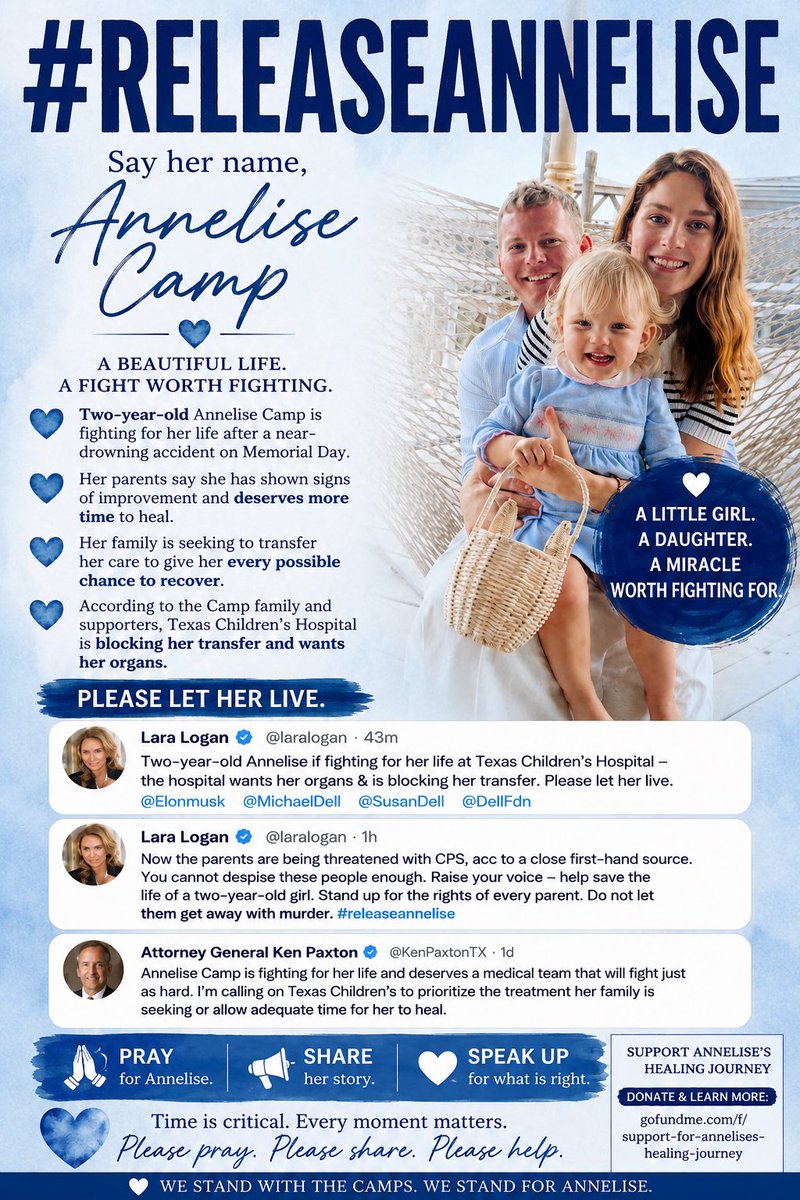
🙏 Please continue to pray for Annalise Camp & her family, specific prayers please asking for HER TO WAKE UP, for DOORS TO OPEN FOR A CAPABLE, RECEIVING HOSPITAL & for A SAFE & SWIFT TRANSPORT.
If you feel called to donate towards helping the Camp Family with expenses while they get Annalise the medical care she needs, please visit the GiveSendGo Link: givesendgo.com/annelise-camp…
Jun 5

Please help this family and their beautiful child.
Consider donating. I’m certain any amount will help.
Thank you.
gofundme.com/f/support-for-a…
14
105
169
5,247
Laura Bartlett - I DO NOT CONSENT FORM™ retweeted
Watch how the I Do Not Consent Form™ saved this 47 lb. wheelchair-bound Covid patient in the hospital.
Link to FREE form: Idonotconsentform.com
"Notice is everything."
"Evidence is everything."
Delivered in 2 very specific way (with proof of receipt!) that ensures that it will become part of your legal medical record.
To: All Healthcare Providers for:
Patient Named_____________________________________ with Date of Birth__________________________________
And all Representatives, Subsidiaries, Parent Companies, Attorneys, Department Chairs, Chief Quality Officer, Chief of Staff, Chief Medical Director/Officer, Medical Executive Committee, Board of Trustees/Directors
c/o Chief Executive Officer for Hospital/Facility
RE: Caregivers and Consent document Attached is my Caregivers and Consent document.
Please ensure that this Caregivers and Consent document is clearly accessible in the electronic medical record at all times for all my healthcare providers. Furthermore, the date this Caregivers and Consent document is received by the hospital/facility serves as the date I reaffirm my carefully planned and intentional wishes as described within this Caregivers and Consent document.
Thank you in advance for your attention to this matter.
Signature:
Print Name: Address: Phone: Email:
_______________________________ Date: ________________
________________________________________________________
________________________________________________________
________________________________________________________
________________________________________________________
NOTARIZED ACKNOWLEDGEMENT
State of:_______________________ County of:____________________
The signer of this document PERSONALLY came and appeared before me and was acknowledged by me, the undersigned Notary, with the name ____________________________ who is a resident of ______________________County, State of __________________________.
My commission expires_________________________
__________________________ Notary Public
Caregivers and Consent
I, ______________________________, advise all physicians, nurses, and other caregivers, that this Caregivers and Consent document reflect my current wishes for my care and are carefully planned and intentional wishes. This Caregivers and Consent document also reflects my deeply held religious and spiritual beliefs; please ensure that this Caregivers and Consent document is clearly accessible in the electronic medical records at all times for all of my care providers.
Receipt of this Caregivers and Consent document by the hospital/facility serves as notice that I will report to the Medical Board any physician who violates my carefully planned and intentional wishes that are based upon my deeply held religious and spiritual beliefs and are delineated within this Caregivers and Consent document. Furthermore, the date this Caregivers and Consent document is received by the hospital/facility serves as the date I reaffirm my carefully planned and intentional wishes as described within this Caregivers and Consent document.
MY CAREFULLY PLANNED AND INTENTIONAL WISHES THAT ARE BASED UPON MY DEEPLY HELD RELIGIOUS AND SPIRITUAL BELIEFS INCLUDE:
_____I DO NOT CONSENT TO THE USE OF MEDICATIONS WITHOUT MY BEING INFORMED OF EACH MEDICATION’S RISKS, BENEFITS, AND ALTERNATIVES BEFORE THEY ARE ORDERED. Only AFTER that information is communicated shall I choose to either grant consent or to not grant consent for each medication that is ordered. This does not obviate the EXCEPTION for immediately effective emergency resuscitation drugs or for elective or emergency requiring IV, local, or regional anesthetic drugs to be given to allow a surgical procedure where consented anesthesia and/or surgery is required.
_____I DO NOT CONSENT to receiving ANY vaccine or booster for COVID19 or COVID19 variant
. _____I DO NOT CONSENT to receiving the seasonal Flu vaccine.
_____I DO NOT CONSENT to receiving the Pneumococcal vaccine.
_____I DO NOT CONSENT to receiving ANY vaccination for ANY purpose or disease.
_____I DO NOT CONSENT to the use of Remdesivir, or its brand name called Veklury, or ANY drug related to Remdesivir or Veklury under ANY circumstances.
_____I DO NOT CONSENT to a ventilator in the case of a COVID19 diagnosis, or COVID19 variant diagnosis, or any virus diagnosis (such as, but not limited to, Bird Flu virus diagnosis, Nipah virus diagnosis, Hantavirus diagnosis) WITHOUT consultation with myself regarding the risks, benefits, and alternatives PRIOR to the implementation of the ventilator. Only AFTER that information is communicated to me shall I choose to either grant consent or to not grant consent for the ventilator.
Caregivers and Consent
____I DO NOT CONSENT to medications related to COVID19 protocol, or COVID19 variant protocol, or any virus protocol (such as, but not limited to, Bird Flu virus protocol, Chikungunya virus protocol, Nipah virus protocol, Marburg virus protocol, Ebola virus protocol, Hantavirus protocol) WITHOUT consultation with myself regarding the risks, benefits, and alternatives PRIOR to the implementation of the medication. Only AFTER that information is communicated to me shall I choose to either grant consent or to not grant consent for each medication.
_____I DO NOT CONSENT to receiving any blood transfusions that contain blood products derived from COVID19 vaccinated donors or COVID19 variant vaccinated donors.
_____I DO NOT CONSENT to receiving any processed food, such as high-fructose corn syrup or seed oils. The only acceptable oil for me is butter, ghee, beef tallow, or coconut oil. Acceptable forms of protein are eggs, lamb, bison, beef, or non-farmed seafood; but they must not be prepared with seed oils. If the hospital/facility is unable to provide this food for me, my family or friends will bring it for me.
_____I DO NOT CONSENT to receiving Acetaminophen or Tylenol.
____I ALSO DO NOT CONSENT TO THE FOLLOWING:
______________________________________________________________________________
______________________________________________________________________________
_____I REQUEST AND CONSENT to the use of 1mg of Budesonide via nebulizer every 4 to 6 hours for COVID19 diagnosis, or COVID19 variant diagnosis, or any virus diagnosis with respiratory issues.
____I REQUEST AND CONSENT to the implementation of alternative treatments for COVID19 and COVID19 variants. Alternative treatments may include, but are not limited to, Ivermectin, Hydroxychloroquine, Fluvoxamine. If the facility does not allow for the use of any alternative treatments, I REQUEST AND CONSENT that I be consulted for discharge to another facility.
____I REQUEST AND CONSENT to the implementation of alternative treatments for a virus diagnosis (such as, but not limited to, Bird Flu virus diagnosis, Chikungunya virus diagnosis, Nipah virus diagnosis, Marburg virus diagnosis, Ebola virus diagnosis, Hantavirus diagnosis). Alternative treatments may include, but are not limited to, Ivermectin, Hydroxychloroquine, Fluvoxamine. If the facility does not allow for the use of any alternative treatments, I REQUEST AND CONSENT that I be consulted for discharge to another facility.
____I ALSO REQUEST AND CONSENT TO THE FOLLOWING: __________________________________________________________________________________________ __________________________________________________________________________________________ __________________________________________________________________________________________
Caregivers and Consent: Page 2 of 3
5/17/2026
Caregivers and Consent
All the items in this Caregivers and Consent document shall remain in effect unless I choose to revoke in writing; no one else may alter or amend this Caregivers and Consent document.
__________________________ ________ _____________________
Signature Initials Date: _____________________________________________________________________________________
NOTARIZED ACKNOWLEDGEMENT
State of:_______________________
County of:____________________
The signer of this document PERSONALLY came and appeared before me and was acknowledged by me, the undersigned Notary, with the name ____________________________ who is a resident of ______________________County, State of _________________________.
My commission expires__________________________________
__________________________________ Notary Public
25
53
1,576