Design. Animation. Sound
Joined January 2012
- Tweets 147
- Following 143
- Followers 1,316
- Likes 1,702
33 Photos and videos
Pinned Tweet

28 May 2024
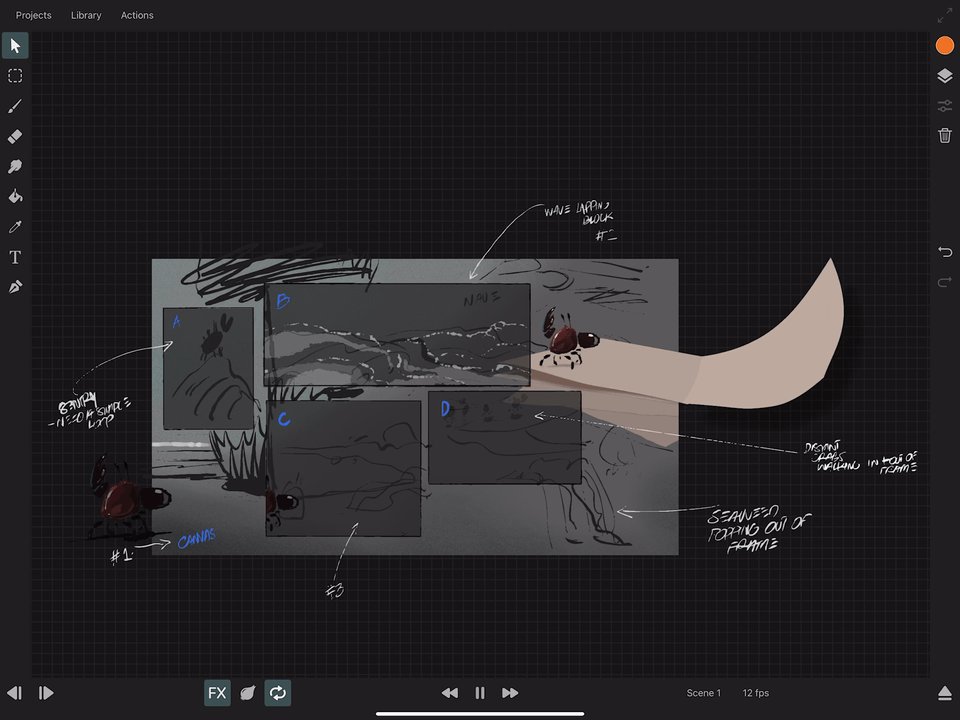
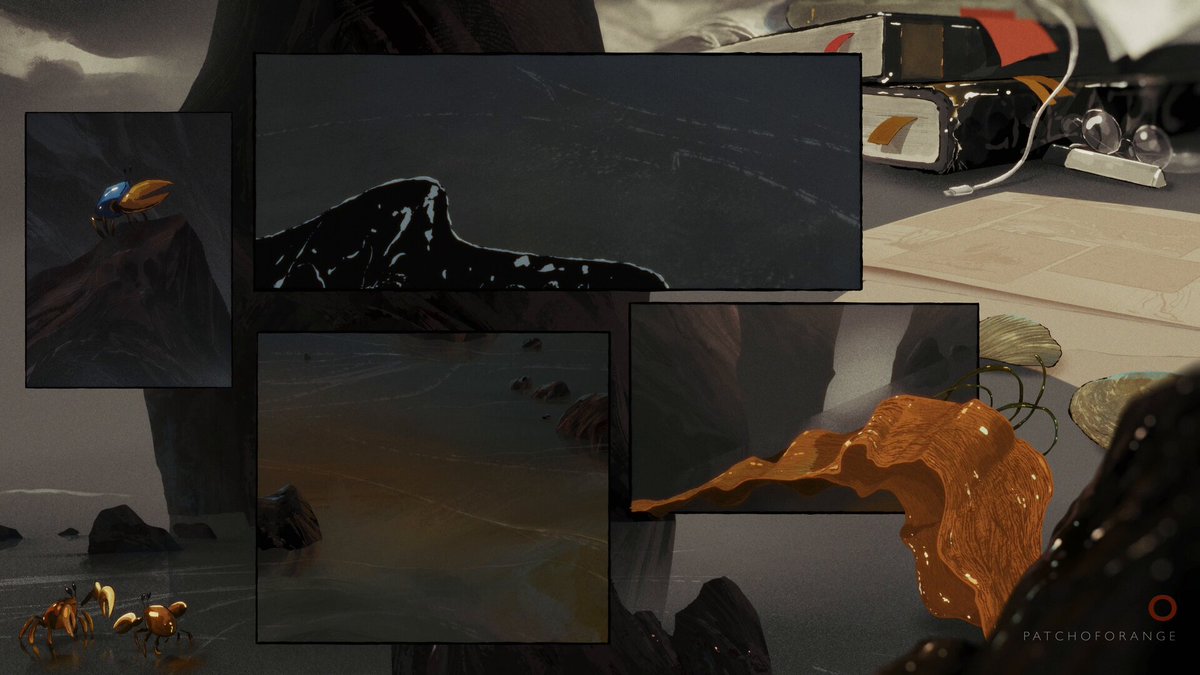
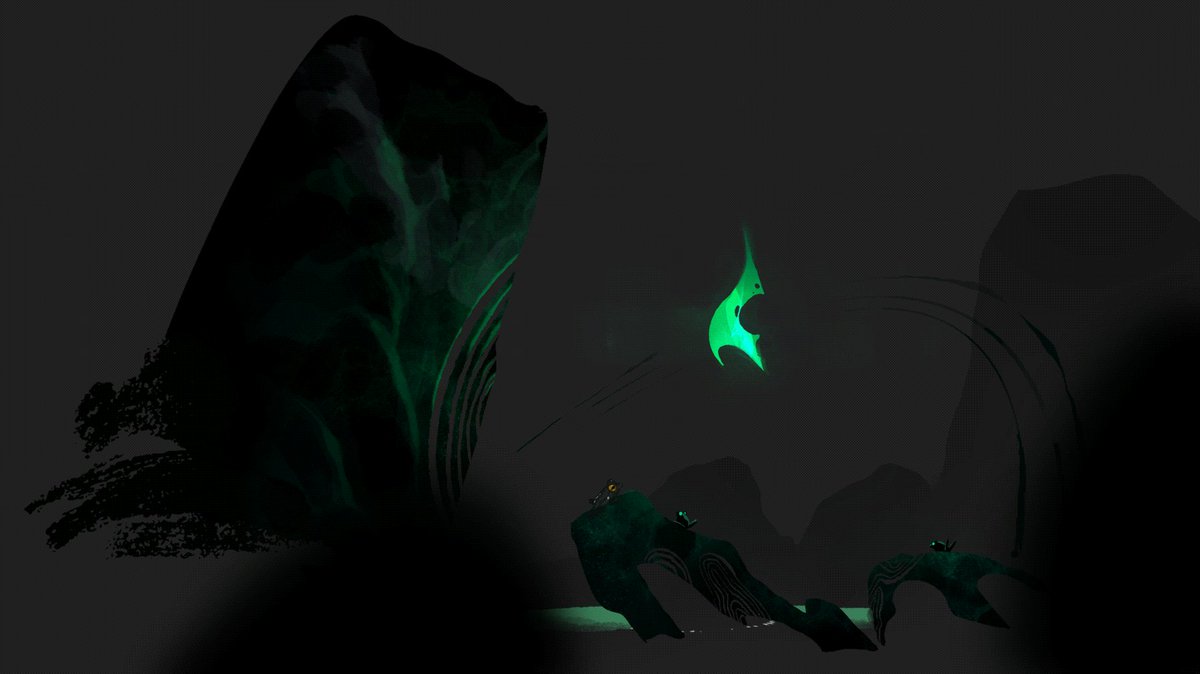
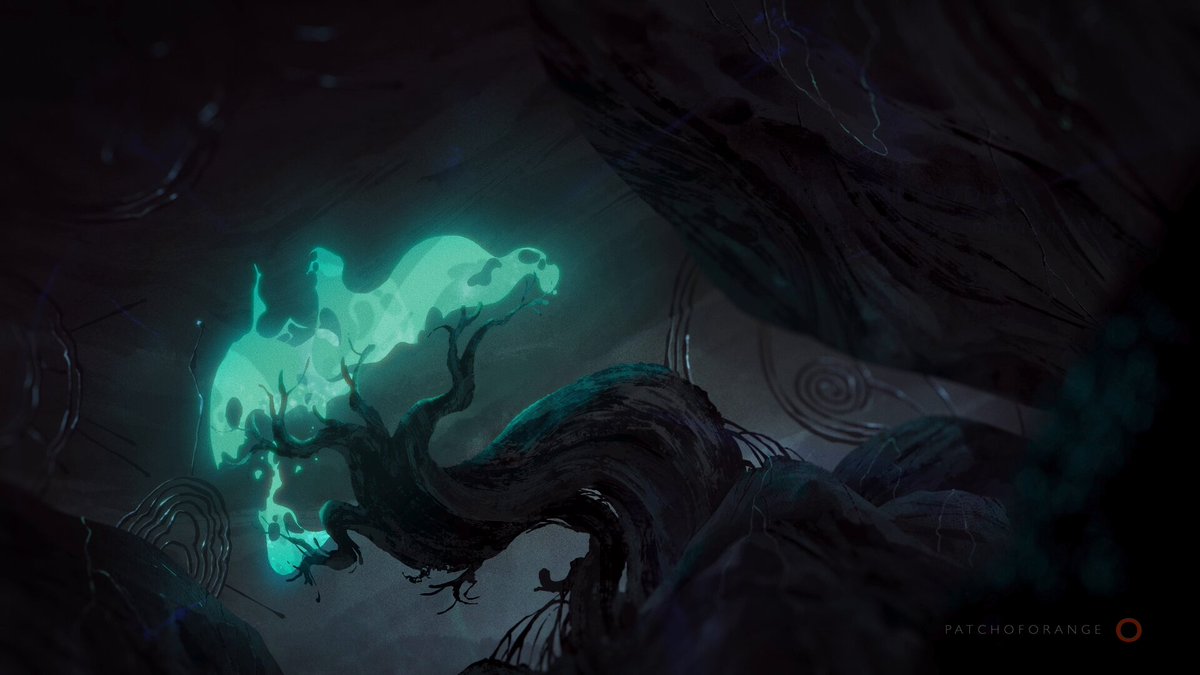
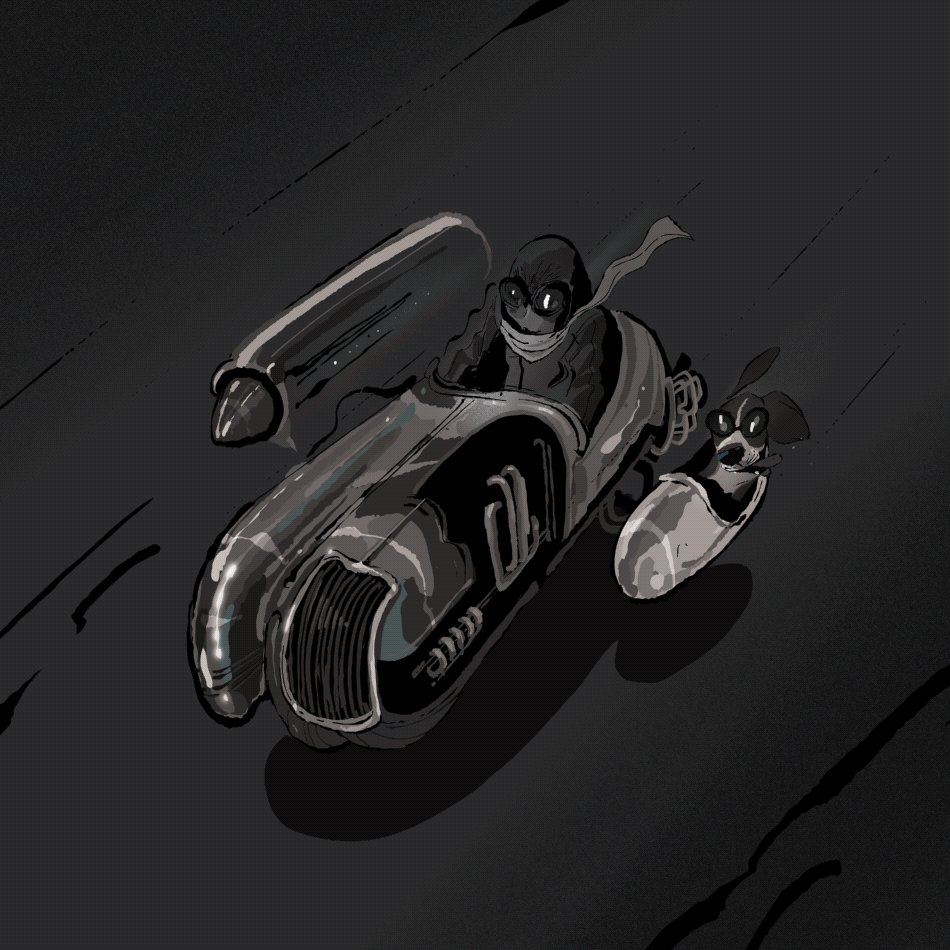
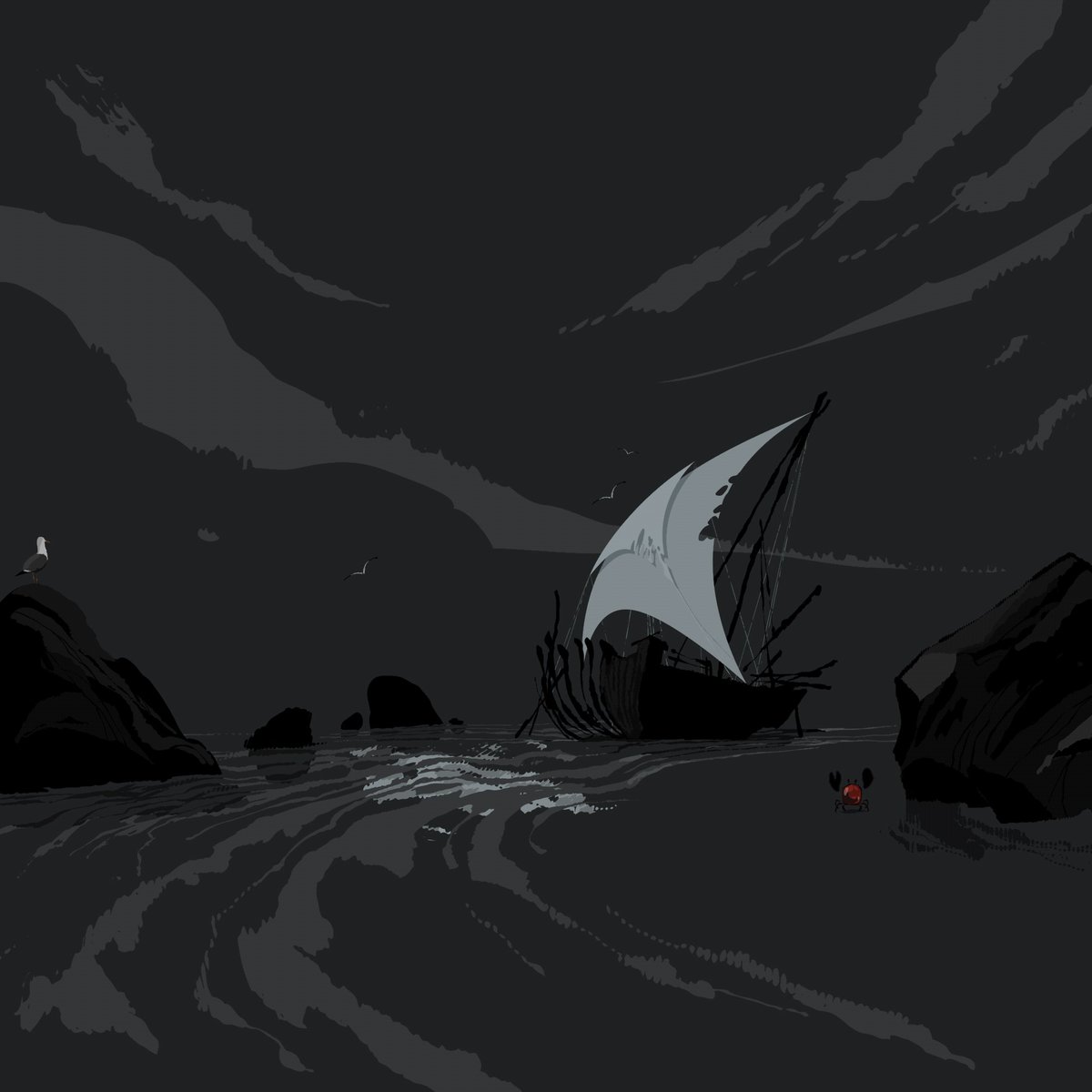
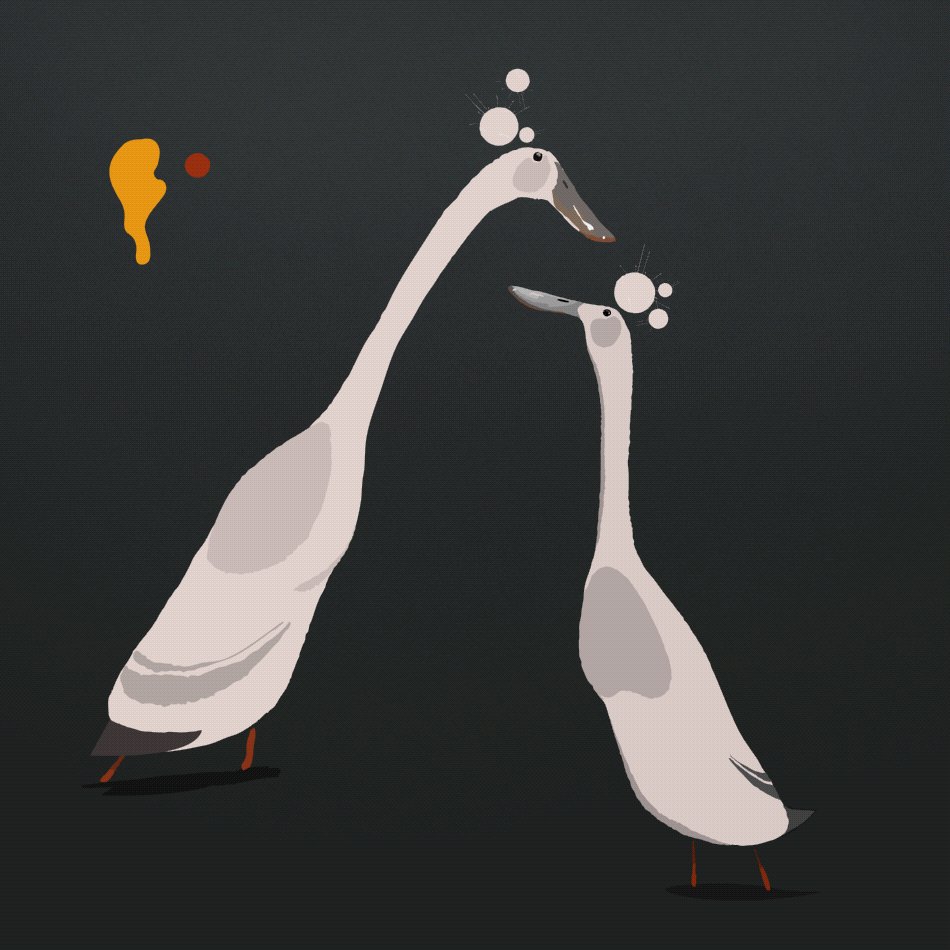
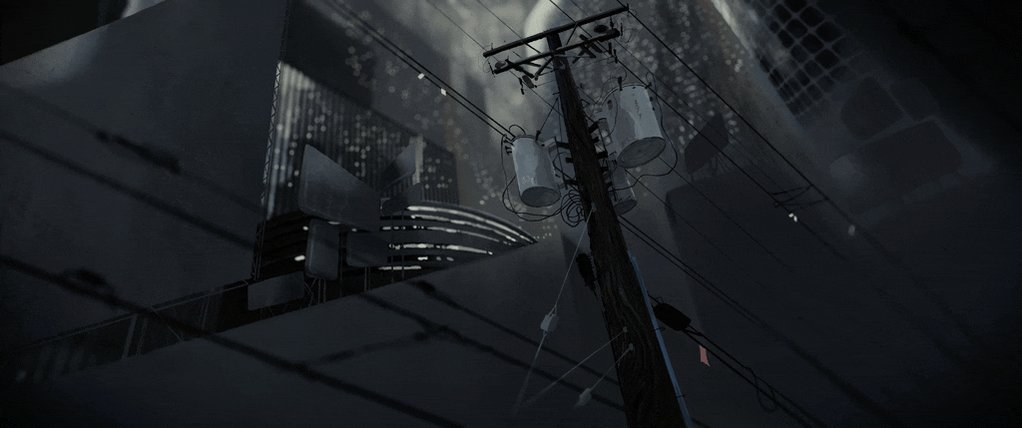
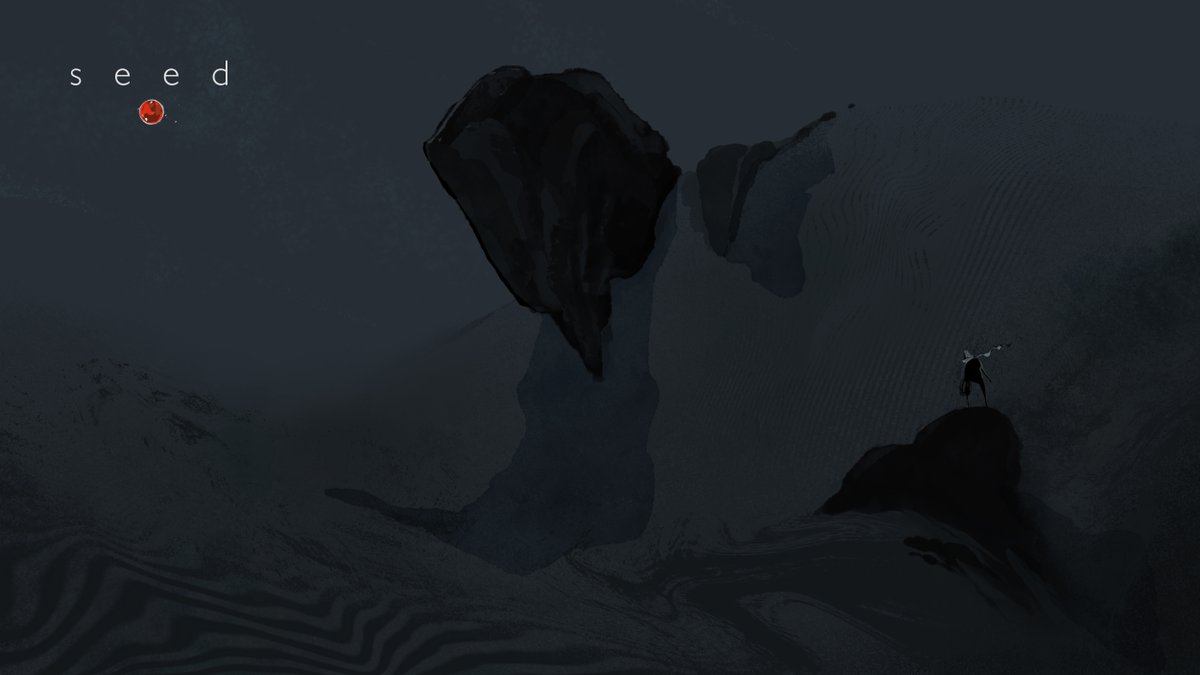
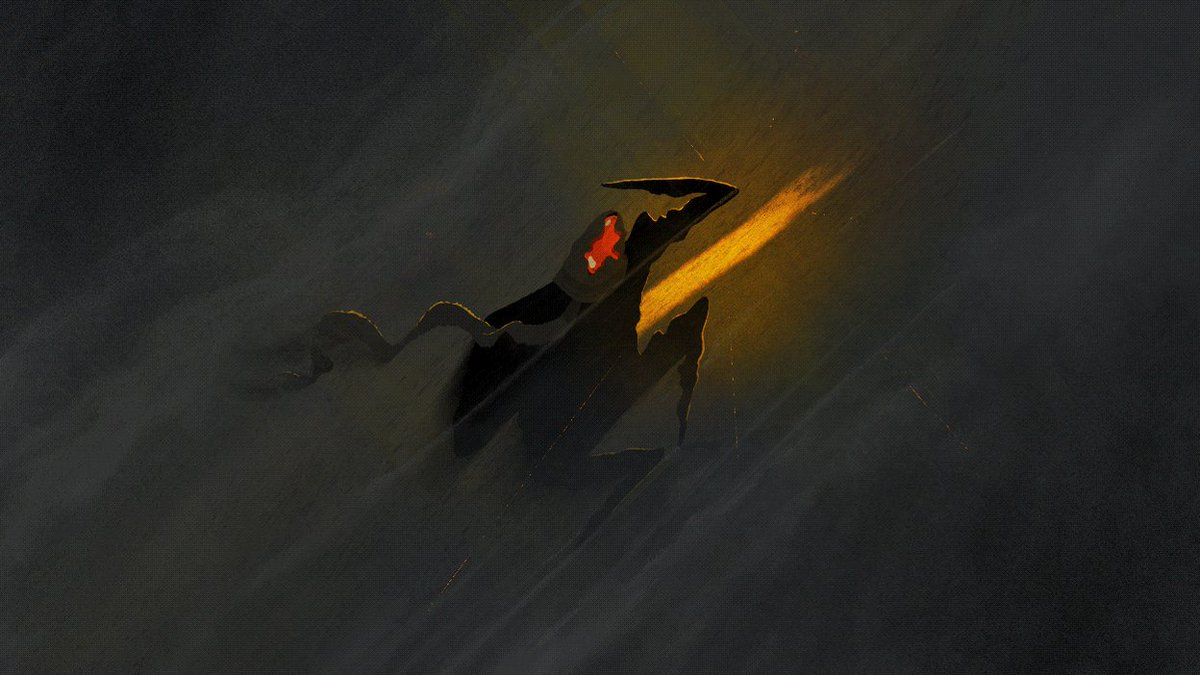
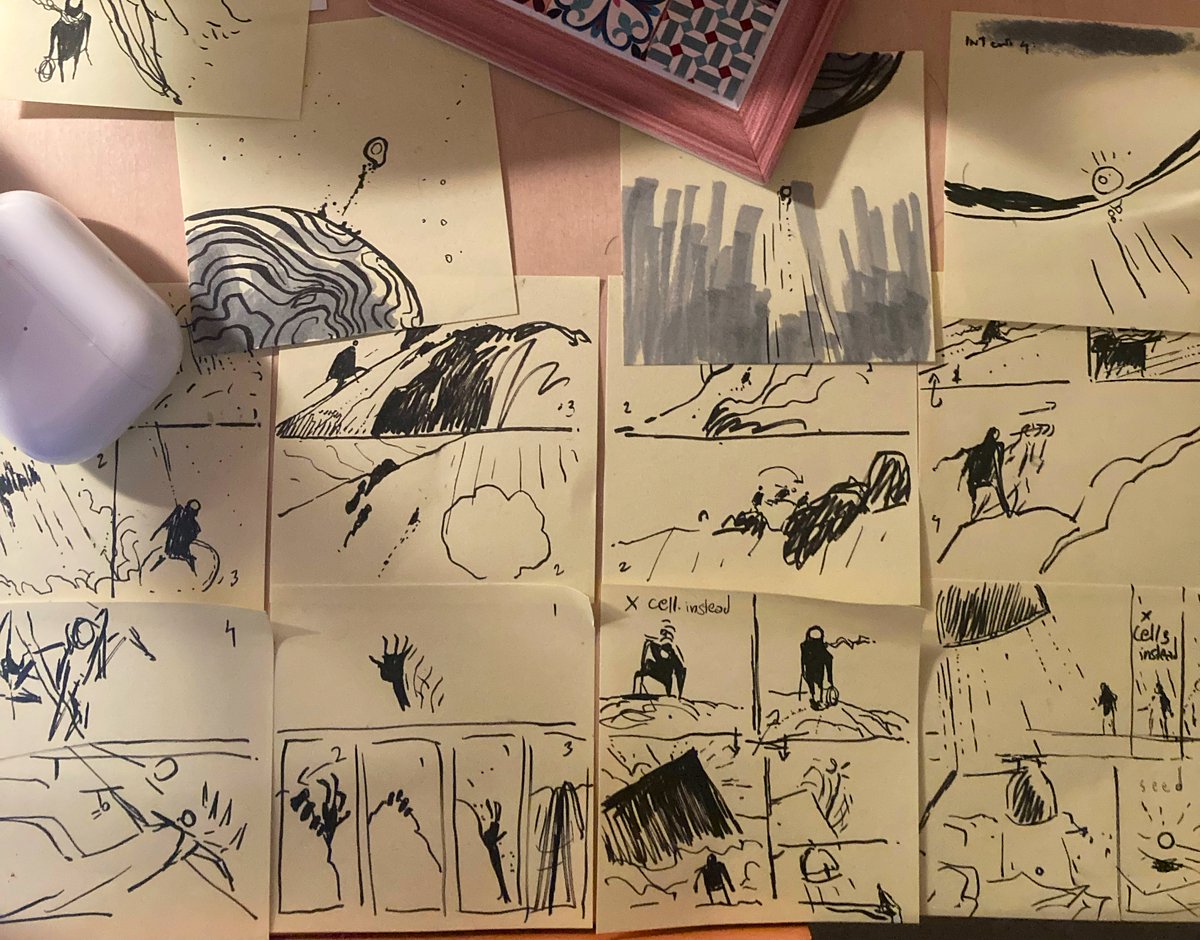
S E E D is a #2danimation short with all character fx animation done in @toonsquid app. a mini breakdown of process thread below.
2
4
20
1,788
robin joseph retweeted
294
744
3,491
46,322,407
robin joseph retweeted

BBC reporter tries to convince a teenage girl that Starmer did the right thing by banning social media for everyone under 16.
The girl is not convinced and gives the BBC reporter a sharp answer
148
409
4,141
232,829
robin joseph retweeted

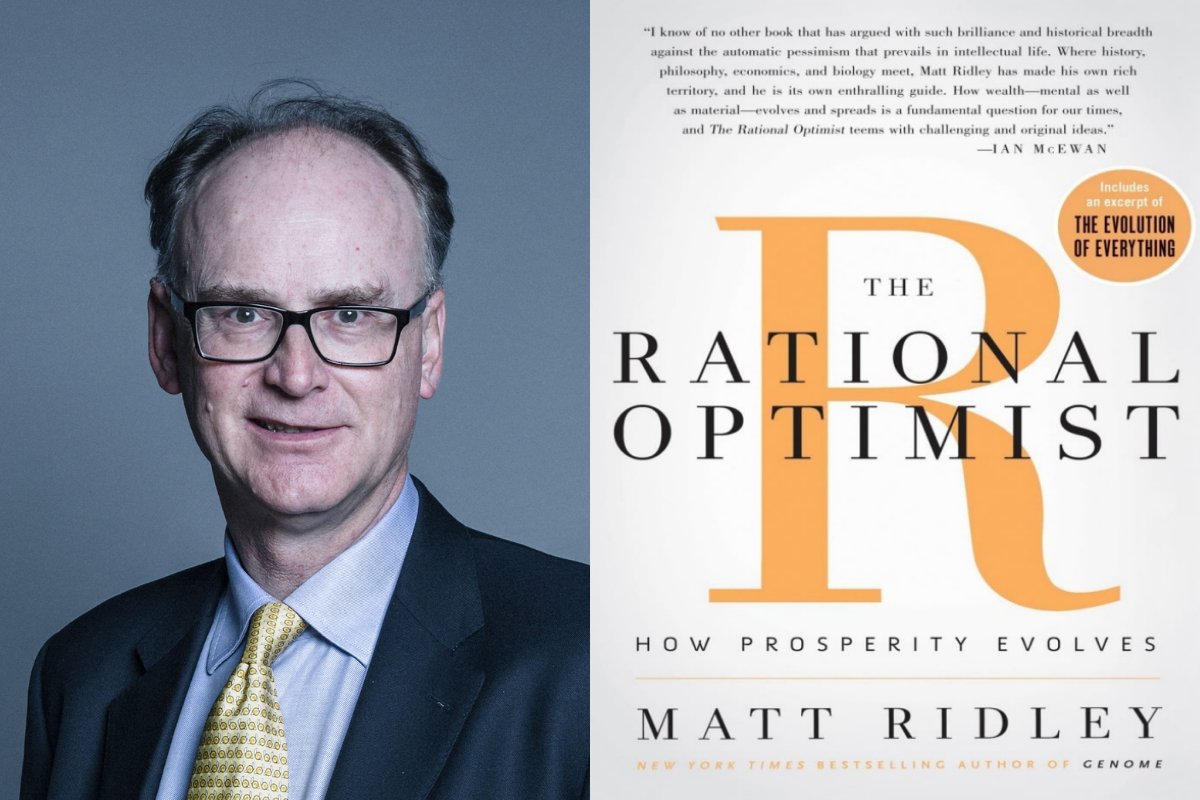
A British biologist looked at 200,000 years of human history and found that the entire reason humans broke out of poverty was not intelligence, not language, not even agriculture, but one mechanism so simple a 6-year-old could explain it.
His name is Matt Ridley.
He is a zoologist by training, an evolutionary biologist by career, and in 2010 he wrote a book called The Rational Optimist that quietly argued the most important fact about human progress had been hiding in plain sight for the entire history of economics.
Naval Ravikant has been telling people to read everything Ridley has ever written for the last 15 years. The reason is the argument inside this one book.
For 200,000 years, anatomically modern humans walked around with the same brain you have right now. Same skull size. Same neural architecture. Same raw capacity for language, planning, and abstract thought.
For roughly 190,000 of those years, almost nothing happened. Generation after generation lived and died inside the same Stone Age toolkit their great-great-grandparents had used. Then somewhere around 50,000 years ago, the line on the chart of human progress started to tick upward. Then it bent. Then it exploded.
The question Ridley spent years on was the only question that mattered. What changed.
It was not the brain. The brain had been the same for 190,000 years. It was not language, which had existed long before the takeoff. It was not even agriculture, which arrived only 10,000 years ago and was actually preceded by the upward bend, not the cause of it.
What changed was that humans started trading with strangers.
This sounds too small to be the answer. Ridley argues that it is the answer to almost everything. The moment one human exchanged a useful object with another human from a different group, something happened that no other species on earth had ever done.
Two ideas that had developed in isolation came into contact. The flint knapper learned what the spear maker had figured out. The fisherman from the coast learned what the hunter from the forest had figured out. The two pieces of knowledge fused into something neither side could have produced alone.
Ridley calls this ideas having sex. The phrase sounds frivolous and it is meant to. The point is that ideas, like genes, get better when they combine with other ideas from different lineages.
An idea sitting inside one head, no matter how brilliant the head, eventually hits a ceiling. The same idea exposed to ten thousand other ideas does something genes do under sexual reproduction. It mixes. It recombines. It produces offspring nobody planned.
The cleanest proof of this argument is the most uncomfortable case study in the book. Tasmania.
Around 10,000 years ago, rising sea levels cut Tasmania off from mainland Australia. A population of roughly 4,000 humans was now isolated on an island, with no possibility of contact with the rest of humanity. They had the same brains. The same language. The same starting toolkit as their cousins 150 kilometers north. The natural experiment was now running.
What happened next is something no economist or geneticist had ever predicted.
The mainland Australians kept inventing. Boomerangs. Spear-throwers. Fishing nets. Bone needles for sewing fitted clothes. Watercraft with paddles. Their technology compounded slowly across the centuries.
The Tasmanians went the other way. They did not just fail to invent the new tools their cousins were developing. They started losing the tools they already had. Fishing was abandoned within a few thousand years. Bone tools disappeared. Fitted clothing disappeared. They forgot how to make fire from scratch and started carrying lit firebrands from camp to camp instead, relighting their fires from a neighbor's whenever their own went out.
By the time European explorers arrived in the 17th century, the Tasmanians had the simplest toolkit of any human society ever recorded. Their material culture had gone backward for 8,000 years.
The archaeologist Rhys Jones called it a slow strangulation of the mind.
Joseph Henrich at Harvard later proved with formal mathematical models that there was nothing wrong with Tasmanian brains. There was something wrong with their network. A toolkit requires a critical mass of people exchanging skills to maintain itself.
The act of teaching a skill is imperfect. Every generation loses a small percentage of what the last generation knew. If your population is large enough and trading widely enough, those losses get caught and corrected by someone else who still remembers.
If your population shrinks below a certain threshold and stops mixing with outsiders, the small losses compound until entire technologies disappear.
This is the part that should haunt anyone reading this in 2026.
Intelligence is not a property of the individual brain. Intelligence is a property of the network the brain is connected to. A genius in isolation will produce less than a mediocre thinker inside a dense exchange of other mediocre thinkers.
The thing your ancestors needed in order to break out of 190,000 years of stagnation was not better brains. It was better connections between brains they already had.
The implication for any individual is direct and uncomfortable. If you are smart and isolated, you will be outproduced by people half as smart who are connected.
The most successful people in any field are almost never the smartest people in it. They are the ones positioned at the intersection of the most idea flows. They are reading more authors than their competitors. They are talking to more people from more disciplines. They are in the rooms where ideas from different lineages bump into each other.
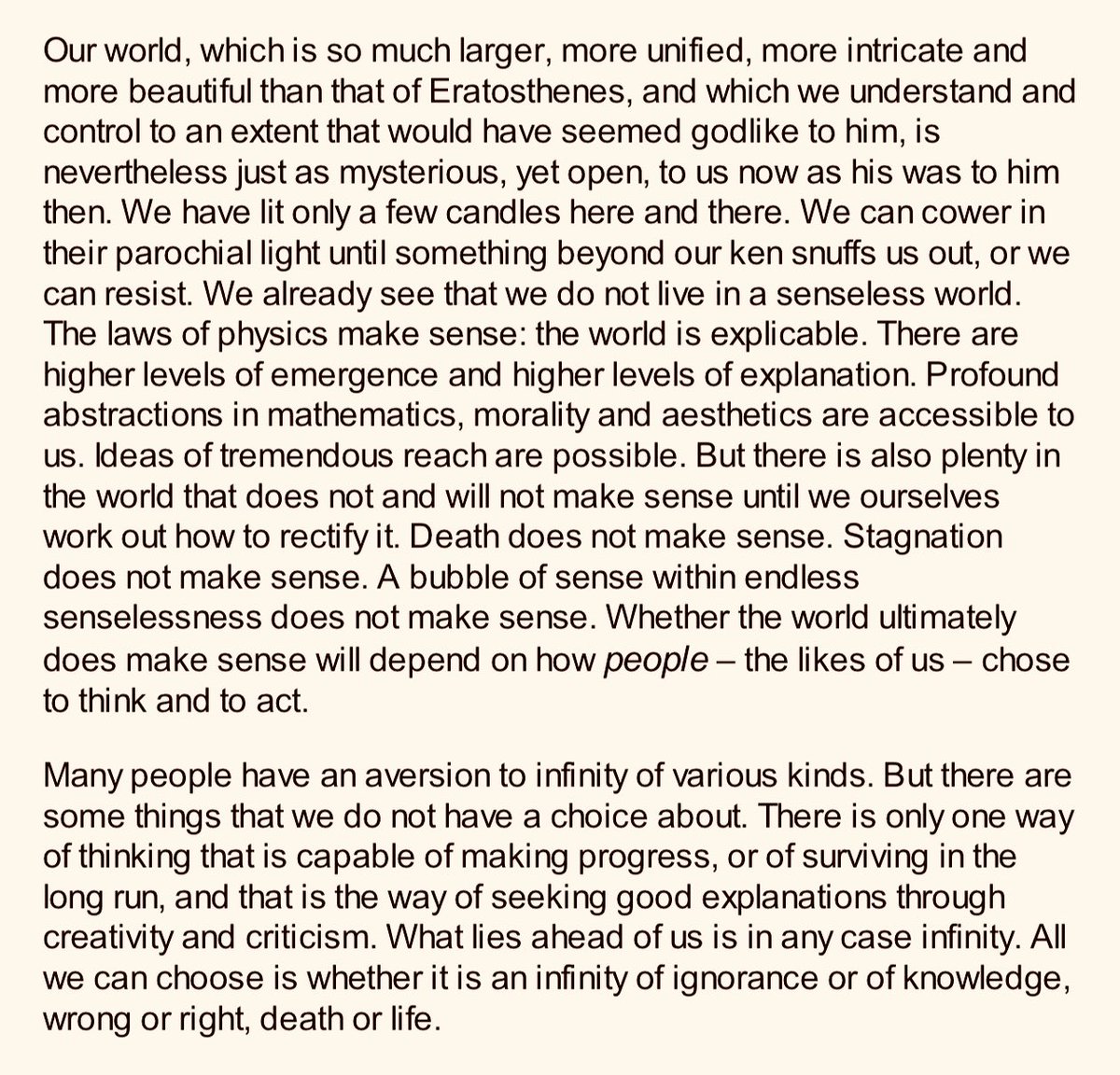
Ridley ends the book on the line that sounds optimistic but is actually a warning its this "The future will be invented by people who connect ideas, not by people who guard them."
268
2,036
7,499
850,087
May 25
X is 👌 ! Ted&Fran = 🫶
May 25

@elonmusk
Elon,
My husband Ted and I share this X account, and we’ve posted together many times. But today I wanted to write to you personally, from my own heart.
I want to thank you for creating tools that help me learn something new every single day, that make my life better, and that actually make me excited to live longer — because your inventions keep getting more amazing.
I was born in 1942 in Normandy, France, under German occupation. In 1946, my family moved to the coast along the English Channel. So many towns and villages had been damaged or destroyed. As children, we played among the old bunkers and in cemeteries. Later in life, I married an American airman, moved to the United States with him, earned a doctorate in education, and spent my career teaching languages.
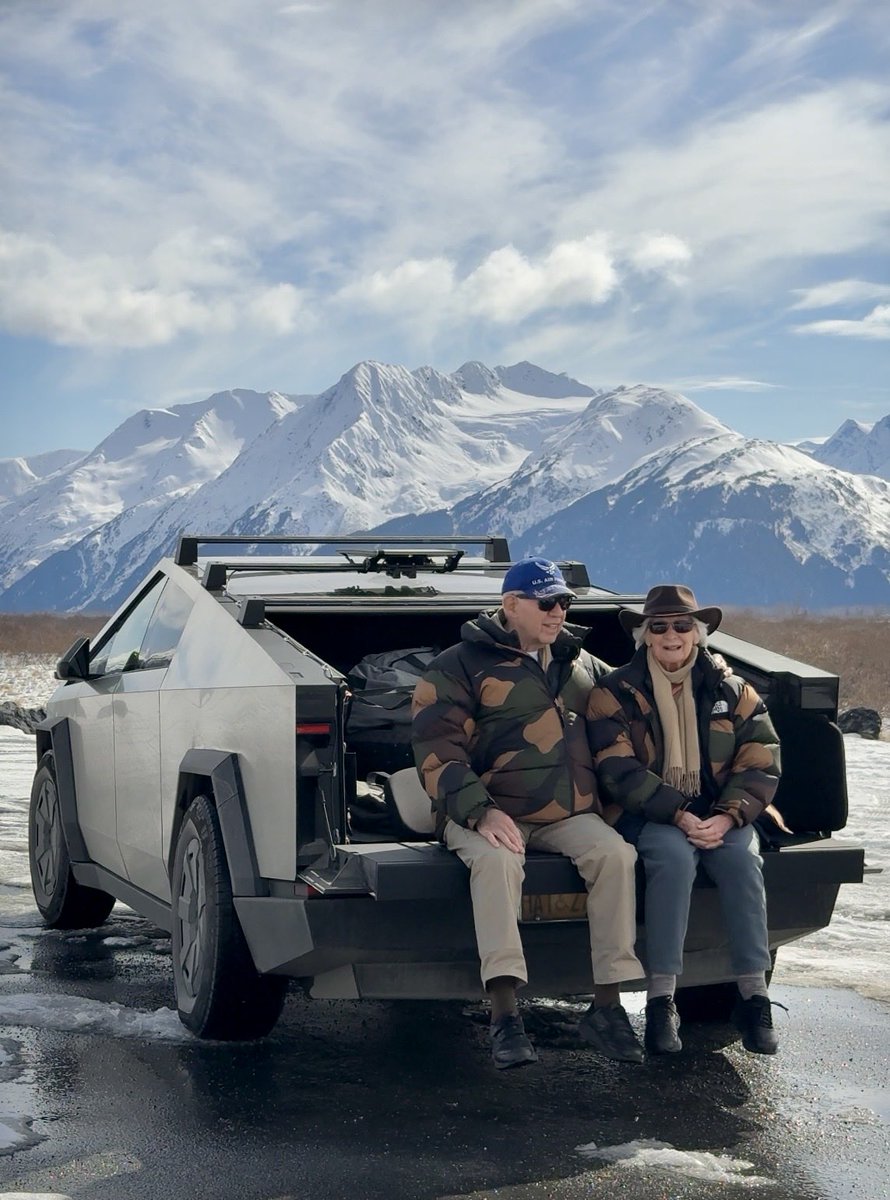
Now I’m 84 years old, retired, and living in Alaska with my husband of 64 years. Not long ago I discovered you and your work. We recently bought a Cyberbeast, and I love everything about it — the comfort, the incredible technology, and especially FSD, which we use every day. We even installed a Starlink dish on our roof so we have reliable internet everywhere in Alaska.
I use Grok every single day. Thanks to you, I’m now learning about AI itself — at 84! I also use X daily because it lets me see what’s really happening in the world, without media filters or propaganda, and connect with people from every corner of the globe.
Instead of living in the past and reminiscing about the “good old days,” I wake up every morning excited to see what new invention or breakthrough you’re working on and what the future will bring.
Thank you, Elon, from the bottom of my old heart.
You’ve made this 84-year-old woman feel young and hopeful again. ❤️
Françoise
Here we are with our new Cyberbeast !
64

robin joseph retweeted

May 15
After a car accident left her paralyzed from the neck down, Audrey didn’t think she would be able to draw or paint again.
20 years later, she became the first female participant in our clinical trials. Now, she uses her brain-computer interface to create art with her mind.
789
2,406
12,417
2,716,268
robin joseph retweeted

May 7
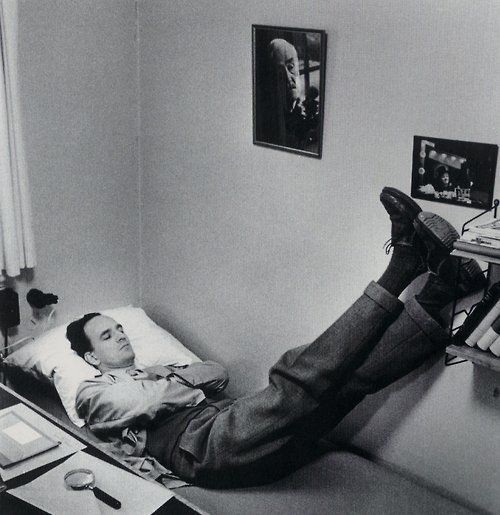
Ingmar Bergman, retardmaxxer. 💪

“I make all my decisions on intuition. I throw a spear into the darkness. That is intuition. Then I must send an army into the darkness to find the spear. That is intellect.”
- Ingmar Bergman
51
84
1,079
99,505
Apr 25
Wow..this is great !
Apr 24

A quick way to dive into the ideas of Taking Children Seriously as presented in The Sovereign Child, created by @manojmandy - wow!
It really flows, yet it's comprehensive and thorough. I love it.
sovereignchildexplainer.com/
1
36
robin joseph retweeted

Apr 23
This is the beginning of something really big

Imagine every pixel on your screen, streamed live directly from a model. No HTML, no layout engine, no code. Just exactly what you want to see.
@eddiejiao_obj, @drewocarr and I built a prototype to see how this could actually work, and set out to make it real. We're calling it Flipbook. (1/5)
63
179
3,856
554,259

Apr 16
the book and movie were ' Amaze Amaze Amaze' ! This interview was great too - both host and author :)
Apr 15

In my new interview with Andy Weir, he clarifies his position on "social commentary":
ANDY: “I’m not trying to change society and I'm not trying to change anyone's opinion of anything. I firmly consider myself just an entertainer. I'm just writing stories to entertain. I'm not trying to set your opinion or change your mind on anything. When you're done with one of my books, I want you to put it back on the shelf and say, "That was cool. I enjoyed reading that..."
"I'm not here to solve a pessimism epidemic. All I can do is just be me. I'm not pessimistic. I think humans are really awesome. I think technology is really awesome because technology is then put into the hands of humans who are awesome."
"People are afraid of AI, but AI can do things no human can. I'm like, "So can a forklift." If I give you a hammer, you could build a house or you could murder someone. There's nothing about the hammer that does it. And most people use hammers to build houses."
"So I'm not afraid of technology because I'm not afraid of my fellow humanity. I'm optimistic that way."
55

robin joseph retweeted

Mar 15
Cool use case of AlphaFold, this is just the beginning of digital biology!
Mar 14

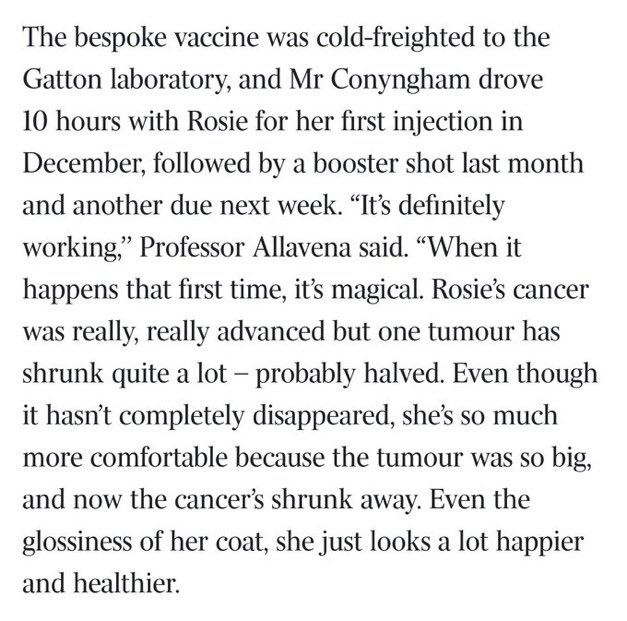
this is actually insane
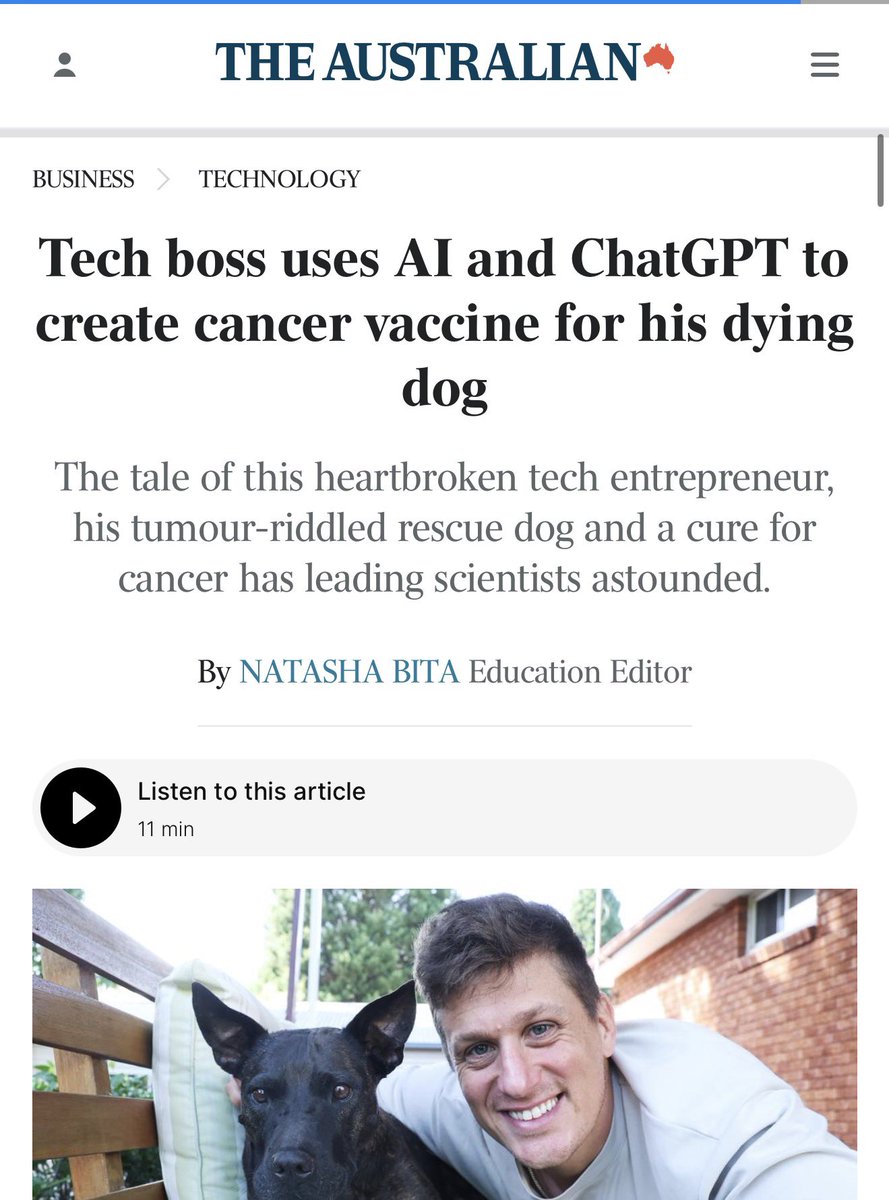
> be tech guy in australia
> adopt cancer riddled rescue dog, months to live
> not_going_to_give_you_up.mp4
> pay $3,000 to sequence her tumor DNA
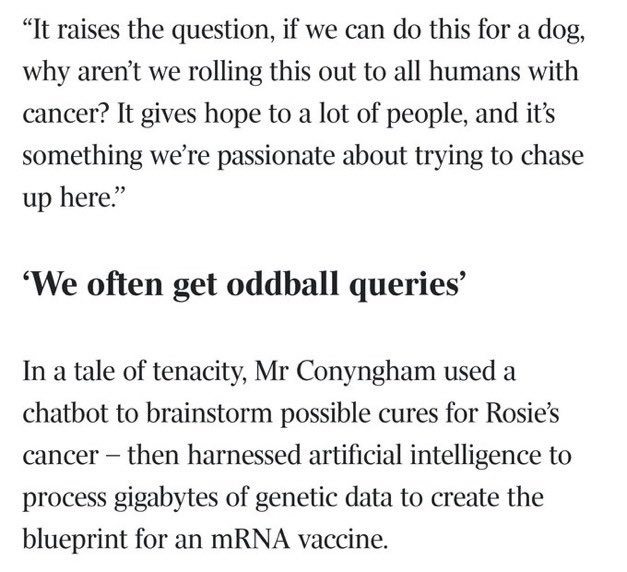
> feed it to ChatGPT and AlphaFold
> zero background in biology
> identify mutated proteins, match them to drug targets
> design a custom mRNA cancer vaccine from scratch
> genomics professor is “gobsmacked” that some puppy lover did this on his own
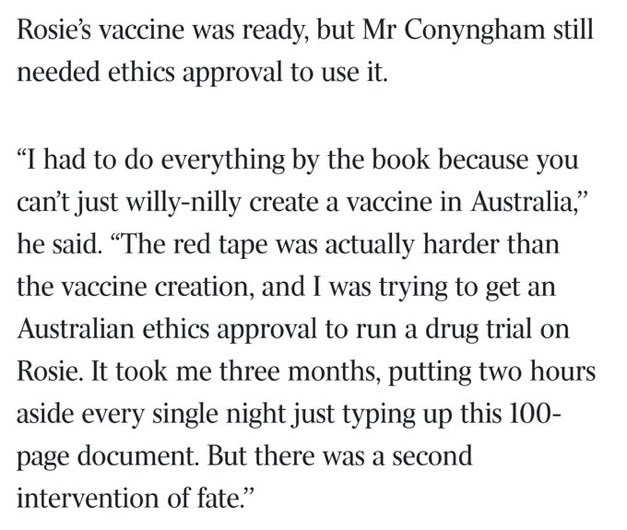
> need ethics approval to administer it
> red tape takes longer than designing the vaccine
> 3 months, finally approved
> drive 10 hours to get rosie her first injection
> tumor halves
> coat gets glossy again
> dog is alive and happy
> professor: “if we can do this for a dog, why aren’t we rolling this out to humans?”
one man with a chatbot, and $3,000 just outperformed the entire pharmaceutical discovery pipeline.
we are going to cure so many diseases.
I dont think people realize how good things are going to get
189
768
7,436
828,617
robin joseph retweeted

Mar 4
My life long friend Jared Isaacman is lifting NASA to the places I could only have dreamed of.
To see him rise up from his basement: a teen that would rather build then go to school…
Now running NASA as an Astronaut is one of the most heroic stories.
So proud of him.

Yesterday, I had the privilege of speaking at the @a16z American Dynamism Summit with the builders, operators, and investors helping shape the next era of exploration.
NASA has a clear mandate under President Trump’s national space policy: Return American astronauts to the Moon by the end of 2028, build an enduring presence there, and ensure American leadership in the most important strategic domain. Achieving that requires focus and disciplined execution.
In the weeks ahead, the Artemis II crew will travel around the Moon. It is the next step toward returning humans to the lunar surface and building a lasting presence there.
To reach that goal, we’ve recently made some changes to the Artemis program: Increasing launch cadence, standardizing hardware, and adding missions that allow us to test systems, reduce risk, and build confidence before landing.
This is the same approach that carried the United States from Mercury to Gemini to Apollo. In the 1960s we launched often, learned from every mission, and improved with each step forward. That is how you build real capability in deep space.
Yesterday, I also announced NASA Force, a new initiative with @USOPM to bring exceptional engineering and technical talent into NASA and help rebuild the core competencies that make missions like this possible.
We want to open the search far and wide to attract the best of the best and incentivize them to leverage their skills to maintain American superiority in space.
NASA changed the world in 1969 by concentrating the nation’s best talent on the hardest problems imaginable.
We are doing it again.
37
99
1,113
40,216
robin joseph retweeted

30 Dec 2025
Megathread of book recommendations from @DavidDeutschOxf, me, and a bunch of others at @ConjectureInst!
A veritable library!
30 Dec 2025

Conjecture Institute Advisor @DavidDeutschOxf
1. How Language Began, by Daniel Everett
2. When the Stones Speak, by Doron Spielman
3. Eighteen, by Alice Loxton
4. Scale, by Greg Egan @gregeganSF
5. Eichmann before Jerusalem, by Bettina Stangneth
6. Hail Mary, by Andy Weir
Also parts of:
7. Protocols: Exposing Modern Antisemitism, by Elder of Ziyon
8. On Democracies and Death Cults, by Douglas Murray
9. Going Dutch, by Lisa Jardine
15
111
16,759
robin joseph retweeted

29 Dec 2025
Remarkable claim.
29 Dec 2025
"As far as I'm aware, [Conjecture Institute Fellow @dela3499] is the only person working full-time on AGI who understands the first thing about it, the first thing about it being Popperian epistemology."
~Conjecture Institute Advisor @DavidDeutschOxf w/ Ambassador @ToKTeacher
4
2
34
2,337
robin joseph retweeted

19 Nov 2025
There was a time when I stayed up all night and slept all day because there wasn’t anything worth waking up for.
No plans.
No goals.
No purpose.
Then I got my Neuralink implant and everything shifted.
I started going to bed early.
I woke up excited for the day ahead.
And just like that, I had found purpose again.
Since then:
• I’m back in school
• I’ve launched a business
• I’m traveling
• I’m speaking on global stages
Neuralink didn’t just change what I can do.
It changed what I believe I’m capable of.
It gave me hope.
It gave me purpose.
And for the first time in a long time, I’m excited for what’s next.
1,815
2,793
36,809
33,168,392

21 Oct 2025
🗻 🙌 !
9 May 2016

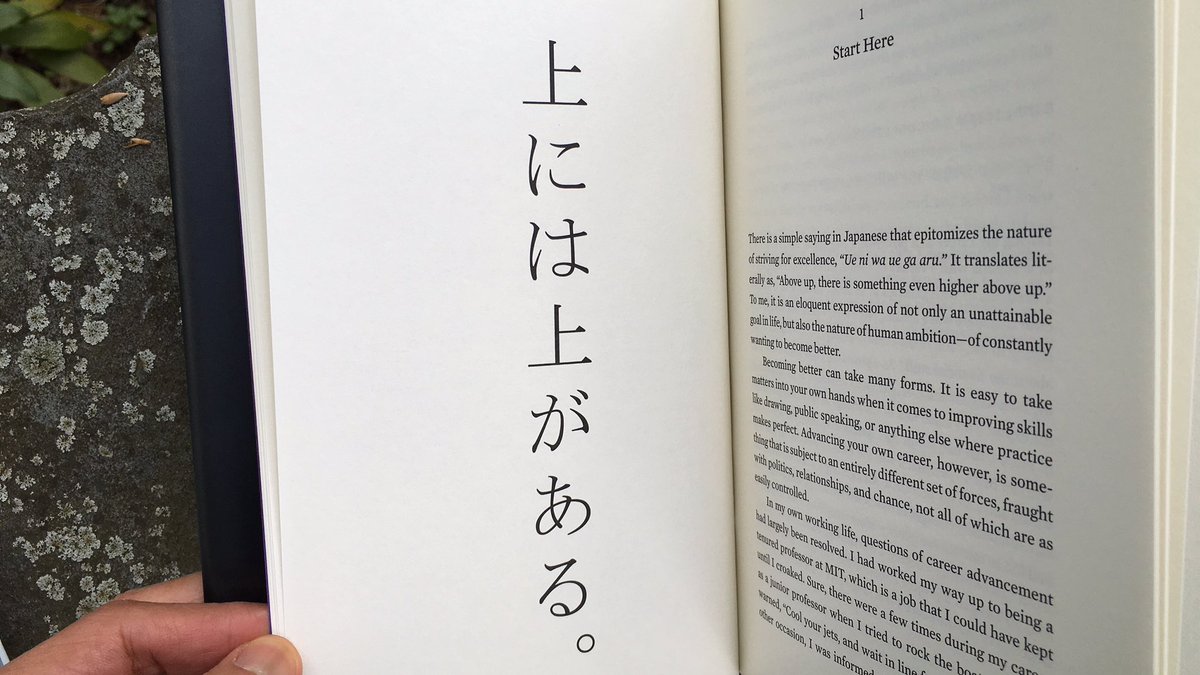
Fav 日本語 phrase on pursuing one’s craft: “Above up, there is something even higher above up.” gum.co/yHMU
114