
Peptide Tech™: a U.S. supplier of high-purity research peptides & proteins. Backed by a satisfaction guarantee and price match, we ensure top tier results.
Joined February 2025
- Tweets 35
- Following 78
- Followers 455
- Likes 117
5 Photos and videos

Pinned Tweet

22 Sep 2025
How to Choose a Reliable Peptide Vendor (60-second checklist)
If a seller can’t prove the basics below, don’t buy—run.
Non-negotiables (Quality & Verification)
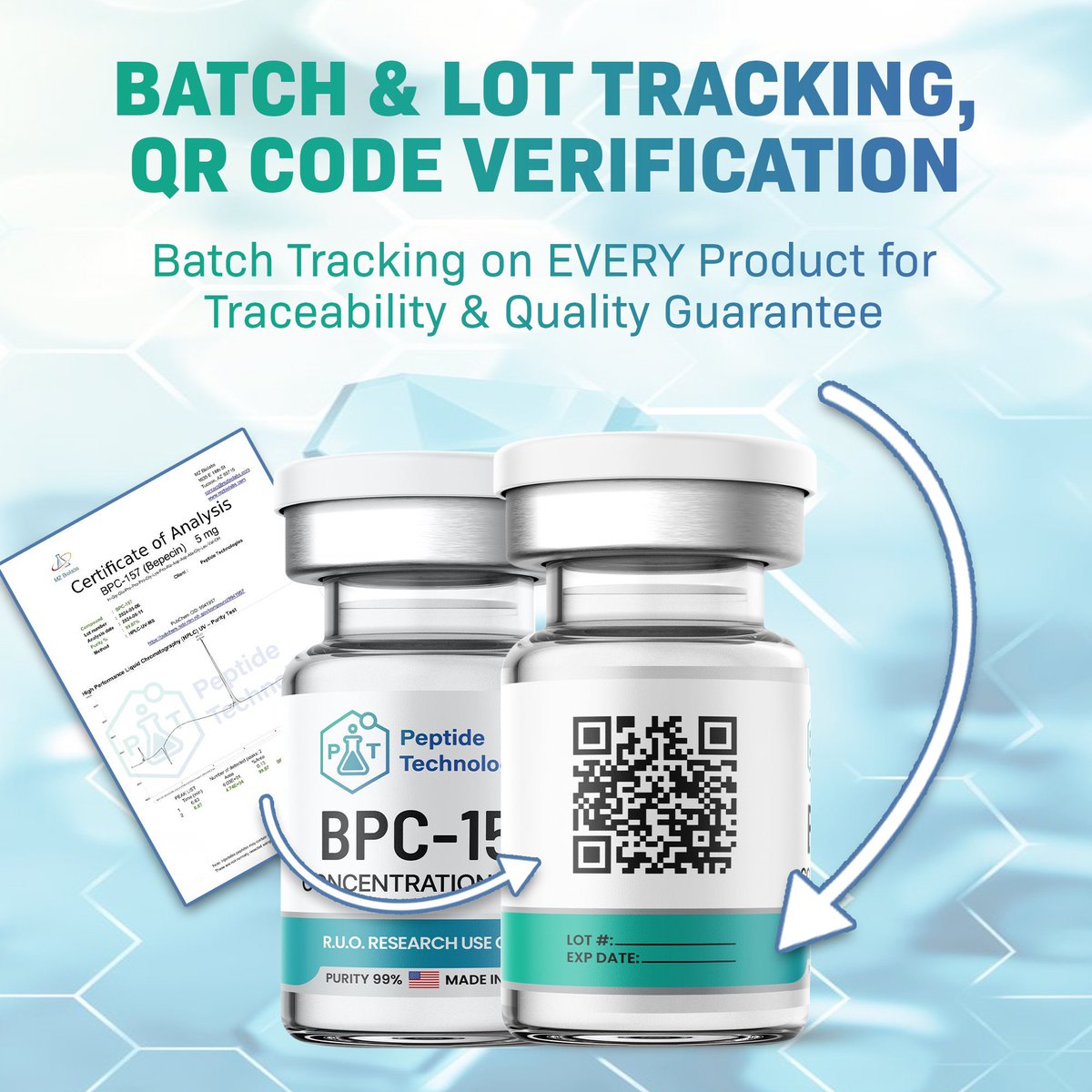
- Reputable batch tracked 3rd party COAs
- COAs that display 98% purity, less than a 10% deviation of net content than advertised, less than 1 EU per mg of endotoxin.
- QR-linked, lot-specific COAs on every product page label for instant verification.
- Storage & stability listed (e.g., −20 °C lyophilized; protected from light); lot release date & expiry shown.
Trust & Protections
•Credit card processing so you can chargeback if not as advertised (PayPal/ACH/crypto optional, not the only way to pay).
•Transparent refund/return policy and written “not as described” guarantee.
•24/7 support with a real U.S. address, phone/chat, and response-time SLA.
•Reviews on third-party platforms (verified-purchase badges > screenshots).
Operations that Signal a Serious Lab
•Cold chain shipping options (insulated mailers, gel packs/dry ice when appropriate), delivery insurance & signature options.
•Batch/lot tracking from synthesis → QC → warehouse; audit trail available on request.
•Clean product pages: net peptide content on vial, exact contents (mg), reconstitution notes (non-instructional), and test methods.
Value Without Corners Cut
•Low prices that are explained by scale/efficiency—not mystery sourcing.
•Bulk discounts with the same COA standards (no “bulk = lower spec”).
•Optional price-match against vendors meeting identical QC and logistics.
Red Flags—Walk Away If You See:
•Vague “in-house testing,” no third-party lab name, or mismatched lot numbers.
•Only Zelle/Cash App/crypto with no card option or refund policy.
•COAs missing purity %, net content method, or endotoxin data.
•Medical/therapeutic claims on product pages (not RUO-compliant).
⸻
Why Peptide Technologies?
We check every box above—and then some.
•80 different peptides available, each with quality batch tracked 3rd-party COAs and QR-verified lot pages.
•Price match guarantee to all vendors who meet equivalent QC/logistics standards.
•Credit card processing, 24/7 support, cold chain shipping options, bulk discounts, and transparent policies.
Explore the catalog at peptidetech.co → peptidetech.co
Use code “X15” for 15% off your order.
Educational purposes only. RUO; not for human use. Not medical advice.
6
1
11
66,445
🚨 New Feature Alert 🚨
Peptide Tech is now price matched to over 300 vendors across all of our products. Using AI we will always be undercutting the competition.
- 5x Testing (identity, purity, net content, conformity, endotoxins)
1
37
Peptide Technologies retweeted

Mar 6
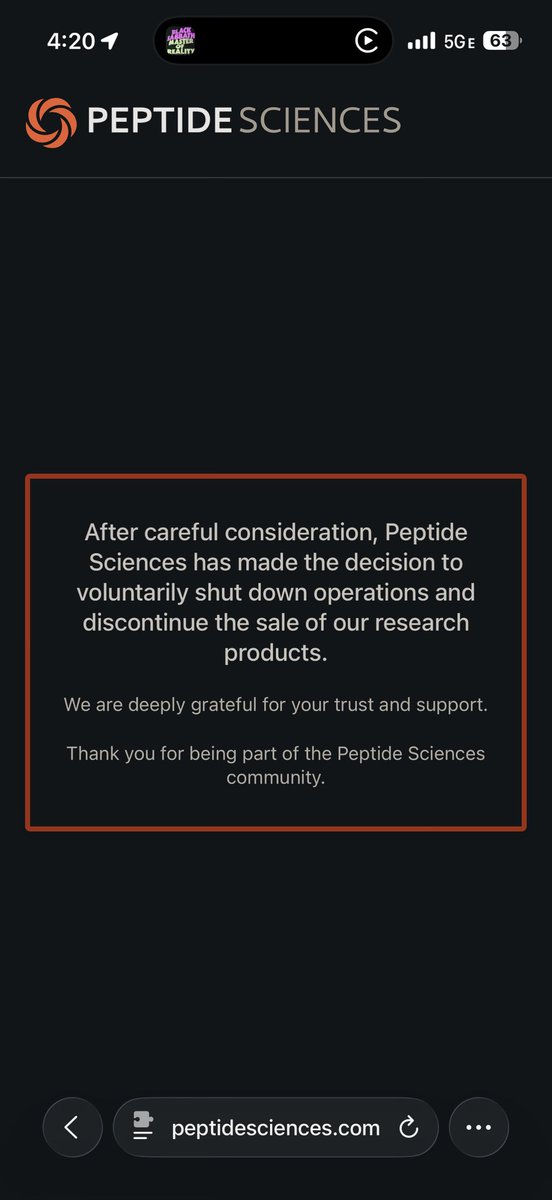
There is a deliberate, coordinated effort under @SecKennedy, in collaboration with @EliLillyandCo and @novonordisk, to strangle compounding pharmacies and crush the gray market.
Judge a man by his actions, not just his words.

5
1
8
1,480
🚨 BIG RELEASE DROPPING WEDNESDAY 🚨 STAY TUNED 🚨
…and no its not new products, its a game changer… you ever wanted to start your own peptide brand? You might just have a chance to.
2
2
192
Peptide Technologies retweeted

There is a massive push by Pharma right now to kill peptide use and specifically go after compounding pharmacies. Based on some of the research I have seen, peptides have some pretty incredible medical properties and are doing wonders for people. At any rate, Pharma has a tendency to tip the scales on anything that could potentially cost them revenue. I want to raise this issue for everyone so that you can get involved.
758
3,266
15,598
553,192
Peptide Technologies retweeted

28 Dec 2025
Turn all IRS agents into DOGE agents and go after the fraud instead of the taxpayers.
970
4,867
29,421
321,118
28 Sep 2025
At Peptide Tech, quality isn't just a promise—it's proven! Every batch undergoes rigorous tracking & testing: 99% purity via HPLC/MS, precise quantity checks, and endotoxin levels below 0.1 EU/mg. Independent COAs & QR codes ensure transparency
Shop: peptidetech.co
1
3
474
22 Sep 2025
Stop calling “Bioglutide” the same thing as retatrutide—the cell-based data don’t say that. [1–6]
1) Retatrutide in vitro (what the bench shows)
Retatrutide (LY3437943) is a peptide tri-agonist at GLP-1R, GIPR, and GCGR. In cell-based assays, it shows balanced GLP-1R/GCGR activity with relatively higher GIPR activity (cAMP readouts), i.e., it hits all three incretin-family receptors as designed. [1,2]
2) Signaling nuance you’ll see reported in vitro
Across GLP-1R systems, labs commonly report cAMP vs β-arrestin readouts (bias). Reviews and bench papers describe how reduced β-arrestin recruitment can change GLP-1R pharmacology in vitro. That’s general GLP-1R science, not evidence that one brand equals another. [3,4]
3) “Bioglutide” (NA-931) in vitro (what’s actually public)
Sponsor materials label NA-931 as an oral, small-molecule “quadruple agonist” targeting IGF-1R GLP-1R GIPR GCGR. Public info to date is company pages and conference abstracts; we don’t see a peer-reviewed manuscript with full potency tables/assay conditions for those four receptors. Treat those claims as provisional until peer-reviewed in-vitro data are published. [5–8]
4) Apples ≠ oranges at the receptor level
Retatrutide’s targets (GLP-1R/GIPR/GCGR) are Class B1 GPCRs. By contrast, IGF-1R is a receptor tyrosine kinase (RTK)—a different receptor class, signaling architecture, and assay toolkit. Calling a GPCR tri-agonist “the same as” a compound that also hits IGF-1R (an RTK) ignores basic receptor biology. [6,9–11]
5) If you’re vetting “in-vitro” claims, ask for this
• Human-receptor potencies (EC50/Emax) for each target in the same assay format (e.g., cAMP GloSensor), plus β-arrestin if run.
• Selectivity/off-targets, species cross-reactivity, and assay conditions (cell line, receptor expression, time points).
• Primary figures/tables (not just slides/press). If you can’t see the methods, you can’t compare. [1–3]
6) Our stance (Peptide Technologies)
We will not conflate GPCR tri-agonists with compounds claiming IGF-1R activity based on marketing blurbs. Show the peer-reviewed in-vitro data or label it speculative. Educational purposes only. Not medical advice. Not an offer to sell or use any drug. RUO.
Sources (in-vitro & mechanistic):
[1] Coskun et al. “LY3437943… From discovery to clinical proof of concept” (Cell Metabolism). In-vitro receptor activity summary: balanced GLP-1R/GCGR, higher GIPR (cAMP assays).
[2] Coskun et al. ADA poster on LY3437943 pharmacology (cAMP, receptor characterization).
[3] Wong et al. Review of GLP-1R biased agonism (cAMP vs β-arrestin) in vitro.
[4] Hinds et al. β-arrestin-2 recruitment studies in GLP-1R systems (bench pharmacology context).
[5] Biomed Industries NA-931 (Bioglutide) product page (claims IGF-1R/GLP-1R/GIPR/GCGR).
[6] ADA/ENDO/EASD conference abstracts/press for NA-931; no peer-reviewed in-vitro potency tables surfaced in journals as of Sept 22, 2025.
[7] BioWorld coverage of NA-931 mechanistic claims and preclinical framing (news).
[8] ClinicalTrials listings for NA-931 (context for what’s public; not used here for clinical outcomes).
[9] Nature Review / Cell Research on GLP-1R as Class B1 GPCR.
[10] Werner et al. IGF-1R is an RTK—core signaling overview.
[11] Nature Communications: IGF-1R structure/activation (RTK biology).
2
482
Peptide Technologies retweeted

31 May 2025
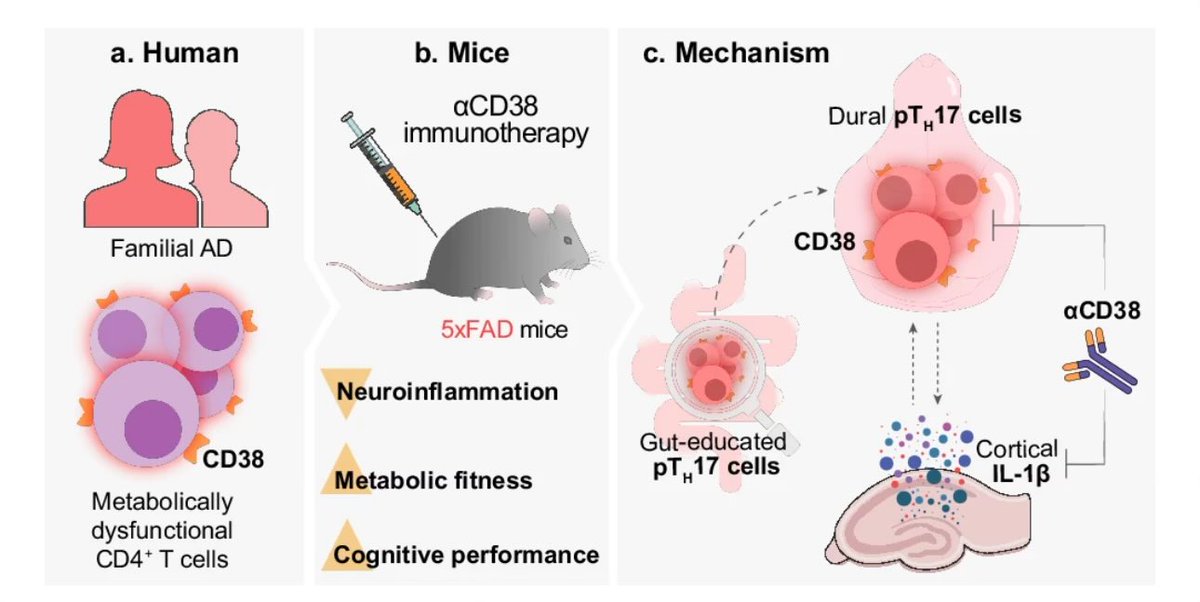
An antibody directed to the NAD-degrading enzyme CD38 in mice restores metabolic fitness, improves cognitive performance & lowers neuroinflammation
nature.com/articles/s41467-0…
29
110
757
66,280
4 May 2025
🔬 PT-141 Research
In vitro studies show PT-141 strongly binds melanocortin receptors (MC3R, MC4R), boosting cAMP signaling. Research highlights its high receptor affinity in cell assays
(Rosen RC et al., Int J Impot Res, 2004, doi:10.1038/sj.ijir.3901200; Rössler AS et al., Pharmacol Biochem Behav, 2006, doi:10.1016/j.pbb.2006.03.013).
peptidetech.is/products/pt-1…
🚫 Disclaimer: PT-141 is for research use only (RUO), not for human consumption. Follow regulatory guidelines.
#PeptideResearch #PT141 #InVitro
1
2
511
17 Apr 2025
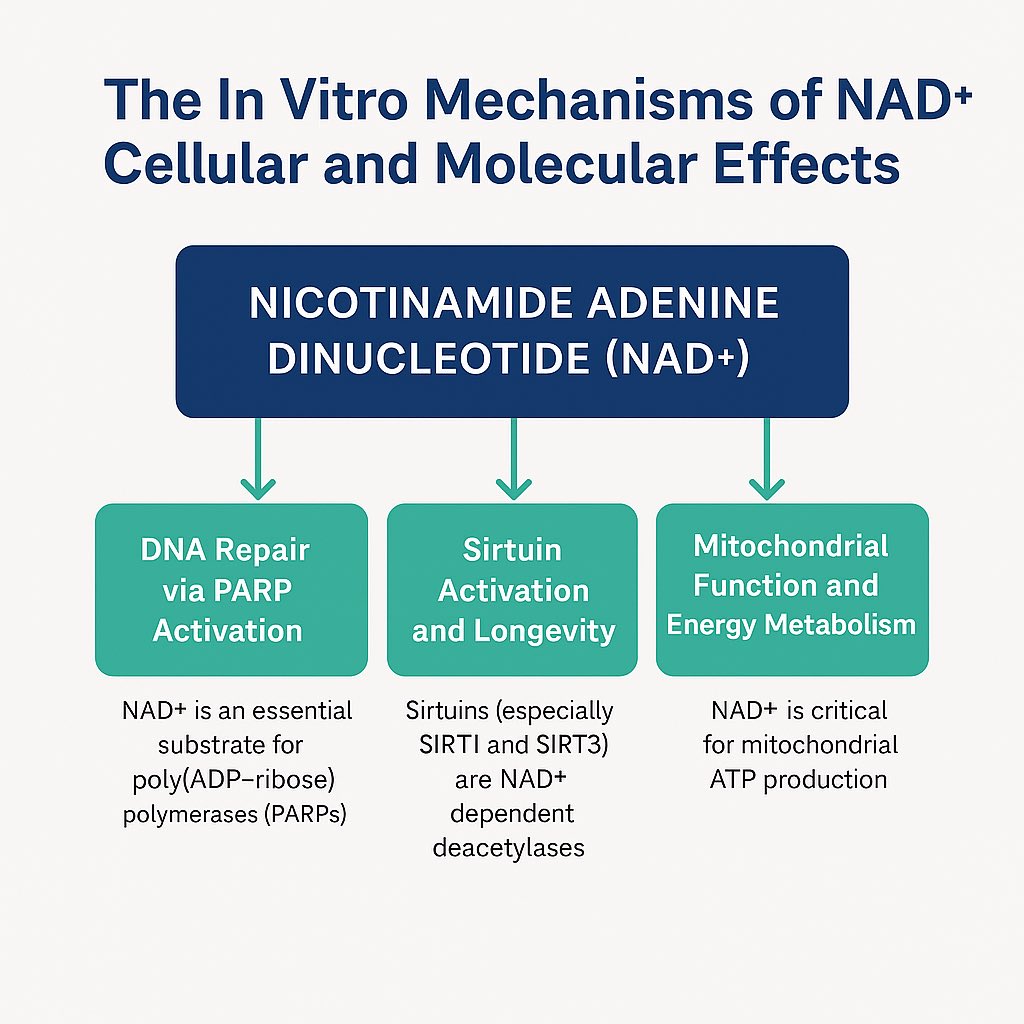
The In Vitro Mechanisms of NAD⁺: Cellular and Molecular Effects
From the Lab Bench to Biological Insight
Nicotinamide adenine dinucleotide (NAD⁺) is a critical coenzyme found in all living cells, essential for cellular respiration, mitochondrial energy production, and signaling. In vitro research has revealed its foundational role in maintaining cellular homeostasis, with potential implications for aging, metabolism, and DNA integrity.
⸻
1. DNA Repair via PARP Activation
NAD⁺ serves as the primary substrate for poly(ADP-ribose) polymerases (PARPs), which are activated in response to DNA strand breaks. In vitro models show NAD⁺ boosts PARP activity and enhances genomic repair pathways.
[Bai P. et al., Trends Biochem Sci, 2011]
⸻
2. Sirtuin Activation & Cellular Longevity
Sirtuins (e.g. SIRT1, SIRT3) are NAD⁺-dependent deacetylases regulating stress resistance, inflammation, and aging. In vitro, increased NAD⁺ leads to heightened sirtuin activity, enhancing mitochondrial biogenesis and reducing senescence markers in human cells.
[Cantó C. et al., Cell Metab, 2009]
⸻
3. Mitochondrial Energy Production
NAD⁺ plays a central role in redox reactions during oxidative phosphorylation. In vitro cellular respiration assays show NAD⁺ levels directly impact mitochondrial membrane potential, ATP output, and cell survival in energy-deprived states.
[Gomes A.P. et al., Cell, 2013]
⸻
4. Modulation of Inflammatory Responses
Through enzymes like CD38 and the sirtuin pathway, NAD⁺ modulates immune response. In vitro studies show that NAD⁺ reduces pro-inflammatory cytokines (TNF-α, IL-1β) and supports anti-inflammatory markers, suggesting potential for chronic inflammation models.
[Van Gool F. et al., J Immunol, 2009]
⸻
Conclusion
NAD⁺ is a cornerstone molecule in cellular metabolism, gene repair, and immunoregulation. While in vitro studies highlight its broad biochemical potential, further translational research is required to fully understand its therapeutic value.
⸻
Disclaimer
This information is for educational and informational purposes only. These statements have not been evaluated by the FDA. NAD⁺ is not intended to diagnose, treat, cure, or prevent any disease. All data presented is from in vitro (cell culture-based) research and does not imply human efficacy or safety. Products or compounds discussed are sold strictly for laboratory research use only. Not for human or animal consumption. Peptide Tech™ assumes no responsibility for any misuse, misrepresentation, or unlawful application of the information or products referenced.
3
485
14 Apr 2025
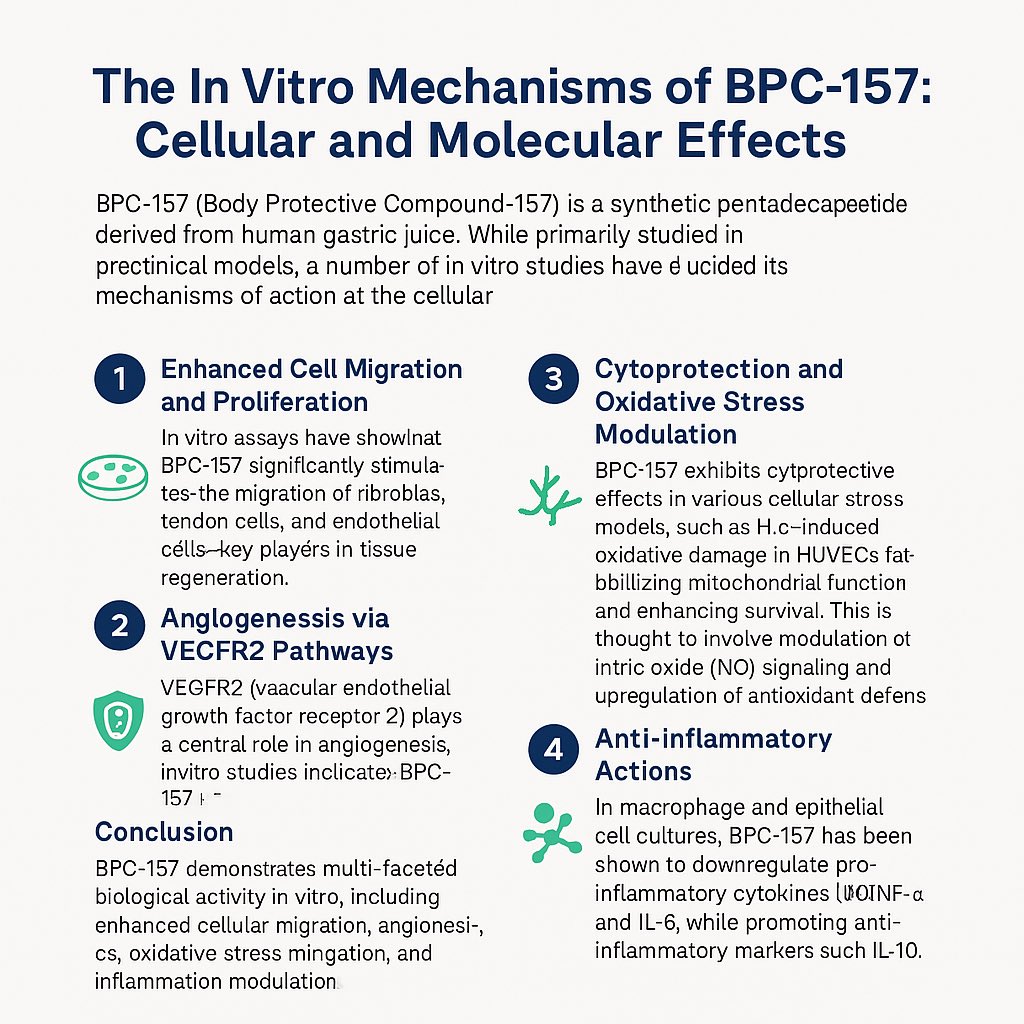
The In Vitro Mechanisms of BPC-157: Cellular and Molecular Effects
BPC-157 (Body Protective Compound-157) is a synthetic pentadecapeptide derived from human gastric juice. While primarily studied in preclinical models, a number of in vitro studies have elucidated its mechanisms of action at the cellular and molecular level.
1. Enhanced Cell Migration and Proliferation
In vitro assays have shown that BPC-157 significantly stimulates the migration of fibroblasts, tendon cells, and endothelial cells—key players in tissue regeneration. For example, Vukojević et al. (2012) demonstrated that BPC-157 accelerates fibroblast outgrowth in tendon explants and improves cell viability and organization in primary tendon cell cultures[^1].
2. Angiogenesis via VEGFR2 Pathways
VEGFR2 (vascular endothelial growth factor receptor 2) plays a central role in angiogenesis. In vitro studies indicate that BPC-157 upregulates VEGFR2 expression and activates downstream signaling such as the focal adhesion kinase (FAK) and paxillin pathways. These pathways regulate endothelial cell survival, migration, and organization into capillary-like structures[^2].
3. Cytoprotection and Oxidative Stress Modulation
BPC-157 exhibits cytoprotective effects in various cellular stress models. In HUVECs (human umbilical vein endothelial cells), it reduces H₂O₂-induced oxidative damage, stabilizing mitochondrial function and enhancing survival. This is thought to involve modulation of nitric oxide (NO) signaling and upregulation of antioxidant defense genes[^3].
4. Anti-inflammatory Actions
In macrophage and epithelial cell cultures, BPC-157 has been shown to downregulate pro-inflammatory cytokines like TNF-α and IL-6, while promoting anti-inflammatory markers such as IL-10. This suggests potential utility in regulating inflammatory cascades in vitro[^4].
⸻
Conclusion:
BPC-157 demonstrates multi-faceted biological activity in vitro, including enhanced cellular migration, angiogenesis, oxidative stress mitigation, and inflammation modulation. These effects are mediated through VEGFR2/FAK-paxillin signaling, NO pathways, and cytokine regulation, highlighting its potential for regenerative medicine research.
⸻
References:
[^1]: Vukojević J, et al. Effects of pentadecapeptide BPC 157 on cell cultures of mouse ligament, tendon and myoblast cells. J Orthop Res. 2012;30(11):1735–1742.
[^2]: Sikiric P, et al. VEGF and focal adhesion kinase/paxillin pathways mediate BPC 157’s effect on endothelial cells and angiogenesis in vitro. Biochem Pharmacol. 2013.
[^3]: Chang CH, et al. BPC 157 attenuates oxidative stress-induced damage in human endothelial cells via nitric oxide modulation. Mol Cell Biochem. 2015.
[^4]: Sikiric P, et al. The effect of BPC 157 on inflammatory cytokines in vitro. Inflammopharmacology. 2014.
2
374
Peptide Technologies retweeted

10 Apr 2025
In Austin with the legend himself @joerogan We just sat down and recorded for @joeroganhq for hours man you do not want to miss this

88
155
5,339
324,886
Peptide Technologies retweeted

21 Mar 2025
RFK Jr. has released the most uplifting video you’ll see all week, in honor of World Down Syndrome Day.
No matter who you voted for in November, this is the kind of leadership we need at HHS.
408
6,135
34,587
683,215
Peptide Technologies retweeted

13 Mar 2025
I am directing the FDA commissioner to start the process of changing the rules to eliminate the self-affirmed GRAS pathway for new ingredients. I am also calling on the @US_FDA and @NIH continue to conduct and improve post-market assessments of GRAS chemicals currently in our food so we can rapidly identify the compounds that are making Americans so sick, and so that American consumers and regulators can make informed decisions. This is an important step in our pursuit to Make America Healthy Again.
4,828
19,876
103,586
3,676,979
Peptide Technologies retweeted

10 Mar 2025
🔬New peptide breakthrough🔬
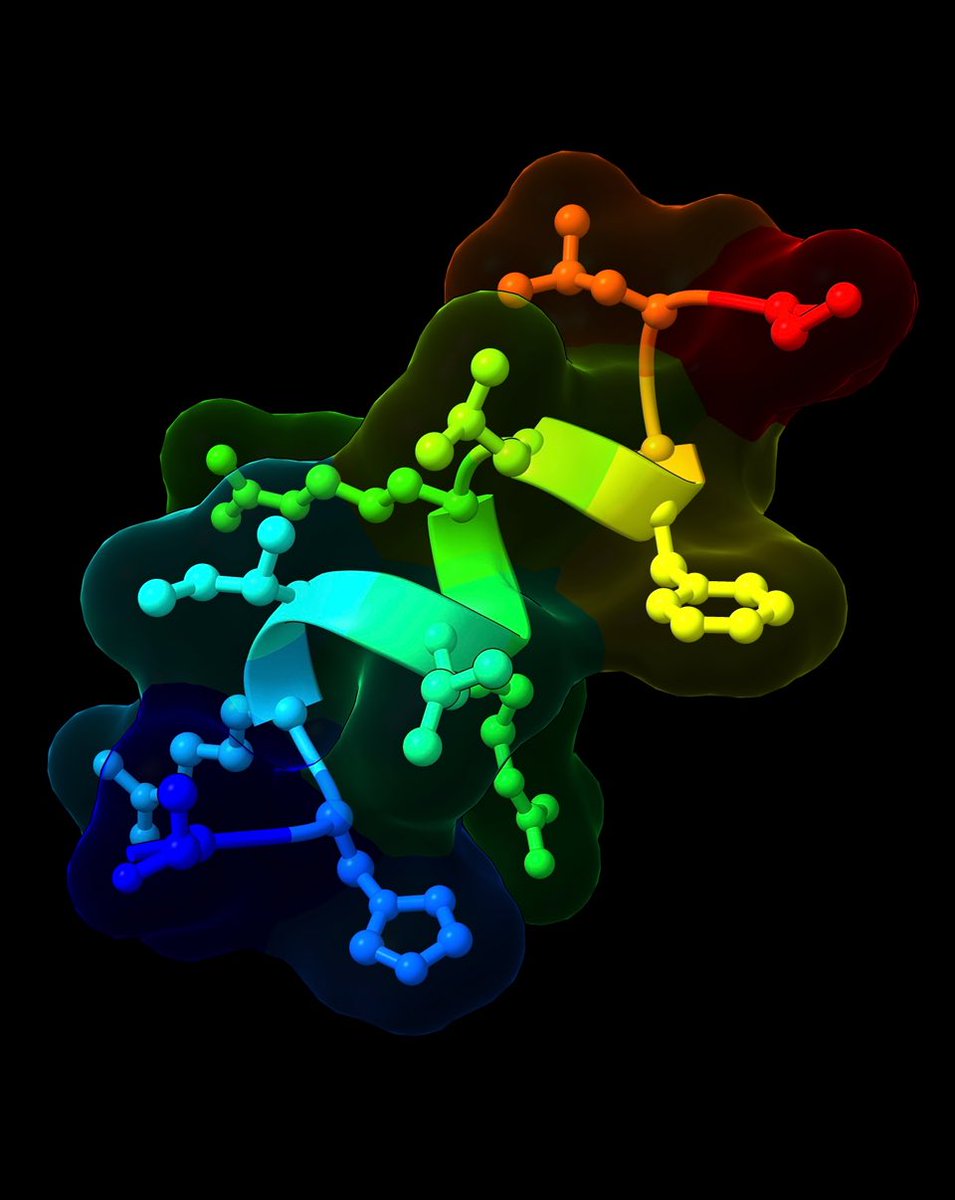
Stanford researchers have discovered BRP, a naturally occurring 12-amino-acid peptide that reduces appetite & weight gain in mice & pigs without nausea or food aversion. Unlike GLP-1s, it acts specifically in the hypothalamus for a more targeted effect.
Exciting times for peptide therapies! 🚀
med.stanford.edu/news/all-ne…
1
8
652