
Named after Judas Maccabee and Charles Martel. Confronting the Red-Green alliance to save Western Civilization.
Joined May 2014
- Tweets 15,191
- Following 2,875
- Followers 9,331
- Likes 8,054
3,907 Photos and videos







2 Hammers retweeted

🚨 Coming up … I ask @JDVance about whether the conservative movement should have any tolerance for anti-Semitism. His answer ⬇️

🚨FIRST LOOK: Full interview airs today at 130pm eastern on Salem coast to coast. I asked @vp @JDVance about the health of the economy
827
399
2,930
820,759
2 Hammers retweeted

31 Oct 2025
One of the most important discussions happening over the next week or so will be where's the line of inclusion on the Right. Andrew's piece here is spot on.
31 Oct 2025

Keeping the Soul of Conservatism
If you call yourself a political conservative, as I do—and for which I make no apology—it’s time for a family conversation about who belongs in our coalition and what moral boundaries still exist.
Conservatism in America is facing a moral test. Recent events—a POLITICO exposé of grotesque vulgarities in a Young Republicans chat and Tucker Carlson’s unserious interview with the antisemite Nick Fuentes—reveal a movement flirting with rot under the banner of “winning.”
Fuentes is a vile figure—morally repugnant and undeserving of respect or influence. One might argue that subjecting his views to public scrutiny could helpfully diminish his appeal. Fair enough, if genuine journalism were taking place. But Carlson’s interview wasn’t a scrutiny; it was a puff piece. Evil men, when given a platform, should be exposed and repudiated. That didn’t happen here.
I’m not suggesting we avoid hard conversations or police who talks to whom. When ideas are truly interrogated, public debate is a good thing. But pretending that racism or antisemitism deserve to be “heard out” does not signal open-mindedness or empathy toward the dissident Right. It signals moral decay.
At the heart of this debate lies a political tactic. Some on the Right insist conservatives always lose because we’re not united like the Left. We impose purity tests, they say, while progressives form a single power bloc. Hence the rallying cry: “No Enemies to the Right” (NETTR).
The slogan traces to the political theology of Carl Schmitt, who reduced politics to a friend–enemy distinction. Schmitt saw politics as the act of identifying those who threaten one’s way of life and rallying with those who share a common foe.
Today, “No Enemies to the Right” captures a mood: if we really want to win, stop clearing our throats and stop policing our side. It’s war, after all—and in wartime, niceties must yield to victory.
That mindset is a mistake. It’s incompatible with the Bible’s moral realism and corrosive to the conservative soul. I also do not think it is a sound political strategy. The NETTR principle will only serve to sully the conservative conscience and divide the coalition by perpetually re-negotiating the boundaries of who is in and who is out. Imitating the Left’s willingness to invite radicals into its coalition partly explains why progressivism is suffering historic levels of unpopularity—deranged extremists were let in, and the entire place became an asylum of far-Left mania.
Conservatives must care about the moral and intellectual character of our coalition. We do not care because we crave the Left’s approval—chasing liberal plaudits is a fool’s errand—nor because we enjoy tone-policing. We care because the health of our movement depends on the moral quality of those who represent it. Conservatism, at its best, rests on two pillars: truth and virtue. Truth gives order its compass. Virtue gives self-government its guardians. A people fit for liberty must also be a people of character.
The Left, by contrast, often drifts on unmoored foundations—its compass fixed to the winds of desire and power. That is what makes the Left the Left. However, conservatives cannot—and must not—mirror that posture. A movement that embraces “by any means necessary” may win a battle but will lose its soul. Such tactics define progressivism; they must never define conservatism.
The trouble with No Enemies to the Right is that it lacks a limiting principle. Once adopted, nothing is off the table—neither in who we include nor in what we justify. Imagine a group of neo-Nazis who also favor “liberty” for pedophilic behavior joining the crusade to “crush the Left.” By NETTR’s logic, they’re part of the team. Their depravity would not be excused—but it wouldn’t be excluded either.
What follows is predictable: without moral limits, the race to prove who’s most “based” devolves into a purity spiral of ever-deepening vileness. This is the opposite of Christian ethics, which rejects unprincipled pragmatism in favor of principled outcomes—even when those outcomes are difficult (Matt. 16:24; Rom. 3:8). What’s more, moral revolutions eventually eat their own, as well. No one is ever safe in a political context where the parameters for faithful allegiance are constantly shifting. But thank God that Scripture is our North Star, not the shifting winds of fallen man.
Maybe that makes Christianity look “weak” or “unaware of what time it is.” But neither Jesus nor Paul was woke, nor were they Third Way squishes. Jesus was the Son of God and perfect. Paul’s writings were done under the inspiration of the Holy Spirit.
An unwillingness to confront this darkness—where one standard applies to “us” and another to “them”—is biblical partiality (Deut. 1:17; Prov. 24:23; Jas. 2:9). The friend–enemy frame is foreign to Christian ethics, which refuses theological revisionism for political ends. For those who sneer that critics of NETTR “don’t know what time it is,” remember this: it is never time to sever Christian ethics from political life.
Let me be clear about what I’m not saying. We don’t always need to publicly denounce every misstep or person. Private, relational correction is proper. But we must be vigilant about who’s on the team. There must be a moral line somewhere. We cannot police the behavior of every member of our coalition, but we must uphold moral expectations and ensure that certain ideas are unacceptable. Anything less and we’ve become the moral revolutionaries we believed ourselves incapable of.
This is where the “Christian” in Christian conservative takes priority. Before we are Christian conservatives, we must be conservative Christians. We take Scripture seriously—so seriously that we see it as the inerrant, authoritative, all-sufficient guide for everything, including the morality that governs our political life.
On a day like Reformation Day, we remember that Scripture’s authority is seamless. It doesn’t bow to worldly categories of gender, race, class, or party. It speaks over them all. Sola Scriptura means precisely this: Scripture alone is supreme. Not our identities, not our experiences, not our political loyalties. God’s Word judges all human words—and never the other way around.
When we let cultural identity or political tribe dictate our theology—when we decide what to affirm or avoid based on allegiance—we’ve already abandoned Sola Scriptura. We have enthroned culture and politics where Christ should reign.
When we excuse moral compromise to gain or keep political power, we commit two errors: we dishonor the authority of Scripture, and we patronize our neighbors. Respecting our neighbors means treating them as moral agents capable of truth, not fragile egos to appease—especially the “disaffected” men of the online Right. I, too, want to see this segment healed. But as Jesus warned in Mark 8:36: What does it profit a movement to gain the Groypers and forfeit its soul?
True respect means treating people as capable of correction and reason, not coddling them through theological compromise. The Bible’s authority is not partial. It is total, seamless, and sovereign—over our categories, sensitivities, and political identities alike.
To be a conservative Christian once meant opposing abortion, defending marriage, and upholding the moral law. The new litmus test, disturbingly, is increasingly whether one welcomes the most rancid viewpoints as legitimate stakeholders within the movement. That redefinition of conservatism—and of Christianity—lowers the conscience to the gutter.
And yet, at least the conversation is happening. That’s good. It’s healthy to see the Right practice moral introspection within its own ranks.
Now, if only the Left, center-Left, and self-styled moderates calling for our accountability and moral reckoning on the Right would hold themselves to the same standard.
Which, of course, they won’t.
The Left remains an existential threat—but so does a Right that abandons its moral guardrails. Together, they’ll burn civilization down in a blaze of mutually assured destruction.
1
2
7
1,434
2 Hammers retweeted

31 Oct 2025
I am a Christian Zionist.
It was Theodor Herzl who first coined the term “Christian Zionist” to describe his Christian friends & supporters. He invited as his personal guests 10 Christians to observe the First Zionist Congress in Basel in 1897, including William Hechler & the famed founder of the Red Cross Henry Dunant.
Christians who support the Jewish people’s right to live in Israel are Christian Zionists, and Christian Zionists also proudly stand with their Jewish neighbors against the scourge of antisemitism.
Nearly all evangelical Christians are Zionists, at least a super super super majority. There are 700 million evangelicals, 10% of them in America.
Historically, most mainline Protestants were also Christian Zionists. Nearly every one of America’s founders felt an attachment to Zionist language, the story of the Jewish people inspired the early American story & animated our values. This is why we say we are a country established on Judeo-Christian values, drawn from the Hebrew and Christian Bibles.
It is better to try and take a few days and read an actual book like “The Arc of A Covenant: The United States, Israel, and the Fate of the Jewish People” by Walter Russell Mead….than just consume quick takes on X. History is a friend.
Learn.
Then, have an opinion.
1,360
349
2,089
125,643
2 Hammers retweeted

29 Oct 2025
If you're Catholic and haven't heard of "Nostra Aetate," you should read it!
This 60-year-old Church document is only a few paragraphs long, but it was transformational in Catholic-Jewish relations. ⬇️
@philoscatholic @philosproject @OSVNews
osvnews.com/catholic-leaders…
3
5
18
1,255
2 Hammers retweeted

19 Oct 2025
Keys to peace enforcement in Gaza:
Zero tolerance for Hamas ceasefire violations.
Zero tolerance for delays in Hamas disarming, including tunnel destruction.
Zero tolerance for Hamas control/influence of aid via UN.
Zero tolerance for the Muslim Brotherhood and Al Jazeera.
14
41
178
10,874
2 Hammers retweeted

28 Oct 2025
At the @JP2Shrine today for a conference on Nostra Aetate, rallied against the evil that is antisemitism. Greeted at Mass by shades covering Rupnik art. We gather in humility, pleading for God’s forgiveness and mercy. @philosproject @philoscatholic @KofC @NRO @SimoneRizkallah
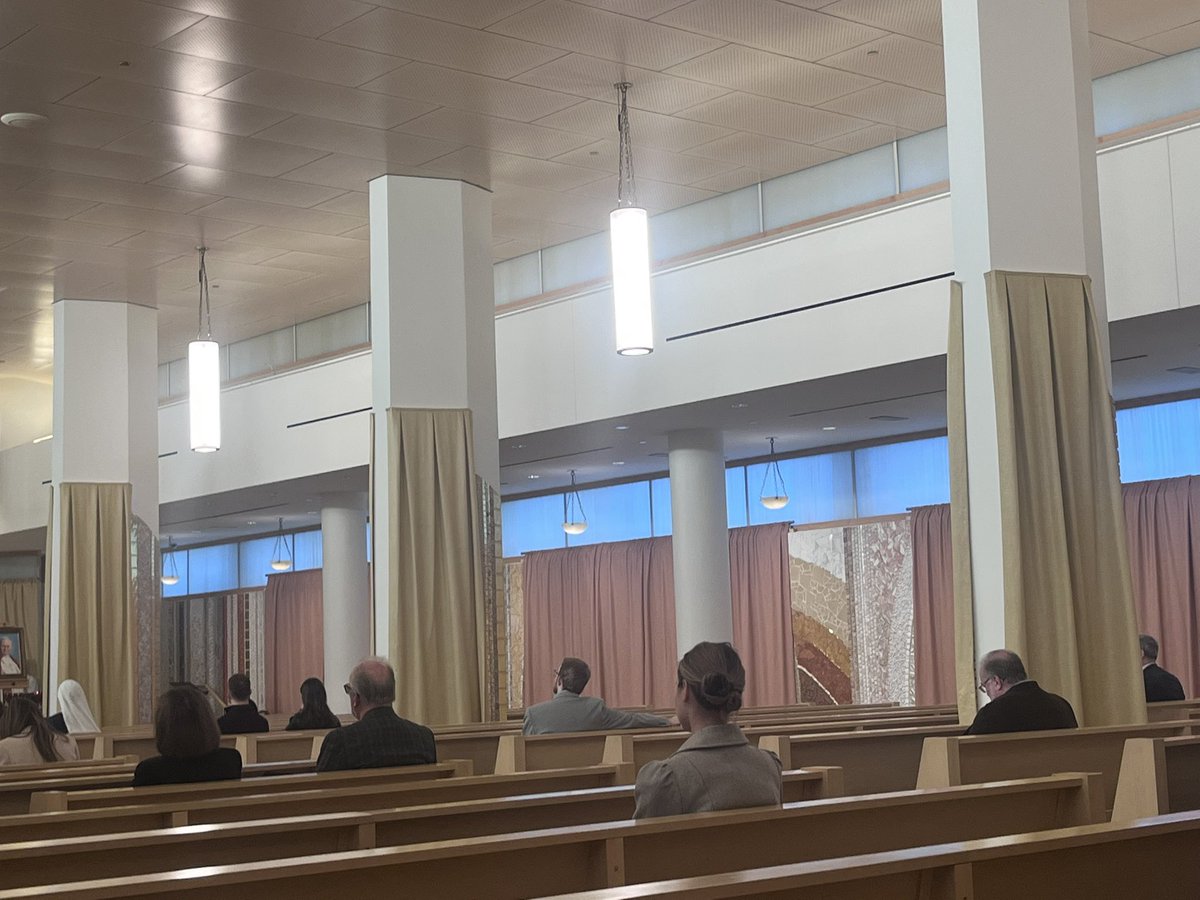


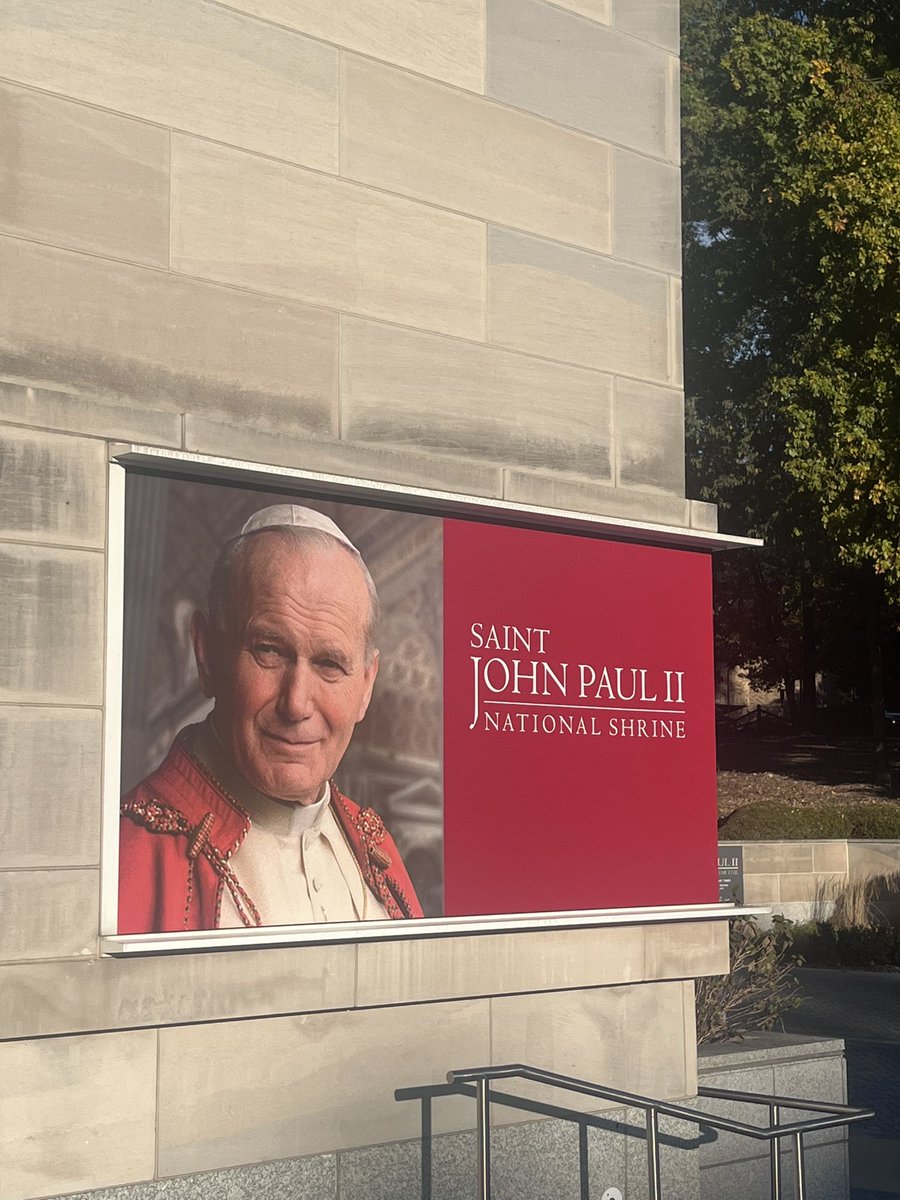
3
5
39
2,419

27 Oct 2025
Terrorism in Israel will never be dealt with so long as the PA continues its Pay to Slay program. This must be stopped!
27 Oct 2025

Palestinian Authority (PA) payments to prisoners & the families of ‘martyrs’ were made on Saturday at PA post offices.
Palestinian ‘Pay for Slay’ isn’t over, despite assuring the world they stopped.
This policy encourages terror. It must stop.
jpost.com/middle-east/articl…
1
1
475


This from @SethAMandel on how the entire Gaza genocide lie has collapsed is superb. Must read. commentary.org/seth-mandel/c…
63
322
1,120
67,279
22 Oct 2025
The famine charge was always a LIE!
22 Oct 2025

“Famine” was fake and fabricated.
“Genocide” was fake and fabricated.
Even Hamas figures don’t support the fake claims of UN-affiliated organizations that were amplified recklessly by most western media.
Who will be held accountable.
4
434
2 Hammers retweeted

21 Oct 2025
Sweden confirms: Greta Thunberg never complained of abuse while detained in Israel.
Swedish officials who visited her say she made no mention of mistreatment. Yet back home, in front of cameras, she suddenly claimed Israel abused her, with stories suspiciously similar to real hostages’.
She didn’t just lie. She stole the suffering of people who endured two years of real abuse in Gaza to make her headlines.
Even Sweden seems done with her drama.

1,126
2,465
12,705
355,820
2 Hammers retweeted

21 Oct 2025
EXPOSED:
Qatar's Al Jazeera gives Hamas a propaganda and psychological warfare platform.
Hamas operatives, from rocket launchers to hostage takers, work for Al Jazeera. Terror propaganda is not journalism.
Detailed report:
terrorism-info.org.il/en/doc…

82
285
773
63,345
20 Oct 2025
Shadi is always doing amazing things!
20 Oct 2025

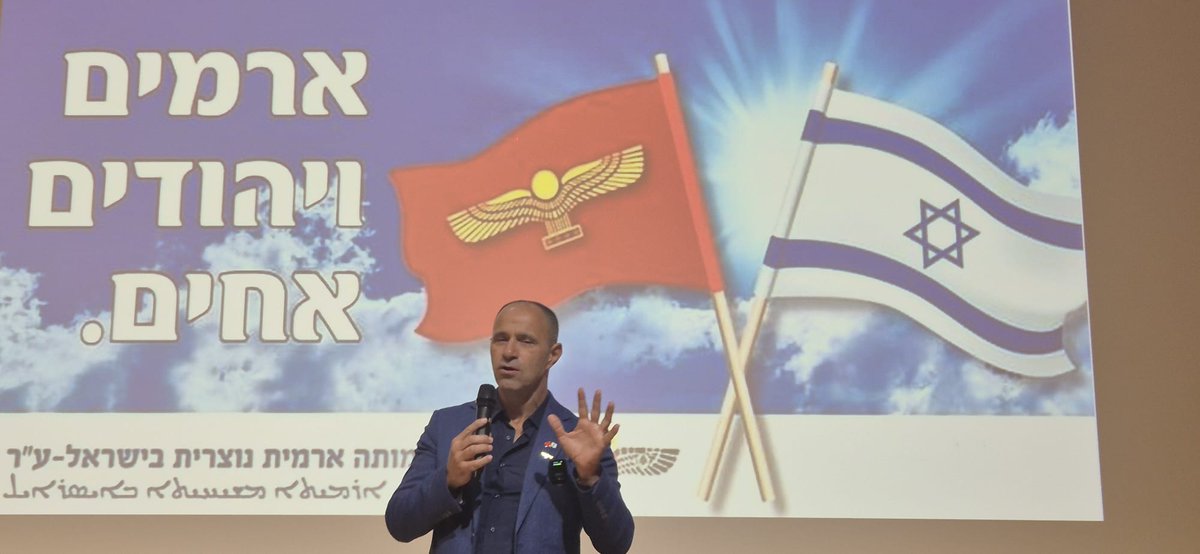
Today, I gave a speech in Jerusalem at a free public university for Jewish Israeli people. The title of the speech: Jewish and Aramaic Chrsitian Maronites founders of Israel and Lebanon, similarities and lessons for strong everlasting Israel. It was amazing to see the reaction of the Jewish audience and how thirsty they are to know about Aramaic and Maronites.
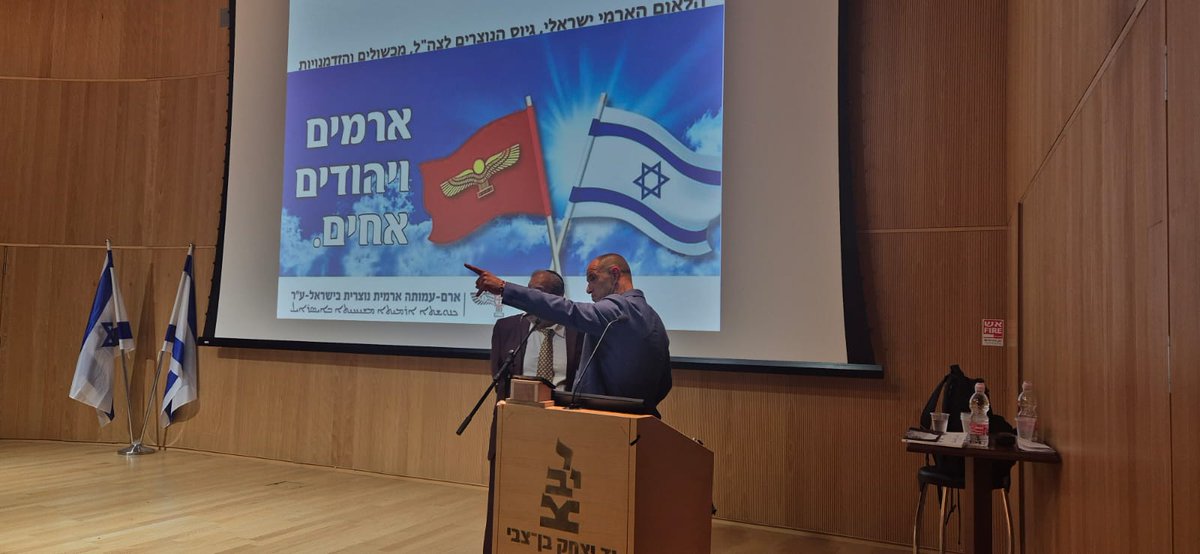
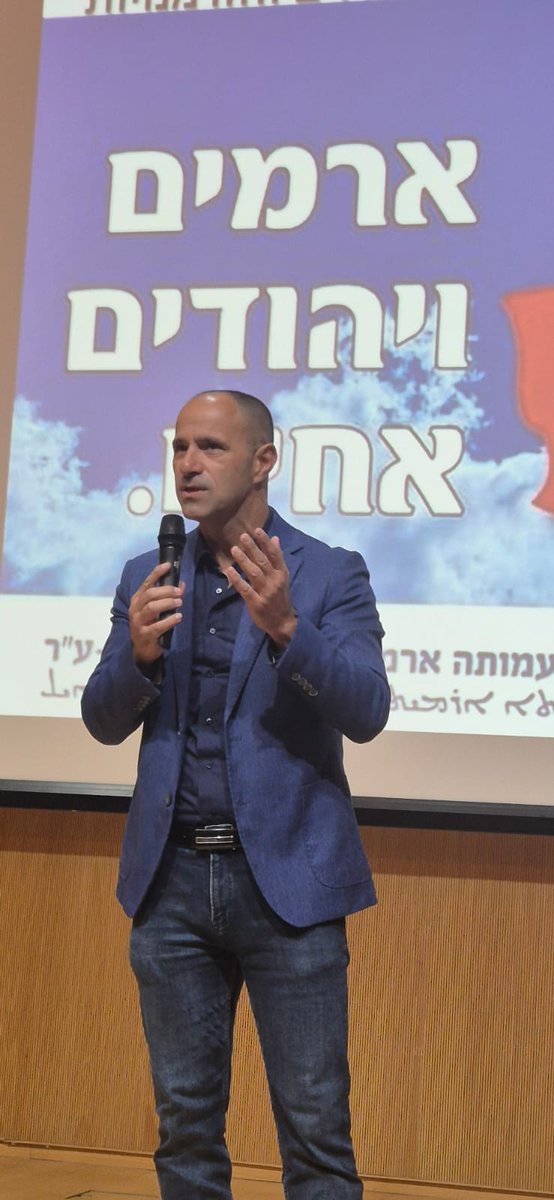

1
3
439
20 Oct 2025
Hamas doesn't even hide this fact. Yet so many people are willfully blind to it...
20 Oct 2025

I have said it many times. Hamas (according to multiple senior Hamas official statements) do not only have a human shield strategy, they have a human sacrifice strategy. The call for the death of their own population to achieve their political goal of the destruction of Israel.
6
1,383
2 Hammers retweeted

Hear from leading Catholic voices shaping the future of Catholic–Jewish friendship.
Join us Oct 28th online or in person at the Saint John Paul II National Shrine for Called to Friendship, marking 60 years of Nostra Aetate. Link in bio.



5
10
1,191
2 Hammers retweeted

17 Oct 2025
He started the week in Hamas' tunnels.
Now he's enjoying the sun and the sea.
Shabbat Shalom x

1,152
4,056
61,059
575,847
16 Oct 2025
The Philos Project joins the Jewish community in mourning the tragic and sudden loss of a great man, Rabbi Moshe Hauer, may his memory be for a blessing.
Rabbi Hauer, who served as the Executive Vice President of the @OrthodoxUnion, was a beloved friend of The Philos Project. He gave us his unwavering support in bettering Jewish-Christian relations and took pride in the work that we did for Israel and the Jewish People. We are devastated by his untimely passing.
We embrace the Jewish community in this time of darkness and pray for Rabbi Hauer's family.
May God grant Rabbi Hauer's family and friends comfort during this painful time, leaving only the cherished memory of a singular, wise, devout and lovely man.
1
2
27
1,429
13 Oct 2025
May God Bless and Protect the valiant troops of the IDF!
13 Oct 2025

Today, we should all be grateful to the men and women of the IDF who made this day happen. Without the 915 fallen soldiers and the tens of thousands of people who left their normal lives, careers and families to protect Israel and put deadly pressure on Hamas (and Hezbollah and Iran) we would not be getting the hostages back today. They deserve more of our attention and appreciation today.
3
33
4,414
13 Oct 2025
All glory to God!
We are so grateful to President Trump and his team for helping the Israeli people bring OUR hostages home. For the first time in two years, Israelis can finally breathe a bit easier
13 Oct 2025

"This week, against all odds, we have done the IMPOSSIBLE AND BROUGHT OUR HOSTAGES HOME." - President Donald J. Trump

4
341
2 Hammers retweeted
13 Oct 2025
“Best friend” to a “vital ally”
Trump delivered a clear articulation of all that is right and righteous after two years of mis and disinformation.
And a clear repudiation of Tucker Carlson and woke right voices trying to flip the conservative movement against Israel.
🇺🇸🇮🇱
9
20
135
6,925