
Retired , Sthn Tasmania, 2 greyhounds, Elsa & Blondy. Grey Winston, Labs Magnus, Sally, Harry live on in memory. Disgusted with Labor
Joined November 2011
- Tweets 338,837
- Following 5,259
- Followers 5,470
- Likes 360,459
2,934 Photos and videos

Robbie Johnson retweeted

I need to moan.
I have shingles, a chest infection & family are leaving food at the front door & only talking to me through windows & masks.
I know this is insignificant in the scheme of things & will pass, but I’m fucking fed up all the same 😩
162
29
559
5,632
Robbie Johnson retweeted

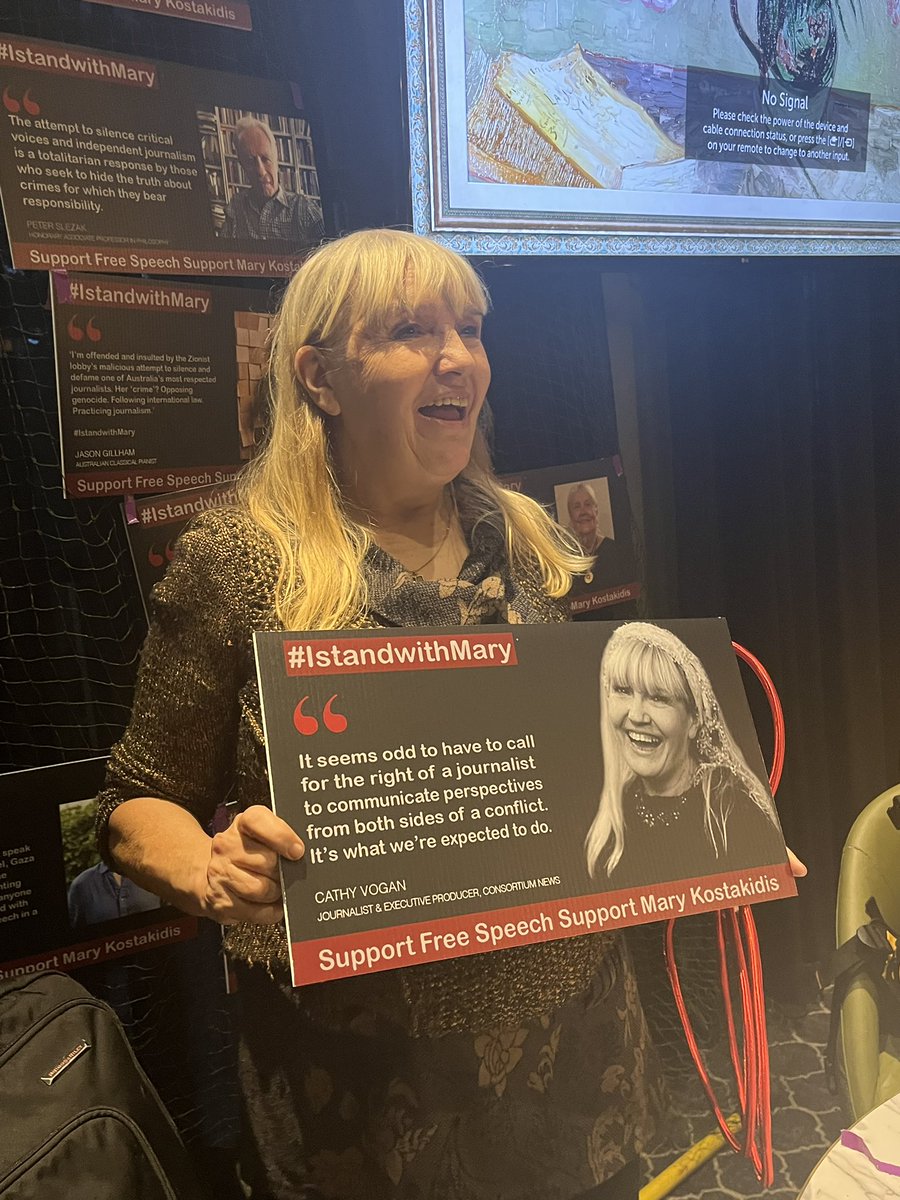
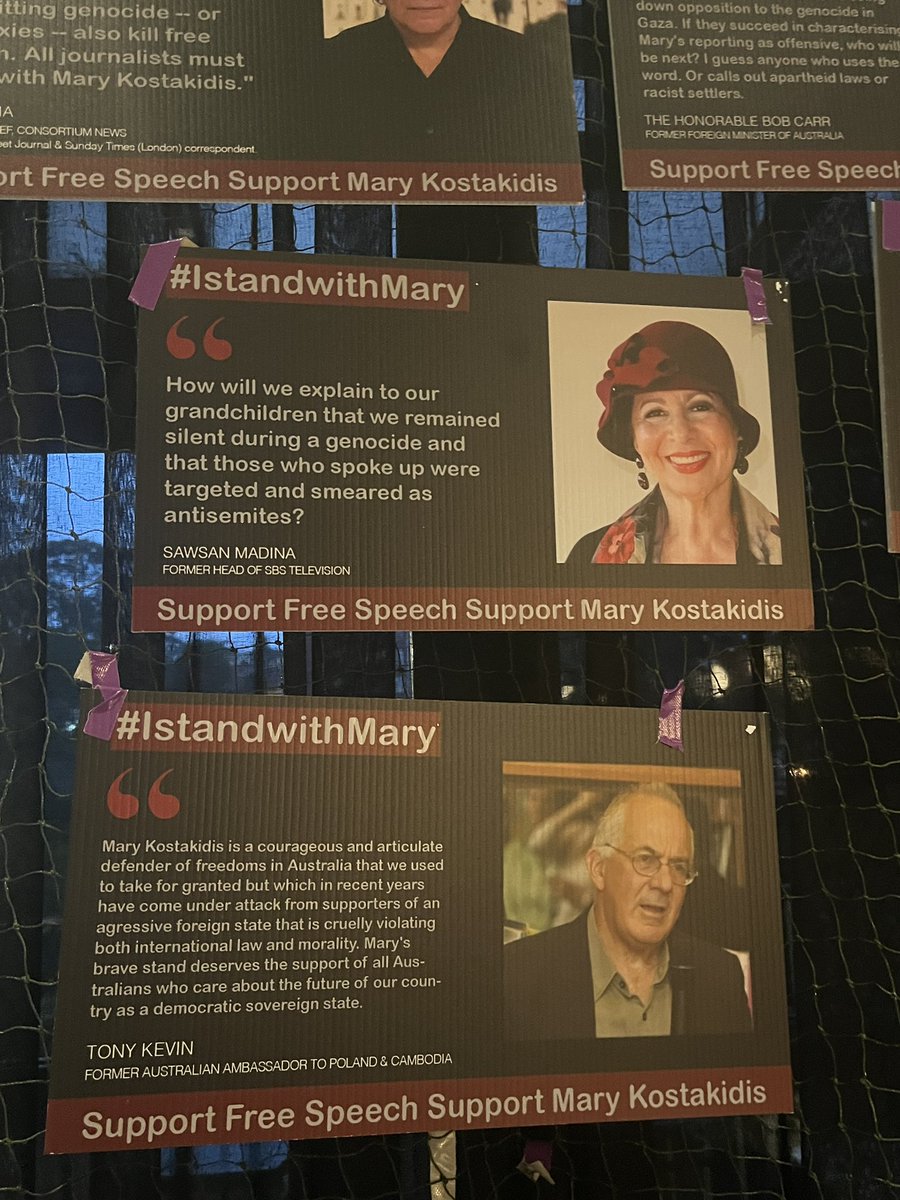
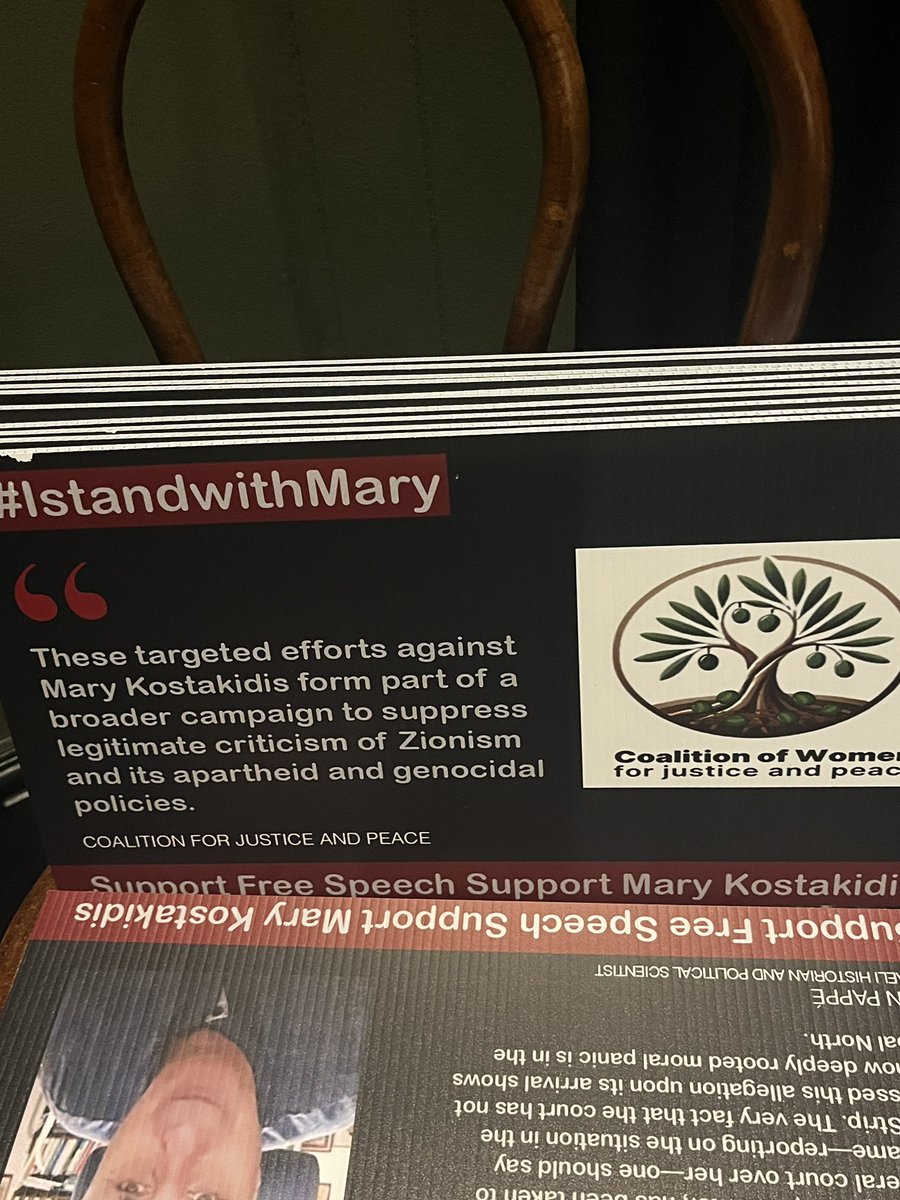
Congratulations to @MaryKostakidis who has a long record of support for independent media & journalism and is standing strong against a punishing attack by Israel lobby. A deserved winner of Gary Webb award.

A selection of tributes to @MaryKostakidis on display at today’s event honouring her with the Gary Webb Freedom of the Press Award. Previous recipients of this award include Assange and Pilger.
#istandwithmary
@Consortiumnews @unjoe

6
135
332
3,209
Robbie Johnson retweeted

Jun 13
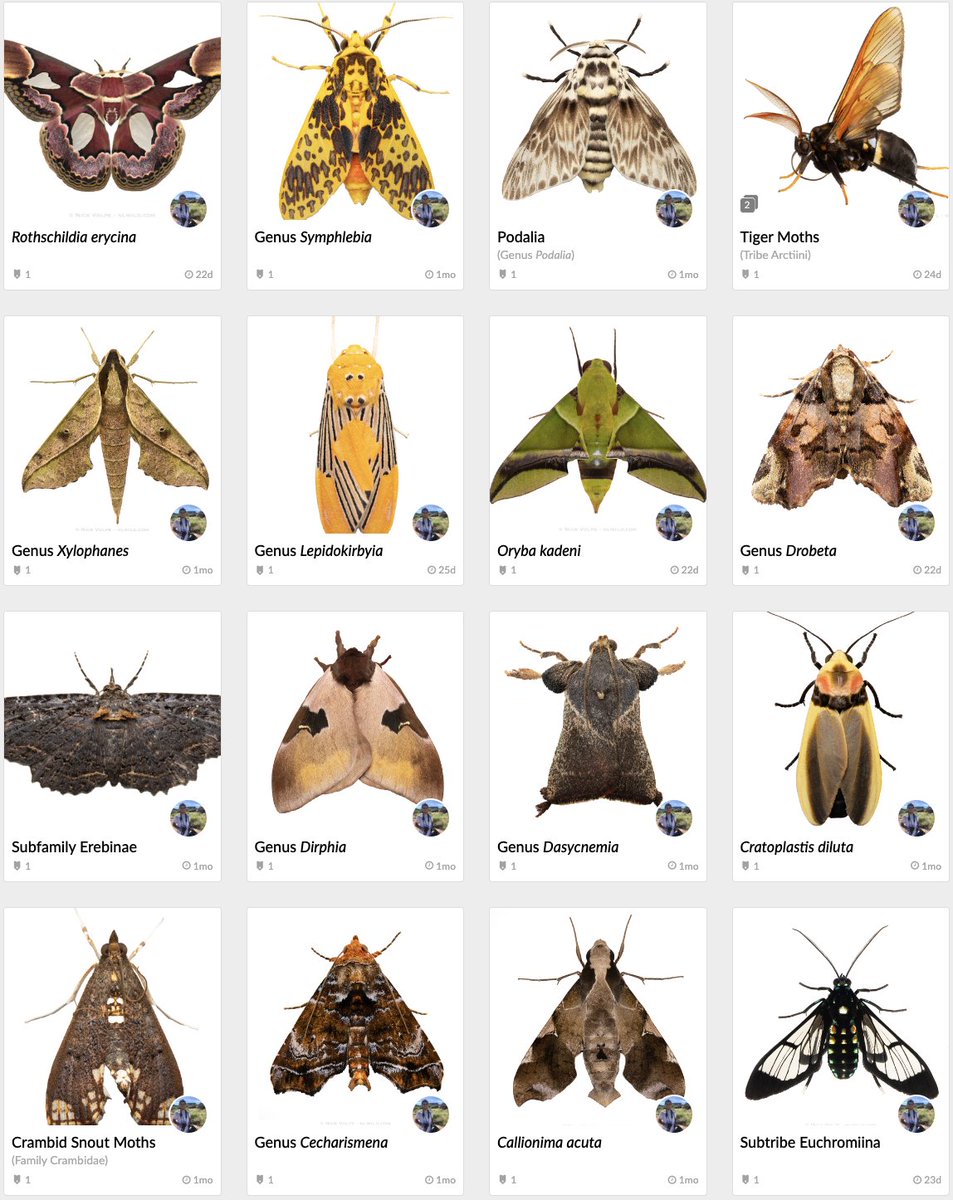
Uploading BULK MOTHS to Inaturalist now! ✨
12
41
380
3,665
Robbie Johnson retweeted

Solar for rentals and battery storage! Allow renters some advantage. Right now the people winning with solar rebates are home owners.
It’s truly challenging to have to point out, power bills are still hitting renters - and they’re getting higher. 😔 #housing #economy #auspol 🤔
Jun 13

Batteries are killing coal.
Evening peak prices roughly halved and the spot revenue of the biggest coal generators in NSW and Queensland just fell 30-40% in a single year.
Pauline Hanson's coal dream is being killed by renewables.
itkservices3.com/posts/batte…
/1
4
9
19
342
Robbie Johnson retweeted

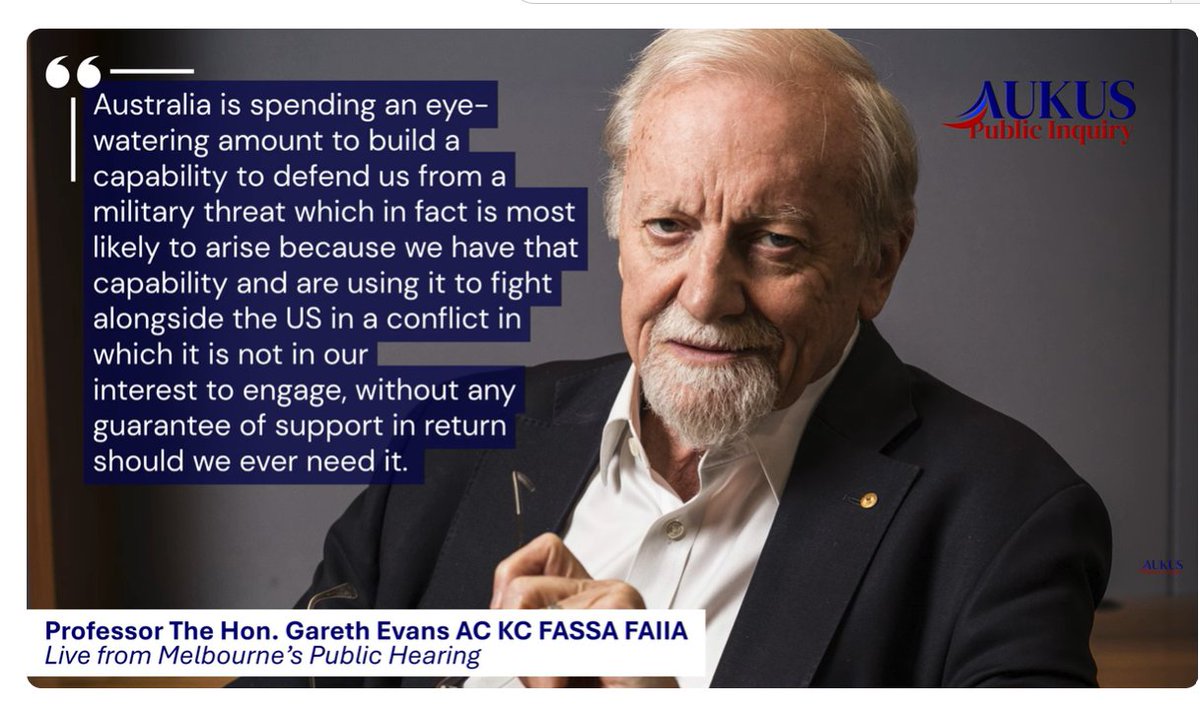
The Liberals followed the US into Vietnam, Afghanistan and Iraq which ended in costly defeat.
Now Labor has given their support to the US in the War against Iran which is also ending in defeat.
Isn’t it time Australia became a Sovereign Nation and looked after its own interests?
11
87
239
1,335
Robbie Johnson retweeted

How the fuck do we live in a country where Trump announces ON HIS 80TH BIRTHDAY he’s done an immediate and permanent deal to stop his attacks on Iran and Australia’s media rush to report on his bleatings as if there’s any chance in hell they’re true?
#NewsCorpse
17
116
598
5,684
Robbie Johnson retweeted

Elon Musk is now the first trillionaire, but no one is celebrating this terrifying milestone.
With $1 trillion, Musk could give $100 to every single person on Earth, and still be one of the ten richest people in the world.
He’d still have $184 billion in the bank!
626
38
215
33,676

Robbie Johnson retweeted

9 years later not a single person has been put on trial for Grenfell.
But they can lock up people who inconvenience a Genocide for 24 years because they are 'terrorists'.
The UK is a sick place and Justice is only for the rich to use against the poor.

82
985
2,136
18,691
Robbie Johnson retweeted

17h
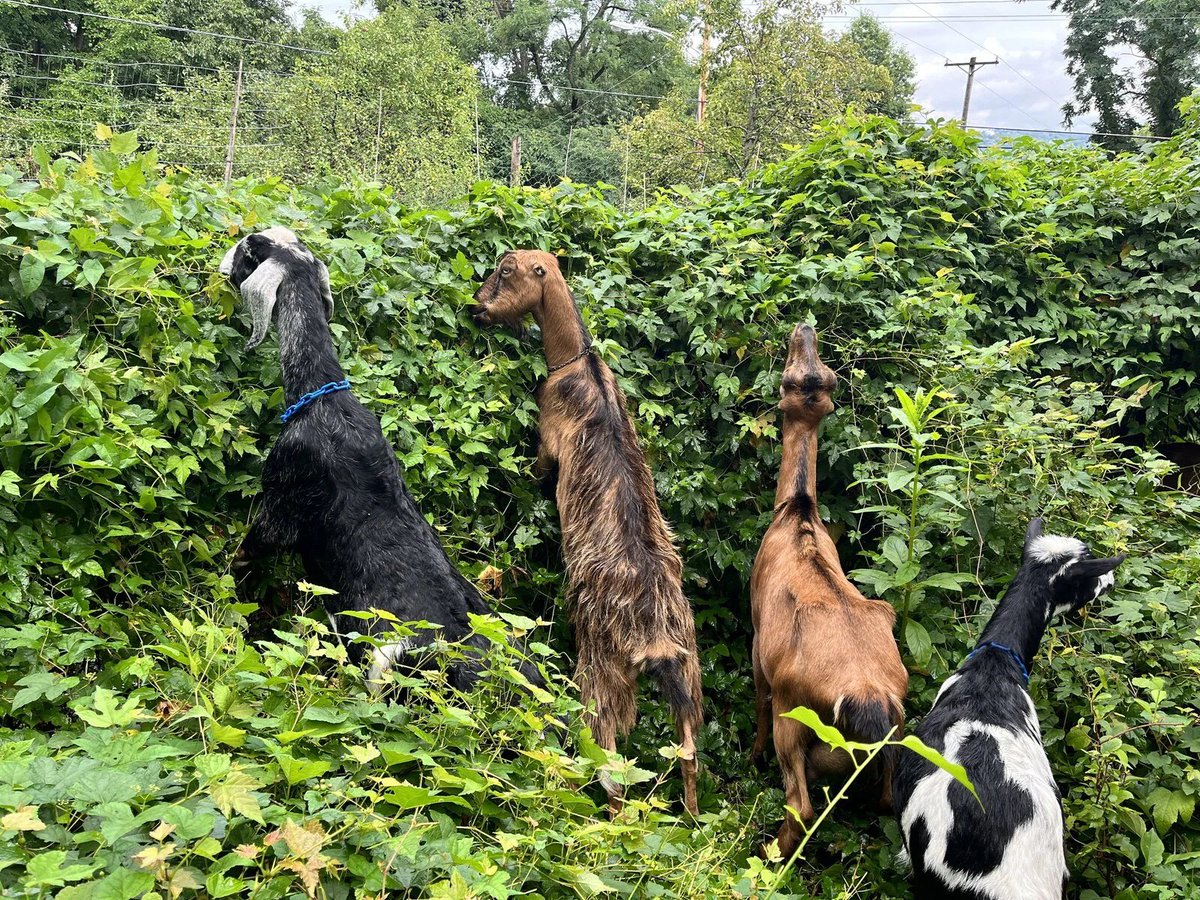
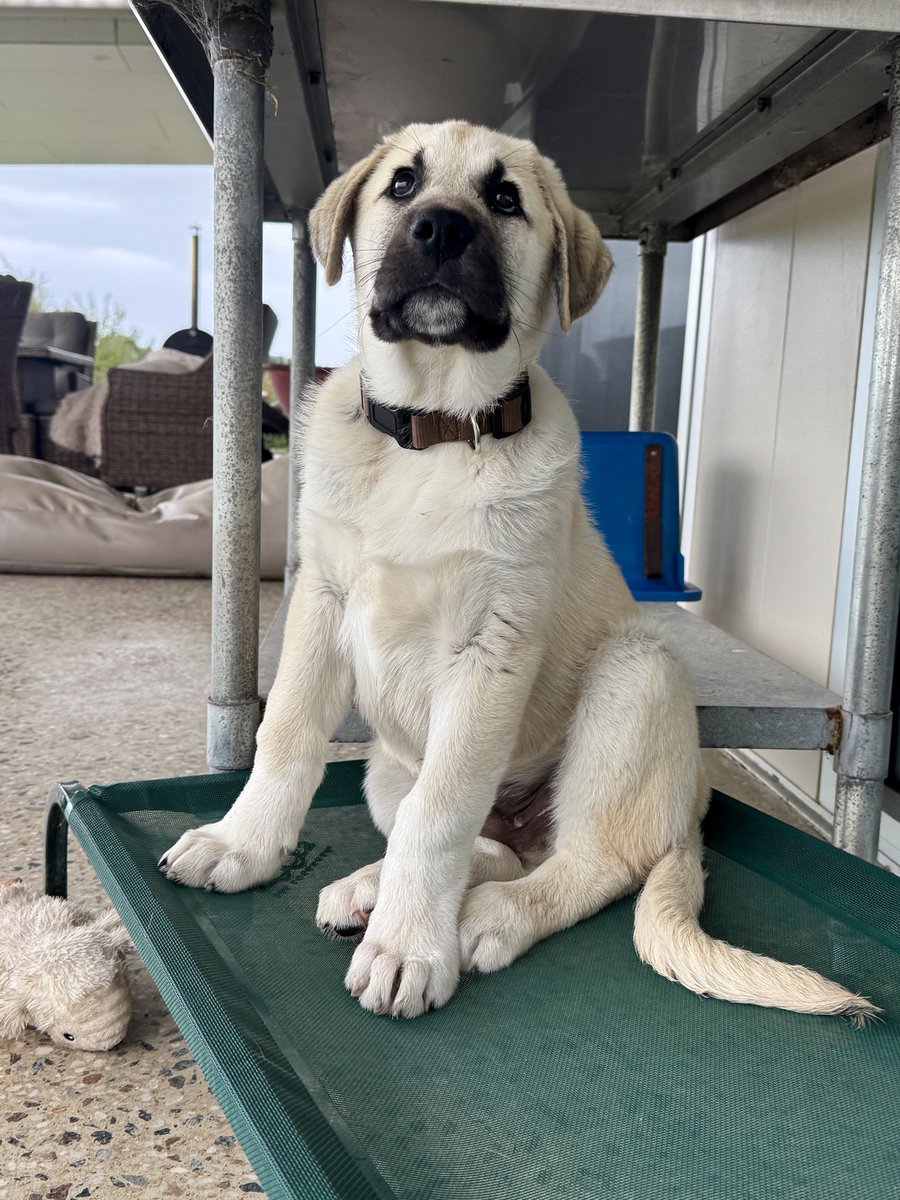
The goat gets left out of every serious conversation about sustainable food, which is a shame, because it does a job no other farm animal will touch.
A cow is a grazer. A sheep is a grazer. Both want grass, on ground that is at least walkable. The goat is a browser, and its tastes run somewhere else entirely:
- It eats scrub, bramble, gorse and thistle, the spiky stuff everything else avoids.
- It strips the woody growth and lower branches that choke a neglected hillside.
- It works terrain too steep, too rough, and too overgrown for cattle or sheep to bother with.
- It thrives on exactly the marginal, reverting, abandoned land that grows nothing anyone wants.
This makes the goat the pioneer of the whole system. Put goats onto a bramble-choked hillside and they browse it back, season by season, until grass can establish again. Once the grass comes, the sheep and cattle can follow. The goat opens ground the others could never use.
And at the end of it you get milk that many people who cannot tolerate cow dairy digest perfectly well, meat that more of the world's population eats than any other, and a cleared hillside that was an impenetrable thicket the year before.
The goat asks for the worst land on the farm and quietly makes it useful. It has been doing humanity's roughest groundwork for ten thousand years, and we still treat it as an afterthought with a comedy reputation.
91
668
2,805
40,463

Robbie Johnson retweeted

A week after NSW Police received thorough criticism for their violent treatment of members of the public — a member of the Police ‘Public Order’ Squad is caught on film creating public disorder by violent treatment of a member of the public.

After a peaceful night with no violence at the Bisalloy picket, it looks like Chris Minns and Labor have sent the so-called Public Order squad in. They are violently flinging protestors aside to ram their SUV’s through this morning. The picket holds.
33
229
385
5,469
Robbie Johnson retweeted

Ignore the words, watch the actions. This is the only point worth paying attention to. Everything else is just noise.

Lebanon is again the place to watch. Iran says the MOU will be signed on Friday, but the lifting of the US blockade and a ceasefire in Lebanon will take effect immediately. If Israel keeps bombing Lebanon, the MOU probably won't happen.
12
280
1,084
25,691

RT @CraigHill01: Running a campaign two years out from an election is not going to affect the results in any way. The ad campaign One Natio…
110
Robbie Johnson retweeted
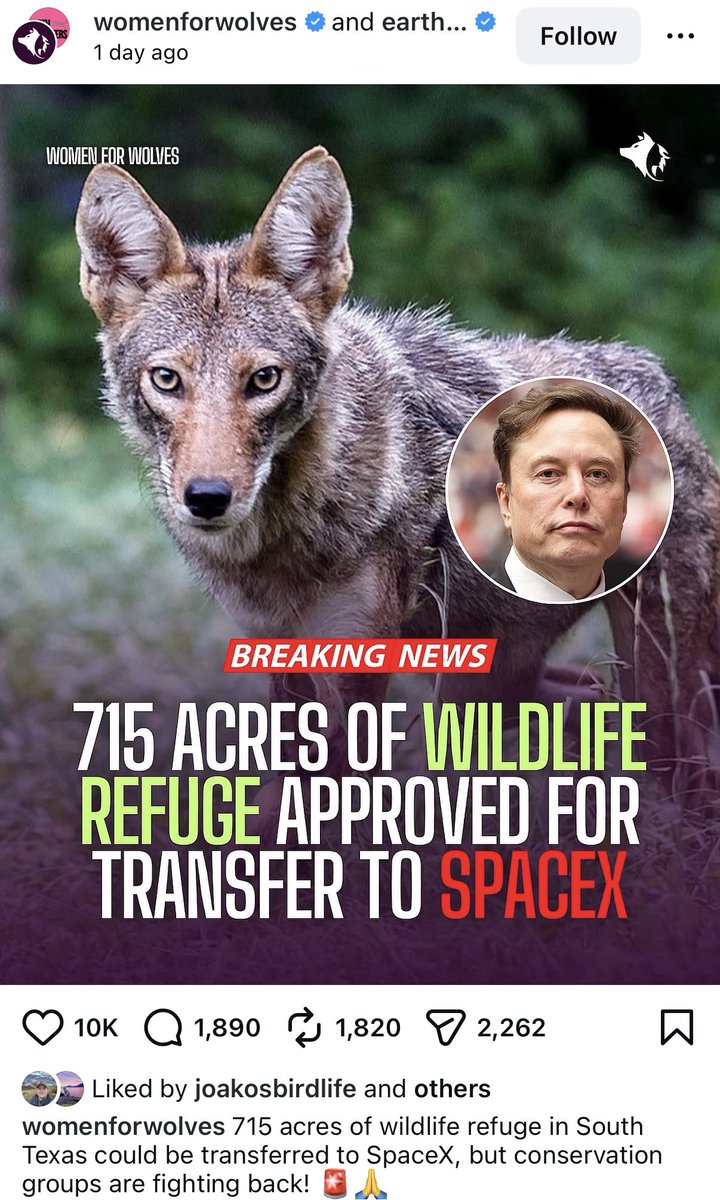
Where are those people that tell me Elon helps the environment? … 🙄
12
179
862
7,772
Robbie Johnson retweeted
Oh gee, another coincidonk!!
Just after Indonesia says ‘NO’ to US military flight access over Indonesian territory, guess what, US funded student groups start up street riots again.
Just like clockwork.
This time the theme colour is YELLOW — for this latest in orchestrated US-sponsored Colour Revolutions!
Watch for more reporting of the ‘chaos’ in Indonesia, until the US gets its own way and gets its flight access — so it can squeeze the Malacca Strait closed to choke Chinese trade.
bbc.com/news/articles/cqx18d… @abcnews
131
1,349
2,754
86,631
Robbie Johnson retweeted

Monday June 15, 2026
634 #DeathsInCustody
Hundreds of #MMIW
#AboriginalLivesMatter
#BlackLivesMatterAustralia
🖤
🖤 🖤
🖤
💔
18
29
166
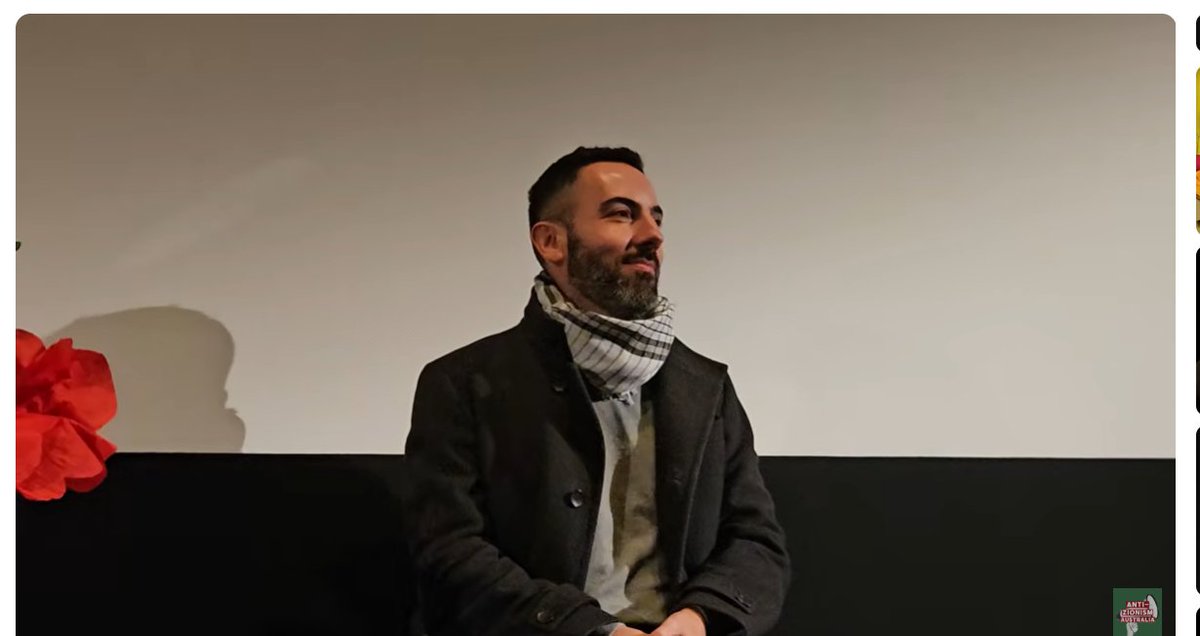
Nick Hanna:
"The lobby would not have pushed for a RC if it thought it was going to result in findings adverse to it's interest"
So expect the RC to recommend laws that'll have significant bearing on how we're able to support Palestine & Lebanon & how we're able to speak freely
5
64
132
954
Robbie Johnson retweeted
I call on the Australian government to #RaiseTheRate of all support payments to a living wage.
This would be the single most effective way to lift the productivity, quality of life, and well-being of the whole country.
#CommitToALivingWage
54
103
495