
Scientist at @StanfordMed. Previously AI research fellow at NIH @nlm_lhc. Forbes 30 under 30. Signal processing and Machine learning. Views are my own.
Joined June 2011
- Tweets 573
- Following 701
- Followers 315
- Likes 2,242
27 Photos and videos
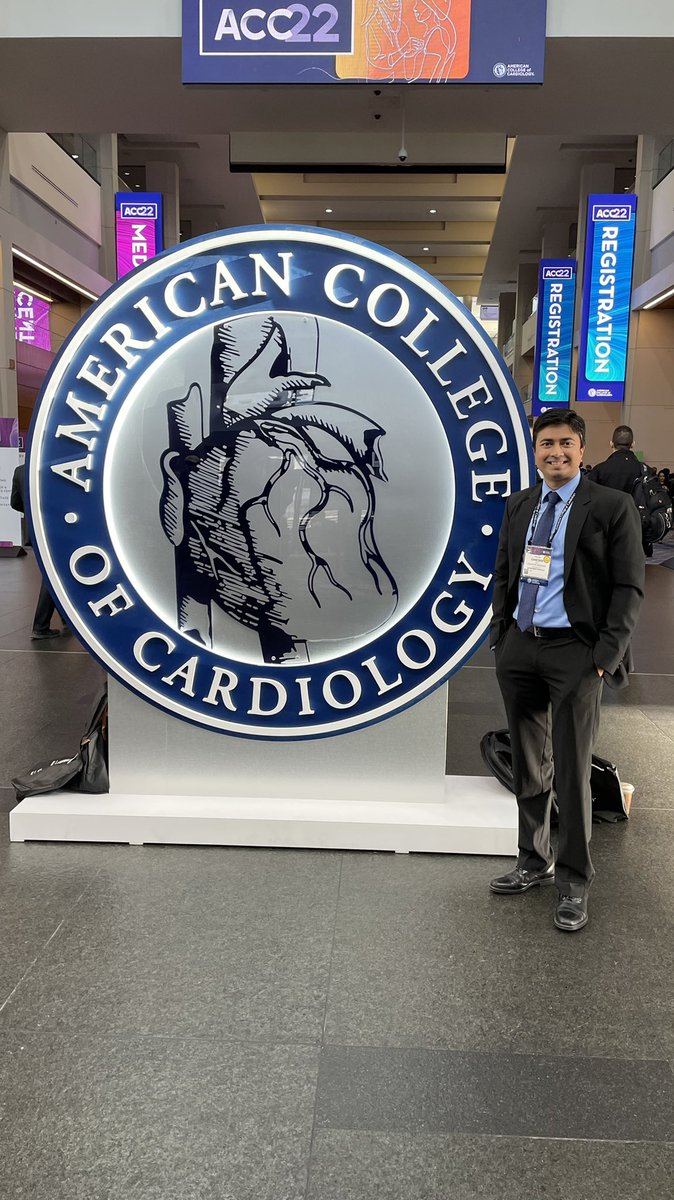
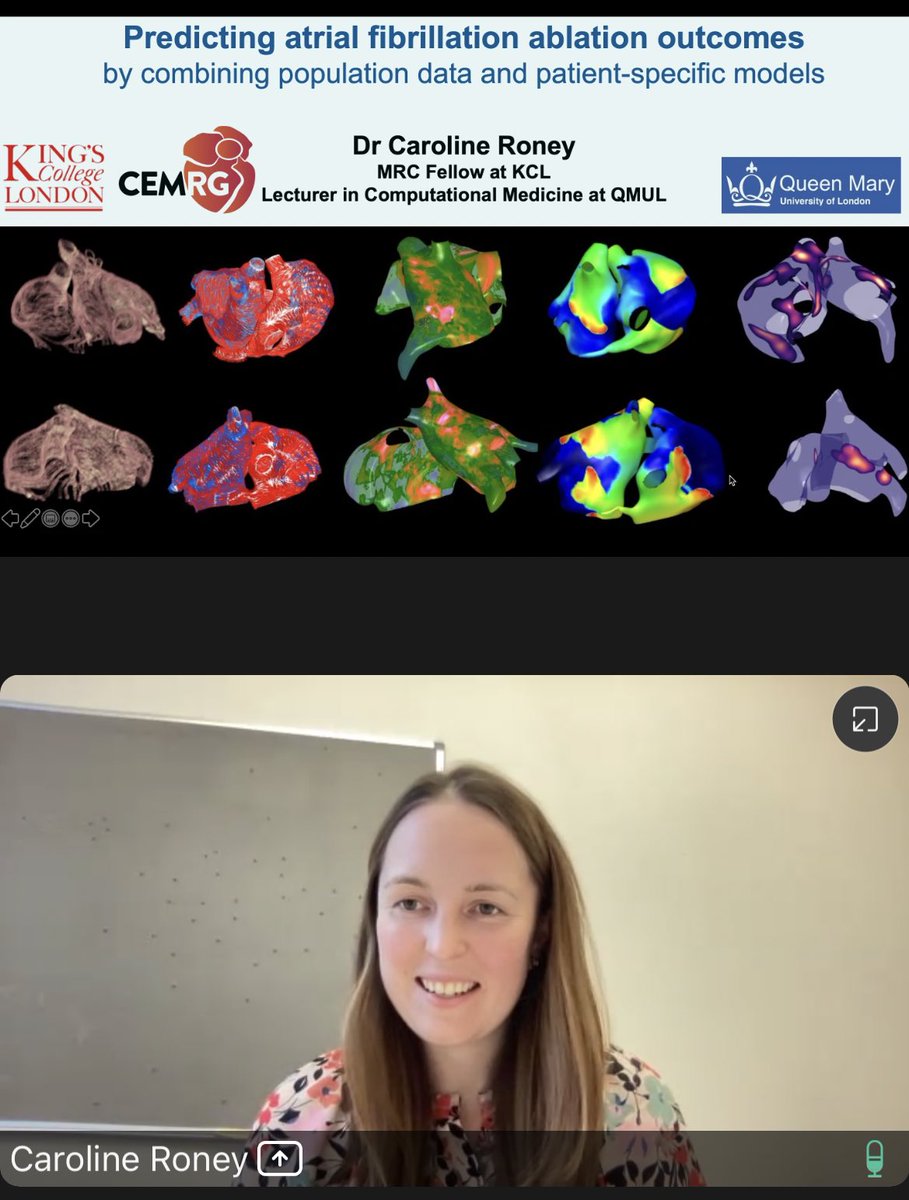
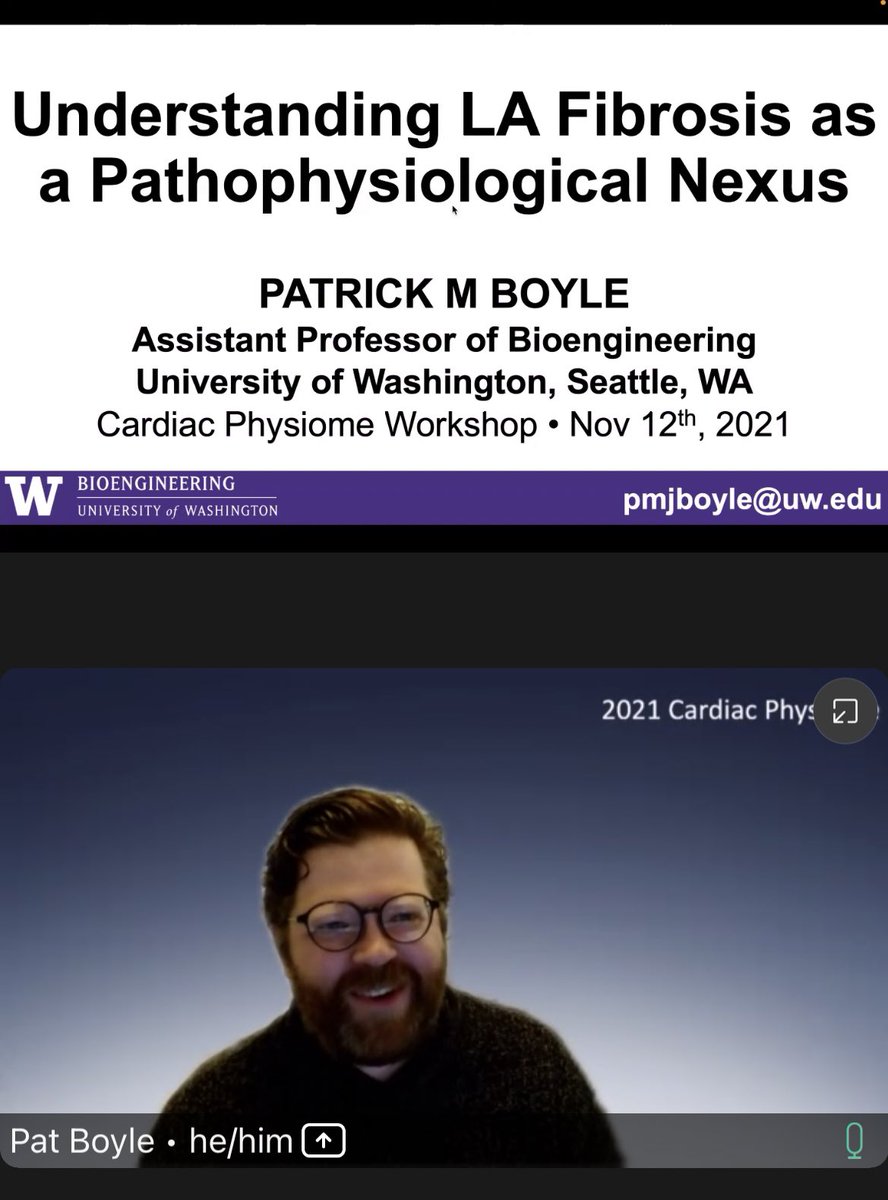
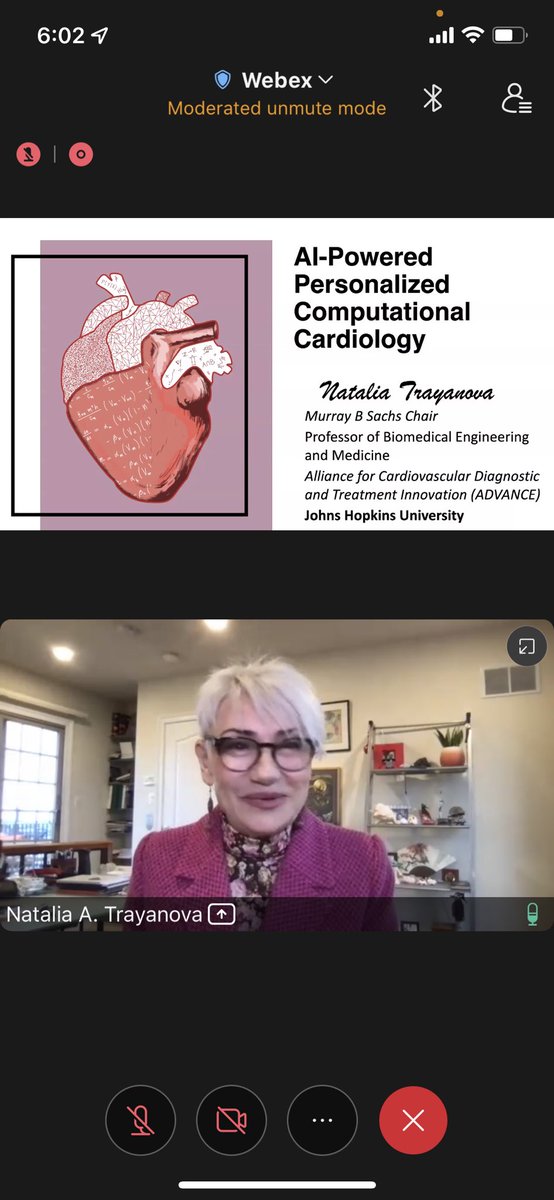

Apr 25
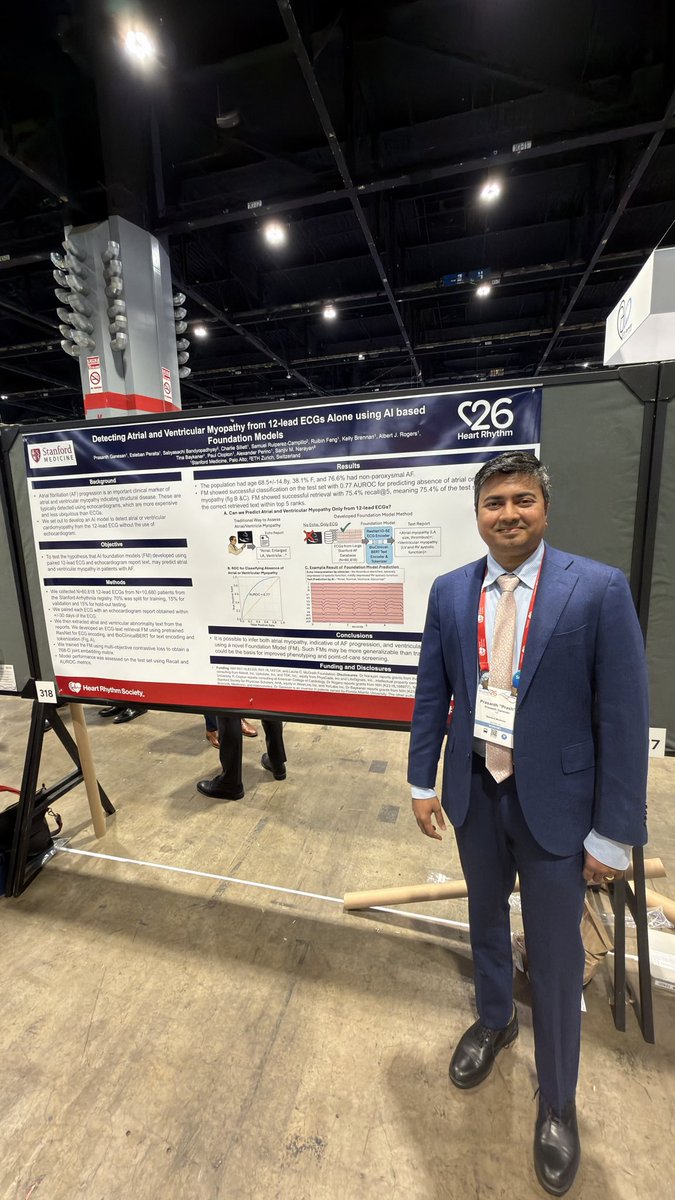
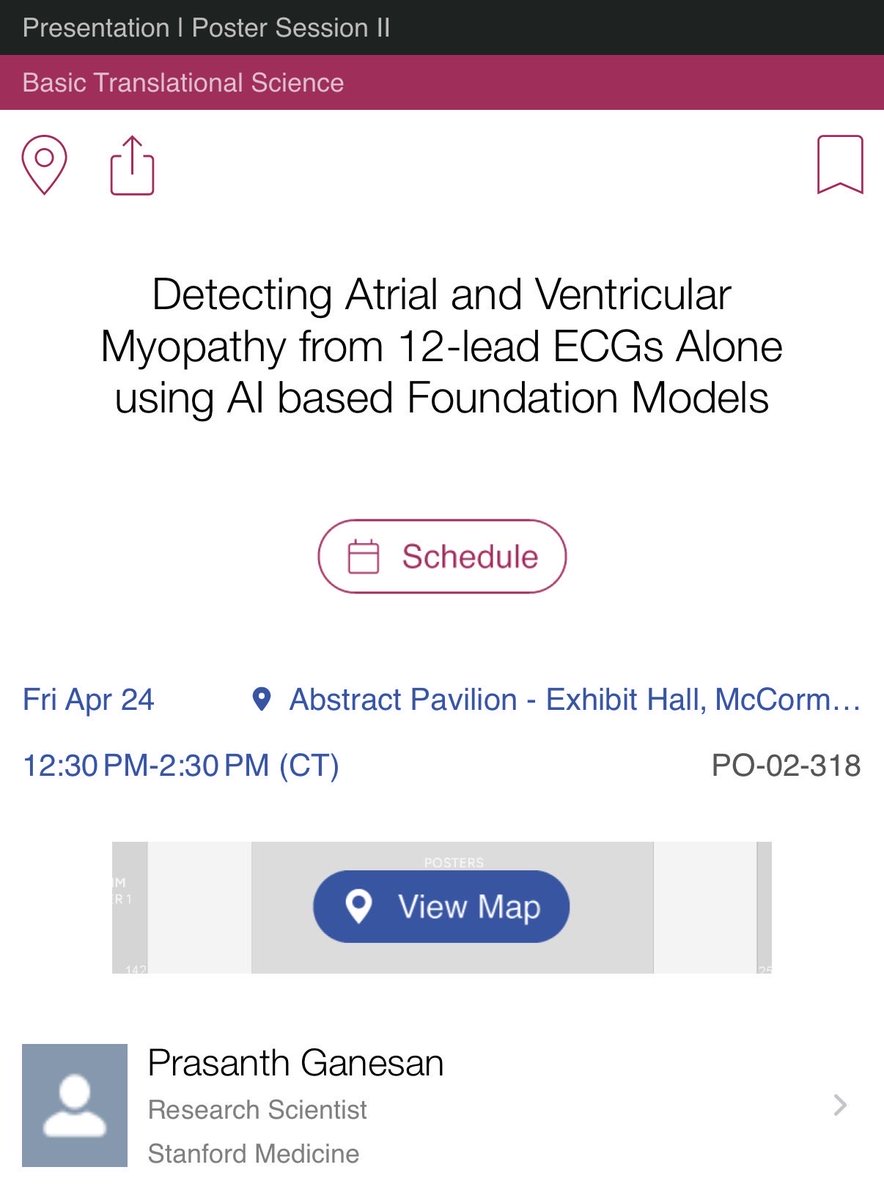
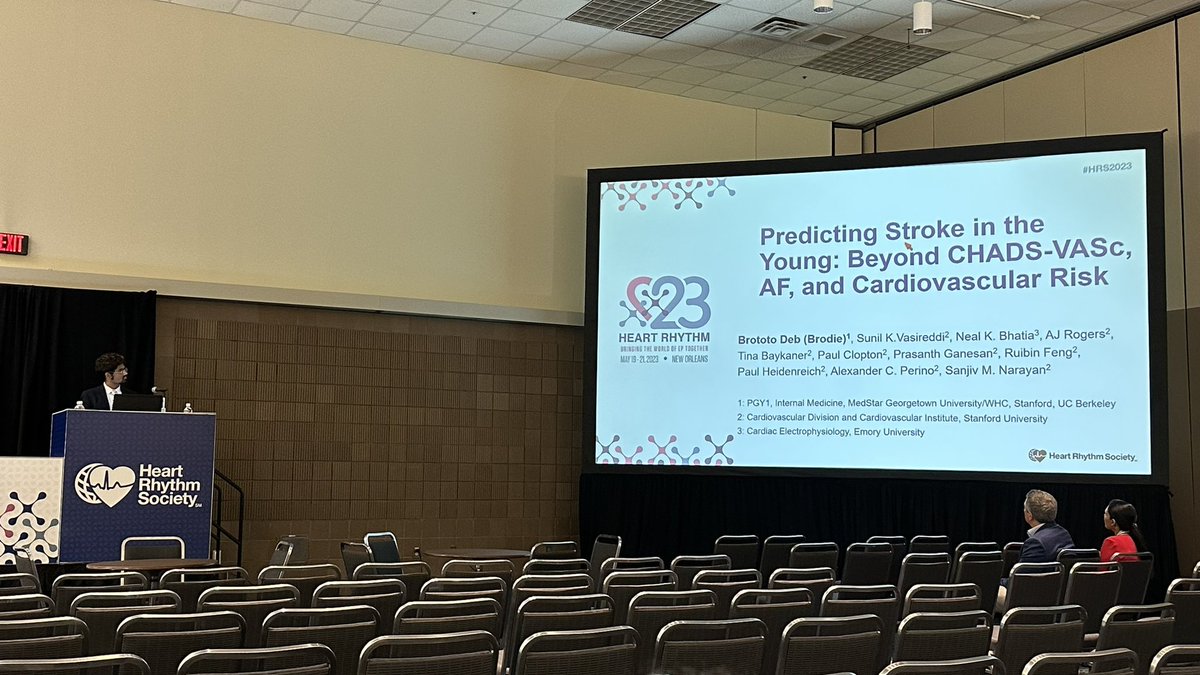
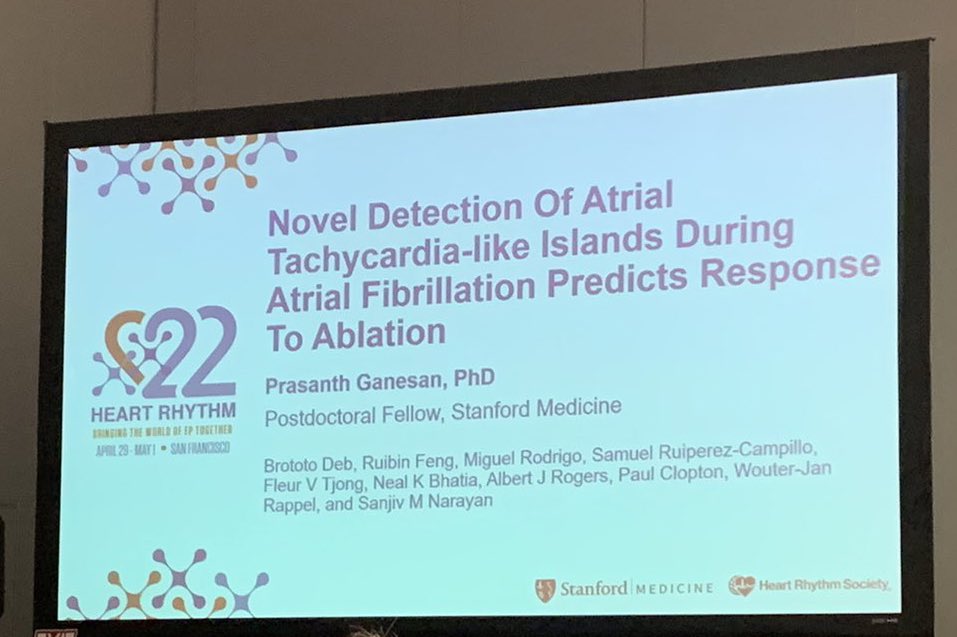
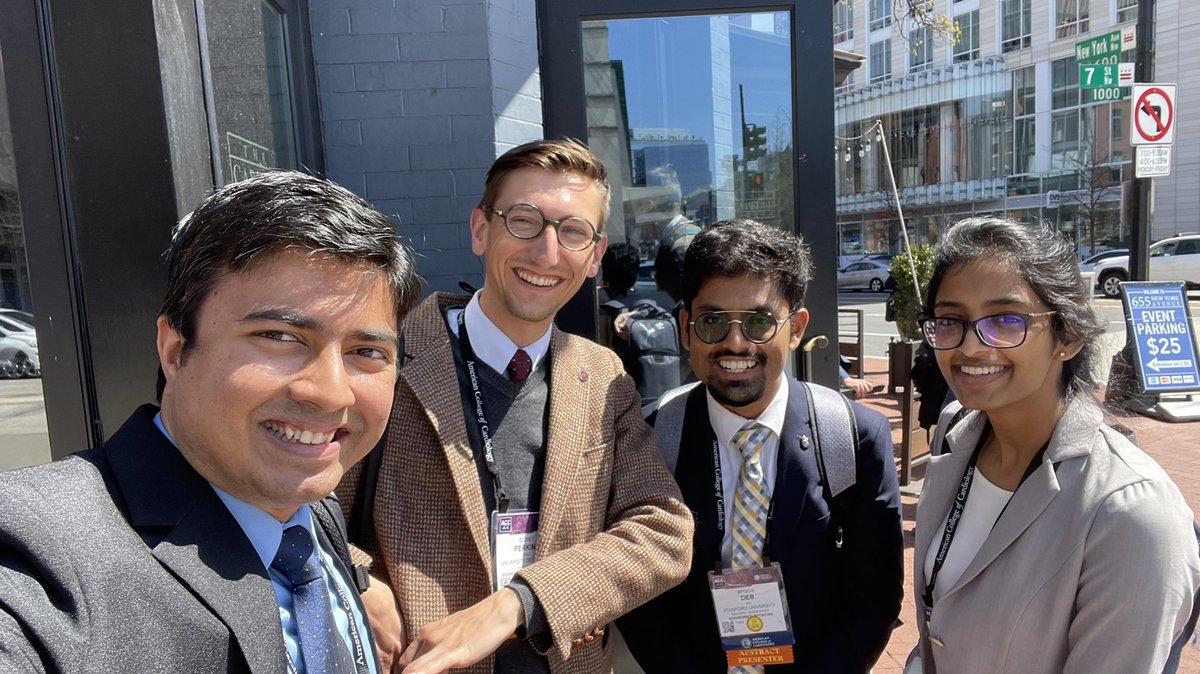
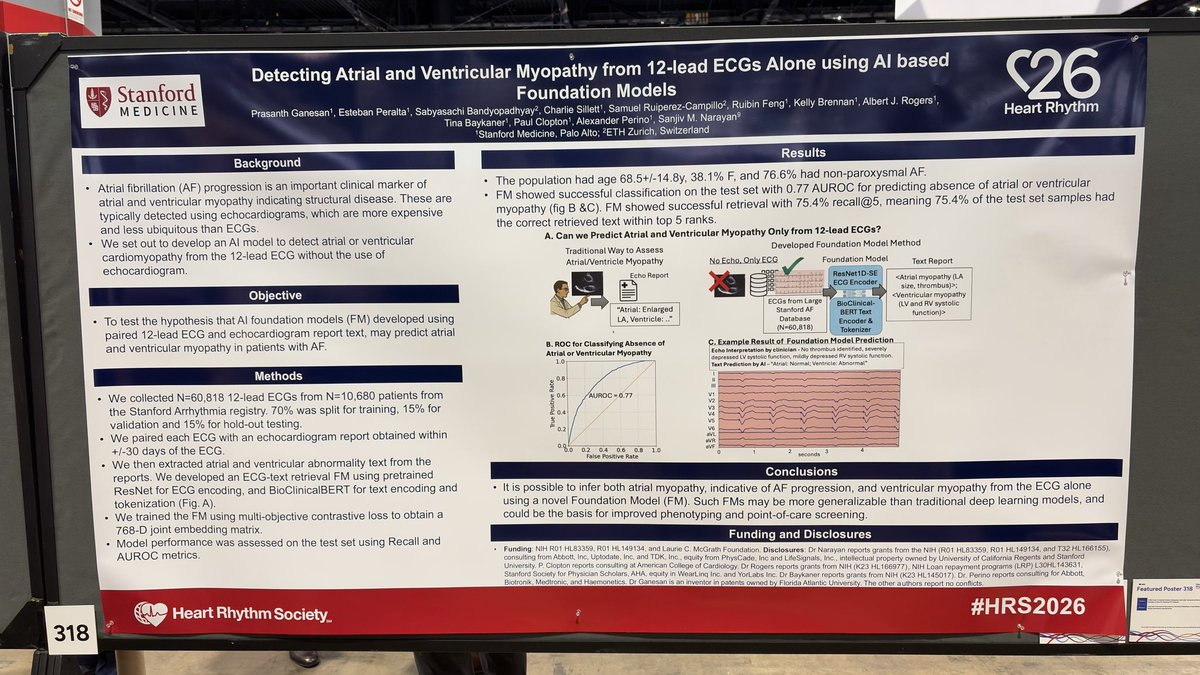
Day 2 of #HRS2026 - presenting my poster on foundation models to predict cardiomyopathy from 12-lead ECG. Lot of interest in the field for #AI of #ECG 🎉 Thanks to my mentor Dr. @S_NarayanMD and to all my coauthors and collaborators! @ajrogers_md @TinaBaykaner @StanfordMed
2
186

Apr 22
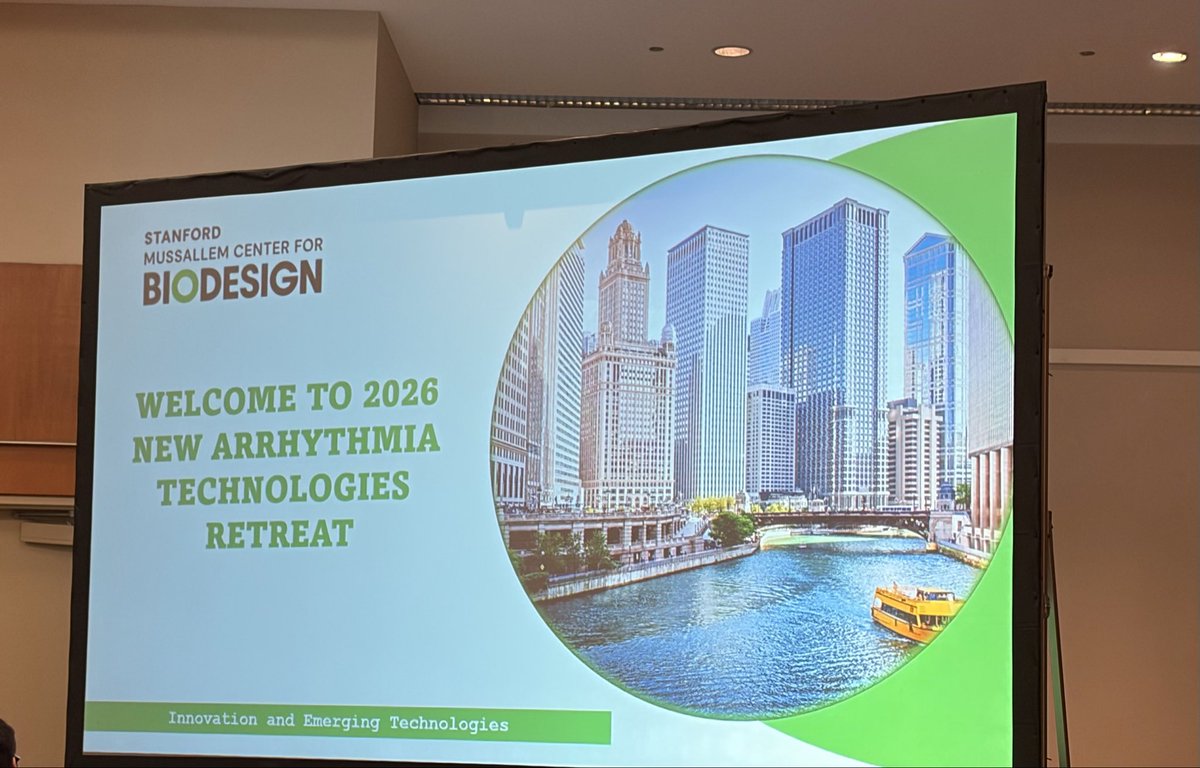
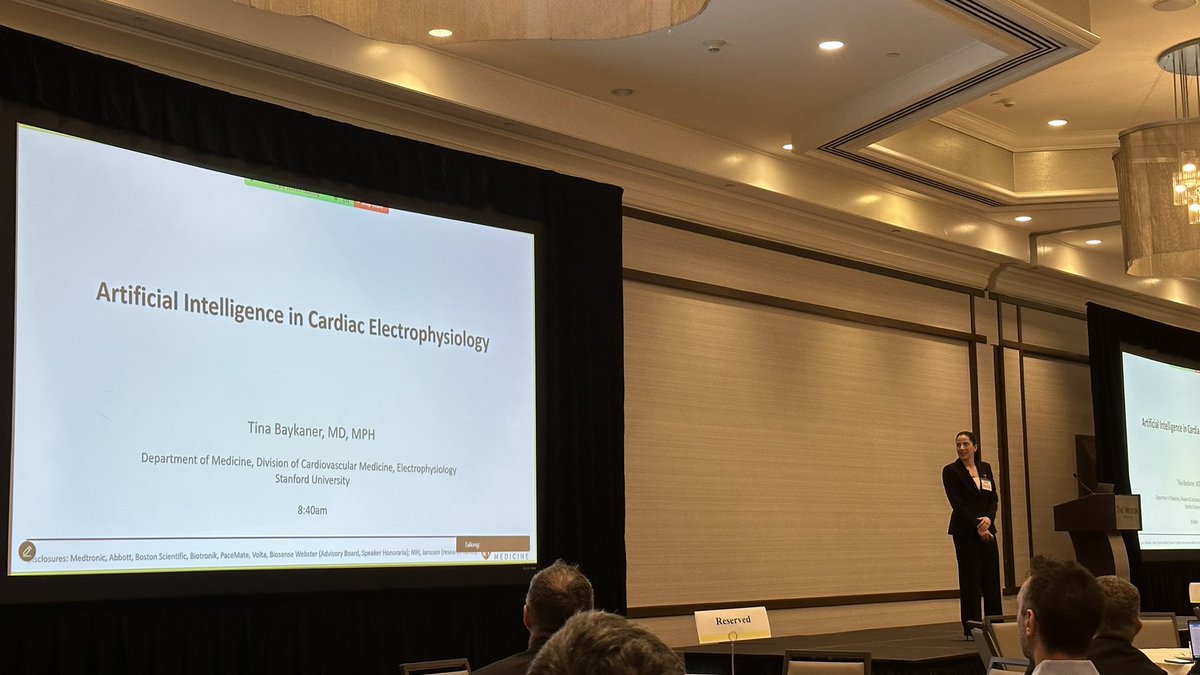
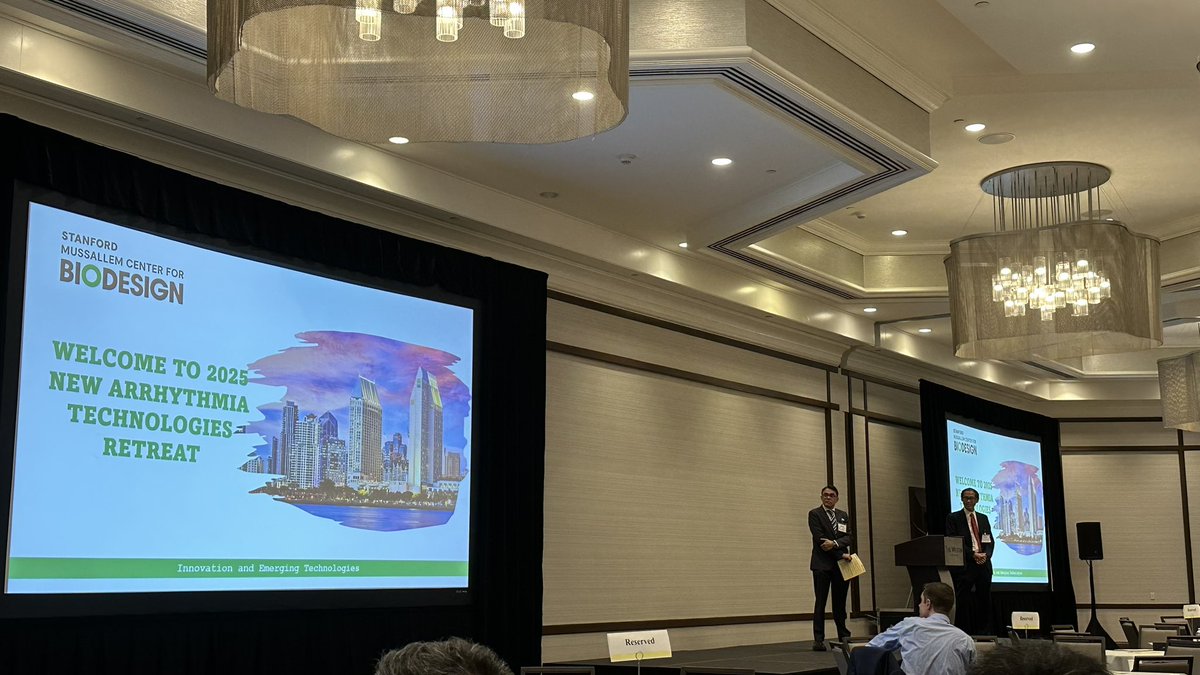
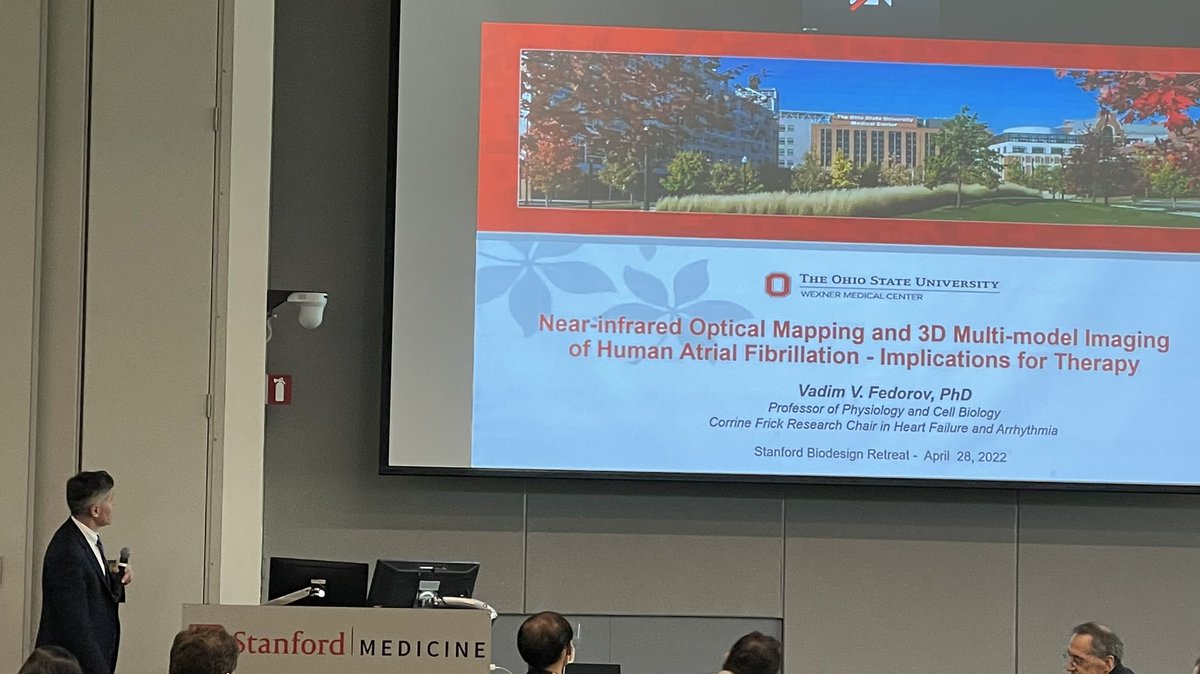
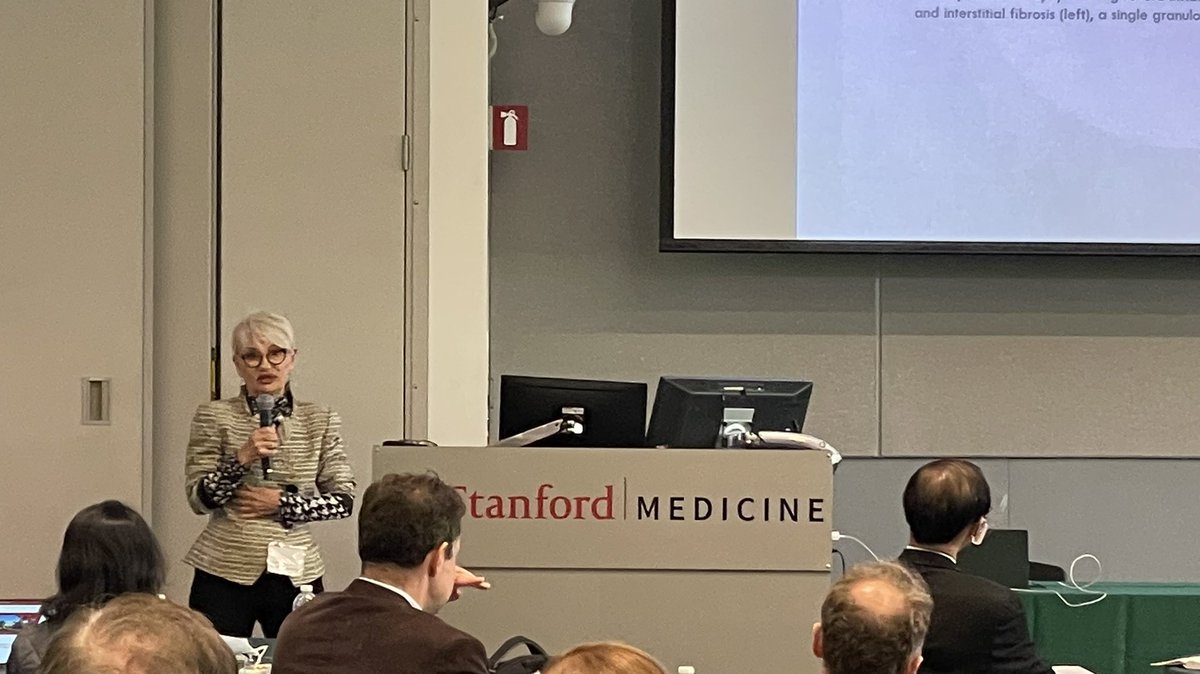
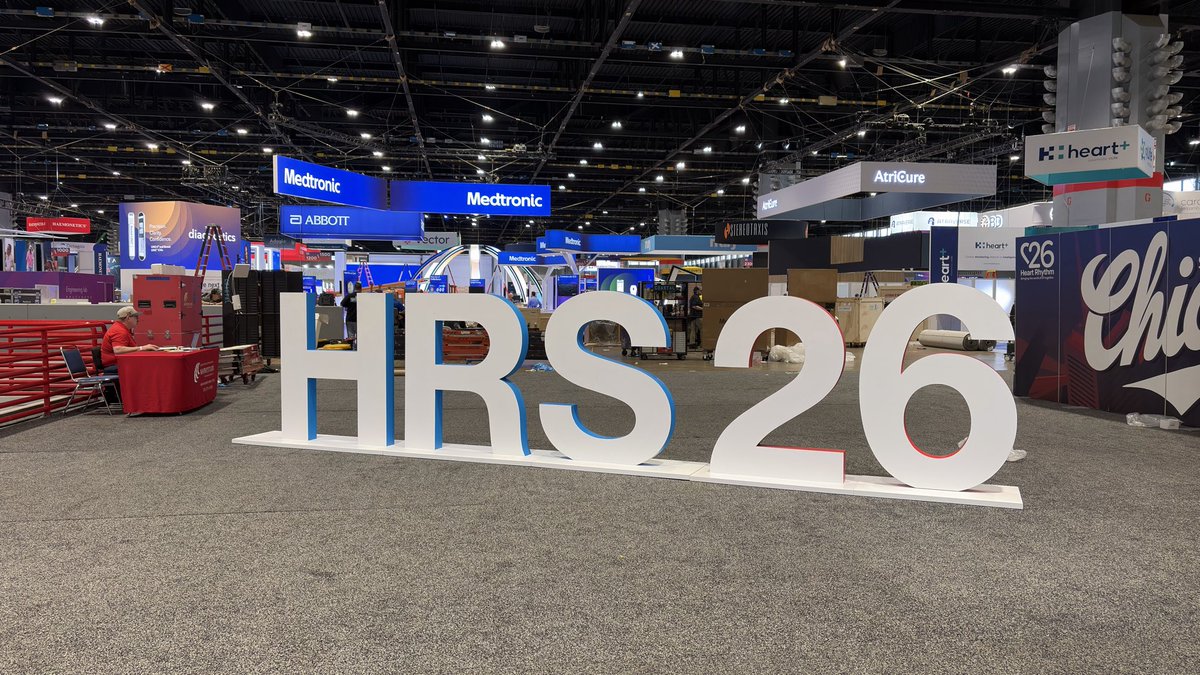
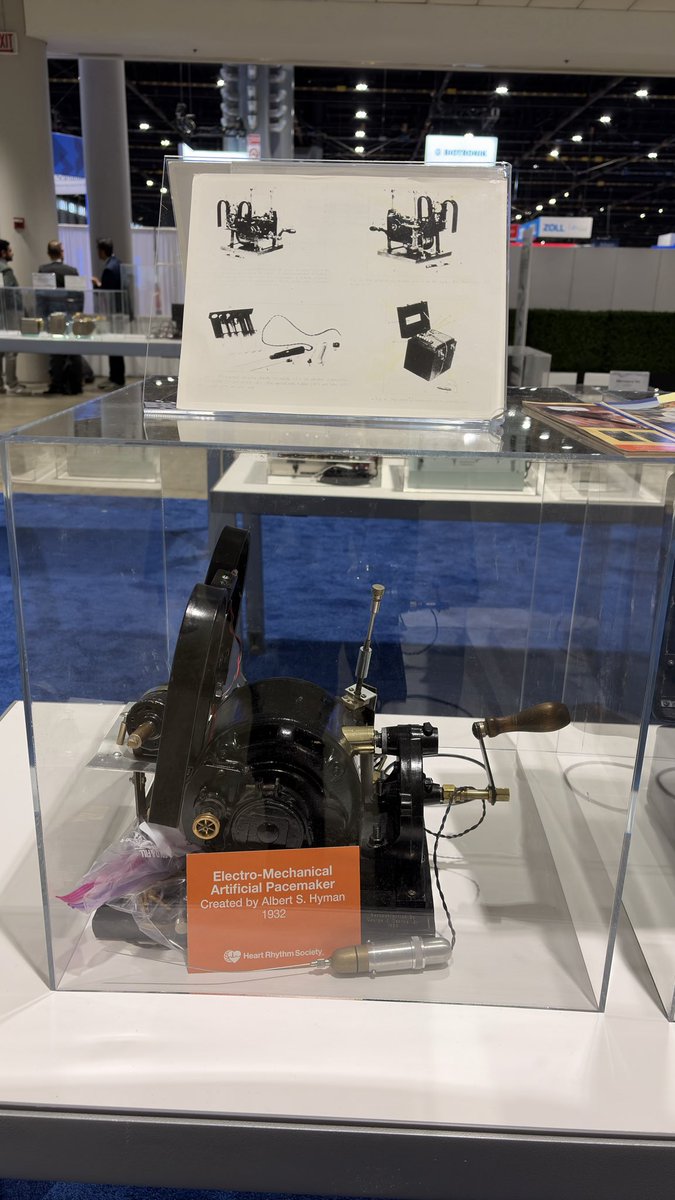
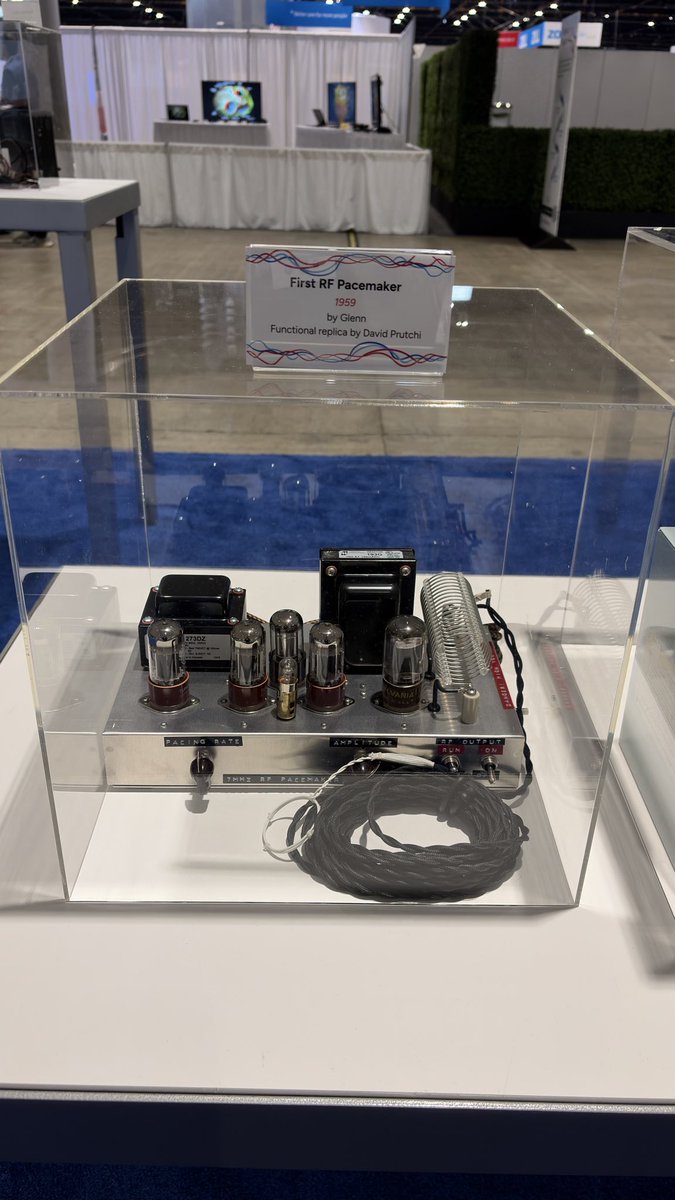
At Stanford Biodesign conference. Many interesting and insightful sessions!! @SUBiodesign @S_NarayanMD @TinaBaykaner @NTrayanova
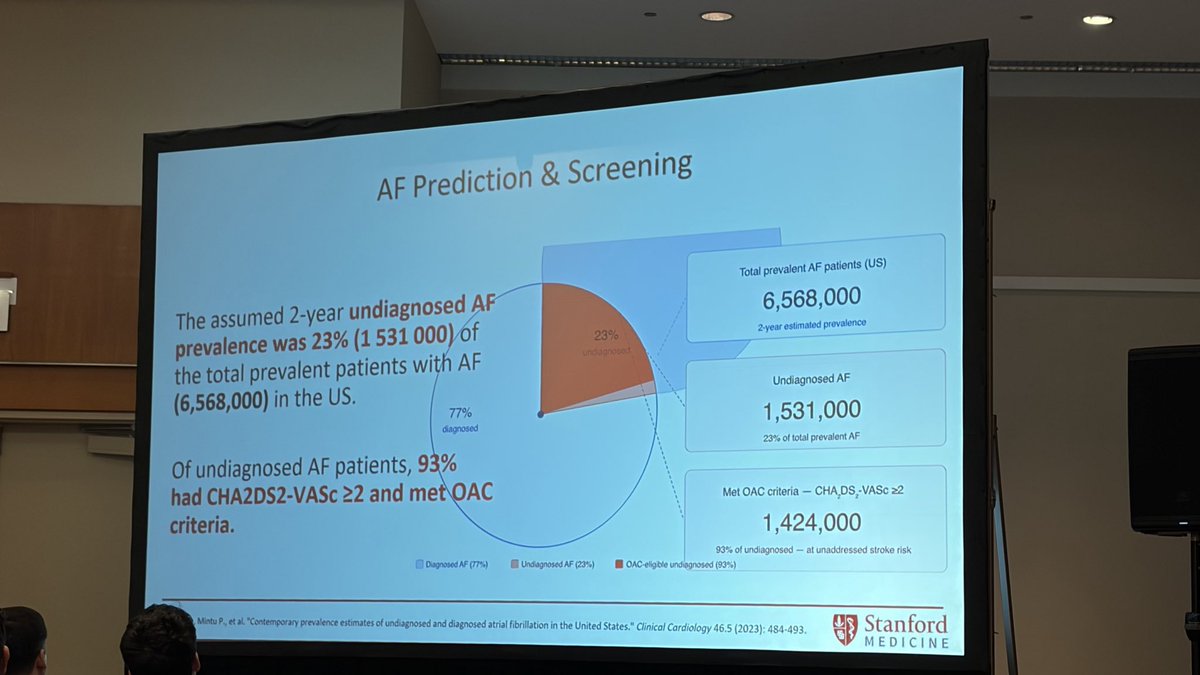
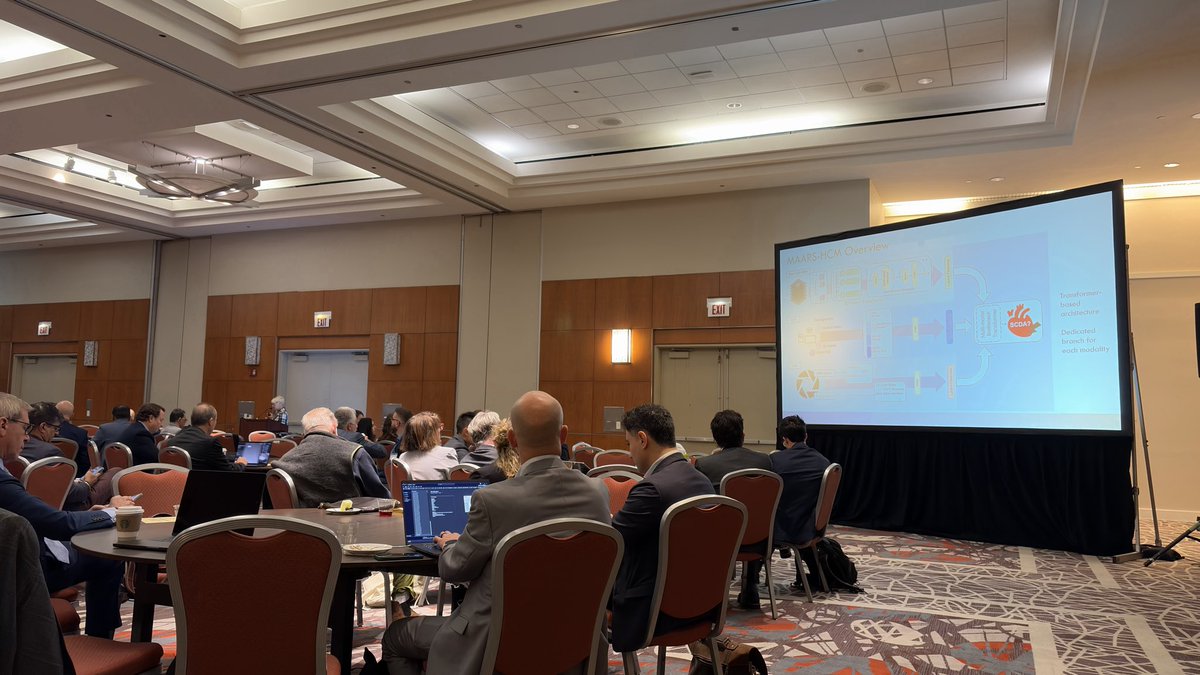
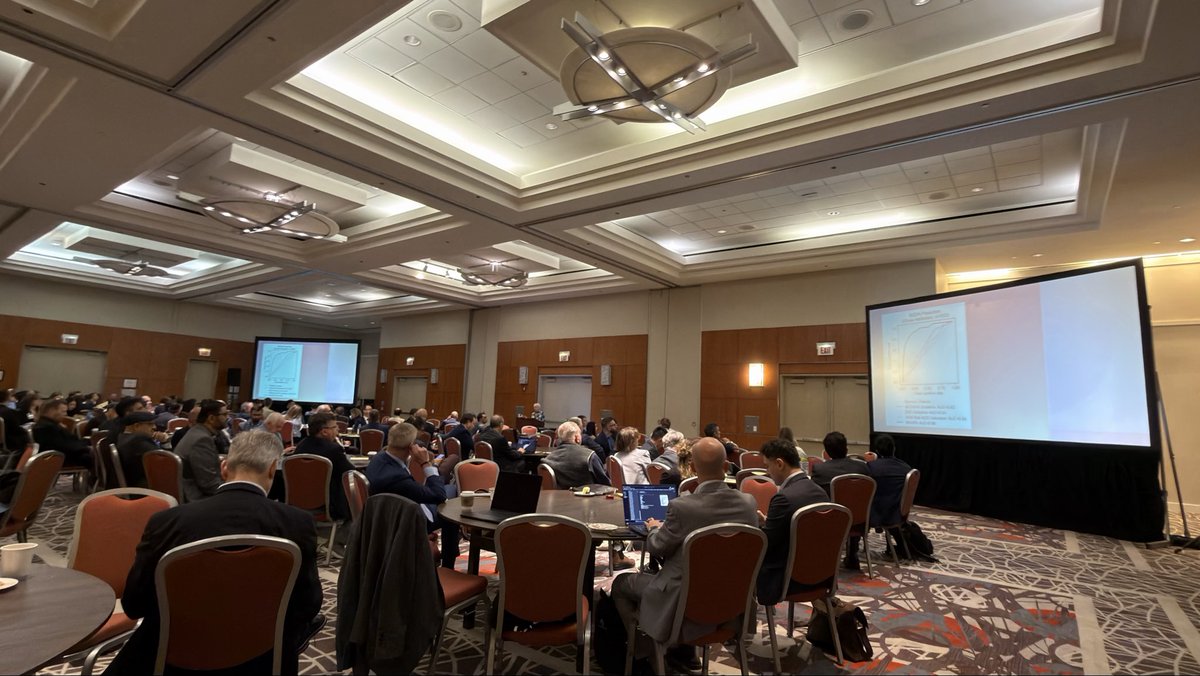
1
7
1,769
Prasanth Ganesan retweeted

11 Nov 2025
#AHA25 was the best! Got to present our work in @S_NarayanMD lab with @ Kelly Brennan, @Sabya_Bando @prash030 using large language models to detect VT recurrence in clinical notes and enable prediction of outcomes, towards precision pharmacotherapy in VT.
2
2
7
1,114
Prasanth Ganesan retweeted

9 Nov 2025
See here for the associated publication: Deep learning–based continuous QT monitoring (3DRECON QT) reconstructs 12 lead ECG data from a single lead monitor to predict QT/QTc. ahajrnls.org/4p2Z8tn
@davidouyang
@prash030
@kbrenn711
4
8
526
Prasanth Ganesan retweeted

8 Nov 2025
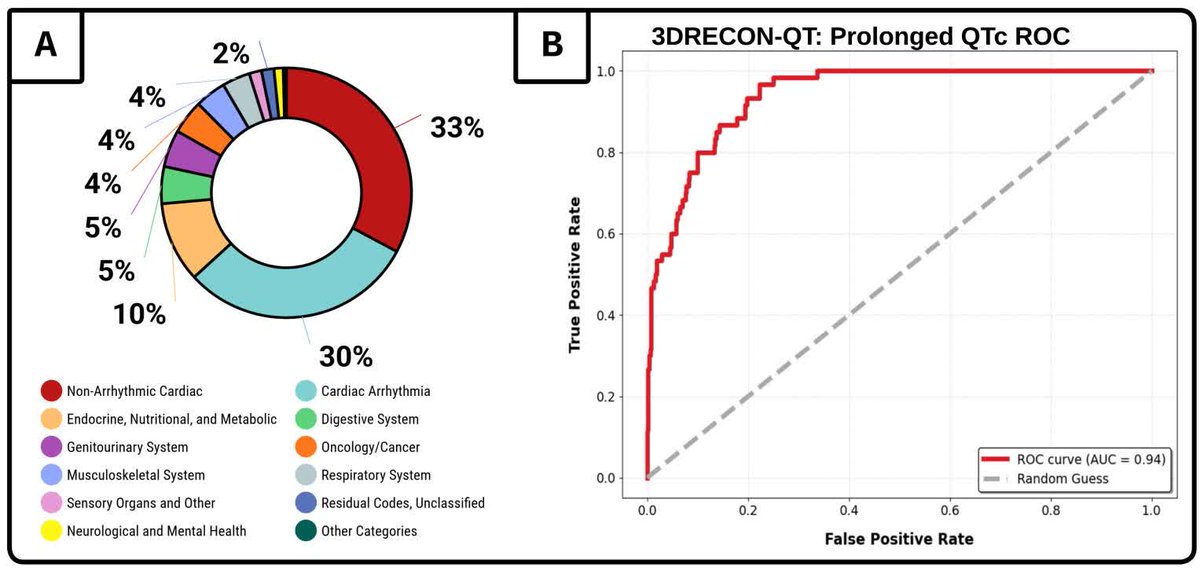
#AHA25: Deep learning–based continuous QT monitoring (3DRECON QT) reconstructs 12 lead ECG data from a single lead monitor to predict QT/QTc. It detects QT prolo... ahajrnls.org/4p2Z8tn @Wanginnovate @mvperez92 @AlexanderPerino @davidouyang @prash030 @kbrenn711 @ajrogers_md
12
21
2,776
Prasanth Ganesan retweeted

21 Oct 2025
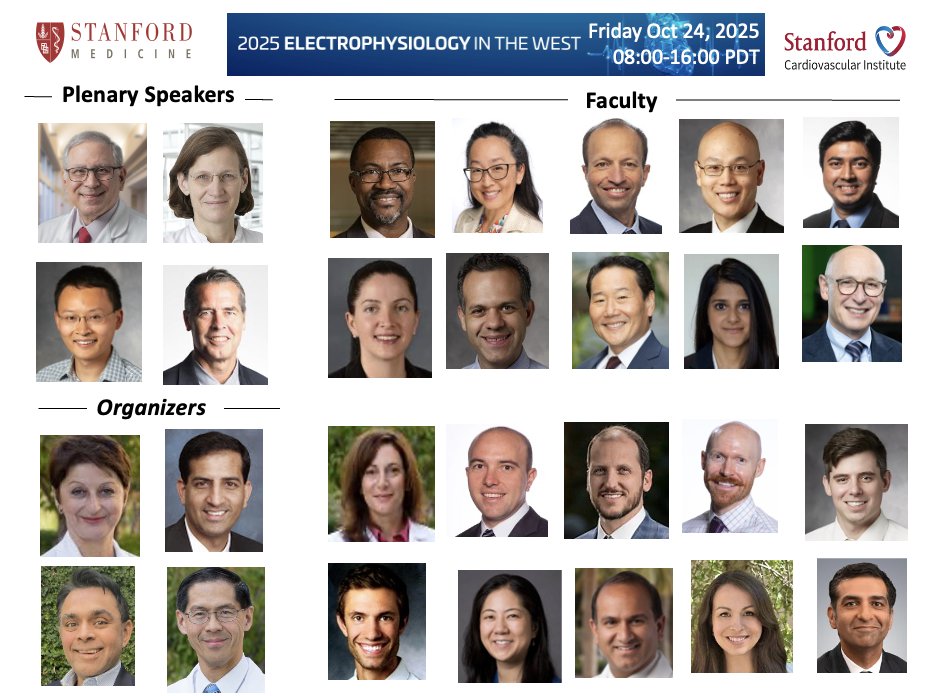
#ep_peeps #StanfordEP25 FRIDAY OCT 24TH 8A-4P PT Register to discuss latest #AF #VT #innovations via #AI & case #efficiency with @EPrystowskyonEP Isabelle Diesenhofer @DrBradleyKnight @james_y_zou @netta_doc @TinaBaykaner @Wanginnovate
In person/stream stanford.cloud-cme.com/cours…
2
4
531

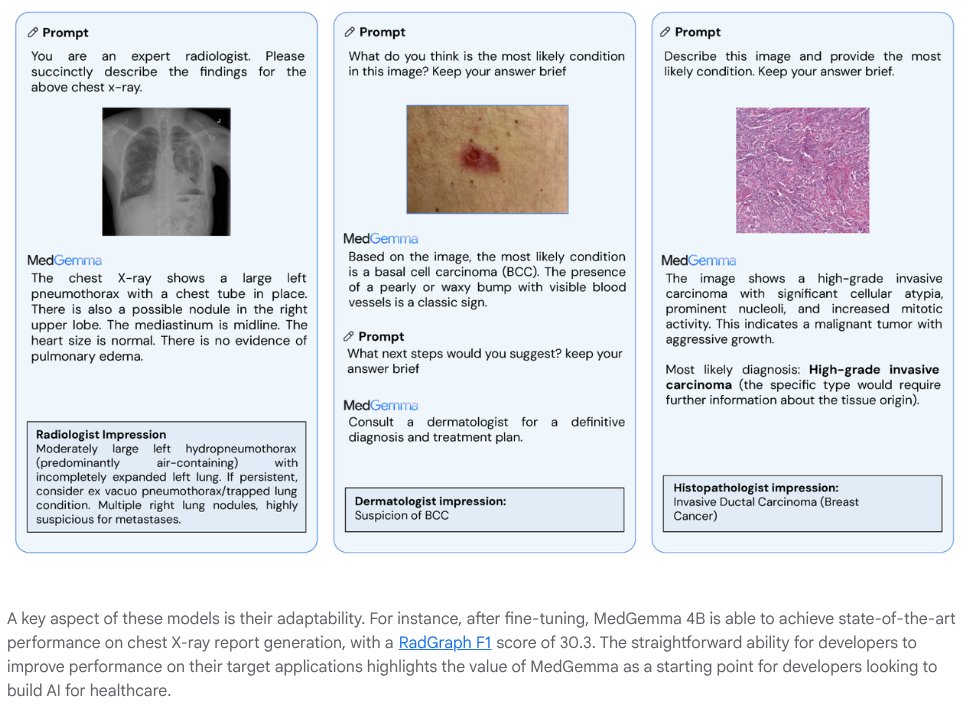
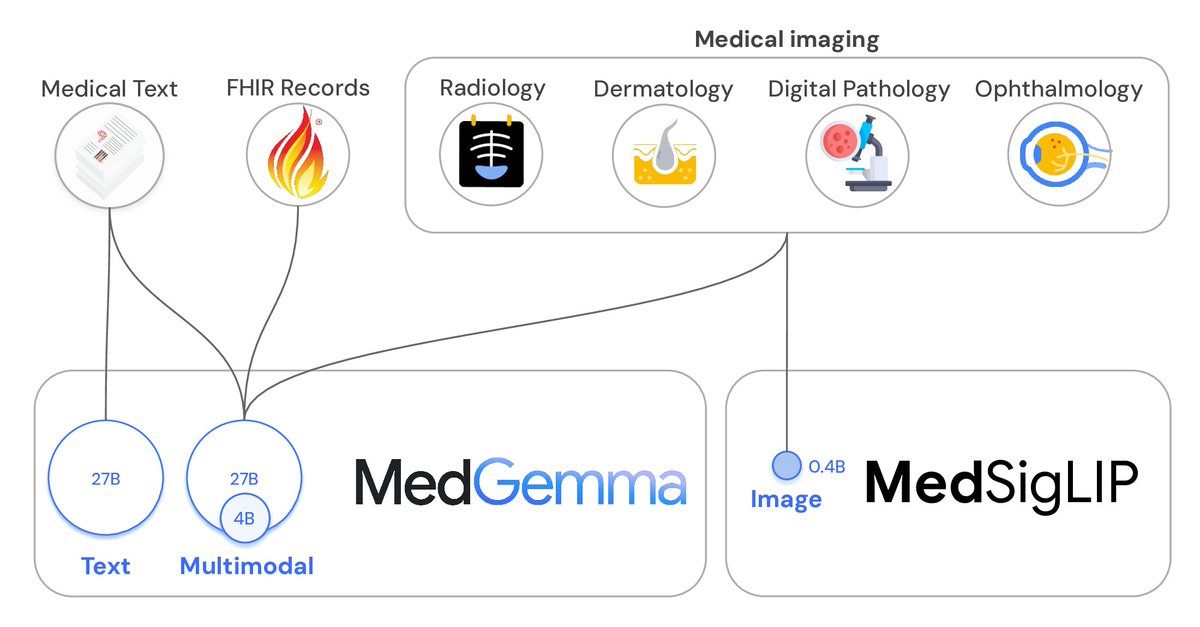
Check out our state-of-the-art open weights MedGemma multimodal model for making sense of longitudinal EHR data as well as medical text and medical imaging data in various modalities (radiology, dermatology, pathology, ophthalmology, etc.)
See the blog post linked below! ⬇️
9 Jul 2025

Introducing new models for research & development of health applications: MedGemma 27B Multimodal, for complex multimodal & longitudinal EHR interpretation, and MedSigLIP, a lightweight image & text encoder for classification, search, & related tasks. → goo.gle/4kvt6Uk
17
86
626
66,393
Prasanth Ganesan retweeted

9 Jul 2025
Flow Matching (FM) is one of the hottest ideas in generative AI - and it’s everywhere at #ICML2025.
But what is it? And why is it so elegant? 🤔
This thread is an animated, intuitive intro into (Variational) Flow Matching - no dense math required.
Let's dive in! 🧵👇
109
272
1,759
264,894
Prasanth Ganesan retweeted

16 May 2025
Curious about optical mapping techniques for cardiac research? Here's a quick video demonstrating the optical mapping recording and analysis of mouse atrial electrical activity (Ca²⁺ and AP).
@MappingLab #cardiotwitter #electrophysiology #Cardiology #calcium #actionpotential
1
2
5
382
Prasanth Ganesan retweeted

1 May 2025
Gemini powers our multimodal health research! 💙
In our new paper on multimodal AMIE, we're pushing conversational diagnostic AI beyond text to handle images such as skin photos, ECGs, and clinical docs, which provide crucial context in healthcare.
Blog: goo.gle/42D0QcB
Paper: gstatic.com/amie/multimodal_…
How do we make an AI reason like a clinician during a dynamic, multimodal conversation? One of our key contributions is multimodal state-aware reasoning, built on @GoogleDeepMind Gemini 2.0 Flash.
Instead of just reacting turn-by-turn, AMIE maintains an internal "understanding" of the consultation:
✅ What is known about the patient?
✅ What are the likely diagnoses?
✅ What information (text or visual) is missing?
This internal state allows AMIE to:
👉 Intelligently guide the conversation through phases like history-taking & diagnosis.
👉 Strategically ask for relevant images (like skin photos or screenshots of ECGs/docs) when its internal state shows uncertainty.
👉 Accurately interpret multimodal data and weave the findings back into the ongoing dialogue and diagnostic process.
Essentially, it mimics the adaptive reasoning clinicians use, leading to a more structured and effective consultation.
We evaluated multimodal AMIE against primary care physicians (PCPs) in a demanding, blinded OSCE study using 105 diverse multimodal scenarios.
The results demonstrate clear progress: AMIE achieved similar or superior performance when compared to PCPs across a wide range of metrics, including diagnostic accuracy, empathy, and critically, the handling and reasoning about multimodal data.
While the OSCE results are very promising, it's important to remember this was a test environment with patient actors! Real-world care is more complex. Making sure it's safe, reliable, and actually helpful in the real world needs more work, starting with our upcoming study with Harvard BIDMC.
The work would not have been possible without an amazing team @GoogleAI, @GoogleDeepMind: @RyutaroTanno, @alan_karthi, @vivnat, @AdamRodmanMD, @timstro, @taotu831, @hardyshakerman, @JanFreyberg, @_cjpark, @yasharmaa, @apalepu13, @arkitus, @weballergy, @valentinlievin, @ckbjimmy, @davidstutz92, @dgtbarrett, @yongcheng16 @SaraM66905, @dr2w, @ymatias

Building on Articulate Medical Intelligence Explorer — AMIE, our research diagnostic conversational AI agent — today on the blog we share a first of its kind demonstration of a multimodal conversational diagnostic AI agent, multimodal AMIE. Learn more →goo.gle/42D0QcB
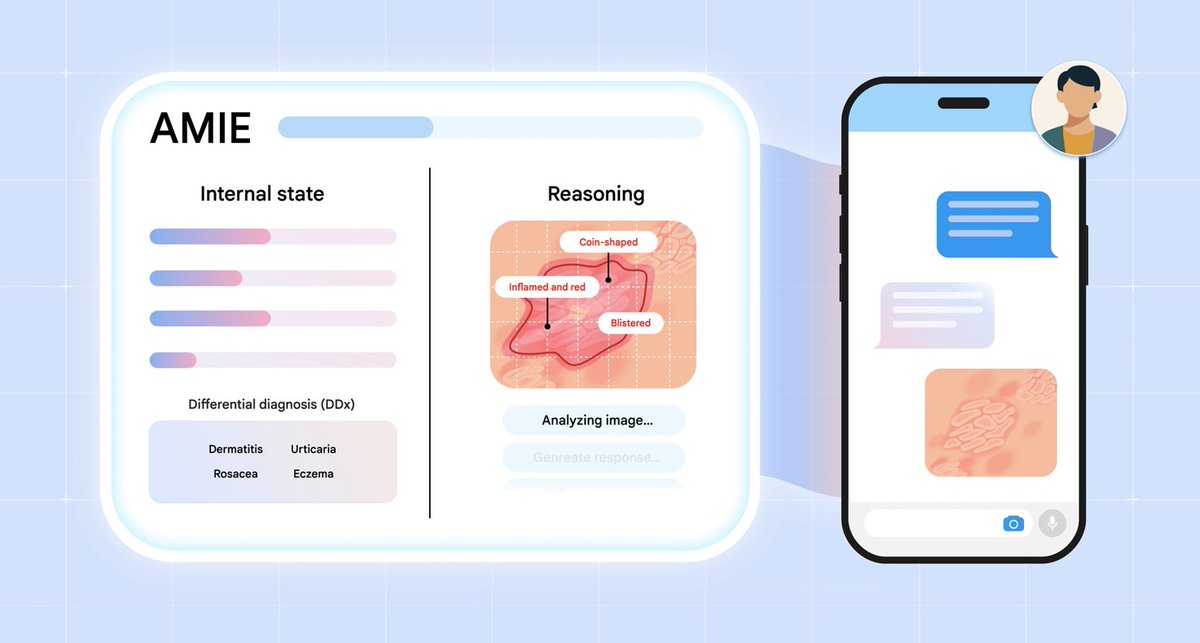
ALT We introduce multimodal AMIE: our diagnostic conversational AI that can intelligently request, interpret and reason about visual medical information during a clinical diagnostic conversation. We integrate multimodal perception and reasoning into AMIE through the combination of natively multimodal Gemini models and our state-aware reasoning framework.
5
20
87
12,756
Prasanth Ganesan retweeted

23 Apr 2025
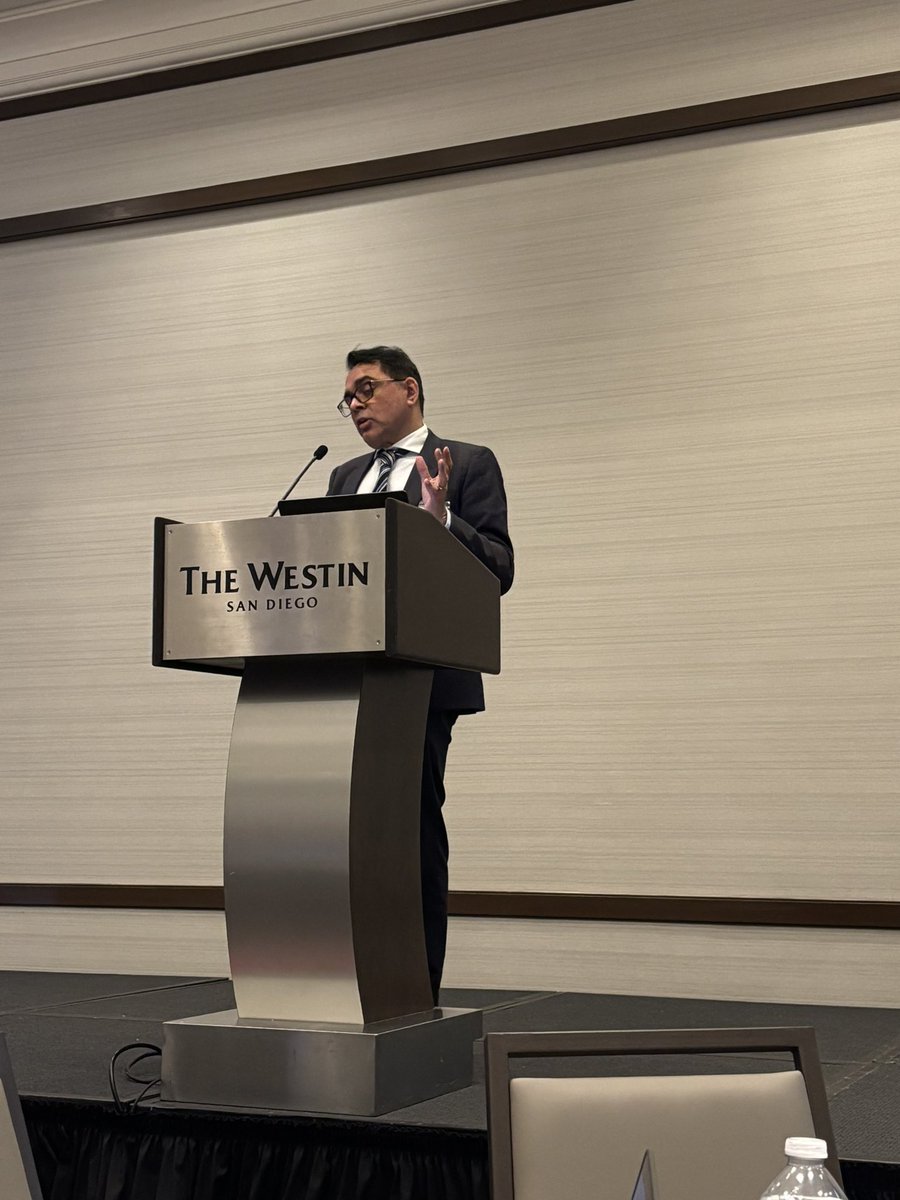
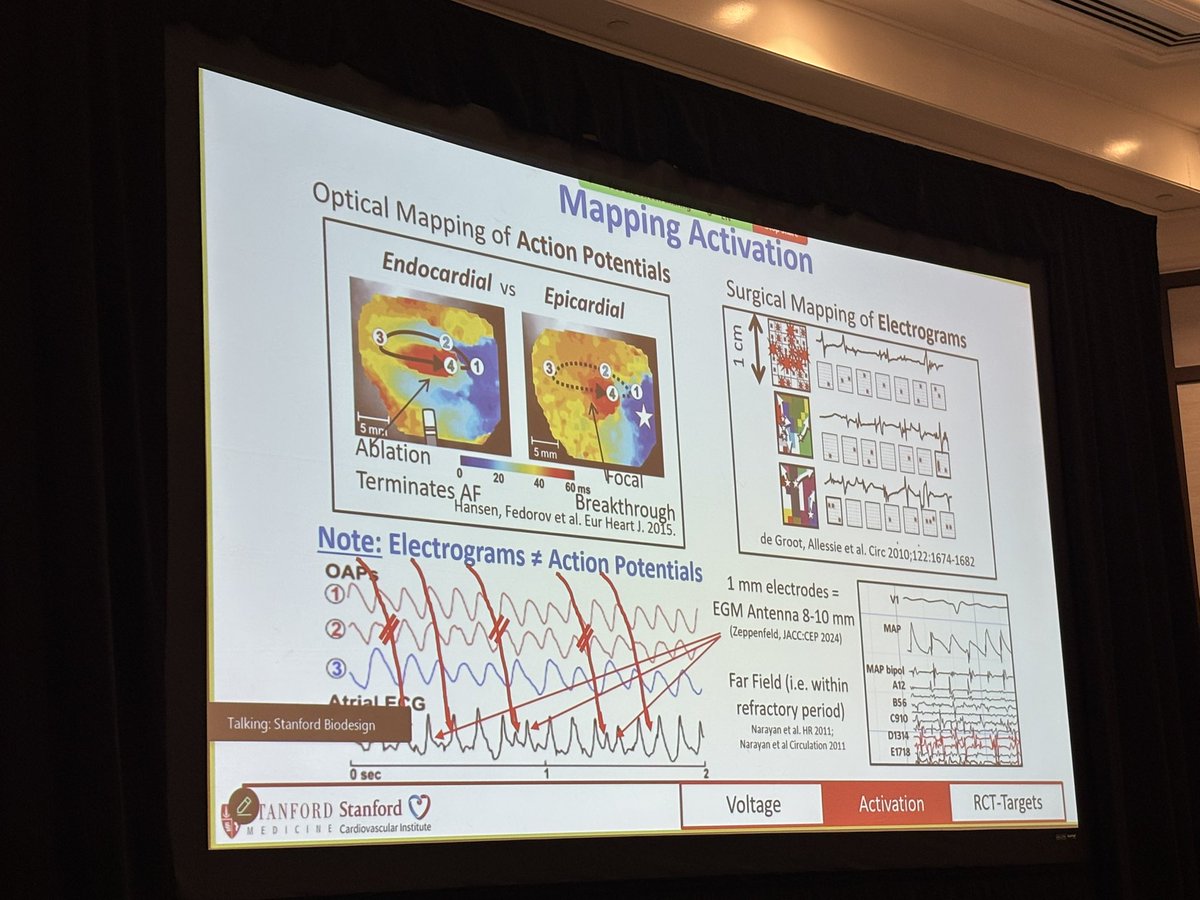
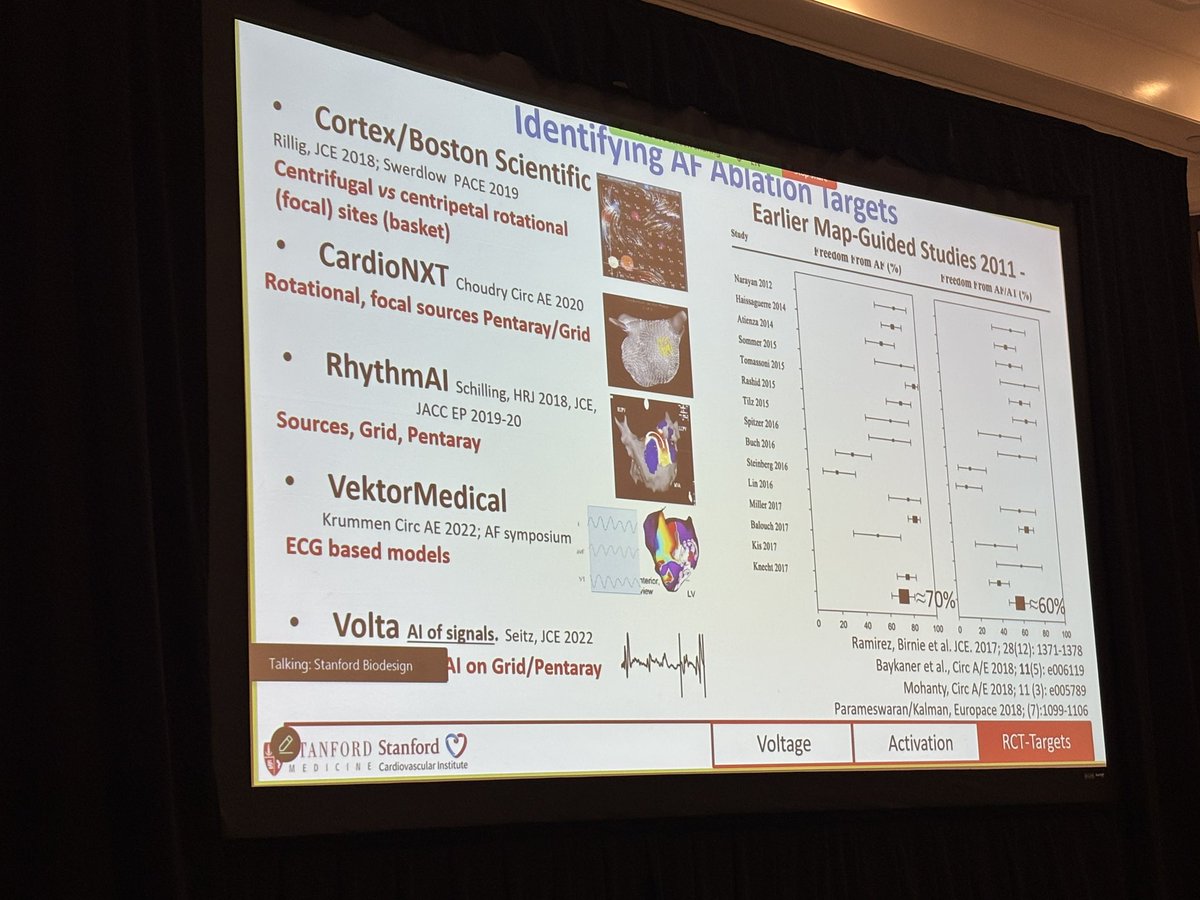
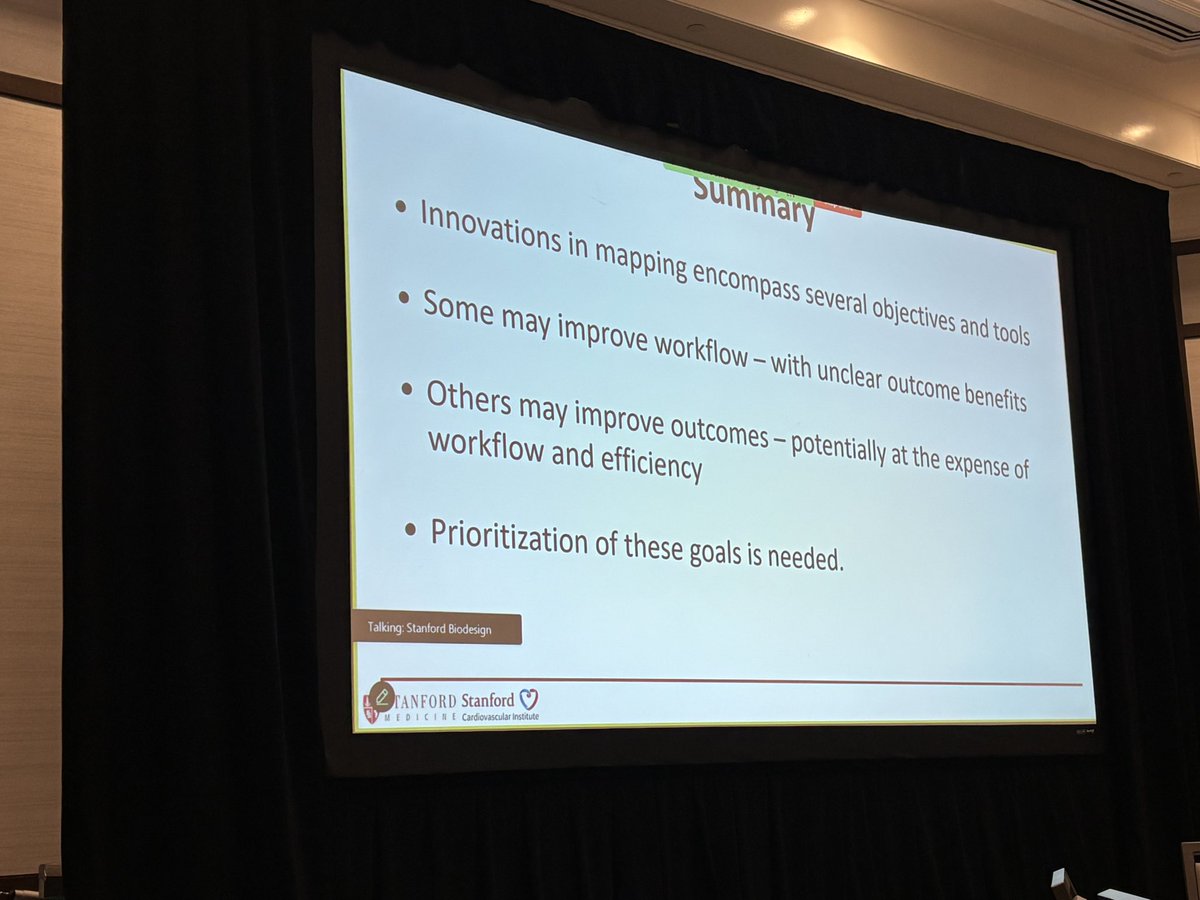
Great reminders from @S_NarayanMD re: Mapping in the current era - we still have work to do!
* EGMs ≠ Action Potentials
* How to we compare across #AI models? Very tough to do
* with implementation of AI, outcome & workflow need better synchronization
#StanfordBiodesign2025
1
4
13
1,329
23 Apr 2025
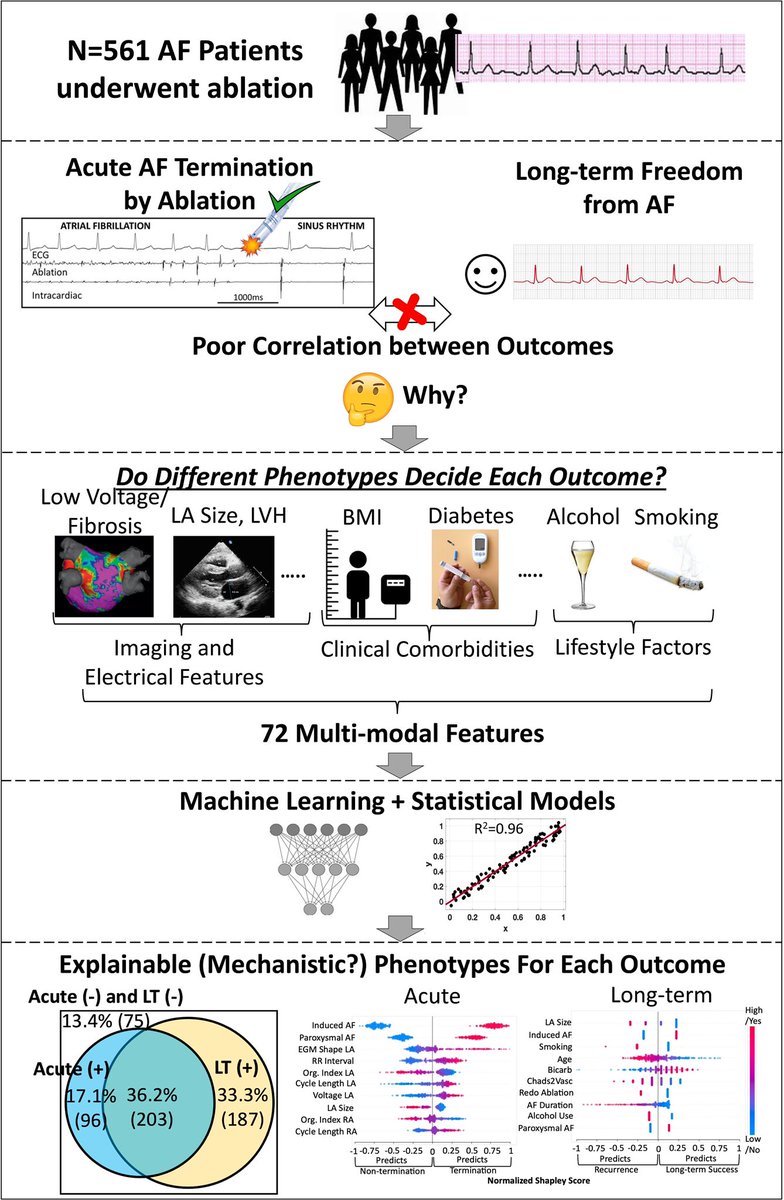
Why do we need #AI in #cardiacEP ? AI models can do tasks beyond humans' capability. Learning features unknown to humans, forecasting, automated remote monitoring, etc. Need more collaborative efforts to bring AI into practice. Great talk by @TinaBaykaner45! @SUBiodesign
1
1
71
23 Apr 2025
Happening now: Stanford Biodesign New Arrhythmia Technologies Retreat at #SanDiego ! Opening remarks from @Wanginnovate @S_NarayanMD . Great talks coming up!
1
47
Prasanth Ganesan retweeted

16 Apr 2025
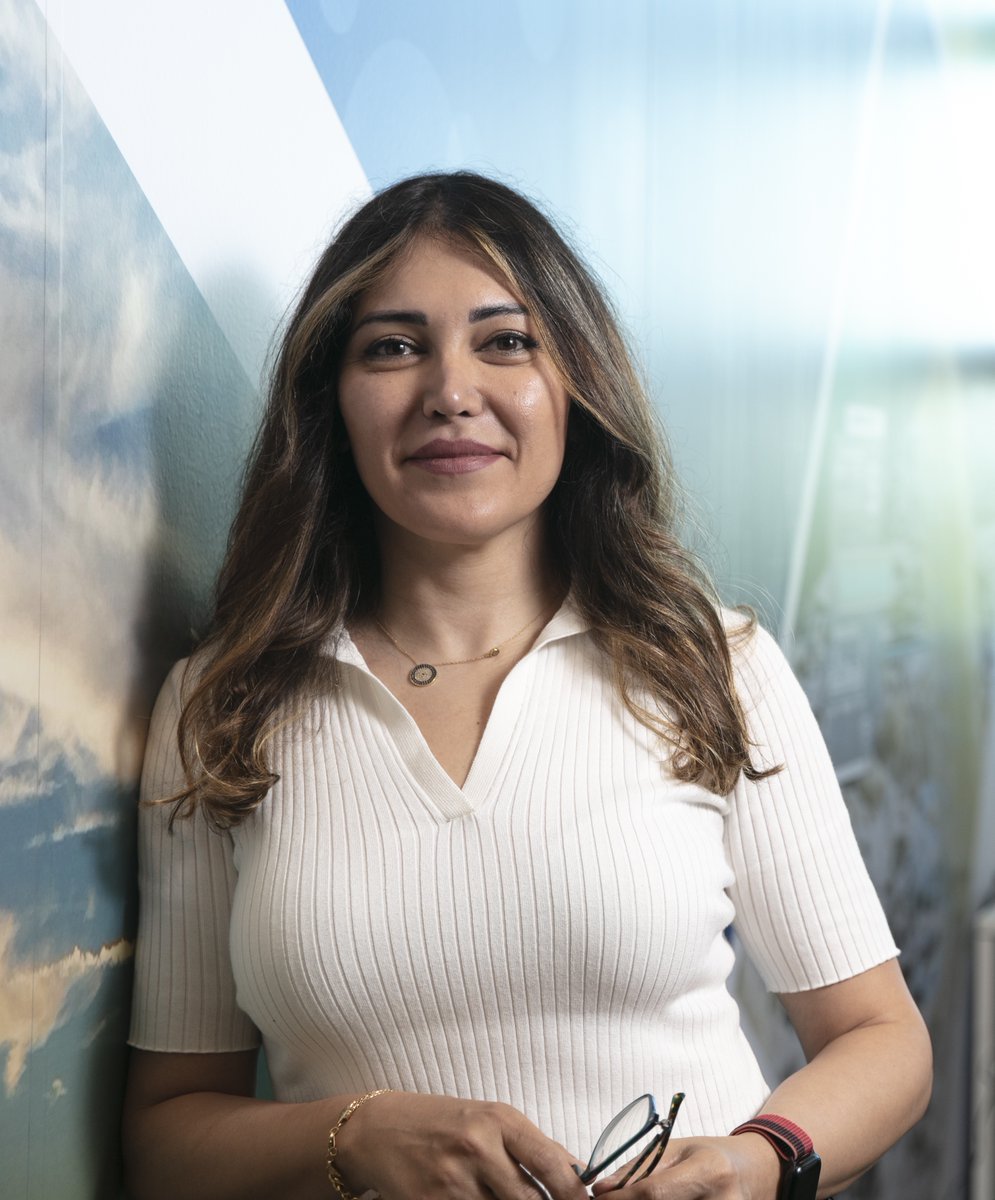
🎉 Proud moment! I-SENSE Faculty Fellow @BehnazGhoraani, a leader in biomedical data science & smart health tech, is FAU’s Scholar of the Year! Honored at the 56th Honors Convocation for groundbreaking research improving global health. 🌍❤️ #FAU #Innovation #GoOwls
1
2
3
254
Prasanth Ganesan retweeted

14 Apr 2025
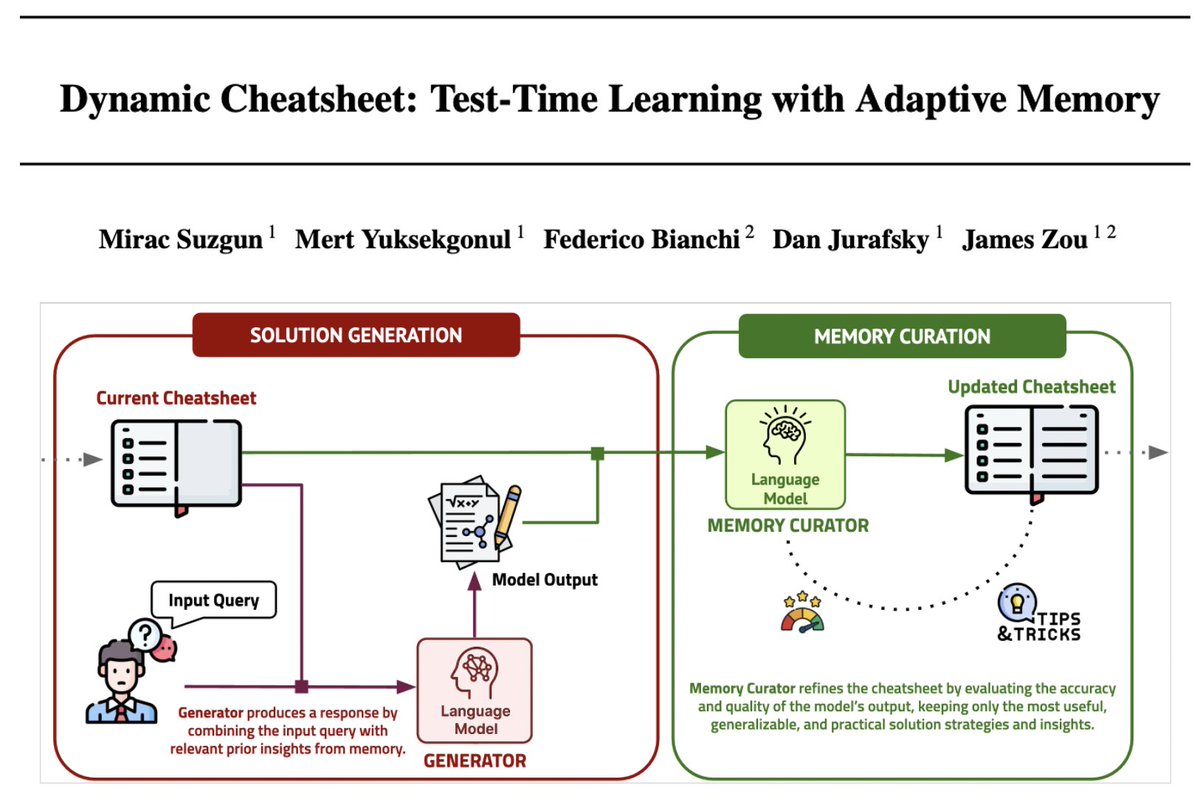
Can LLMs learn to reason better by "cheating"?🤯
Excited to introduce #cheatsheet: a dynamic memory module enabling LLMs to learn reuse insights from tackling previous problems
🎯Claude3.5 23% ➡️ 50% AIME 2024
🎯GPT4o 10% ➡️ 99% on Game of 24
Great job @suzgunmirac w/ awesome collaborators @mertyuksekgonul @federicobianchy @jurafsky @StanfordAILab @togethercompute
9
33
248
32,701
Prasanth Ganesan retweeted

18 Mar 2025
Spatial reasoning is a major challenge for the foundation models today, even in simple tasks like arranging objects in 3D space.
#CVPR2025
Introducing LayoutVLM, a differentiable optimization framework that uses VLM to spatially reason about diverse scene layouts from unlabeled assets and open-ended language instructions
1/n
4
57
247
92,539
Prasanth Ganesan retweeted

17 Mar 2025
Happy to share our new paper out in #EHJIMP! ❤️
In this study, we measured 3D Left Atrial Phasic Strain from 4D CT to identify non-paroxysmal AF and predict AF recurrence after ablation.
Check it out #OpenAccess: doi.org/10.1093/ehjimp/qyaf0…
1
5
13
535
Prasanth Ganesan retweeted

14 Mar 2025
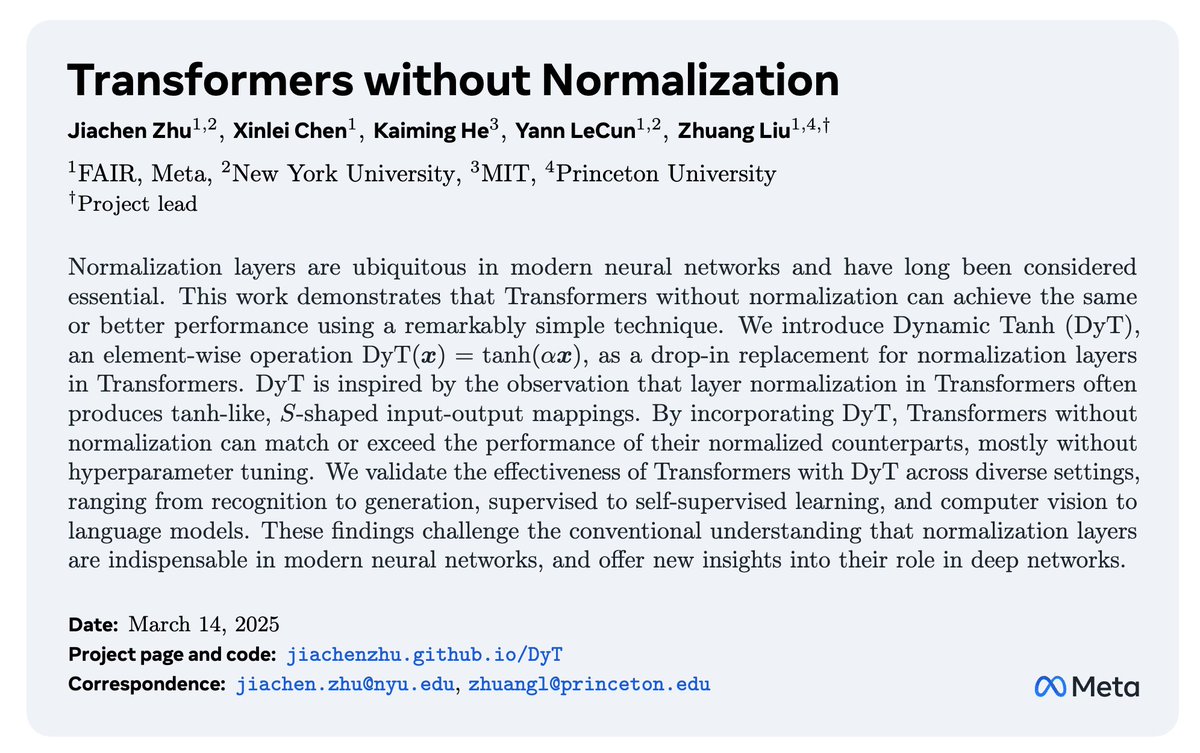
New paper -
Transformers, but without normalization layers (1/n)
76
574
4,058
1,307,317