
Having fun with robots & all things autonomous.
Joined October 2015
- Tweets 732
- Following 378
- Followers 444
- Likes 3,400
90 Photos and videos









Mar 30
Big news & impressive pace from the NDMA team. An important part of the UK Norway strategic partnership announced in the Lunna House agreement. Standardised vessels that will provide ‘motherships for uncrewed mine hunting & undersea warfare systems’ navalnews.com/naval-news/202…
2
63
Bill Biggs retweeted

30 Dec 2025
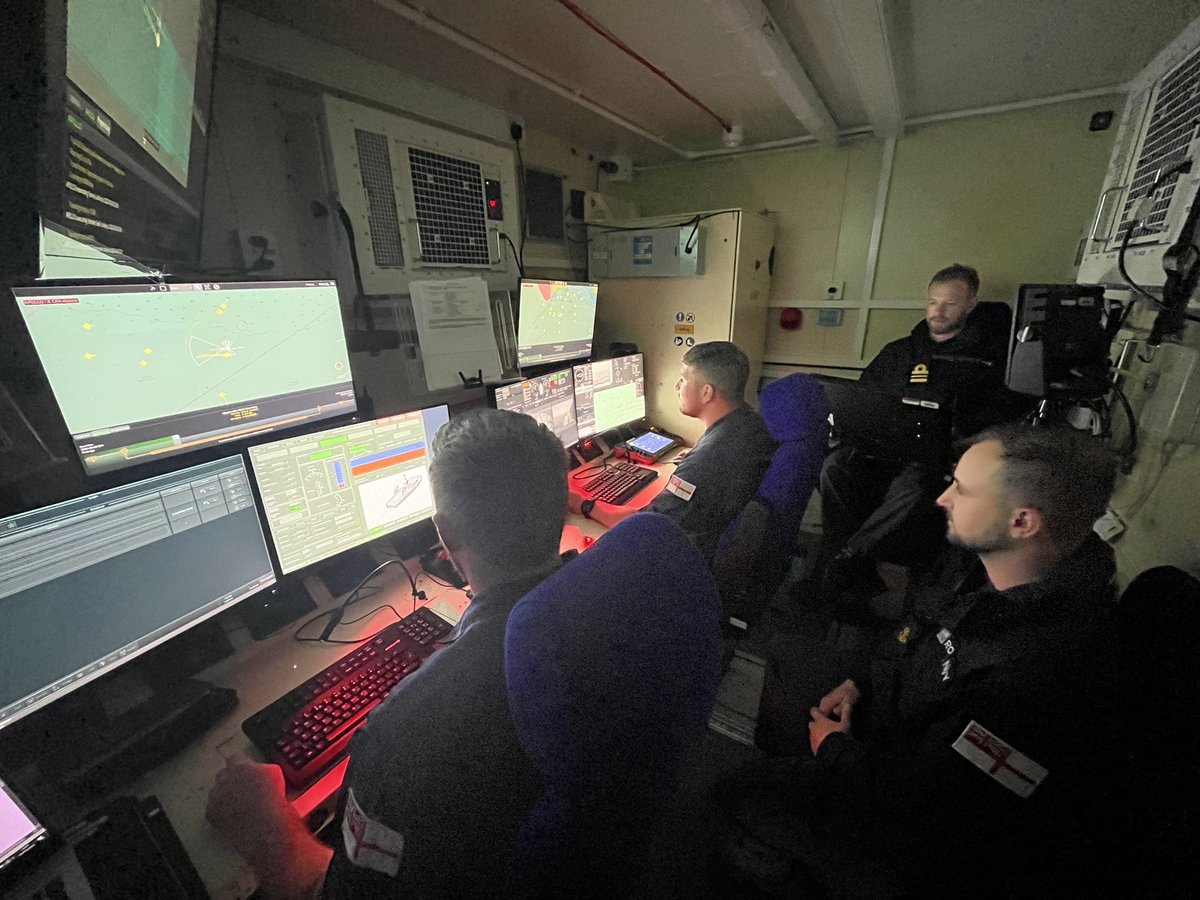
More @RoyalNavy sailors will be kept out of harm’s way when detecting and clearing sea mines thanks to new technology from @ThalesUK, giving them greater control than ever before over autonomous minehunting equipment.
Read more: des.mod.uk/mine-clearing-com…
3
3
18
1,464
Bill Biggs retweeted

9 May 2025
New Blog - in which we argue that betting on a crewed RAF Tempest (next Gen fighter aircraft) is a dangerous gamble — and ignoring the Artificial General Intelligence debate leaves us strategically exposed.

5
5
11
24,077
29 Apr 2025
Interesting development - lots happening in the world of maritime autonomy. navalnews.com/naval-news/202…
1
1
34
Bill Biggs retweeted

21 Apr 2025
Some more thoughts on the character of conflict….
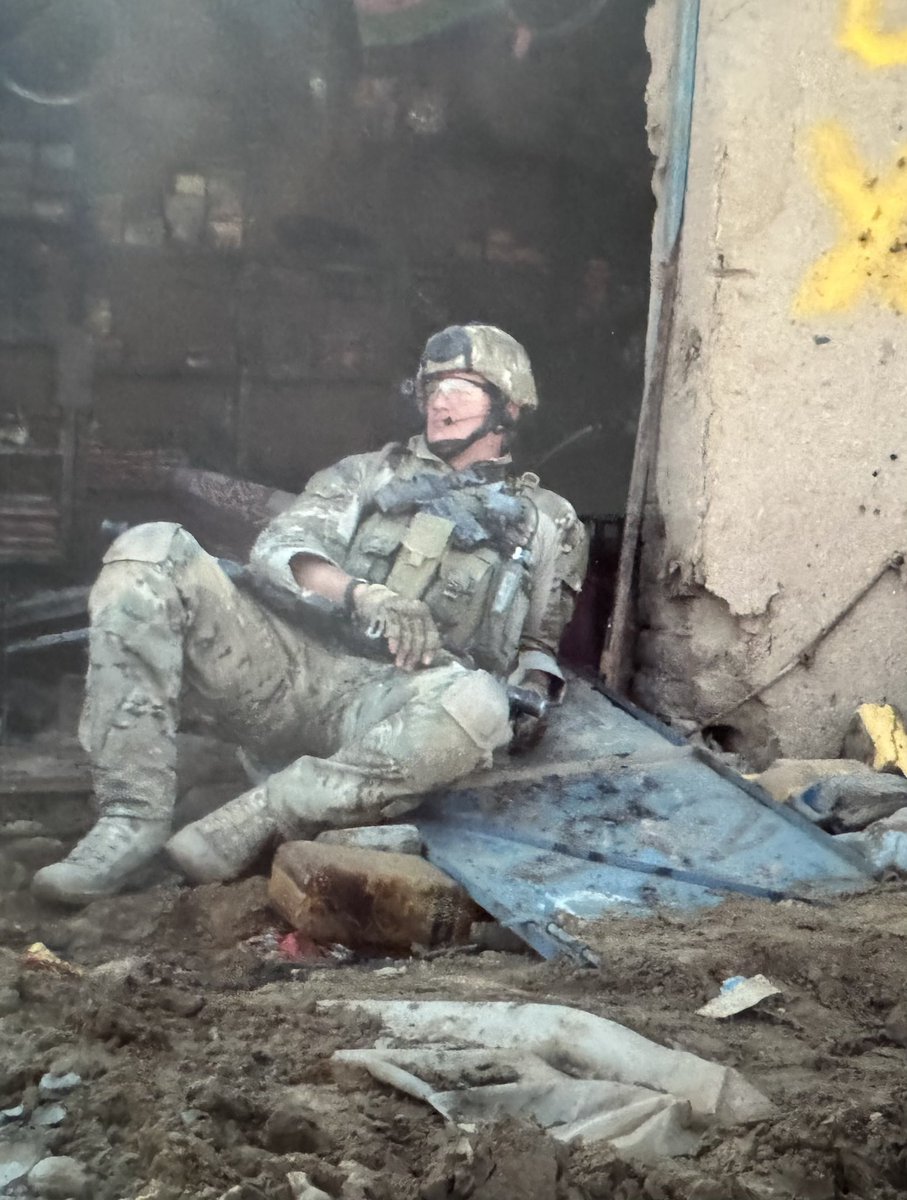
On the Land. On a division frontage at any one time there will be hundreds of surveillance drones watching every sector of the battlefield. These will be backed up by teams of operators using attack drones. Queued on to target, resistant to electronic warfare or fibre optic controlled they will launch, hunt and strike targets. 1000s of drones a day. First Person View, dropper drones and bombers operating 10s of kms away from the front line, every hour of every day of the year.
In the Maritime. Patrols of Unmanned Surface Vessels control the Black Sea. Armed with standoff systems they can operate for days at a time at 1000s of nautical miles identifying, queuing and striking surface targets with ease. Relatively small systems taking on and defeating major capability platforms.
In the Air. 100s of long range jet or propeller driven drones can now fly in formation, overwhelm (or strike) sophisticated enemy air defence systems and defeat targets in depth of conventional weapon systems.
So what.
Imagine technology that was increasingly equipped with sophisticated data terrain mapping systems, target identification software and artificial intelligence.
Allowing uncrewed systems to travel to their operating area, identify, select, hunt and strike target’s either autonomously or with the requirement for a human in the loop.
This technology is available now. Imagine this not with ten or twelve drones but 100s and 1000s across all domains. Resistant to electronic warfare, or controlled through fibre optics and equipped with stand off systems (missiles, torpedoes, mines or other drones). Systems thinking for themselves within parameters.
There are serious implications for this way of warfare but we must embrace it. Disaggregated small platforms that can launch drones to work in conjunction with sophisticated 5th Gen systems that can independently find and strike targets on mass. The lessons from Ukraine are applicable now and have huge relevance for every theatre of war: imagine an unmanned surface vessel screen 1000s of nautical miles in front of the aircraft carrier, a wave of drones ahead of an infantry assault or 1000s of drones roaming the deep battle striking targets on their own accord.
In scenarios other than war, imagine costly counter terrorism strikes replaced by simplistic but lethal drones, intelligence collection or shadowing ships conducted by multiple unmanned surface vessels, or costly helicopter resupply being replaced by heavy lift drones.
On land, in the air and at sea the character of warfare has changed and AI and Quantum will rapidly and radically speed this up.
If I were to be provocative, the future of conflict may not only be about equipping the soldier, the sailor or the airman to fight more effectively but equipping and enabling the technology to fight for you.
When it comes to ROE and indeed the morals and ethics of conflict there are real implications to be considered, but whether we like it or not, this is the new way of warfare, and we have an obligation not only to lead in this space to defend our freedoms and that of our allies, but to help define and implement the guardrails for its future use.
More to follow this week with some insights on land, maritime and the air.
22
41
230
94,070
23 Apr 2025
As ever, thought provoking stuff from the Skapa team. Always good to stand back and reflect on the unmanned & AI journey and how we make it happen (& faster)

On today’s episode of The Skapa Podcast: Creating the Future, former Director of the Disruptive Capabilities Office for the @USNavy Michael Stewart joins Michael Brasseur and Rob Murray to discuss the most pressing issues facing the future of defense and security, including:
-What the U.S. Navy will look like in 15 years
-How AI will be a disruptive force
-How we can beef up production
Listen to the full episode below!
open.spotify.com/episode/5u3…
1
1
96
23 Apr 2025
Particularly resonated with Michael Stewart’s view of trends now shaping the naval environment in 2040. He notes ‘inside a weapon engagement zone, exquisite systems don’t persist very long.’ A deliberate understatement with big implications podcasts.apple.com/gb/podcas…
30
Bill Biggs retweeted

3 Jan 2025
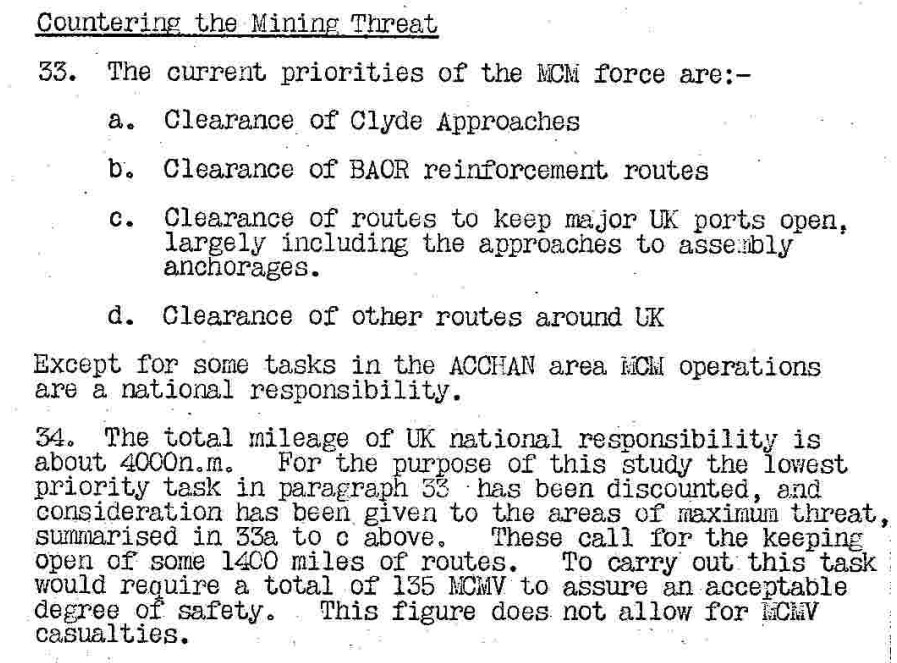
An interesting find from a 1972 paper setting out the scale of the Soviet threat to the UK in wartime, which will form a future PSL blog.
It notes that the Royal Navy needed 135 MCMV to meet its wartime goals, and had a shortfall of over 100 MCMV at this time.
4
9
68
8,064
12 Dec 2024
Great thread
12 Dec 2024

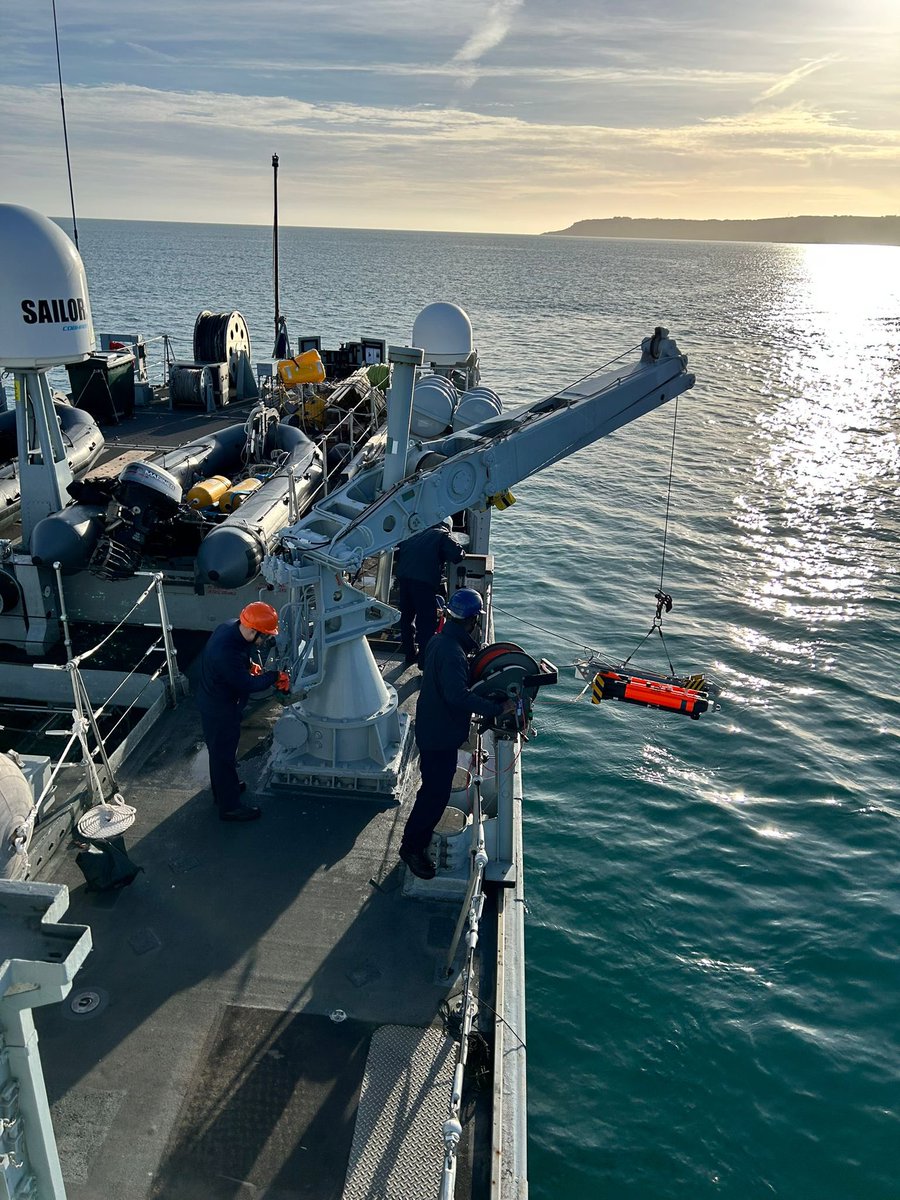
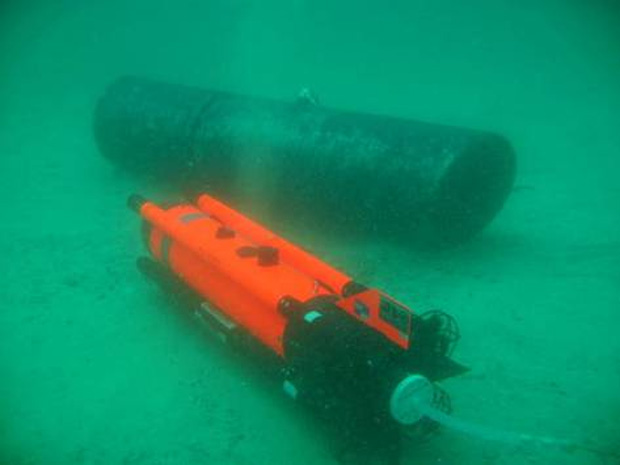
I keep seeing nonsense spewed about how the Royal Navy is supposedly losing MCM capability by going with drones. Guys, the last time HUNT class vessels carried out traditional combined influence sweeping was in 2005; disposal is through SEA FOX; search is increasingly via REMUS.

53
Bill Biggs retweeted

10 Dec 2024
Apollo, an autonomous vessel with advanced sonar, was launched from the commercial SD Northern River, showcasing the potential of commercial ships as operational bases for future mine-hunting missions.
ukdefencejournal.org.uk/auto…
4
4
17
5,969
19 Sep 2024
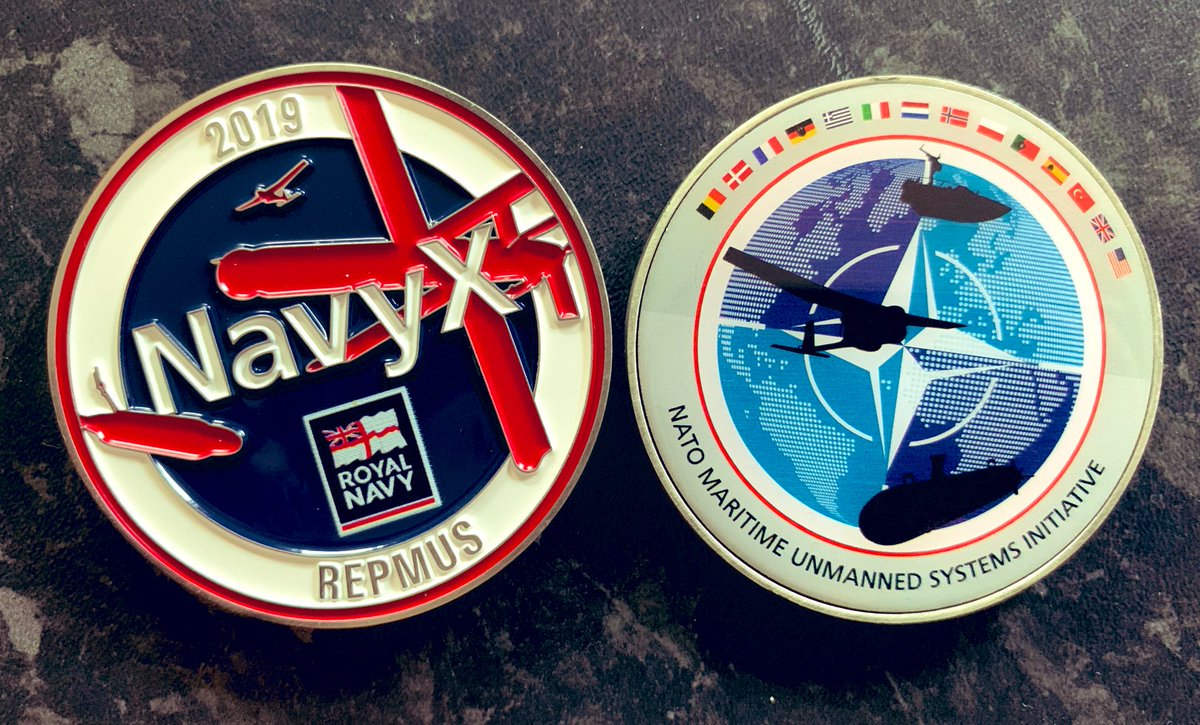
REPMUS time again. Having been involved since the start it is good to reflect on 5 yrs of progress. Anti-submarine warfare is in focus but important steps are also being made in mine warfare. Crucially, @dstlmod R&D is in now operational & proven with @RN_MTXG. @DefenceES #MHC
20 Sep 2019

As the multinational REPMUS exercise comes to a very
successful end it is worth reflecting on the substantial progress made in
maritime unmanned systems and their integration @RNNavyX @dstlmod @QinetiQ

1
2
147
Bill Biggs retweeted

26 Jul 2024
First time I've seen this. "Perch and stare" by an FPV waiting for target to open up. We will see a lot more advanced and possibly automated versions of this in the coming months.

5
25
73
18,349
Bill Biggs retweeted
18 Jul 2024
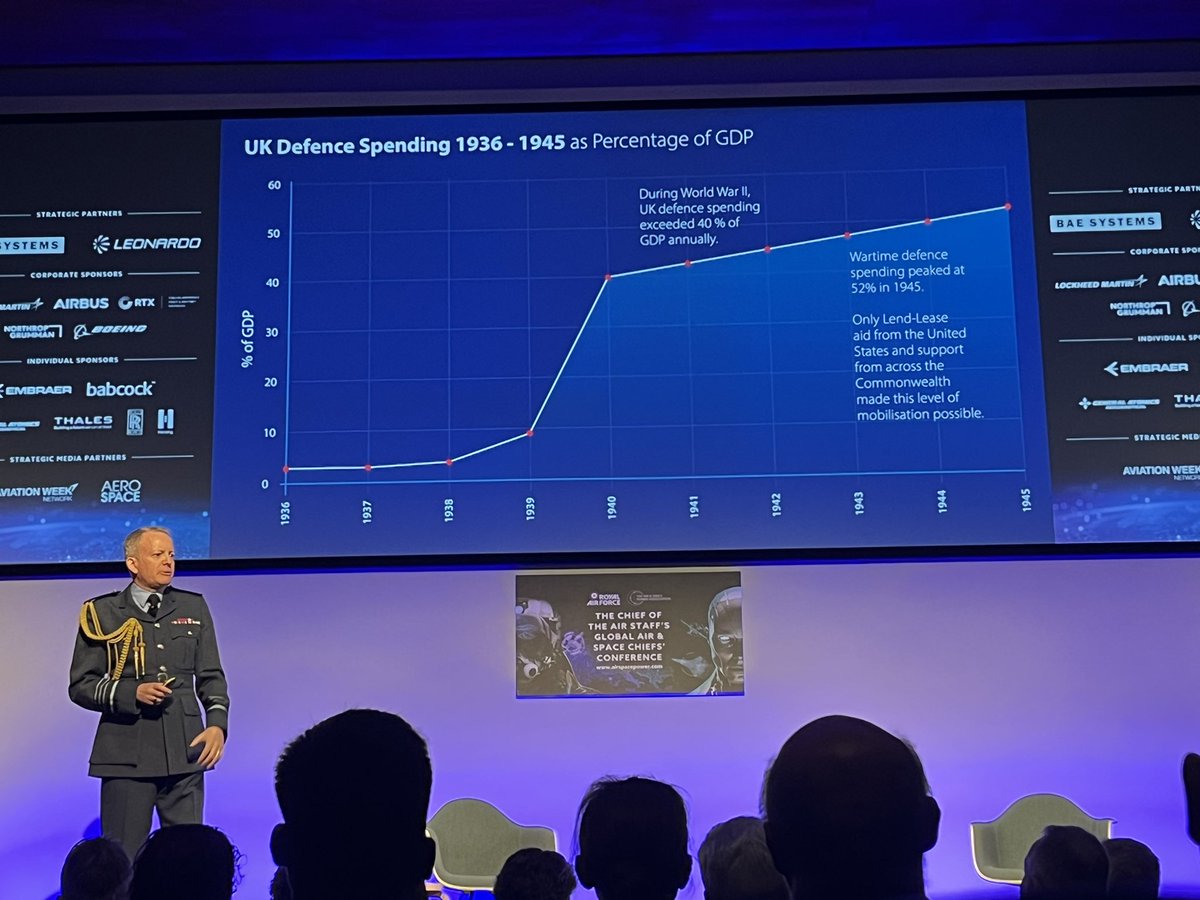
@ChiefofAirStaff brings the data, laying out how catastrophically expensive war is. The need to make deterrence real, not just rhetoric. Informed and superb.
(My summary, not his words).
1
20
79
19,781
Bill Biggs retweeted

10 Jul 2024
Joint international military procurement is a big ol' headache - but this is a situation in which it might actually work.
The dream: Lower costs, shared logistics/maintenance, interchangeable inventory... and big booms 💥
reuters.com/world/europe/ger…
3
4
721
Bill Biggs retweeted

25 Apr 2024
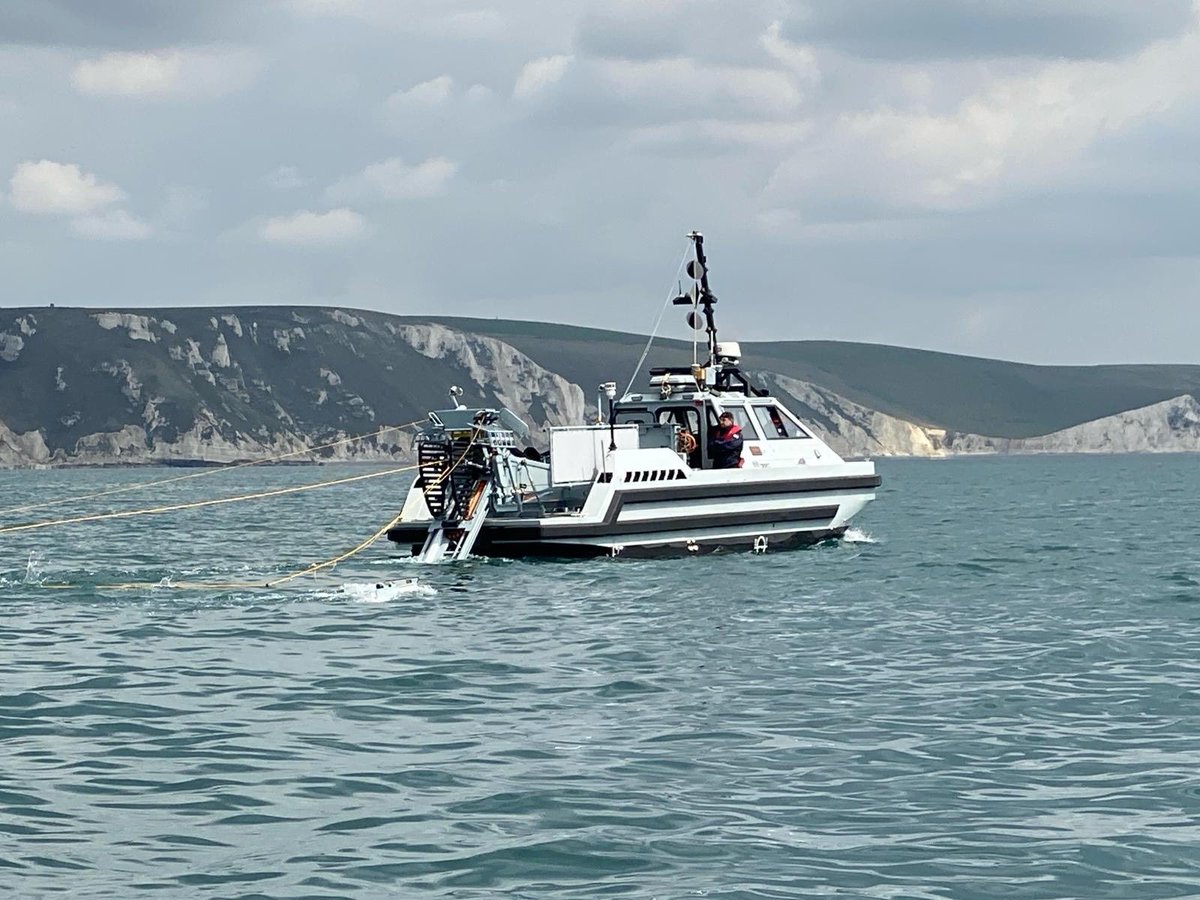
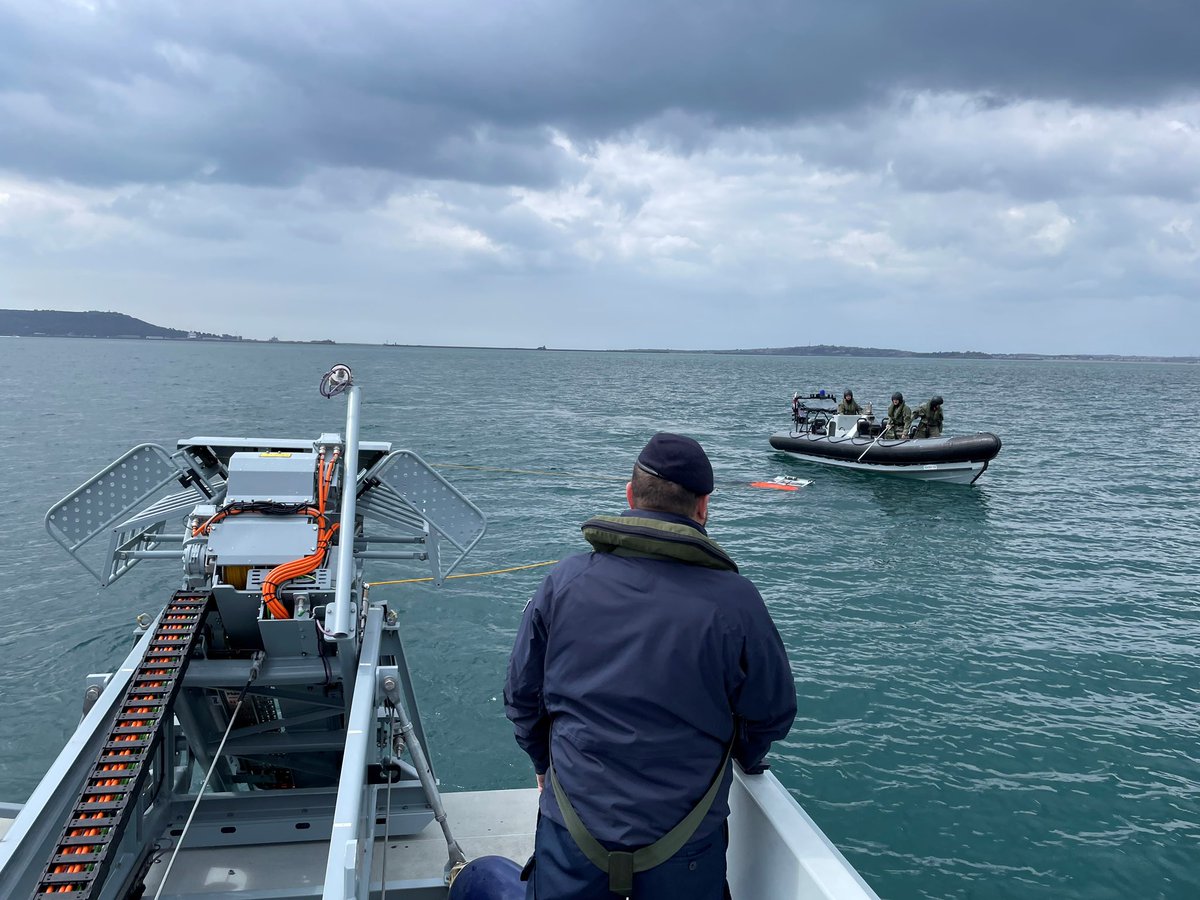
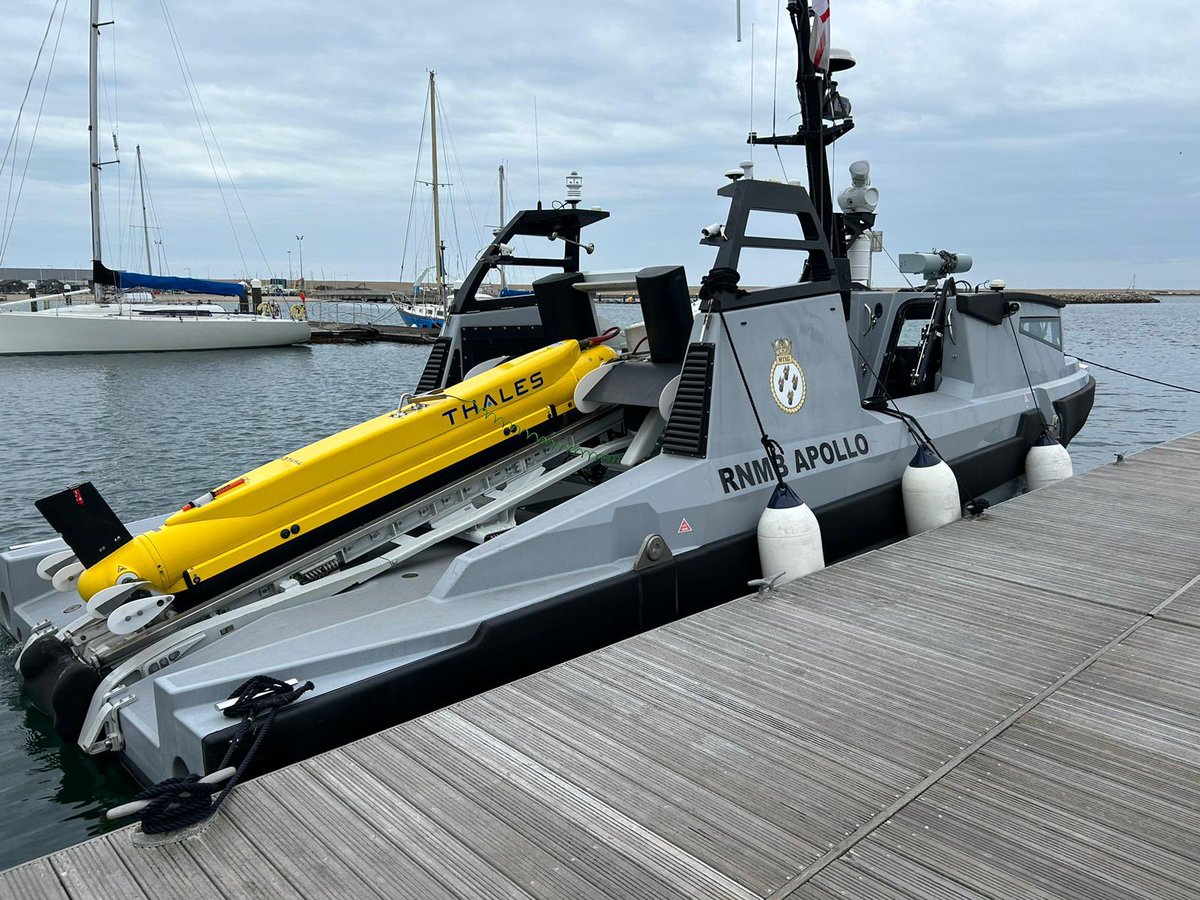
MTXG’s Yankee Squadron takes another step closer to becoming operational. They have recently conducted Sea Trials on the SeaCat UUV. @RN_MASTT are concurrently conducting trials on the new MMCM class of Uncrewed Surface Vessels with the Towed Synthetic Aperture Sonar.

2
16
85
16,473
Bill Biggs retweeted
6 Apr 2024
"As part of this growth of all aspects of the Norwegian Defence Force, the Navy will receive the largest share of funding"
This is how it's done ⚓️✨️
6 Apr 2024

The Norwegian government today announced their new long-term defence plan for the period 2025 to 2036 🇳🇴
By @CorporalFrisk
navalnews.com/naval-news/202…
5
7
66
6,388
Bill Biggs retweeted
21 Mar 2024
Lethal autonomy is going mainstream, my take for Forbes -- "Ukraine Rolls Out Target-Seeking Terminator Drones" via @forbes @sambendett @zkallenborn forbes.com/sites/davidhambli…
3
37
80
11,827