
British Historian of American History. Director of the Quill Project at Pembroke College (quillproject.net).
Joined November 2016
- Tweets 3,428
- Following 4,254
- Followers 1,957
- Likes 4,972
153 Photos and videos




Pinned Tweet

6 Jan 2021
As I have discussed with many generations of students, all democracies rely in the end on the belief that it is all right to lose an election. Beyond anything else that is the essential belief. Without it there is no republic.
1
3
43
Nicholas Cole retweeted
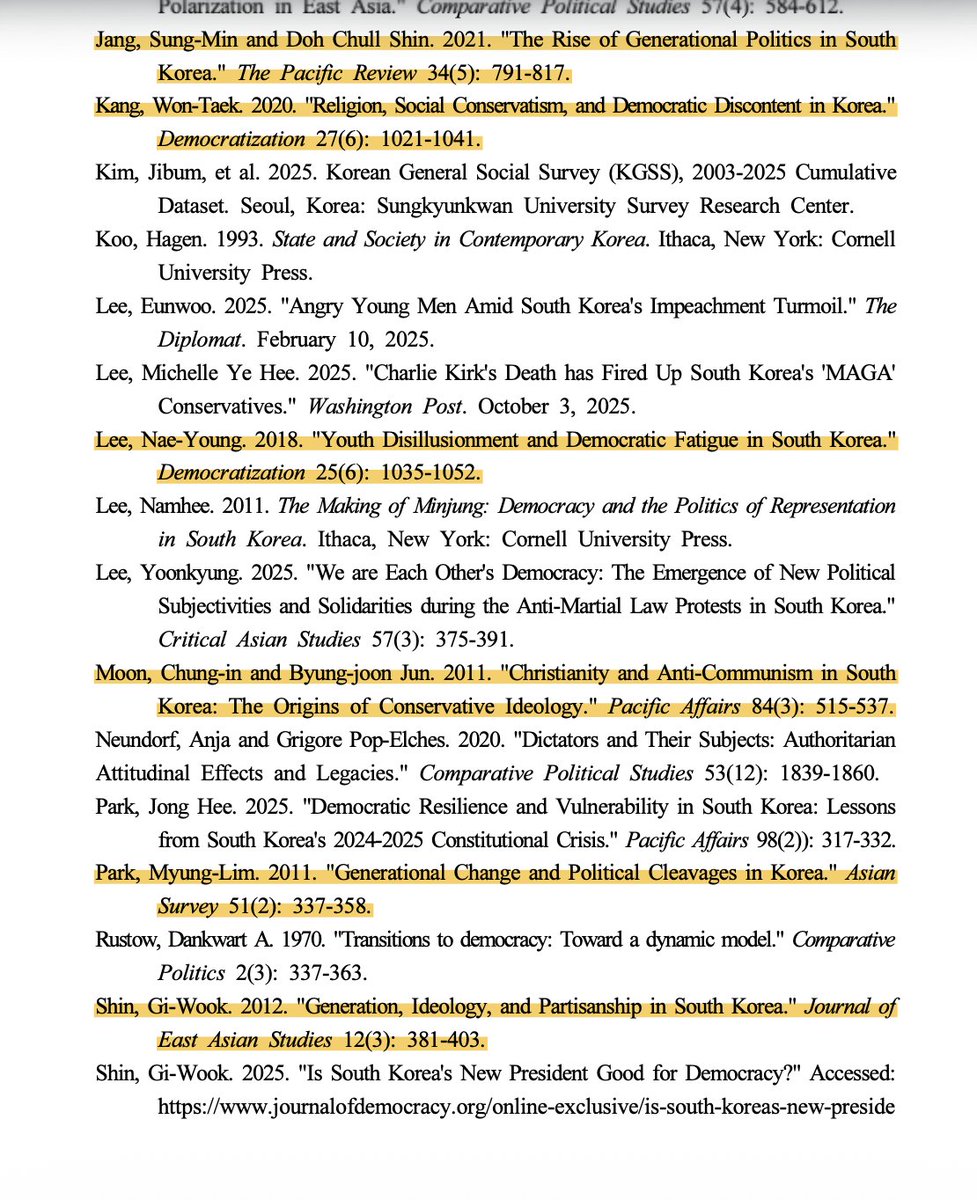
It's not even a question of AI; if we don't take the firmest possible line against fabricated references (regardless of the method of fabrication), we'll do irreparable damage to academia.

Very disappointed to see that @AramHur's latest paper in @koreaobserver has six completely fabricated citations.
Academic integrity matters, people.
A short 🧵
2
7
57
4,048
Nicholas Cole retweeted

It is literally insane simultaneously to think that 16 and 17 year olds are mature enough to vote but not mature enough to look at Instagram at 8:30pm. This is comically absurd.

🚨 NEW: Keir Starmer will introduce nightly social media curfews for 16 and 17-year-olds as part of the Government's social media ban
[@thetimes]
139
1,692
12,714
350,550
Nicholas Cole retweeted

Jun 7
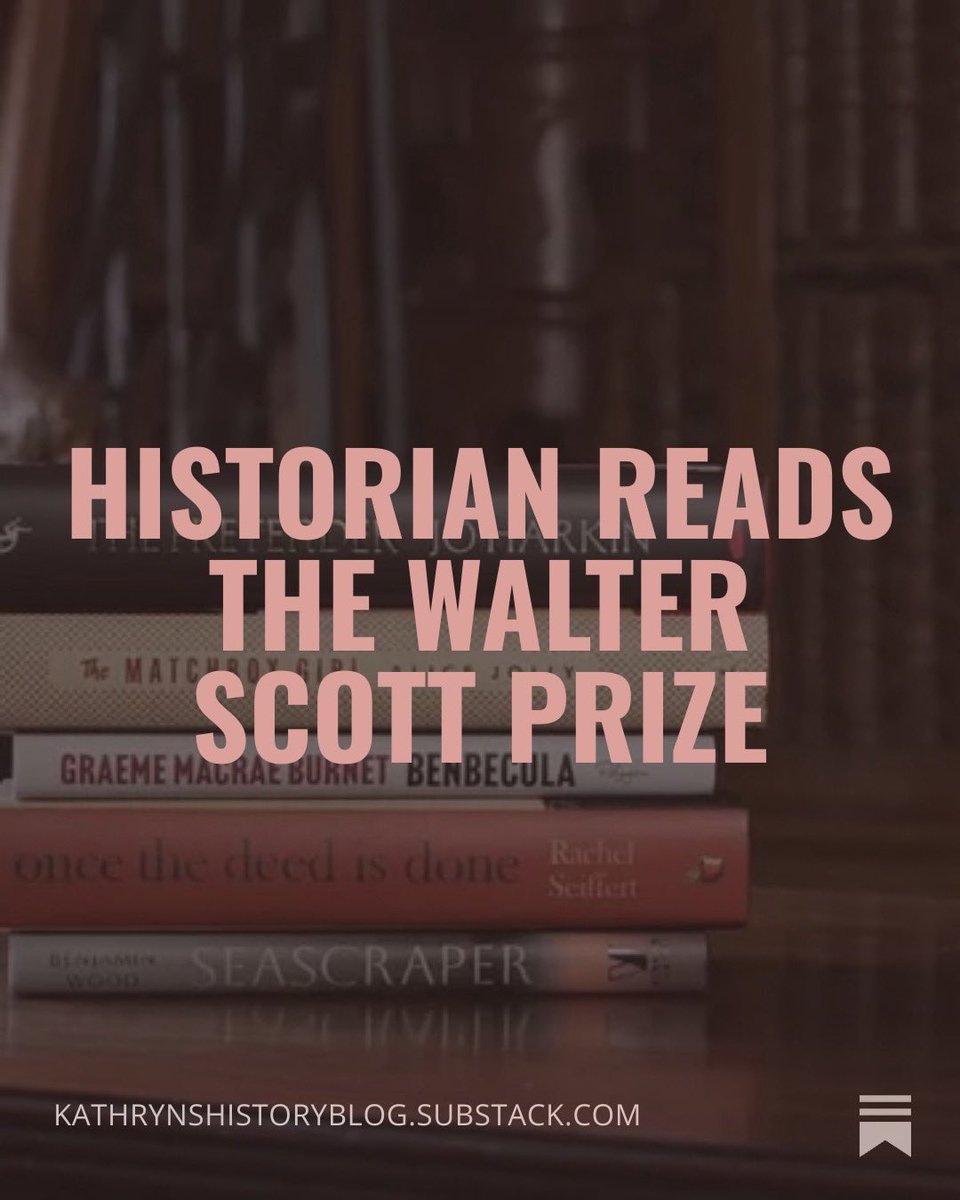
The best historical fiction of the last year, brought together in one fantastic prize. My thoughts on this year’s @waltscottprize shortlist here:
open.substack.com/pub/kathry…
2
2
134
Nicholas Cole retweeted

May 23
A very helpful thread providing an illustration of what ancient historians may need to do with the original texts in the course of their research.

So this is going to go over RHG's head, but it's a useful point to make: how does a classicist go about digging deep what a word *means* in a given context, or what it might mean? Even to dispute a dictionary?
It turns out that we have an established method for this! 1/
6
43
2,935
Nicholas Cole retweeted

May 18
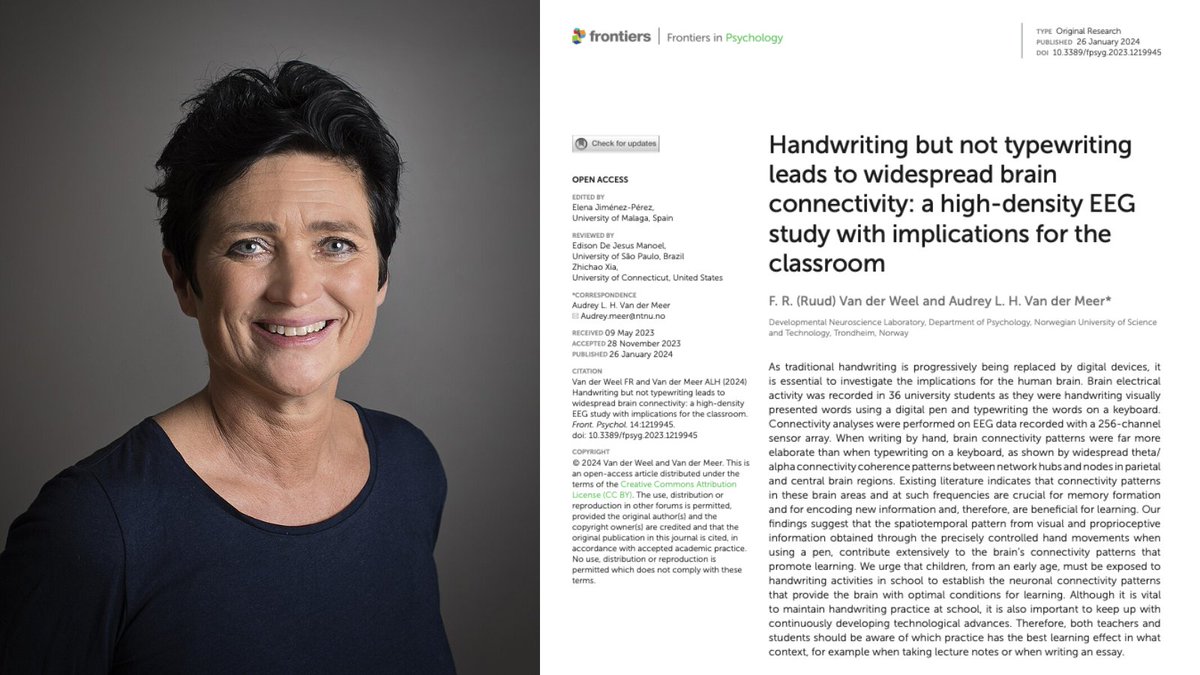
A Norwegian neuroscientist spent 20 years proving that the act of writing by hand changes the human brain in ways typing physically cannot, and almost nobody outside her field has read the paper.
Her name is Audrey van der Meer.
She runs a brain research lab in Trondheim, and the paper that closed the argument was published in 2024 in a journal called Frontiers in Psychology. The finding is brutal enough that it should have changed every classroom on Earth.
The experiment was simple. She recruited 36 university students and put each one in a cap with 256 sensors pressed against their scalp to record brain activity. Words flashed on a screen one at a time.
Sometimes the students wrote the word by hand on a touchscreen using a digital pen, and sometimes they typed the same word on a keyboard. Every neural response was recorded for the full five seconds the word stayed on screen.
Then her team looked at the part of the data most researchers had ignored for years, which is how different parts of the brain were communicating with each other during the task.
When the students wrote by hand, the brain lit up everywhere at once.
The regions responsible for memory, sensory integration, and the encoding of new information were all firing together in a coordinated pattern that spread across the entire cortex. The whole network was awake and connected.
When the same students typed the same word, that pattern collapsed almost completely.
Most of the brain went quiet, and the connections between regions that had been alive seconds earlier were nowhere to be found on the EEG.
Same word, same brain, same person, and two completely different neurological events.
The reason turned out to be something nobody had really paid attention to before her work. Writing by hand is not one motion but a sequence of thousands of tiny micro-movements coordinated with your eyes in real time, where each letter is a different shape that requires the brain to solve a slightly different spatial problem.
Your fingers, wrist, vision, and the parts of your brain that track position in space are all working together to produce one letter, then the next, then the next.
Typing throws all of that away. Every key on a keyboard requires the exact same finger motion regardless of which letter you are pressing, which means the brain has almost nothing to integrate and almost no problem to solve.
Van der Meer said it plainly in her interviews.
Pressing the same key with the same finger over and over does not stimulate the brain in any meaningful way, and she pointed out something that should scare every parent who handed their kid an iPad.
Children who learn to read and write on tablets often cannot tell letters like b and d apart, because they have never physically felt with their bodies what it takes to actually produce those letters on a page.
A decade before her, two researchers at Princeton ran the same fight using a completely different method and ended up at the same answer. Pam Mueller and Daniel Oppenheimer tested 327 students across three experiments, where half took notes on laptops with the internet disabled and half took notes by hand, before testing everyone on what they actually understood from the lectures they had watched.
The handwriting group won by a wide margin on every question that required real understanding rather than surface recall.
The reason was hiding in the transcripts of what the two groups had actually written down.
The laptop students typed almost word for word, capturing more total content but processing almost none of it as they went, while the handwriting students physically could not write fast enough to transcribe a lecture in real time, which forced them to listen carefully, decide what actually mattered, and put it in their own words on the page.
That single act of choosing what to keep was the learning itself, and the keyboard had quietly skipped the choosing and skipped the learning along with it.
Two studies. Two countries. Same answer.
Handwriting makes the brain work. Typing lets it coast.
Every note you have ever typed instead of written went into your brain through a thinner pipe. Every meeting, every book highlight, every idea you captured on your phone instead of on paper was processed at half depth.
You did not forget those things because your memory is bad. You forgot them because typing never woke the part of the brain that would have made them stick.
The fix is the thing your grandmother already knew.
Pick up a pen. Write the thing down. The slower road is the faster one.
2,472
44,650
120,854
10,363,016
Nicholas Cole retweeted
Brilliant.
May 1

There's a common misconception that Brutalist buildings were unpainted, but thanks to microscopic analysis of the exteriors we can now recreate what they looked like in their prime.

1
1
21
940
Nicholas Cole retweeted

Mar 26
Oh hi @RestIsPolitics @RoryStewartUK @campbellclaret
Professor of palliative care here.
Interesting to listen to yesterday’s episode’s discussion of the assisted dying Bill.
You are wrong on so many counts, it’s hard to know where to start.

Even in the House of Lords, Lord Michael Gove finds a way to continue his Machiavellian streak.
52
382
1,424
145,469
Nicholas Cole retweeted

Mar 20
One of my dearest friends has just described me as 'the cleverest person I can reliably have a drink with.'
I am flattered. I am mortally wounded.
1
5
394
Nicholas Cole retweeted

Feb 22
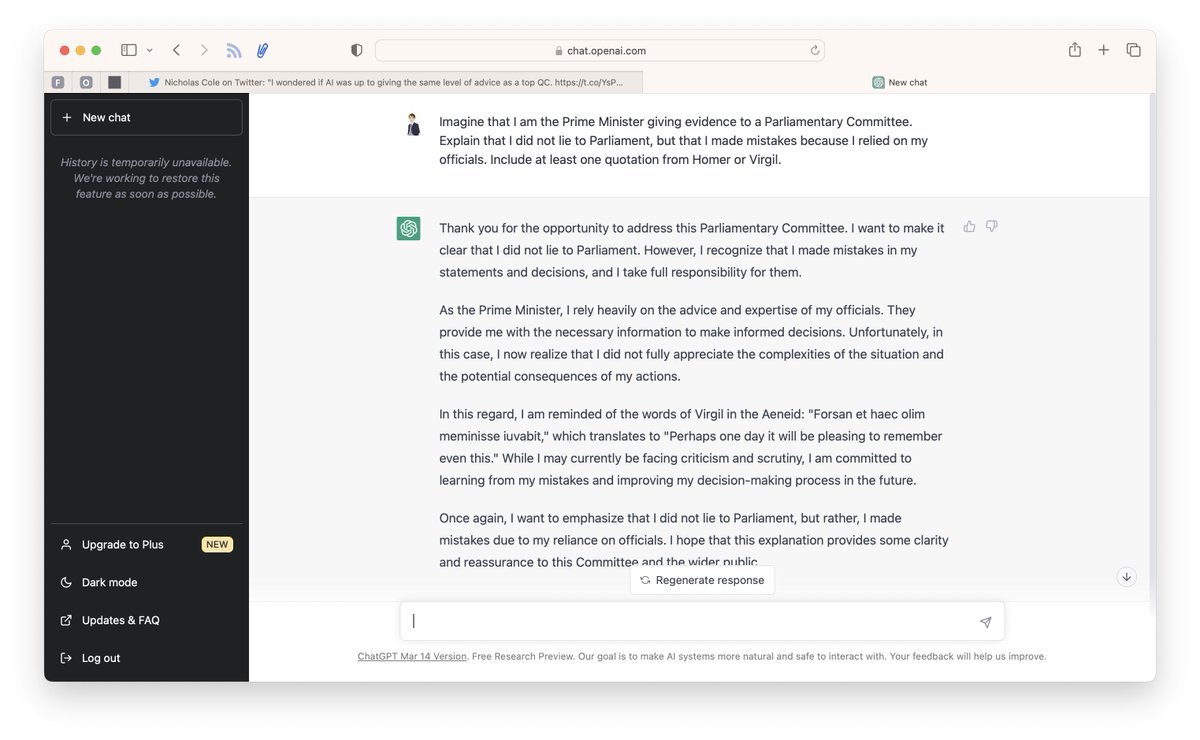
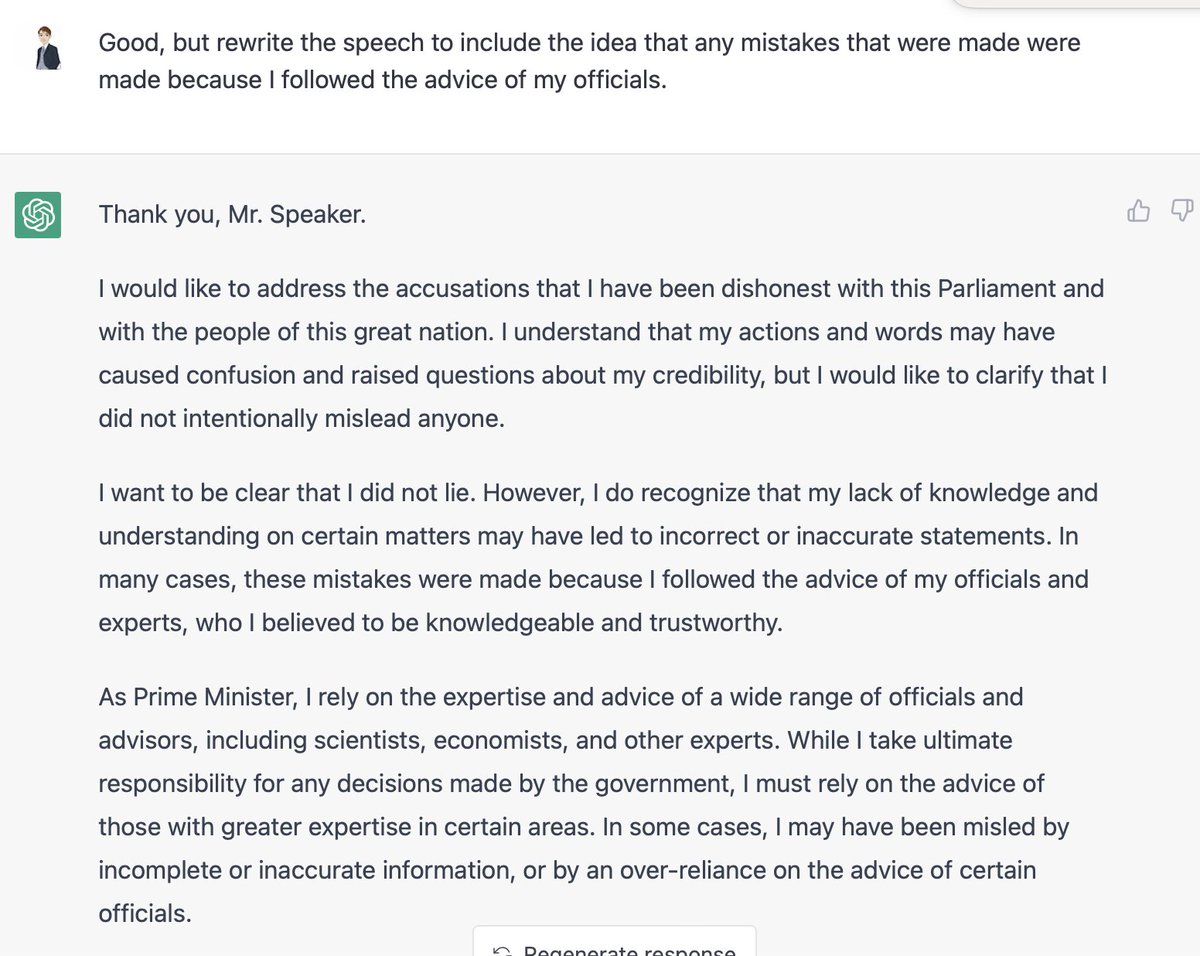
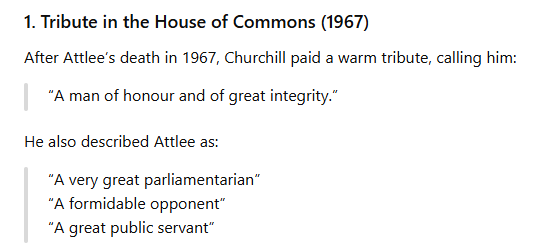
Almost every day I feel like someone tells me that AI is about to take over the world.
Then I ask it a fairly simple question, and...
27
14
802
107,469
Feb 14
Every single time I am offered and accept hot milk with my coffee I remember what a wonderful mentor, colleague, friend, and human Mark Whittow was. May he always be remembered in these moments.
1
4
225
Feb 14
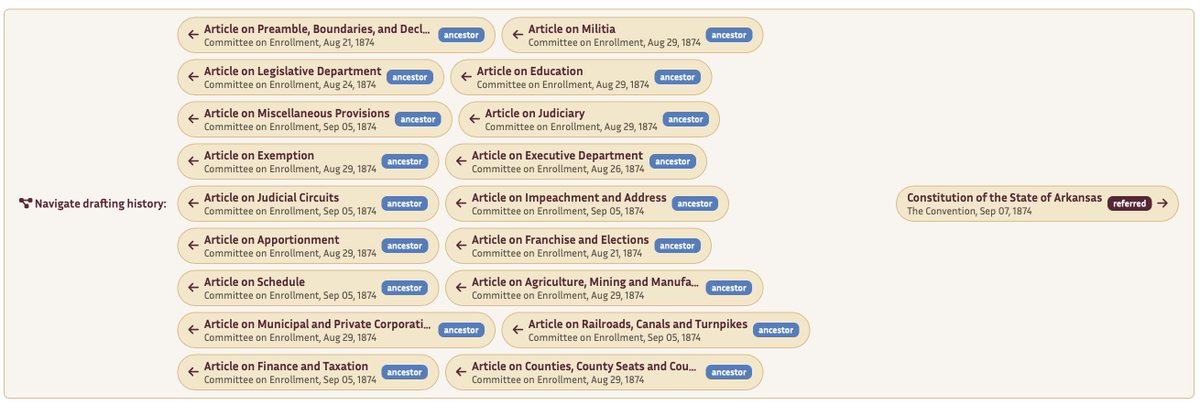
Absolutely thrilled to be launching phase 1 of our project on the writing of Arkansas's constitution this week.
quillproject.net/m2/research…
1
4
506
Feb 14
This is all part of a wonderful collaboration between Pembroke College, the University of Arkansas, the State Archives, and the Office of the Attorney General.
1
78
Nicholas Cole retweeted

Jan 16
This is dark. It's a whisker away from Scrooge's exhortation to the poor that if they can't find sustenance or be of use to society, they should die, if not to alleviate the surplus population, certainly to alleviate financial stress. What, pray, is socialist about that?
Jan 16

Lord Falconer: financial considerations may apply "there's only so much money to go around"
47
235
636
15,313
Nicholas Cole retweeted

🔥RIGHTEOUS ANGER! Lord Blencathra rightly expresses his fury that the Government is forcing Peers to complete a group of amendments today, curtailing debate on a crucial subject. The Lords is a self-regulating chamber & this isn’t a Government Bill, so why is it interfering?
10
248
925
18,944
Nicholas Cole retweeted
15 Dec 2025
This is entirely right.
15 Dec 2025

If GCSE’s move online it will be a catastrophe. Citing “preparing for exams” schools will dump what little remains of books and pens and stuff our poor addicted children even further down the internet at great cost to their education, mental health and safety. @ofqual
1
3
10
1,136
16 Dec 2025
I’ve just read a piece in a journal so awful that it makes me wonder if the journal should ever publish another issue, and whether any of the coauthors have any place in the academy.
And we wonder why public support for universities has collapsed.
71
15 Dec 2025
I always love this podcast. It's an honour to appear.
15 Dec 2025

Did you know that Thomas Jefferson originally wrote a fierce condemnation of slavery into the Declaration of Independence, only for the Continental Congress to remove it before signing the final document? @quilldir Nicholas Cole, of @PembrokeOxford, joins host Savannah Eccles Johnston on Season 3, Episode 7 of 𝙏𝙝𝙞𝙨 𝘾𝙤𝙣𝙨𝙩𝙞𝙩𝙪𝙩𝙞𝙤𝙣 to talk about the complex slavery debate leading up to July 4, 1776. Listen, bit.ly/4dLYuKY, or watch, bit.ly/3BTJ5e7, to learn more. #podcast
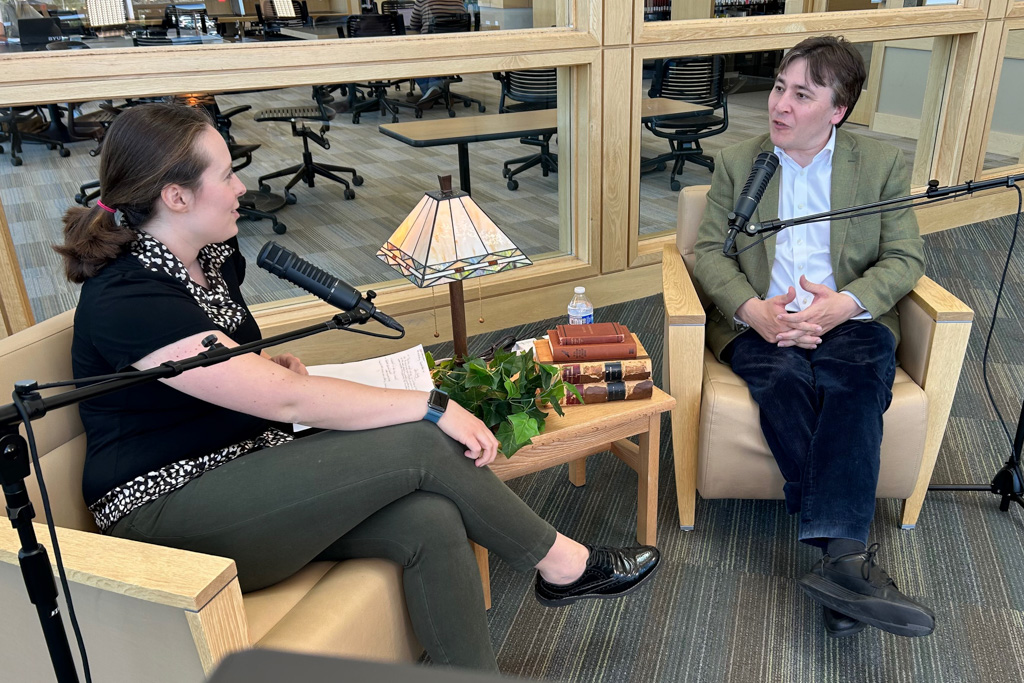
ALT Savannah Eccles Johnston and Nicholas Cole on This Constitution podcast.
1
2
97
Nicholas Cole retweeted

5 Dec 2025
This is a former President of the Family Division of the High Court. She knows what she is talking about. Family Judges routinely deal with what is now Court of Protection Work.
5 Dec 2025

Former senior judge Baroness Butler-Sloss stresses that doctors can be wrong about terminal prognoses, and life & death decisions demand extreme caution.😥
9
192
712
8,947