
Joined November 2009
- Tweets 1,499
- Following 1,171
- Followers 776
- Likes 3,586
83 Photos and videos






Rameshvel retweeted

Jun 2
Martin Scorsese is an advisor to Black Forest Labs.
He's spent six decades shaping how the world sees stories. Now he's helping us shape visual intelligence with human taste and craft at the center.
We sat down with him for a working storyboarding session using FLUX.
299
295
2,575
2,625,872
Rameshvel retweeted

May 31
I discussed with some in the Godot team and we agreed that it's cool if I continue to develop my fork and then in my own time I can try to get in some PRs. So that's the plan:
1. I'll continue to push things in my own fork for webgpu/ nanite/ SDFGI/ HDGI/ HDDAGI improvements and more
2. then over time I'll get some PRs in to Godot mainline
This is the best of both worlds.
I'm planning on increasing performance, adding more features, more tests, more stability.
The next big announcement for this fork will come next week. This will be a release that people can try easily without downloading the engine..
Buckle up because both this Godot fork is not stopping! 🚀
May 28

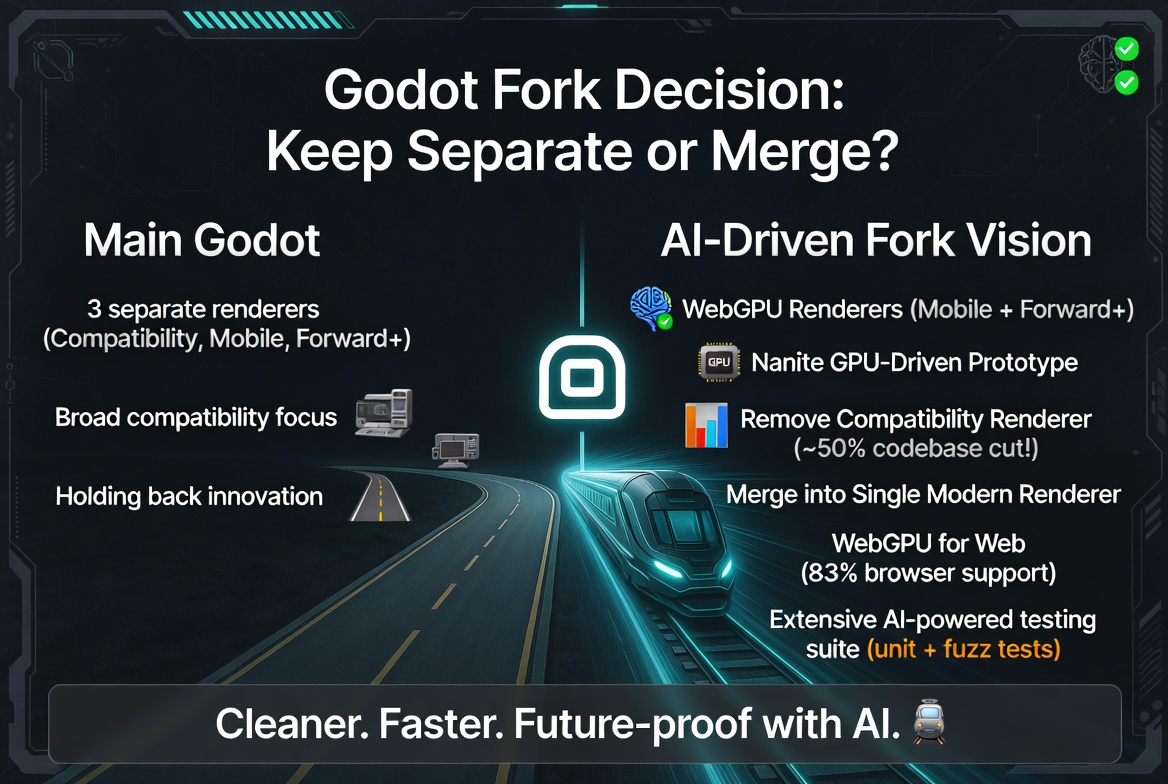
Should I keep my Godot fork as separate or try to merge?
TLDR: probably going to keep it as a fork (read below) but please let me know if you have an opinion.
I've been thinking about this for a long time.
I've implemented:
1. Godot WebGPU: mobile and forward renderers (strong beta level - 2months of work)
2. Godot nanite prototype: gpu driven renderer for opaque, transparency and lighting coming soon (<1 week to prototype, probably needs another 2 week to get to strong beta-level)
These are huge Godot changes. Tens of thousands of lines of code.
With effort I'm confident I could get webgpu merged.
But on nanite: Juan Linietsky (the original creator of Godot) has said explicitly that he doesn't support visibility buffers as a viable GPU driven rendering path for Godot (I use visibility buffers in my implementation). Visibility buffers are way better than what he proposes, but among other reasons, the issue is they won't work on Godot's compatibility renderer. So it's probably almost guaranteed that the Godot team won't accept the Godot-nanite changes (I also rewrite a bunch of the core shaders to get it working). I'm not mad about it. I understand why they won't. I'm just stating the facts.
Why do we need the compatibility renderer? for 2 big reasons:
1. some older hardware (e.g. 2015 and before)
2. web
But WebGPU doesn't use the compatibility mode anyway. ~83% of browsers now support WebGPU with a few caveats. Chrome and safari support it. Threejs made webgpu their default renderer and many others are moving on to webgpu. It's here.
The whole point is we are now in the future. AI is helping us develop games, it's helping us develop engines, making them faster, making them better. Maybe 5 years ago the compatibility renderer still mattered but with webgpu and time, it's probably less than 5% of godot game users if not less: just ones using really old android devices and that use firefox on linux. Apple devices are there, newer android devices are there, new desktops are all there, and almost all browsers are there.
How can I possibly succeed at this??
Using AI to not just develop but test the engine fork. I've already done this extensively. I have an extensive set of tests that run the changes on many scenes, and I keep adding scenes. I've added unit tests and I've added fuzz test, and I'm just getting started. No hate to the Godot team, but I don't understand how they've made it this far with the minimal CI (continuous integration) pipeline that they have right now. AI development for something as complex as an game engine is only viable with extensive tests, but that's not an issue. You can and likely should spend 20% of your tokens developing features and 80% testing and verifying features. In my case, the 80% has been automatic as I develop features because as I develop, things don't work, so I add tests to get them working, then I keep the tests and the working features at the end. AI driven development is both the train and the train tracks, vs human development is like riding a bike. It has risks, but ultimately AI driven dev is here.
I have a choice:
1. put in months of extra effort to convince the Godot team to get my PRs reviewed, verified, and merged
2. continue to improve my testing suite for the fork so it's basically undeniably working, I have AI review the code over and over, I have it continue to improve the testing suite, laying down the tracks, then the AI choo choo train chugs along.
3. I do nothing and someone does (2.) anyway.
Godot, Unity, Unreal, all of them are DONE within 5 years if they refuse to use AI. Seems like Unreal and Unity are trying but they're too big and are too averse to changing legacy code. We have a chance to move forward into the future. We can choose to have better performing game engines, extensive and legendary testing suites.
On top of this: Godot has 3 renderer levels:
1. compatibility: OpenGL, essentially legacy at this point
2. mobile: tile-based rendering in a single rendering pass, lacks fancy lighting features
3. forward fancier AAA-level features for lighting and more.
If I move forward with this fork, my plan is to:
1. remove the entire compatibility renderer which is about 50% of the Godot codebase!
2. merge the mobile and forward renderers so there's only 1 renderer. And developers simply choose their feature set without choosing their renderer: this also removes another ~10% of the engine's code
Then what we are left with:
- Single renderer forward-merged
- WebGPU for web
- GPU Driven renderer (nanite) huge performance benefit
- Improvements to global illumination that I haven't talked about in this post yet
- huge testing suite improvements to prevent regressions moving forward
- AI-driven development momentum that will not stop 🚂
- Most Godot projects will still work in this fork that use the mobile or forward renderers.
With all of this, I think the best decision is to keep a fork of Godot and move forward. If the Godot team wants to use any of my improvements, they are very welcome to but if they aren't on board with my AI driven development strategy then that's totally fine and I think them for being the giant shoulders that I can stand upon.
With that in mind, I can be convinced either way so
Please comment below if you think I should or shouldn't keep a fork of Godot or if you have any other ideas related to this!
3
2
19
1,599
Rameshvel retweeted

May 31
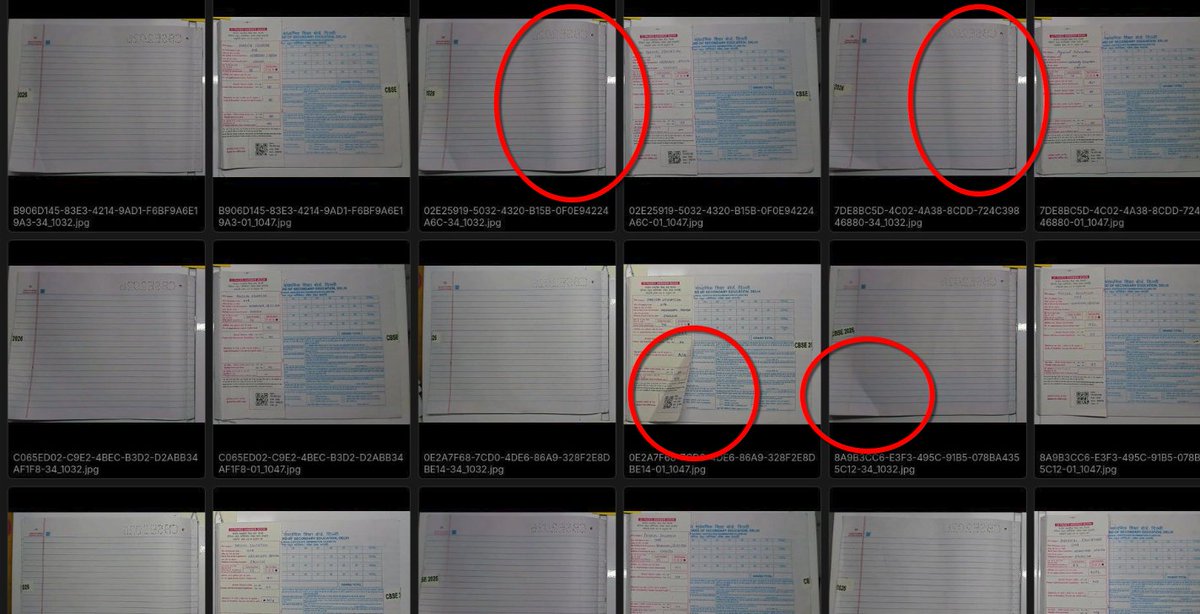
@cbseindia29 good morning CBSE, you said you used scanners to scan these copies,
now since the copies are out to the public view, do you mind explaining
which copies when scanned through a scanner, have a drop shadow? and these 3 folds?
did you really use scanners?
224
2,902
10,122
1,044,681

May 23
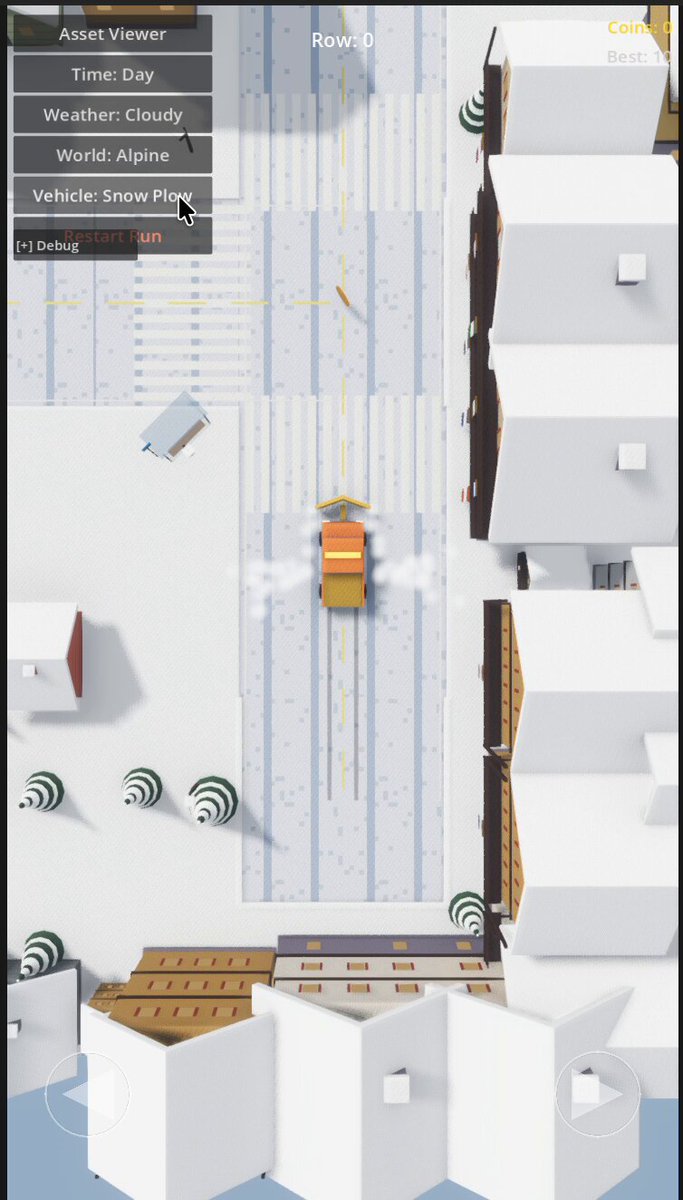
Lets Snow Plow racing in Alpine map in #racernaut. Implemented lot of new features including overlay debugger to enable/disable features in #godot
gearing towards finishing up the initial set of worlds and polishing the game screen UI atm.
2
165
May 14
Been heads-down at work after the #vibejam submissions, so couldn't spend as much time into #racernaut — but that doesn't mean it's the end of the road 🏁
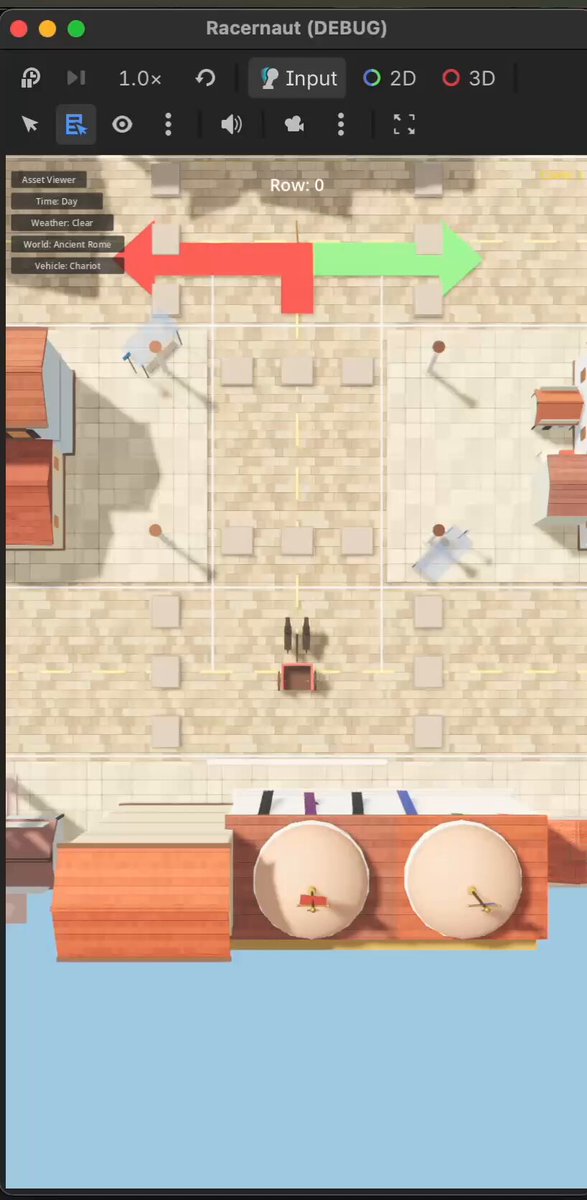
I feel this top down view looks quite good on the mobile.. So quietly porting it to #godot as a cross platform mobile game, and honestly? Super smooth ride. Already had a working #WebGL implementation, and #claude does a fantastic job translating it over to Godot.
Genuinely impressed with how clean the conversion has been.
First up — 🏛️ Ancient Rome. Race past crumbling colosseums and marble columns. Dust, chariots, and the ghosts of empire.
4
4
174
May 14
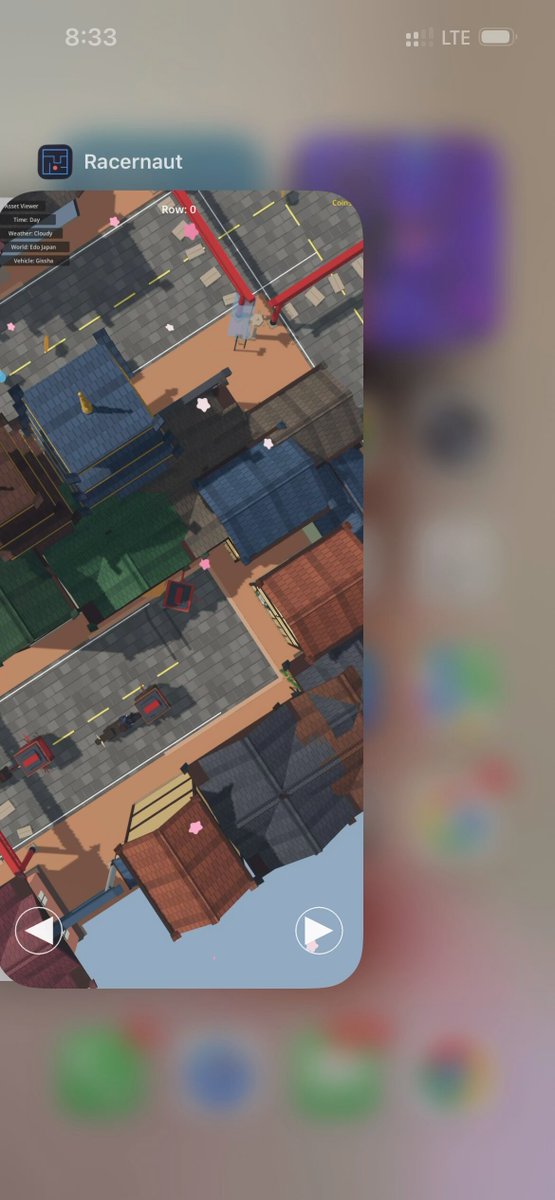
⛩️ Edo Japan
Cruise through cherry blossoms and lantern-lit villages. Pick your ride — a creaky ox cart hauling goods down the road, or a samurai galloping full tilt on horseback.
Also running live on iPhone. The #Godot port is holding up beautifully on mobile.
1
1
117
May 14
Also been experimenting with gameplay power-ups 🎮
- Nitro boosters for those "oh god why am I going this fast" moments 🧲
- Magnets that vacuum up collectibles around you 🛡️
- Shields that let you plow straight through obstacles
It's so much fun I keep "testing" way longer than I need to.
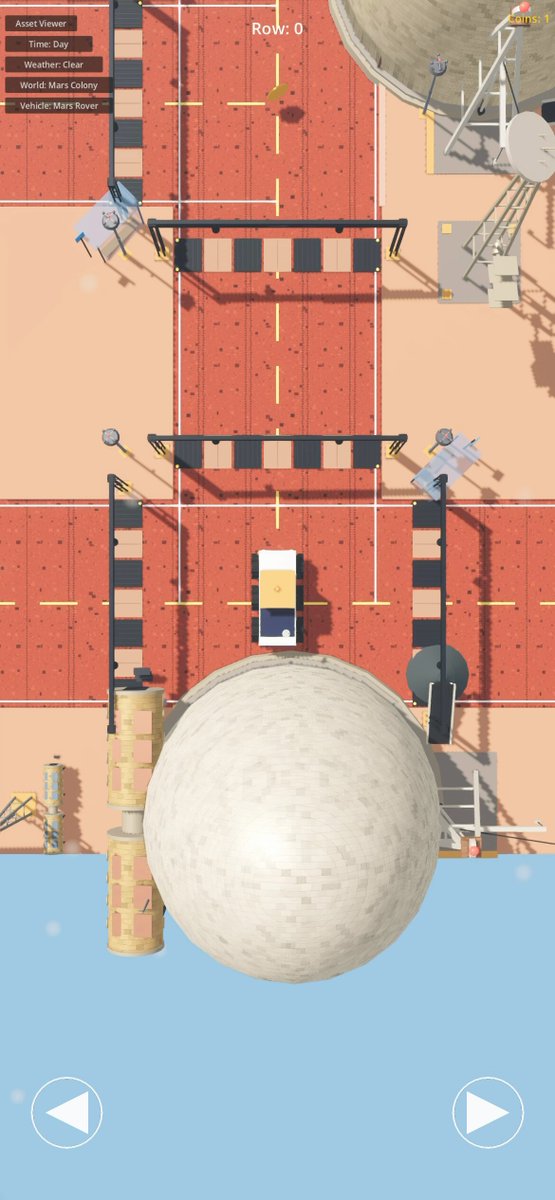
And the pipeline is already filling up 👀
🎩 Steampunk London — fog, gears, and brass
🤠 Wild West — dusty canyons and runaway stagecoaches
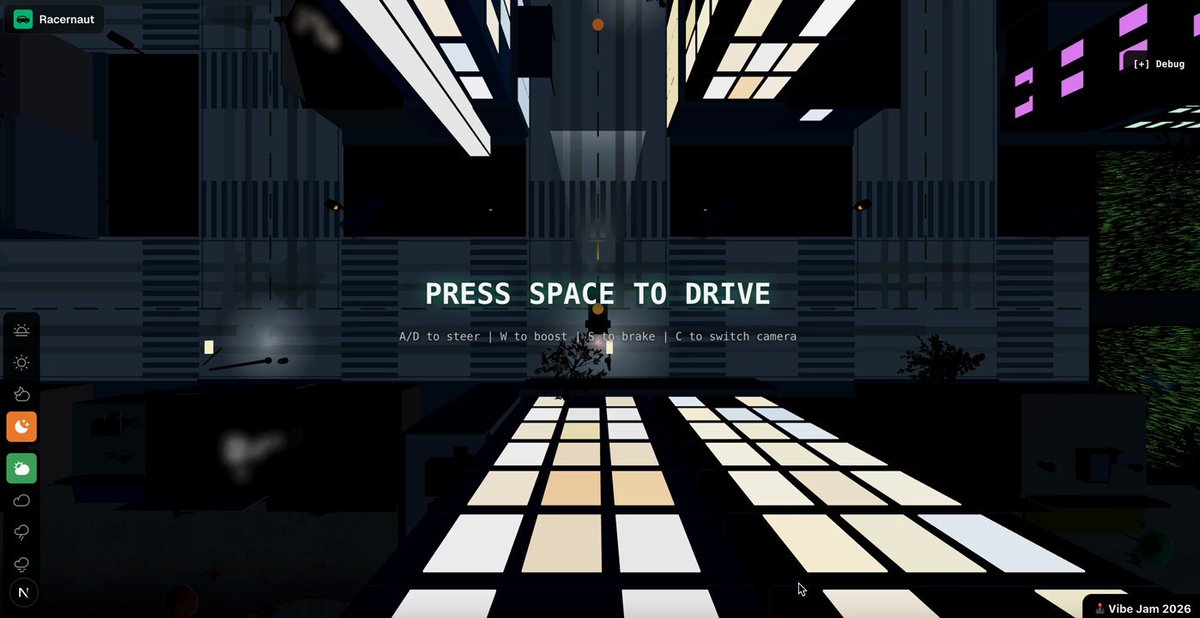
🌃 Cyberpunk City — neon, rain, and questionable life choices
More worlds cooking. Stay tuned 🛠️
72
Rameshvel retweeted

I almost never share AI generated videos.
As someone who studied film, most viral AI videos make me cringe. They look impressive on the surface but they're hollow. No story structure. No character motivation. No comedic timing. Just pretty visuals with a generic cinematic soundtrack slapped on top and people in the comments losing their minds over rendering quality.
The bar has been on the floor. "AI made this" became the entire value proposition. Nobody asks if it's actually good as a piece of video content.
This one is different.
47 seconds. Three pigeons arguing over a button. The comedic timing actually lands. The voice acting has real intonation, not that flat AI monotone. The camera POV sets up a reveal that pays off. There's a setup, escalation, and a punchline that genuinely caught me off guard.
It's the first AI video I've seen where I forgot it was AI generated and just laughed.
That's the standard. Not "look what AI can do." But "this is actually good and it was made with AI." There's a massive difference between the two and most creators haven't figured that out yet.
May 8

The quality of animation you can create on your own is truly amazing. We really are just limited by our imaginations at this point. Go tell your story!
Made in @runwayml in a few hours and a handful of gens.
190
354
4,518
709,977
Rameshvel retweeted

Sincitium is finally here.
We are pleased to present our latest piece: a concept trailer created specifically for the @runwayml Big Pitch Contest. For this project, we wanted to explore a completely different aesthetic from our usual studio style, and this film is the result of that experimentation.
We hope you enjoy it as much as we enjoyed the creative process.
Produced by: Contanimation
Directed by: Javier De La Chica and Guillermo Miranda Art Direction: Javier De La Chica
Editing: Guillermo Miranda
Voices: Juan Rabadán
#runwaybigpitchcontest
418
498
4,877
3,066,794
Apr 30
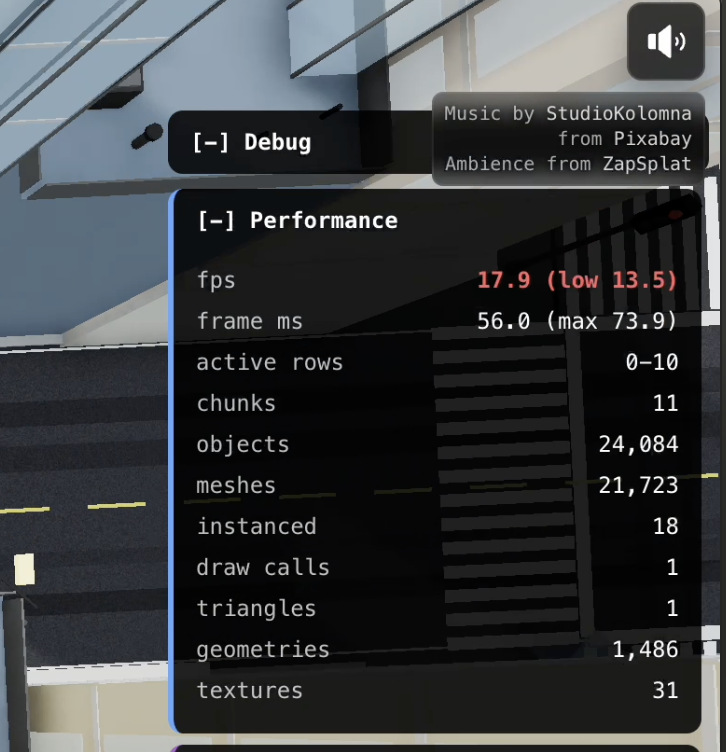
Shipped #Racernaut for #vibejam yesterday. fps tanked from ~40 to ~17 after 30 seconds of play. spent last night profiling and got it to a steady 60 to 70 fps.
Heres what I learned. #threejs #r3f
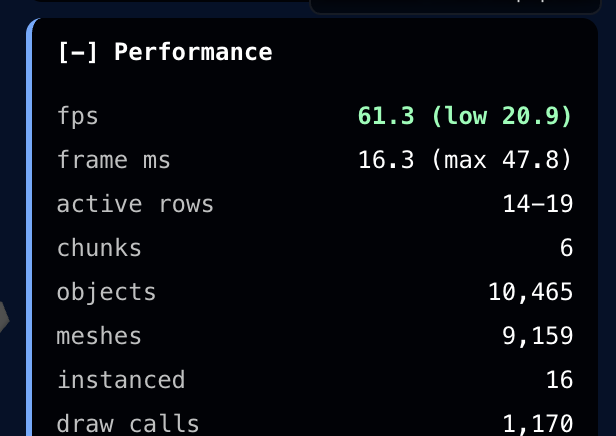
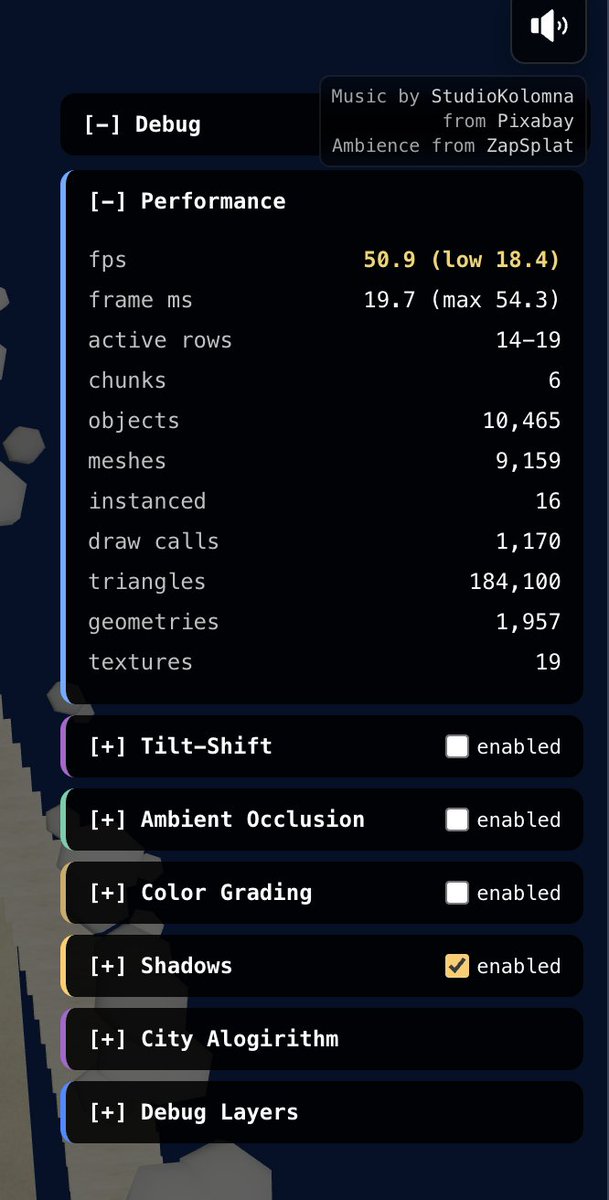
1. First move: built an in-game fps panel. fps, frame time, mesh count, geometries, textures,draw calls, etc.
without that you're guessing. immediately saw which counts kept growing as the fps fell.
I already have a detailed debug panel, to turn on/off all the features, meshes, properties, styles, render algorithms, now I can see performance metrics against each of these feature on/off. Its super easy to pin point whats causing it once I have this.
2. Added what's called frustum-based LOD.
A "frustum" is the camera's pyramid-shaped view of the world -- everything inside it is what the player can see, everything outside is offscreen.
Every ~150ms i check each city chunk: is its bounding box inside the frustum? if yes, render the detailed buildings. if not, swap in cheap colored boxes.
The camera spends most frames looking at maybe 4-5 chunks. all the others got to be lazy
3. Small problem: chunks at the edge of the camera view kept popping in and out -- detailed,simple, detailed, simple. flickery.
Fix: give the test a little wiggle room. a chunk has to be solidly out of view before it downgrades.
4. Also realized i was rendering too far ahead and behind the player.
8 rows ahead? player can barely see 4 before the distance haze. 4 rows BEHIND? chase camera literally points away from them.
cut both. instant win.
5. Ambient occlusion (those soft shadows in corners) looked nice but cost me ~30 fps.
Decided it wasn't worth it for a fast-moving driving game. turned it off by default. Its still there but turned off for now till I figure out how to fix it
6. Biggest surprise: shadows.
I assumed shadows only got drawn for visible objects. they don't. the sun has its own "view" of the world, and EVERY shadow-casting building inside it gets re-rendered every frame.
shrunk that view the shadow map. half the cost.
End result: ~17 fps -> steady ~70 mid-game. no huge rewrites.
just learning to ask "is this work actually showing up on screen?" over and over.
If you're starting out like me: build the stats panel first. you can't fix what you can't see.
play it -> racernaut.com/
2
3
160

🧑🚀 Day 26 of the @cursor_ai #vibejam
Proudly sponsored by @cursor_ai @boltdotnew @heyglif @tripoai
Prizes to win (submit your vibe coded game before May 1!)
🏆 $25,000
🥈 $10,000
🥉 $5,000
🚨 ONLY 2 DAYS LEFT! 🤯🤯🤯🤯🤯🤯🤯🤯🤯
My favorite games from today:
🥷 Vibe Rush by @woocassh
🌳 Hollowlands by @andreeliasdev
🚗 Racernaut by @rameshvel
👺 Blockzilla @markfersh
📊 Mini stats:
469 games submitted
139,417 players
11,480,590 views
Reply in this thread with updates on your current games to share your progress, and add tag #vibejam so I see and can include you in the daily tweet
Wanna to participate? You can still start now and submit your game any time before May 1! (we started April 1 btw)
There's now $40,000 in prizes for you to win, see threads below for more info. The Gold prize is $25,000, silver is $10,000 and bronze is $5,000!

🧑🚀 Day 25 of the @cursor_ai #vibejam
Proudly sponsored by @cursor_ai @boltdotnew @heyglif @tripoai
Prizes to win (submit your vibe coded game before May 1!)
🏆 $25,000
🥈 $10,000
🥉 $5,000
🚨 ONLY 3 DAYS LEFT! 🤯
My favorite games from today:
🌎 WenWare by @underpaid_mom
🏡 Tiny Hamlet by @boona11
🛸 Rogue Gear Descent by @ickack1
🕵️♀️ Mafia City by @davidbmadsen
📊 Mini stats:
403 games submitted
90,285 players
10,769,662 views
Reply in this thread with updates on your current games to share your progress, and add tag #vibejam so I see and can include you in the daily tweet
Wanna to participate? You can still start now and submit your game any time before May 1! (we started April 1 btw)
There's now $40,000 in prizes for you to win, see threads below for more info. The Gold prize is $25,000, silver is $10,000 and bronze is $5,000!
60
2
99
70,608
Apr 28
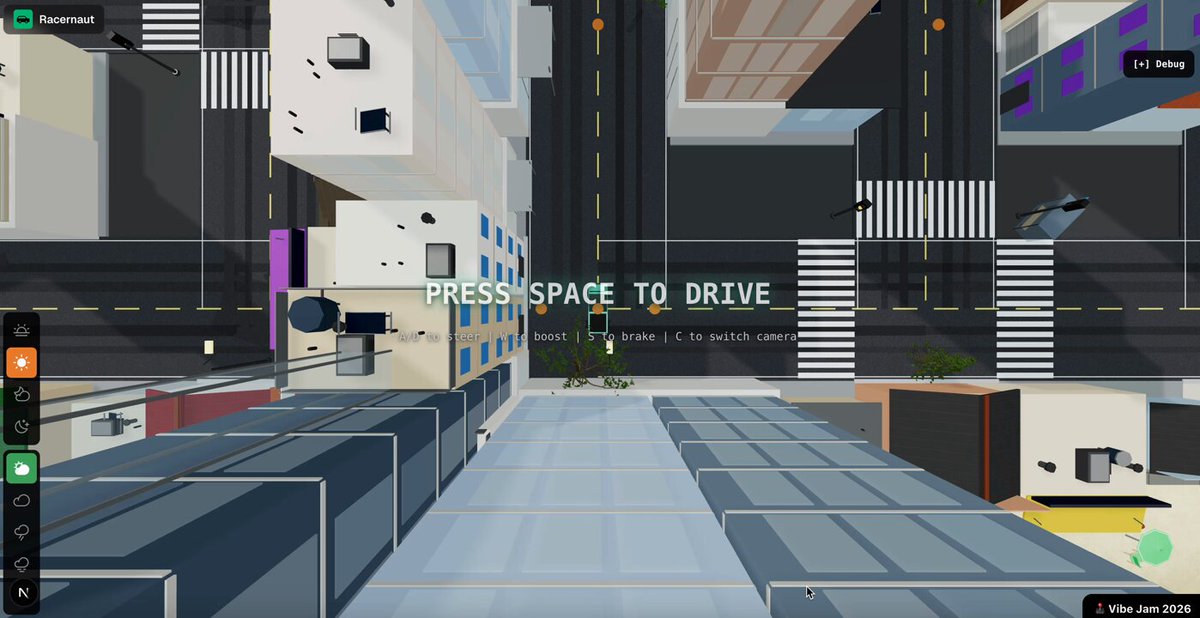
Just shipped Racernaut for #vibejam.
Race a car through an endlessly streaming, procedurally generated city where every junction is a split-second bet on which turn keeps you alive.
Built with three.js Claude Codex.
racernaut.com/
#vibejam #threejs [contd]
5
2
43
3,438
Apr 28
1
5
136
Apr 28
Made some silly games years ago, but I'm nowhere near a real game dev. Always had ideas -- AAA tools always intimidated me.
AI coding tools changed that. A bit of experience a wild imagination, and you can build anything now.
Two weeks on and off. Love what came out
2
76
Rameshvel retweeted

18 Oct 2023
Today's scammers building run of the mill startups with the sole goal to fill their coffers are now asking people who've actually been building deep tech for decades whether they've built something meaningful 😂
18 Oct 2023

Building a company isn't a 280-character job, darling.
Thoda kaam bhi kar liya karr, bahot khali time hai lagta hai tere pass ;)
And let's talk when you've built something meaningful.
40
41
773
180,761
Rameshvel retweeted

3 Sep 2023
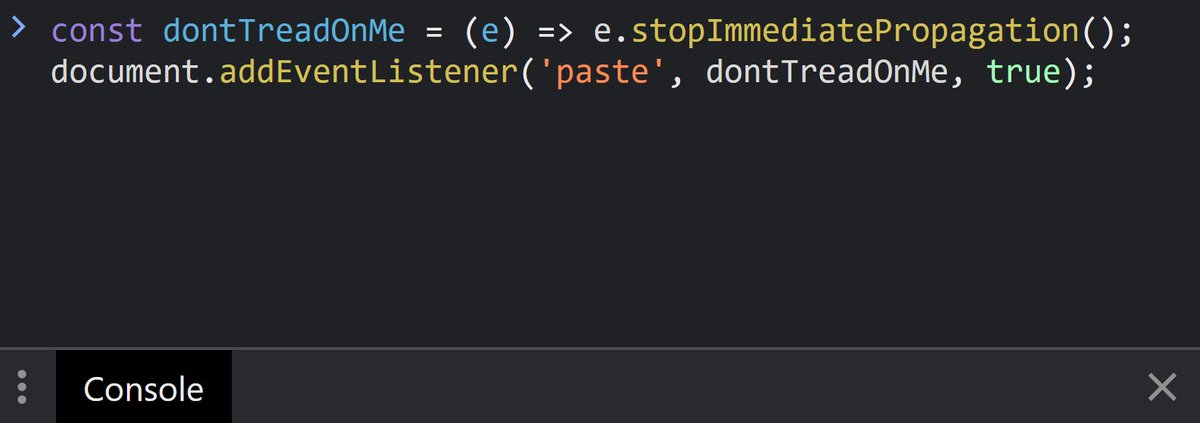
Payment websites often disable paste on form inputs
They think you're too stupid to copy the right account/routing numbers
Refuse to be a victim. Run this code in the console to take the power back
121
544
5,747
454,700

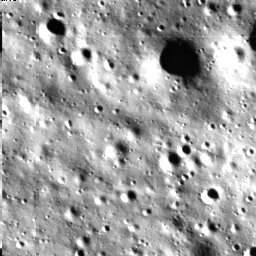
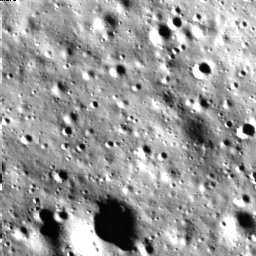
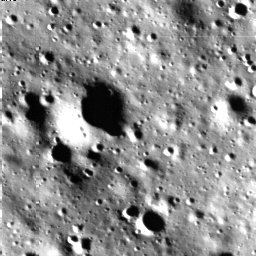
Chandrayaan-3 Mission:
Updates:
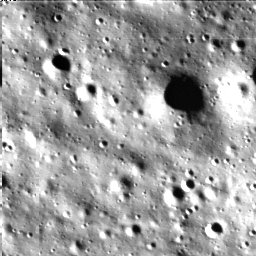
The communication link is established between the Ch-3 Lander and MOX-ISTRAC, Bengaluru.
Here are the images from the Lander Horizontal Velocity Camera taken during the descent.
#Chandrayaan_3
#Ch3
5,744
48,476
279,851
11,869,278
Rameshvel retweeted

18 Aug 2023
Have you tried BlogMyVideo [@blogmyvideo]?
Transform videos, audio & podcasts into blogs and articles with AI-driven transformation.
Thanks to the makers and everyone who contributed!🙌
2
2
3
166
Rameshvel retweeted

21 Aug 2023
Video to Blog:: Updated the home page with proper demos blogmyvideo.com/
check out now. just click the video on the left and the blog will get rendered immediately
#blogmyvideo #blogging #blog #YouTube

1
1
1
85