
Joined April 2014
- Tweets 2,021
- Following 4,237
- Followers 1,035
- Likes 8,254
376 Photos and videos


Pinned Tweet

23 Jul 2023
We’ve been making phylogenetic trees differentiable :)
Check out our work at #ICML2023 workshops - Sampling and Optimization in Discrete Space (SODS) ፨ and Differentiable Almost Everything (DiffAE) 〆
Looking forward to discuss and learn more! 🙌
❤️ work with Avi & @sokrypton
4
56
302
80,499

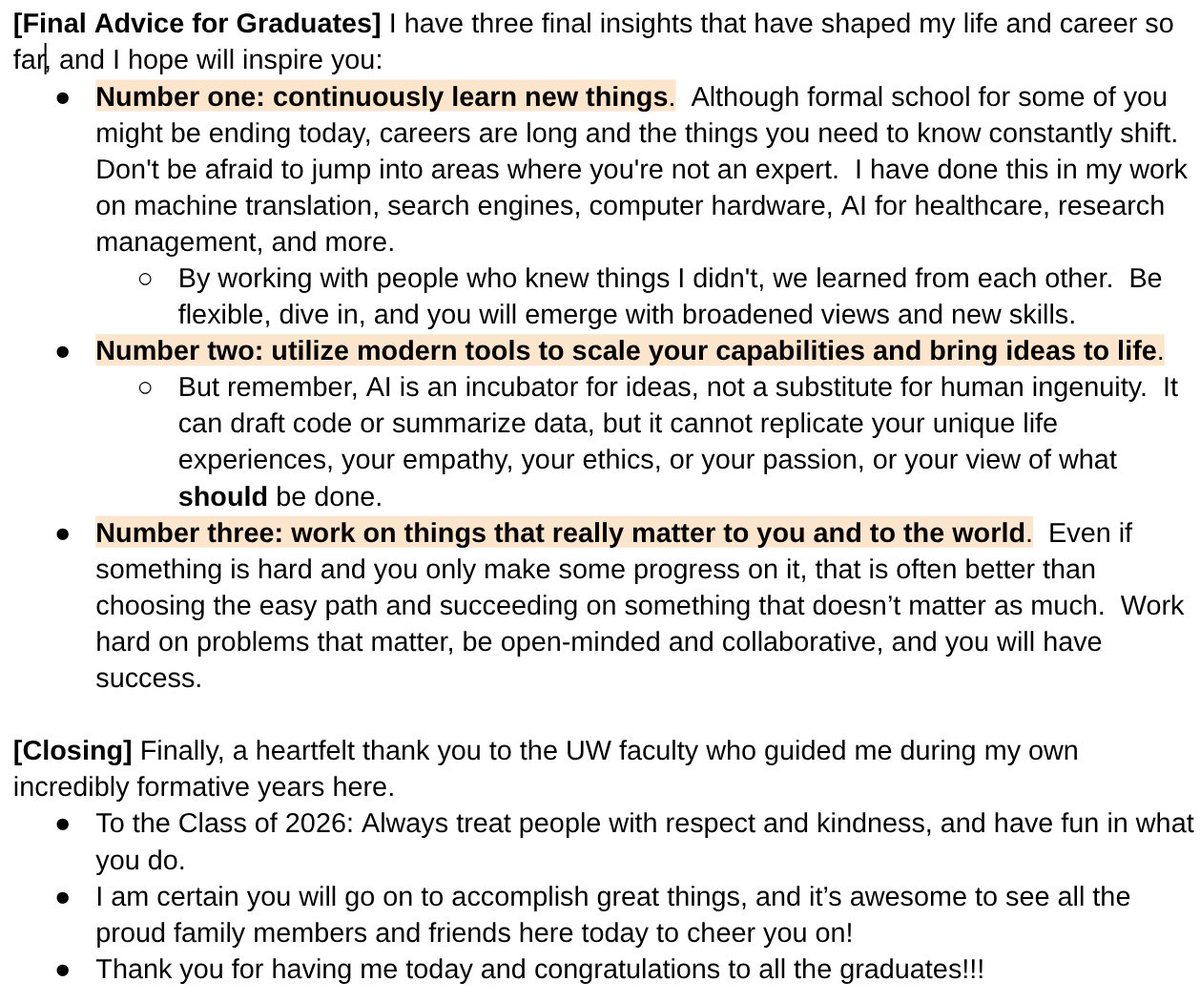
This is so good 👌

2
115
Ramith Hettiarachchi retweeted

Jun 3
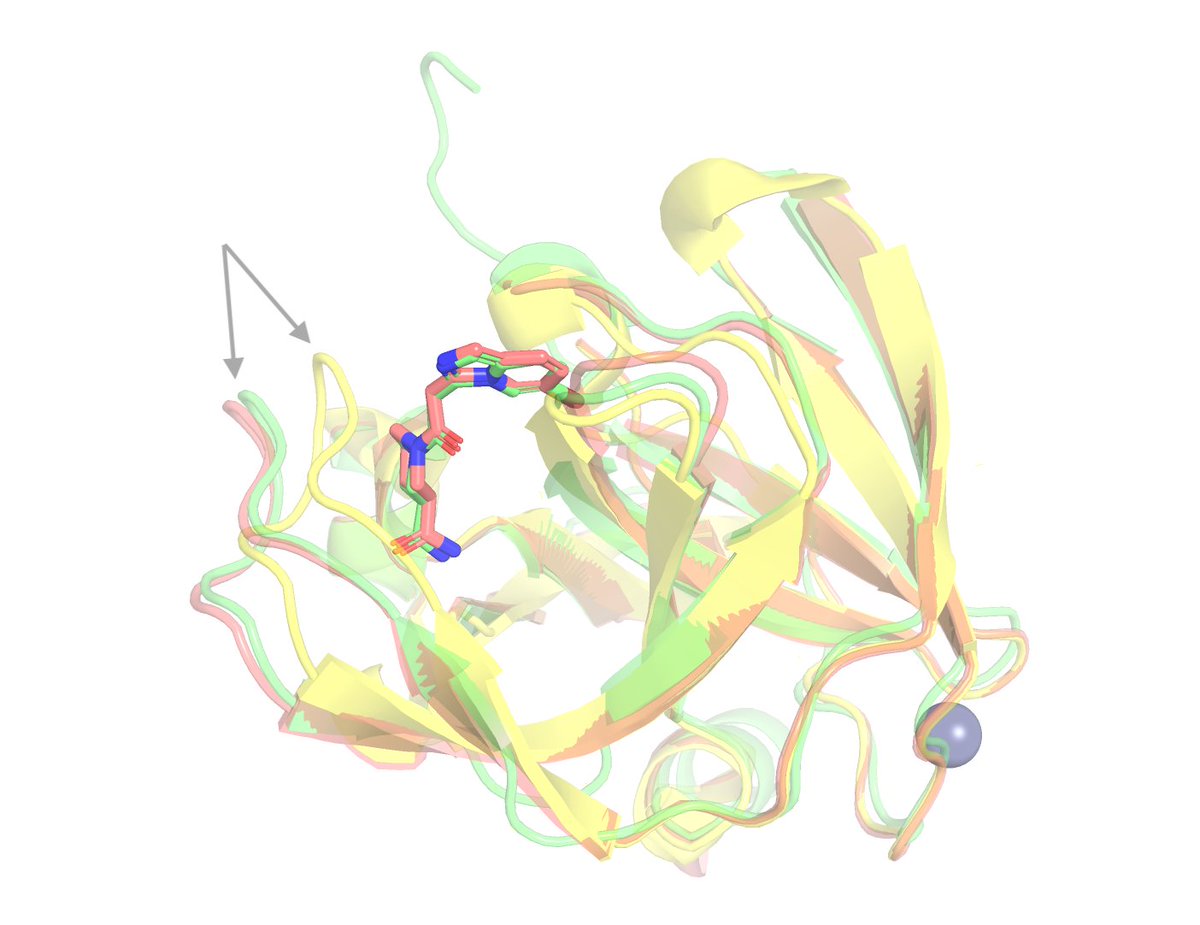
Most docking and cofolding methods assume the protein pocket is roughly fixed: place the ligand into a shape that's already there. That assumption breaks on a lot of real targets, and EV-A71 2A protease is a clear example. When a ligand binds, a loop next to the site moves about 4 Å. Every one of the 802 structures in OpenBind's benchmark needs that rearrangement, which is why classical docking into the unbound structure has only 5% success rate.
Turns out, the real problem isn't "where does the ligand needs to go" it's "what shape does the protein become when this specific ligand shows up." Ligand and protein are coupled, and you have to solve them together.
Pearl predicts that motion from sequence and the ligand alone. On one compound that no other zero-shot method in the benchmark solves, it placed the ligand within 0.28 Å of the crystal structure and got the loop rearrangement right. Modeling induced fit instead of assuming a rigid pocket is a big part of why this holds up on actual programs.
5
8
41
39,096
Been using Gemma4 31B, really surprised how good it is for a local modal..
Should try the 12B as well
Jun 3

Celebrating the milestone of a massive 150 million downloads of Gemma 4 with the release of the new Gemma 4 12B model! It's incredibly powerful for such a small model and it’s tiny enough to run locally on a laptop with just 16GB VRAM. Apache 2.0 license - happy building!
1
181
Ramith Hettiarachchi retweeted

1/5 New paper 🎉Strong Stochastic Flow Maps!
We learn the stochastic integral, not just the transition kernel of an SDE
Huge shout out to my fellow first author Sam McCallum and the rest of the amazing team: Timothy Herschell, @Niklas_TR, @AlexanderTong7, and @JamesFosterBath
Jun 2

Introducing Strong Stochastic Flow Maps
TLDR: Stochastic Flow Maps where we learn the stochastic solution path.
Work led by Sam McCallum, @zwblasingame, with Timothy Herschelll, @AlexanderTong7, and @JamesFosterBath
Arxiv: arxiv.org/pdf/2606.01086
Code: github.com/sammccallum/ssfm
1
15
61
5,434
Ramith Hettiarachchi retweeted

May 30
The slides if anyone wants to adopt docs.google.com/presentation…
3
15
135
3,912
Ramith Hettiarachchi retweeted

May 27
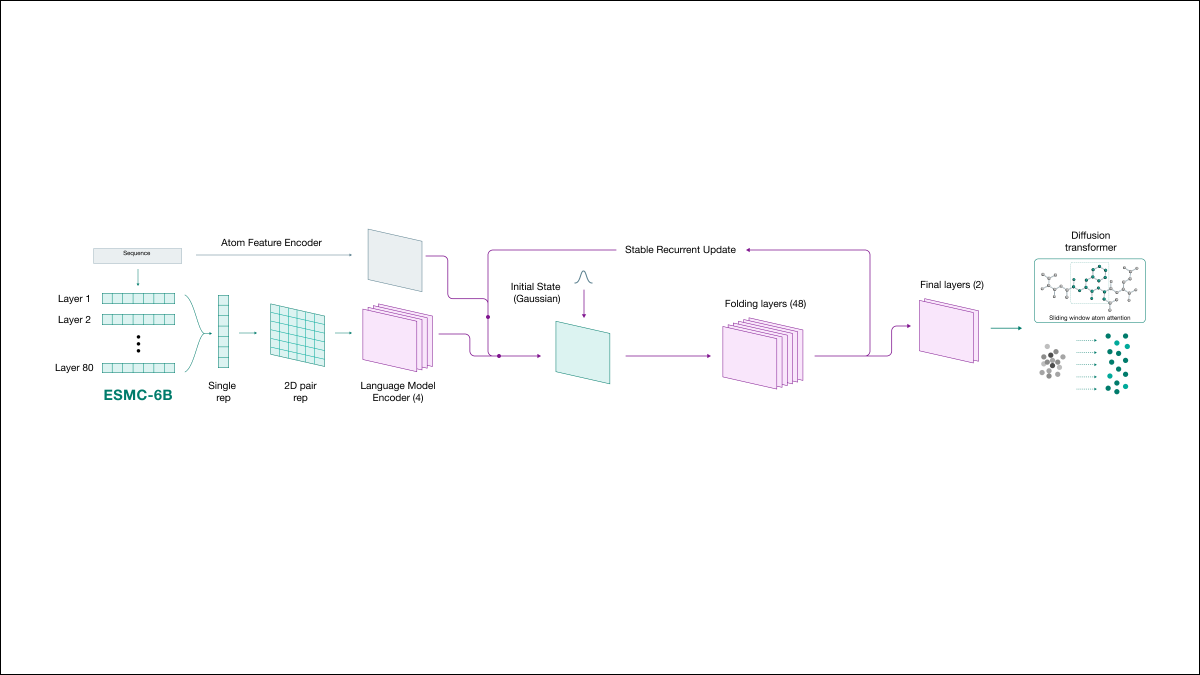
ESMFold2 uses a recurrent architecture, where representations from later states are looped into the earlier states. We apply a constraint to the recurrent update to prevent activations from growing unbounded, and backpropagate through multiple loops.
1
2
13
1,015
Ramith Hettiarachchi retweeted

May 27
Some architectural details:
- Triangle Attention is completely unnecessary
- Looped transformers work really well
- The diffusion module needs 20% the number of steps
- We can improve on cuequivariance kernels for even faster folding.
2
8
96
15,468
Ramith Hettiarachchi retweeted

May 27
Today we're announcing ESMFold2, an open scientific engine to power prediction, design, and discovery across protein biology.
The new model delivers state of the art performance on protein interactions, especially antibodies, a critical modality for therapeutics.
We have designed and validated miniprotein binders and single chain antibodies across five therapeutic targets that are important in cancer and immunology. We are seeing very high success rates, and affinities at levels consistent with therapeutic activity.
We’re also releasing an atlas of 6.8 billion proteins, and 1.1 billion predicted structures.
ESMFold2 is built on a state of the art language model that has been trained on billions of protein sequences.
A world model of protein biology emerges through language modeling.
We’ve used the techniques of mechanistic interpretability developed to understand large language models to understand the concepts ESM uses to represent proteins.
The model’s representation space has a compositional organization of features across scales, levels of complexity, and abstraction, that reflects and mirrors the understanding of protein biology developed through a century of empirical science.
This understanding emerges without prior knowledge, just from language modeling of protein sequences.
Language models are becoming a powerful substrate to understand and program biology.
The design of protein interactions is one of the most fundamental problems in biophysics, and has critical implications for the discovery of new medicines. A simple gradient based search with the model was able to discover high-affinity protein binders.
I'm excited by the potential this has to accelerate basic science and the understanding of proteins. And especially for the new avenues it opens up for therapeutic design and medicine.
74
448
1,612
600,205
Ramith Hettiarachchi retweeted

May 21
Today we're announcing our Series C funding: $355M at a $4.65B valuation, led by some great investors @generalcatalyst and @Redpoint.
We've had insane growth in the last year, but we're still very early. So proud of the team and what we have built so far!

127
96
1,455
584,516
Ramith Hettiarachchi retweeted

May 11
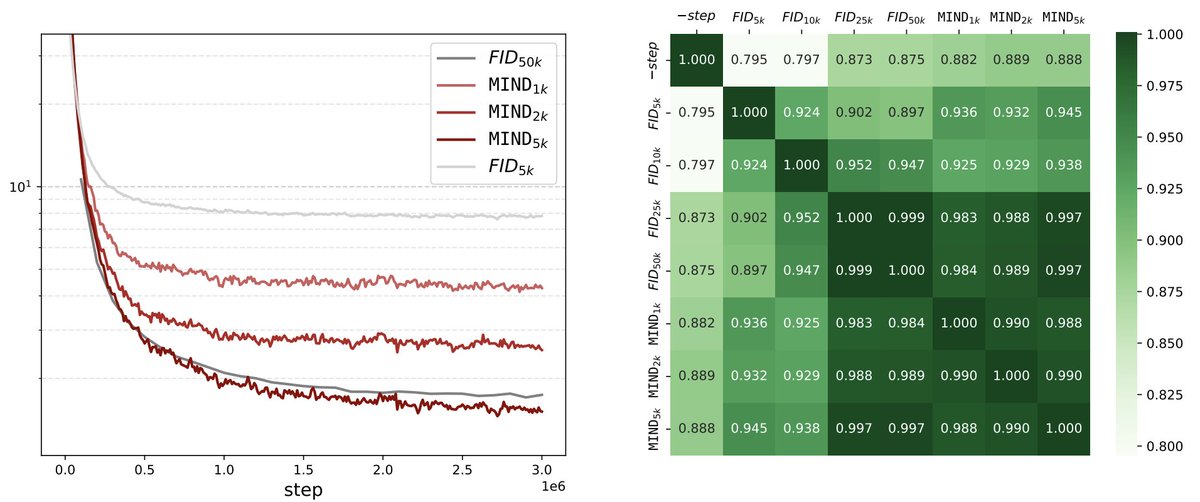
🚨 New paper: Introducing MIND (Monge Inception Distance)
Everyone agrees that FID is broken, requires too many samples, slowing down evals.
MIND requires 10x fewer samples, is more robust, faster to compute.
Our new drop-in replacement for evaluating generative models. 🧵👇
12
68
460
55,339
Ramith Hettiarachchi retweeted

Jensen Huang, Founder and CEO of @nvidia, will serve as Carnegie Mellon’s 2026 Commencement keynote speaker and will receive an Honorary Doctor of Science and Technology.

41
136
1,553
118,438
Ramith Hettiarachchi retweeted

May 1
Yours truly is a proper scientist now!
TL;DR: we used AI to redesign parts of essential cell machinery with only 19 canonical amino acids instead of 20.
Why? Great thread by @harriswangnyc provides more context and details. Let me talk a bit about the AI design part of this. 1/
Apr 30

1/ Excited to share our new paper in Science: “Toward life with a 19-amino acid alphabet through generative artificial intelligence design.” @ColumbiaSysBio @ColumbiaBME @Columbia
science.org/doi/10.1126/scie… 🦠🧬🛠️🖥️💥
4
14
99
15,839
Ramith Hettiarachchi retweeted

The deadline has been extended to May 8, 2026 AOE!

📝 Call for Papers: Submit your work on generative models for biomolecules, cells, tissues, and organisms; agentic systems for autonomous experimentation, human-AI collaboration, and more.
🗓️ Submission deadline: May 1, 2026
📍 July 10–11, 2026 · COEX, Seoul
4/5
4
18
2,682
Ramith Hettiarachchi retweeted

Apr 28
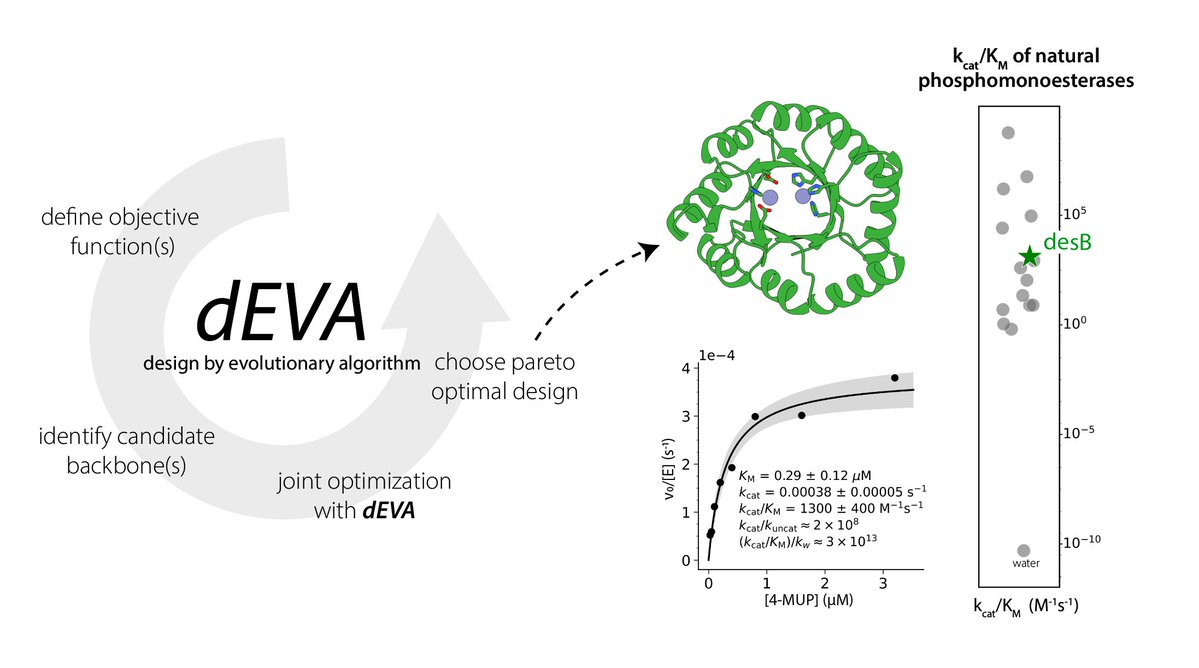
Excited to report the first de novo enzyme catalyzing two of the most energetically demanding reactions in biology—phosphomonoester and phosphodiester hydrolysis—with catalytic efficiencies comparable to natural enzymes! 🚀
desB was designed zero-shot with dEVA. No structure prediction, no pre-defined motif, no reaction-intermediates. 🧵
@StanfordBiosci @bioe_stanford @SLAClab
@EPFL @hes_so @simonduerr
2
61
269
22,204
Ramith Hettiarachchi retweeted
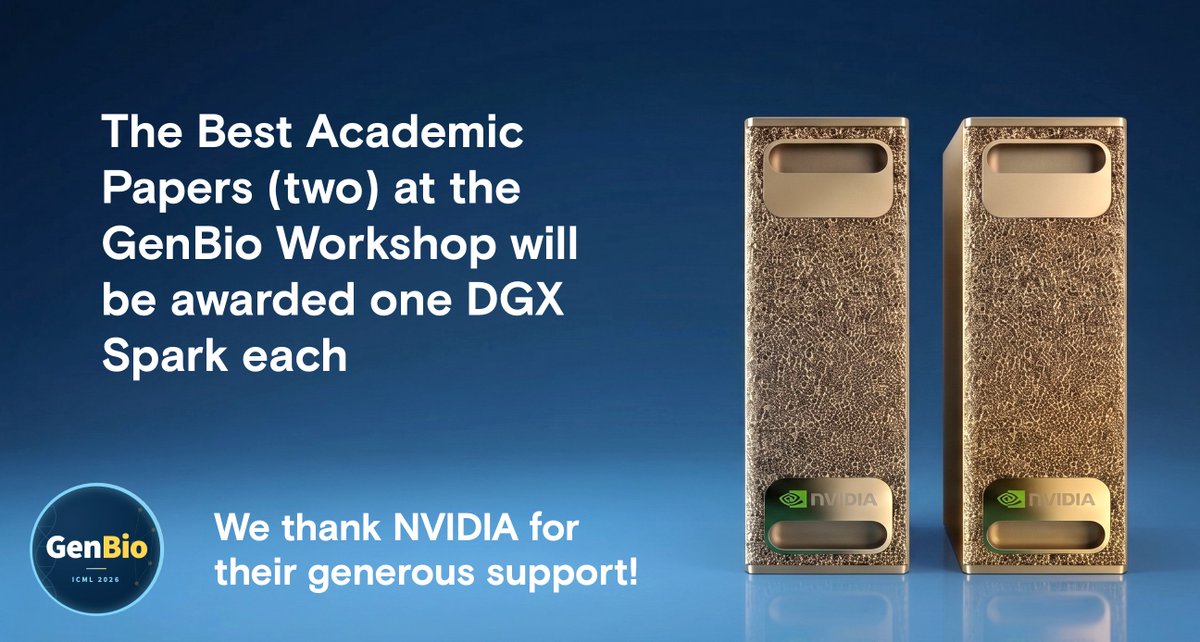
The best two academic papers will be awarded one DGX Spark each -- We thank NVIDIA for their generous support!
Paper Submission Instructions: genbio-workshop.github.io/20…
1
2
8
2,481
when training a flow map, can you use a smaller subset of the training data you used for training the teacher?
1
167
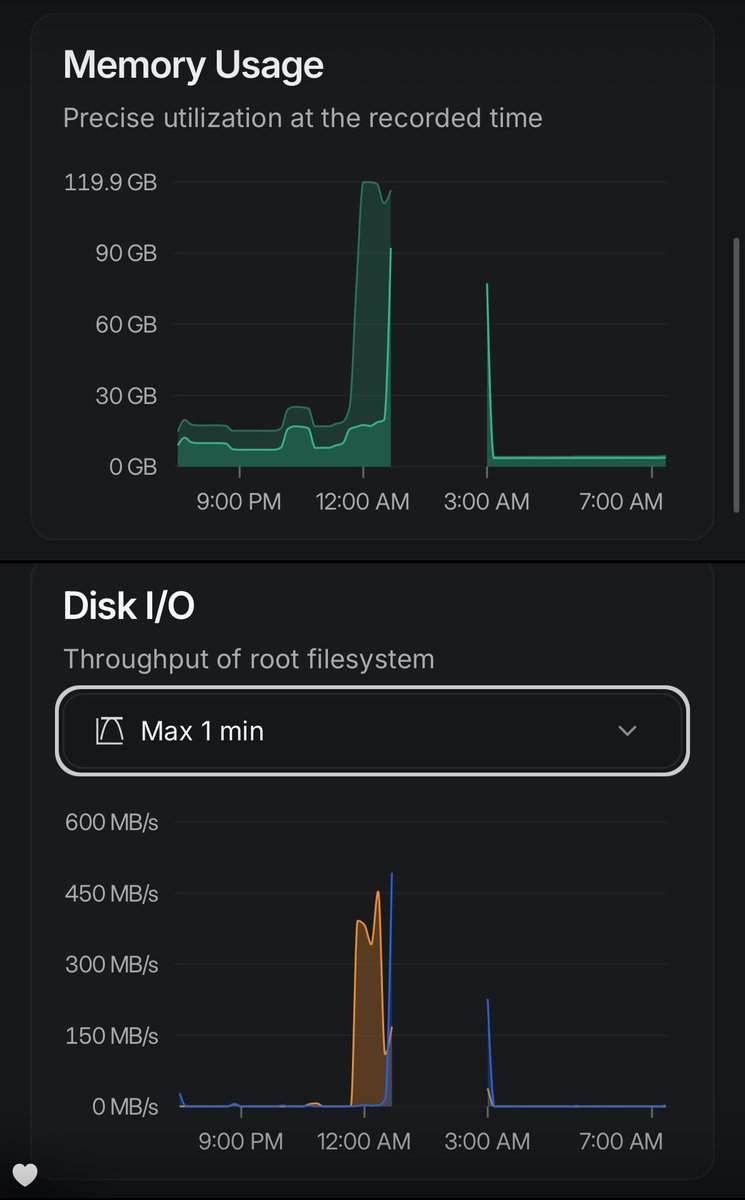
Wow modal is pretty easy to use.. copied lmdb data caches quickly..
1
83
Consider submitting your work to the GenBio workshop at ICML 2026!
Deadline: May 1, 2026
Excited to introduce the 2026 workshop on Generative and Agentic AI for Biology at ICML 2026!
genbio-workshop.github.io/20…
1/5
2
474