
Joined March 2017
- Tweets 9,892
- Following 948
- Followers 742
- Likes 13,034
623 Photos and videos







Pinned Tweet

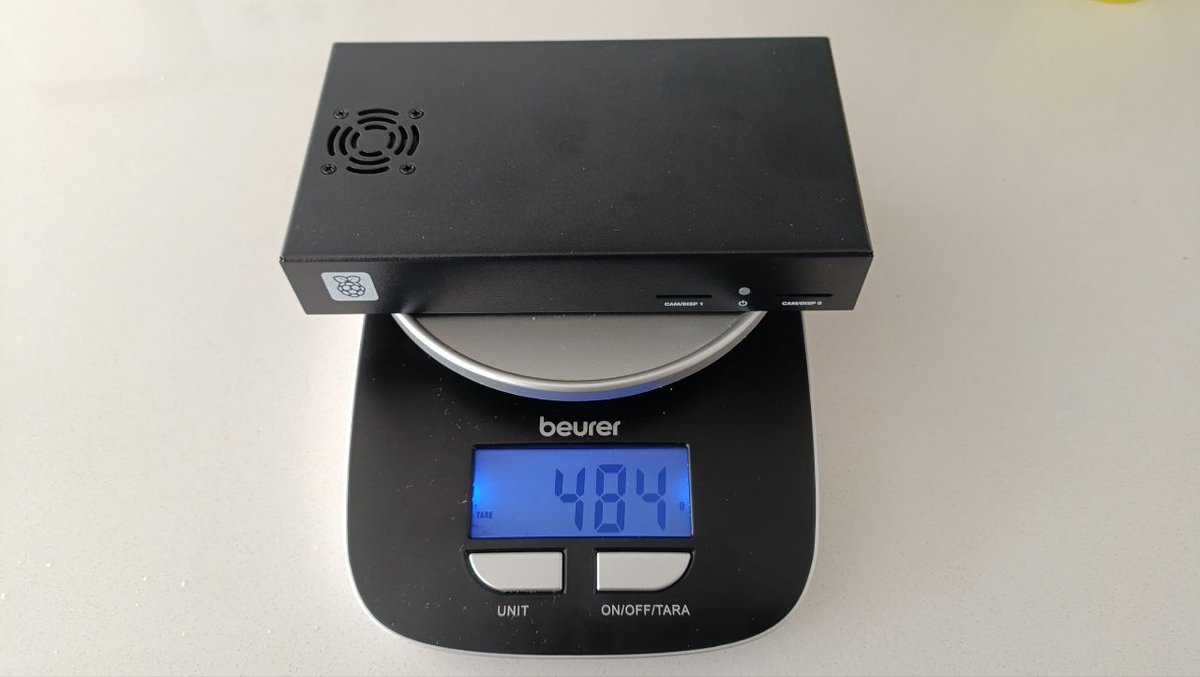
Como decíamos ayer! Vuelve #RaspberryPi para torpes en 2026.
raspberryparatorpes.net/empe… #RaspberryPi5 #rpi #rpi5

3
2
12
753

raspberryparatorpes retweeted

Jun 13
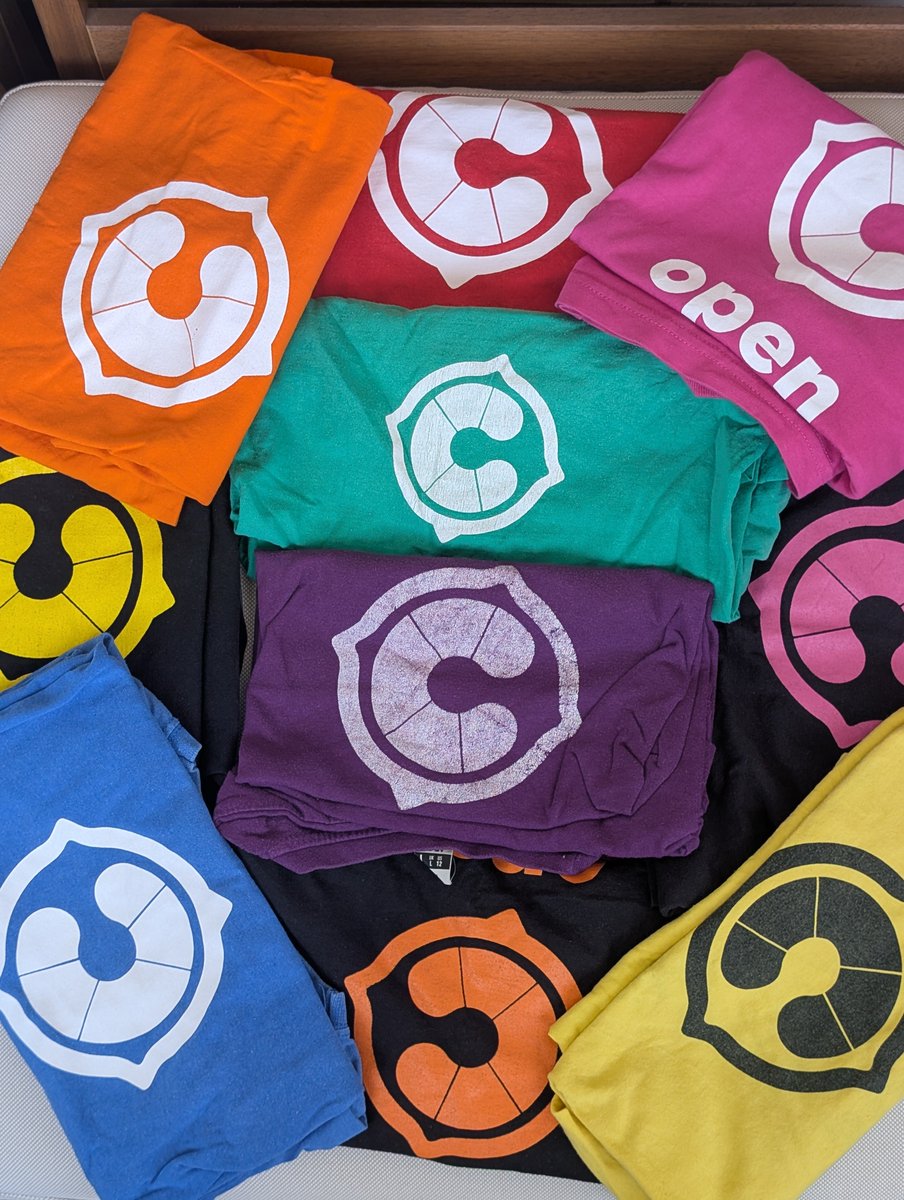
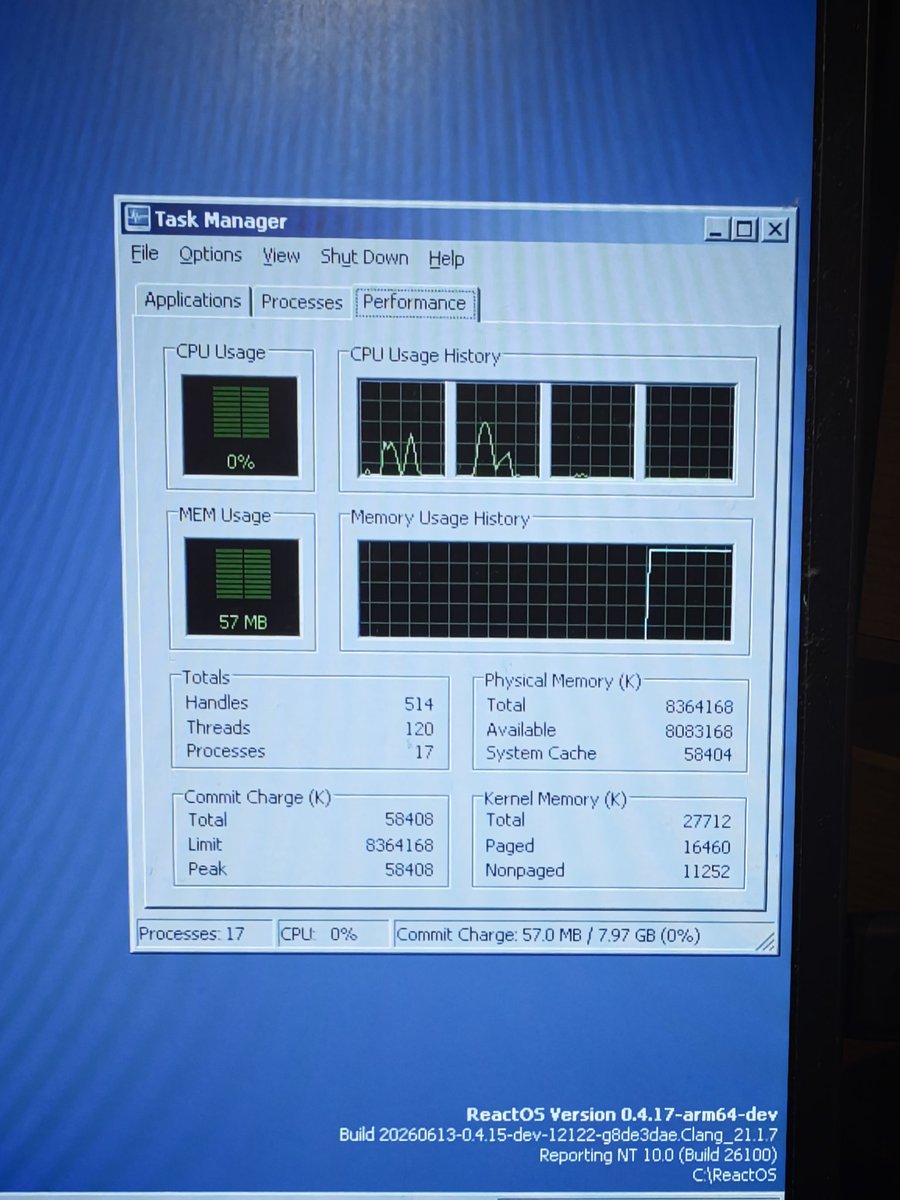
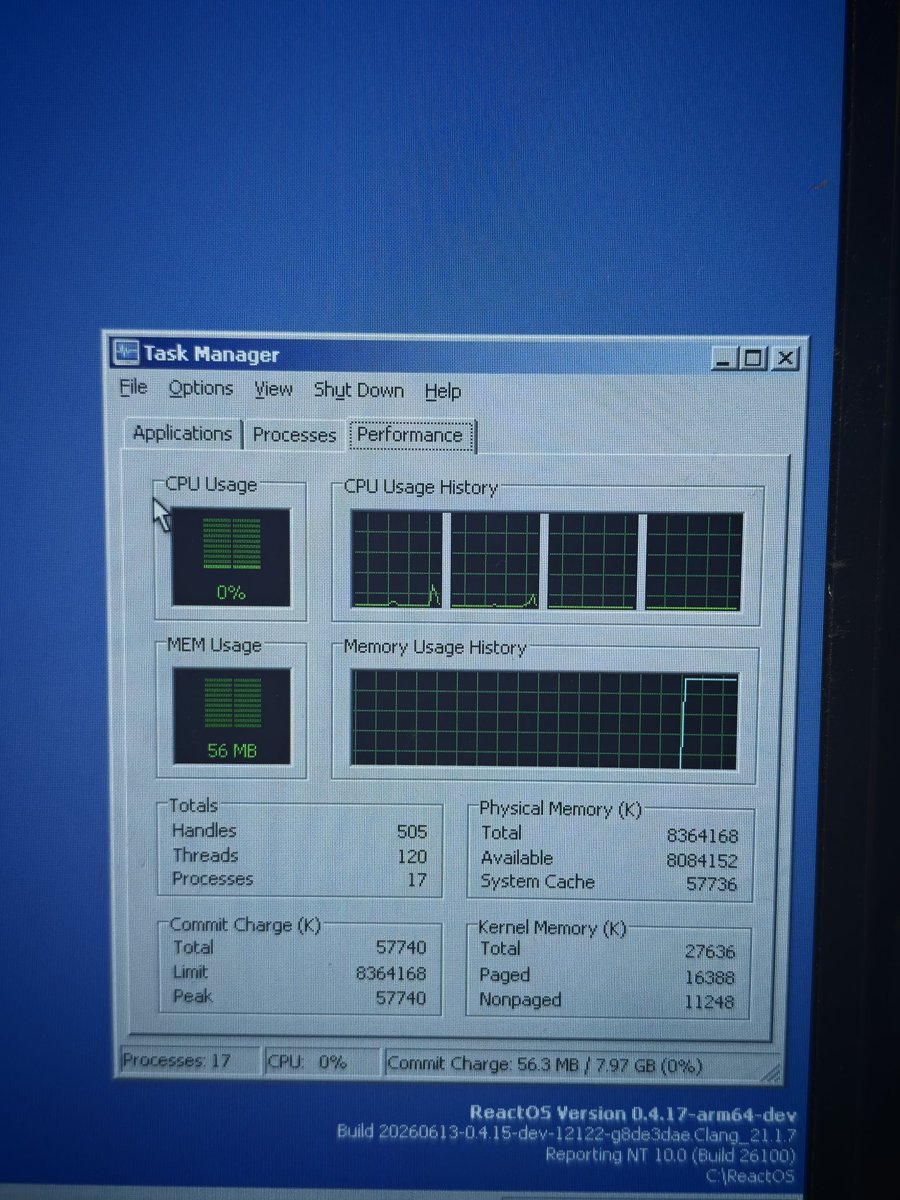
Initial SMP support on ARM64 is now implemented and already running on the Raspberry Pi 5. It remains highly experimental, but early results are promising.
The SMP boot process has successfully handled several known corruption scenarios and race conditions. more smoke testing is planned to evaluate the gap between rosSmp and and linux/win
2026 is ReactOS year!
2
15
55
2,658

I'll be honest, I just let out a little happy noise when I noticed this in @kicad_pcb v10.0!

1
4
45
2,617

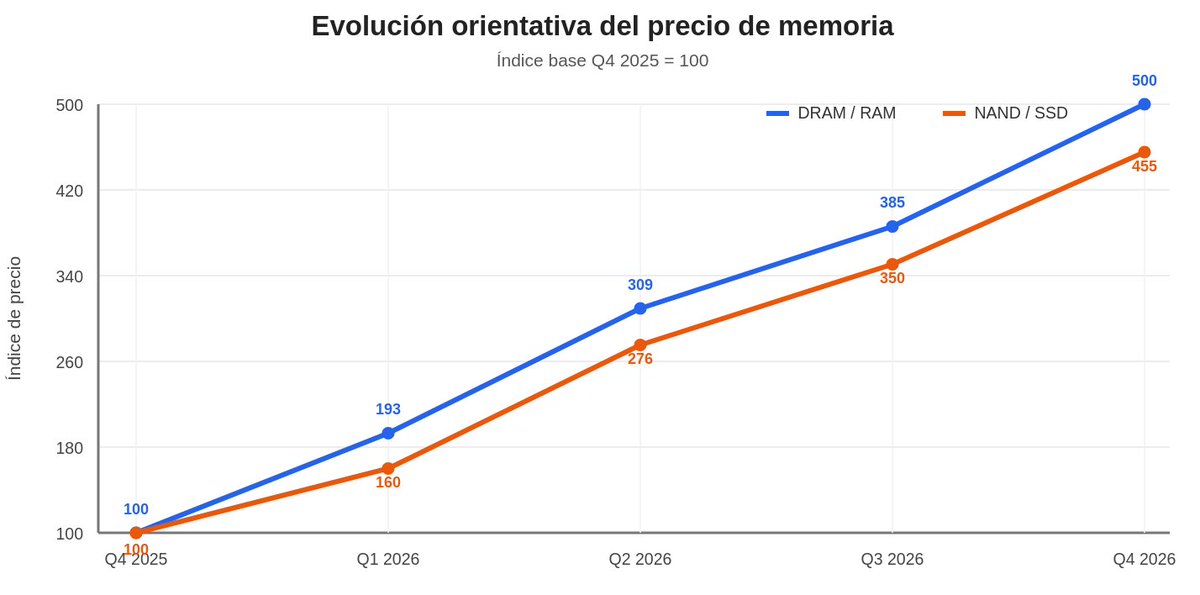
Ojo, que esperar para comprar hardware puede salir aún más caro.
- La reciente noticia de que EEUU restringe Fable 5 y Mythos 5
- La IA se encarece y empuja a tener hardware propio
- La IA LOCAL ya sirve para agentes internos en empresas
info:
slimbook.com/blog/noticias-1…
1
4
10
6,012
raspberryparatorpes retweeted

1
4
84
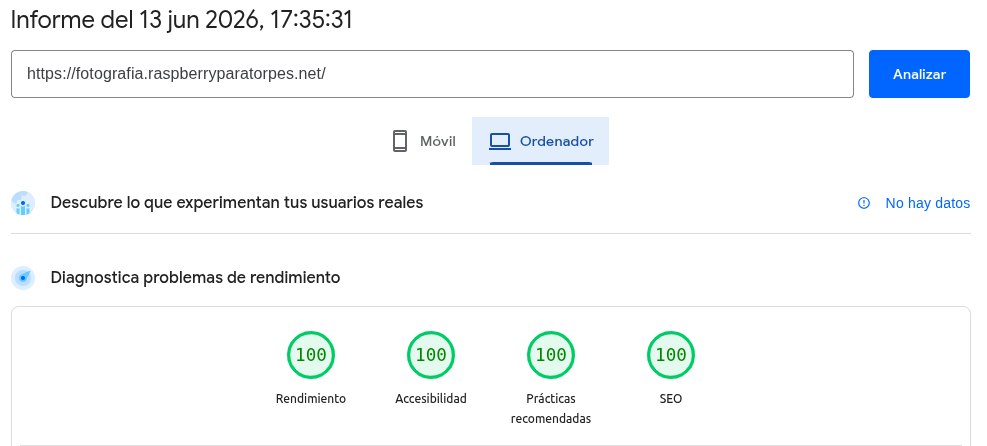
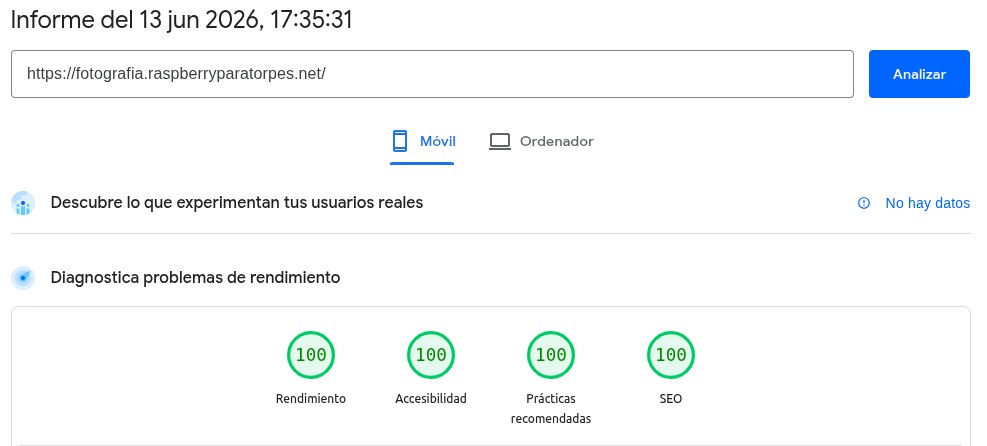
Totalmente sin relación, pero esta semana compré una cámara de fotos de segunda mano y aproveché para hacer esta web (con aiuda por supuesto). fotografia.raspberryparatorp… tiene una hoja de estilos adicional por si la queréis imprimir que se vea bien sin dejar un dineral en tinta.
1
1
73
Ya he aprovechado y he añadido unas cuantas cosas más para este verano. fotografia.raspberryparatorp…
1
52
“All your base are belong to us”
Jun 13

The US government, citing national security authorities, has issued an export control directive to suspend all access to Fable 5 and Mythos 5 by any foreign national, whether inside or outside the United States, including foreign national Anthropic employees.
The net effect of this order is that we must abruptly disable Fable 5 and Mythos 5 for all our customers to ensure compliance.
Access to all other Claude models is not affected.
We apologize for this disruption to our customers. We believe this is a misunderstanding and are working to restore access as soon as possible.
Read our full statement: anthropic.com/news/fable-myt…
33
“All your base are belong to us”
Jun 13

As a result of a US government directive, we are suspending access to Claude Fable 5 for all users. You can continue to use all other Claude models.
Here’s what this means for you:
Across Claude products, new sessions will run on your selected default model or Opus 4.8, and existing Fable 5 sessions will end with an error.
On the Claude Platform, requests to Fable 5 will also return an error. Please update your integrations to other Claude models.
We know this is a disruption to your workflows; we appreciate your patience and support.
35
raspberryparatorpes retweeted

Jun 13
Va a tocar hacer artículo uniendo puntos otra vez .
Es bastante significativo que la entidad presuntamente implicada en detectar o comunicar el jailbreak fuese AWS, especialmente teniendo en cuenta que Amazon es uno de los mayores inversores de Anthropic y su principal hyperscaler. Es otro capítulo más de la sitcom de la que llevo hablando desde principios de año.
Por lo que he podido probar del modelo en cuestión (que obviamente no refleja toda su capacidad real), no parece radicalmente distinto de lo que se puede conseguir con GPT-5.5 xhigh cuando está detrás de una capa de control adecuada. Destaca en algunas áreas y es peor en otras, que es básicamente el mismo patrón que venimos viendo desde que Claude se hizo público.
Hay varias capas detrás de esto. Por un lado, puede funcionar como una forma de frenar una carrera interna cada vez menos sostenible, congelando o retrasando de facto los despliegues frontier para evitar un incidente importante antes de la IPO. Por otro, también está el temor a no poder mantener la ventaja actual frente a los modelos chinos. Al final, es más de lo mismo.
Jun 13

This was completely predictable. Anthropic has spent months marketing its models through fear. Every major release comes with the same playbook. The model is too dangerous. It changes the entire cybersecurity landscape. It could become a national security threat. Governments need to step in. Access has to be restricted. Only a small group of approved organizations should be allowed to use the full capabilities. Now the government took them seriously.
Anyone who tested Mythos through Glasswing, or saw what @elder_plinius was able to get out of these models, knows the capabilities were real. Mythos was very good. It made certain attacks faster, cheaper and easier to operationalize. It could iterate more effectively, find vulnerabilities, generate working proof of concepts and close the loop with much less friction than most other models.
But Anthropic kept talking about it like they had built a digital nuke. The underlying attack surface was already there. The techniques were already there. The vulnerabilities were already there. Other frontier models could already do a meaningful part of the same work. Mythos improved the speed, the reliability and the level of autonomy. That is a serious capability jump. It still does not justify months of apocalyptic marketing.
And trying to shift any responsibility toward Pliny or toward the people who tested the model would be ridiculous. Pliny did what security researchers are supposed to do. He pushed the system, broke the guardrails when possible and showed what the model could actually do once the polished demo layer was removed.
If a few jailbreaks were enough to trigger a regulatory crisis, the deployment strategy was already cooked. Anthropic built the entire political and commercial narrative around the idea that its safety layer was the thin line separating a useful product from a strategic threat. Then independent researchers showed how fragile that line really was.
That is on Anthropic. They wanted the market to believe Mythos was powerful enough to justify special treatment. They wanted regulators to believe frontier models needed tighter controls. They wanted investors to believe they were sitting on capabilities so advanced that only Anthropic could be trusted to decide who should get access.
Now the government decided Anthropic should not get to make that decision by itself.
The ban is heavy handed. It will hurt legitimate researchers, security teams and foreign nationals working inside the US. It will also push more people toward open models, local deployments and providers outside the reach of US regulators.
But Anthropic cannot act surprised. Dario Amodei spent months turning fear into a marketing strategy, a fundraising strategy and a way to build institutional power around Anthropic.
Eventually, someone was going to take the narrative at face value. The government did.
9
10
75
12,188
raspberryparatorpes retweeted

Jun 12
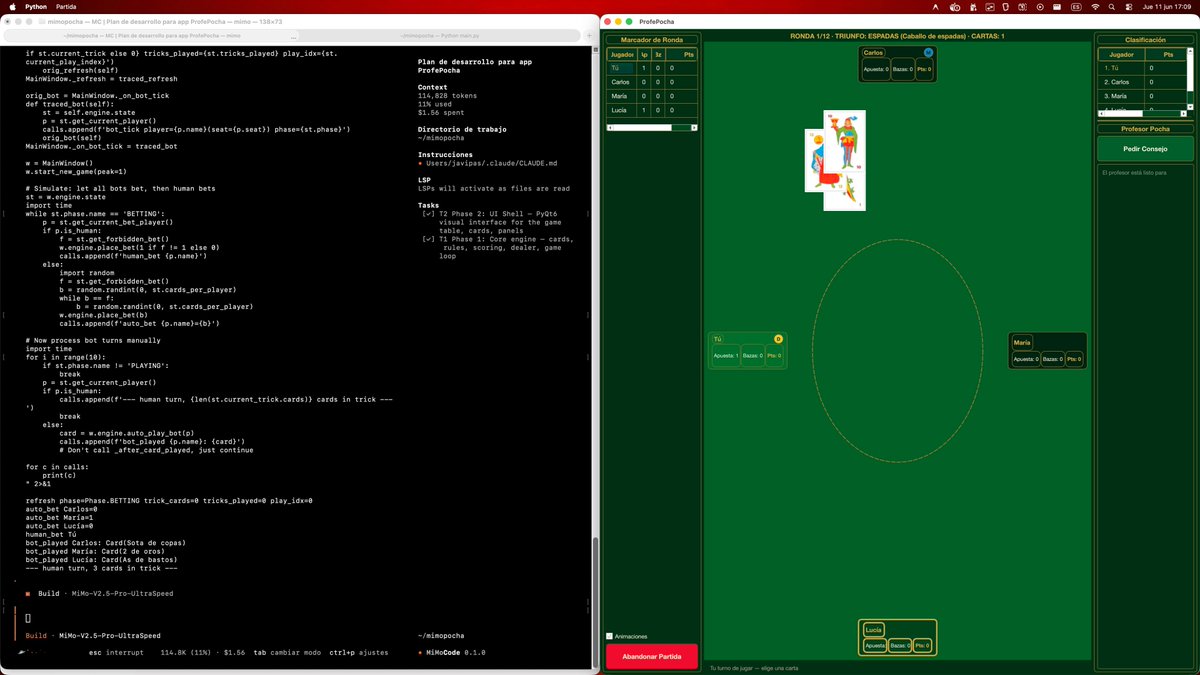
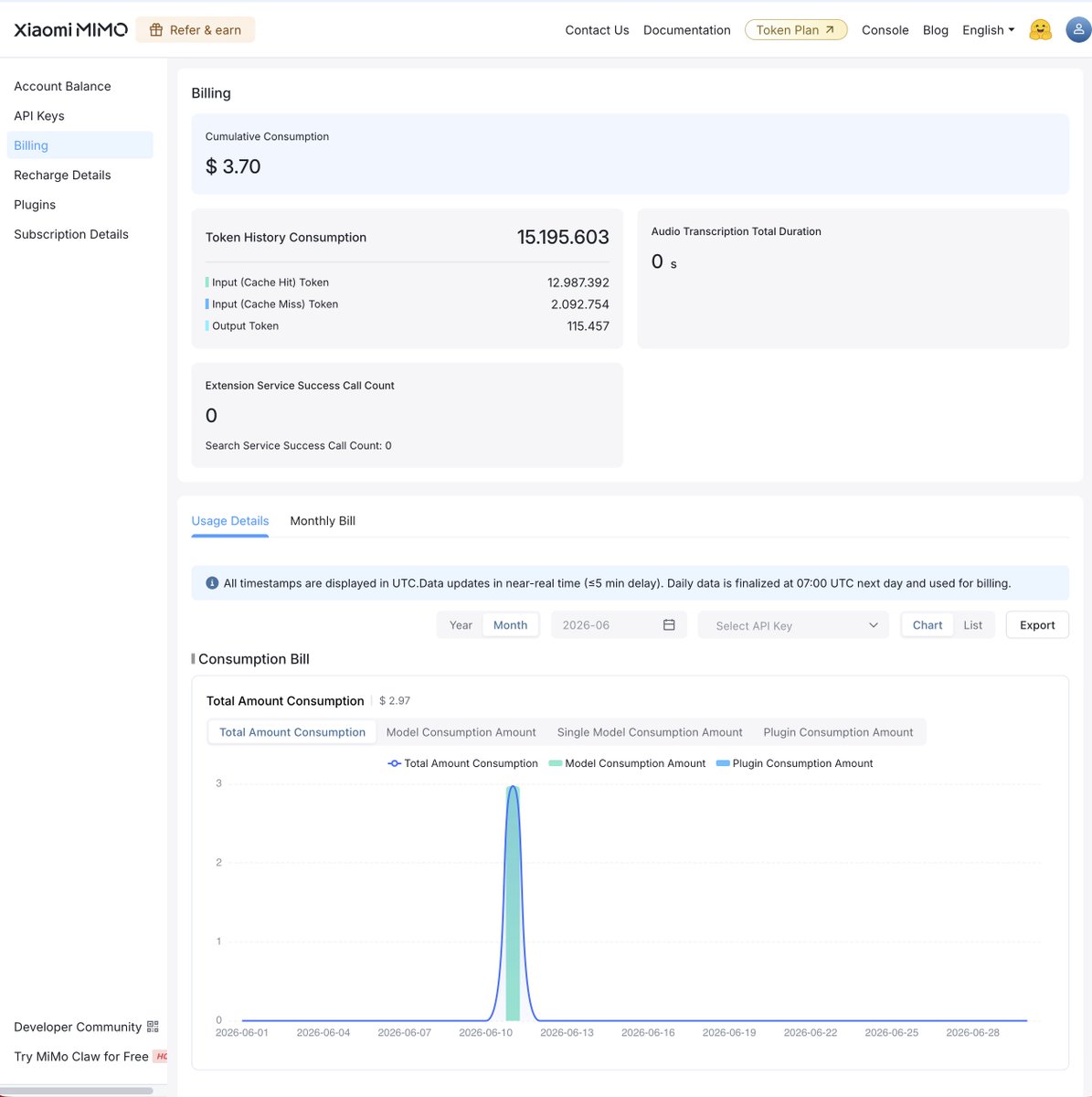
Ayer probé @XiaomiMiMo Mimo Code y Mimo-V2.5-Pro-UltraSpeed para un miniproyecto personal.
Mimo Code es un fork de OpenCode que me pareció meh. De UltraSpeed, poco.
Y el resultado, una basura (y el plan lo orquestó Fable 5). Que igual soy yo, pero uf decepción absoluta.
Dinero malgastado.
1
2
5
1,021
raspberryparatorpes retweeted

Jun 11
Four years, countless PCB revisions, and one custom FPGA controller later: a 60fps, 300ppi, open-source E Ink monitor is finally real.
youtube.com/watch?v=nHbA2-_q…
2
9
79
15,594
raspberryparatorpes retweeted

Jun 12
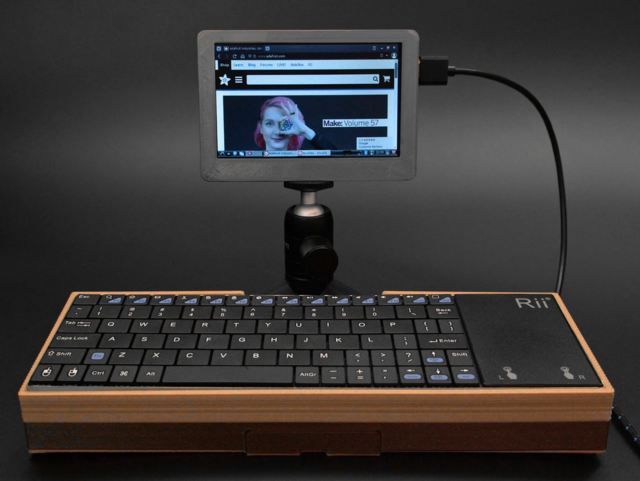
DIY Pi 400 Keyboard Case
learn.adafruit.com/pc-keyboa…
6
29
2,678
raspberryparatorpes retweeted

Jun 11
Rubik Pi 3 realizando inferencias de Machine Learning con el NPU en 2ms 🚀
✅ Rubik Pi 3 con Ubuntu
✅ Machine Learning via @EdgeImpulse
✅ Modelo local quantizado
Pronto, un prototipo de seguridad con múltiples sensores gestionado por OpenClaw 🦞
2
6
18
1,131

News about my "Unofficial Godot Raspberry Pi Binaries"
Added:
- New binaries: 3.2.3, 3.5.3, and 3.6.2.
- Support for the Raspberry Pi 5.
- New portable type: a binary that is compatible with versions 3, 4, and 5.
github.com/hiulit/Unofficial…
#GodotEngine #RaspberryPi
1
5
14
590
raspberryparatorpes retweeted

Jun 11
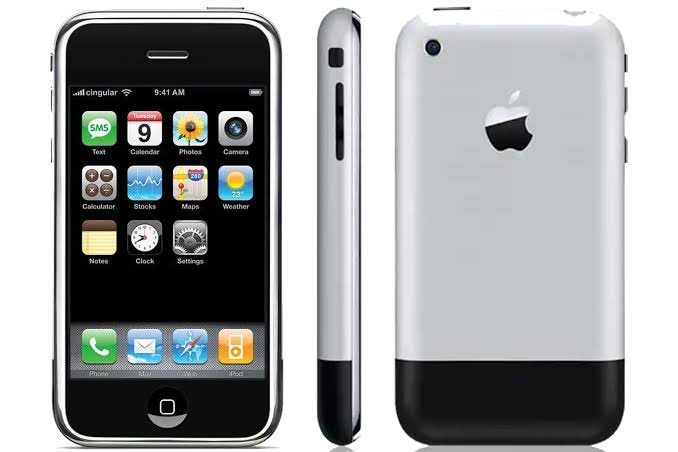
The first iPhone🍎 had:
• No App Store
• No Copy-Paste
• No Front Camera
• No Video Recording
Yet it changed the world.🚀
Most revolutions don’t look revolutionary at the beginning.
4
2
11
497
Radxa con 3 placas SoC Allwinner A733, tiene una versión compacta Radxa Cubie A7S de 51×51 mm tipo Nano con 8 cores y 8GB de RAM.
❇️ Radxa Cubie A7S: rival compacta de Raspberry Pi raspberryparatorpes.net/riva… #Radxa #CubieA7S #PowerVR
1
108
La semana que viene voy a revisar otro placa con salida de vídeo por USB-C Display Port. ¿Será ese el futuro de muchos mini PC? Tiene sus ventajas, es más pequeño que un HDMI y no sólo da salida de vídeo, sino que puede ampliar la conectividad enormemente. #DisplayPort
39
raspberryparatorpes retweeted

Jun 11
Quand l'IA agit ⚡️
Le défi actuel consiste à concevoir des systèmes capables d’observer, de raisonner, de contrôler du matériel et d’interagir avec le monde physique.
C’est particulièrement prometteur pour les systèmes embarqués, où l’IA peut désormais fonctionner localement, directement sur le périphérique, sans dépendre entièrement du cloud.
Résultat : moins de latence, plus de confidentialité, des coûts réduits et des usages hors ligne. ✔️
L’ @arduino UNO Q illustre parfaitement cette transition vers une IA embarquée, locale et autonome !
Lire l’article complet 👉 urlr.me/9JznNE
#Arduino #ArduinoUNOQ #IA #IntelligenceArtificielle #EmbeddedSystems #EdgeAI #Innovation

3
7
376