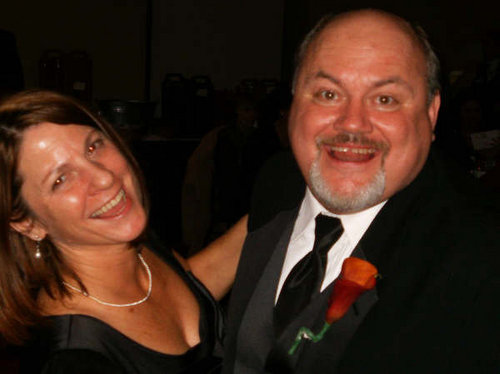
Retired Missions/Shepherding Pastor married to Bobbi, got 10 grandkidz. MS in Biochemistry, was chemist/environmental scientist. Best bench 410 lbs.
Joined March 2012
- Tweets 169,728
- Following 1,057
- Followers 1,786
- Likes 134,750
423 Photos and videos

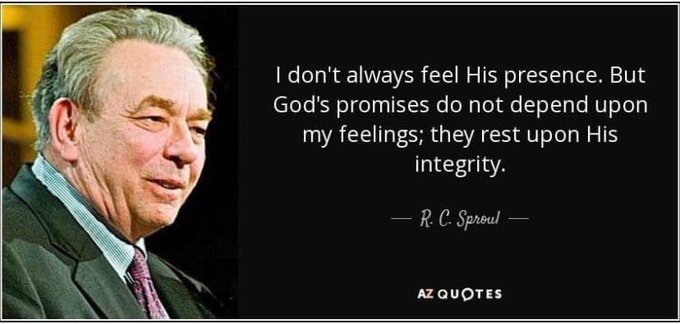







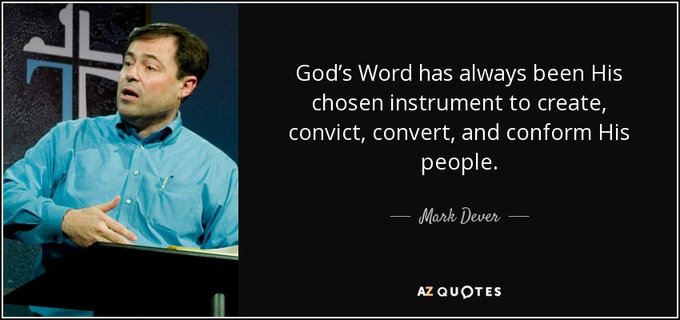



Raymant Glinski Jr retweeted

“The fear of the Lord is the beginning of wisdom, and the knowledge of the Holy One is understanding." — Proverbs 9:10
"But grow in the grace and knowledge of our Lord and Savior Jesus Christ. To him be the glory both now and to the day of eternity. Amen." — 2 Peter 3:18
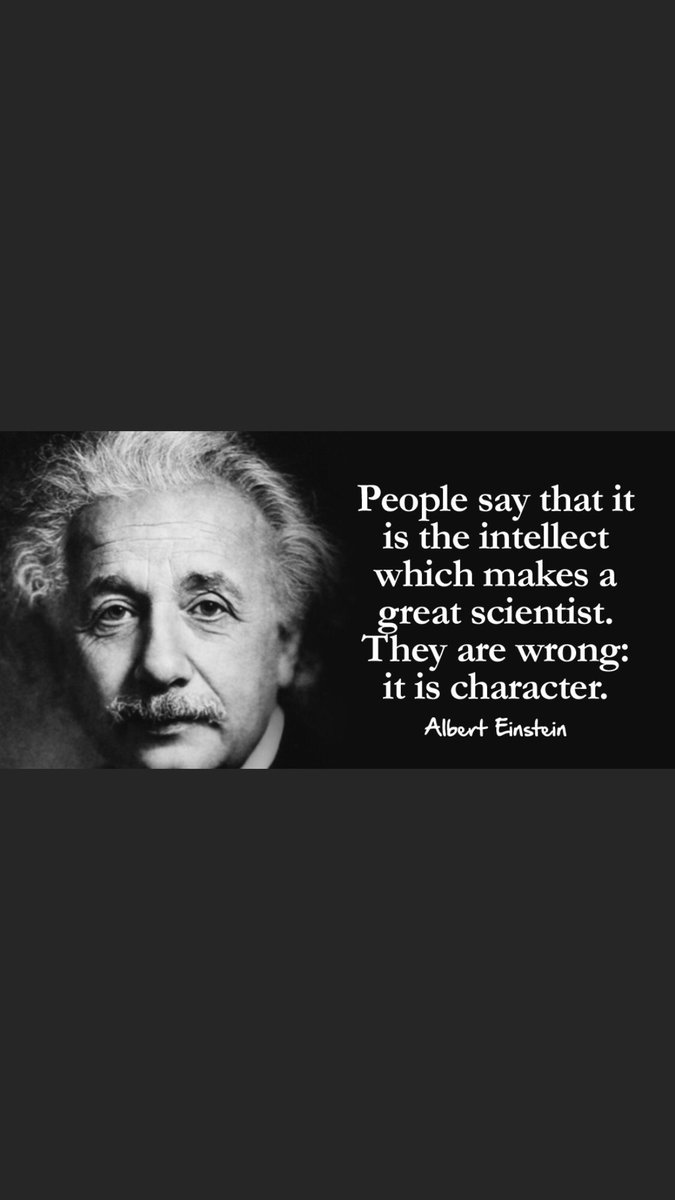
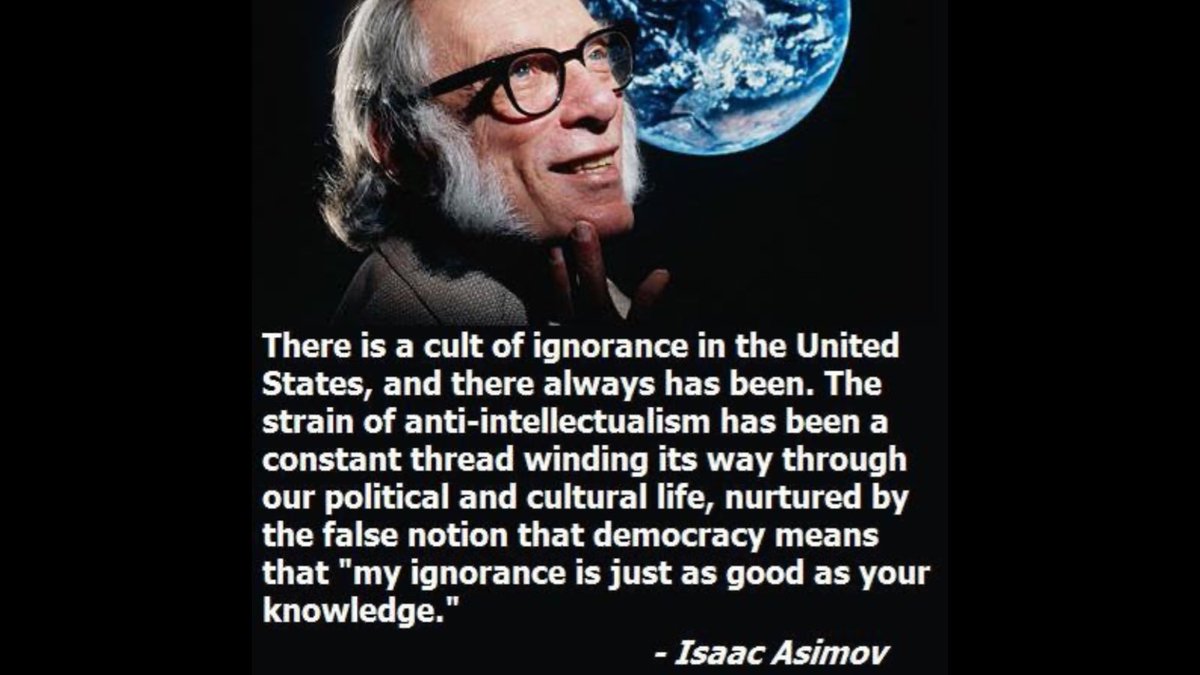
1
1
11

Raymant Glinski Jr retweeted

Knowing God is your single greatest privilege as a Christian.
Sinclair Ferguson
4
22
210
2,726
Raymant Glinski Jr retweeted

Elon Musk: There are no lords and peasants at Tesla. Everyone eats at the same table.
“I actually know the people on the line, because I worked on the line, I walked the line, I slept in the factory, and I worked beside them. So, I'm no stranger to them.
There are many people at Tesla who have gone from working on the line to being in senior management. There are no lords and peasants. Everyone eats at the same table. Everyone parks in the same parking lot.
At GM, there's a special elevator only for senior executives. We have no such thing at Tesla.
We give everyone stock options. Many people who are just working the line, who didn't even know what stocks were, we've made them millionaires.
And I just want to say that I'm incredibly appreciative of those who build the cars, and they know it.”
New York Times DealBook Summit, 2023
388
7,549
50,912
1,664,503
Raymant Glinski Jr retweeted

"The idea of a female pastor or preacher is a total violation of the word of God and brings profound injury to the Church."
—Jonny Ardavanis
25
36
182
4,727
Raymant Glinski Jr retweeted

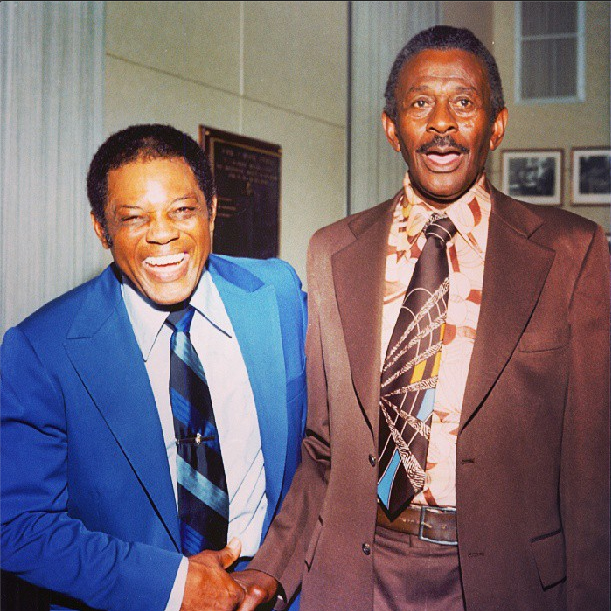
"Satchel Paige had a very, very good fastball......
But the first time I faced Satchel, he threw me a little breaking ball, just to see what I could do, and I hit it off the top of the fence.
I got a double.
When I got to second, Satchel told the third baseman:
'Let me know when that little boy comes back up.'
Three innings later, I go to kneel down in the on-deck circle, and I hear the third baseman say:
'There he is.'
Satch looked at the third baseman, and then he looked at me.
I walk halfway to home plate and he says:
'Little boy.'
I say, 'Yes, sir?' because Satch was much older than I am, so I was trying to show respect.
He walked halfway to home plate and said:
'Little boy, I'm not going to trick you.
I'm going to throw you three fastballs and you're going to go sit down' and I'm saying in my mind:
'I DOOON'T THINK SOOOOOO.
If he threw me three of the same pitch, I'm going to hit it somewhere.
I turned to the catcher and asked:
“What does he mean?”
Catcher told me:
“He’s going to throw you three fast balls.
Nothing else.”
He threw me two fastballs and I just swung.....
I swung right through it.....
And the third ball he threw, and I tell people this all the time, he threw the ball and as he let go he said:
'Go sit down.'
This is while the ball was in the air.
Yes, he struck me out with three pitches.
He was just magnificent."
17 year old Willie Mays facing Satchel Paige for the first time.
39
367
3,115
86,143

Raymant Glinski Jr retweeted

Jun 12
autonomous robot driving through the field at night. no chemicals. no pesticides. just UV light killing pathogens and pests while everyone sleeps. this is @tricrobotics.
this is what chemical-free pest control looks like at scale.
1,082
8,472
48,615
3,380,475
Raymant Glinski Jr retweeted

"I don't think I'm going to heaven as a man. I don't think I'm going to look at Jesus and I don't think He's going to see a man. I think He's going to see the girl that He made."
Haley Furst spent years identifying as a man and embracing a transgender identity. But after a coworker faithfully shared the gospel with her, her heart softened to the truth, she put her faith in Christ and surrendered her life to Him.
Today, Haley is living as the woman God created her to be and sharing how Jesus redeemed and transformed her life.
36
392
3,606
103,471
Raymant Glinski Jr retweeted

Jun 13
🚨 BREAKING:
THIS GUY MIGRATED TO THE U.S. FROM MEXICO AND WORKED AS A WELDER AT SPACEX
HE RECEIVED $10,000 IN STOCK AND WAS PAID $28/HOUR FOR 10 YEARS
AFTER IPO HIS $SPCX STAKE IS WORTH AROUND $1,000,000
HE IS ONE OF 4,400 EMPLOYEES WHO BECAME MILLIONAIRES TODAY!!
677
4,821
38,971
1,579,277
Raymant Glinski Jr retweeted
"God commands all men everywhere to repent."
—Acts 17:30 ✝️📖

22
86
292
3,235
Raymant Glinski Jr retweeted

Five Indian nationals ran a horrific human sex trafficking ring in Nebraska.
Authorities rescued 27 victims, including 10 children under 12, from cockroach-infested motels and eyebrow salons. The victims endured sex trafficking, exploitation, and squalor.
The names of the criminals are:
Kentakumar Chaudhari, Rashmi Ajit Samani, Amit Prahladbhai Chaudhari, Amit Babubhai Chaudhari, and Maheshkumar Chaudhari.
They’ve been charged with conspiracy to engage in labor & sex trafficking.
dhs.gov/news/2025/08/18/icym…
503
5,371
9,857
180,921

🔥 BRANDON GILL JUST WENT NUCLEAR ON ILHAN OMAR
Freshman congressman Brandon Gill meets Ilhan Omar on the House Budget Committee.
She storms up to him, screaming curse words and vulgarities because he tweeted that America would be better off if Ilhan Omar were deported. (LOVE IT)
Gill just stands there, takes it all in, and the only thing running through his head is.....man....
“Do you kiss your brother with that mouth?” 😂😂😂
This Is the Energy
✅ No fake smiles.
✅ No “respect the institution.”
✅ Straight savage truth to the face of the Squad’s favorite jihadi sympathizer.
Ilhan Omar can scream all she wants.
The American people are done pretending these clowns are normal.
Brandon Gill is only getting started. 🇺🇸🔥
578
9,131
37,732
461,269


Raymant Glinski Jr retweeted

1/2 🧵
The only thing more dangerous than a radical ideology is a political class too cowardly to name it. Rubio named it. Now watch them try to destroy him for it.
🚨 Rubio Said the Quiet Part Out Loud — And the World Just Had a Seizure
They want you to apologize for noticing.
Marco Rubio — Secretary of State, standing at the podium of American power — spoke a sequence of words so plainly true that the entire global opinion-manufacturing complex immediately went into anaphylactic shock.
Here's what he actually said:
Radical Islam doesn't want a small caliphate in Iraq or Syria. They see the United States as the greatest evil on Earth. They seek to dominate the entire West. It's revolutionary. It wants endless expansion, terrorism, assassinations, and total control.
And then — this is the part that broke them — he connected the dots to American soil.
Orlando. Pensacola. The domestic attacks that the legacy press memory-holed within 72 hours because the perpetrators' ideological motives were inconvenient to the narrative.
The reaction from certain quarters was instantaneous and predictable: outrage, demands for retraction, the usual theater of performative offense. But here's the question nobody in the professional pundit class wants to answer:
Which word, exactly, was wrong?
Was it "radical"? Because the guys waving black flags and throwing gay people off buildings seem pretty comfortable with the label.
Was it "Islam"? Because they sure as hell invoke it. Loudly. Repeatedly. In 4K video.
Was it "revolutionary"? Read Hasan al-Banna. Read Sayyid Qutb's Milestones. This isn't a fringe interpretation — it's the founding political theology of the Muslim Brotherhood, the ideological grandfather of Hamas, al-Qaeda, ISIS, and every jihadist franchise that's metastasized across six continents since 1979.
The playbook is explicit:
1Dawa — proselytization and demographic expansion
2Hijra — migration into target societies
3Jihad — when conditions are ripe, kinetic action
This isn't a conspiracy. It's published. It's taught. It's celebrated on Telegram channels with six-figure subscriber counts.
And the West's response for forty years has been to pretend not to see it while funding the very regimes that export it.
Rubio committed the unforgivable sin of naming the enemy. In an era where the foreign policy establishment prefers euphemisms like "violent extremism" and "overseas contingency operations," he used words that actually mean something.
The fury isn't about inaccuracy.
The fury is about accuracy without permission.
Why This Matters More Than Any Previous Speech
Because this isn't 2002. We've now lived through:
•The ISIS caliphate (which wasn't supposed to exist — until it did)
•The Taliban retaking Afghanistan in 10 days flat
•Hamas's October 7th massacre, livestreamed by the perpetrators
•The Houthis shutting down global shipping lanes from a sandpit
•The resurgence of al-Shabaab across the Horn of Africa
•Iran's network of proxies stretching from Beirut to Baghdad to Sana'a — now actively at war with American forces
And domestically? The FBI's own numbers show a consistent, non-random pattern of jihadist-inspired attacks on U.S. soil that the media covers with the enthusiasm of someone burying a body.
Rubio didn't say anything new.
He said something old — something that's been true for decades — but he said it from the podium of the State Department instead of from a think tank panel nobody watches.
That's the difference.
That's why they're panicking.
The Real Divide
The split isn't between "Islamophobes" and "tolerant people."
The split is between:
•People who believe ideas have consequences — and that a totalitarian political ideology dressed in theological language is still a totalitarian political ideology.
•People who believe words are magic — and that if we just stop talking about the problem, the problem will politely cease to exist.
45
672
1,795
39,348

Austin, TX is a despicable cesspool.

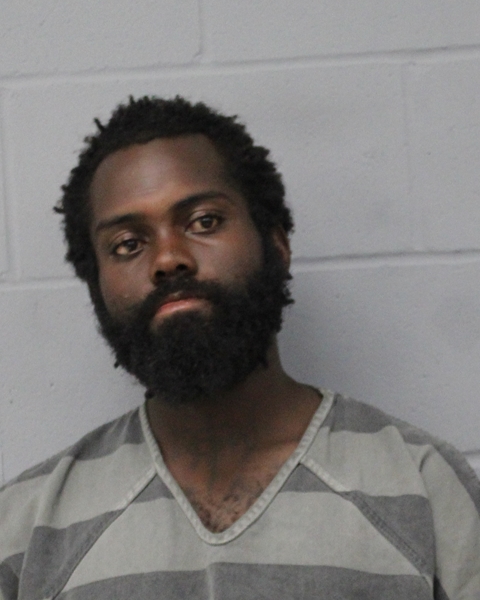
The University of Texas at Austin has become a breeding ground for vagrants who get off on masturbating in front of women, and the victims are getting no help from the DA.
In September, a repeated offender named Patrick Sweeney ran across campus naked, chased female joggers, and masturbated in a parking lot beside the LBJ Library before hiding from police in a port-a-potty.
This week, Octavius Brown -- a registered sex offender with multiple prior indecent exposure convictions -- broke into three West Campus apartments in one morning, masturbated in front of residents, and strangled a woman who woke to find him in her room until she gouged his eye and beat him off with a fan.
Brown was out on a five-year probation deal for felony indecent exposure in the same neighborhood.
Both men were caught again and again, and released again and again by DA José Garza's office.
At UT-Austin, running from and fighting off mentally ill public masturbators has become a basic survival skill.

11
Raymant Glinski Jr retweeted

17h
Los musulmanes de toda Europa están conmocionados tras la histórica y valiente decisión de Suecia: dejará de usar el término «islamofobia», acuñado por los Hermanos Musulmanes, por considerarlo un concepto manipulado políticamente para silenciar las críticas al islam.
La ministra de Asuntos Exteriores sueca, Maria Malmer Stenergard, anunció que su gobierno presionará a la Unión Europea y a las Naciones Unidas para que dejen de usar este término fraudulento.
El concepto de «islamofobia» fue diseñado deliberadamente para equiparar la crítica legítima a la doctrina islámica con el racismo. Se utilizó como arma para silenciar el debate sobre textos islámicos fundamentales que contienen mandamientos para hacer la guerra, violar y someter a los no musulmanes.
Suecia acaba de reconocer lo que millones de europeos ya saben: criticar una religión que abiertamente llama al asesinato y la esclavitud sexual de los no creyentes no es una fobia, sino sentido común y autoconservación.
Esto supone un duro golpe para el lobby islamista en toda Europa.
¿Estás de acuerdo con la decisión de Suecia?
804
8,263
26,226
418,126
Raymant Glinski Jr retweeted
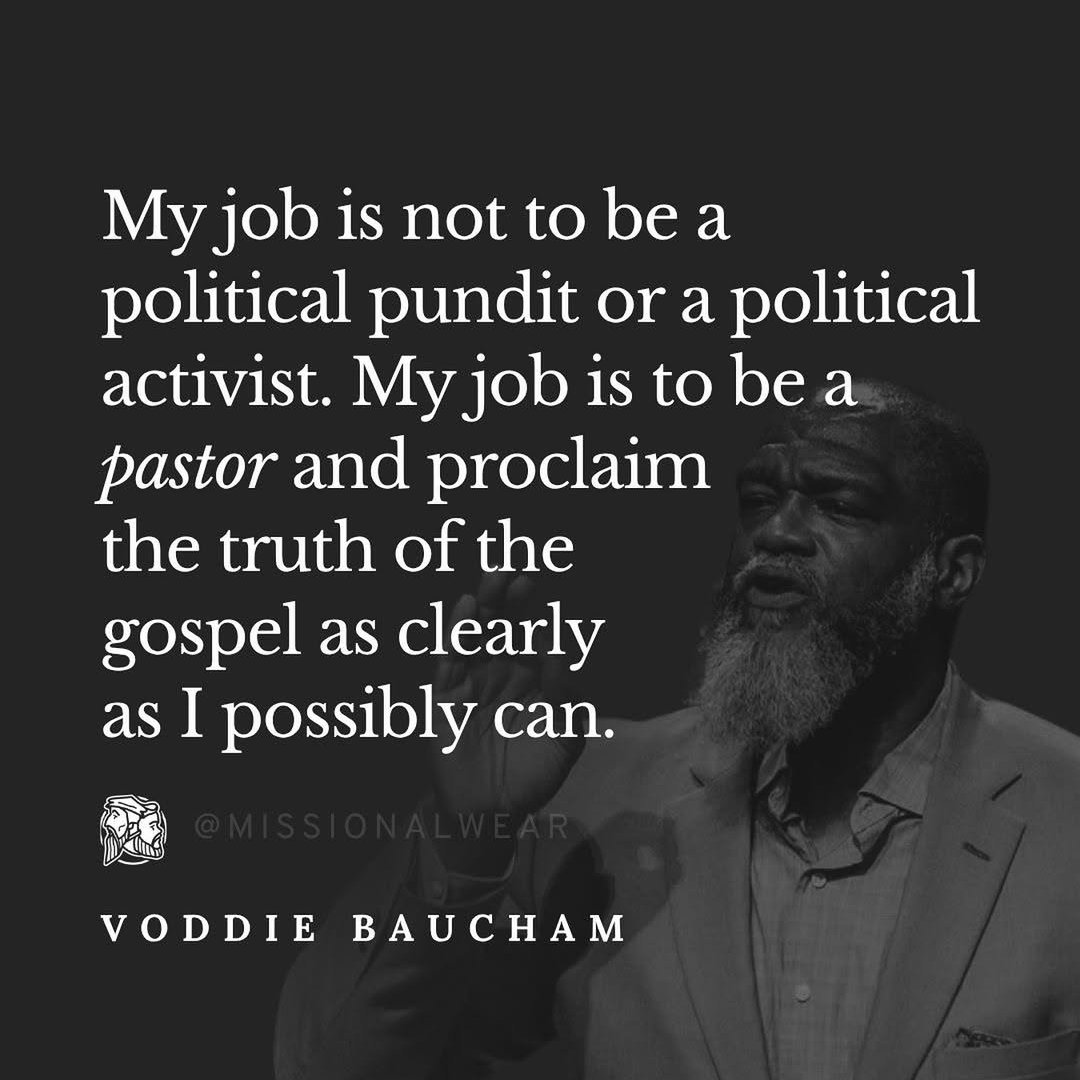
This is the primary job of a pastor! 💯
13
19
97
1,280
Raymant Glinski Jr retweeted

This is Afghanistan under Taliban rule.
A young girl sobs and begs not to be sold, but her father sells her anyway — just to pay off his debts.
This is modern-day slavery. Pure horror.
Where are the women’s rights organizations?
Where are the human rights activists?
Nowhere to be found.
Shame. Hypocrisy. Cowardice.
499
4,632
9,473
145,056
Raymant Glinski Jr retweeted

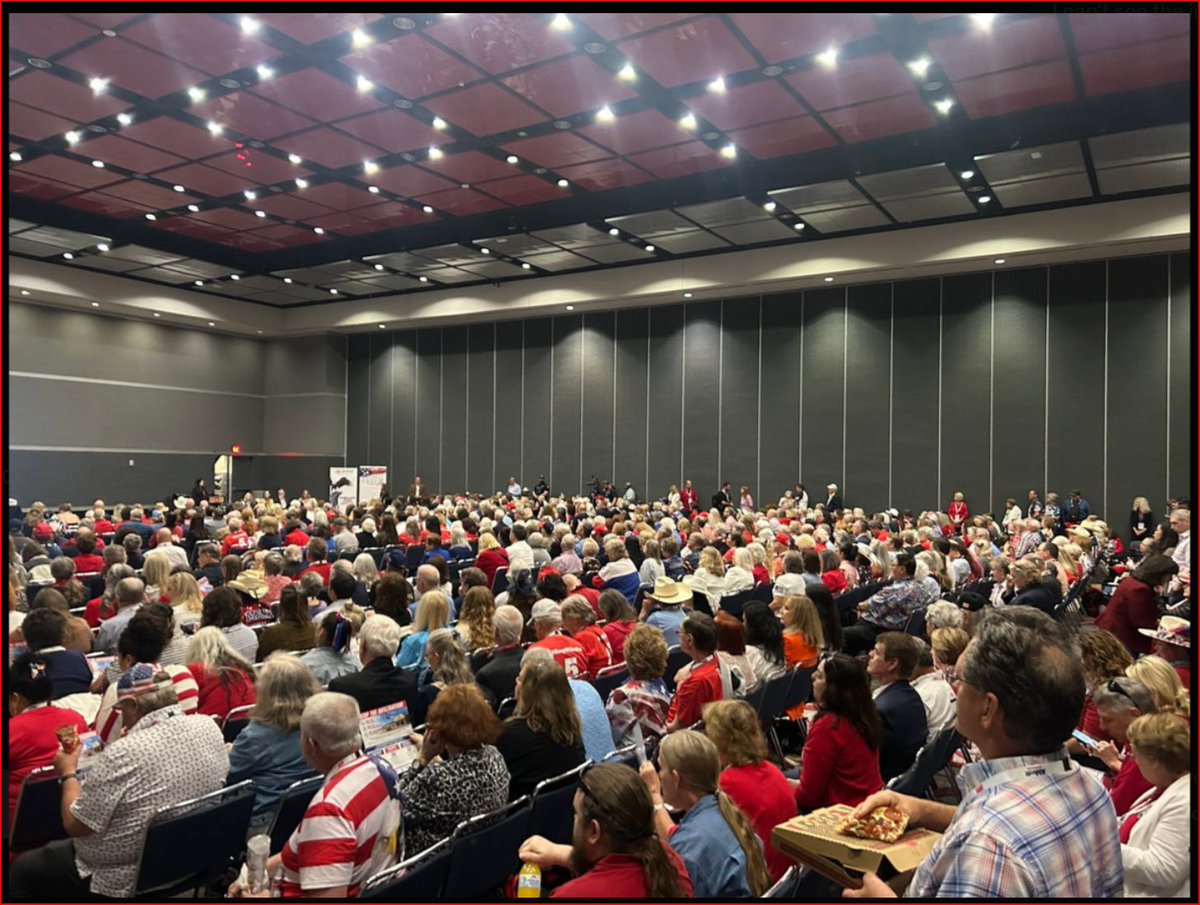
TEXAS IS WIDE AWAKE
Standing room only.
Every seat filled. People lined the walls. Overflow spilling into the aisles.
Hundreds showed up for a lunch and learn on Sharia law right here in Texas.
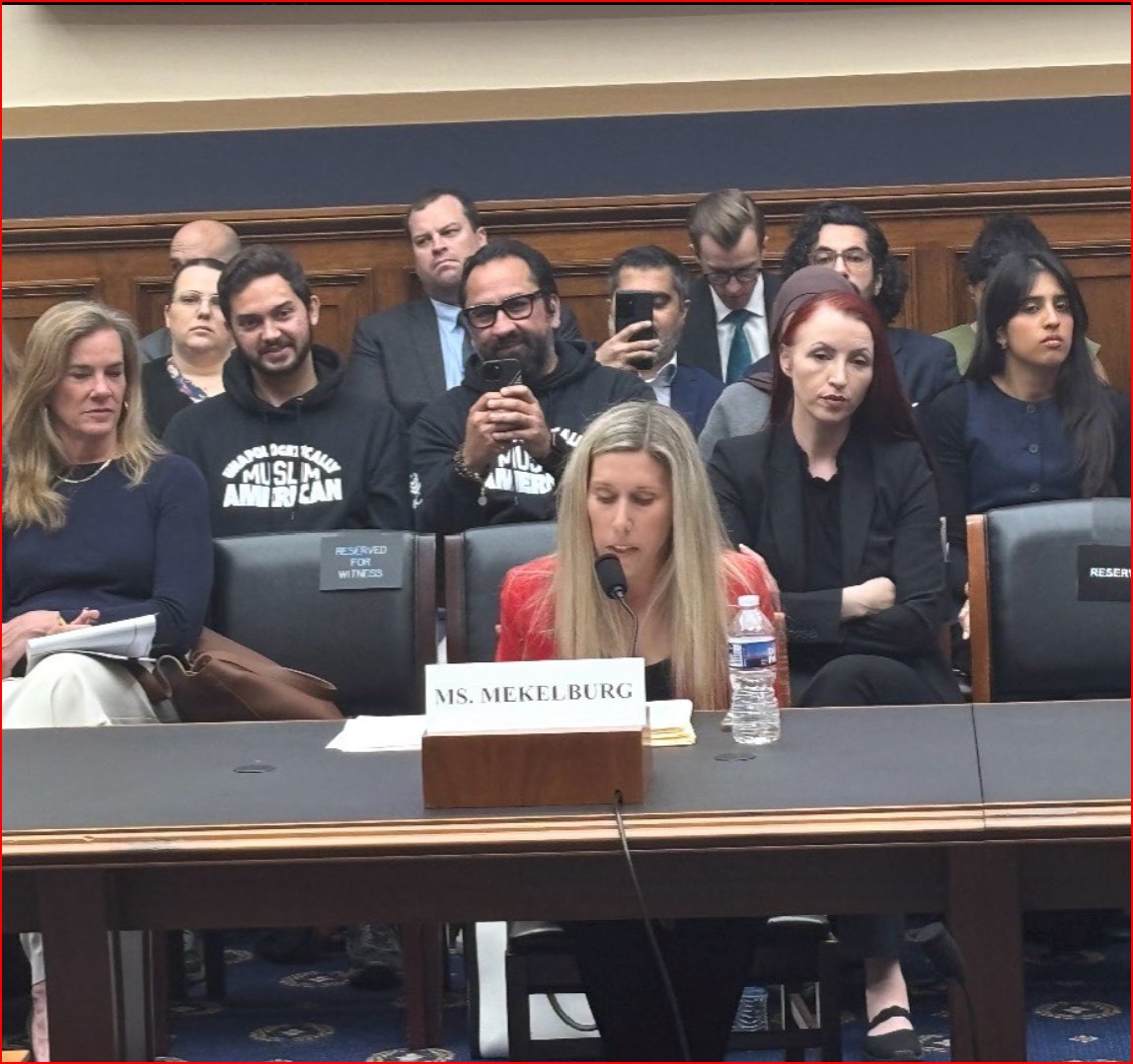
Amy Mek stood with Congressman Chip Roy, Rep. Keith Self, and State Rep. Brent Money.
They are building the Sharia Free Texas push to keep one American law for all.
Here is the honest truth.
Sharia operates as a complete parallel system covering marriage, inheritance, crime, and rights that directly conflicts with constitutional equality and due process.
Texas lawmakers are drawing a hard line with a growing caucus to stop any foothold.
America built its strength on one set of rules applied equally no matter your background or belief.
Europe’s experiment with accommodations has delivered no go zones, parallel courts, and growing division.
Texans packed that room because they refuse to repeat those mistakes.
How many more cities need to see this reality before the rest of America acts?
225
2,626
6,334
48,288