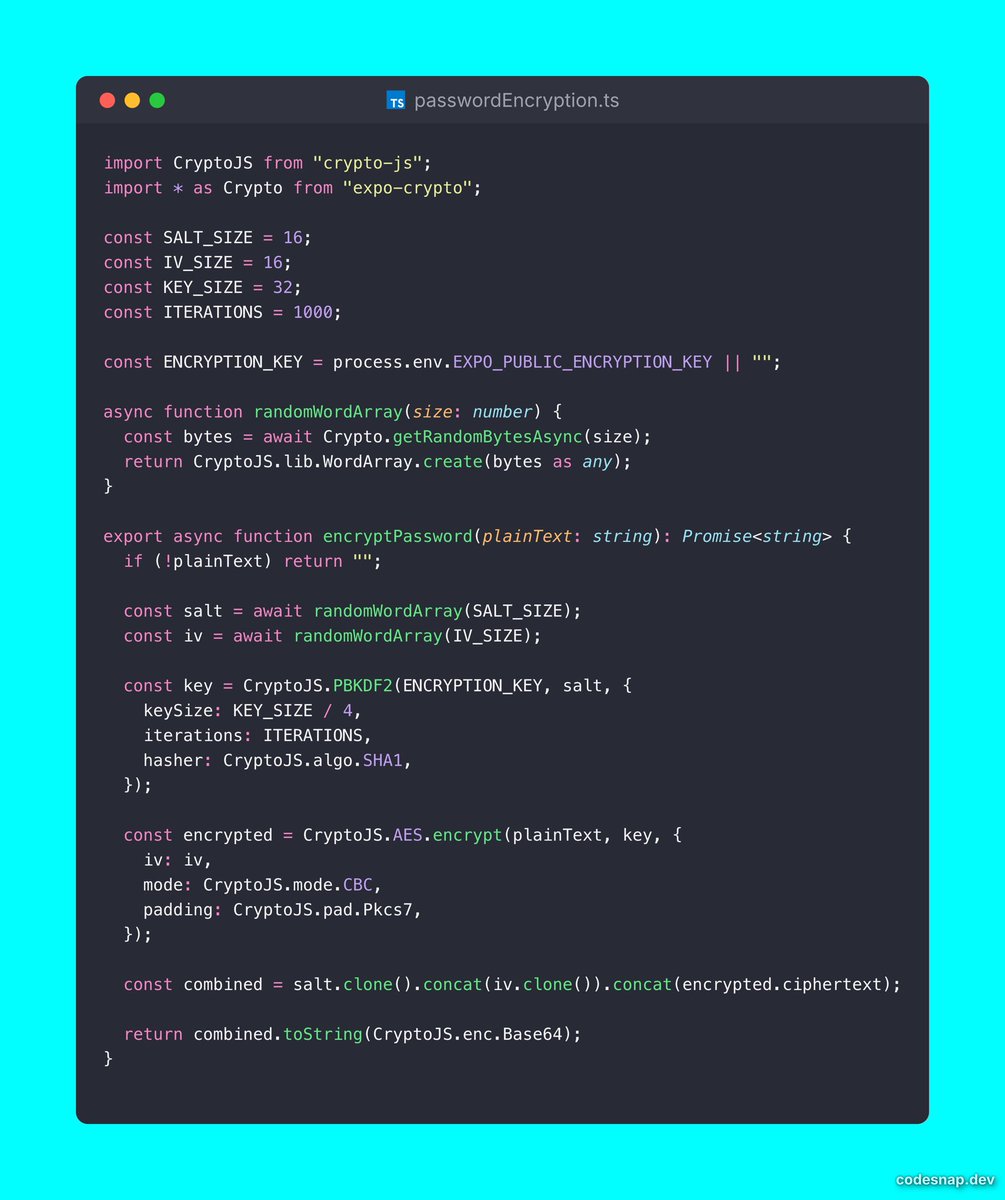
This is a standard practice for almost all Tier-1 banking applications in Nigeria, and for some fintech applications I’ve previously performed pentests on.
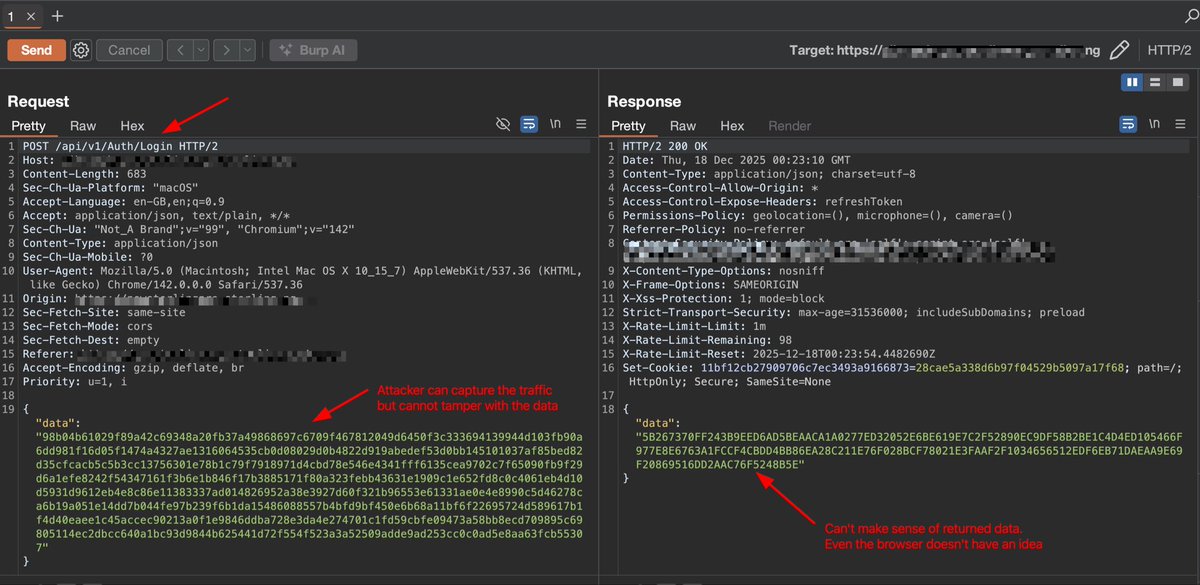
Client-side encryption isn’t a total waste, or a waste of compute, as some people have claimed, but rather a measure to protect against API tampering or API request/response manipulation between the client and the server when implemented properly.
Even with HTTPS, attackers can capture a decrypted version of web or mobile API data in transit because the browser and the server establish a level of trust during the TLS handshake. Attackers can leverage this trust to capture & proxy already-decrypted traffic, tamper with it, and then forward it to the server. This allows them to override what the user interface or client is originally supposed to send and replace it with data of their choosing.
That is why validation needs to be performed on both the client and the server side.
To wrap up, encrypting API requests and responses makes it significantly harder for attackers to tamper with data, even if they capture the traffic, unless they have access to the encryption details (algorithm, encryption mode, key size, secret key, and initialization vector), assuming asymmetric encryption is used.
In the demo below, you can see how I discovered additional parameters (balance, is_admin) in the API response, captured the registration API request, despite it being sent over HTTPS from the interface, added the discovered parameters, and successfully inflated my balance to 50 billion and also escalated my privileges to admin, and ultimately deleted the accounts of two live users/customers.
In the second slide, I captured an API traffic of a bank app, and you can see how difficult the payloads are to read.
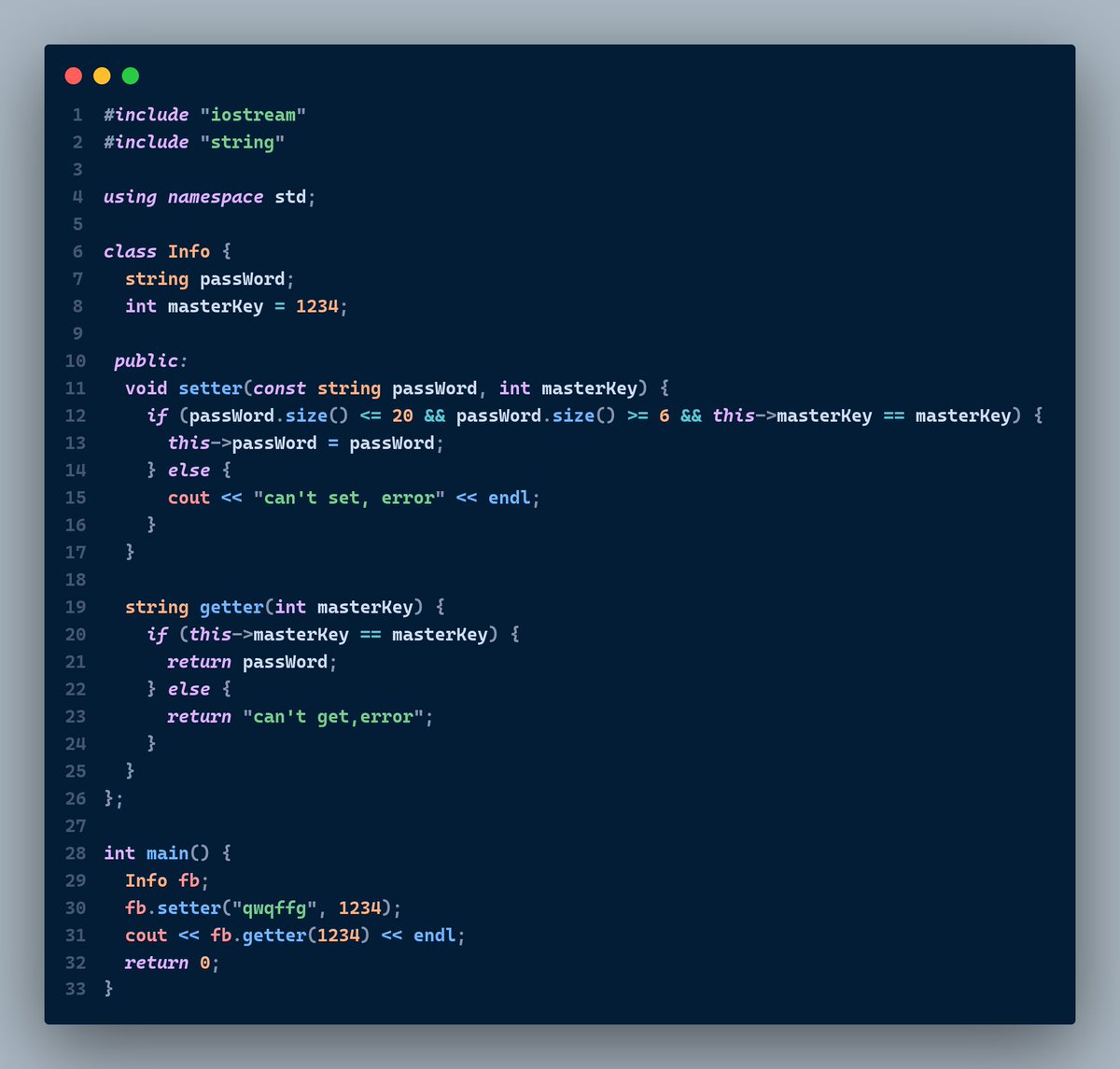
Never thought encrypting your password before sending to your backend was a thing until 2 days ago