
Medical Laboratory Technologist. Member of @maldivesHPU
Joined April 2019
- Tweets 208
- Following 120
- Followers 98
- Likes 1,462
Photos and videos
Fathimath Rishmee retweeted

Women power healthcare in the Maldives — but the system is failing them. This Women’s Day, the message is clear: to gain a stronger health system, we must give women healthcare workers the support they deserve. It’s time for real reforms.
#internationalwomensday2026 #GivetoGain #Decentwork #qualitycare
@PSIasiapacific @governmentmv @MoHEmv @MoHmv @presidencymv @MMuizzu @MvSpokesperson @MoFmv @MoosaZameer @hrcmv @ILOColombo @cscmaldives
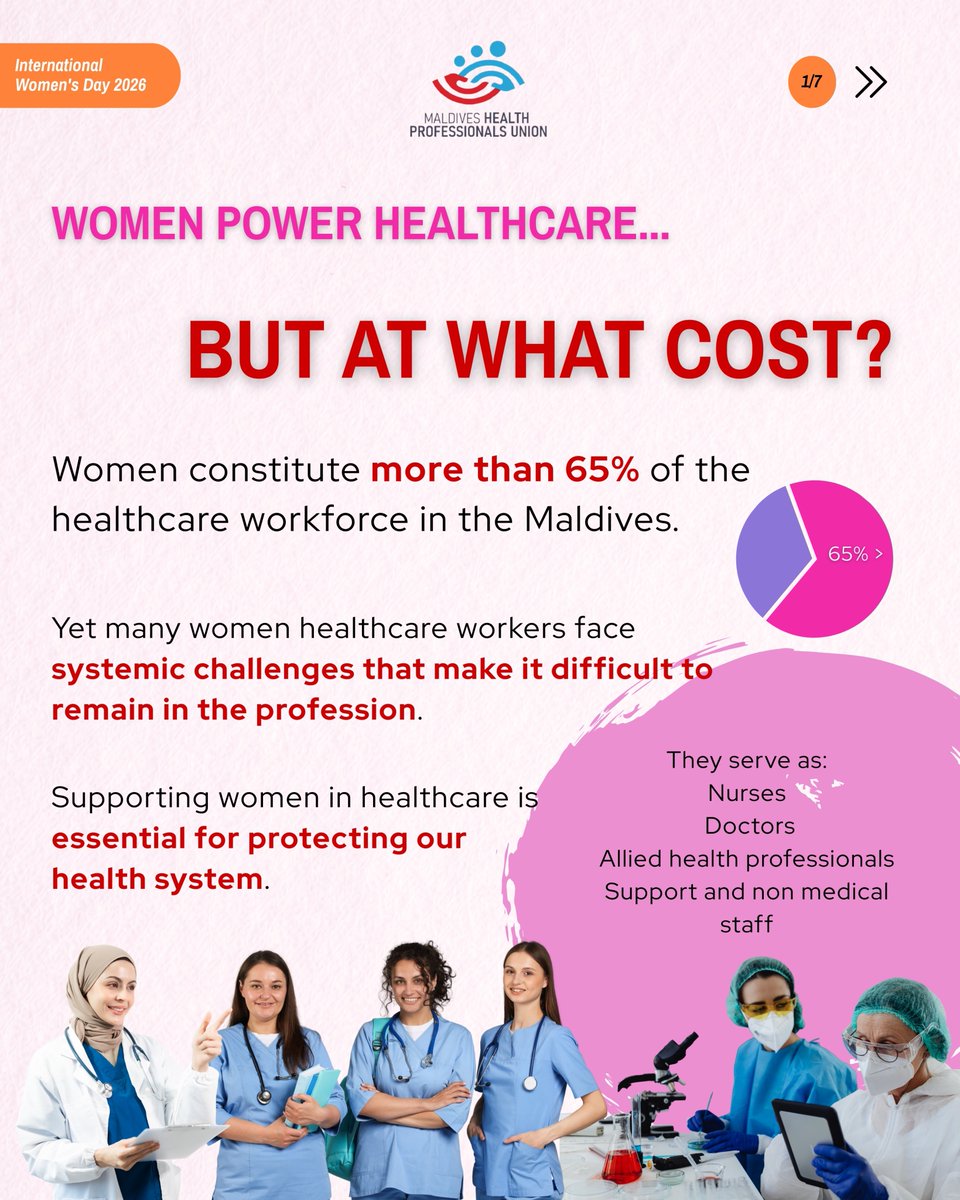
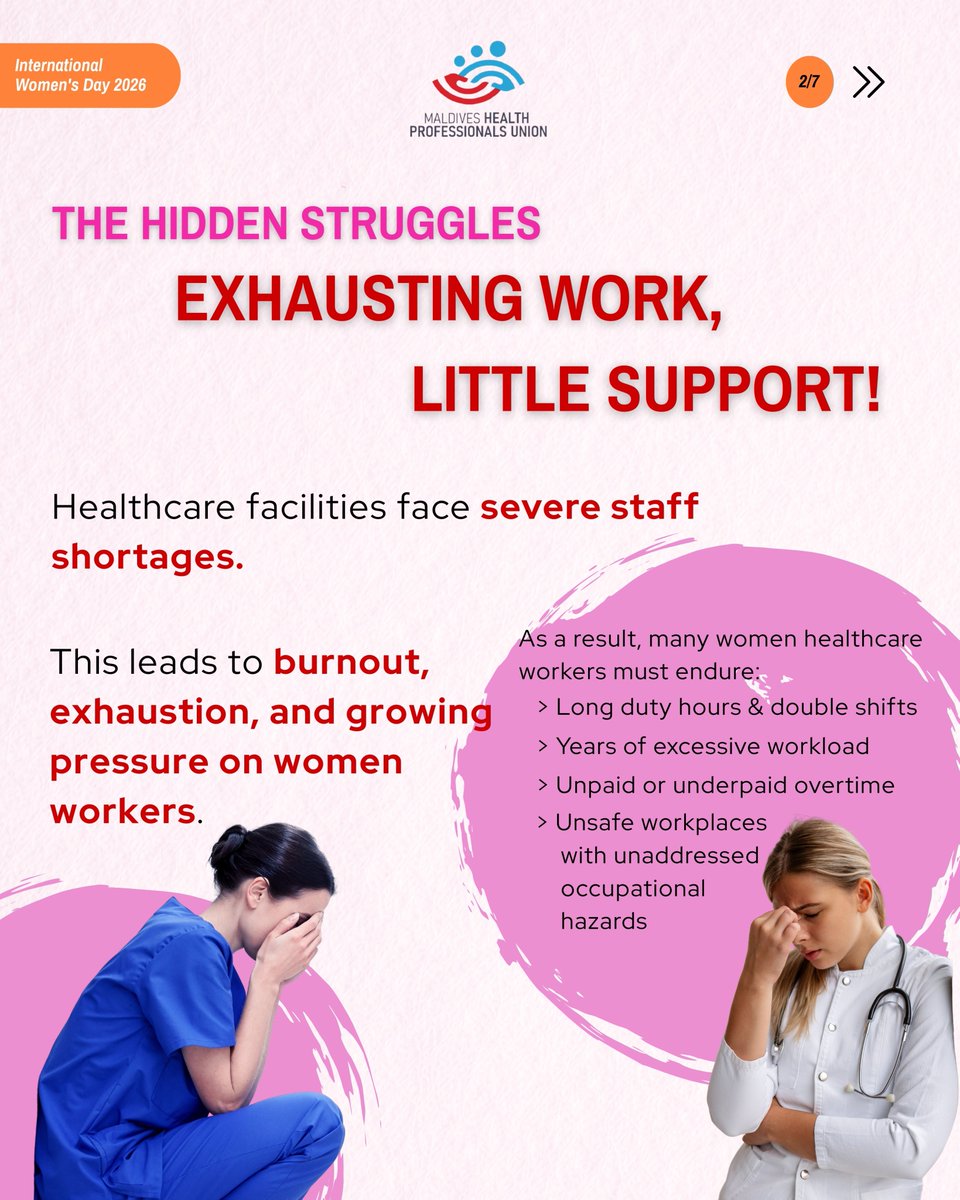
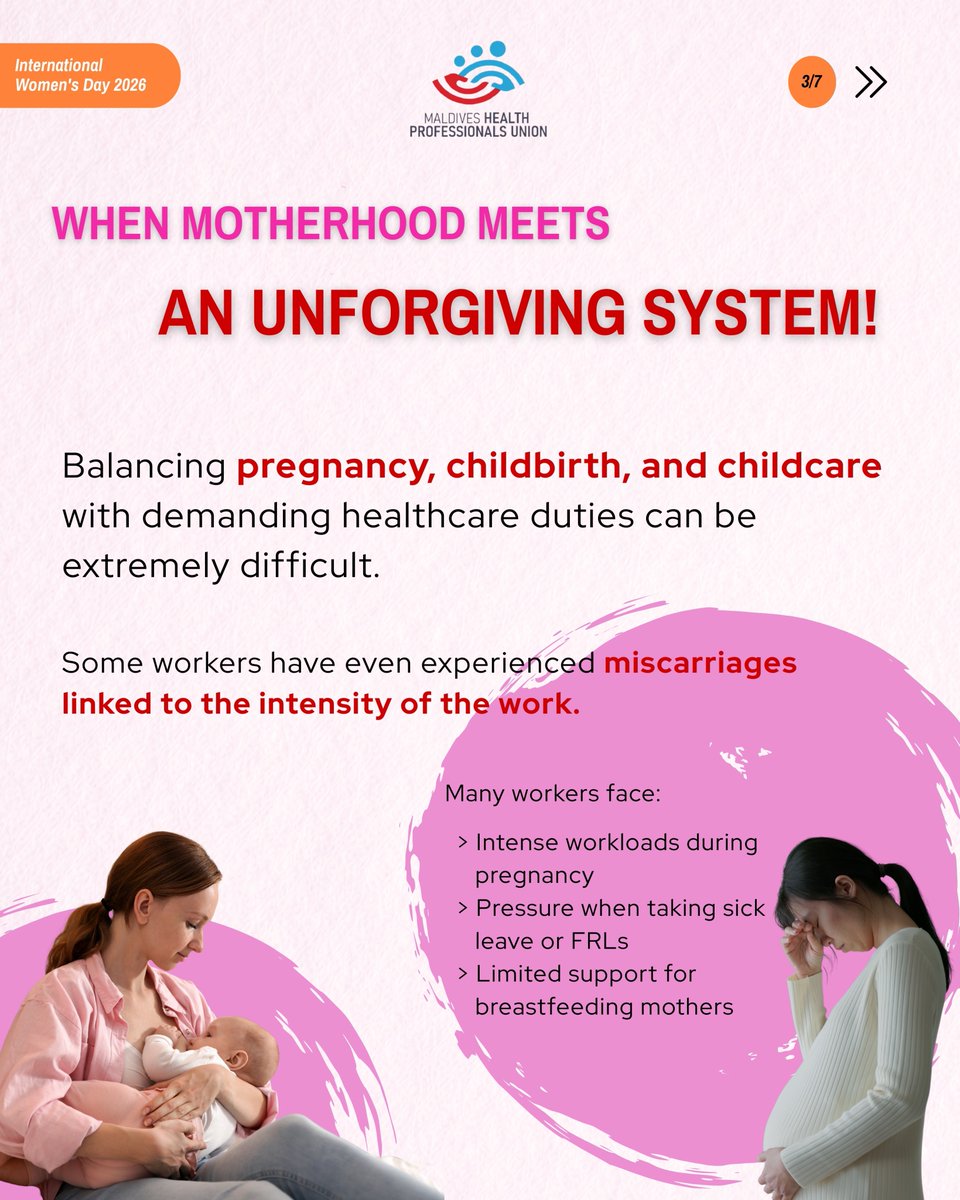
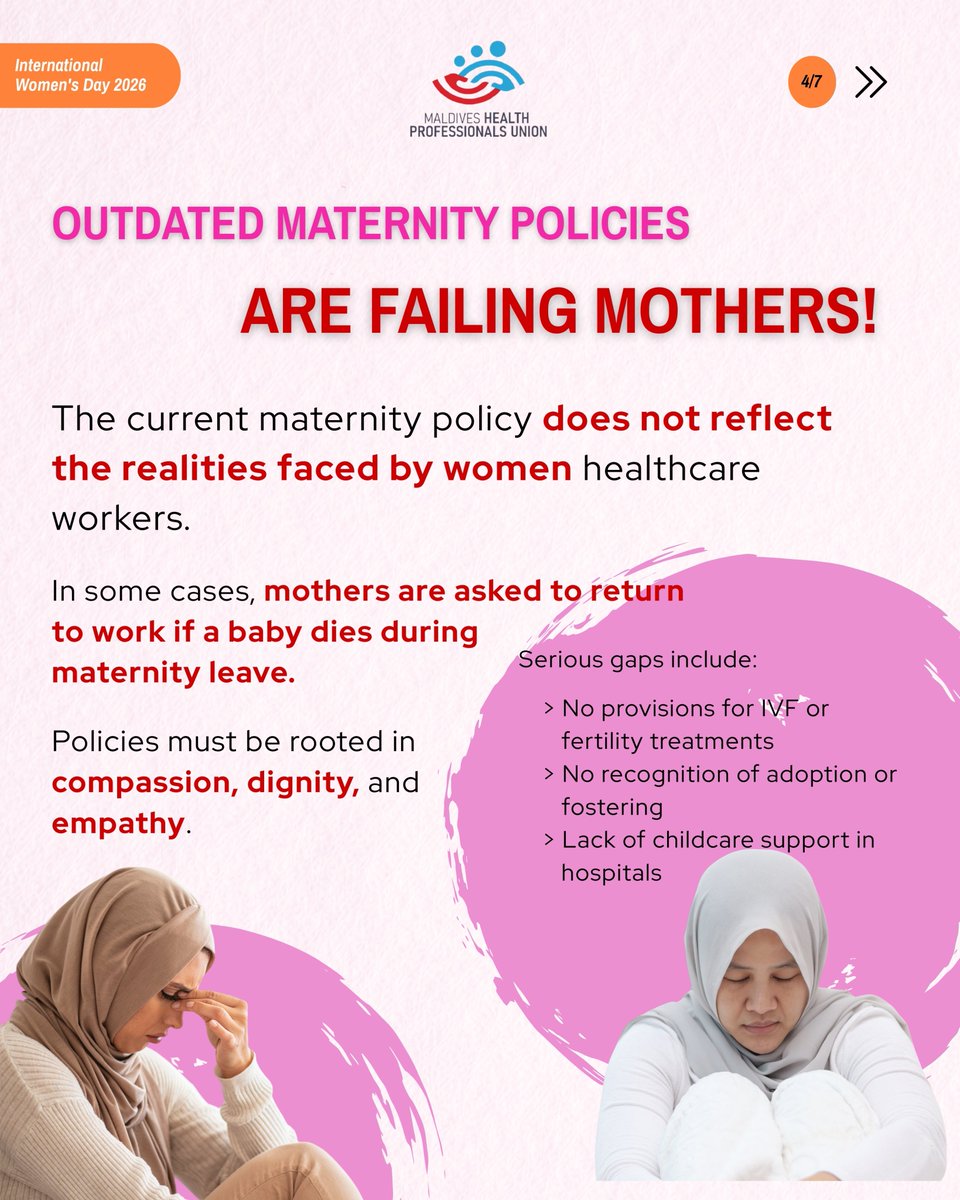
1
10
11
354
Fathimath Rishmee retweeted
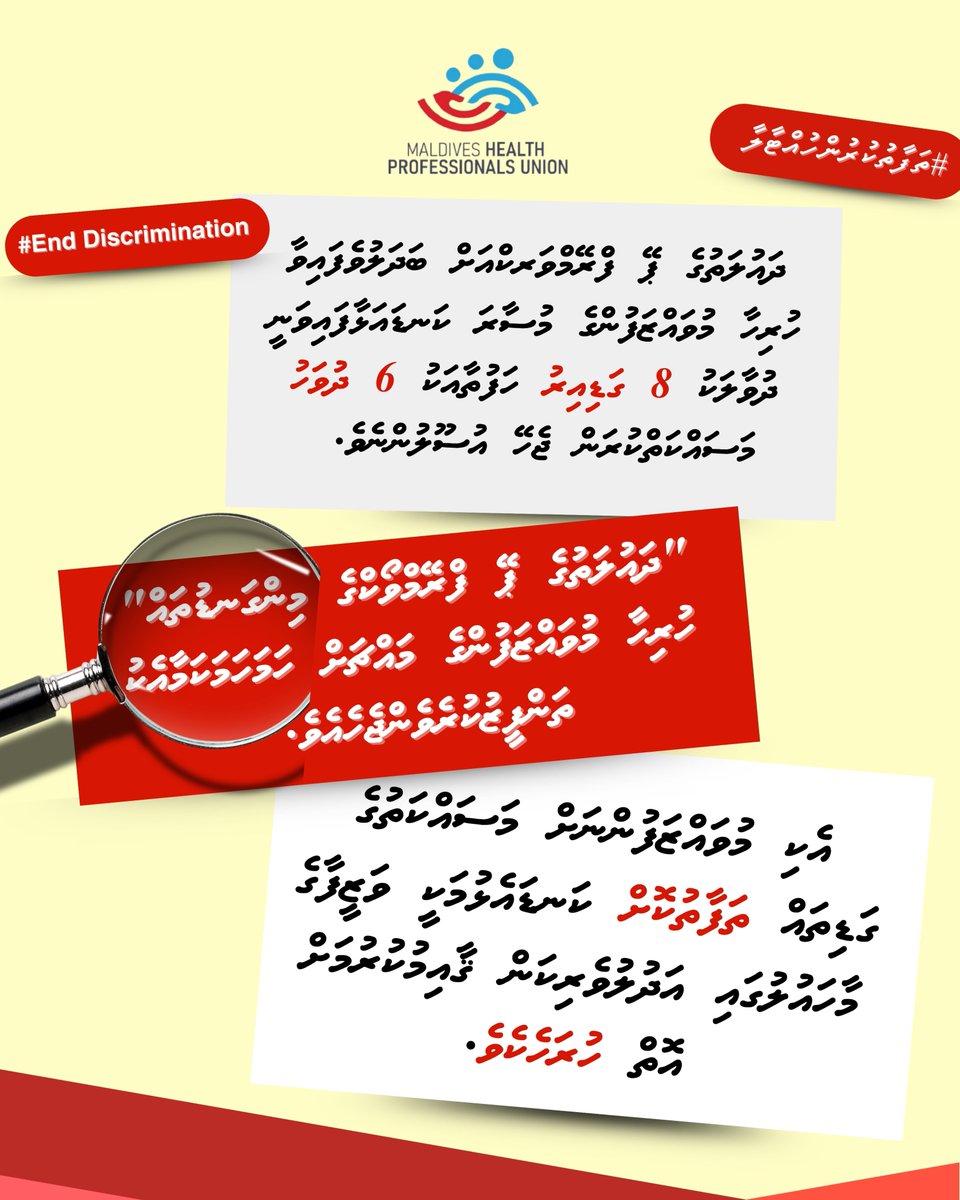
The salary for all employees in the National Pay Framework is structured based on a standard requirement of eight working hours per day and six days per week.
It is imperative that the standards established under the National Pay Framework are implemented uniformly and equitably to all employees
Assigning inconsistent working hours to different employees, in contradiction to these standards, serves as an impediment to ensuring fairness and justice in the workplaces.
#EndDiscrimination #DecentWork #QualityCare
@PSIasiapacific @governmentmv @MvSpokesperson @presidencymv @MMuizzu @MoFmv @MoosaZameer @MoHEmv @cscmaldives @igmhmv @HMH_mv @KRHmv @urh_mv @drasmhospital @aeh_mv @MoHmv
13
12
949
Fathimath Rishmee retweeted
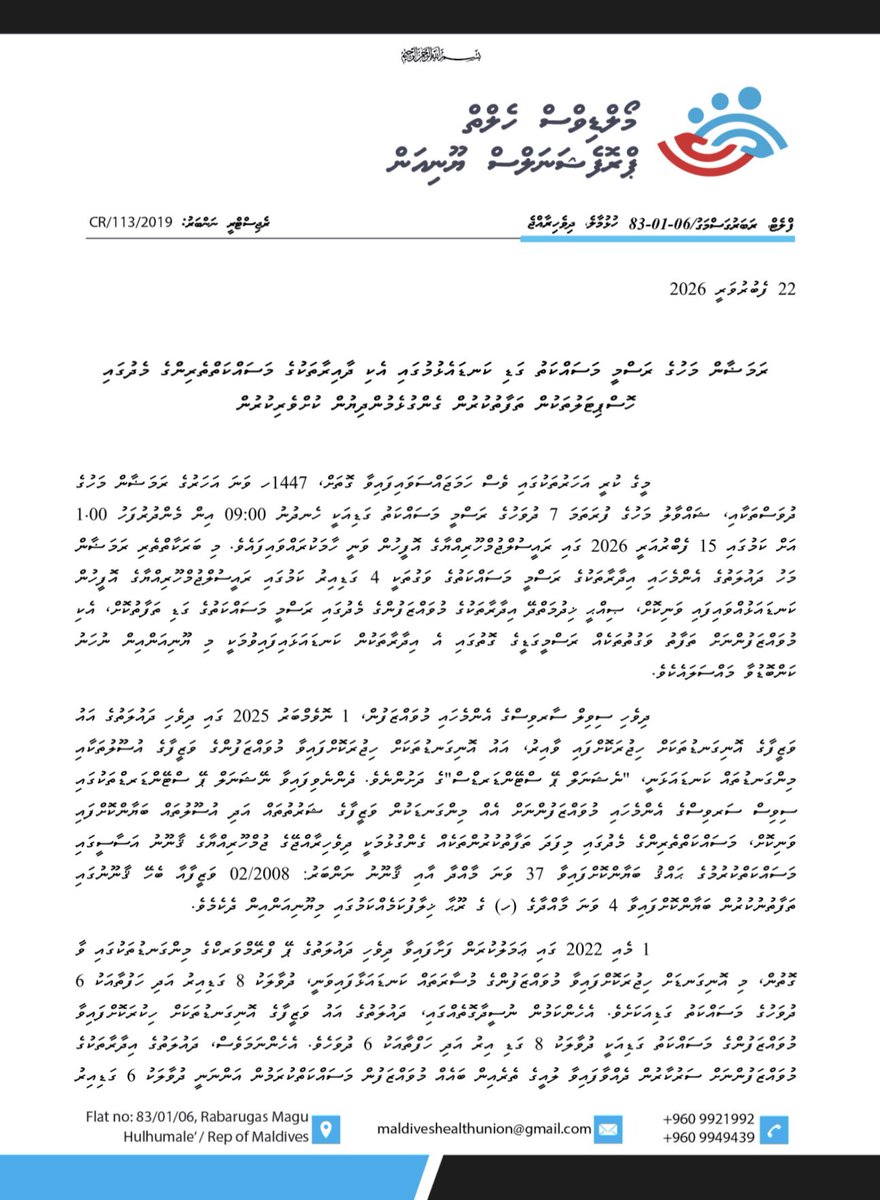
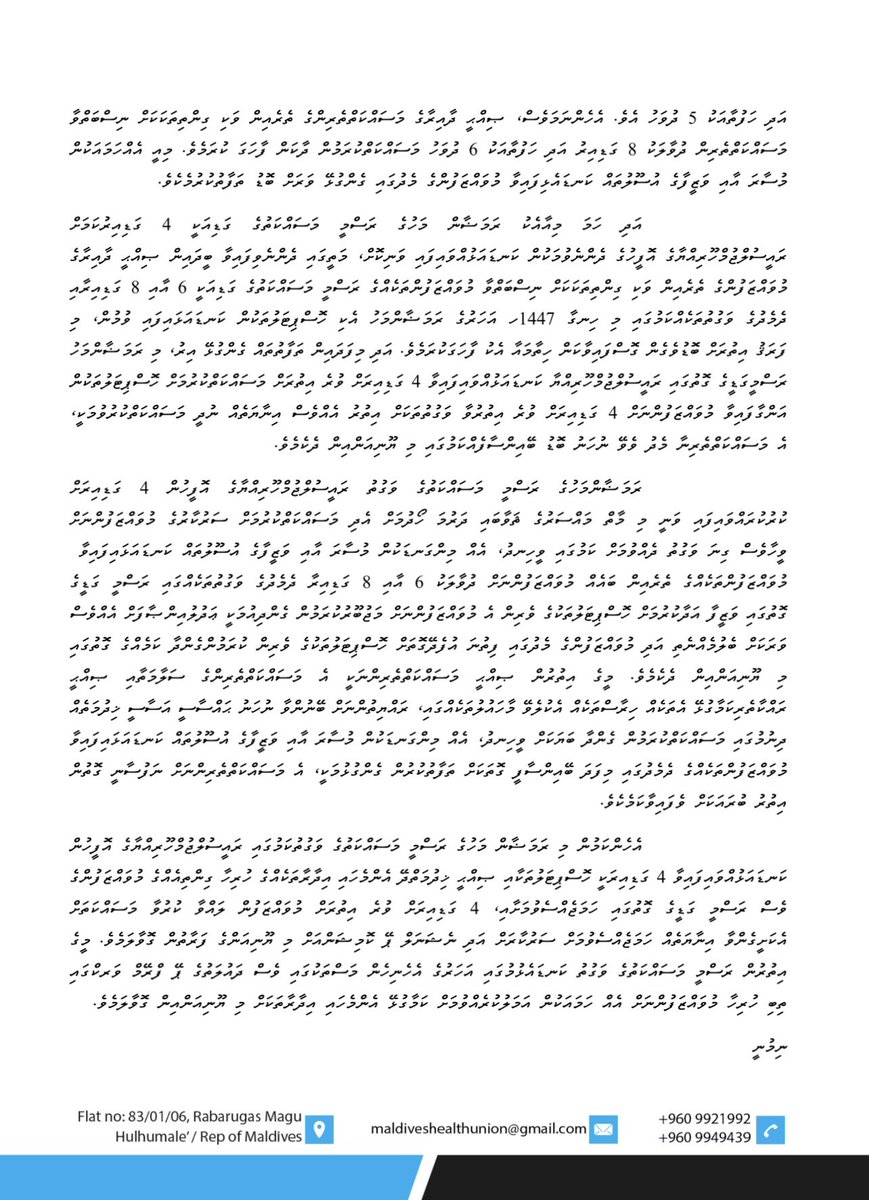
ރަމަޟާން މަހުގެ ރަސްމީ މަސައްކަތު ގަޑި ކަނޑައެޅުމުގައި އެކި ދާއިރާތަކުގެ މަސައްކަތްތެރިންގެ މެދުގައި ހޮސްޕިޓަލުތަކުން ތަފާތުކުރުން ގެންގުޅެމުންދިޔުން ކުށްވެރިކުރުން
@governmentmv @MoHEmv @MoHmv @MvSpokesperson @MMuizzu @MoFmv @MoosaZameer @igmhmv @HMH_mv @KRHmv @aeh_mv @drasmhospital @urh_mv
@AdhadhuMV @sunbrk @thiladhun @GaafuMv @NTVMaldives @Mihaarunews @sukunplay @MMTVmv @avasmv @raajjemv @cnm_mv @Dhaurunews @addulive
35
29
1,224
Fathimath Rishmee retweeted

18 Dec 2025
On the #InternationalMigrantsDay reflecting on this timely conversation.
Our population demographics are changing, as per the 2022 census data. 26 percent of our resident population represents migrants, from which 98 percent are migrants workers.
These numbers are projected to reach 50 percent of migrants making up our population by the year 2040,
Migrants are driving our economy, filling labor shortages in critical sectors(construction, tourism, agriculture).
The data is indicating that, majority of the migrants fill jobs in the informal forms of employment, making them subject to be pushed into precarious forms of employment and forced to work with very low wages and without adequate social protection provisions. This phenomena of increasing informality shows an upwards trend since the exclusion of migrants from the Minimum Wage Policy.
Despite the significant role played by migrants to their host communities, they continue to experience poorer health outcomes than host communities. The 2022 WHO report on the health of refugees and migrants highlight that Migrants face a myriad of challenges in accessing quality healthcare, such as insecure legal status, discrimination, cultural and language barriers, and financial and administrative obstacles. Ensuring their right to health requires strengthening health systems to be inclusive and responsive to their needs and is vital to achieving the UN Sustainable Development Goals 2030.
The health and wellbeing of our communities are determined by the health of our population, including the Migrant population.
9 Dec 2025

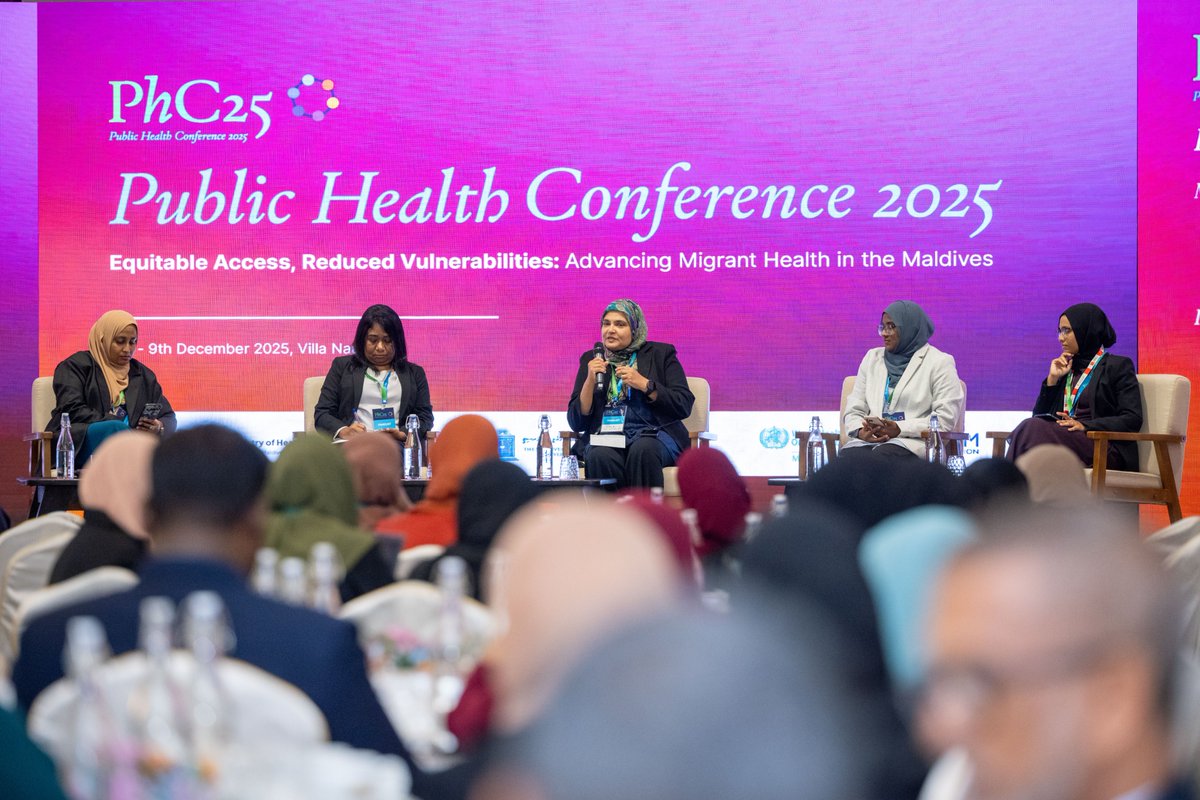
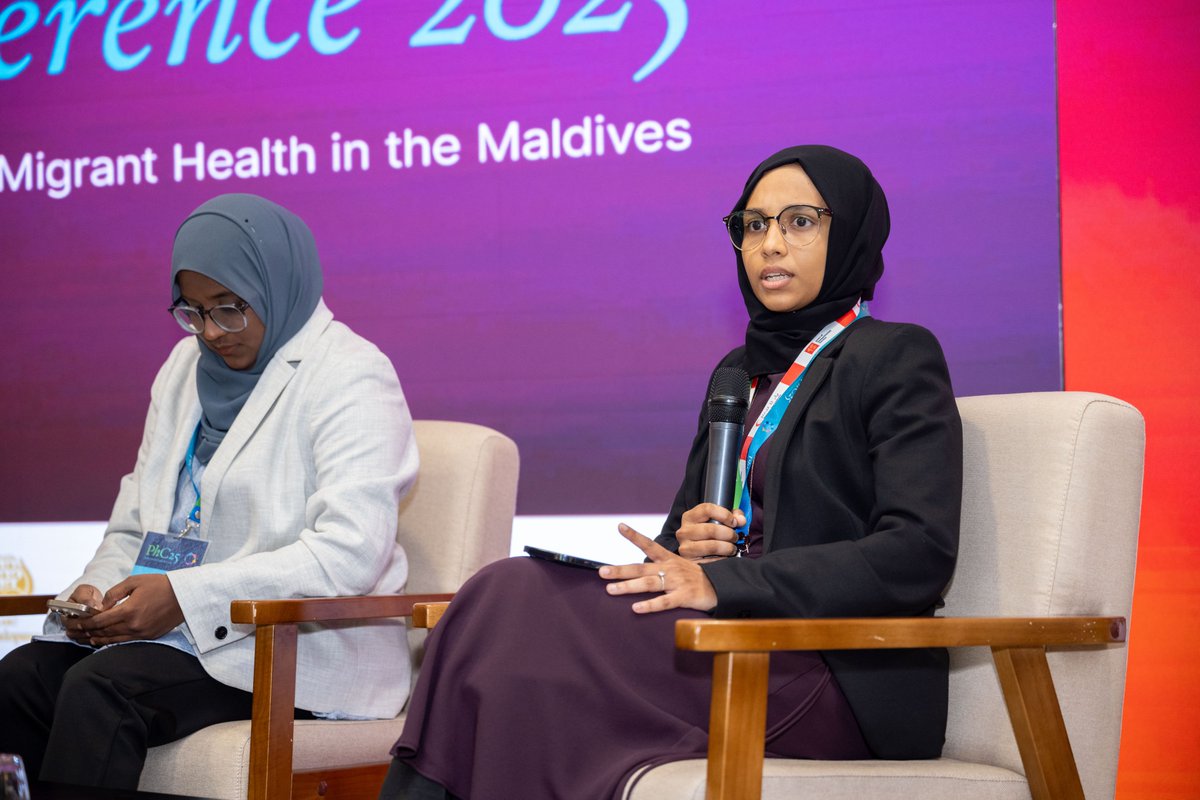
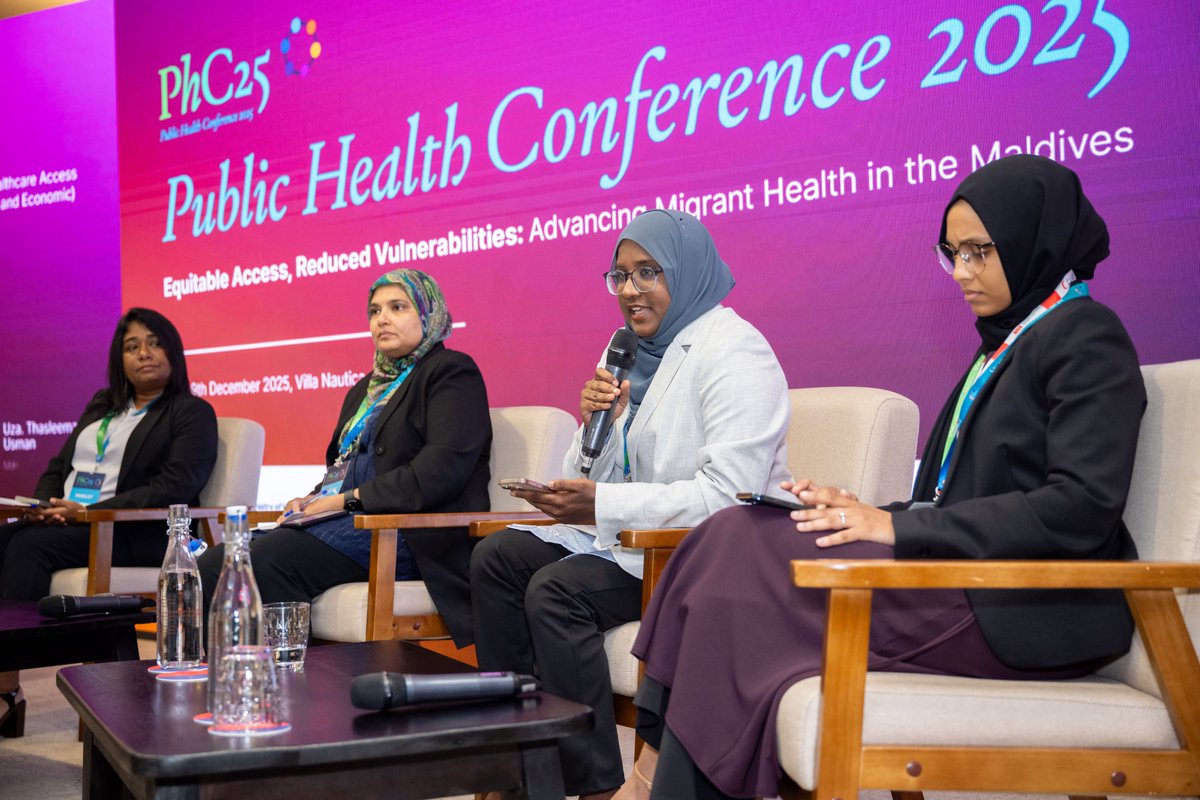
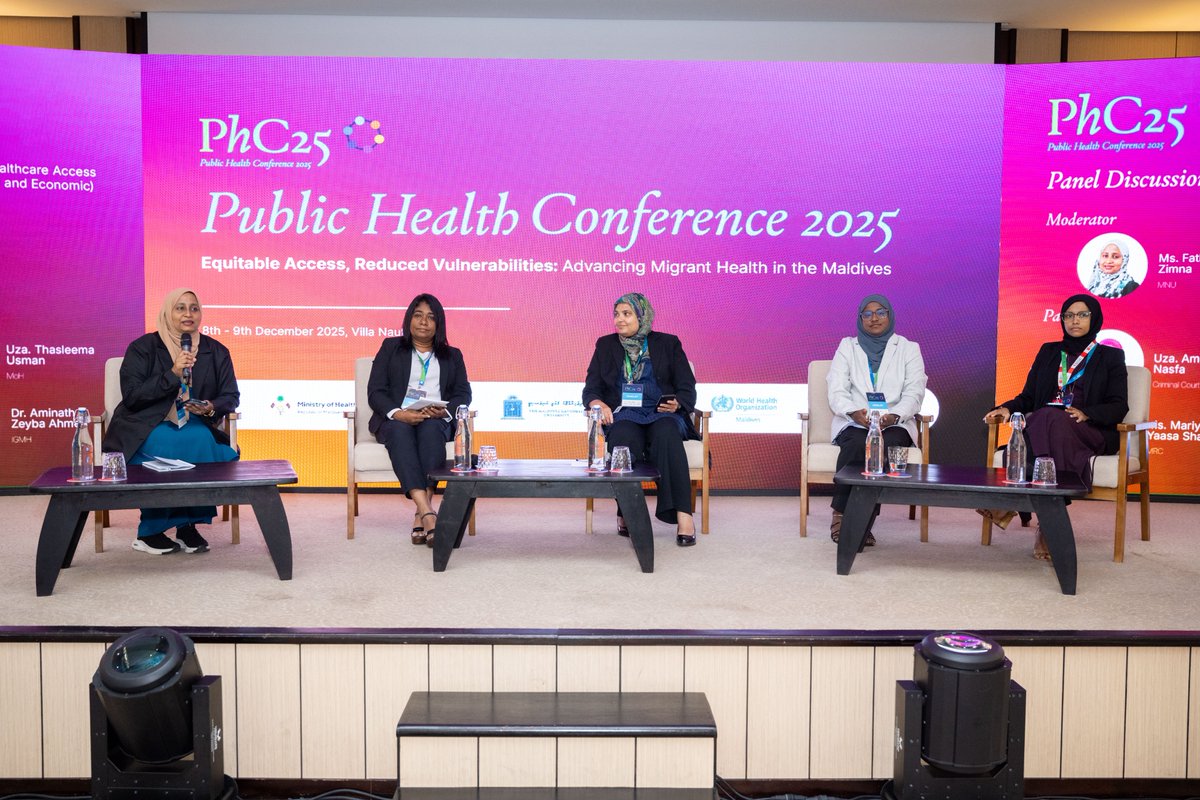
Highlight of day2 #PHC25- Panel discussion on barriers to accessing health services, moderated by @Fathimathzimna from @MNUedu.
Panel members from @MoHmv, @igmhmv, @CRCMaldives, @maldivianrc reflected on legal, social and economic barriers faced by migrants, and discussed concrete ways to make health services accessible for all.
#PHC25 #MigrantHealth
#MigrantHealthMatters
9
10
775
Fathimath Rishmee retweeted
16 Dec 2025
This is very true.
@MaldivesHPU has been demanding accessibility to state owned childcare facilities and providing childcare services at large healthcare settings as an incentive for employees.
The family dynamics have changed over the years, where families have moved to more nuclear arrangement of living, primarily forced due to the prevailing housing crisis in the greater Male' region.
Safety of children must be ensured - for a resilient future, essential component for workforce productivity and increased participation.
@MMuizzu @governmentmv @MoHmv

For many, baby sitters are a basic need. This is especially true in Malé, where both parents work.The reality is shortage in local supply & childcare centres are too expensive for many. Banning foreign baby sitters may force women out of the workforce or turn to unregulated care.
7
7
923
Fathimath Rishmee retweeted

14 Dec 2025
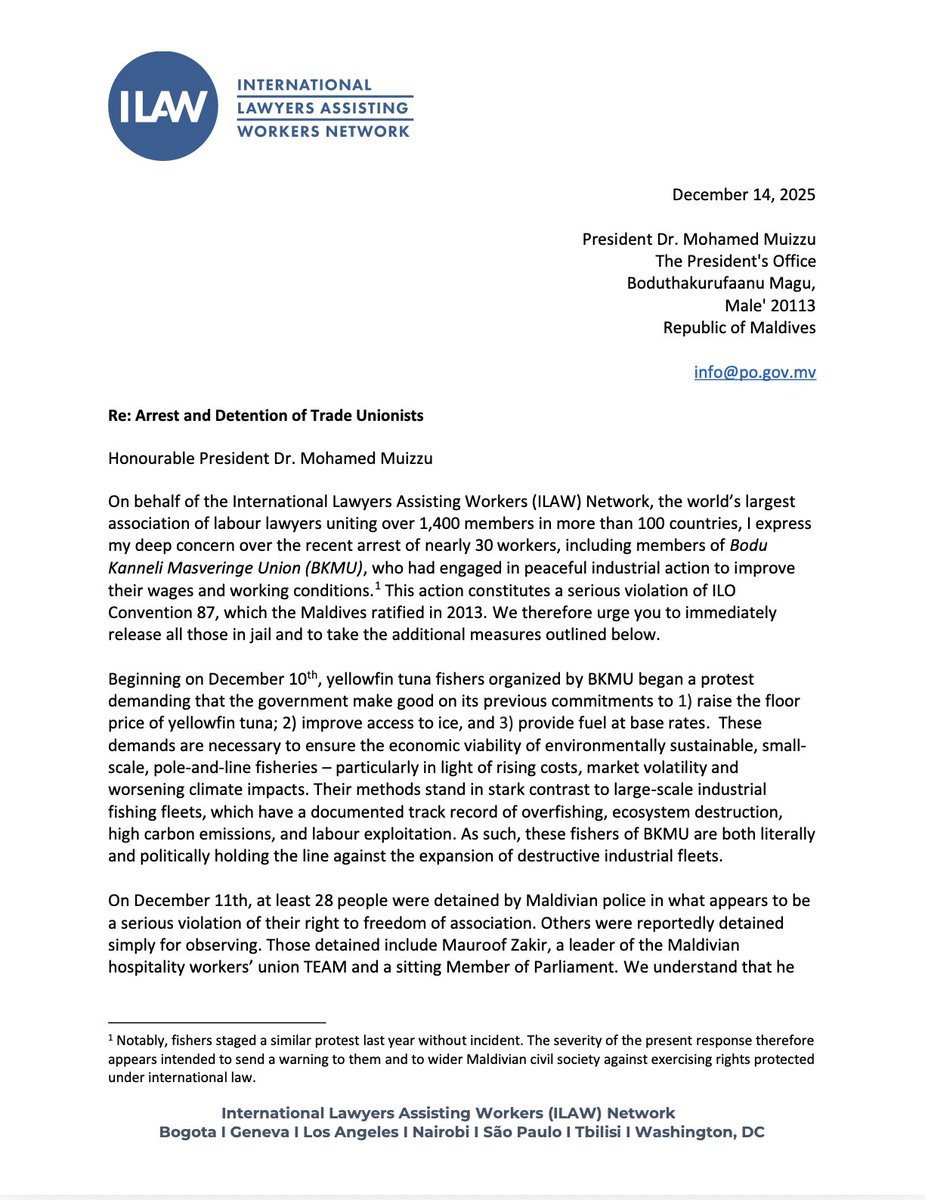
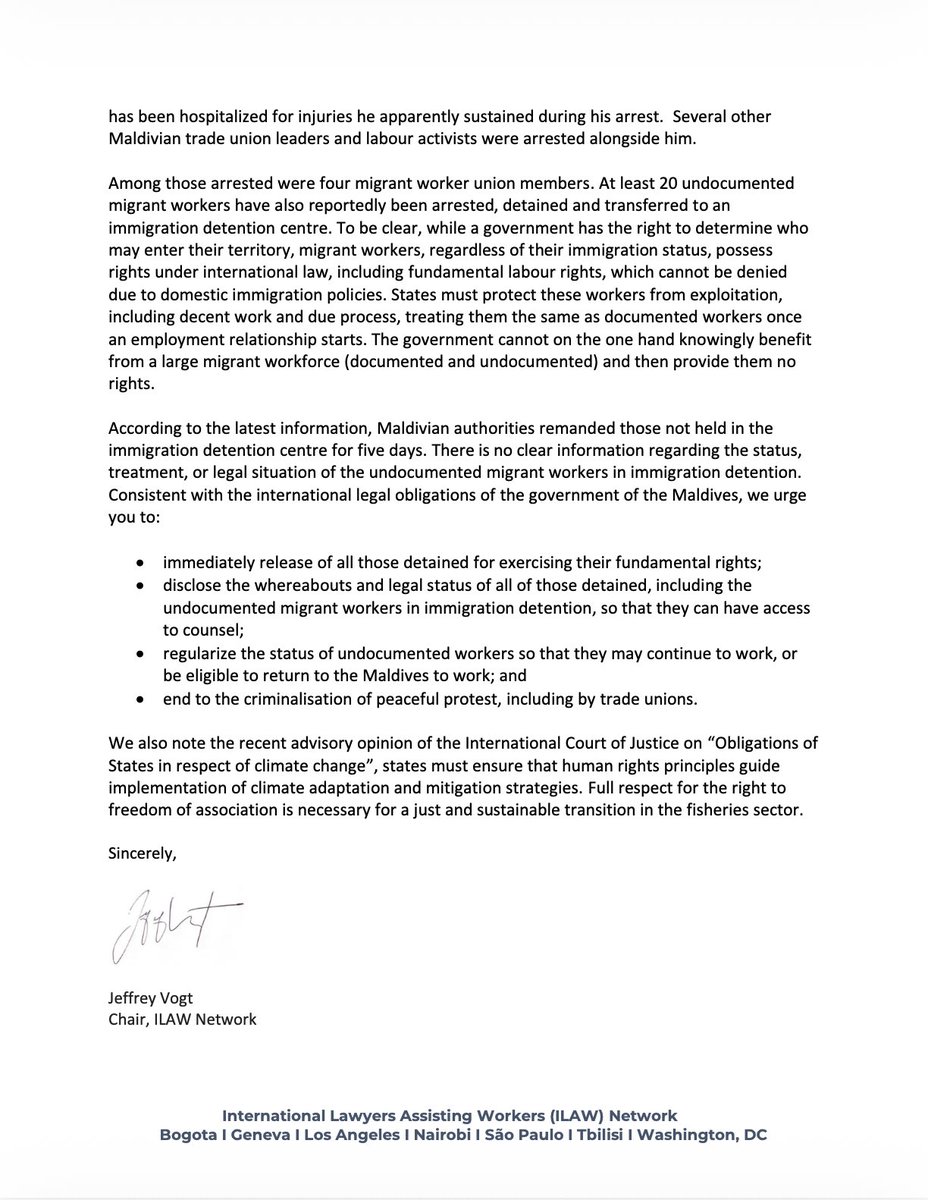
The ILAW Network expresses its deep concern over the arrest of nearly 30 workers, including members of @FishermensUnion, who engaged in peaceful industrial action to improve their wages and working conditions. All must be released and their labour rights fully respected. @governmentmv @ilo @ituc @itucasiapacific
3
58
41
6,809
Fathimath Rishmee retweeted
12 Dec 2025
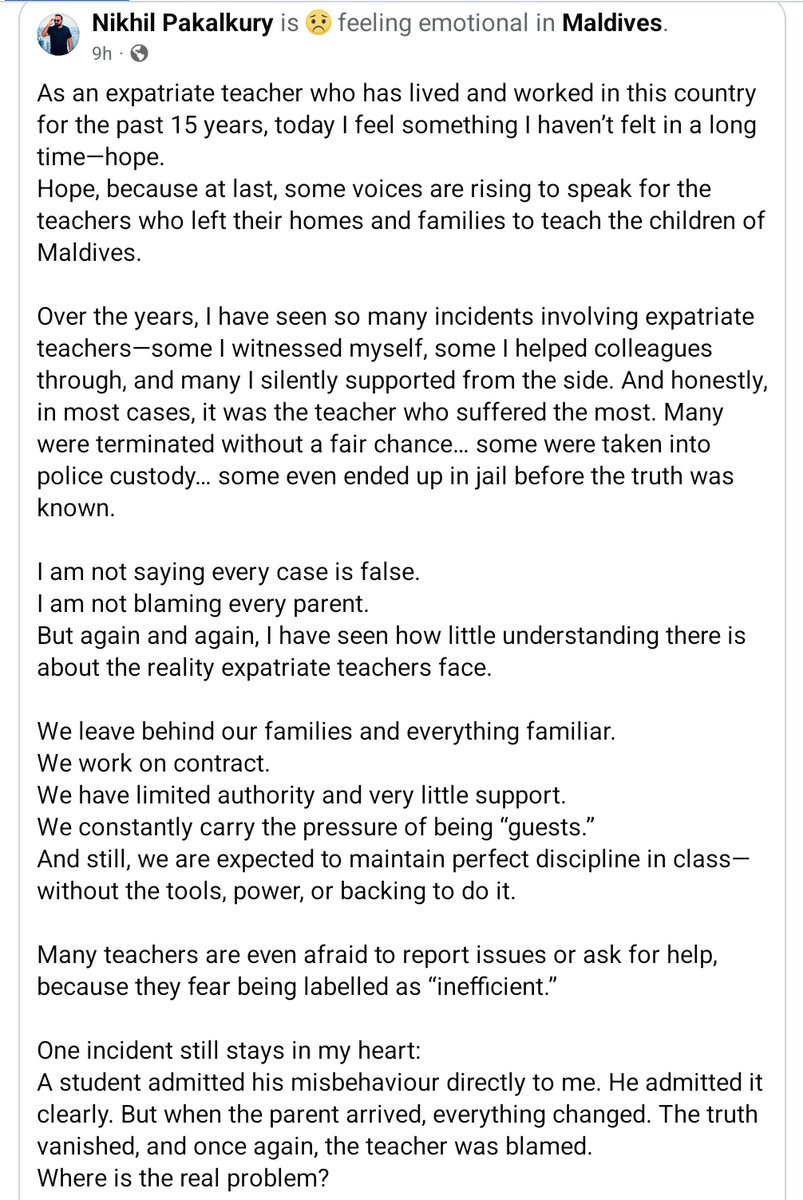
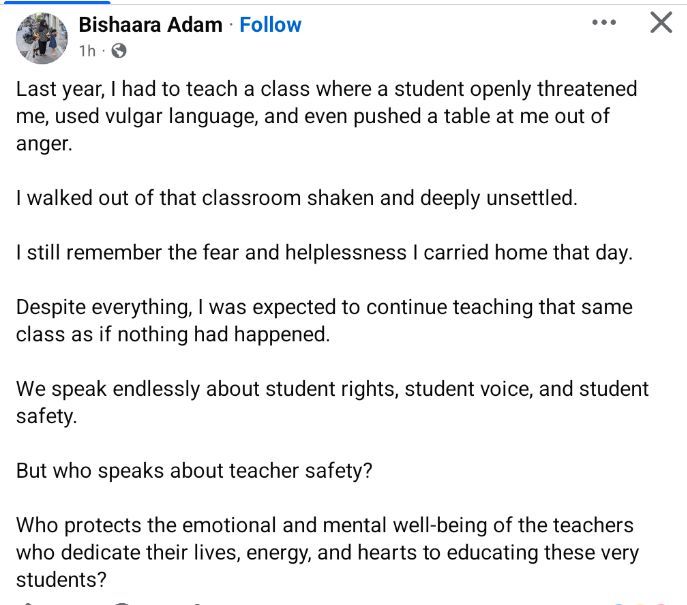
The incident at Addu High School has resulted in teachers from our community raising the concerns of security and safety in their working environments. The post from the expat teacher highlights the unfairness in which they have been forced to work. It is true - that many have not been given a fair chance to defend when they have been targeted and terminated.
The system needs to change and work for the safety of the very people who serve.
@governmentmv @MMuizzu @MoEdumv
1
29
80
12,169
Fathimath Rishmee retweeted
4 Dec 2025
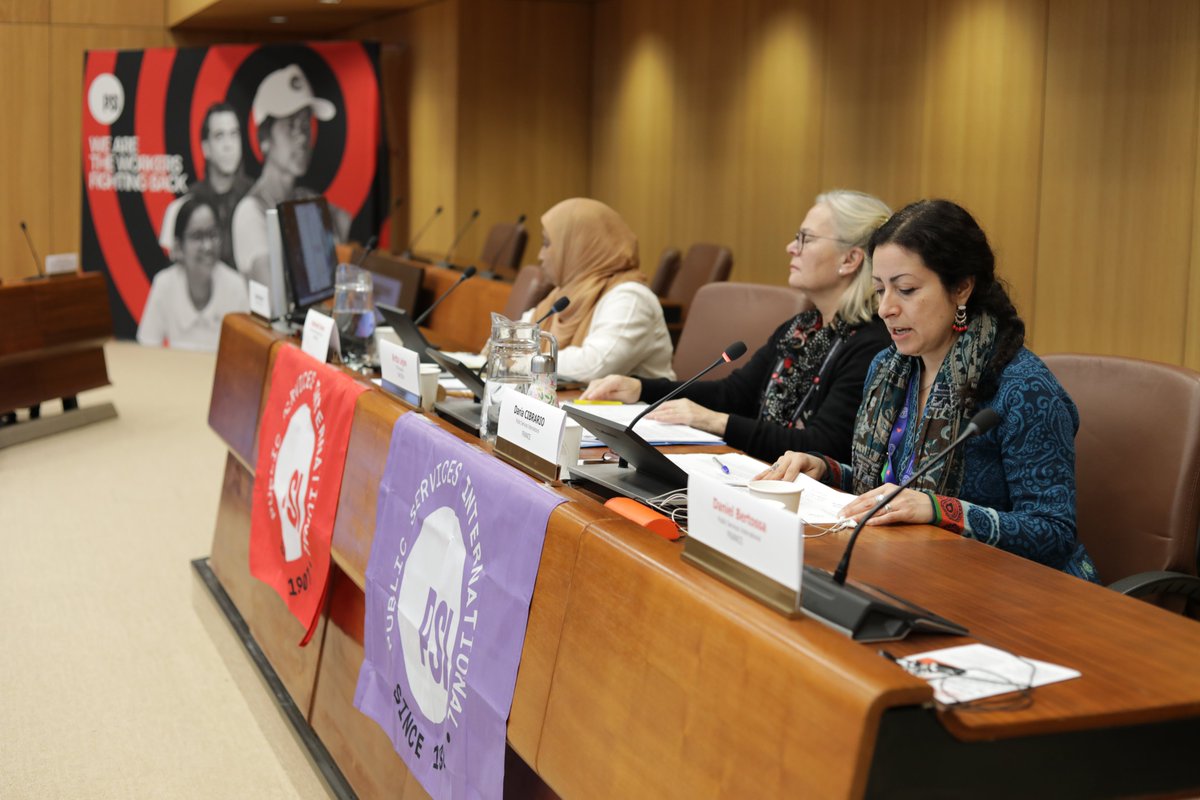
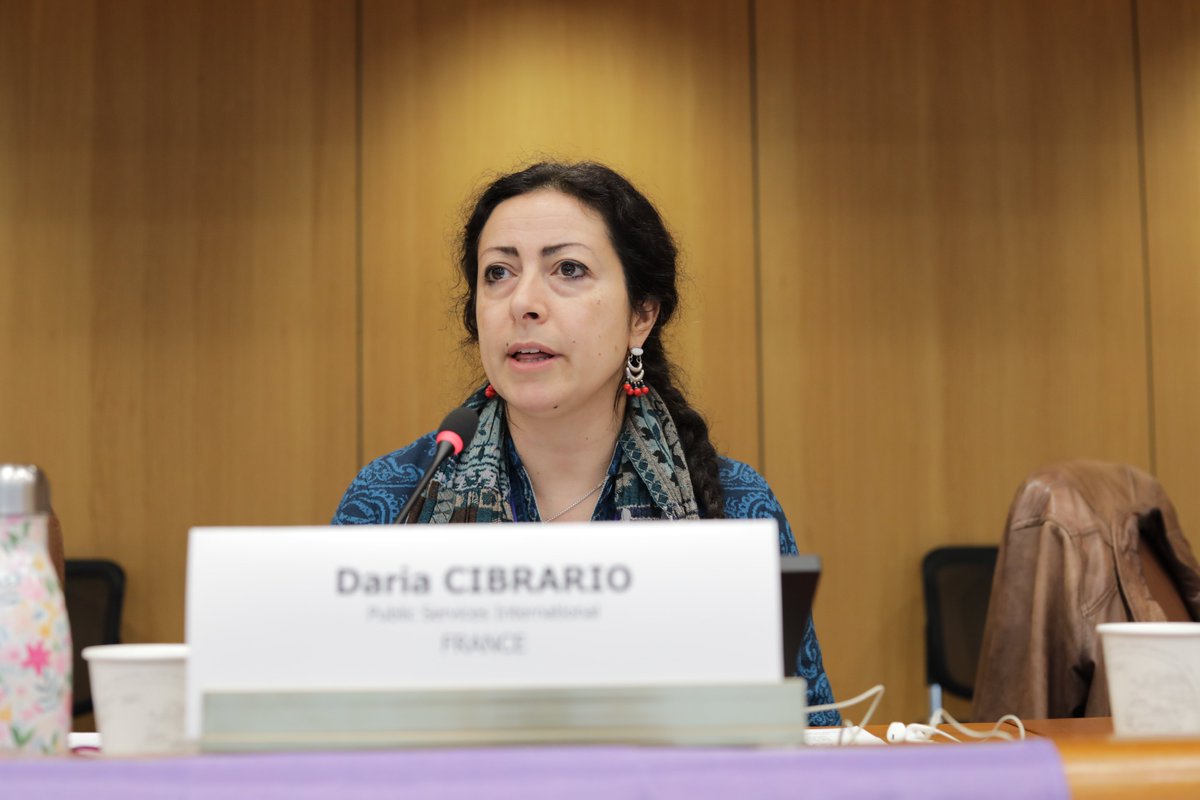
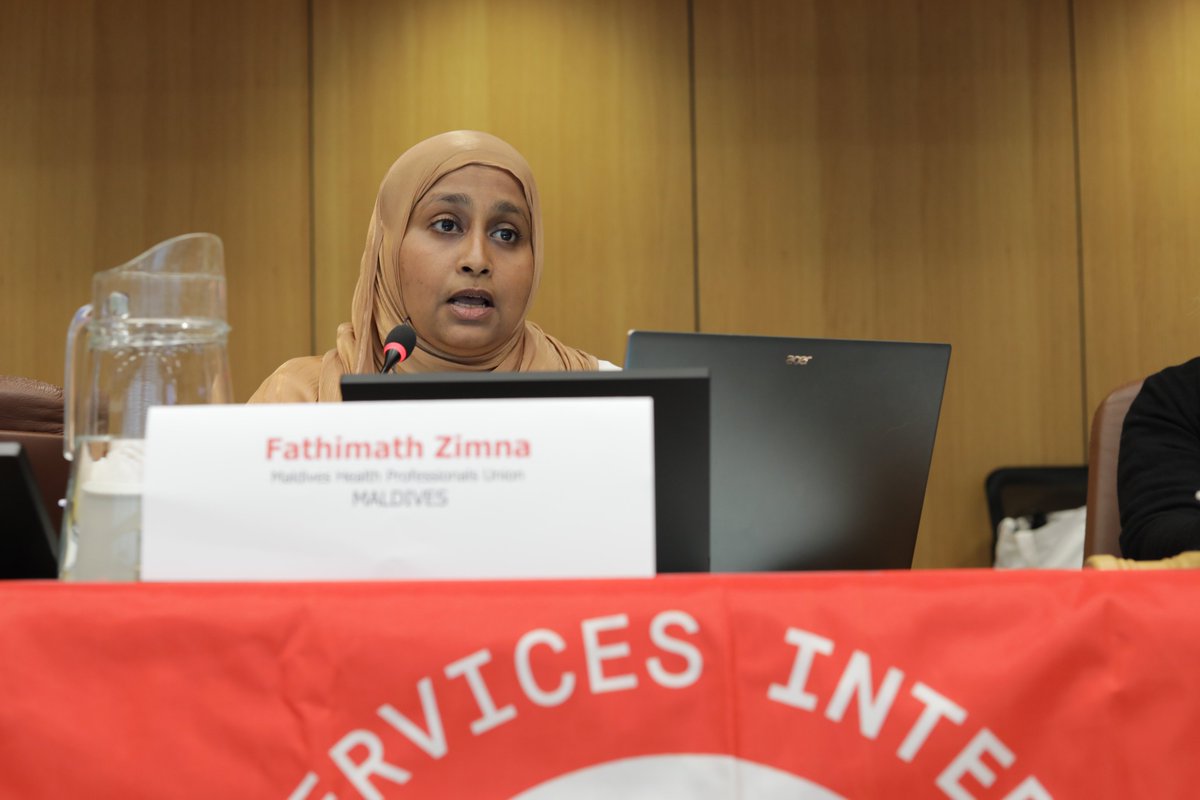
In Yesterday's Executive Board EB-167 of @PSIglobalunion, it was a pleasure to share @MaldivesHPU work around advancing #OSH and labor rights in the in Public Sector.
The attacks on the multilateralism - undermines the progress made towards social justice and workers rights - Public Services must fight back.
Organise.Organise.Organise and fight back.
EB-167 endorsed solidarity statement with flood victims in Sri Lanka and other parts of South East Asia, stating that these are not isolated events, but part of an escalating pattern of extreme weather fuelled by the global climate crisis. Workers in Asia and the Pacific are increasingly on the front lines of climate-related destruction, even as their governments face shrinking fiscal space and rising cost, and calling for urgent global action on climate change.
#PSIEB167 #OSH #ClimateChangeChallenges

Day 2 of PSI EB-167 is underway in Geneva! This morning we’re diving into:
- Future of Occupational Safety & Health
- Defending multilateralism & the right to strike
- Public Service Fightback strategy
Check out all the pics: flic.kr/s/aHBqjCCsTJ
7
7
687
Fathimath Rishmee retweeted
Does your office have a Workplace Safety and Health Officer as required under the OSH Act?
ތިޔަ އޮފީހުގައި ހެލްތު އެންޑް ސޭފްޓީ އޮފިސަރެއް ހުރޭތަ؟
#osh #DecentWork #qualitycare
@MoHmv @MoHEmv @PSIasiapacific @presidencymv @MoFmv
2
16
13
628

6 Nov 2025
RT @Fathimathzimna: #climatechange induced #heatstress is a 'silent killer'
We need urgent actions to protect workers(outdoors and indoors…
1
1
Fathimath Rishmee retweeted
ޞިއްޙީ ދާއިރާގެ ސަޕޯޓު އަދި އިދާރީ މަސައްކަތްތެރިންގެ މުސާރައިގެ އޮނިގަނޑުތައް ތަންފީޒުކުރުމުގައި މަސައްކަތްތެރިންނާމަޝްވަރާކުރުމަށް ގޮވާލަން!
#SupportStaffMatter #Fairwages #DecentWork
@PSIasiapacific @governmentmv @MoHEmv @MoosaZameer @MoFmv @MvSpokesperson @MMuizzu @presidencymv @AdhadhuMV @Mihaarunews @avasmv @DhiyaresNews @DhiyavaruNews @NTVMaldives @GaafuMv @sunbrk @VaguthuOnline @oneonlinemv @nukuthaaonline @cnm_mv @MMTVmv @Sarukaaru_MV
17
15
410
Fathimath Rishmee retweeted
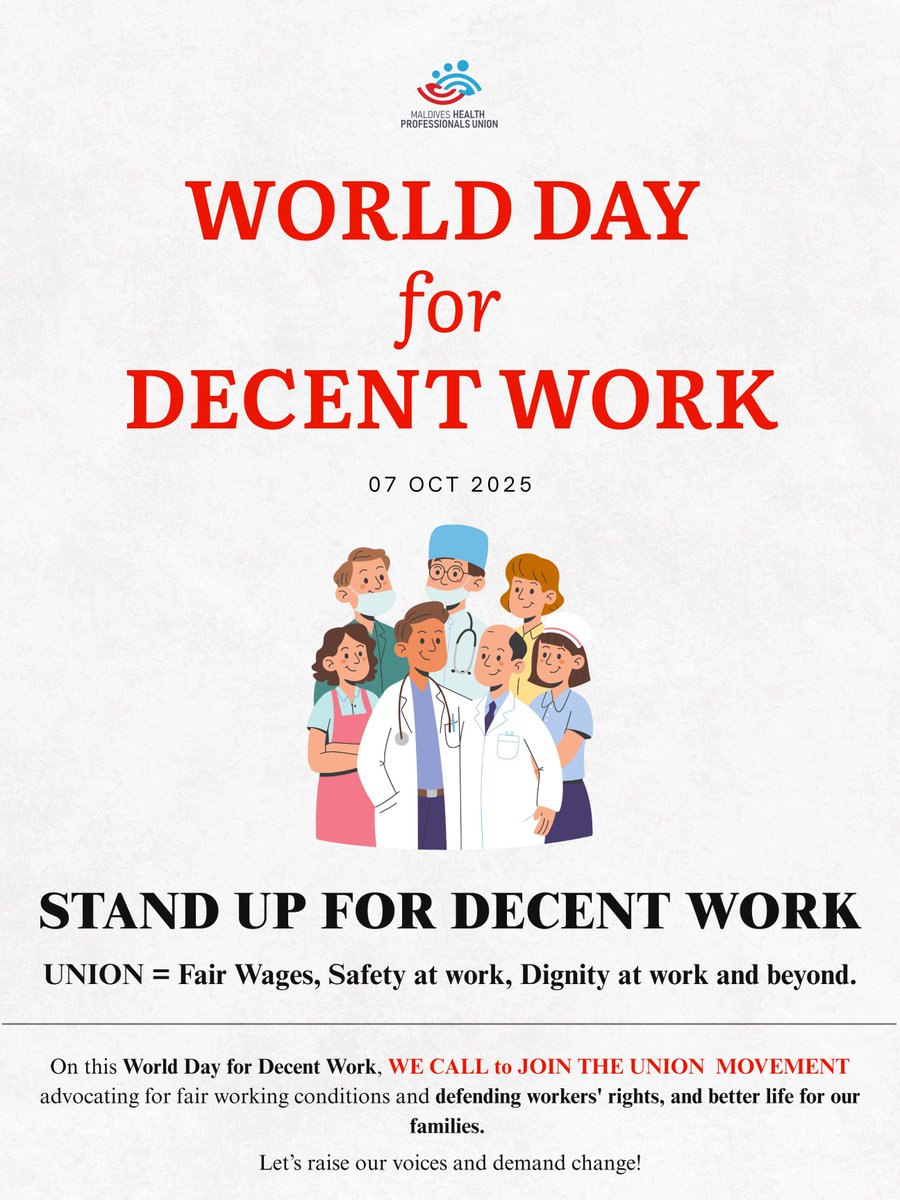
On this #WorldDayForDecentWork, we call on all workers to join the union movement advocating for fair wages, safe workplaces, and dignity at work.
Together, we can ensure decent work and a better life for all workers and our families.
#decentwork #qualitycare #fairwages
@PSIasiapacific @governmentmv @MoHEmv
15
14
459
Fathimath Rishmee retweeted

16 Jul 2025
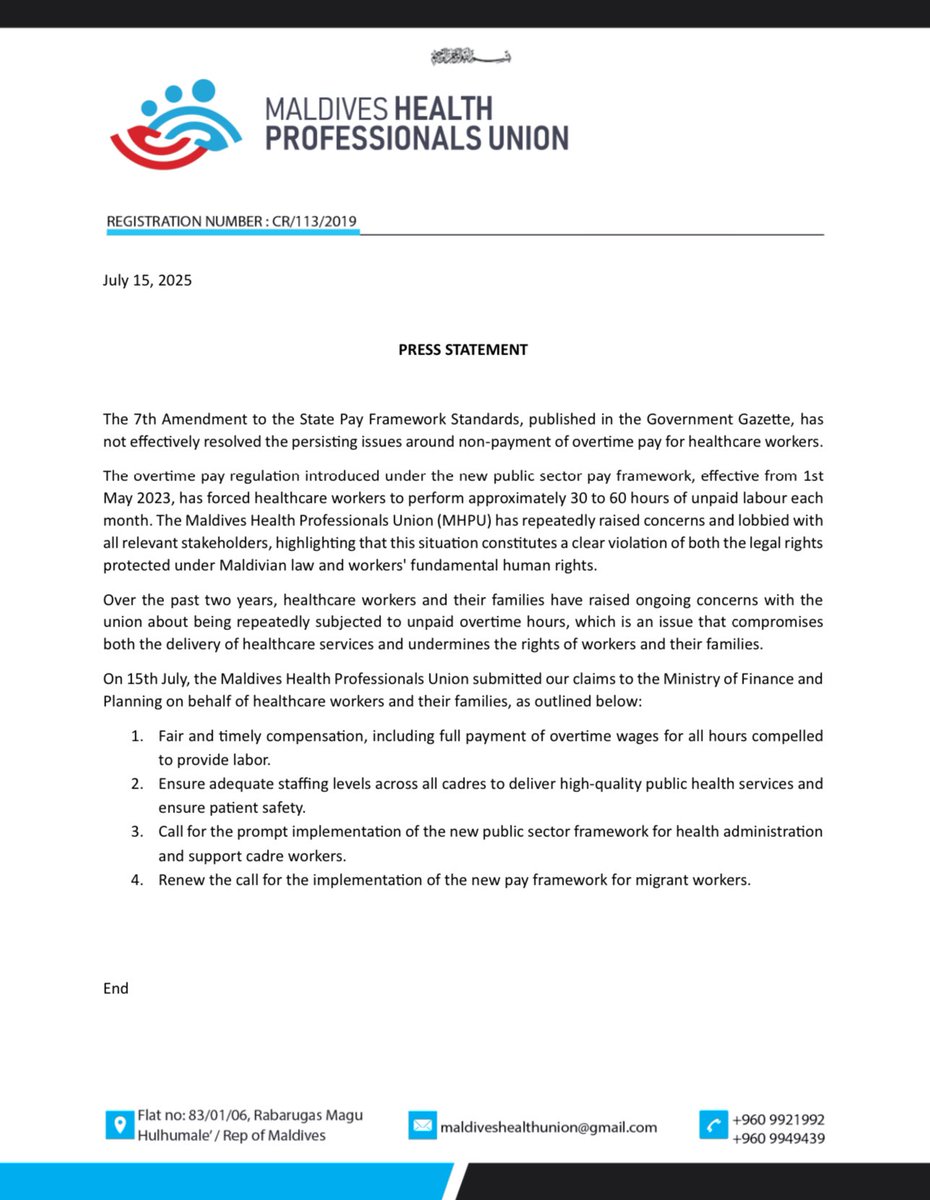
Health workers in Maldives are being subject to unpaid overtime. @MaldivesHPU writes to the Ministry of Finance demanding fair compensation & adequate increase in staffing levels. #supportstaffmatter #fairwages #StopWagetheft #PayOvertime @ILOAsiaPacific @MoosaZameer
@MMuizzu

Press release: Unpaid overtime continues. MHPU has sent a letter to the Finance Ministry to appeal for fair pay for healthcare workers.
#supportstaffmatter #fairwages
#StopWagetheft #PayOvertime
@PSIasiapacific @ILOAsiaPacific
@MoosaZameer @MMuizzu @MoFmv @presidencymv @governmentmv @MvSpokesperson @Mihaarunews @AdhadhuMV @DhiyaresNews @avasmv @GaafuMv @NTVMaldives @VaguthuOnline @sunbrk @nukuthaaonline @oneonlinemv @cnm_mv @DhiyavaruNews @Sarukaaru_MV @MMTVmv
14
17
698
Fathimath Rishmee retweeted
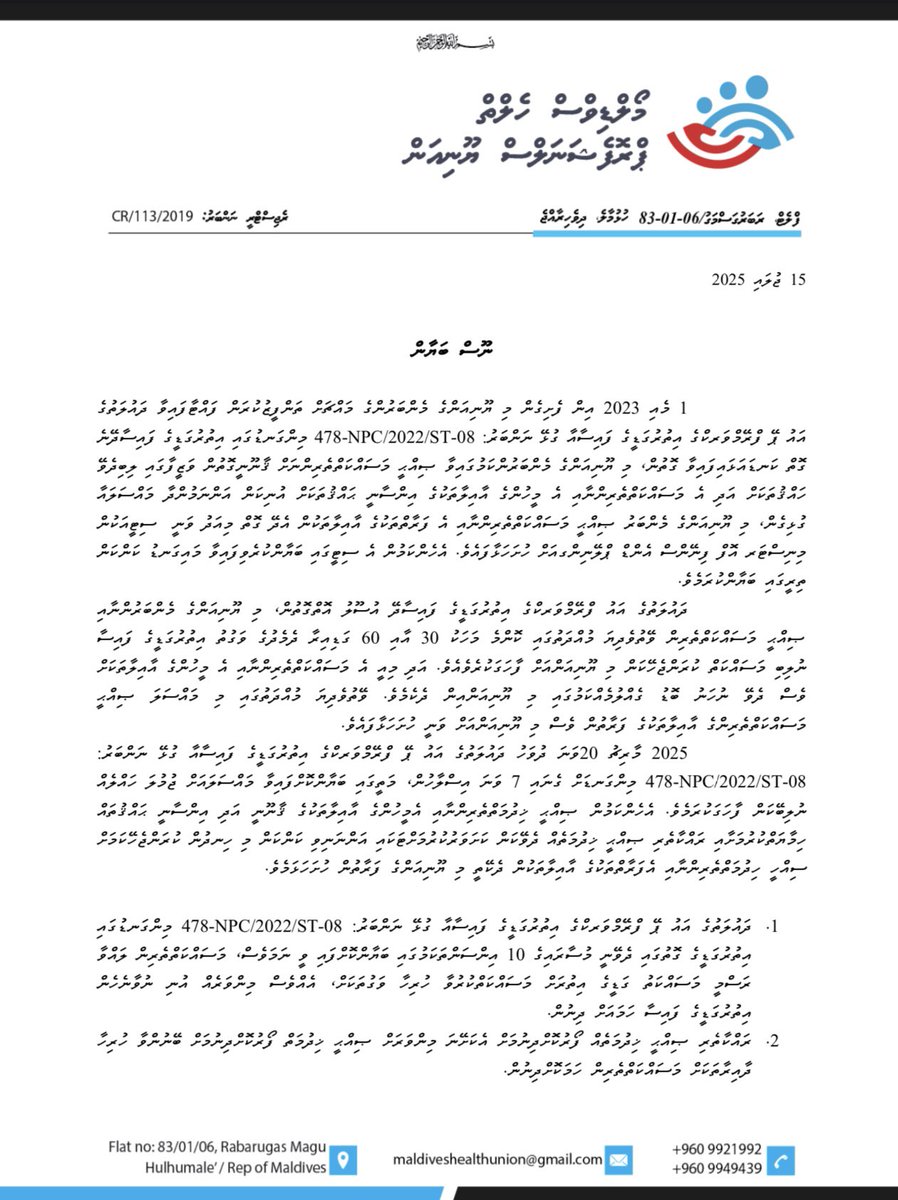
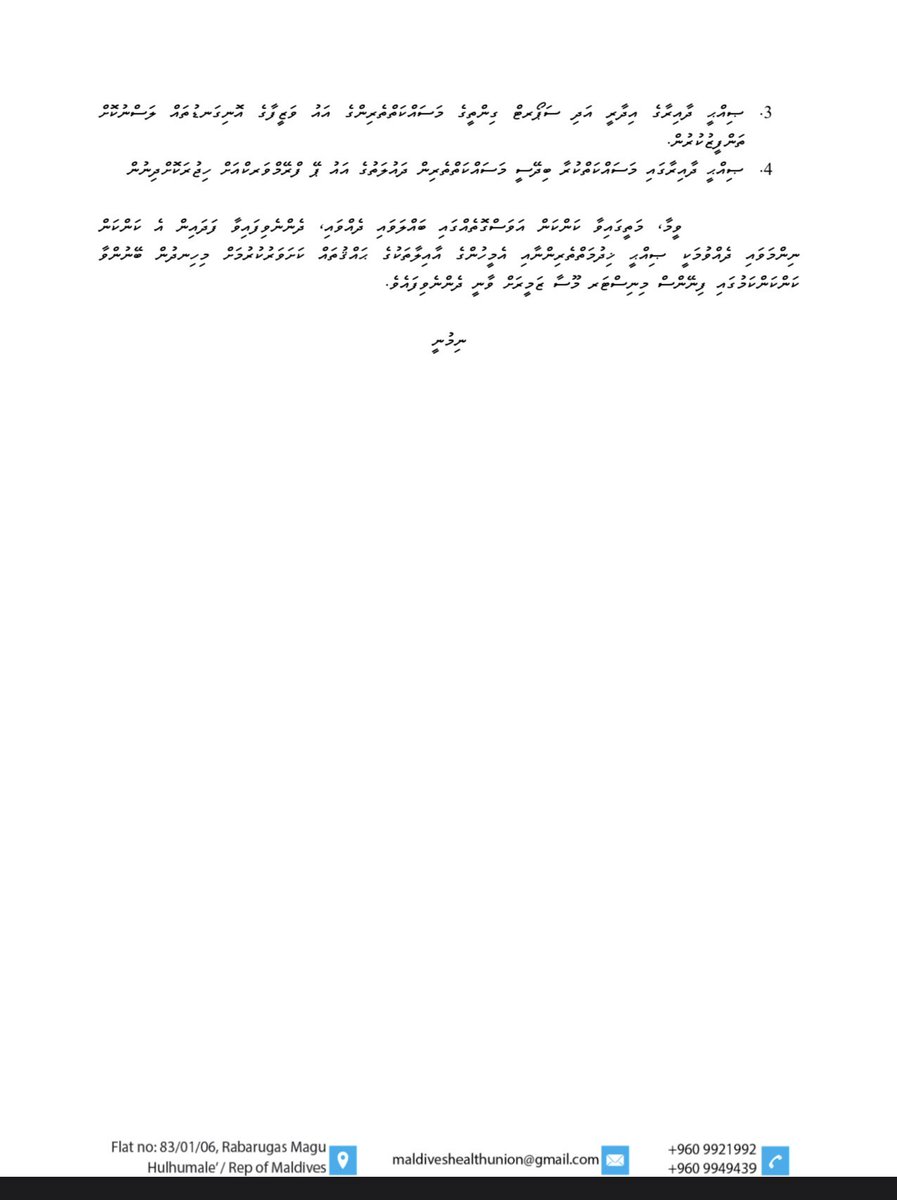
ނޫސްބަޔާން: އިތުރުގަޑީގެ ފައިސާ ހަމައަށް ނުދޭ މައްސަލައިގައި ޞިއްޙީ ދާއިރާގެ މަސައްކަތްތެރިންގެ ކަންބޮޑުވުންތައް މާލީ ވަޒީރާ ހިއްސާކުރުން
#supportstaffmatter #fairwages
#StopWagetheft #PayOvertime
@MoosaZameer @MMuizzu @MoFmv @presidencymv @governmentmv @MvSpokesperson @Mihaarunews @AdhadhuMV @DhiyaresNews @avasmv @GaafuMv @NTVMaldives @VaguthuOnline @sunbrk @nukuthaaonline @oneonlinemv @cnm_mv @DhiyavaruNews @Sarukaaru_MV @MMTVmv
5
21
24
1,046
Fathimath Rishmee retweeted
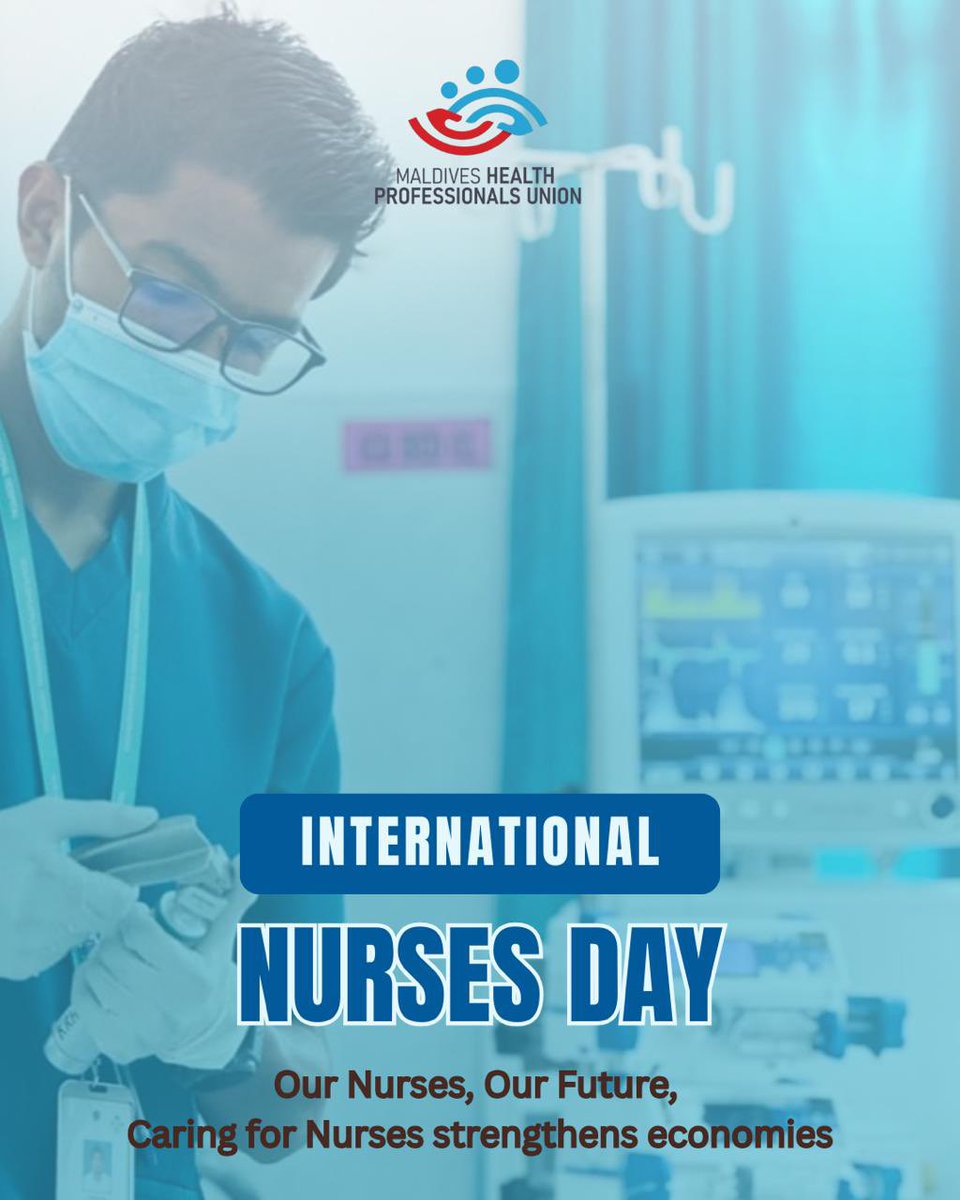
ބައިނަލްއަޤްވާމީ ނަރުހުންގެ ދުވަހުގެ ހެޔޮ އެދުންތައް މި ޔޫނިއަންގެ މެންބަރު ނަރުހުންނަށާއި އަދިވެސް ރާއްޖޭގެ އެކި ކަންކޮޅުތަކުގައި މަސައްކަތްކުރަމުންދާ އެންމެހާ ނަރުހުންނަށް އަރިސްކުރަމެވެ.
މި ދުވަހު ނަރުހުންގެ ބުރަ މަސައްކަތުގެ އަގު ވަޒަންކުރަމުން، ދިވެހި މުޖުތަމަޢުން ފިރިހެން ނަރުހުންނަށް ކުރިމަތިވާ ގަނާ އާއި ފުރައްސާރަ އާއި ތަފާތުކުރުންތައް މި ޔޫނިއަންގެ ފަރާތުން ކުއްވެރިކުރަމެވެ. ނަރުސްކަމަކީ ހަމައެކަނި އަންހެނުންގެ ވަޒީފާއެއް ނޫނެވެ. އެއީ ހުރިހާ މިންތިއެއްގެ ވެސް ބައިވެރިވުން ބޭނުންވާ މުހިންމު އަދި ހުނަރުވެރި ފަންނެކެވެ.
އަދި ހަމަ މިއާއެކު ނަރުހުން ވެސް ހިމެނޭހެން ހުރިހާ ޞިއްޙީ ޚިދުމަތްތެރިންނަށް ވެސް ރައްކާތެރި މަސައްކަތުގެ މާޙައުލެއް ޤާއިމުކޮށްދިނުމަށާއި މަސައްކަތްކުރުވާ ހުރިހާ ގަޑިއަކަށް ފުރިހަމައަށް އުޖޫރަ ދިނުމަށް ސަރުކާރަށް ތަކުރާރުކޮށް ގޮވާލަމެވެ.
On #InternationalNursesDay, we honour all nurses—and call out the stigma male nurses face.
Nursing is not only a “female job.” It’s a vital, skilled profession for all.
End the bullying. Encourage inclusion.
We also reiterate our call for safe working
conditions and pay for all hours worked for nurses and all the HCWs.
@MoHmv @MoHEmv @hrcmv @PSIasiapacific @MMuizzu @MoosaZameer
14
14
783
1 May 2025
#LaborDay2025 #supportstaffmatter #fairwages
#StopWagetheft #PayOvertime
@MoHmv @MoFmv @MoHEmv @presidencymv @governmentmv @MMuizzu @MoosaZameer @ANazim2019 @MvSpokesperson @PSIasiapacific @Official_LRAmv @hrcmv
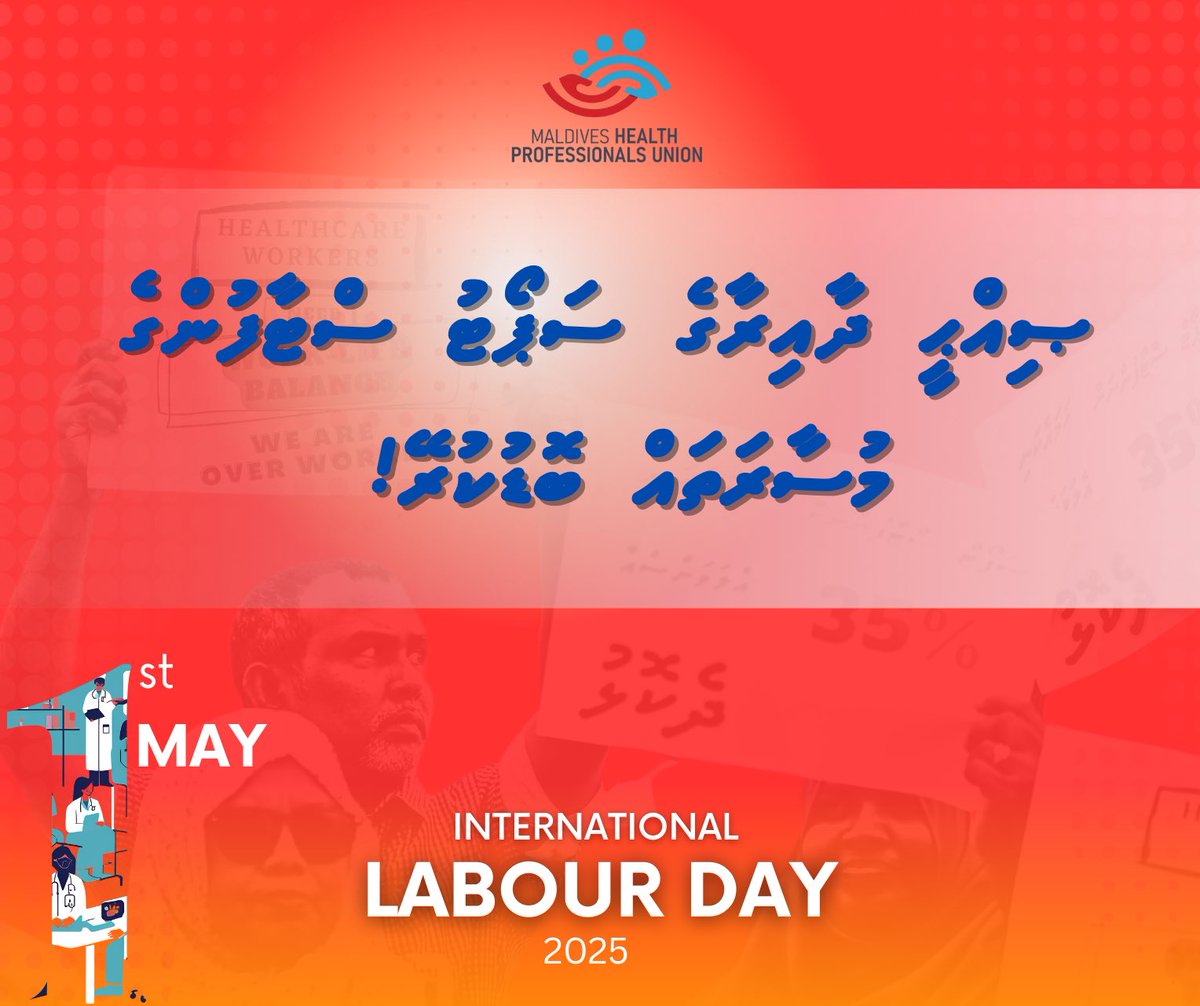
Support cadre workers in healthcare have been left behind.
For over 15 years, they have worked tirelessly—often under harsh conditions—for wages that have remained stagnant and far too low.
We call on the government to urgently review and increase the wages of all support cadre workers in healthcare. Their dedication deserves dignity. Their service deserves fair pay.
#LaborDay2025 #supportstaffmatter #fairwages
@MoHmv @MoFmv @MoHEmv @presidencymv @governmentmv @MMuizzu @MoosaZameer @ANazim2019 @MvSpokesperson @PSIasiapacific @Official_LRAmv @hrcmv
1
37
Fathimath Rishmee retweeted
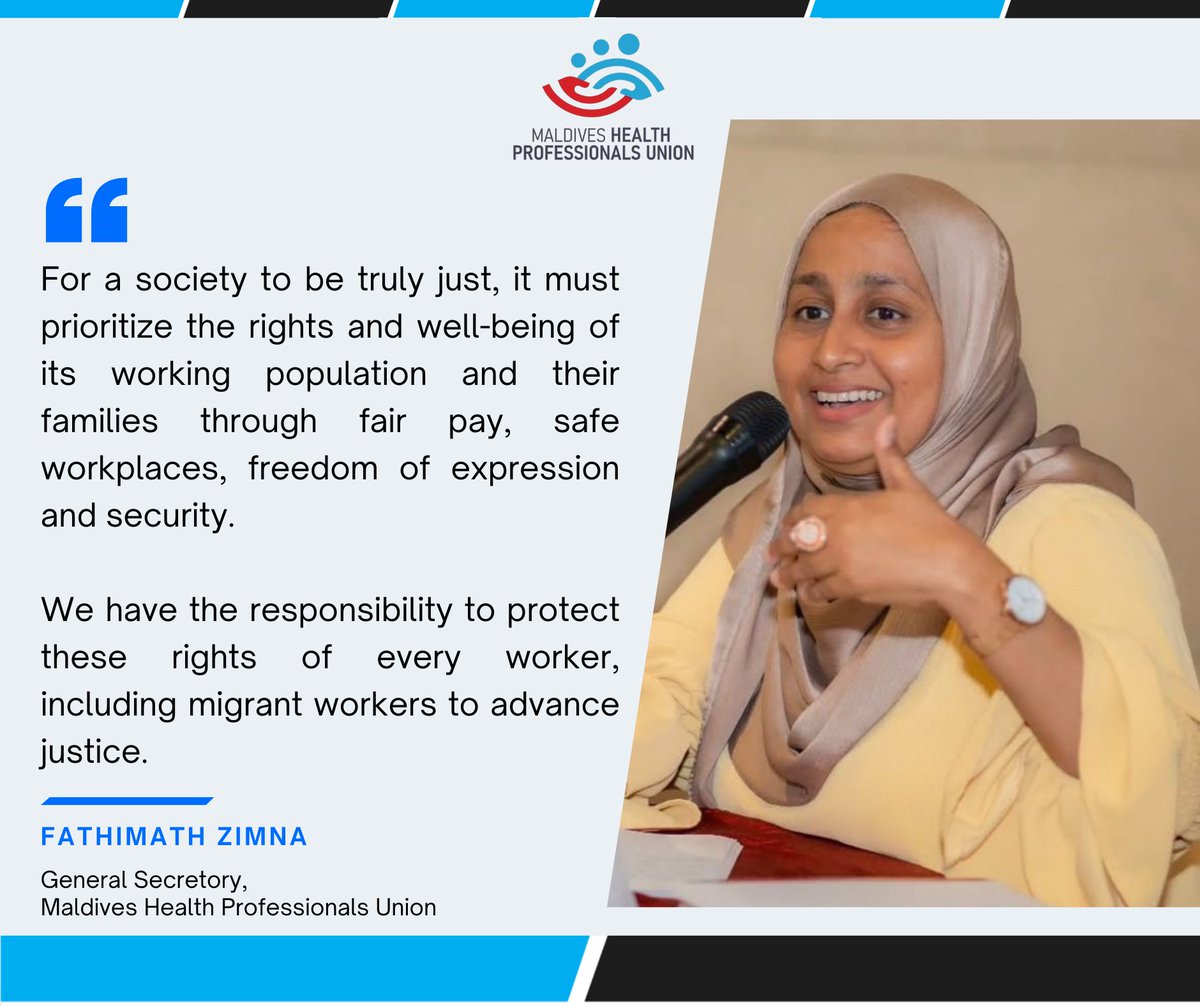
"މުޖުތަމަޢެއް ޙަޤީޤަތުގައި ވެސް އިންސާފުވެރި ވާނީ، އެ މުޖުތަމަޢެއްގެ މަސައްކަތްތެރިންނާއި އެމީހުންގެ ޢާއިލާތަކުގެ ޙައްޤުތަކާއި ދުޅަހެޔޮކަމަށް އިސްކަންދީ، އެކަށީގެންވާ މުސާރަ އާއި ރައްކާތެރި މަސައްކަތުގެ މާޙައުލާއި، ޚިޔާލު ފާޅުކުރުމުގެ މިނިވަންކަމާއި އަދި ސަލާމަތްތެރިކަން ކަށަވަރުކޮށްދީގެންނެވެ.
އިންސާފު ކުރިއެރުވުމަށްޓަކައި، ދޭސީ އަދި ބިދޭސީ މަސައްކަތްތެރިން ވެސް ހިމެނޭގޮތަށް، ކޮންމެ މަސައްކަތްތެރިއެއްގެ ވެސް މި ޙައްޤުތައް ރައްކާތެރިކުރުމަކީ އަޅުގަނޑުމެންގެ ޒިންމާއެކެވެ." - ފާތިމަތު ޒިމްނާ، ޖެނެރަލް ސެކްރެޓަރީ
#LaborDay2025 #supportstaffmatter #fairwages
#StopWagetheft #PayOvertime
@MoHmv @MoFmv @MoHEmv @presidencymv @governmentmv @MMuizzu @MoosaZameer @ANazim2019 @MvSpokesperson @PSIasiapacific @Official_LRAmv @hrcmv
18
16
766
Fathimath Rishmee retweeted
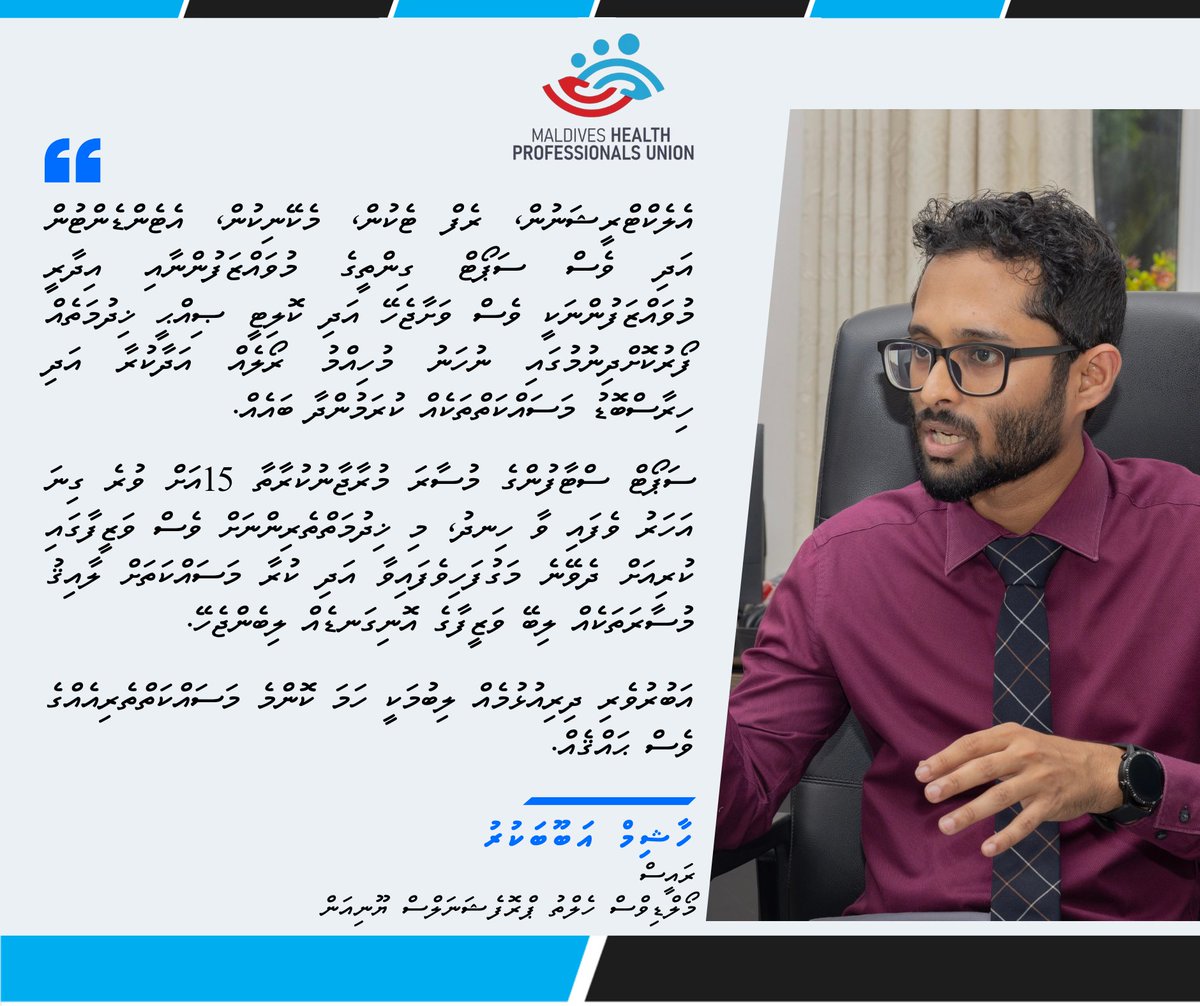
"Electricians, refrigeration technicians, mechanics, attendants, administrative staff, and all other support personnel play a vital role in delivering comprehensive and high-quality health services—often performing tasks that involve significant risk.
Despite their critical contributions, the salaries of support staff have not been reviewed in over 15 years. These workers deserve a well-defined career structure that offers opportunities for advancement, along with a salary scale that is commensurate with the value and demands of their work.
A dignified life is the right of every worker."
- Hashim Aboobakuru, President
#LaborDay2025 #supportstaffmatter #fairwages
#StopWagetheft #PayOvertime
@MoHmv @MoFmv @MoHEmv @presidencymv @governmentmv @MMuizzu @MoosaZameer @ANazim2019 @MvSpokesperson @PSIasiapacific @Official_LRAmv @hrcmv
15
15
514
Fathimath Rishmee retweeted
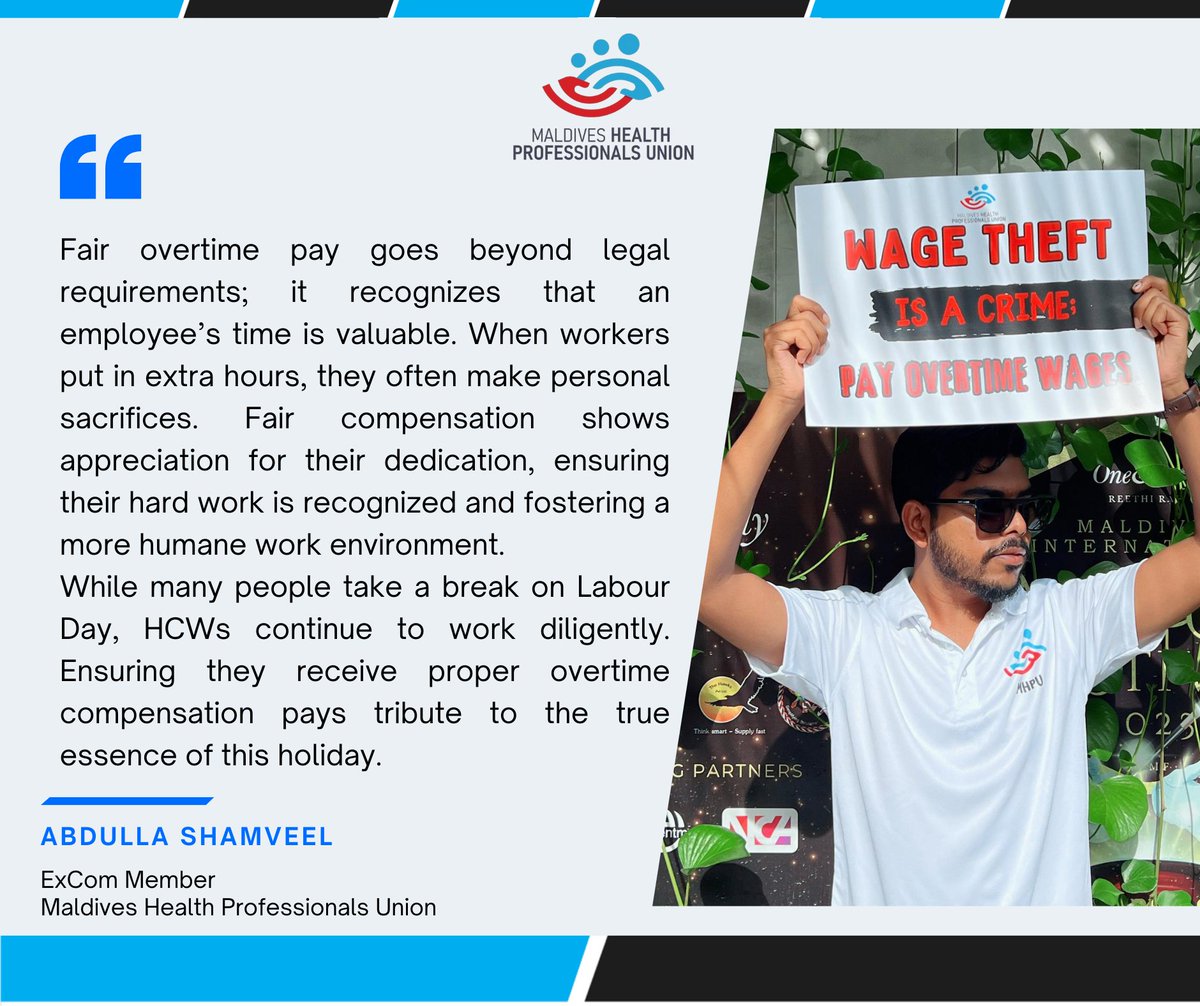
"އިތުރުގަޑީގައި ކުރާ މަސައްކަތަށް ފުރިހަމައަށް އުޖޫރަދިނުމުގެ މައްފޫމަކީ އެއީ ޤާނޫނަކުން ލާޒިމުކުރާތީ ދޭންޖެހޭ ފައިސާއަކަށް ވުމަށް ވުރެ މާ ފުޅާ މާނައެއް އެކުލެވޭ އެއްޗެކެވެ. އެއީ މުވައްޒަފެއްގެ ވަގުތަކީ އަގުހުރި އެއްޗެއްކަން ބަލައިގަތުމެވެ. މުވައްޒަފުން އިތުރު ގަޑީގައި މަސައްކަތްކުރަނީ އެމީހުންގެ އަމިއްލަ ދިރިއުޅުމުގެ އެތަކެއް ކަމެއް ޤުރުބާންކުރުމަށް ފަހުއެވެ. އެހެންކަމުން އިތުރުގަޑީގައި މުވައްޒަފުން ލައްވާ ކުރުވާ މަސައްކަތަށް އިންސާފުވެރި ބަދަލު ދިނުމަކީ އެމީހުންގެ ވަފާތެރިކަމަށް ޝުކުރުވެރިވުމެވެ. އަދި އެއީ އެމީހުންގެ ބުރަ މަސައްކަތް ފާހަގަކޮށް، އަޅުވެތިކުރުމުން ސަލާމަތްވެފައިވާ އިންސާނިއްޔަތަށް ލޯބިކުރާ މަސައްކަތުގެ މާޙައުލެއް އުފެއްދުމެވެ.
ގިނަ މީހުންނަށް މަސައްކަތްތެރިންގެ ދުވަހަކީ ވެސް ބަންދުވަހަކަށް ވީނަމަވެސް، މިއަދު ވެސް ޞިއްޙީ ޚިދުމަތްތެރިން ތިބީ މަސައްކަތުގައެވެ. އެހެންކަމުން އެ ޚިދުމަތްތެރިންނަށް އިތުރުގަޑީގެ އުޖޫރަ ހަމައަށް ލިބޭކަން ކަށަވަރުކުރުމަކީ މި ދުވަހުގެ ޙަޤީޤީ ރޫޙަށް އިޙްތިރާމް އަދާކުރުމެވެ." - އަބްދުﷲ ޝަމްވީލް، އެކްސްކޮމް މެންބަރު
#LaborDay2025 #supportstaffmatter #fairwages
#StopWagetheft #PayOvertime
@MoHmv @MoFmv @MoHEmv @presidencymv @governmentmv @MMuizzu @MoosaZameer @ANazim2019 @MvSpokesperson @PSIasiapacific @Official_LRAmv @hrcmv
15
13
477
Fathimath Rishmee retweeted
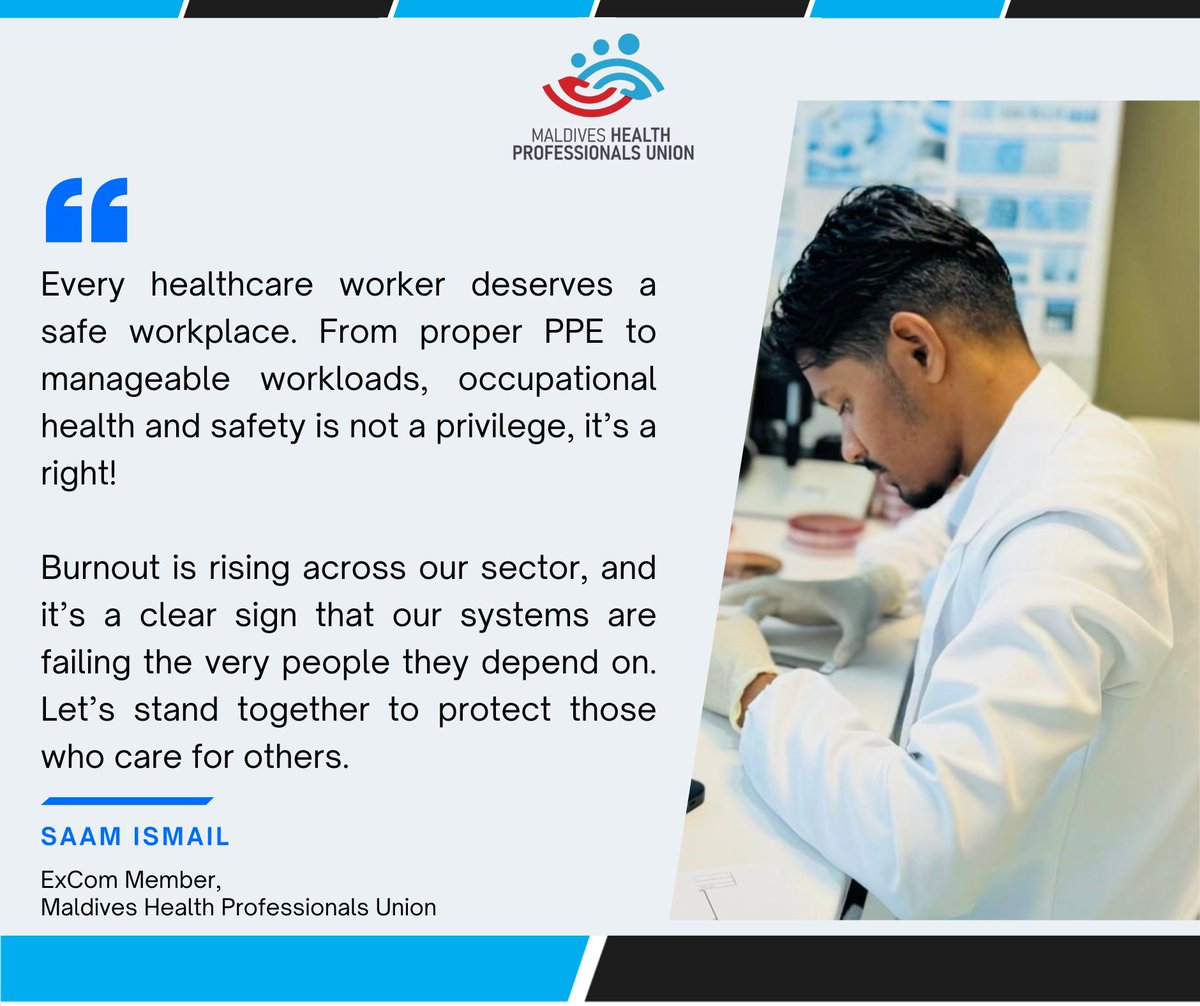
"ކޮންމެ ޞިއްޙީ ޚިދުމަތްތެރިއަކަށް ވެސް ޞިއްޙީގޮތުން ރައްކާތެރި މަސައްކަތުގެ މާޙައުލެއް ލިބިދޭންޖެއެވެ. އެކަށީގެންވާ ރައްކާތެރިކަމުގެ ސާމާނާއި ބުރަދަނުގެ ގޮތުން އަދާކުރެވޭ މިންވަރަށް މަސައްކަތްތައް ހަވާލުވެފައިވުމަކީ މަސައްކަތްތެރިއަކަށް ވީތީ ލިބޭ އިމްތިޔާޒެއް ނޫނެވެ. އެކަމަކު އެއީ ހަމަ ކޮންމެ މަސައްކަތްތެރިއެއްގެ ވެސް އަސާސީ ޙައްޤެކެވެ.
ޞިއްޙީ ދާއިރާގެ މަސައްކަތްތެރިން ލައްވާ ގިނަ ދުވަހަށް ދެމިގެންދާގޮތަށް ބުރަކޮށް މަސައްކަތްކުރުވަމުން ދިއުމުގެ ސަބަބުން އެ މަސައްކަތްތެރިންގެ މެދުގައި ބަލިމަޑުކަން އިތުރުވަމުން ދިއުމީ ޞިއްޙީ ދާއިރާ އެ ދާއިރާ އެންމެ ބޮޑަށް ބަރޯސާވެފައިވާ ޞިއްޙީ މަސައްކަތްތެރިންގެ ޙައްޤުތައް ކަށަވަރުކުމުގައި ފޭލިވަމުންދާކަމުގެ ސާފު ހެެއްކެކެވެ.
މުޅި މުޖުތަމަޢުގެ ދުޅަހެޔޮކަމަށް މަސައްކަތްކުރަމުންދާ ޞިއްޙީ މަސައްކަތްތެރިންގެ ޙައްޤުތައް ރައްކާތެރިކުރުމަށް އަޅުގަނޑުމެން އެކުގައި ތެދުވަމާ ހިންގަވާށެވެ." - ސާމް އިސްމާޢީލް، އެކްސްކޮމް މެންބަރު
#LaborDay2025 #supportstaffmatter #fairwages
#StopWagetheft #PayOvertime
@MoHmv @MoFmv @MoHEmv @presidencymv @governmentmv @MMuizzu @MoosaZameer @ANazim2019 @MvSpokesperson @PSIasiapacific @Official_LRAmv @hrcmv
13
13
356