Media Artist | Founding Principal AI Research @II_posts / New Media | NeuroAI @UCLA | X— Distinguished Research @StabilityAI | Generative Media @refikanadol
Joined July 2019
- Tweets 21,241
- Following 7,502
- Followers 2,505
- Likes 80,200
1,004 Photos and videos





Rish retweeted

Apr 29
A stunning visualization born from a collaboration with
@manlius.bsky.social: 55,486 galaxies and 29,555 streamlines tracing how matter flows across our local universe, built on data from the CosmicFlows-4 project. Article in the first reply 👇
35
157
758
29,717
Rish retweeted

Jun 10
A massive milestone for #Neuroscience! 🧠 The complete brain-and-cord connectome of the adult fruit fly is officially published in @Nature. Check out this incredible visual journey tracing how the CNS controls the body. 🪰
🔗 rdcu.be/fncjS @quorumetrix @as_bates #BANC #Neuroscience, #Connectome
#Drosophila, #BrainMapping, #Neurobiology, #NatureJournal x.com/as_bates/status/206442…
47
141
14,486
Rish retweeted

Physical intelligence needs real-world data.
Meet SSI Ego — a first-of-its-kind 360°(H)×180°(V) FOV wearable capture device for large-scale multimodal embodied data.
Built for SSI World, SSI Ego turns real-world human activity into structured training signals for robot learning — with higher data yield, accurate depth estimation, and stereo vision.
Capture hands, full-body posture, objects, motion, audio, and surrounding context with:
• 360°(H)×180°(V) FOV
• 4× RGB fisheye cameras
• 2K capture
• 6-axis IMU
• Synchronized audio
• Wearable & automated workflow
Video ↓
Early access & partnership inquiries:forms.gle/tbooaDv3BYEdq1gQ7
4
18
182
37,594
Rish retweeted
An introduction into Vera Molnar's machine imaginaire. Before computers existed, Vera already thought like one. A mental algorithm, running in silence /1

3
10
36
1,482
Rish retweeted

Jun 8
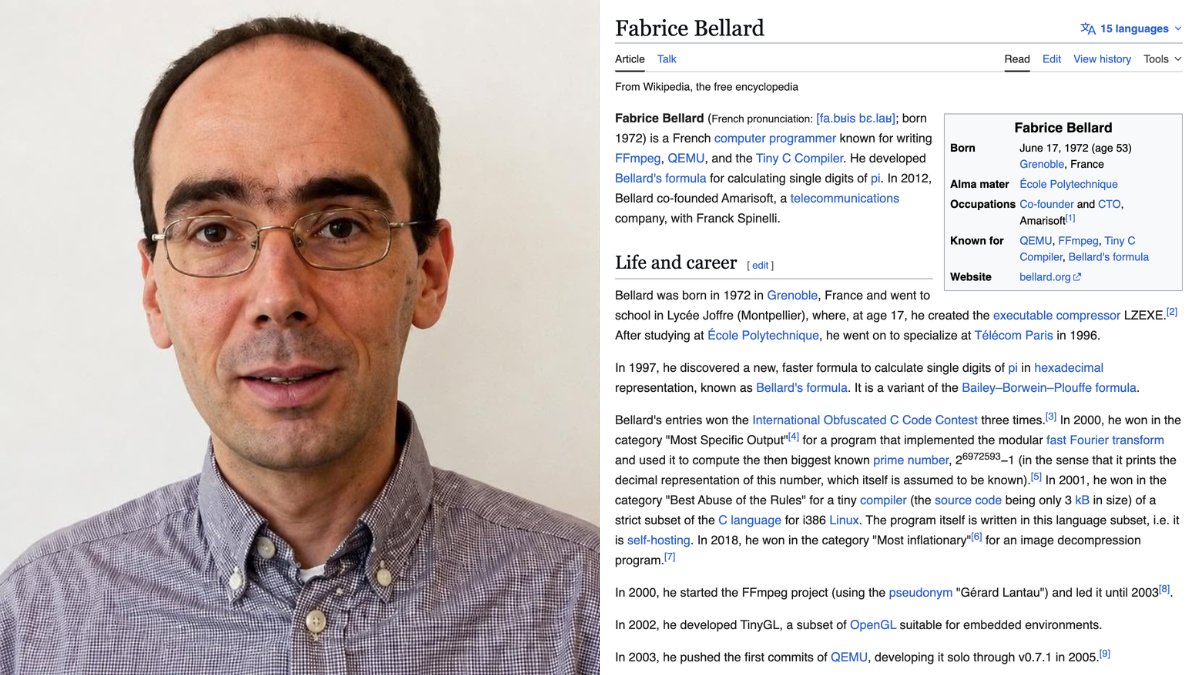
A French engineer who lives quietly in Paris has spent 30 years writing software that the entire internet now runs on without knowing his name.
He wrote the code that streams every YouTube video, every Netflix show, every TikTok clip. He wrote the code that runs the virtual servers underneath AWS, Google Cloud, and Microsoft Azure. He calculated more digits of pi than anyone in history. He has no Twitter. He has no marketing. He just keeps shipping.
His name is Fabrice Bellard.
Here is the story, because almost nobody outside the systems programming world knows what one man has built.
Fabrice was born in 1972 in Grenoble, France. He studied at École Polytechnique, the top French engineering school. He never went to Silicon Valley. He never built a startup empire. He just wrote code.
In 2000 he started a project called FFmpeg, an open-source multimedia framework for encoding, decoding, and streaming video. He was 28. The project did one thing nobody else had done well. It handled every video and audio format that existed, in one library, on every operating system. He led it himself for years.
Today FFmpeg is the invisible engine of the internet. YouTube uses it. Netflix uses it. VLC uses it. Chrome and Firefox use parts of it. Every Android phone, every iPhone, every smart TV, every video editing tool you have ever touched runs FFmpeg somewhere underneath. If you have watched a video on a screen in the last 20 years, Fabrice's code processed it.
He was not done.
In 2003 he started QEMU, a machine emulator and virtualizer. He wrote it solo until version 0.7.1 in 2005. QEMU lets you run any operating system on any other operating system. It became the foundation of modern virtualization. KVM, the Linux kernel hypervisor, runs on top of QEMU. Every major cloud provider, AWS, Google Cloud, Microsoft Azure, IBM Cloud, runs virtual machines on infrastructure built around it. The Quick Emulator is the most cited piece of cloud infrastructure code on Earth.
He kept going.
In 2001 he won the International Obfuscated C Code Contest with a small C compiler that grew into TCC, the Tiny C Compiler. TCC can compile and boot a Linux kernel from source in under 15 seconds. In 2004 he calculated the most digits of pi ever computed at the time, using a personal desktop computer and an algorithm he derived himself called Bellard's formula. In 2011 he wrote a complete PC emulator in pure JavaScript that runs Linux in your browser, a project called JSLinux that engineers still cannot believe is real.
In 2019 he released QuickJS, a small but complete JavaScript engine that fits where V8 cannot. In 2021 he released NNCP, a neural network based lossless data compressor that immediately took the lead on the Large Text Compression Benchmark.
Then he turned his attention to large language models. He built TextSynth Server, a web server with a REST API for running LLMs locally. He released ts_zip and ts_sms, compression utilities that use language models to compress text and short messages at ratios traditional algorithms cannot reach. He released TSAC, a very low bitrate audio compression system. In December 2025 he released Micro QuickJS, a new JavaScript engine for microcontrollers, separate from QuickJS, designed for environments with almost no memory.
Fabrice co-founded a telecom company called Amarisoft in 2012, where he serves as CTO. Amarisoft builds 4G and 5G base station software used by carriers and labs around the world. He has been running it for over a decade while continuing to ship personal projects from his own home page at bellard dot org
He has no Twitter. He has no Instagram. He gives almost no interviews. His personal website is a flat list of projects with no styling, no fonts, no marketing copy. Just titles and links.
A quiet French engineer who never moved to Silicon Valley wrote the code that quietly runs the internet.
He is still shipping.
379
4,516
25,163
3,054,573
Rish retweeted

Jun 6
Computer programming is an art
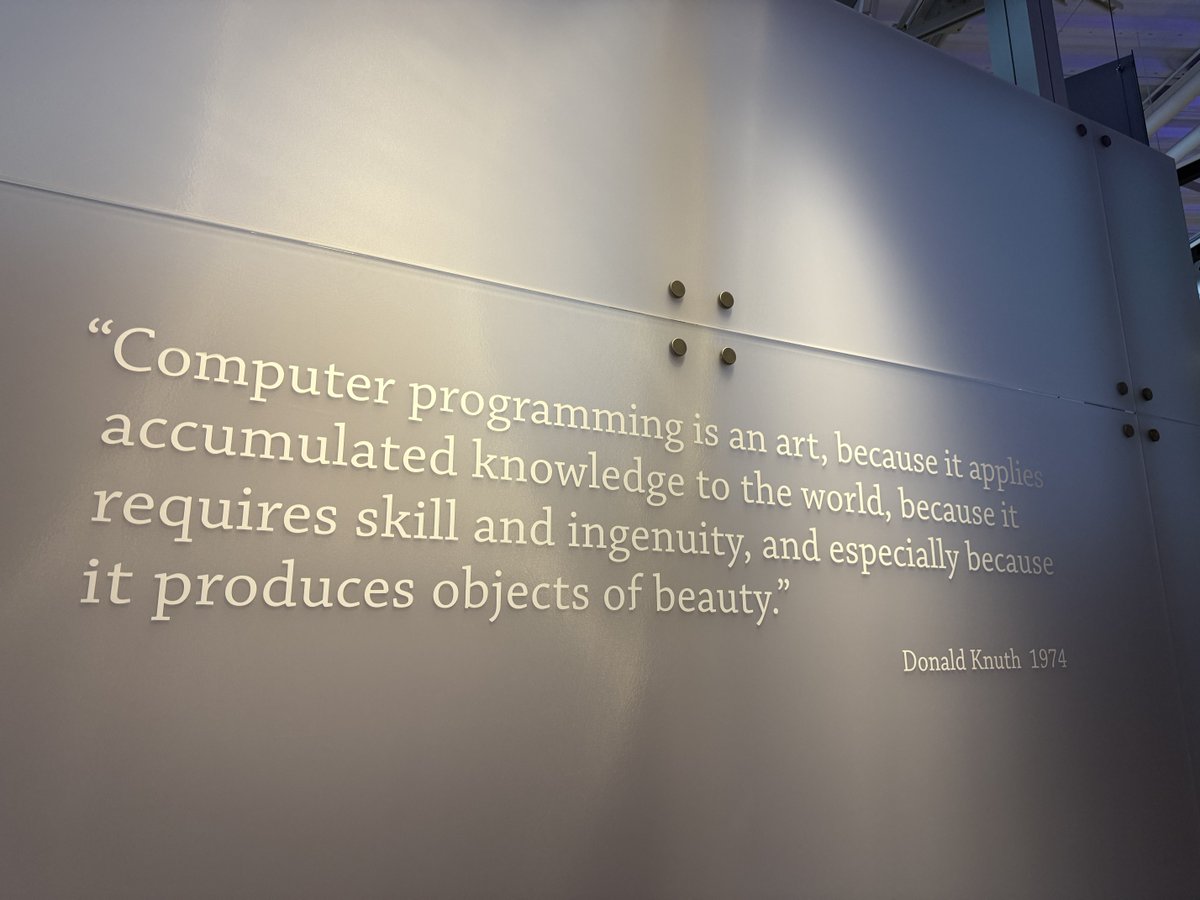
ALT A wall displays a quote by Donald Knuth emphasizing computer programming as an art that showcases skill and beauty.
3
3
73
3,756
Rish retweeted

Jun 6
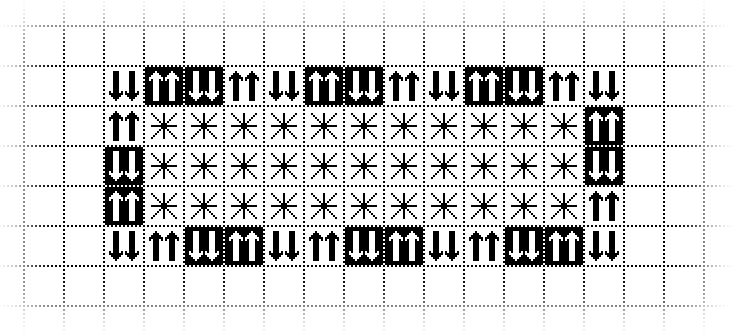
I've just made a @p5xjs restoration of "Painting with Interactive Pixels", a 1998 drawing tool by @dagsvanaes in which each "ink" color has its own behavior. PIP influenced me greatly in '98 — and as a Java app hasn't been viewable online in 20 years: golanlevin.github.io/pip/ind…
6
63
2,751
Rish retweeted

Jun 6
There were 97 years between the first phone call and cell phone call.
And 34 years between the first cell phone call and the iPhone.

8
12
107
14,841
Rish retweeted
Jun 6
Fun reminder that my popup solo exhibition at the @bantamtools Machine Arts Gallery (Peekskill, NY) continues until June 12! I'm showing several different collections of plotted works examining cells and organic form: bantamtools.com/collections/…




1
5
50
1,942
Rish retweeted

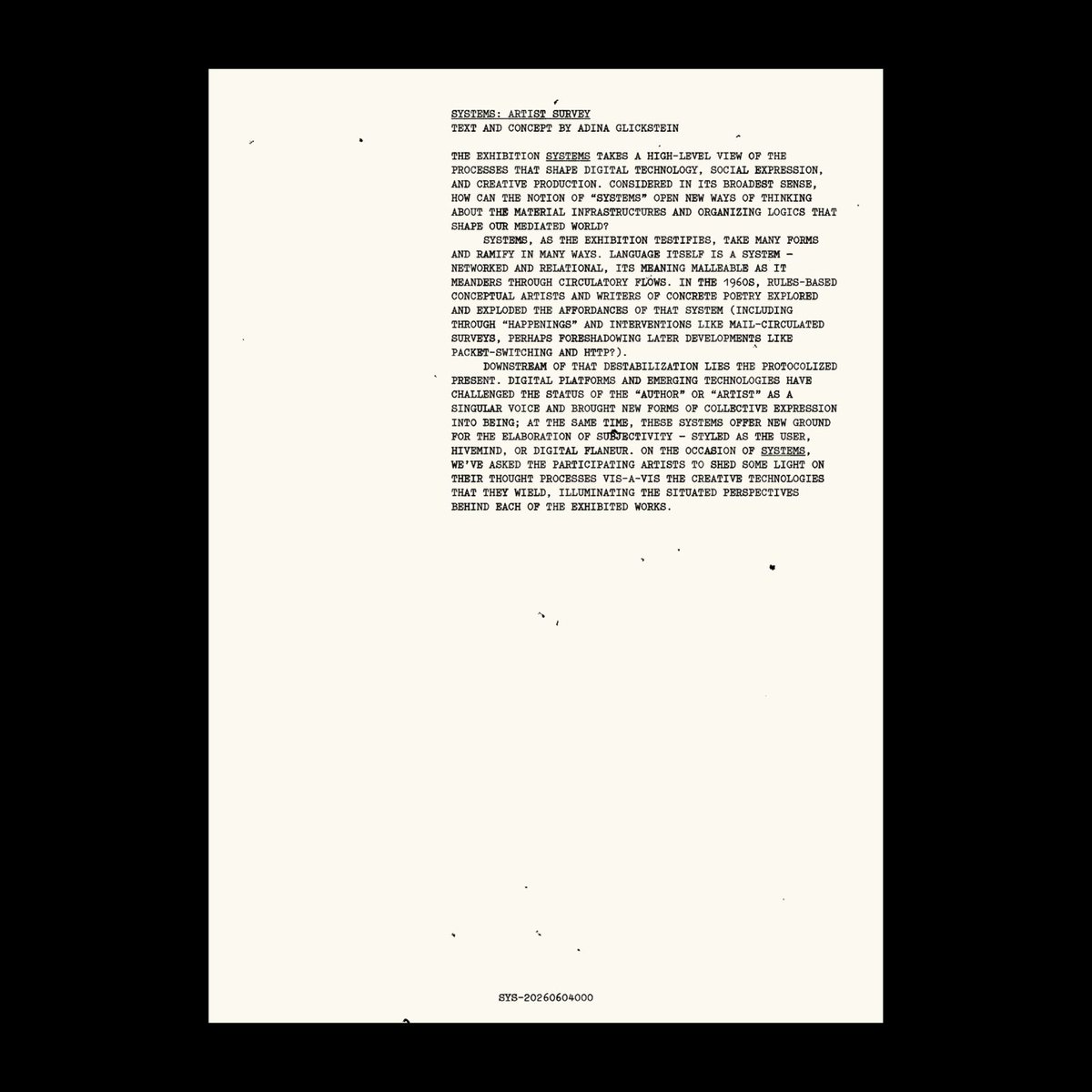
Written and conceptualized by Adina Glickstein, the SYSTEMS Artist Survey plays with the procedural language of paperwork and concrete poetry to illuminate the situated perspectives of artists included in the exhibition.
1
4
16
571
Rish retweeted
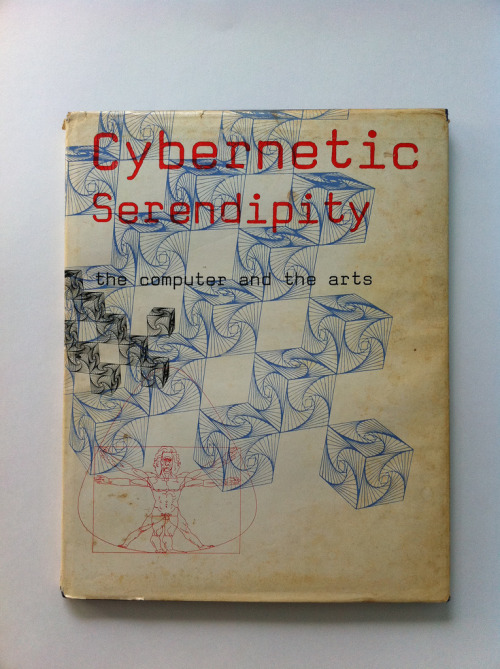
In 1968, when computers were still seen as cold calculating machines, Jasia Reichardt curated an extraordinary exhibition in London called Cybernetic Serendipity. Artists, engineers, poets and scientists came together to explore the creative possibilities at the intersection of art and technology.The result was something remarkably ahead of its time. If you're curious about the early days of the relationship between computers and art, the catalogue is essential reading. The catalogue from Cybernetic Serendipity is filled with ideas, experiments and reflections that feel surprisingly relevant in our current AI era. You can read the full PDF for free here:
monoskop.org/images/2/25/Rei… Highly recommended! Take your time with it. thanks @monalisa for the tip!
26
535
3,466
187,366
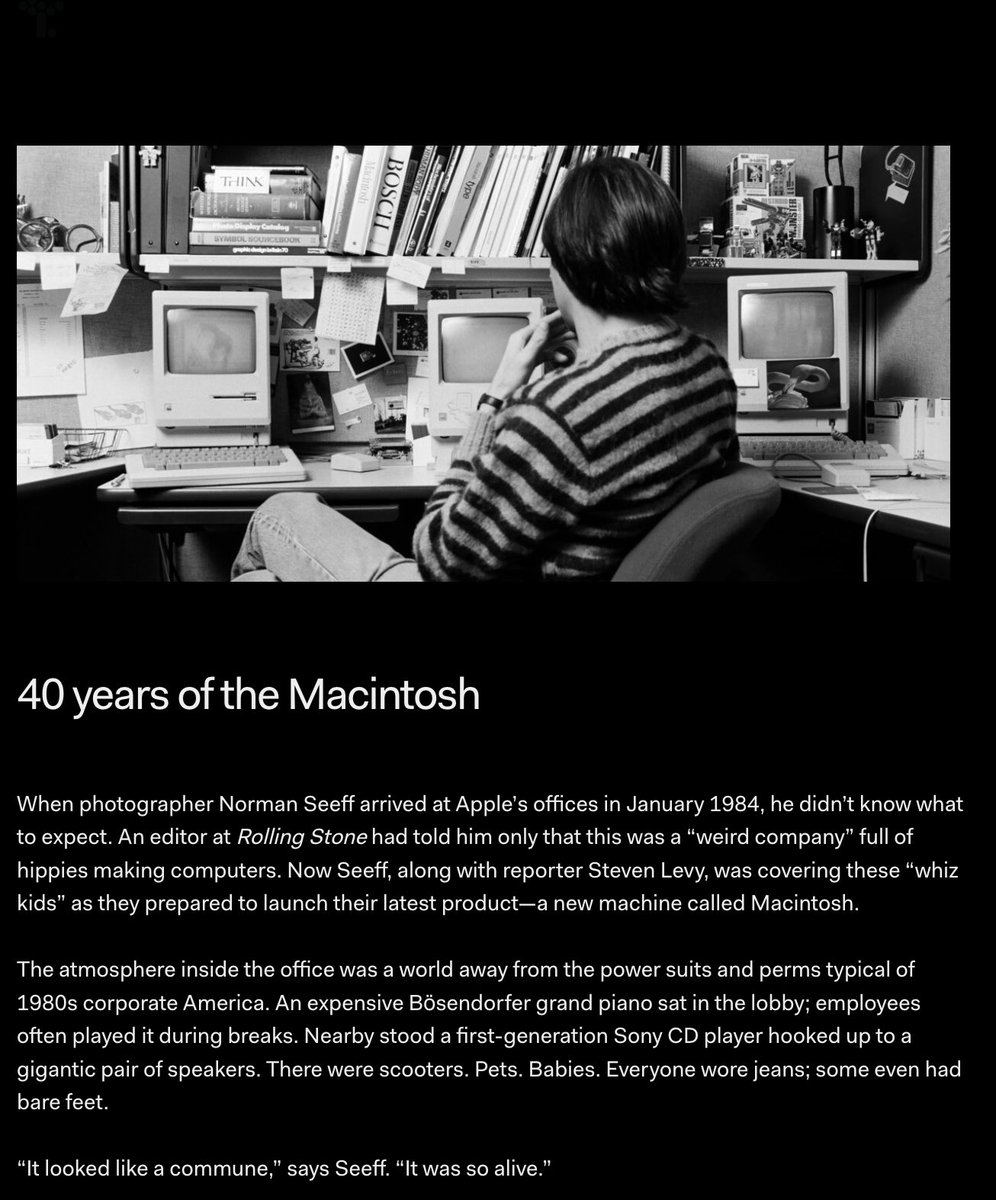
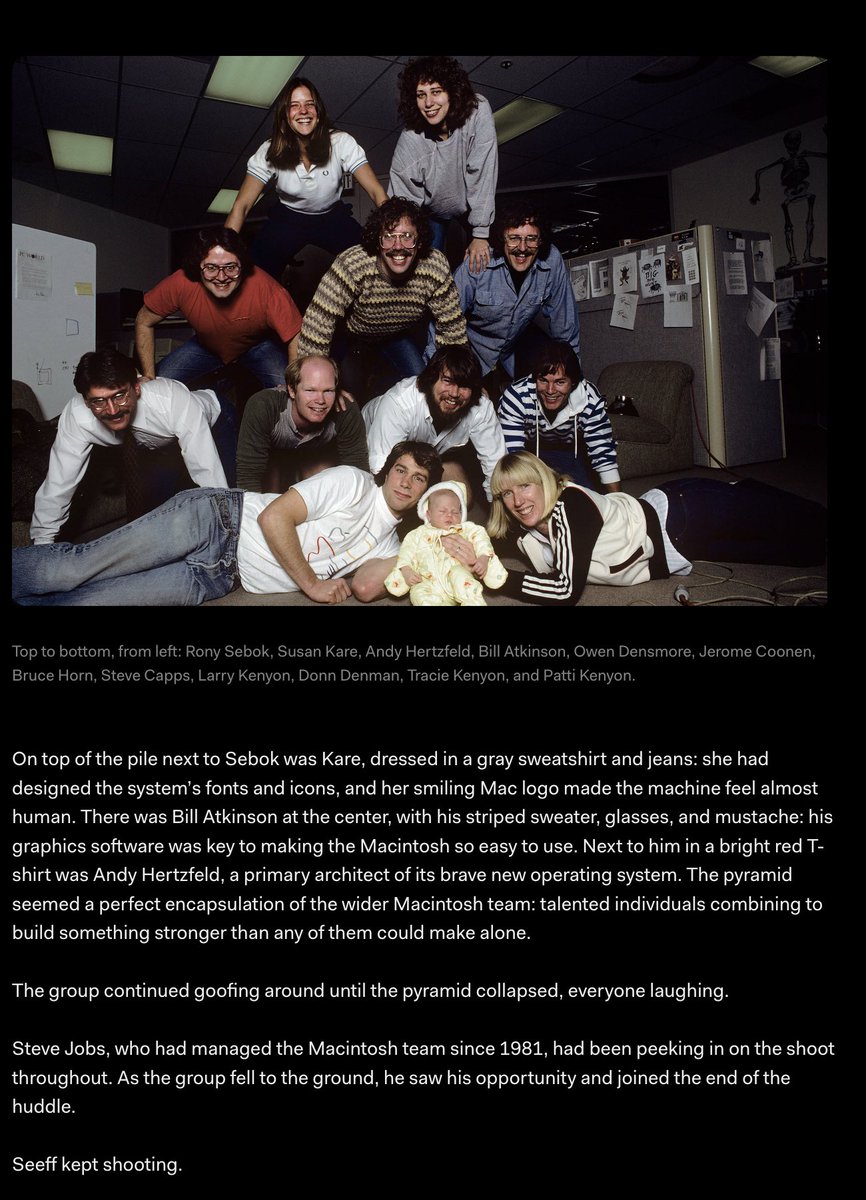
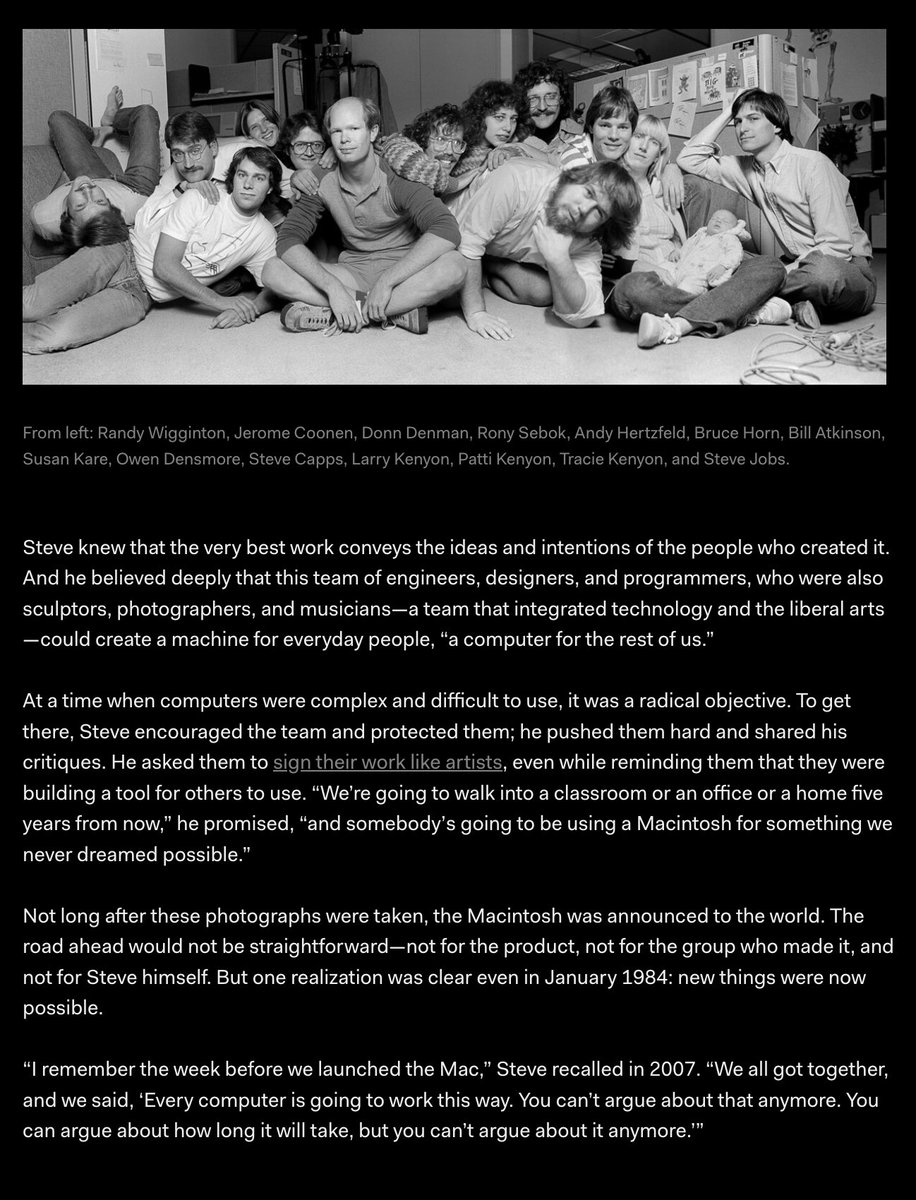
Rish retweeted

Jun 4
LEGO just dropped its largest set ever: La Sagrada Familia.
It has 12,060 pieces and costs $800. The set comes 100 years after Antoni Gaudi’s death (June 10, 1926).
The details are insane including spires, carvings and interior with light shining through stain-glass windows.




182
1,477
10,956
1,487,174

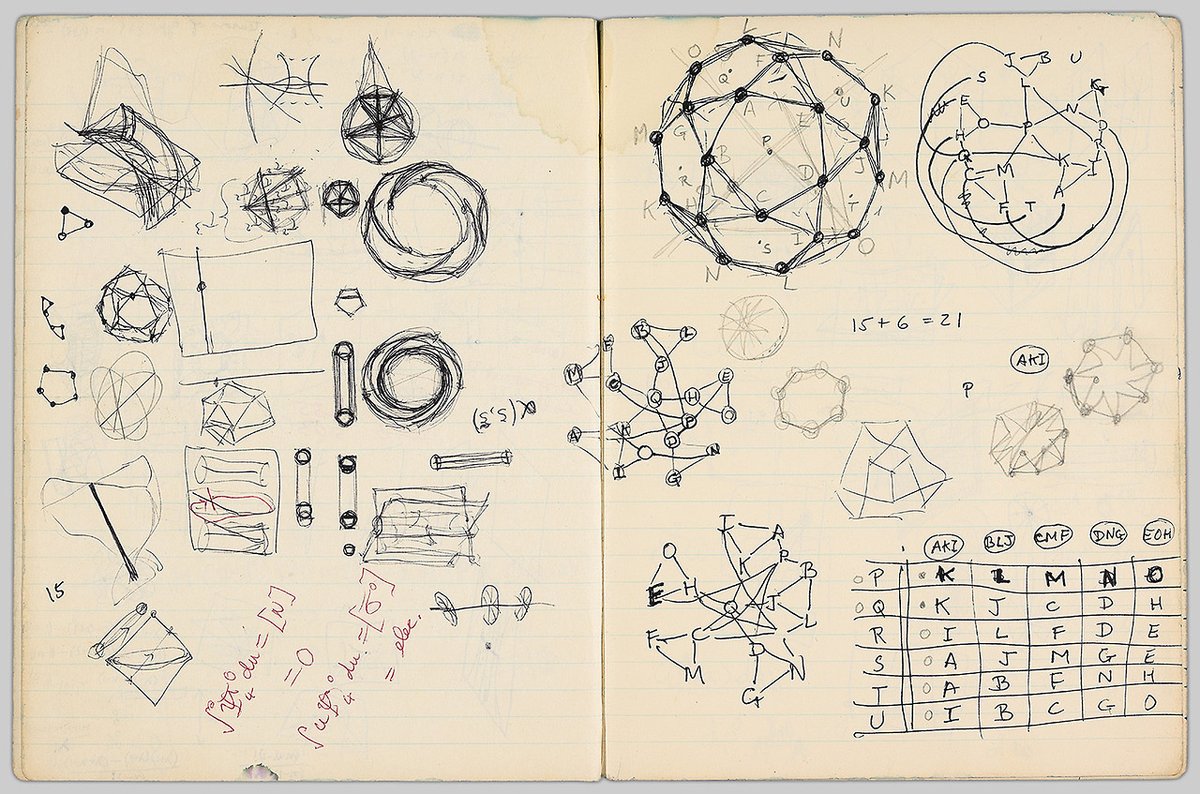
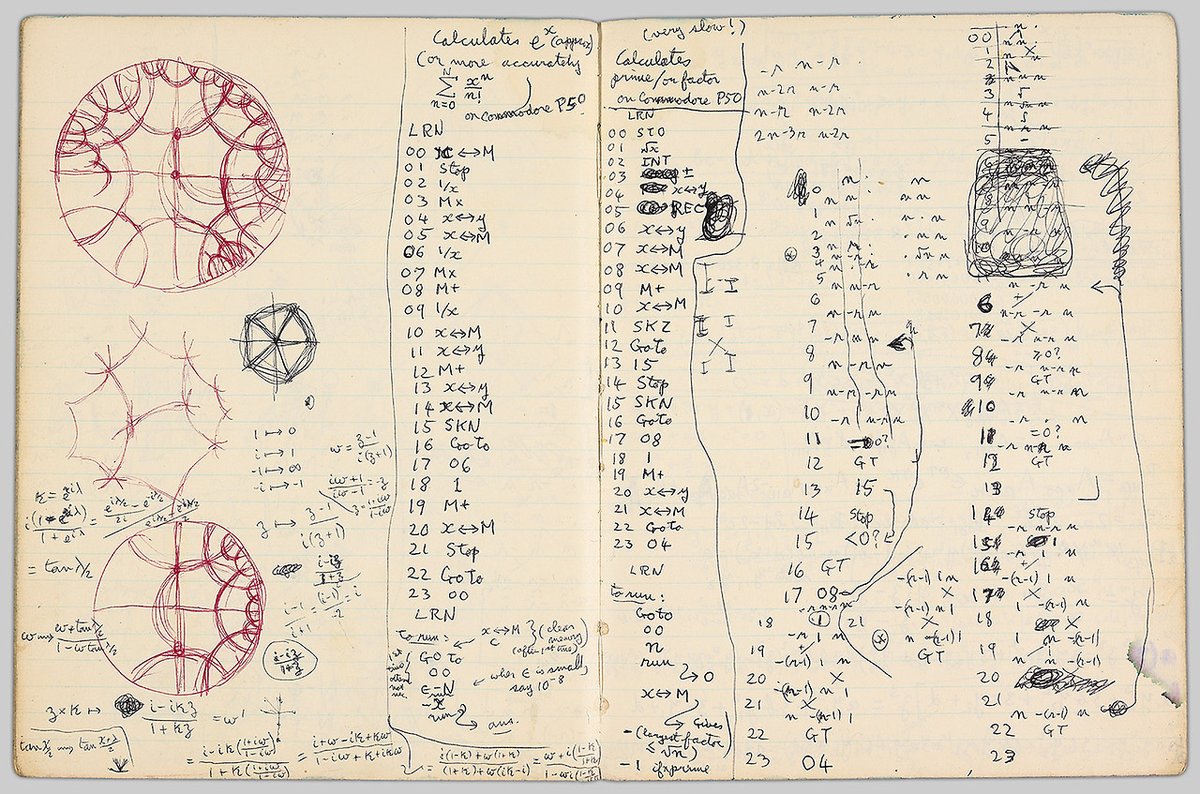
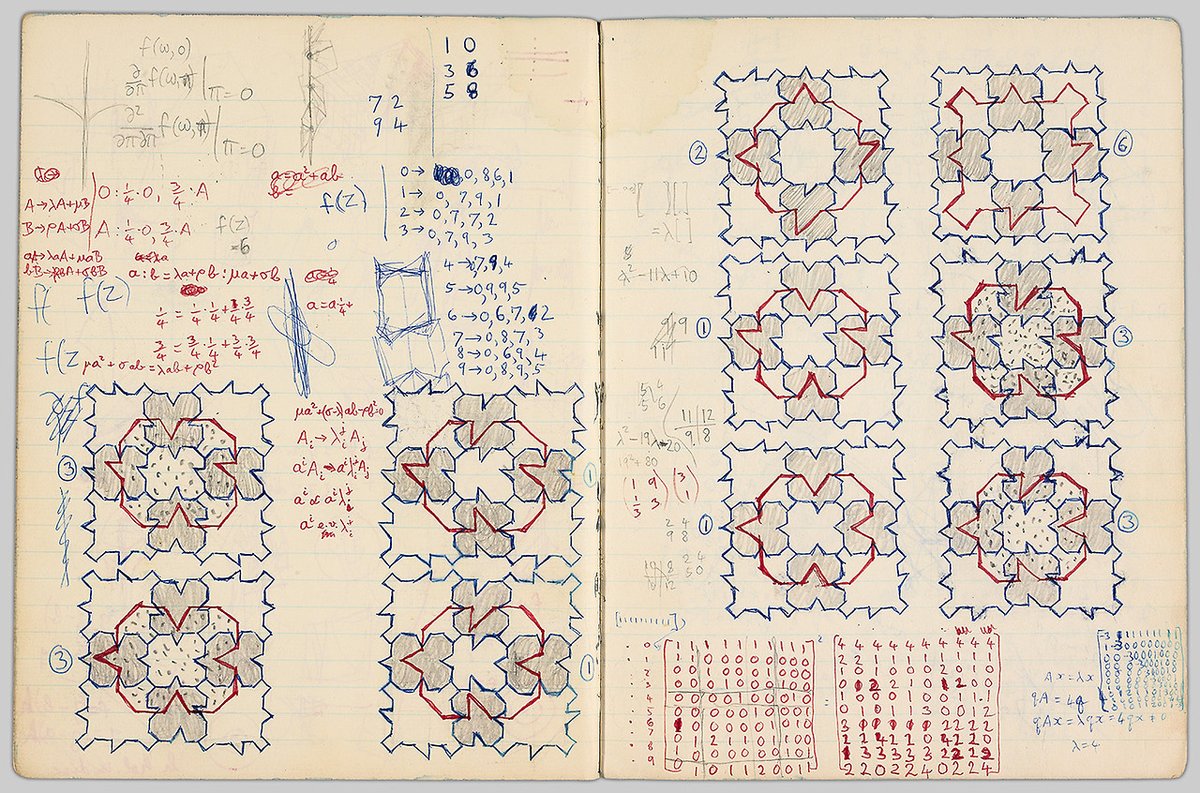
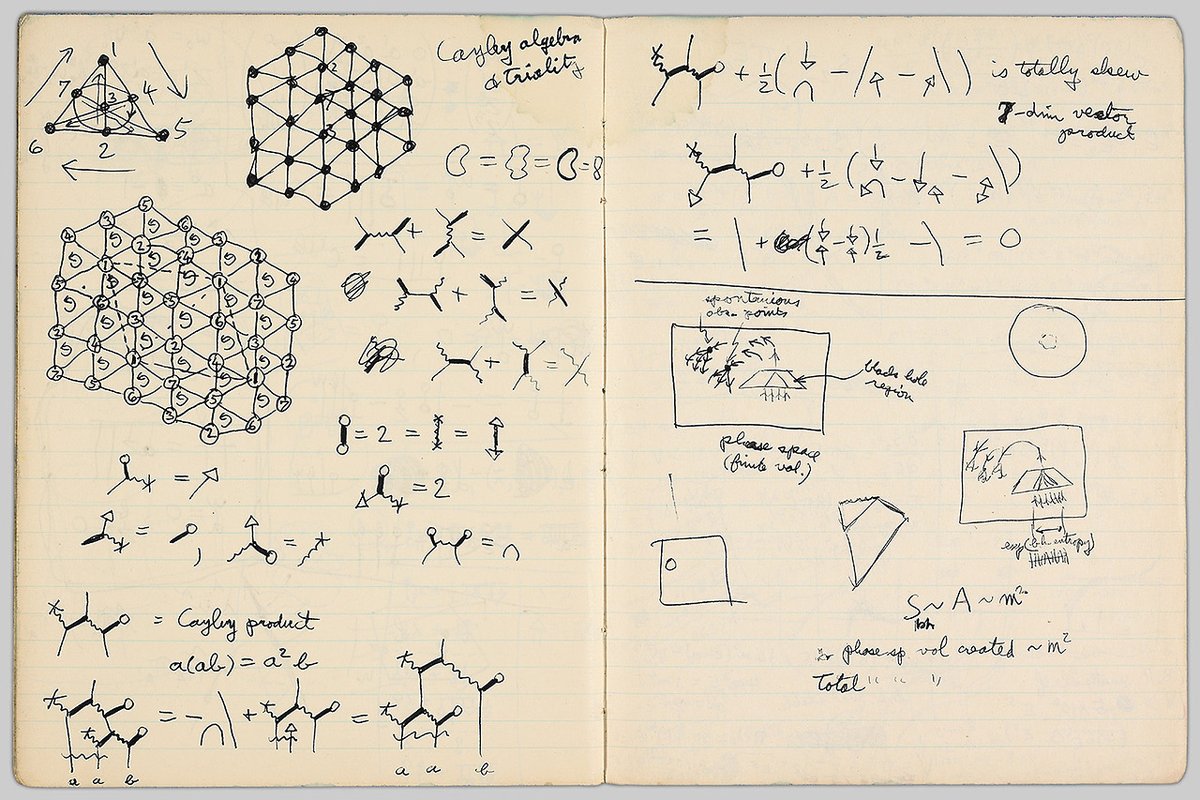
Mathematical physicist Roger Penrose's journal is so beautiful. abakcus.com/articles/penrose…
9
188
1,037
48,474