
Joined December 2009
- Tweets 2,396
- Following 415
- Followers 2,900
- Likes 4,177
500 Photos and videos





14 May 2025
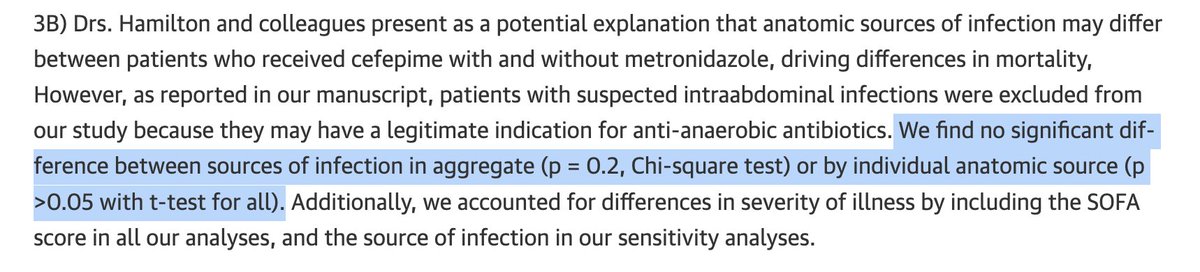
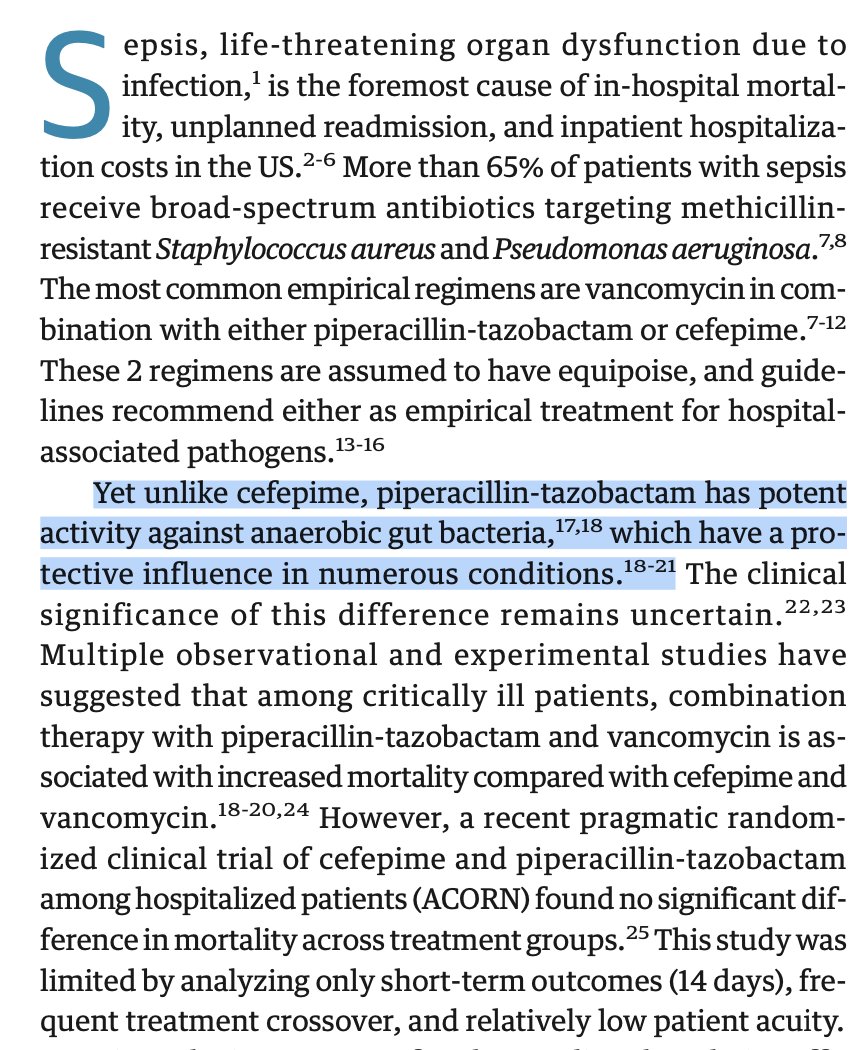
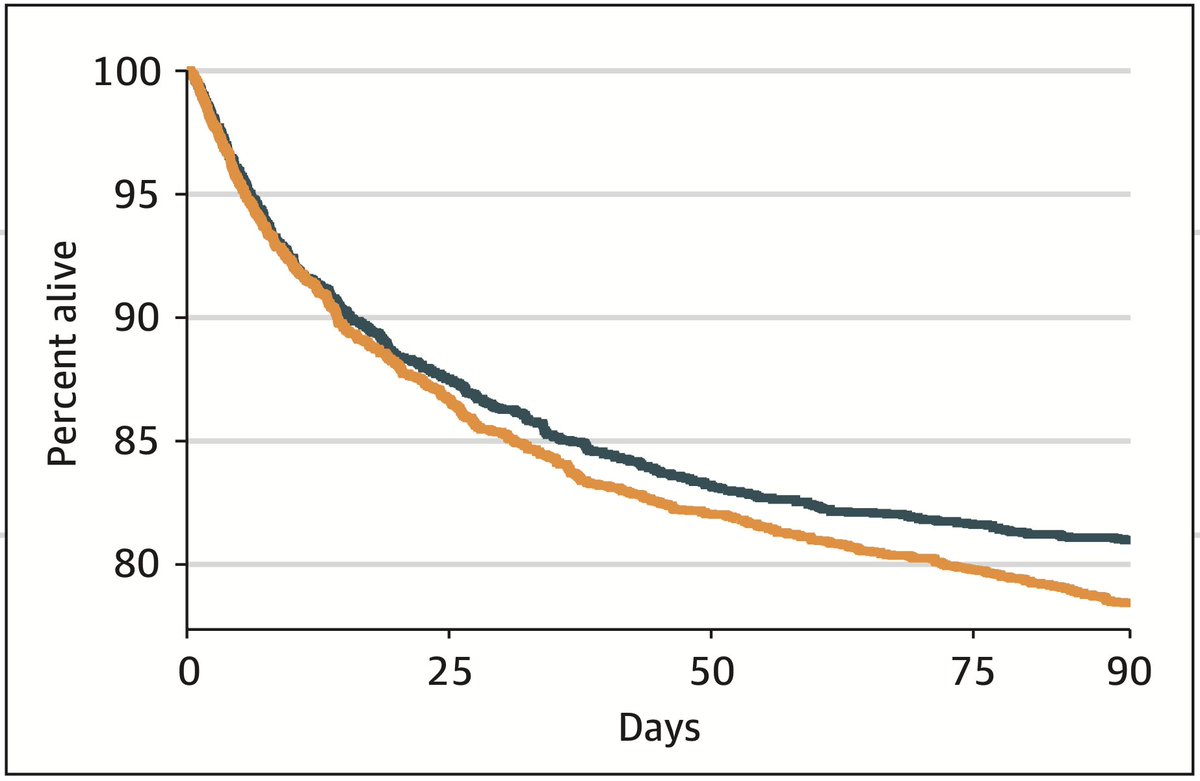
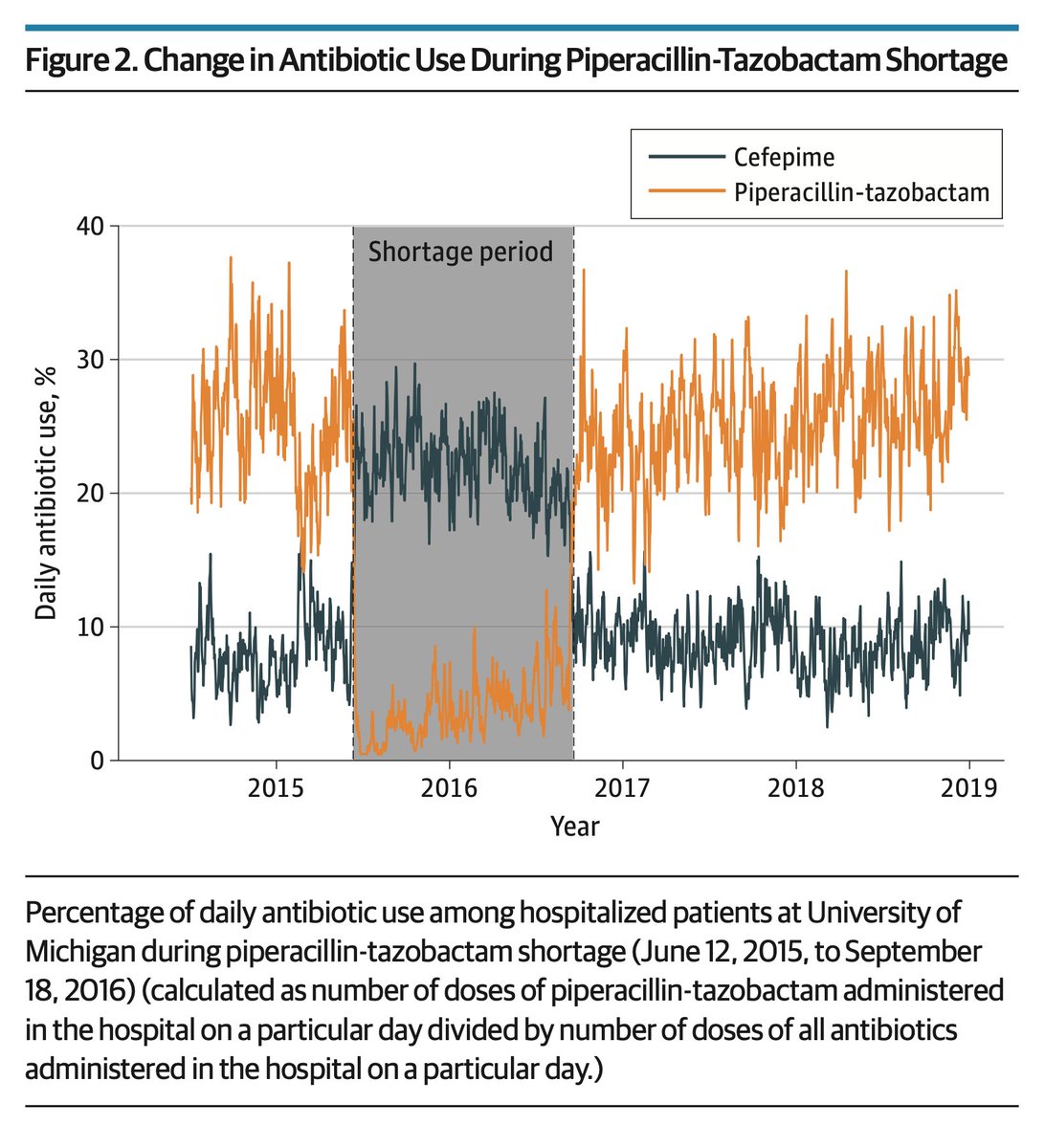
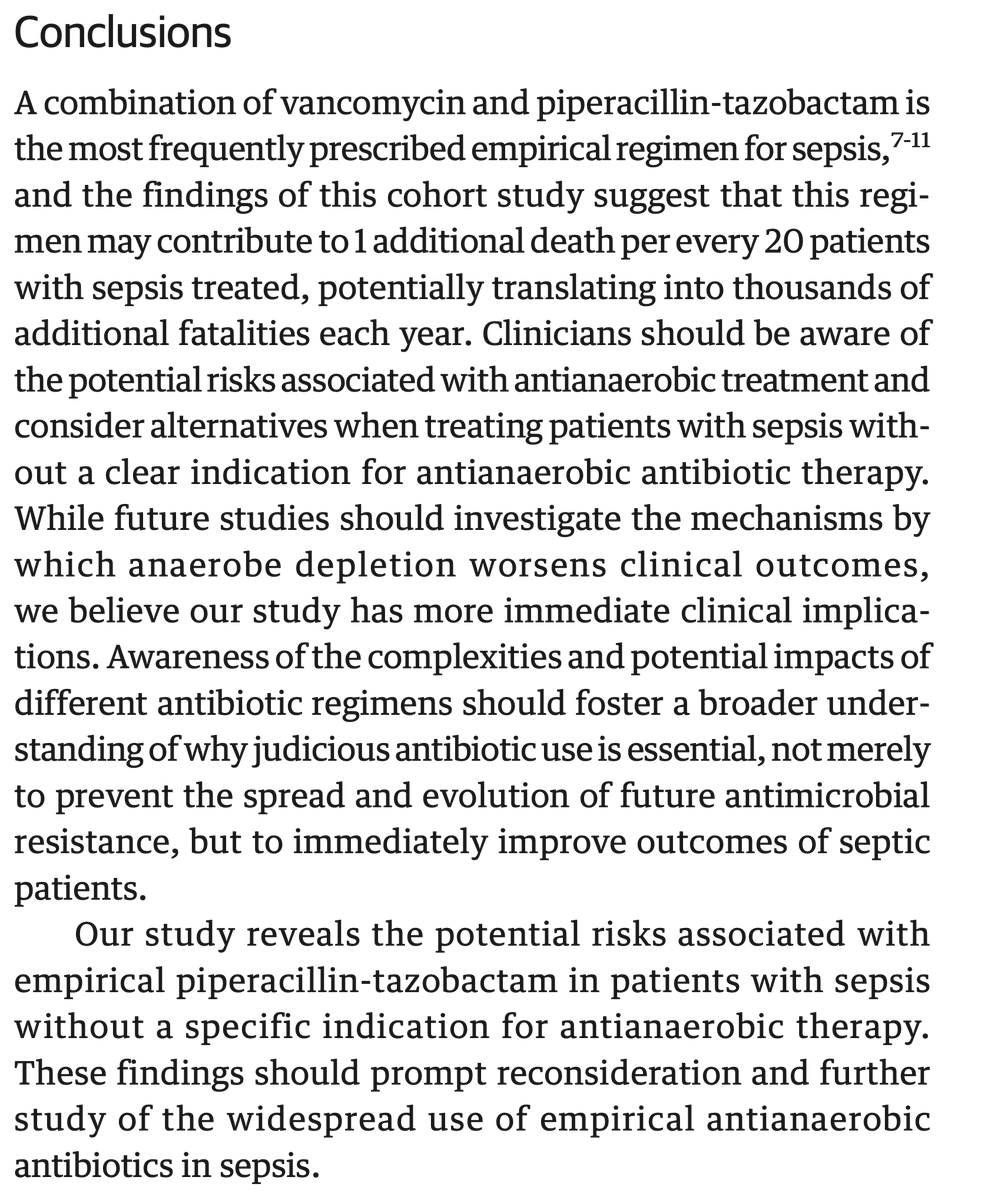
Wait until these guys find out about pip-tazo!
As someone who solidly believes in the biological potency of the microbiome: "can alter the gut microbiome" is a laughably unserious endpoint. This is so cynical.
13 May 2025

Today, the FDA is taking action to remove concentrated ingestible fluoride prescription drug products for children from the market. A growing body of research is demonstrating how ingested fluoride can alter the gut microbiome. This is especially concerning with young children where the microbiome is in a critical state of development. When it comes to children, this FDA will always err on the side of safety.
1
2
16
1,151
Robert Dickson retweeted

23 Apr 2025
We did it!
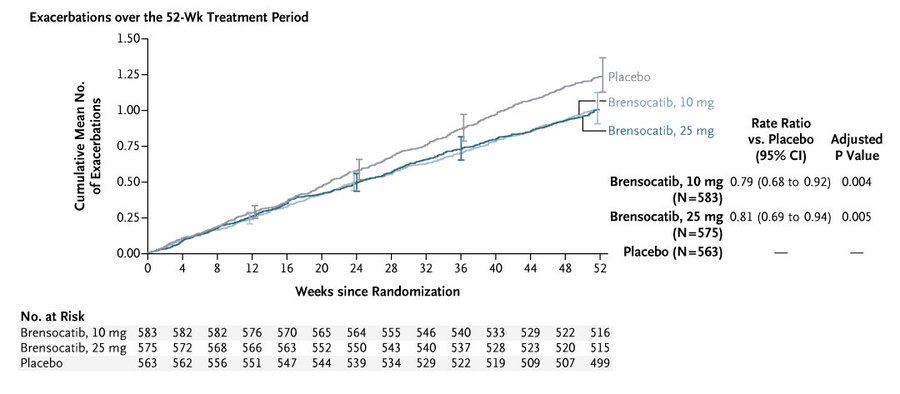
Absolutely thrilled to share the results of the ASPEN trial published today in @NEJM
Brensocatib(10mg and 25mg vs placebo) reduced exacerbations over 52 weeks and slowed lung function decline
A new treatment for bronchiectasis patients
nej.md/4lBHwUr
36
77
257
20,586
Robert Dickson retweeted
4 Mar 2025
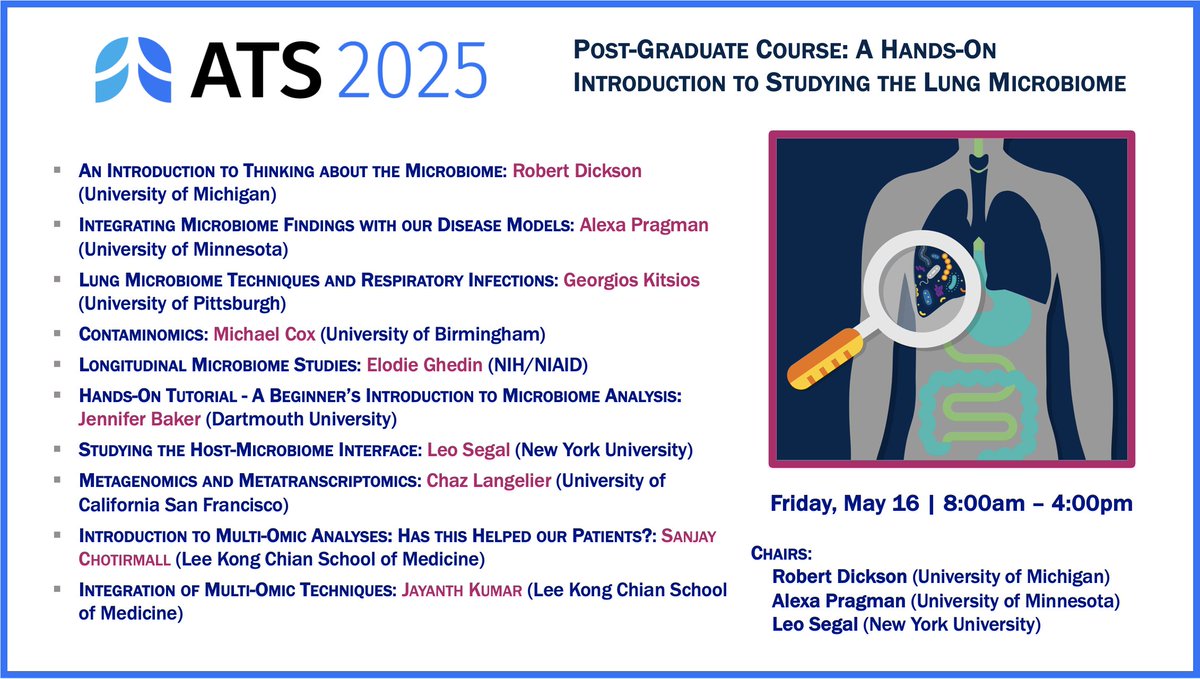
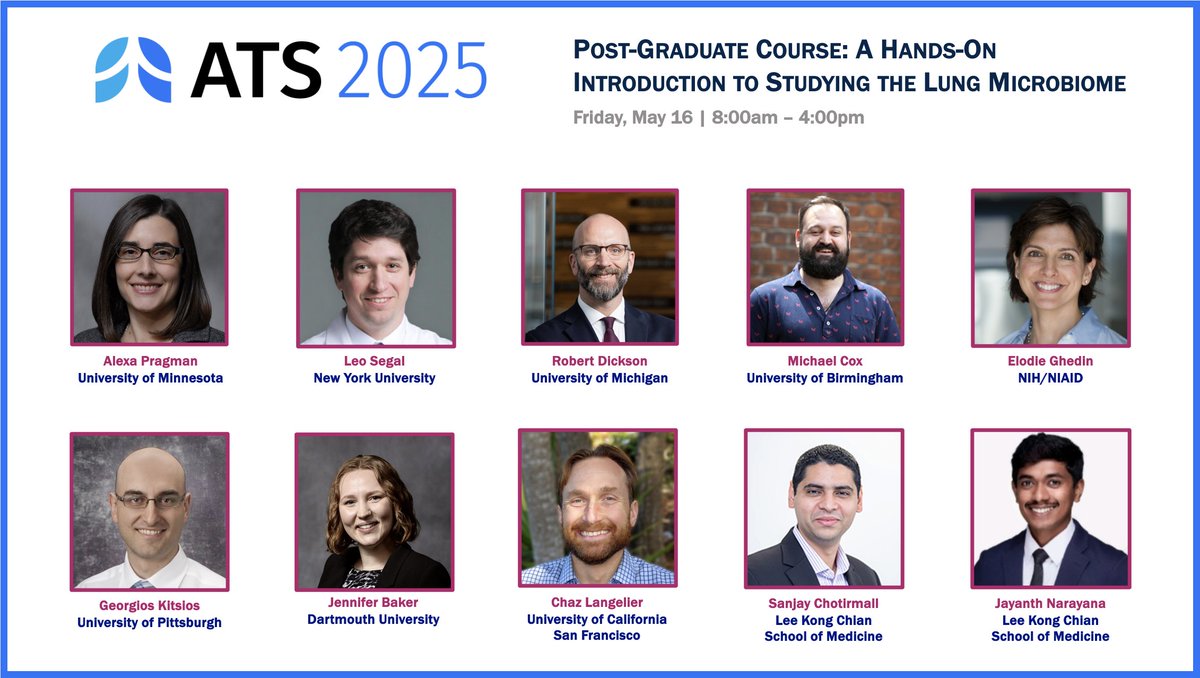
Come learn to study the lung microbiome at ATS 2025! Meet and learn from an all-star team of experts. San Francisco, May 16th.
11
20
1,721
Robert Dickson retweeted

18 Jan 2025
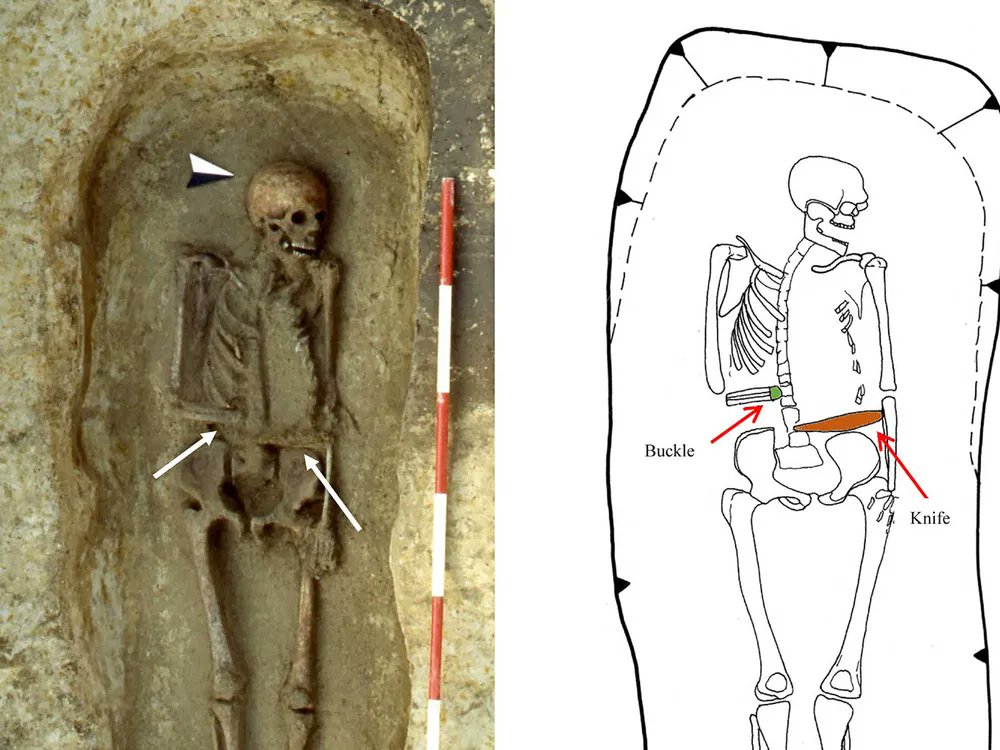
This man from the Middle Ages had a knife hand as a prosthetic
Thread 🧵 on the Germanic man with a knife for an arm and how we know
19
47
607
94,647
Robert Dickson retweeted

18 Jan 2025
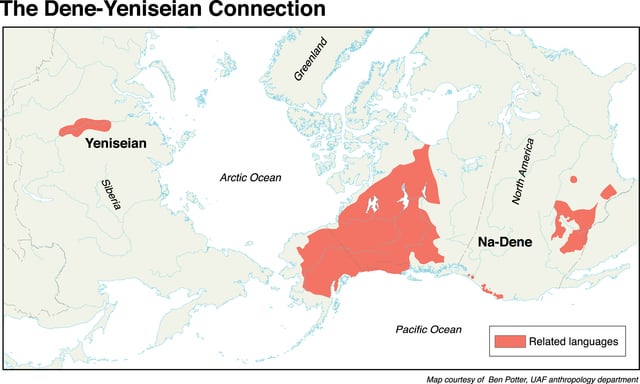
Not even the craziest part of that language family
18 Jan 2025

This remains one of the craziest map of connected languages in existence
45
415
8,789
539,478
Robert Dickson retweeted

Tomorrow's Grand Rounds will feature Dr. Robert Dickson, MD, (@robertpdickson) of @umichmedicine, presenting “The Role of the Microbiome in Critical Illness" virtually and in-person. Join us!
Details: medicine.wisc.edu/department…
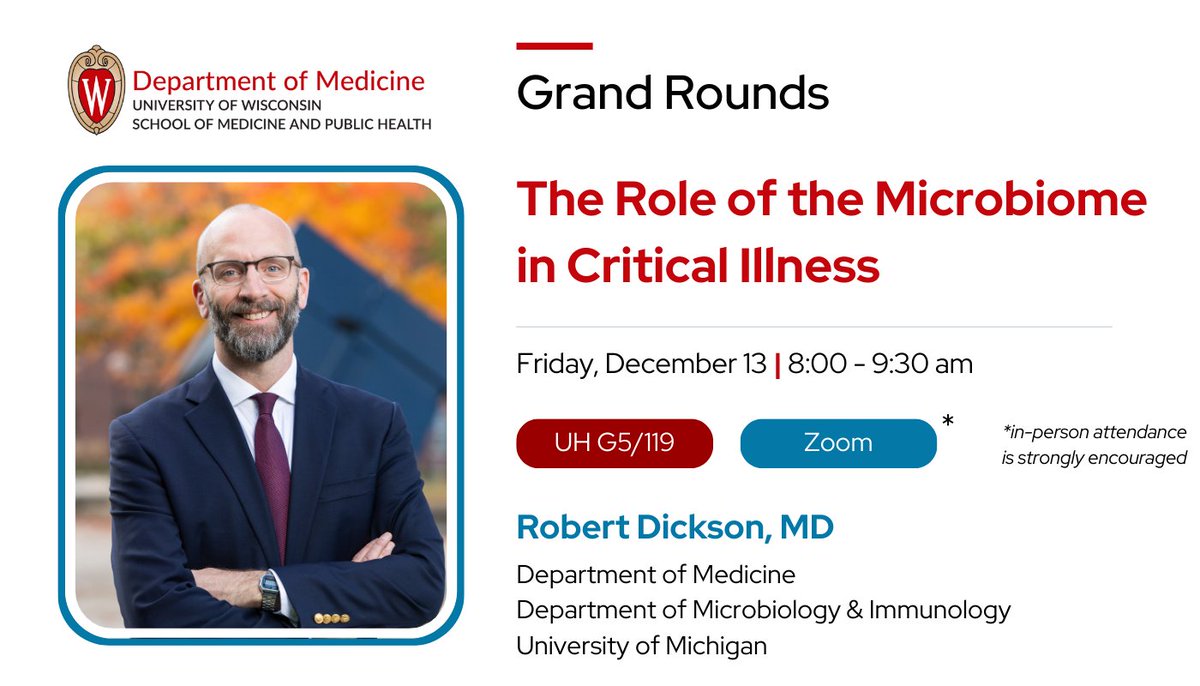
ALT Poster with details about Grand Rounds presentation.
2
11
646
Robert Dickson retweeted

30 Nov 2024
Ryan Day is now 45-1 against Big Ten teams that aren't Michigan, and 1-4 against Big Ten teams that are Michigan
6
55
585
47,992
Robert Dickson retweeted

24 Nov 2024
According to dynamical systems, psychiatric disorders can be seen as energy landscapes with peaks and valleys. OCD has deep valleys where neural activity gets stuck, while schizophrenia has shallow valleys that let neural activity roam too freely, connecting unrelated ideas.
339
1,741
14,623
1,931,208
3 Nov 2024
This was the play that poisoned my charitable take on UM rebuilding. 4th down, game on the line, and we call a gimmick play giving the ball to a WR/passer who's never thrown a ball in a game and a QB/receiver who's never caught a ball in a game. Just play-calling malpractice.

1
2
674
1 Nov 2024
I'm so incredibly proud of Jenn and her inspired work! Congrats Dr. Baker!!

Congratulations to the new Dr. Jenn Baker on her successful PhD defense today. GO BLUE!!!!


1
8
761
Robert Dickson retweeted

Congratulations to the new Dr. Jenn Baker on her successful PhD defense today. GO BLUE!!!!
1
3
19
1,734
Robert Dickson retweeted

1 Nov 2024
1 Nov 2024

My kid and his friends went as Tally Hall and ran into the _actual_ @shaneMauX! This is winning Halloween in Ann Arbor.
2
17
164
3,833
1 Nov 2024
My kid and his friends went as Tally Hall and ran into the _actual_ @shaneMauX! This is winning Halloween in Ann Arbor.
3
20
186
6,546
Robert Dickson retweeted

28 Sep 2024
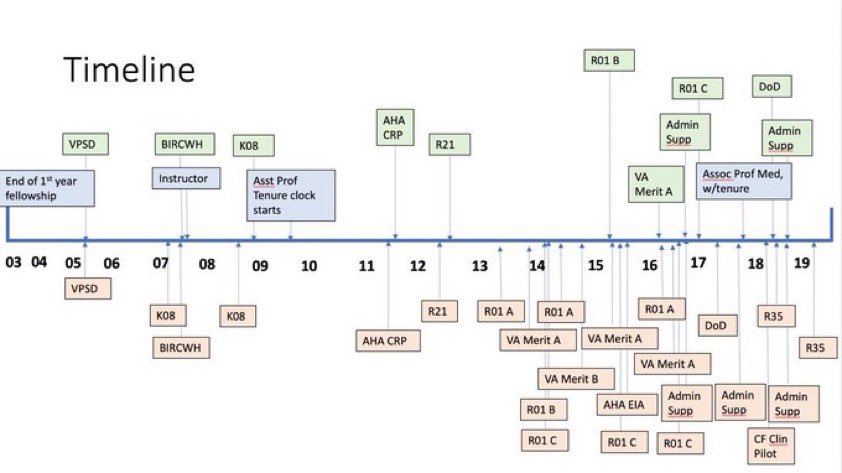
Here’s a timeline of my career
Orange=grants submitted
Green=grants funded
Lessons learned?
-persistence pays
-scientist=professional writer
-grant writing makes the science better
-scientist=entrepreneur. Not every “invention” is a hit (learned this from @ABCSharkTank)
20
91
856
106,509
Robert Dickson retweeted

28 Sep 2024
In contrast, in college football's top division, 134 teams play zero exhibition games, 12 regular season games, and compete for 102 trophies they made up themselves, not counting the conference, bowl, and playoff trophies. (2/7)
1
1
21
1,760
Robert Dickson retweeted

25 Sep 2024
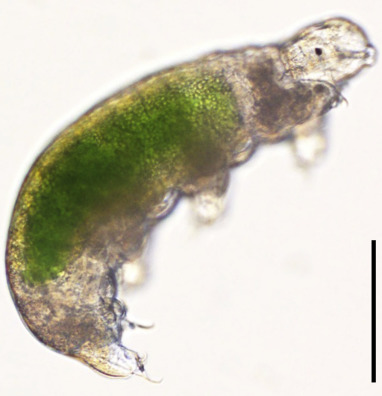
I've seen claims online that tardigrades can live for 30 years without food or water. A Nat Geo article says this, without attribution.
My initial reaction was that this must be an estimate. Why would anyone wait 30 years to figure this out? But Japanese scientists actually did.
In 2015 or so, researchers at the National Institute of Polar Research, in Tokyo, looked inside a freezer and found some old moss samples that had been collected from Antarctica in 1983. The moss had been stuffed into a plastic bag and then stored at -20 °C for the last 30.5 years.
The researchers slowly thawed the moss and then rehydrated it. They found two living tardigrades and one tardigrade egg. At first, the animals moved really slowly, but then they moved a lot more after a few days and started eating algae.
One of the tardigrades later laid eggs and reproduced. The other tardigrade died without reproducing. The egg also hatched and those offspring reproduced, too. The tardigrades seem to survive because they shut down their metabolisms and have proteins that protect their DNA from oxidative reactions over decades.
So, in this case, an internet claim that sounds made up is actually true.
Paper: doi.org/10.1016/j.cryobiol.2…
35
254
1,534
162,308
2 Aug 2024
My all-time favorite Game of Thrones intro.

1
405
Robert Dickson retweeted

Jennifer Baker (@jenn_bak_), PhD candidate @UMMicroImmuno, studies the relationship between acute lung injury & the microbiome in the labs of @robertpdickson and Gary Huffnagle, PhD. michmed.org/Ane5m #GoBlueScience
1
4
7
991