
SABC News Research Editor 👨💻✍ | Author of a doctoral thesis 📚 on digital political communication 📡 | Lover of good cinema 🎬
Joined September 2008
- Tweets 45,762
- Following 6,560
- Followers 6,141
- Likes 227,984
2,831 Photos and videos

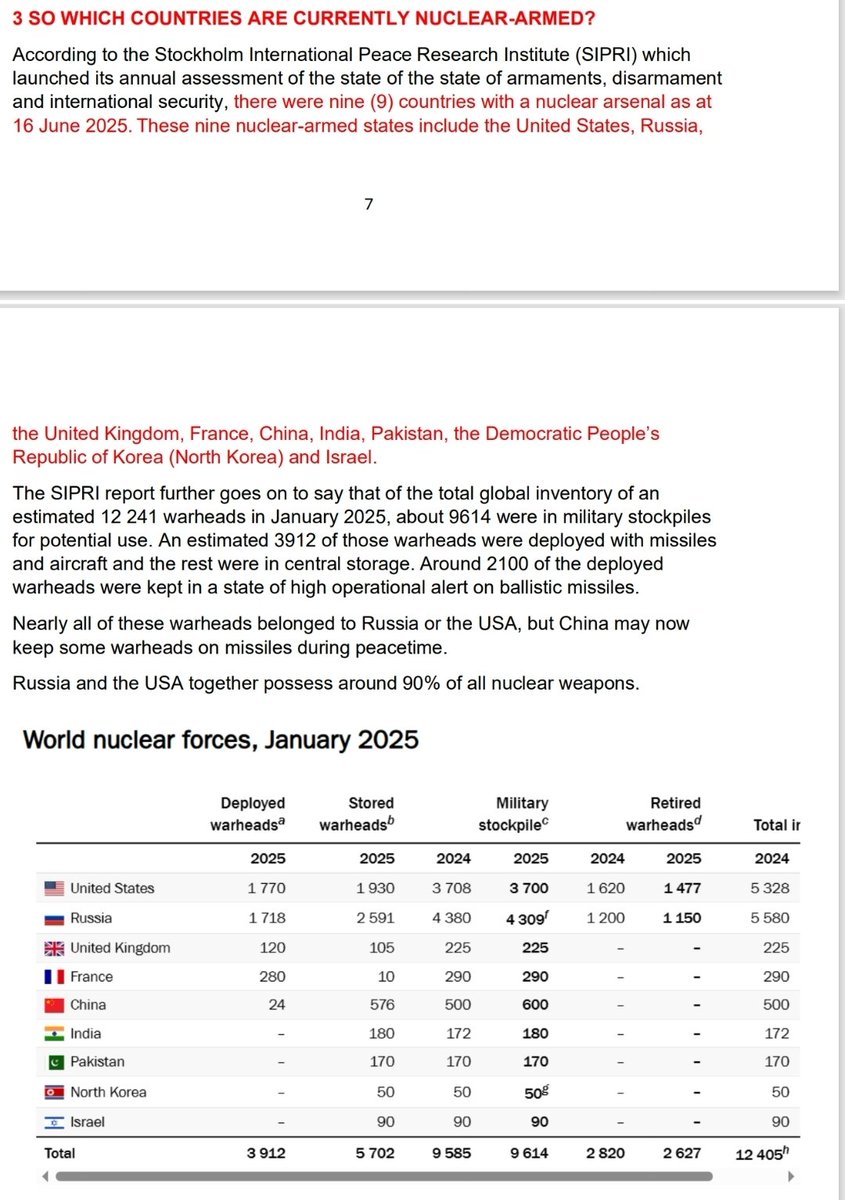
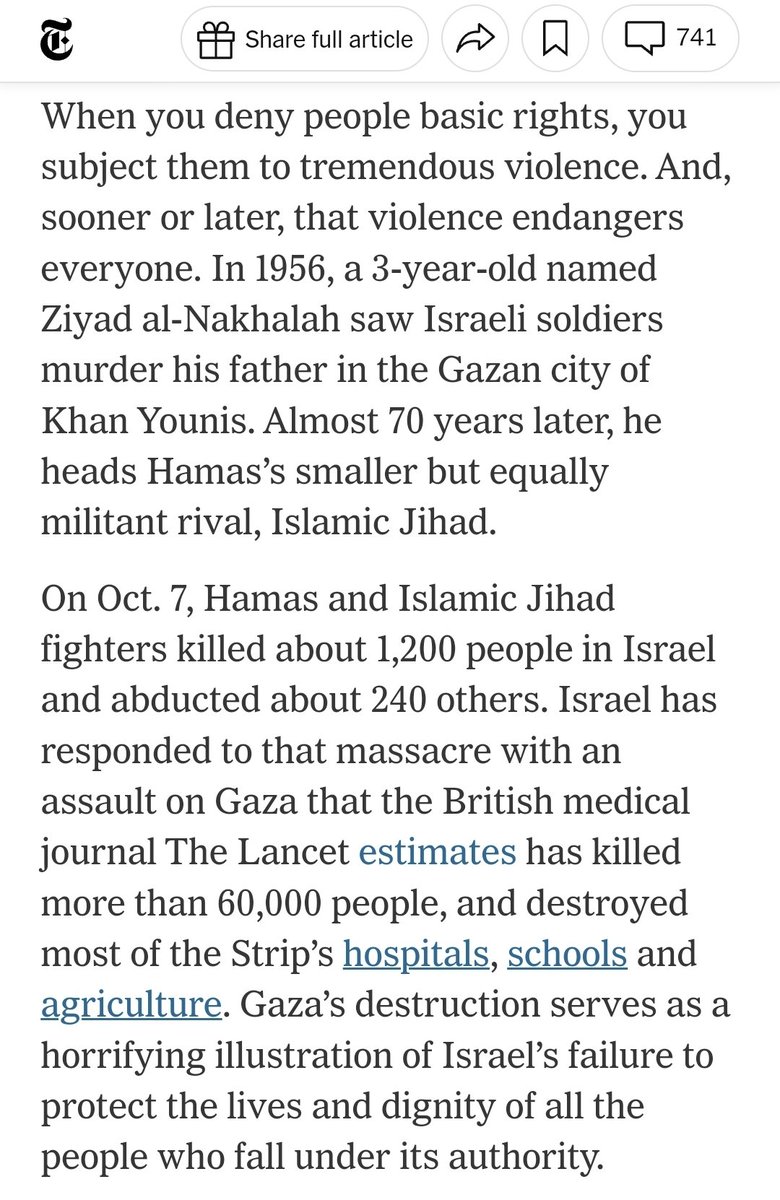
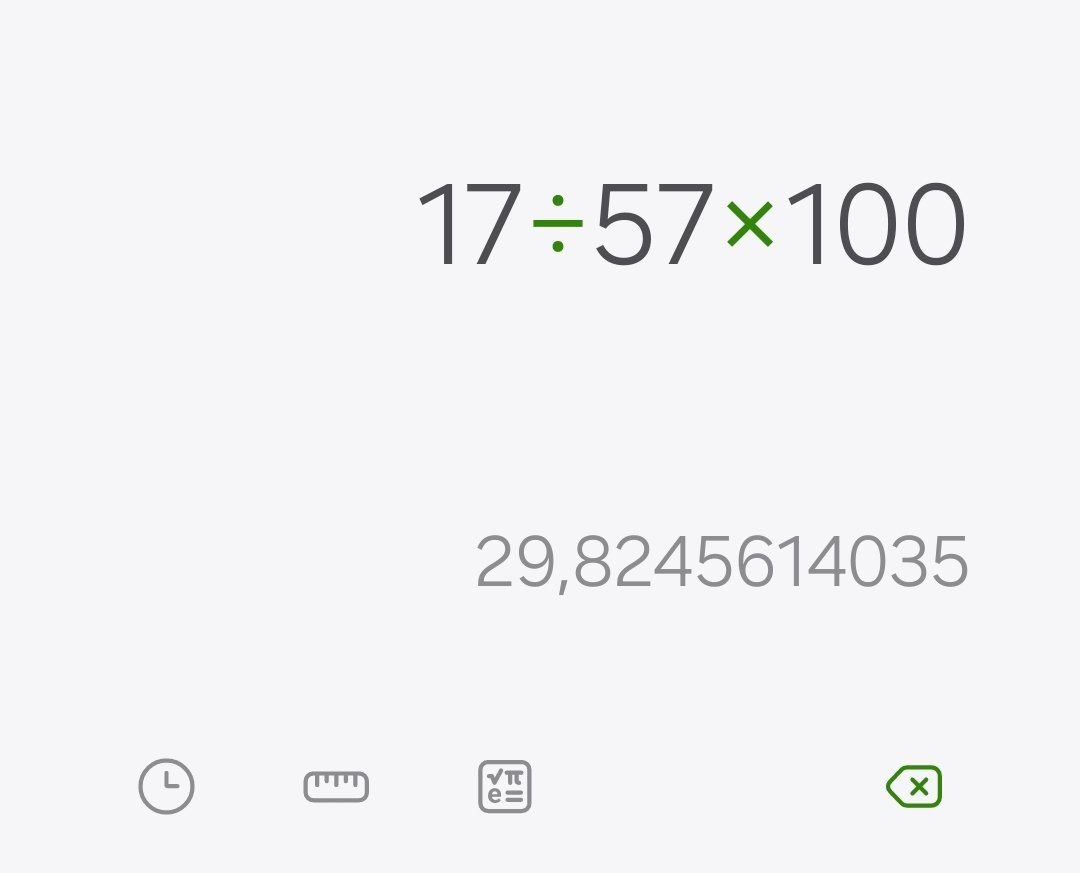
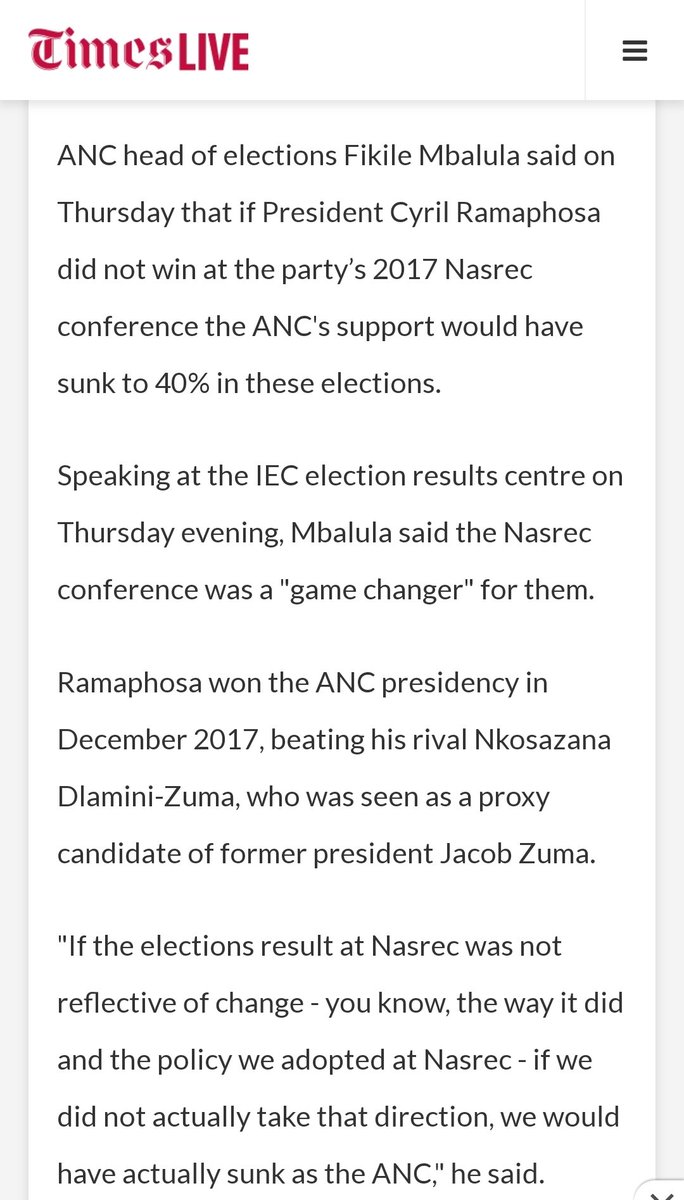

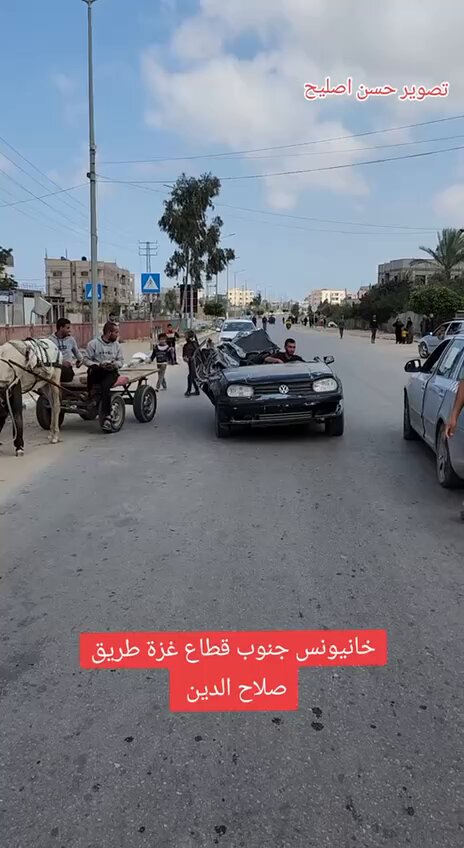
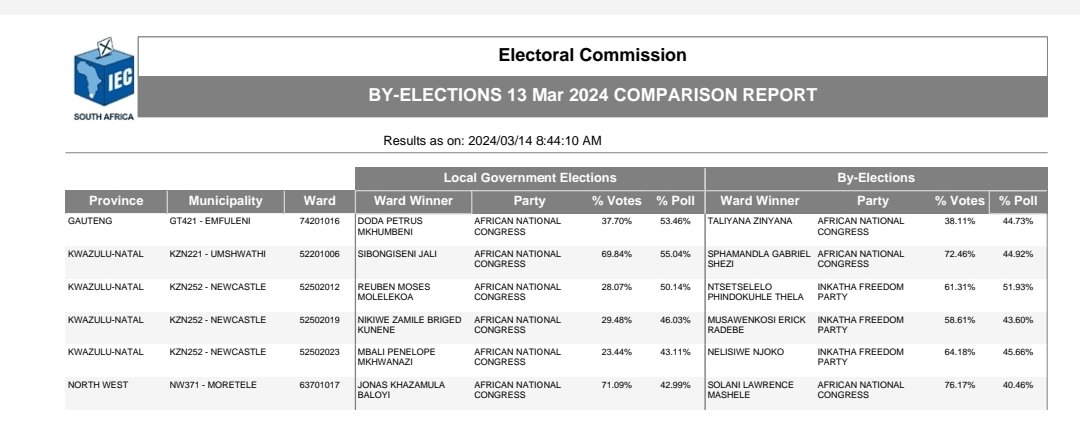
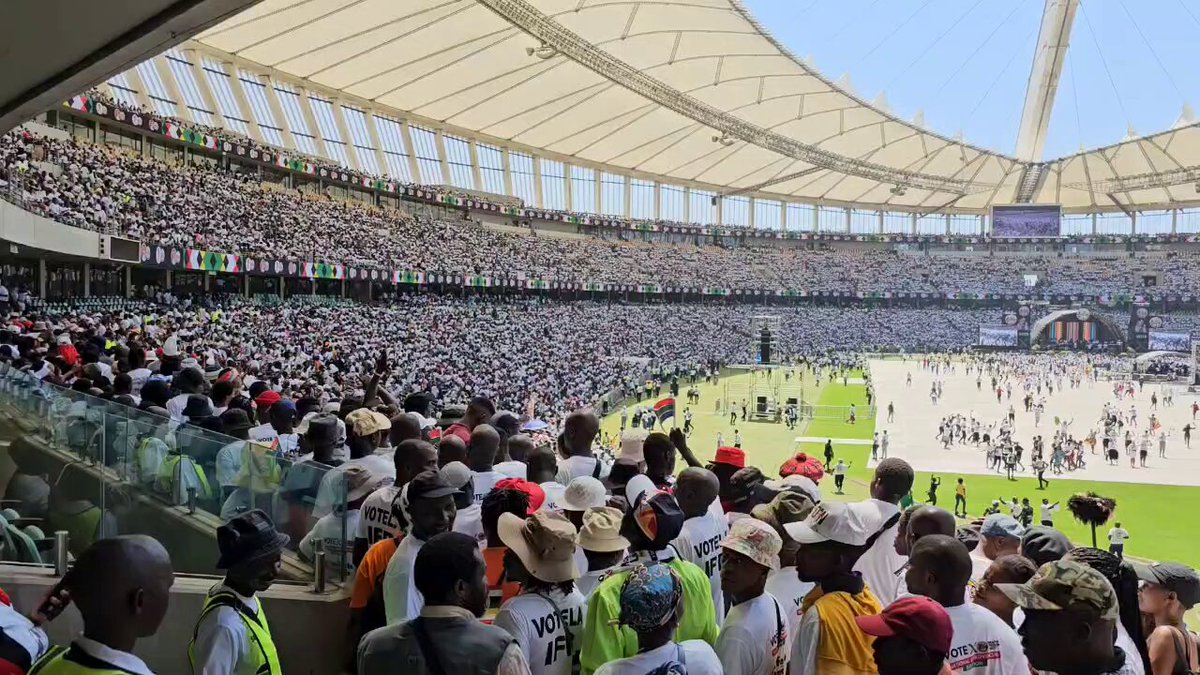
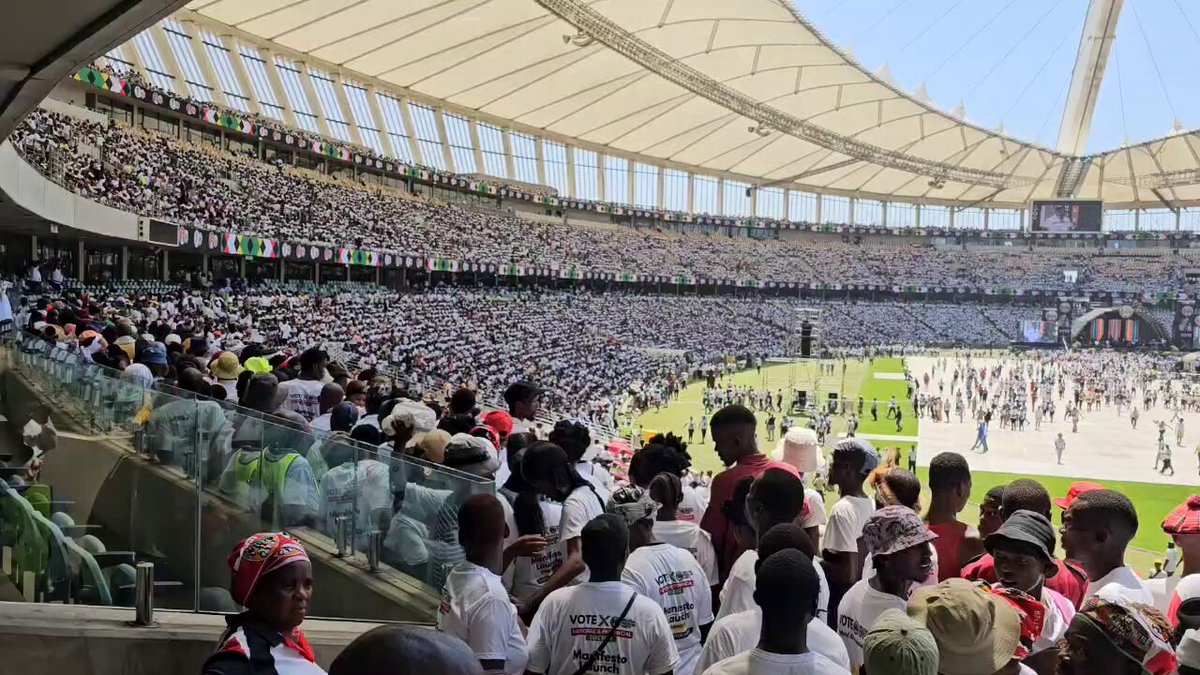

RT @swilkinsonbc: The discovery of dozens of Palestinian bodies—most of them patients—at Al-Shifa Hospital, executed by the israelis in 202…
1,673
Ronesh Dhawraj retweeted

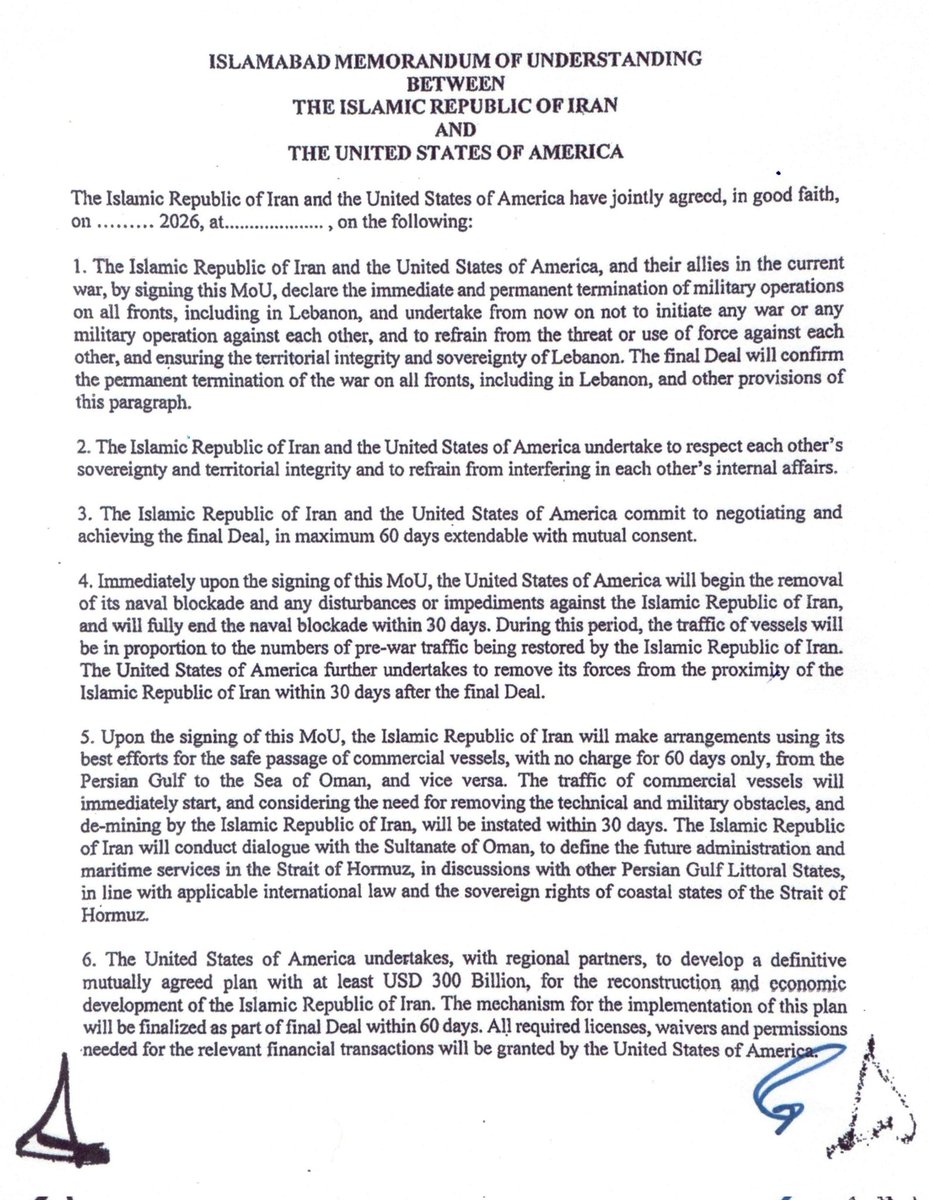
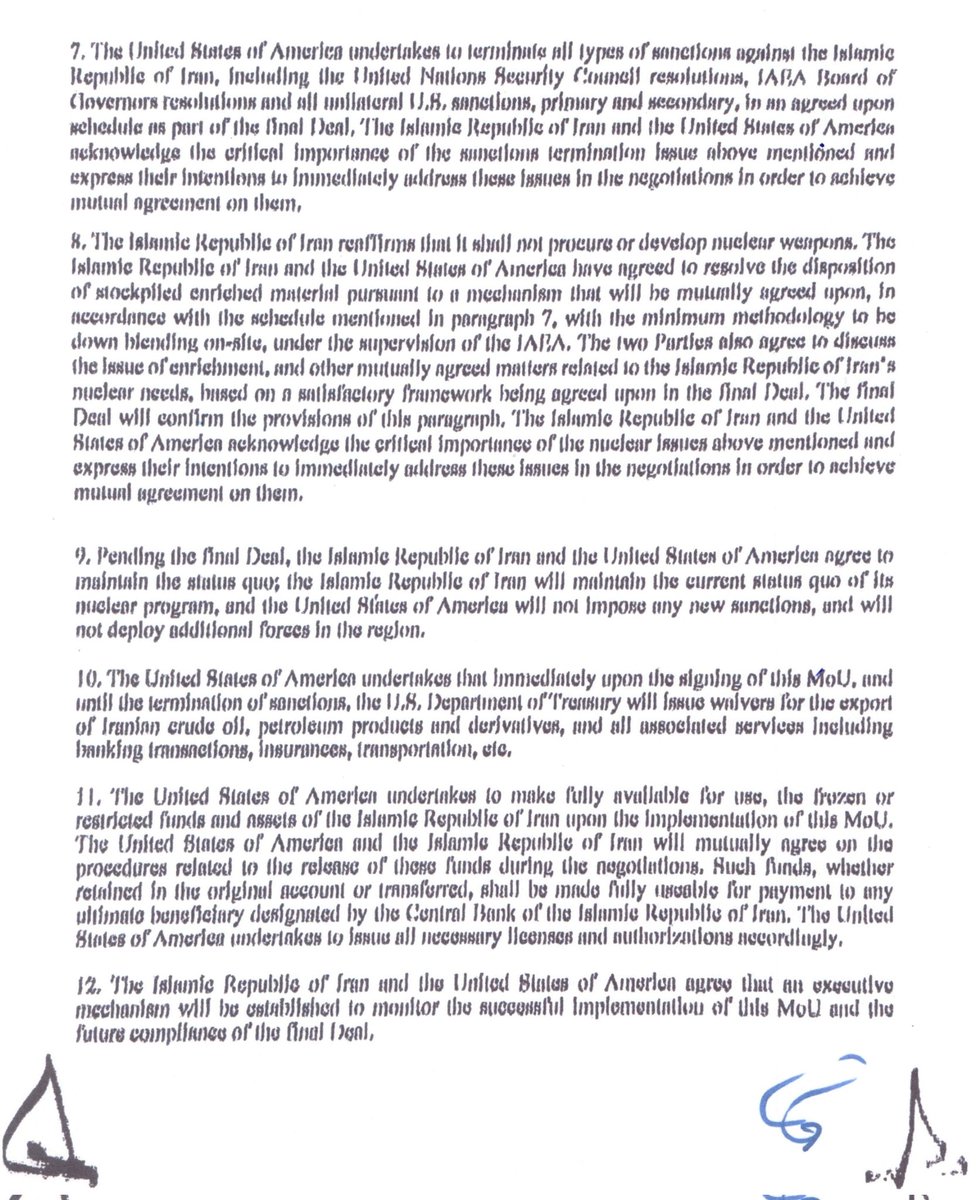
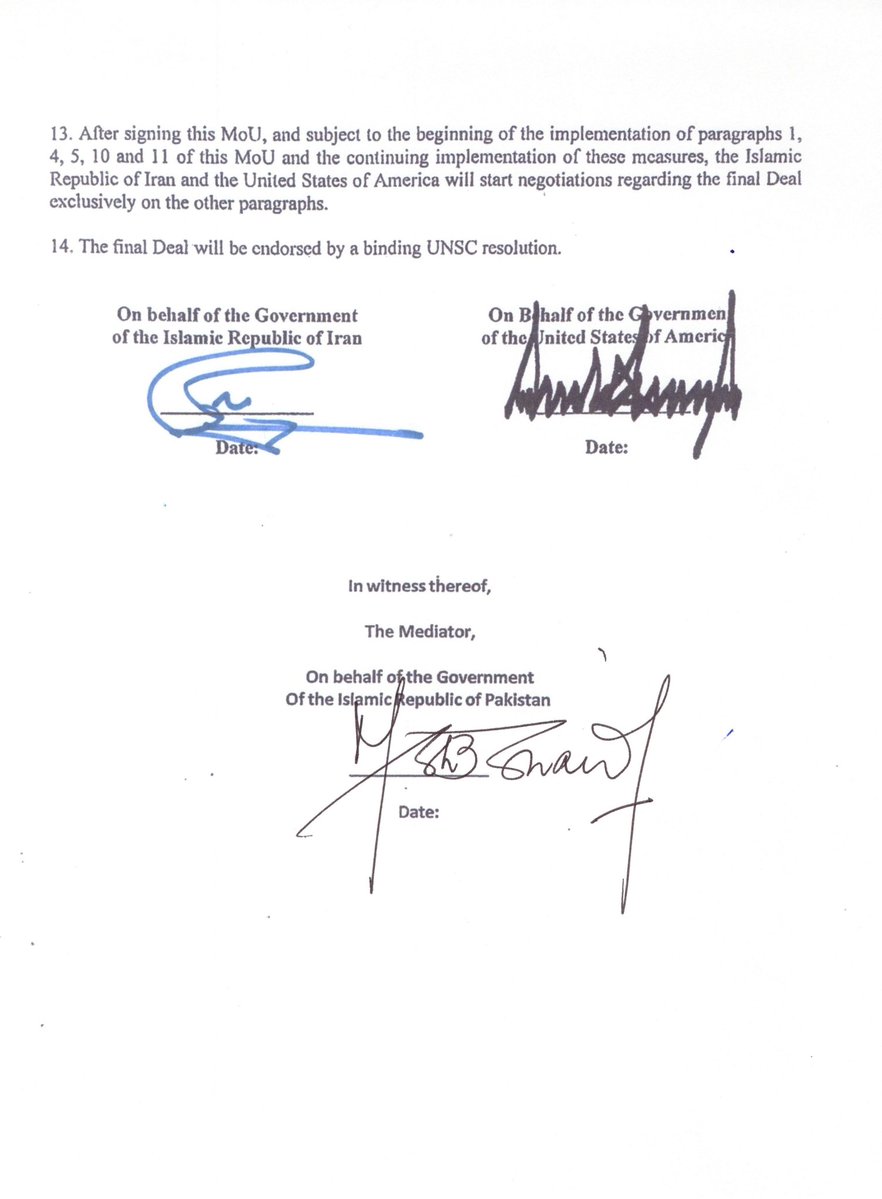
این یک سند تاریخی و پیامی از ایران مقتدر است: صلح در سایه احترام متقابل تحقق خواهد یافت.
جمهوری اسلامی ایران به صلح جهانی با حفظ عزت و استقلال، پیشرفت و همکاری منطقهای همواره متعهد و پایبند است.
1,749
5,385
21,697
1,225,631
Ronesh Dhawraj retweeted
SUBBED IN ENGLISH
🇮🇷 Listen to Iran's F-5 Pilots Who Flew Below 50 Feet And Bombed The U.S. Military Base In Kuwait
The pilot says the crew dropped under 50 feet, ten times lower than the 500 foot training standard, holding total radio silence past Patriot batteries, AWACS, active radar sites, and Kuwaiti F-18 patrols.
They flew so low across the Gulf that two ships' decks sat ABOVE the jet, sailors looking DOWN as it passed between the hulls.
Power plants and refineries sat exposed the whole route. They ignored every one and put the bombs on Camp Buehring in Kuwait's northern desert.
22
233
884
27,591
Ronesh Dhawraj retweeted

Back in March I wrote 👇 that Iran was winning, and not only strategically but tactically too, but I genuinely didn't expect it would eventually lead - 3 months later - to a complete US surrender.
Because, make no mistake, this is what the "deal" that was just signed is: a complete US surrender, the likes of which it has never signed in its entire history.
Let's compare it with the 2 other most famous US capitulation agreements: the Paris Peace Accords with Vietnam in 1973 and the Doha Agreement with Afghanistan in 2020.
The most significant difference is that both the Vietnam and Afghanistan deals, despite being documents in which the US effectively conceded defeat, contained at least some face-saving provisions for the US.
For instance, in the Vietnam deal, North Vietnam accepted the continued existence of the South Vietnamese government, promised peaceful reunification, agreed to maintain the 17th parallel as a dividing line, and accepted international supervision. These were real (if ultimately unenforceable and unenforced) concessions.
Same thing with the Taliban: they guaranteed Afghan soil would never again be used to attack America, and agreed to negotiate a political settlement with the then Kabul government. The latter commitment was never seriously pursued - but both existed and gave the US a narrative: at least it could claim its post-9/11 objective had been secured on paper.
The deal with Iran is completely different: it doesn't contain a single meaningful concession from Iran. The reopening of the Strait of Hormuz is merely the reversal of a wartime measure they took in response to the US-Israeli attack. And the "reaffirmation" that Iran won't build nuclear weapons is just this: a reaffirmation of a position Tehran has had for decades.
As a reminder, there is a 2003 fatwa by Khamenei that forbids the production and use of any form of weapon of mass destruction, so "reaffirming" it costs Iran exactly nothing.
Meanwhile, the list of concessions and costs on the US side is staggering:
- Permanent end to the war on all fronts, including Lebanon
- A US pledge to respect Iran's sovereignty and not interfere in its internal affairs
- Full lifting of the naval blockade
- Withdrawal of all US forces from the region within 30 days after the final agreement
- A $300 billion reconstruction and development fund for Iran
- Termination of all sanctions: UN, IAEA, and every unilateral US sanction, primary and secondary
- Immediate Treasury waivers for Iranian oil exports and all related banking, insurance, and shipping services
- Full release of all frozen Iranian funds and assets, to be spent however Iran's central bank sees fit
So very concretely this is the US agreeing to 1) end the war and withdraw its forces, 2) end all hostile measures towards Iran that were in place before the war (the sanctions, the frozen funds, the interference in internal affairs, etc.), and 3) send hundreds of billions of dollars in what are, effectively, war reparations.
If that's not a complete surrender, I genuinely don't know what is.
And, cherry on the cake, in an absolutely perfect touch of historical irony, Trump literally signed this surrender agreement in Versailles (I'm not kidding: x.com/RnaudBertrand/status/2…).
History rhymes, but rarely this loudly, all the more because the historical 1919 Versailles Treaty was also signed in June!
Of course, it's fair - very fair, even - to suspect that Trump will not honor this deal. If he's proven anything in his political career, it's that he is agreement-incapable. Plus there's the Israel dimension: the document does say that the war should "end on all fronts, including Lebanon," but Israel has already made clear it considers itself unbound by the agreement.
As such, what I suspect will happen - as I wrote the day the MOU was announced (x.com/RnaudBertrand/status/2…) - is that the deal will split in two. The immediate concessions - blockade lifted, oil flowing, funds unfrozen - will happen (some already have) and probably stick, because reversing them would mean restarting the very war the US humiliatingly lost.
The deferred provisions - the negotiations on nuclear, the sanctions schedule, the reconstruction fund - will probably enter permanent limbo because, as I wrote then, the US won't get better terms on nuclear after showing they couldn't get them on the battlefield. And given sanctions relief and the $300 billion are tied to a final deal that requires resolving the nuclear question, and the nuclear question requires leverage the US no longer has, the whole structure is circular and never-ending.
On the Israel-Lebanon question, things are trickier. Israel, in some way, finds itself in a South Vietnam situation with its patron having negotiated a surrender over its head. The difference is that Thieu was too weak to sabotage the Paris Accords, whereas Netanyahu isn't: his ability to escalate in Lebanon gives him a de facto veto over the deal's most fragile provision.
Realistically speaking though, it's hard to imagine the US willing to restart the war, which is its own form of deterrence: if Israel keeps striking Lebanon in violation of the ceasefire, Iran can now retaliate with far greater confidence that the US won't come to the rescue - which ought to give Israel pause.
In effect, the end result is that the US security umbrella over Israel just got a lot thinner. Which means that, for the first time in a long time, Israel has to calculate the cost of provoking Iran without assuming the US will absorb the consequences. This points towards restraint, at least for any rational actor. But then again, the same government that dragged the US into this war in the first place has not exactly been a model of strategic rationality...
In any case, it's undeniable that Iran has just achieved something no other country has managed, ever: it withstood the full force of the US and Israeli military machines, and extracted a surrender agreement that makes the Paris Peace Accords look like a US victory by comparison.
To refer back to the title of my article below 👇: this was the first multipolar war, and Iran has definitely earned its place as one of the poles.
Mar 24

I don't think people realize just how extraordinary what we're witnessing with Iran is.
I was arguing with a dear journalist friend of mine yesterday who was telling me that Iran was winning, yes, but only on the strategic level, not tactically.
The type of thing a skinny kid getting stuffed in lockers in highschool tells himself to make himself feel better: "These people will BEG to work for me in ten years. Everyone knows jocks peak in highschool. They'll literally beg." 😏
I think that's precisely wrong, and that's what makes the Iran war different. As of now, Iran is in fact holding its own tactically too.
Think about other U.S. wars of aggression these past few decades. Take Vietnam, Afghanistan, Libya, Iraq, Serbia, etc. (the list is unfortunately very long). The pattern was roughly always the same with an immense power differential between aggressor and victim. These wars were, by and large, imperial: the empire attempting to crush a much weaker people whose only realistic recourse was guerrilla resistance. And that is when they actually had the will to resist: some - like Libya - barely even bothered, just resigning themselves to their fate (despite being, at the time, the richest country in Africa).
As spectators of these wars, if you had any moral sense, the dominant emotion was a kind of helpless disgust: you were watching a giant stomp through someone else's house.
Sure, the U.S. actually lost many - if not most - of these wars, famously replacing the Taliban with the Taliban or being expelled with their tail between their legs from Vietnam, but the power differential was no less real for it.
It's just that power doesn't always guarantee victory: sometimes the giant can't kill everyone, and eventually tires of trying. But the “victories” won this way were always pyrrhic at best: the people endured, yes, but what they were left with was a country in ashes that takes decades to rebuild. Meanwhile, in the grand scheme of things, the giant walked away with little more than a bruised ego.
Iran is - remarkably - proving to be an entirely different beast: when others were merely surviving a giant, Iran appears to be able to compete with one.
What just happened over the past 48 hours is the best illustration of this. You had the President of the United States issue a formal ultimatum: reopen the Strait of Hormuz within 48 hours or we "obliterate" your power grid.
Iran's response was essentially: we dare you, if you do this we'll make all your Gulf allies uninhabitable within a week.
And, as we saw, Trump backed down: pretexting non-existent "VERY GOOD AND PRODUCTIVE CONVERSATIONS" with Iran, he said his ultimatum no-longer applied (or, rather, became 5 days). Adding he now envisaged the Strait of Hormuz being “jointly controlled by me and the Ayatollah.” To the amusement of Iran’s diplomacy (x.com/IraninSA/status/203613…).
That, folks, is a textbook tactical victory. It is, remarkably, Iran demonstrating in this instance that it had escalation dominance over the United States of America. That is, the ability to credibly threaten consequences so severe that the US - for perhaps the first time since the Cold War - found it preferable to stand down.
That's no skinny kid being locked in a locker dreaming of revenge fantasies. That's the kid grabbing the bully's wrist mid-shove and watching his face change.
And it's not the only tactical victory in this war so far. Take the episode over the Israeli attack on Iran's South Pars gas facility. Iran had warned that if that happened U.S. allies in the region - including Israel - would face a symmetrical response.
And they delivered: famously devastating Qatar's Ras Laffan facility - which produced roughly 20% of global LNG supply - and leading, according to Qatar themselves, to a $20 billion loss of annual revenue for the next 5 years (oilprice.com/Latest-Energy-N…).
Not only that but they also managed to hit Israel's Haifa refinery (aljazeera.com/news/2026/3/19…), one of the country's most strategic and protected sites.
The result was Trump distancing himself from the South Pars attack, saying that Israel had "violently lashed out" unilaterally and that "NO MORE ATTACKS WILL BE MADE BY ISRAEL pertaining to this extremely important and valuable South Pars Field." Israel then said it wouldn't strike Iran energy sites anymore (bloomberg.com/news/articles/…).
From where I stand, that's another tactical victory. It is, at least, Iran demonstrating that is can fight back **symmetrically** against the U.S. and its allies. Not through asymmetric resistance with IEDs hidden in the roadside or traps hidden in the jungle, but eye for eye, and against some of the most heavily protected sites on the U.S.'s side.
That's qualitatively different from any other adversaries the U.S. has directly fought in recent wars.
There's plenty more, such as the pretty relevant fact that Iran has gained control of the single most strategic energy chokepoint on earth and the U.S. is finding it impossible to break that control.
To the point where Trump has been reduced to publicly begging China - of all countries - for help, which given Trump's ego mustn't have been easy to do. Only to be told no. By China. And by everyone else he asked.
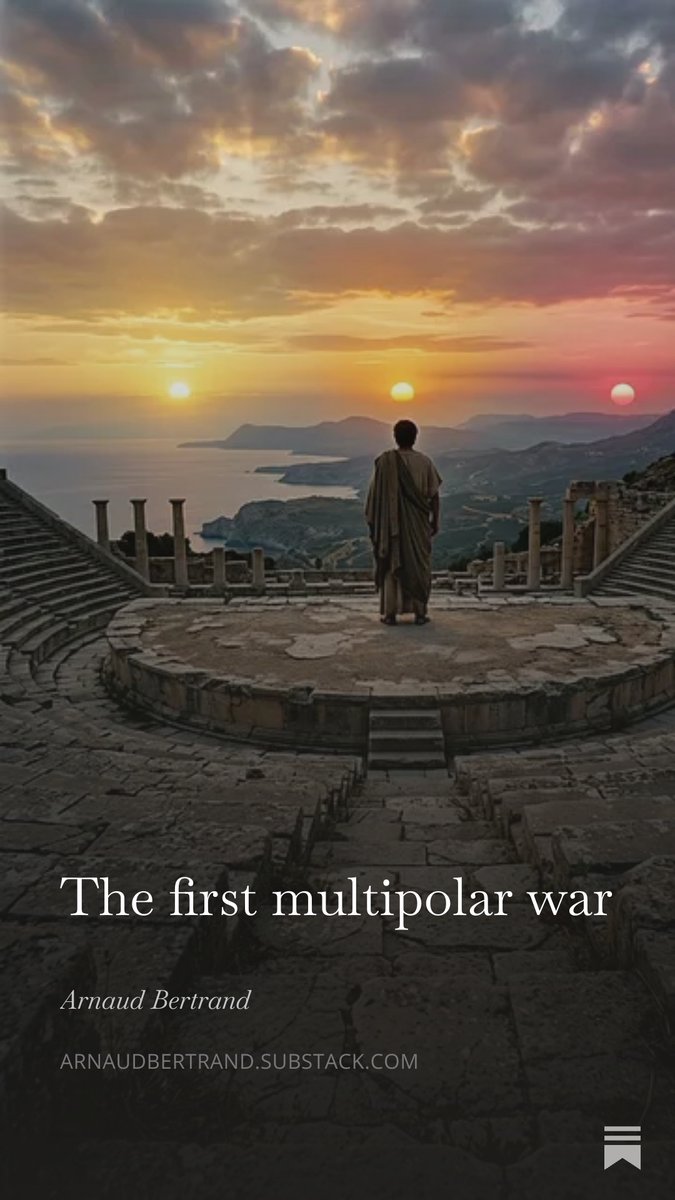
This is the topic of my latest article: how this is, in fact, the first genuine "multipolar war."
First, in the narrow sense: because Iran is revealing itself to be a genuine pole of power - not a superpower, but an actor that cannot be submitted, which is all multipolarity is.
And second, because the war itself is accelerating multipolarity everywhere else: the U.S. has never been more isolated, never looked weaker and its security guarantees have never been more hollow.
In my article I lay out the full scoreboard - military, economic, political - and explain why this war has already changed the world, regardless of how it ends.
Enjoy the read here: open.substack.com/pub/arnaud…
97
718
2,067
108,105

Ronesh Dhawraj retweeted

BREAKING: The White House has released the full text of the US-Iran MOU, which confirms full US capitulation to Iranian demands. Iran's top negotiator and Parliament Speaker Ghalibaf in a new interview called this final MOU the ultimate "America's failure."
The 14 key points:
1. Permanent termination of war on all fronts including Lebanon, with US and Iran committing to never initiate military operations against each other and to protect Lebanese sovereignty
2. At least $300 billion in reconstruction and economic development funds for Iran from the US and regional partners
3. Permanent termination of all sanctions including UN Security Council resolutions, IAEA Board resolutions, and all unilateral US primary and secondary sanctions
4. Full release of all Iran's frozen funds and assets, up to $100 billion total, with the Central Bank of Iran designating beneficiaries
5. Iranian sovereign administration over the Strait of Hormuz with only a 60-day free passage waiver, after which Iran begins collecting transit fees from every commercial ship
6. Full removal of US naval blockade within 30 days and withdrawal of all US forces from all US bases around Iran within 30 days after the final deal
7. Iran retains its full enrichment infrastructure with only existing stockpiled material to be down-blended on-site under IAEA supervision, with no new concessions on its existing NPT commitment
8. Iran's missile program and support for Resistance groups are explicitly removed from final deal negotiation scope
9. Mutual recognition of sovereignty and non-interference in internal affairs, formally legitimizing the Iranian regime
10. US commits to no new sanctions and no additional forces in the region while Iran maintains its current nuclear program status quo
11. Immediate US Treasury waivers for Iranian crude oil, petroleum products, and all banking, insurance, and transportation services
12. Friday's signing will trigger a 60-day final deal negotiation period, extendable by mutual consent
13. Joint executive mechanism to monitor implementation and final deal compliance
14. The final deal will be endorsed by a binding UN Security Council resolution
Iran via Tasnim has confirmed this is the final MOU, with Ghalibaf adding "everything we sought to achieve through military action was secured several times over at the negotiating table, in a way that cannot even be compared."
158
871
3,377
441,537
Ronesh Dhawraj retweeted

Moment US President Trump signed the Tehran-Washington MoU digitally at the Palace of Versailles.
Follow: T.me/presstv
19
159
544
20,218
Ronesh Dhawraj retweeted
🇺🇸🇮🇷 Trump and Pazeshkian signing the MoU.
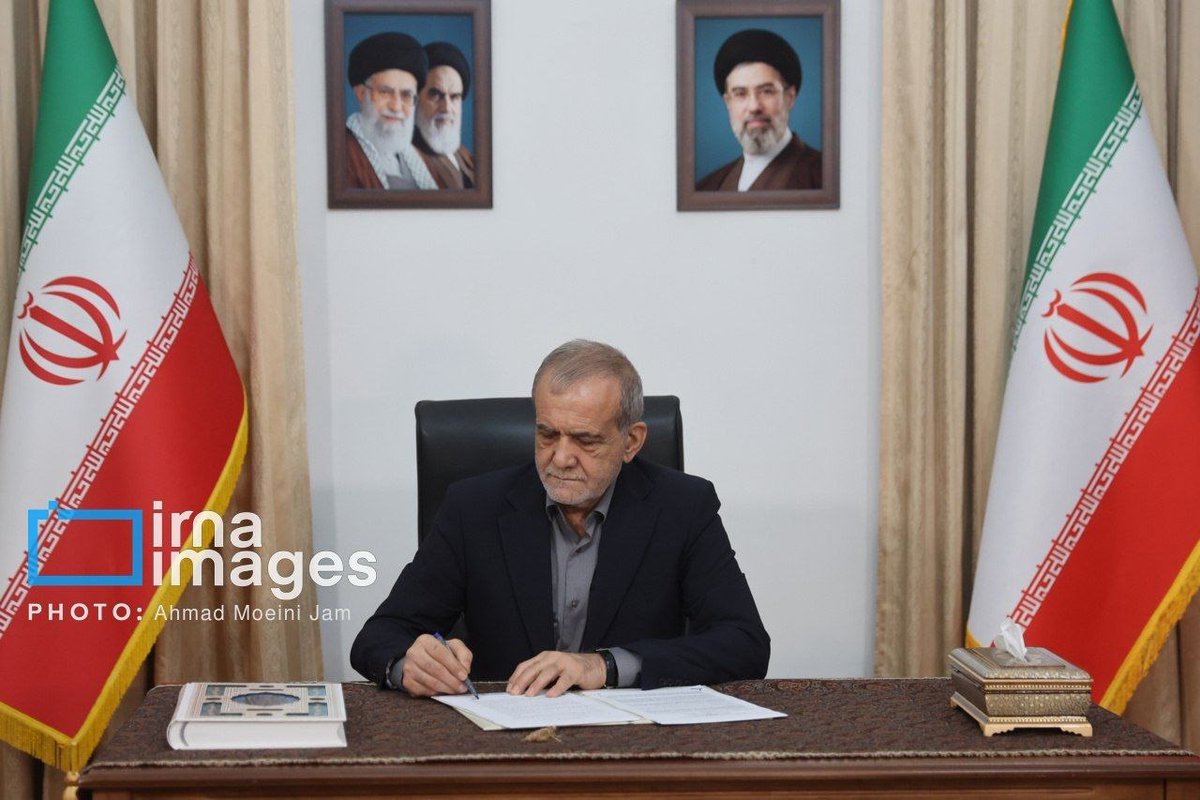
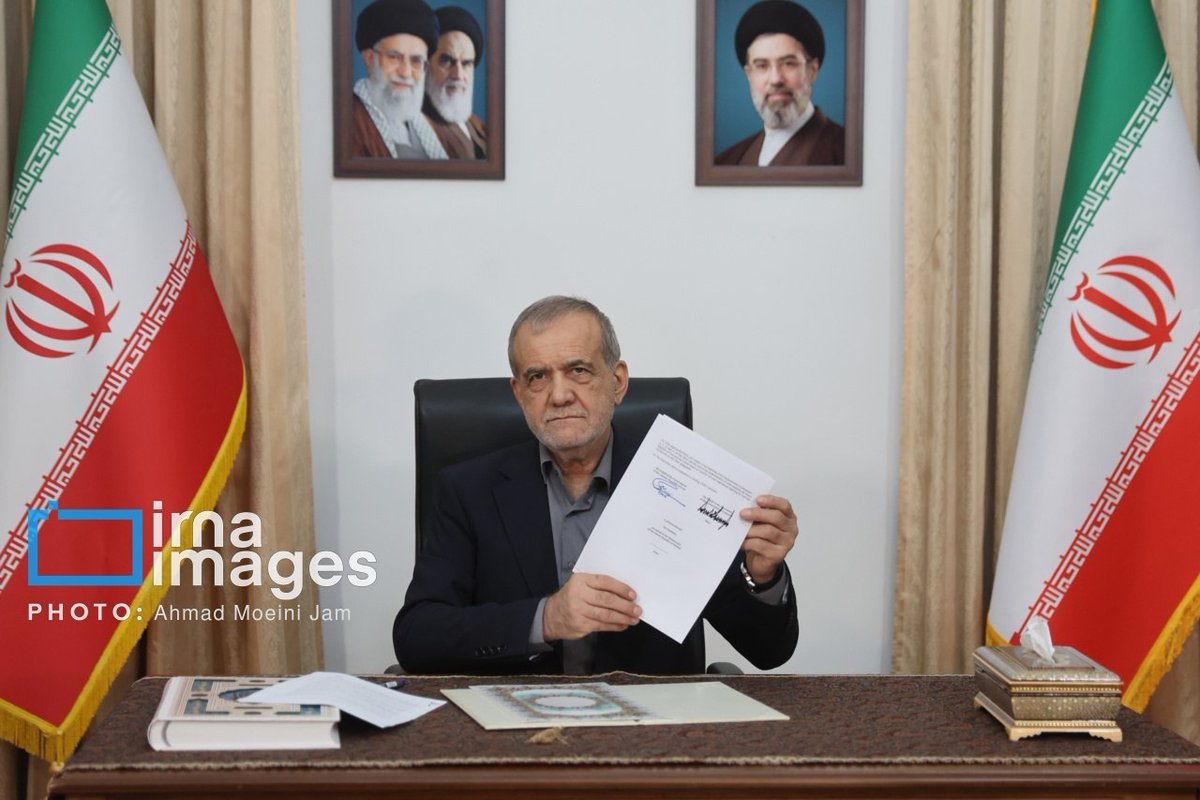
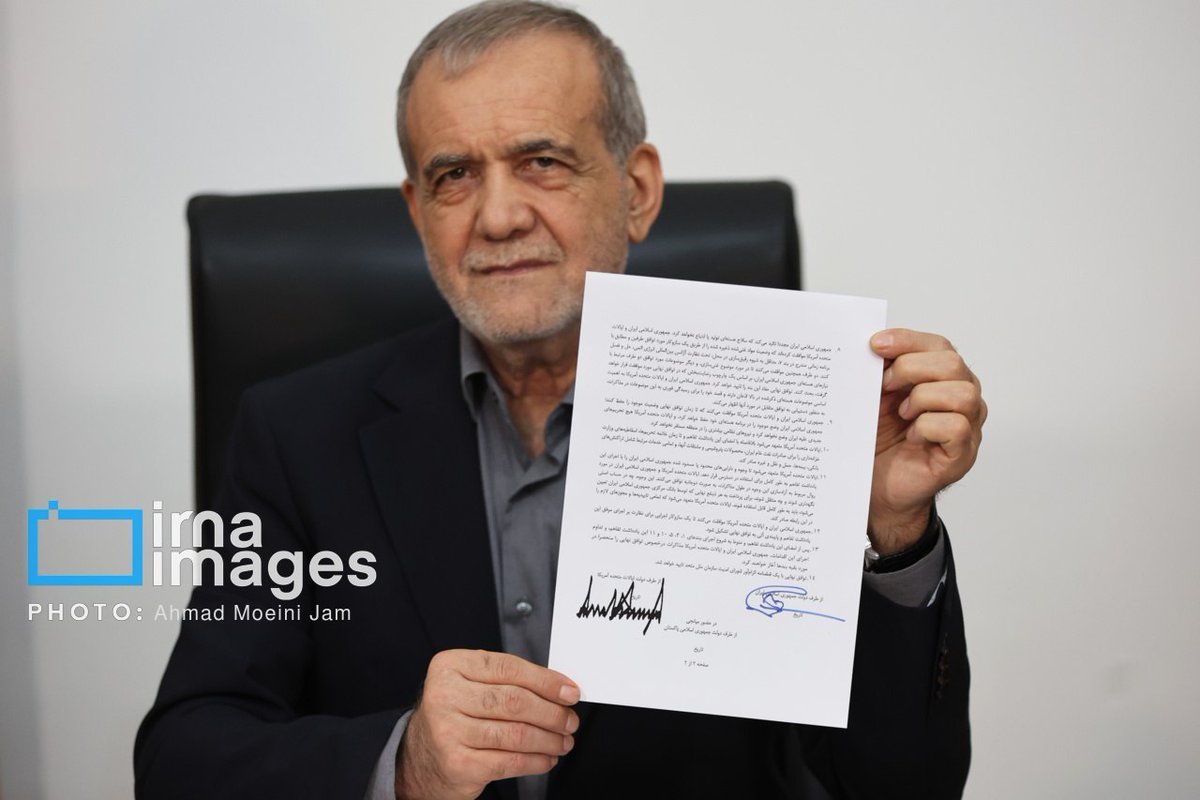

🇺🇸🇮🇷 Trump confirms Iran MoU signed!!
Leaving Versailles after a dinner with his French counterpart, the US president confirmed the memorandum of understanding with Iran has been signed.
90
1,217
4,440
339,372
Ronesh Dhawraj retweeted

BREAKING: TRUMP CONFIRMS UAE’S MBZ WAS DROPPING BOMBS ON IRAN LAST WEEK:
“Muhammad at UAE is an incredible warrior. He was dropping bombs last week, I said, "who the hell's dropping all those bombs," it was UAE. He's a good fighter.”
171
1,190
4,177
258,841
Ronesh Dhawraj retweeted

Jun 17
Trump HUMILIATES Netanyahu at the G7 Press Conference After Iran MoU Defiance
"We are the big partner, and he is the very small partner.
I say, you can do a little softer touch, Bibi, you don’t have to knock down a building every time somebody walks into it; that’s from Hezbollah.
I think they could do better, with respect to Hezbollah. I'm not saying they shouldn't protect themselves, I'm saying when two drones are shot into the desert and dropped harmlessly, you don't have to knock down buildings in Beirut."
302
2,250
9,724
627,545
Ronesh Dhawraj retweeted

March 9: "We're now totally independent of the Middle East. We don't need their oil."
April 1: "It doesn't really affect us. We have so much oil. We have tremendous oil and gas, much more than we need."
June 17: If I didn't agree to the MOU, we "would run out of reserves at about 4 weeks...we would really run out, and there'll be a time when you wouldn't be able to get it."
716
11,358
25,172
1,095,598
Ronesh Dhawraj retweeted

Jun 16
The Soweto student uprising, from the docuseries 'Apartheid'.
13
890
1,739
48,613
Blood pours from Trump's birthday cake as Iranian state media releases AI video showing the 168 children killed in Minab school strike returning to haunt him on his birthday
'You gave the order to strike our school, exactly when all my friends were sitting in their classrooms'
35
941
1,850
23,099
Ronesh Dhawraj retweeted
Jun 15
Iran's National Football Team Honors the Minab 168 Children with this video for the FIFA World Cup
143
3,961
14,807
783,427
Ronesh Dhawraj retweeted

"Sky News has verified the identities of everyone from the school who was killed. 120 students, 73 boys & 47 girls, aged from 6 to 13, & 26 teachers, who were killed in the strike".
@Chesh reports on the primary school bombed by the US. 120 children & 26 teachers, all murdered.
110
4,305
7,907
321,895
Ronesh Dhawraj retweeted

Jun 15
🔵 Israeli media: Prime Minister Benjamin Netanyahu told U.S. President Trump that Israel does not consider itself bound by the Lebanon-related provisions of the emerging U.S.-Iran agreement and will not withdraw from the positions it currently occupies inside Lebanese territory.
🔹According to reports in Yedioth Ahronoth and Maariv, Netanyahu told Trump that Israeli forces will continue carrying out military operations in Lebanon aimed at countering what Israel describes as threats from Hezbollah, regardless of any understandings reached between Washington and Tehran.
🔹Maariv’s report also said Trump has imposed restrictions on Israel’s freedom to operate inside Lebanon,
🔹Maariv sources reported that Sunday’s phone call between Trump and Netanyahu was marked by tension. And that Netanyahu is seeking to coordinate a meeting with the U.S. president after his return from the G7 summit in Europe.
Jun 15

Israeli occupation forces remotely detonated a booby-trapped M113 vehicle on Haris–Tebnine road in southern Lebanon after it had advanced toward the area earlier this morning
23
268
549
101,131
Ronesh Dhawraj retweeted

Jun 15
Palestinians say Israeli settlers tried to burn them alive in a nighttime attack on a mosque east of Ramallah. Settlers rampaged through two villages, setting fire to cars, farm land and places of worship.
92
2,249
2,920
50,668
Ronesh Dhawraj retweeted

Jun 14
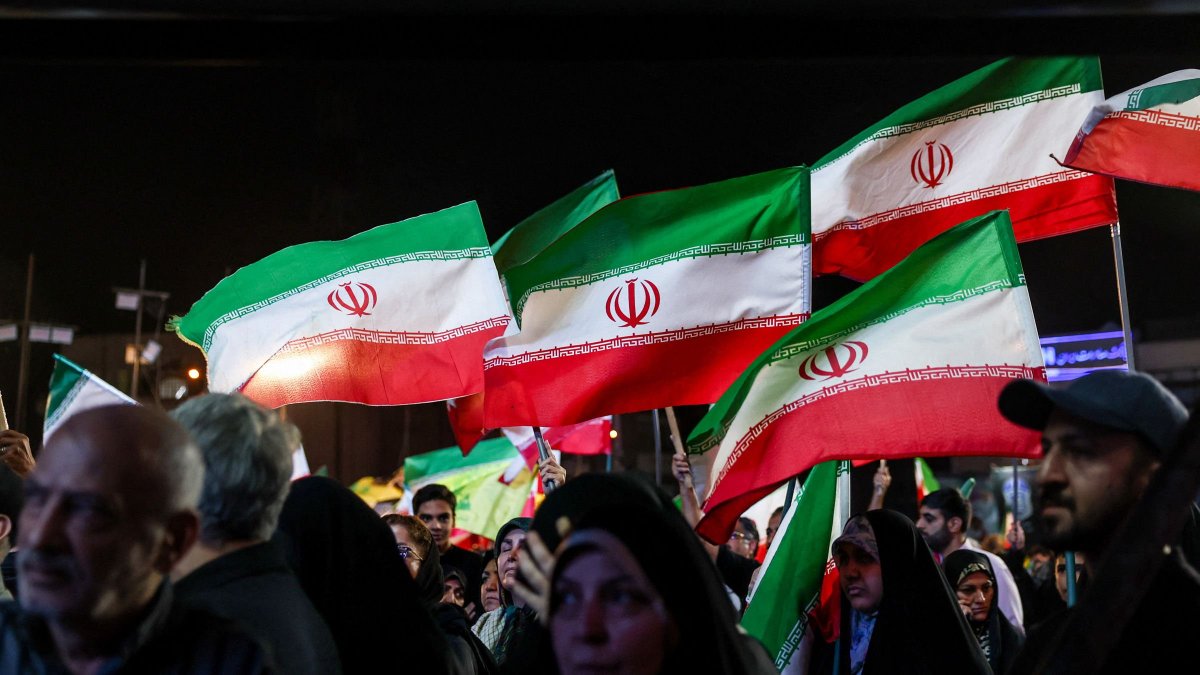
🇮🇷🇺🇸 BREAKING: Iran's Mehr News Agency has released all 14 clauses of the MoU with the U.S.:
1: Permanent and immediate cessation of war on all fronts, including Lebanon.
2: The US commitment to non-interference in Iran's internal affairs and respect for the sovereignty of the Islamic Republic of Iran.
3: Complete lifting of the naval blockade within 30 days.
4: The US commitment to withdraw its forces from around Iran.
5: Reopening of the Strait of Hormuz within 30 days under Iranian arrangements.
6: Suspension of sanctions on the sale of oil, petrochemical products, and derivatives, and full access of Iran to its financial resources.
7: The necessity for the US and its allies to present reconstruction plans for Iran amounting to at least $300 billion.
8: 60 days of negotiations to reach a final agreement based on nuclear issues and the complete lifting of primary, secondary, US sanctions, and UN Security Council and IAEA Board of Governors resolutions.
9: Reiteration of Iran's commitment under the NPT treaty not to produce nuclear weapons.
10: During the negotiation period, the US has committed not to add forces in the region and not to impose new sanctions.
11: Release of $24 billion of Iran's blocked funds during the 60-day final negotiation period. Half of this amount must be made available to Iran before the start of negotiations.
12: Formation of a supervisory mechanism to implement the agreement.
13: The final agreement will be approved by a UN Security Council resolution.
14: Final negotiations will not begin before the release of half of Iran's blocked funds, suspension of Iran's oil sanctions, and lifting of the naval blockade, and the final agreement will only cover the fate of enriched materials and enrichment, lifting of sanctions, and Iran's economic reconstruction plan. Discussions about Iran's missile program and support for resistance groups are definitively removed from the agenda.
150
1,359
3,234
281,935
Ronesh Dhawraj retweeted

Jun 14
BREAKING: Israeli settlers are burning down the villages of Deir Dibwan and Burqa in the West Bank.
They set a mosque on fire, torched several vehicles, and poured gasoline on an elderly man in an attempt to burn him alive.
287
7,832
9,687
999,903
Ronesh Dhawraj retweeted

Jun 11
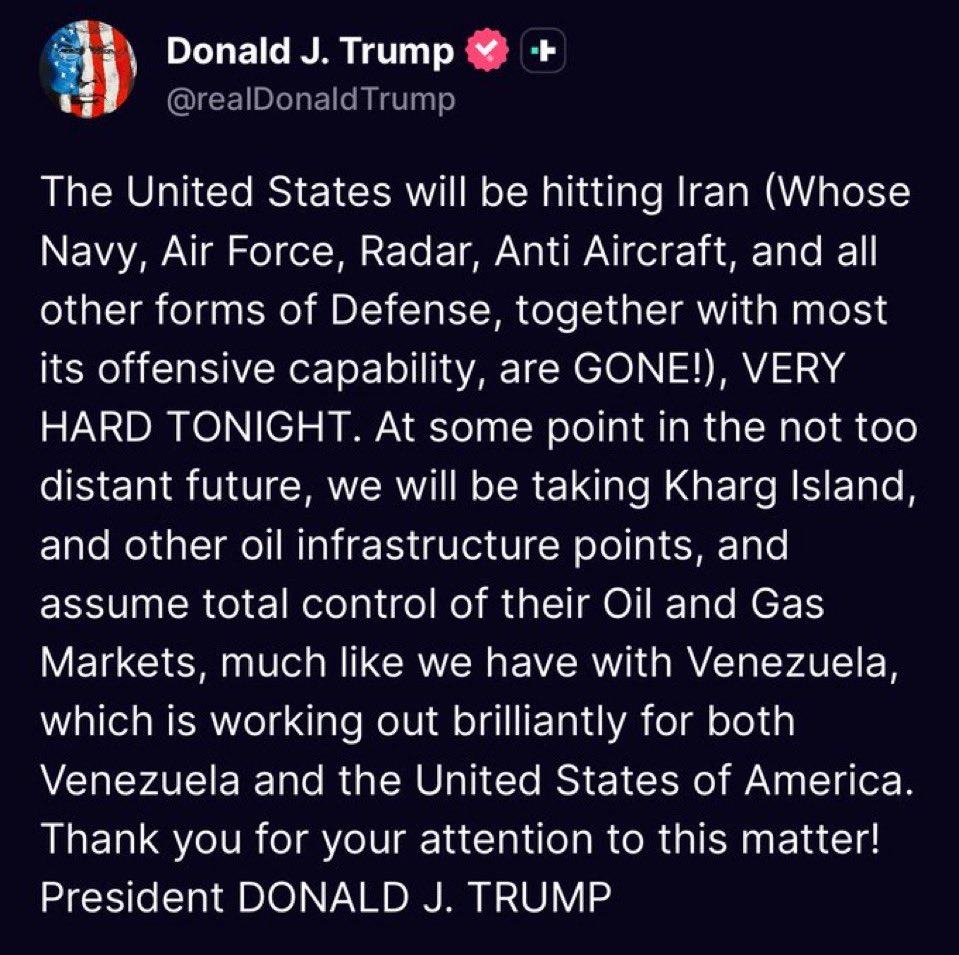
🚨 Trump announces the GROUND INVASION of Iran.
649
527
1,579
122,342