mother of one tiny human and two not-so-tiny cats. Alum @JohnsHopkins. Cacofonix imposter on SoundCloud ⬇️
Joined December 2012
- Tweets 470
- Following 374
- Followers 323
- Likes 1,223
39 Photos and videos





Ramya Natarajan retweeted

23 Apr 2025
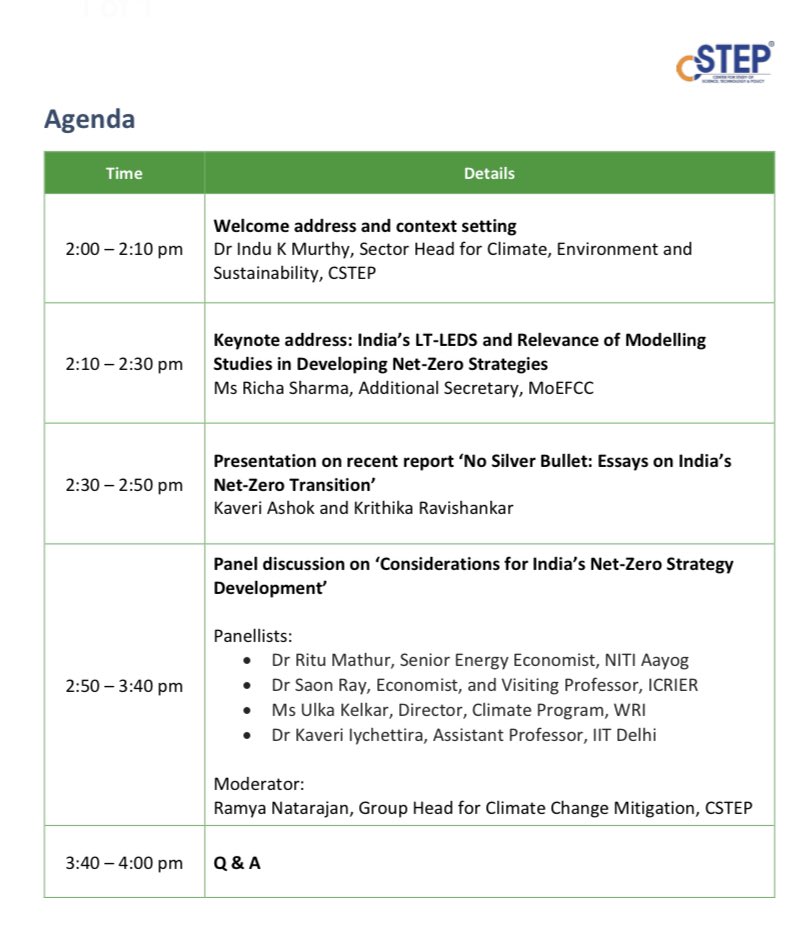
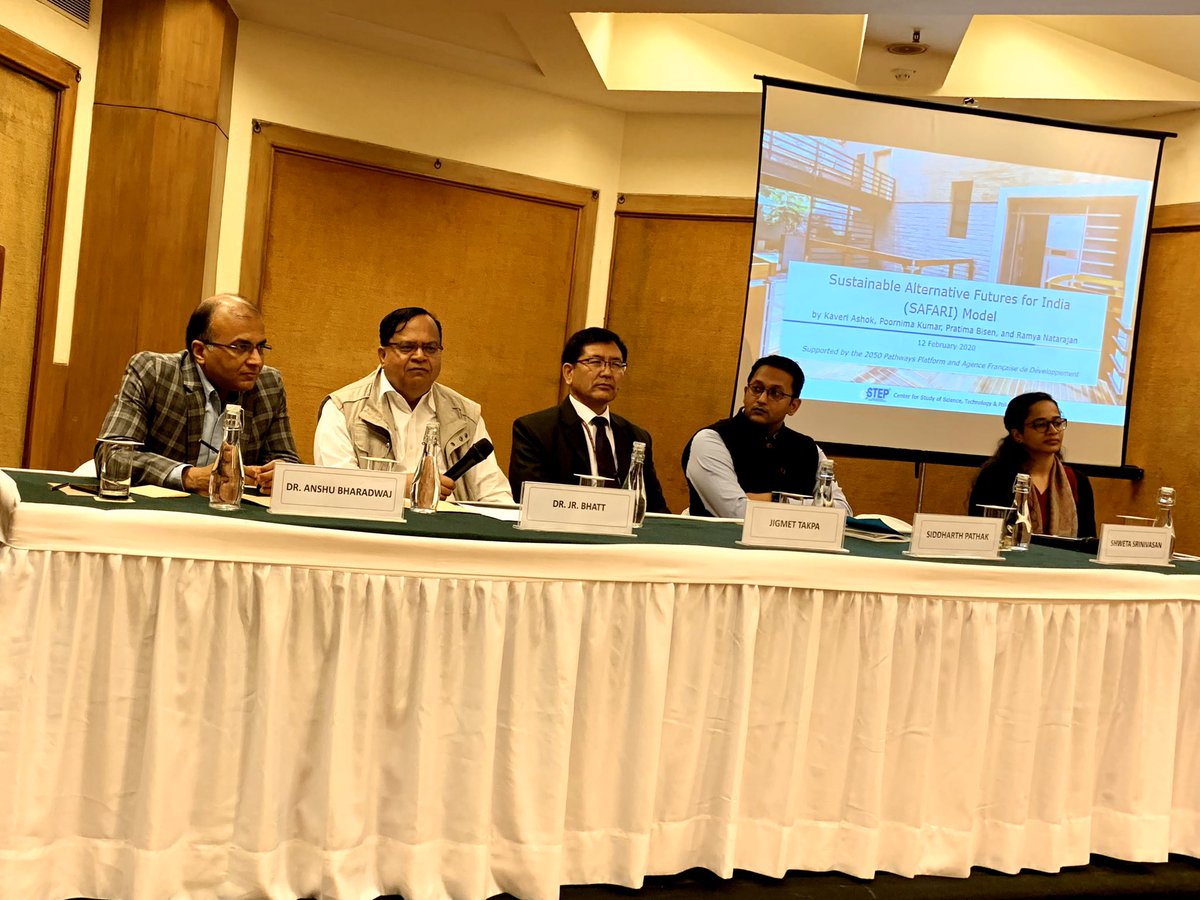
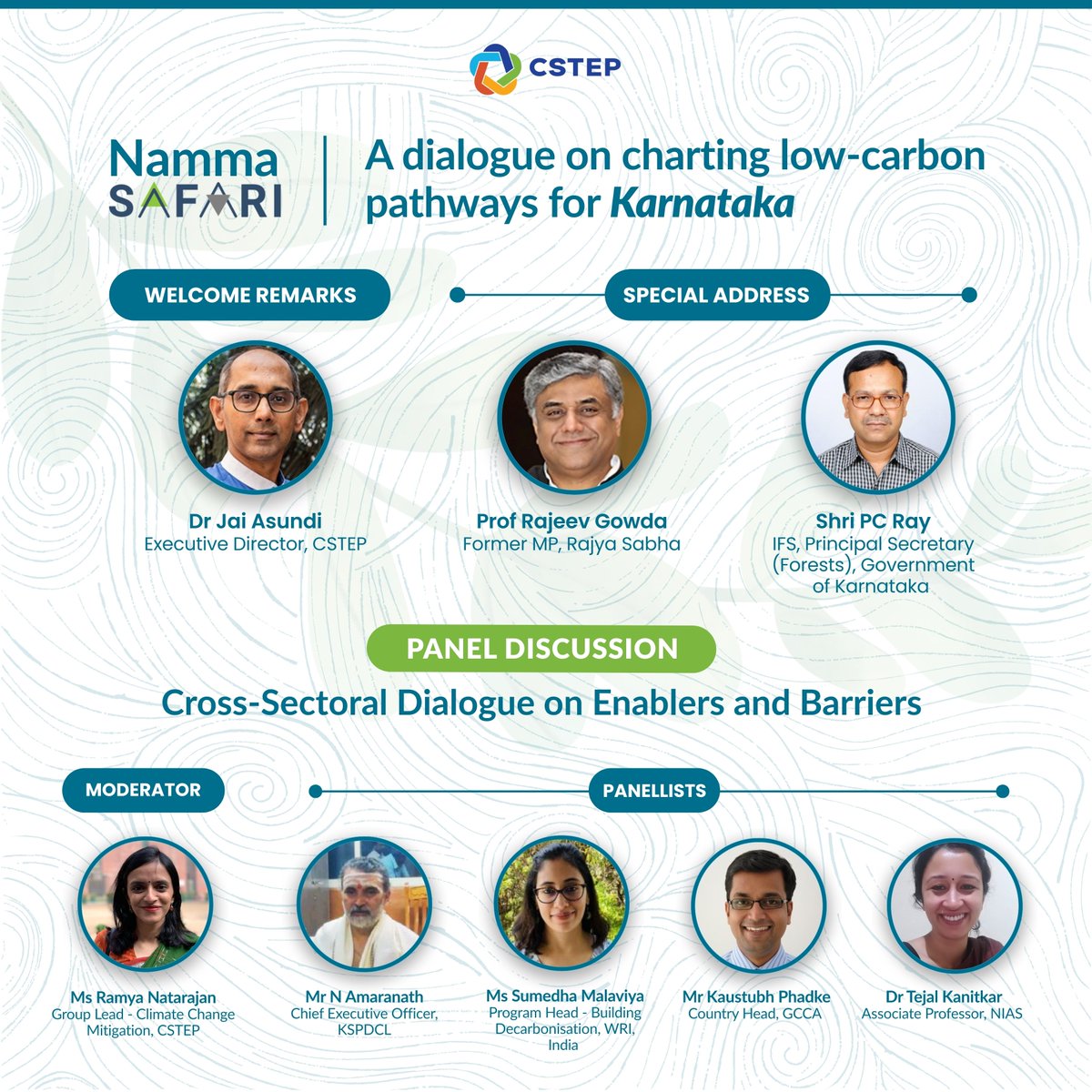
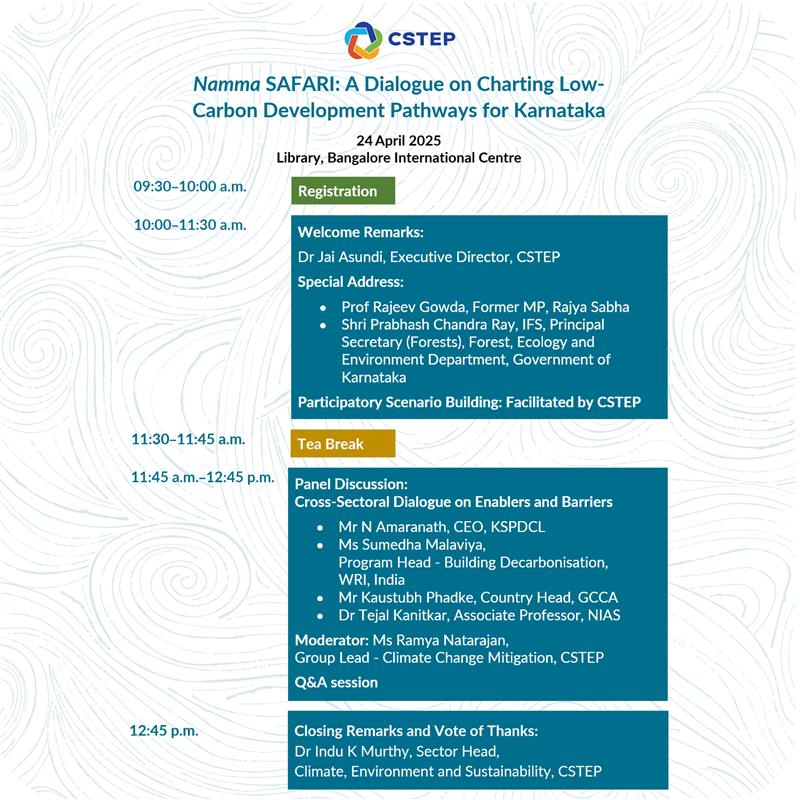
Join us on 24 April 2025 at the @bicblr for 'Namma SAFARI: A Dialogue on Charting Low-Carbon Pathways for #Karnataka', where we'll discuss #sustainable futures and #decarbonisation strategies for key sectors in the state.
Register now and take part in shaping Karnataka's climate resilience! bit.ly/4cIEF8h
#NammaSAFARI #Sustainability #ClimateAction
@rajeevgowda @kaustubh_phadke @KanitkarT
@JaiAsundi @indukmurthy @rumyeah42 @Kaveri_Ashok @anu84 @chandrakiranml @swetabhushan @rnasundaresan @RanjanUpasna
5
8
250

14 Apr 2025
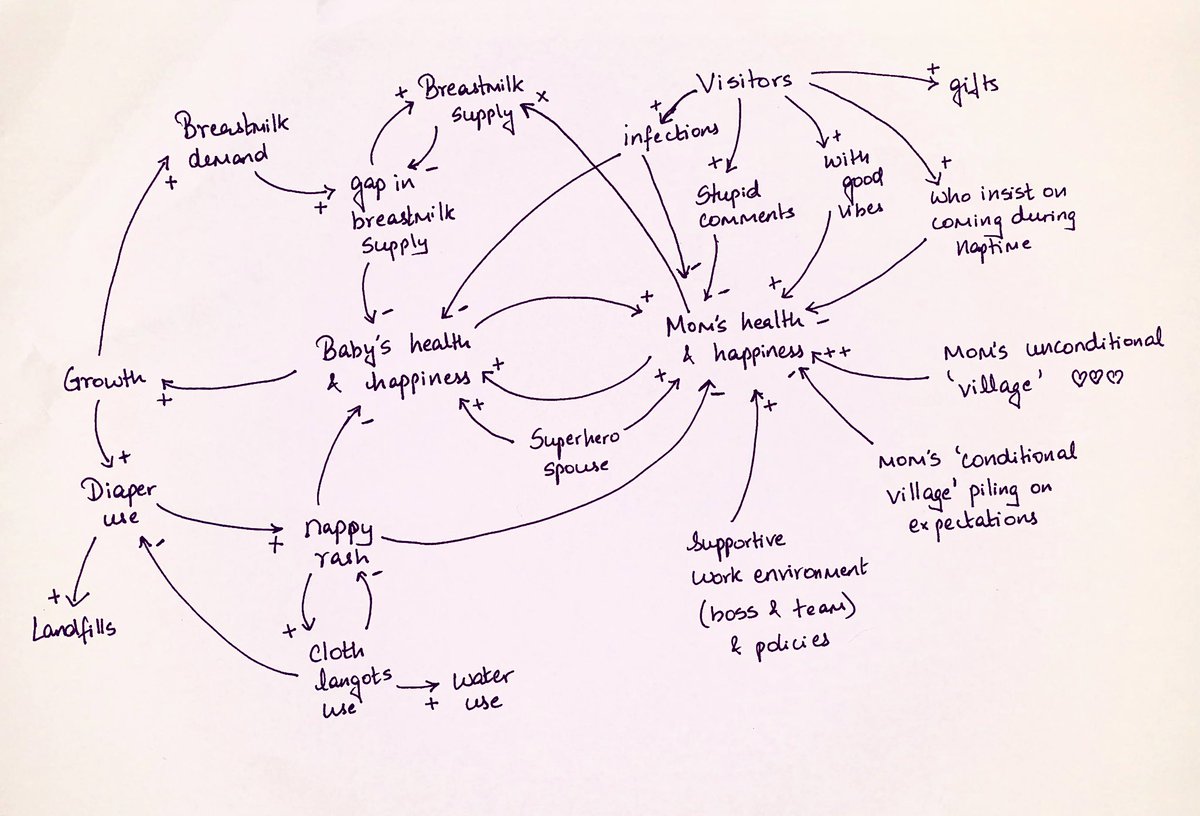
Google just reminded me that I had made this CLD 2 years ago to make sense of all the chaos. Forever grateful for the unconditional village
49
Ramya Natarajan retweeted
13 Dec 2024
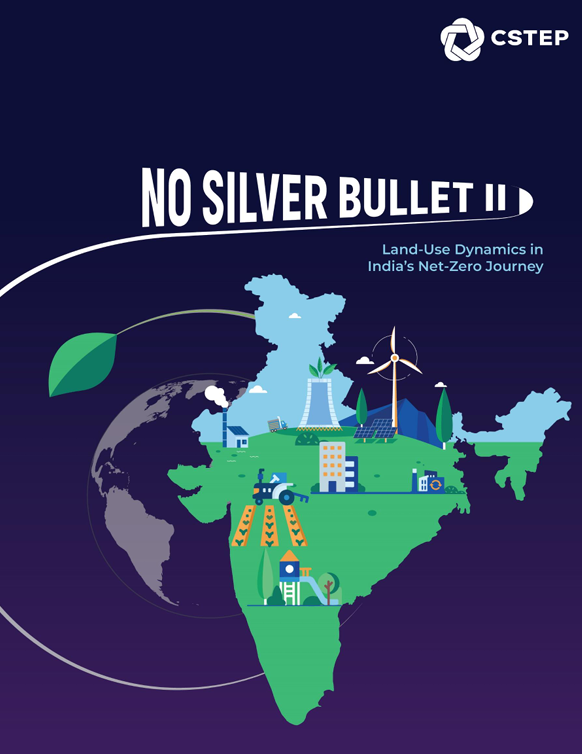
#CSTEP is pleased to announce the second edition of our ‘No Silver Bullet’ series, where we critically examine #India's long-term #NetZero transition pathways and associated risks and uncertainties from multiple perspectives. The report ‘No Silver Bullet: Land Dynamics in India’s Net-Zero Transition’ takes a unique approach to understanding the land-use perspective.
Read the full report to find out more: cstep.in/publications-detail…
#Sustainability #RenewableEnergy #ClimateAction #LandUse
3
7
558
Ramya Natarajan retweeted

13 Dec 2024
This is a true labour of love - really had a fantastic time working on the model and refining the results. Do read and let us know your thoughts and suggestions!
13 Dec 2024

#CSTEP is pleased to announce the second edition of our ‘No Silver Bullet’ series, where we critically examine #India's long-term #NetZero transition pathways and associated risks and uncertainties from multiple perspectives. The report ‘No Silver Bullet: Land Dynamics in India’s Net-Zero Transition’ takes a unique approach to understanding the land-use perspective.
Read the full report to find out more: cstep.in/publications-detail…
#Sustainability #RenewableEnergy #ClimateAction #LandUse
3
4
308
Ramya Natarajan retweeted
9 Dec 2024
In just over a decade, the Ethanol Blended Petrol (EBP) Programme has had commendable benefits such as cutting down CO₂ emissions by 55.7 million tonnes, substituting 185 lakh metric tonnes of crude oil, savings of INR 1,08,655 crores in foreign exchange, and ensuring timely payments of INR 92,409 crores to sugarcane farmers.
But how can we ensure the long-term sustainability of this #ethanol boom, and how can it help achieve net #ZeroEmissions by 2070?
Our latest #policy brief dives into the critical trade-offs between maximising ethanol production and ensuring minimal environmental impact. Following are the key features of the recommended long-term sustainability pathway:
- Current trends in #sugarcane cultivation can help grow and sustain the ethanol industry with an annual production capacity of 10–12 billion litres till 2050 and beyond.
- The EBP targets emissions from petrol vehicles—the segment that can be most easily transitioned to EVs. In the long term, as EVs dominate, ethanol can be redirected for decarbonising the hard-to-abate aviation sector through the alcohol-to-jet conversion process. Such a calibrated industrial growth strategy can ensure that farmers remain integral to the energy economy, avoiding the risk of stranded assets.
- Avoiding exclusive cropping for biofuels can ensure no direct or indirect conflict with food security.
As #India progresses toward 20% ethanol blending by 2025–26, we must resort to measures to sustain its growth with the least environmental trade-offs and long-term mitigation benefits.
Read our policy brief to find out more: cstep.in/publications-detail…
@PetroleumMin
3
3
190
Ramya Natarajan retweeted
6 Dec 2024
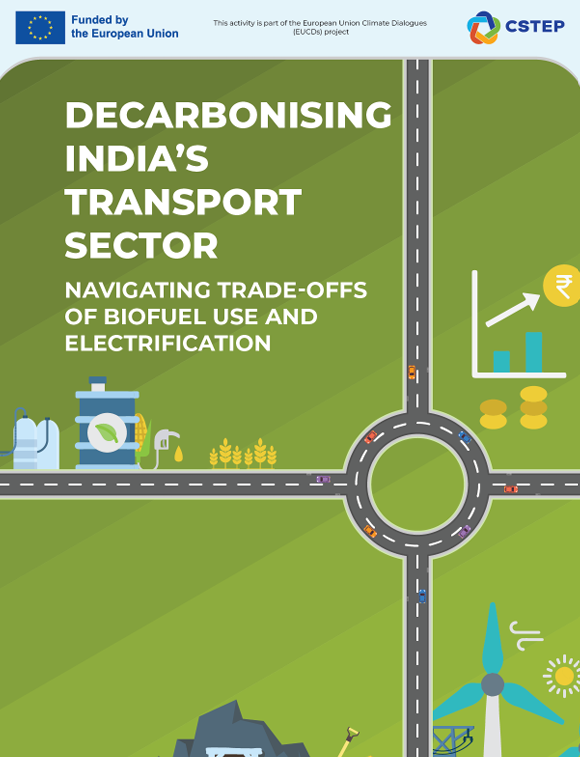
#CSTEP’s latest study explores #biofuel usage and #electrification impacts using the Sustainable Alternative Futures for India (SAFARI) and Social Accounting Matrix (SAM)-based multiplier models to shape a sustainable #transport future with minimal trade-offs.
Click to read the full report on 'Decarbonising India’s transport sector: Navigating trade-offs of biofuel use and electrification’ here: cstep.in/publications-detail…
The study findings also provide policy insights impacting the net-zero landscape. You can access the policy briefs here:
Towards the long-term sustainability of ethanol use in India: cstep.in/publications-detail…
Macroeconomic impacts of decarbonising mobility in India: cstep.in/publications-detail…
#Sustainability #GreenTransport #Mitigation #ClimateChange
3
2
204
Ramya Natarajan retweeted
13 Nov 2024
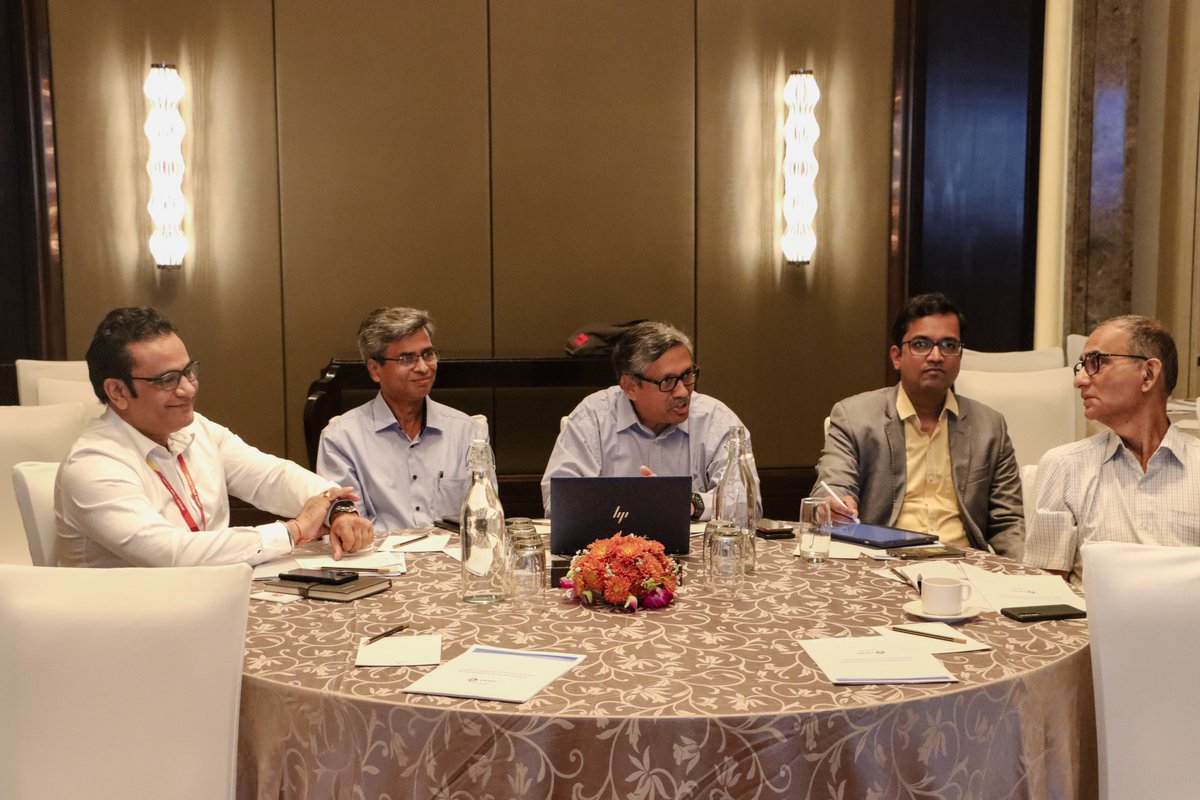
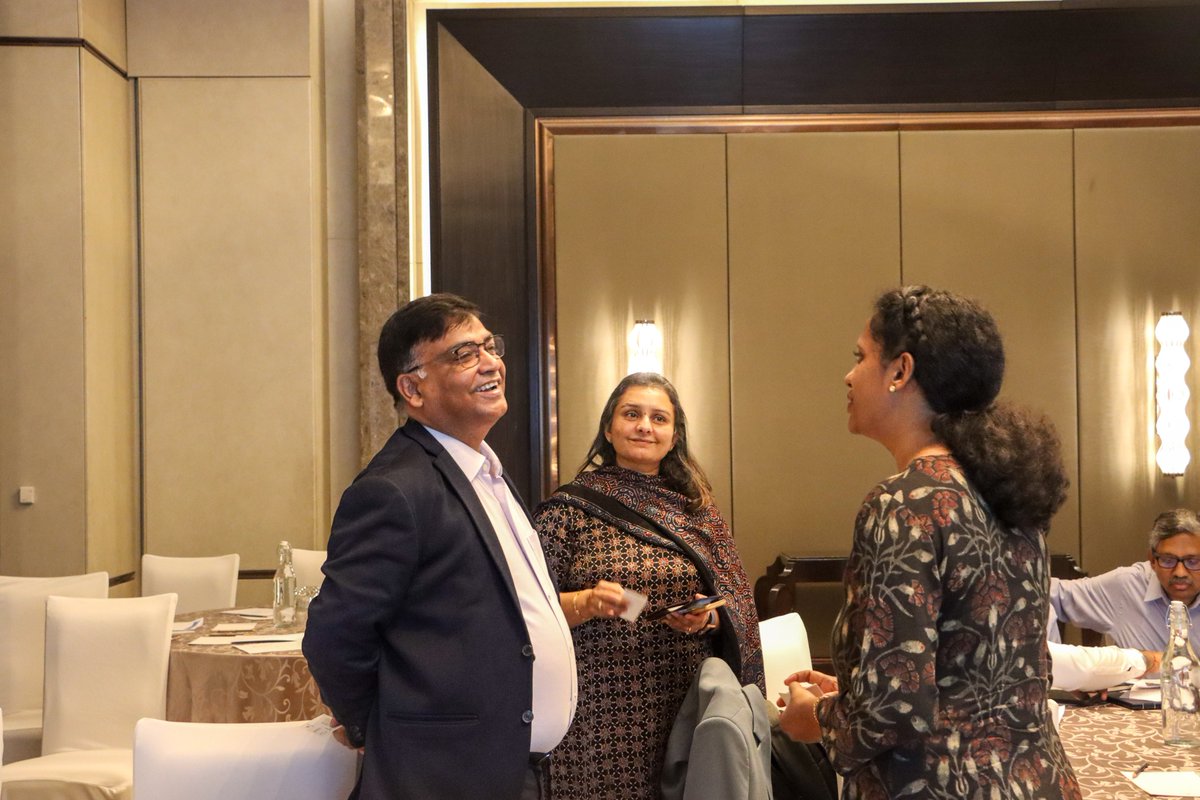
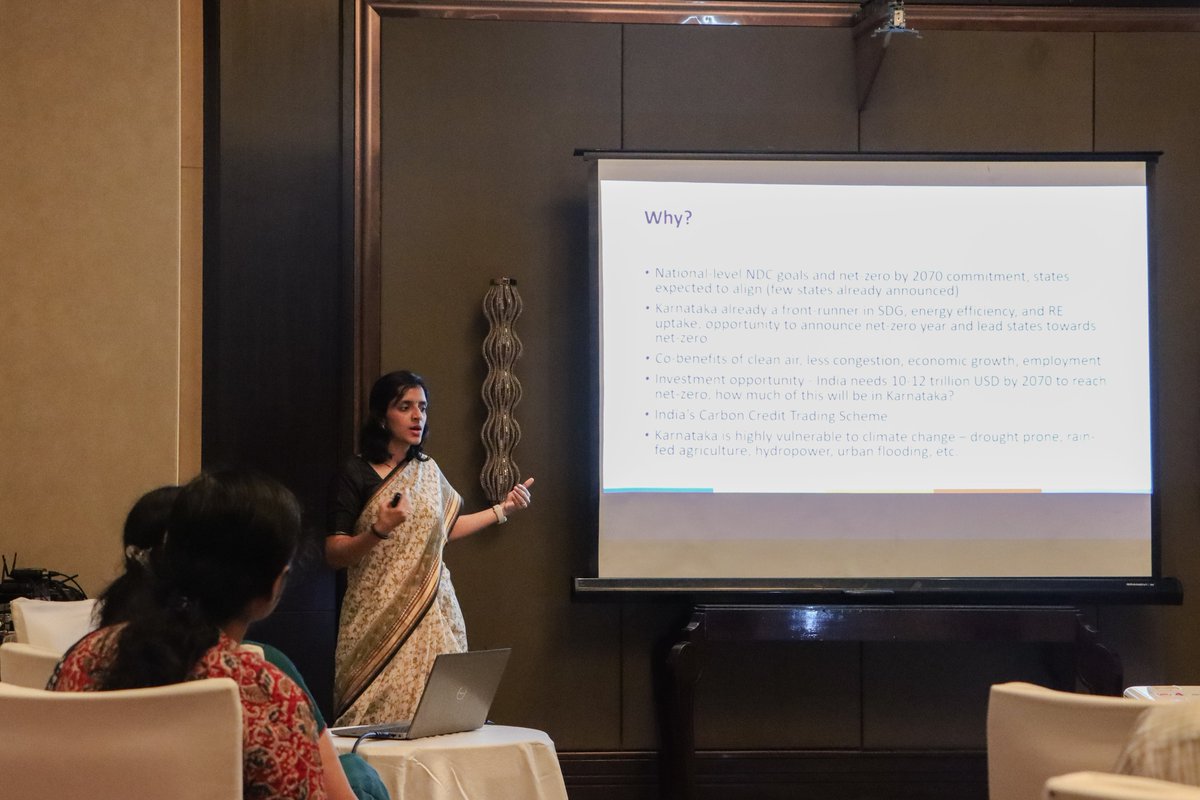
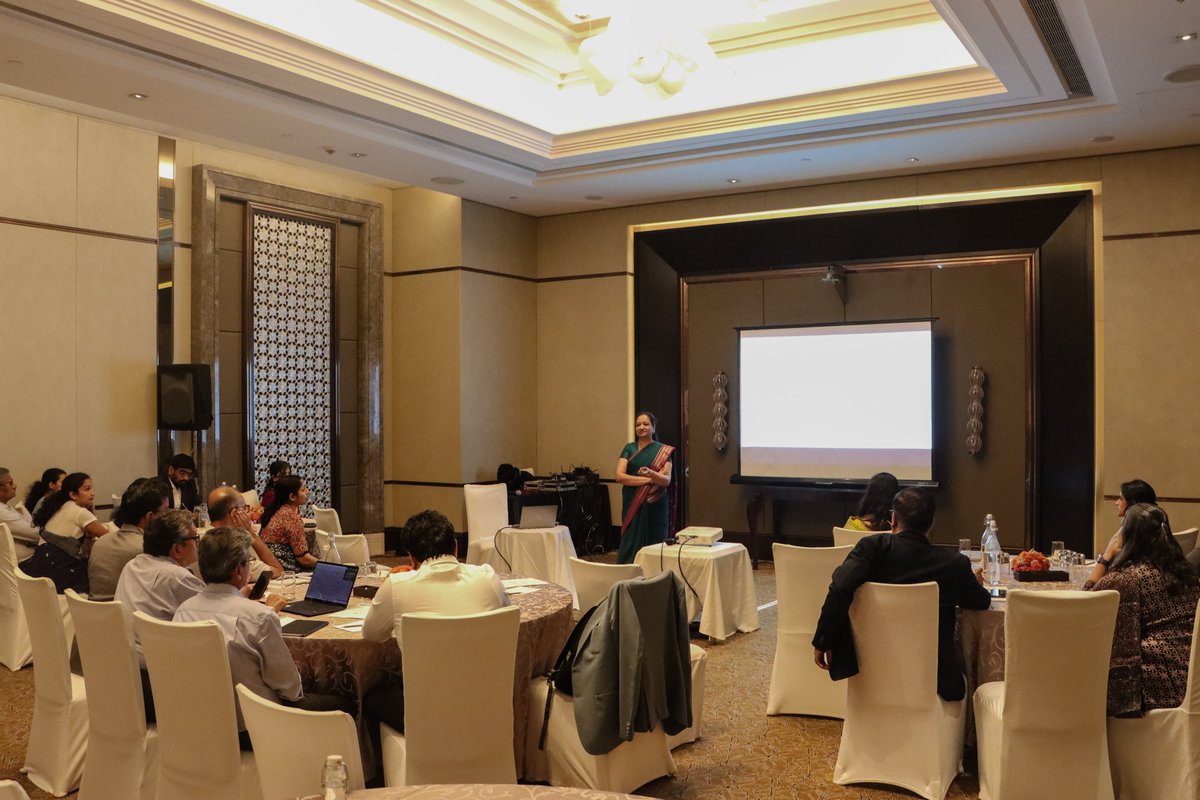
#CSTEP organised a roundtable discussion on their low-carbon development roadmap for Karnataka yesterday. It was attended by representatives from #Karnataka government and key industry players in the state.
@indukmurthy @rumyeah42
4
3
204
Ramya Natarajan retweeted
5 Jun 2024
In Chapter 12 of 'India’s Energy Revolution: Insights into the Becoming of a Global Power', @rumyeah42, @saara_ka_sara & Kaveri Ashok note institutional framework, policies, and actors needed to support the transition to a doughnut city development model.
routledge.com/Indias-Energy-…
2
1
231
4 Jun 2024
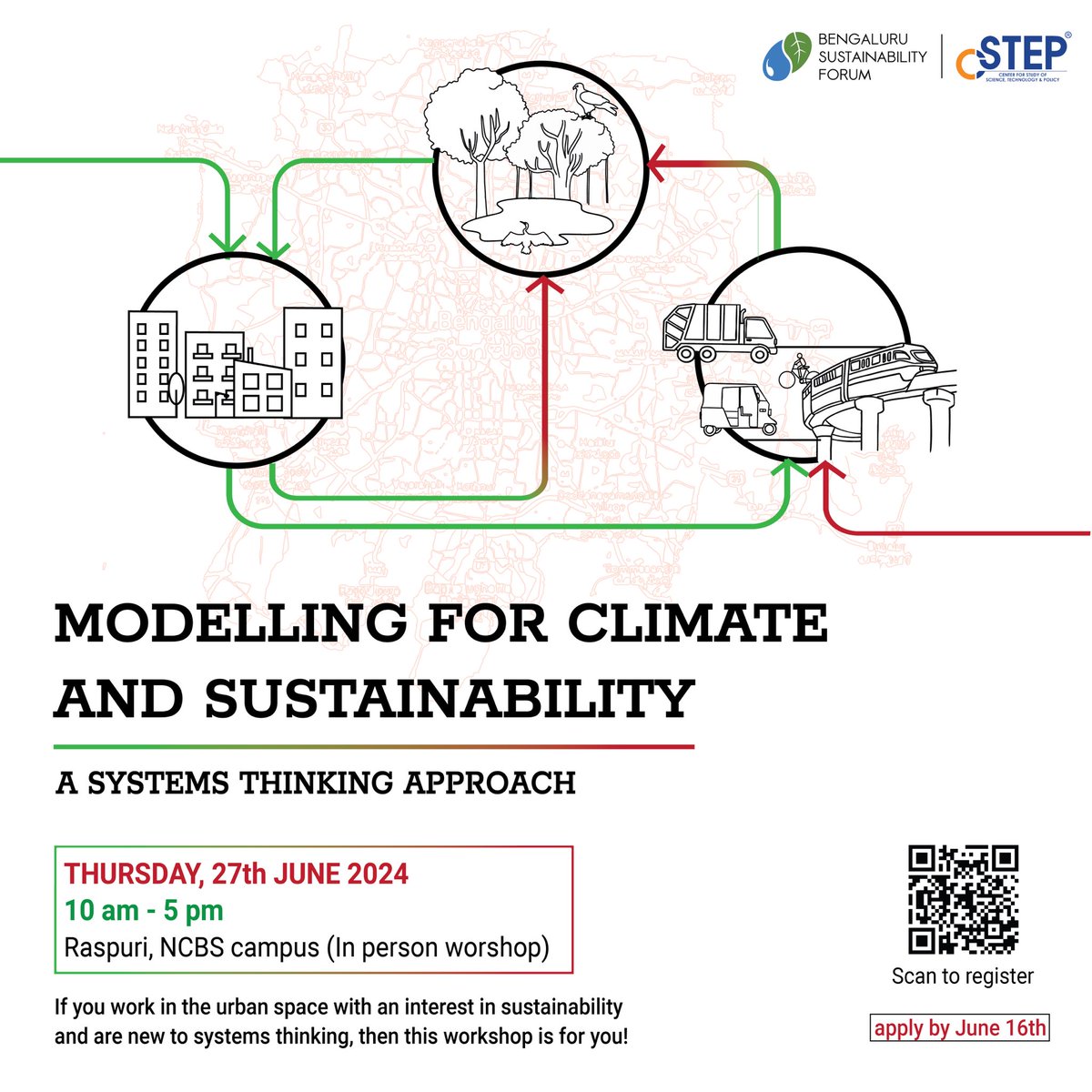
Interested in learning about systems thinking and modelling for climate? Do sign up for this 1-day workshop organized by @CSTEP_India and @sustainBLR
Details👇
3 Jun 2024

Discover the power of systems thinking! Learn to model climate and sustainability issues and level up to tackle the climate challenges in Bengaluru. Registrations open till June 16th.
*This is a free workshop. Limited spots. Selected candidates will be notified by 20 June 2024.
1
1
226
18 Mar 2024
Link to report - cstep.in/publications-detail…
18 Mar 2024
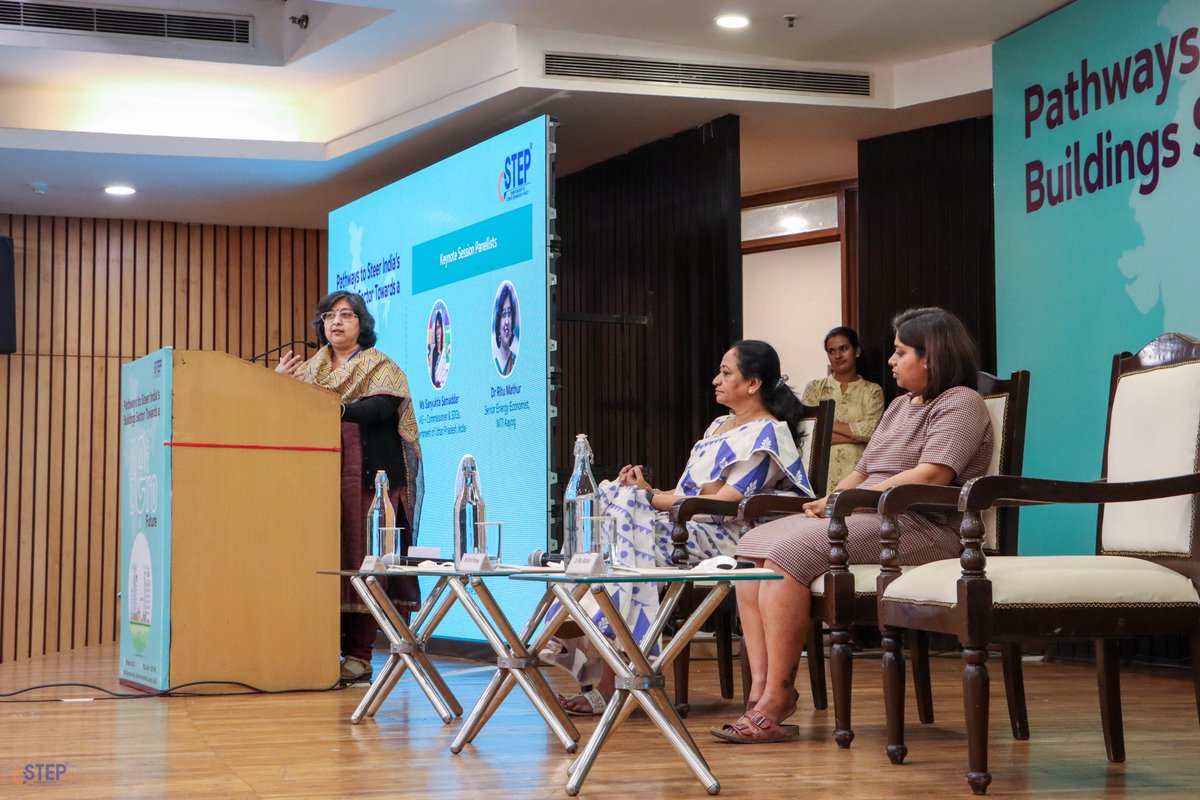
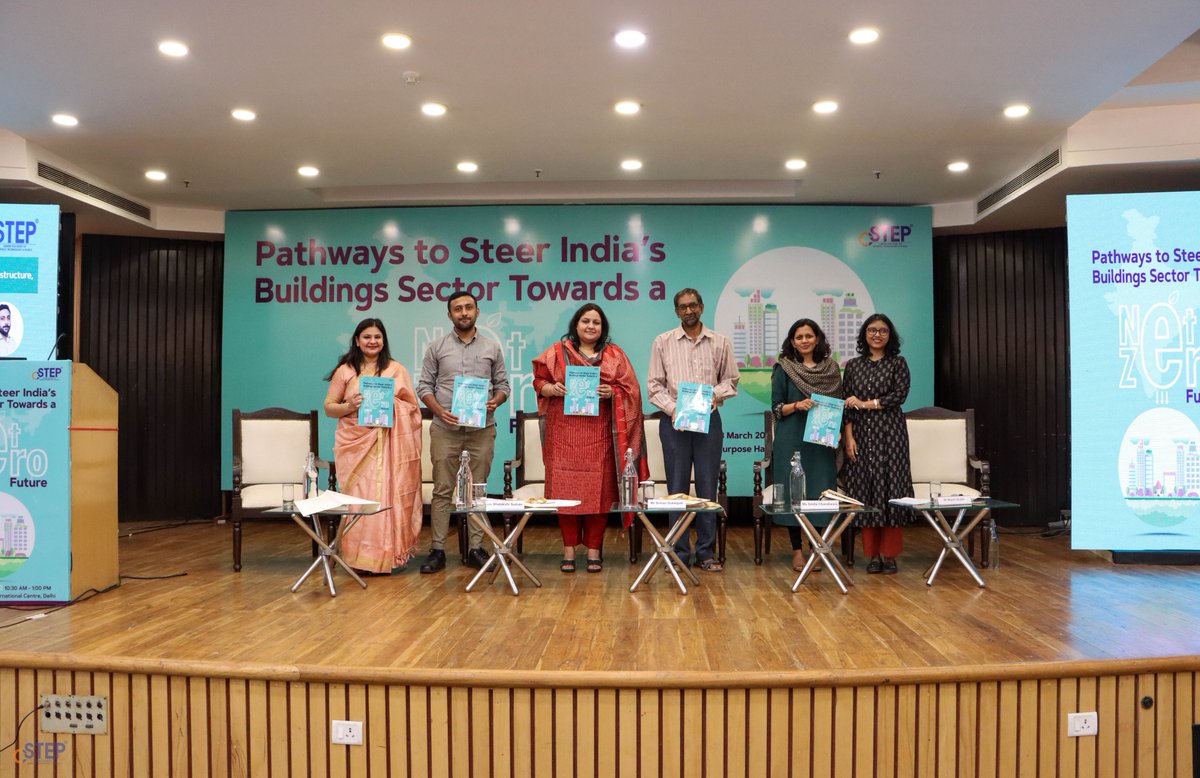
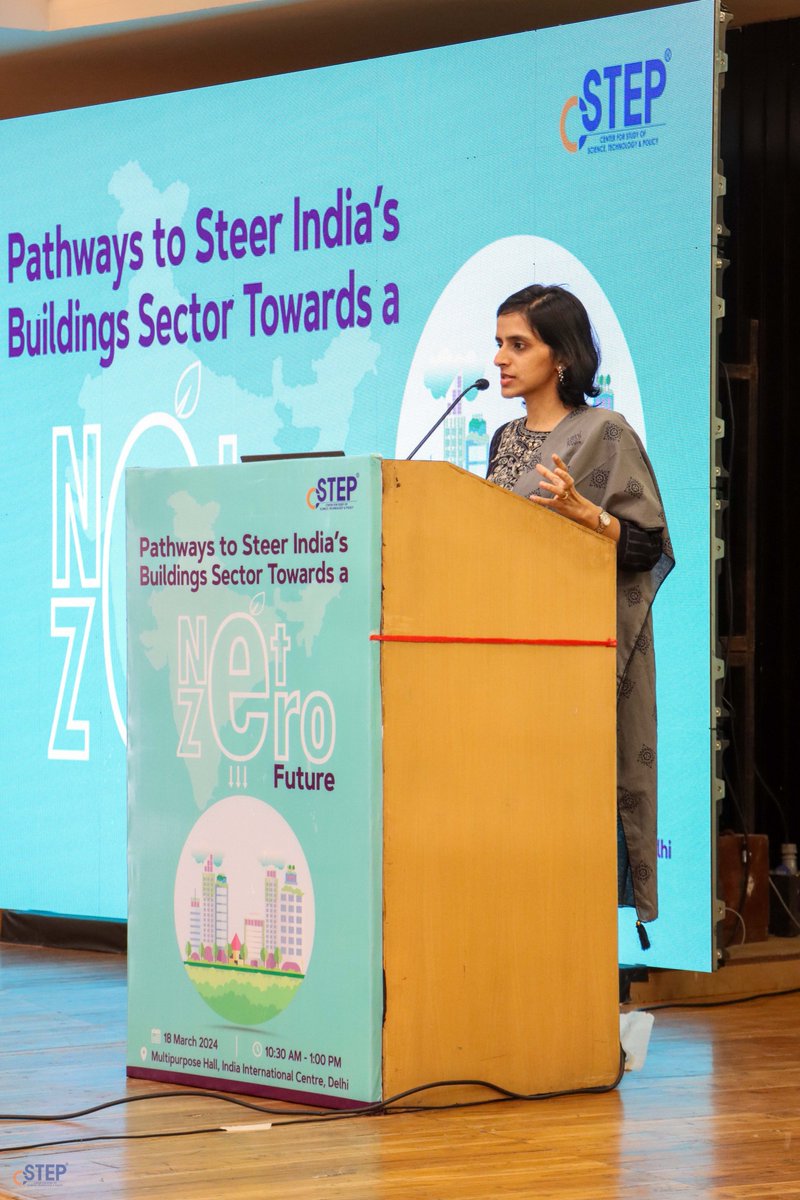
#CSTEP launched its latest #report that looks at pathways towards a #NetZero future in the buildings sector, today at @IIC_Delhi
1
152
17 Mar 2024
Do join us today at IIC 10:30am for some interesting discussions around India’s buildings sector!
13 Mar 2024
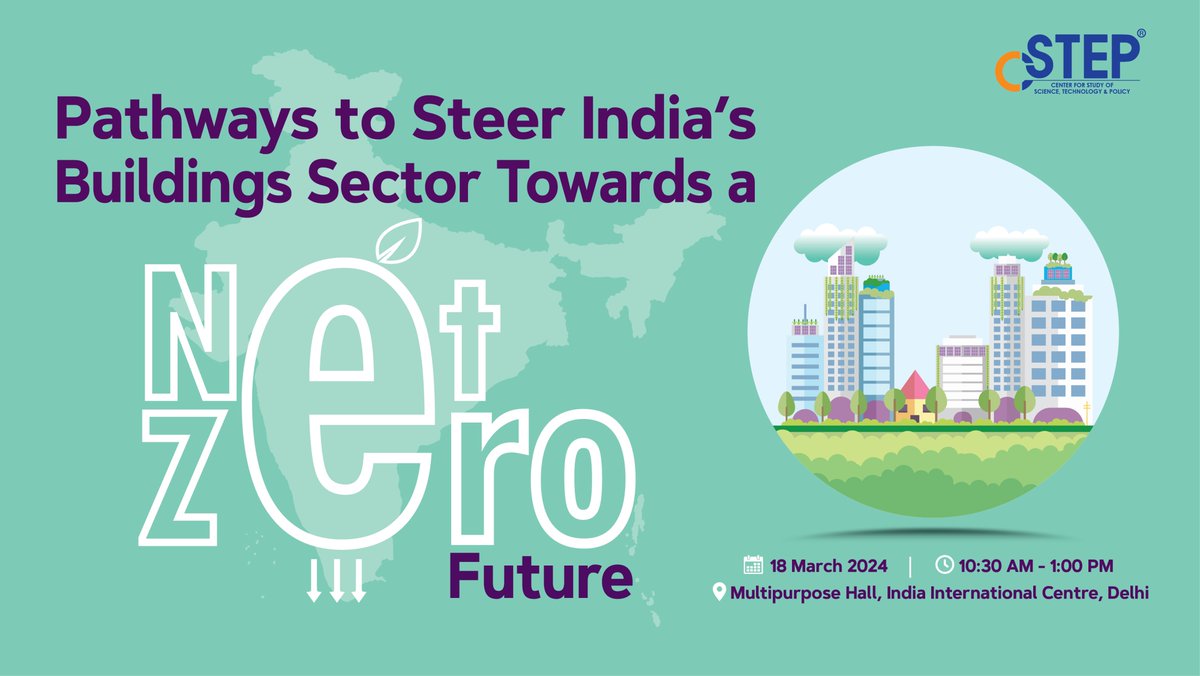
We are launching #CSTEP's latest #report that looks at pathways towards a #NetZero future in the buildings sector on 18 March at @IIC_Delhi
For registering and more details, please visit: cstep.in/event-details.php?i…
1
2
307
Ramya Natarajan retweeted
15 Mar 2024
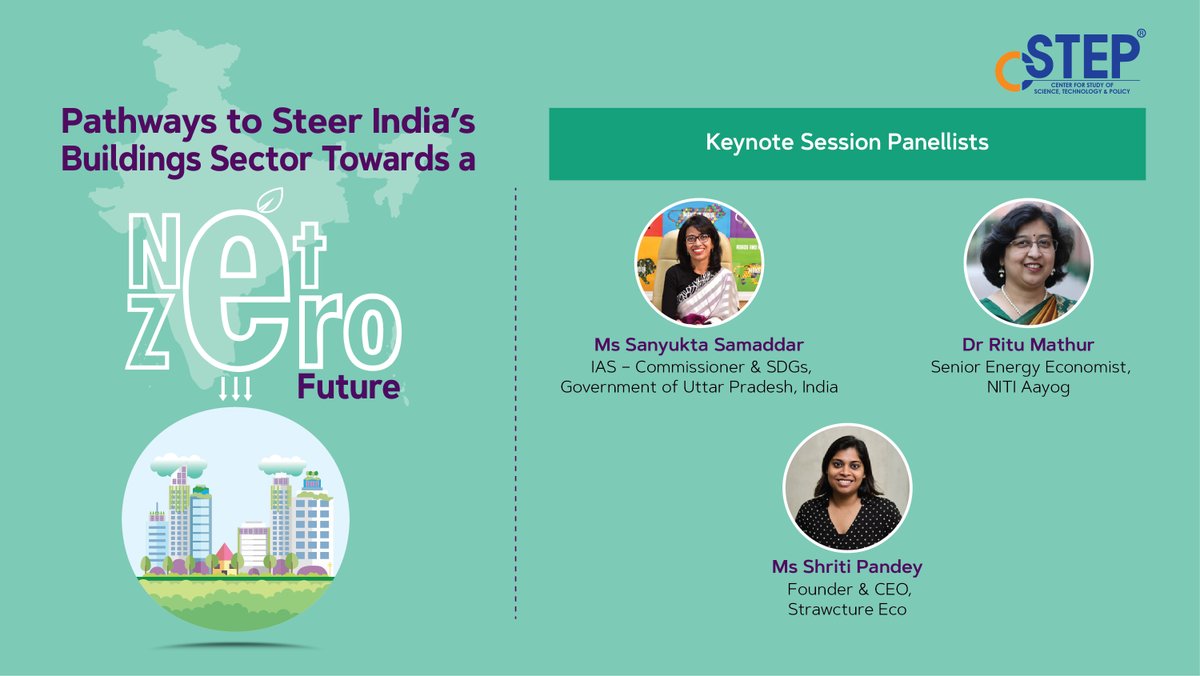
Join our Keynote Session Panellists as they discuss #CSTEP’s latest #report that looks at pathways towards a #NetZero future in the buildings sector on 18 March at @IIC_Delhi
For more information, visit: cstep.in/event-details.php?i…
2
3
793
Ramya Natarajan retweeted

12 Mar 2024
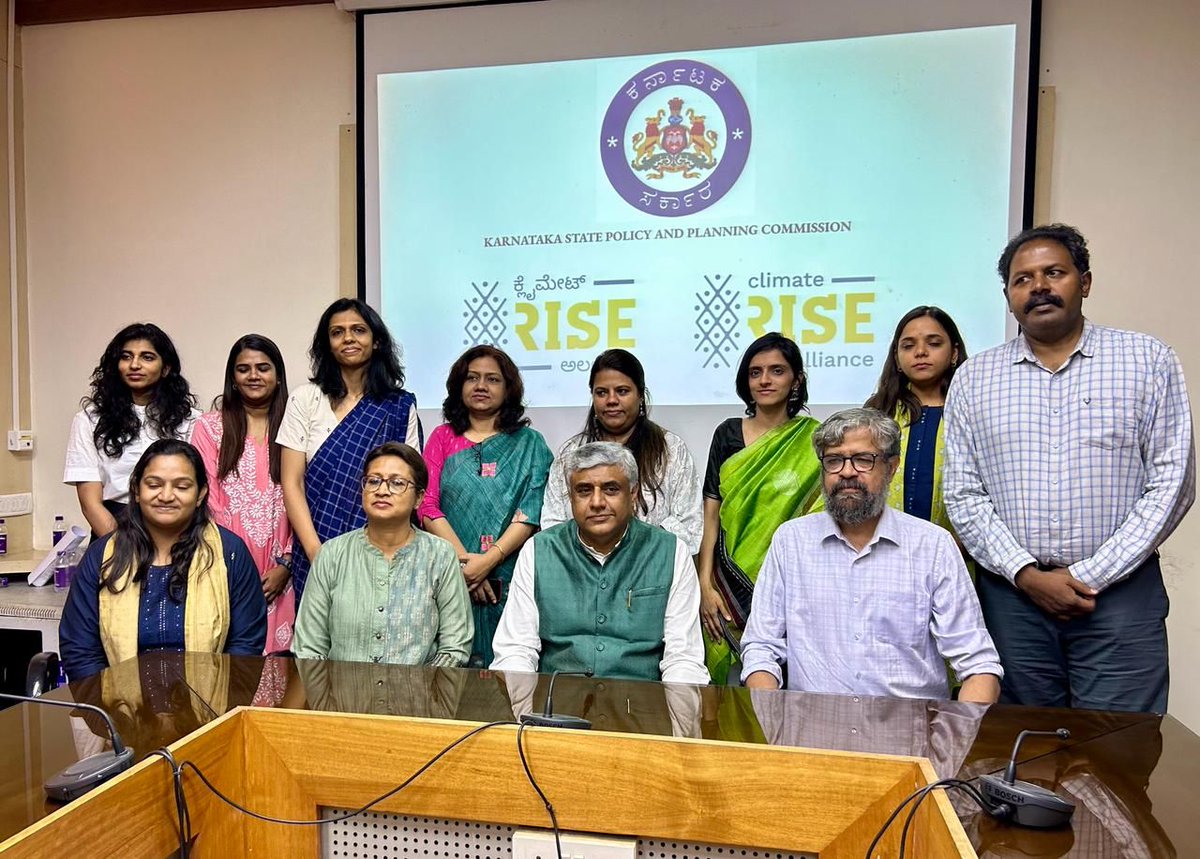
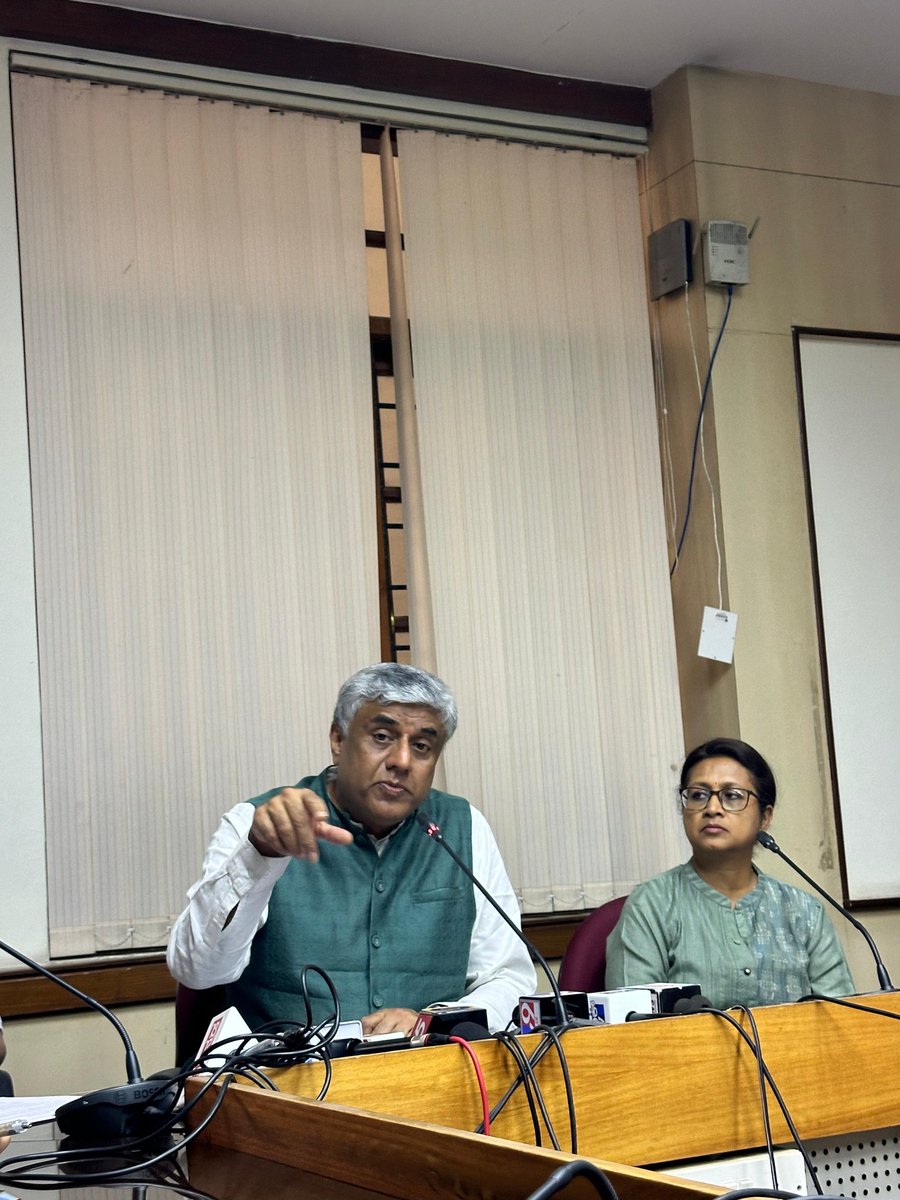
Our press conference today heralded a significant milestone as I unveiled our Planning Commission’s strategic collaboration with ClimateRISE Alliance, aimed at fortifying Karnataka's urban landscapes against the perils of climate change.
Together with our accomplished partners, we outlined a meticulously crafted agenda spanning critical domains such as water management, urban resilience, low-carbon development, and youth engagement.
KSPPC is committed to fostering sustainable urban ecosystems across Karnataka that are not only resilient but also equitable and inclusive.
Let us co-create a future where our cities thrive in harmony with nature.
#ClimateRISEAlliance
#ClimateResilienceKarnataka #SustainableUrbanism
4
26
66
5,550
Ramya Natarajan retweeted
1 Mar 2024
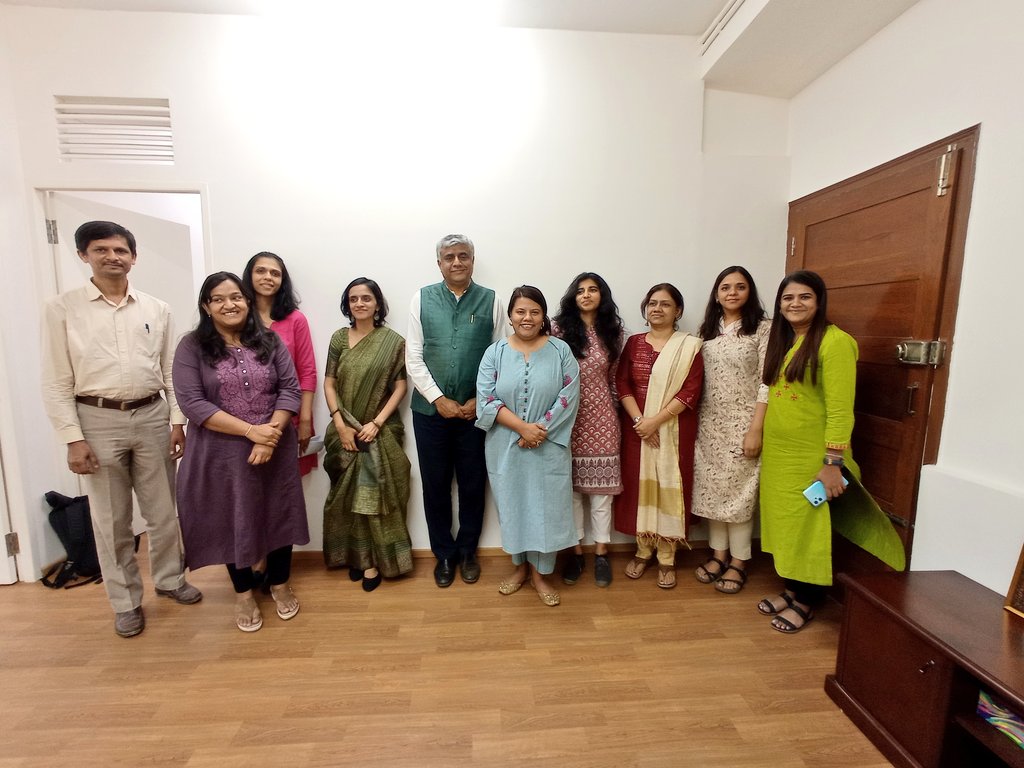
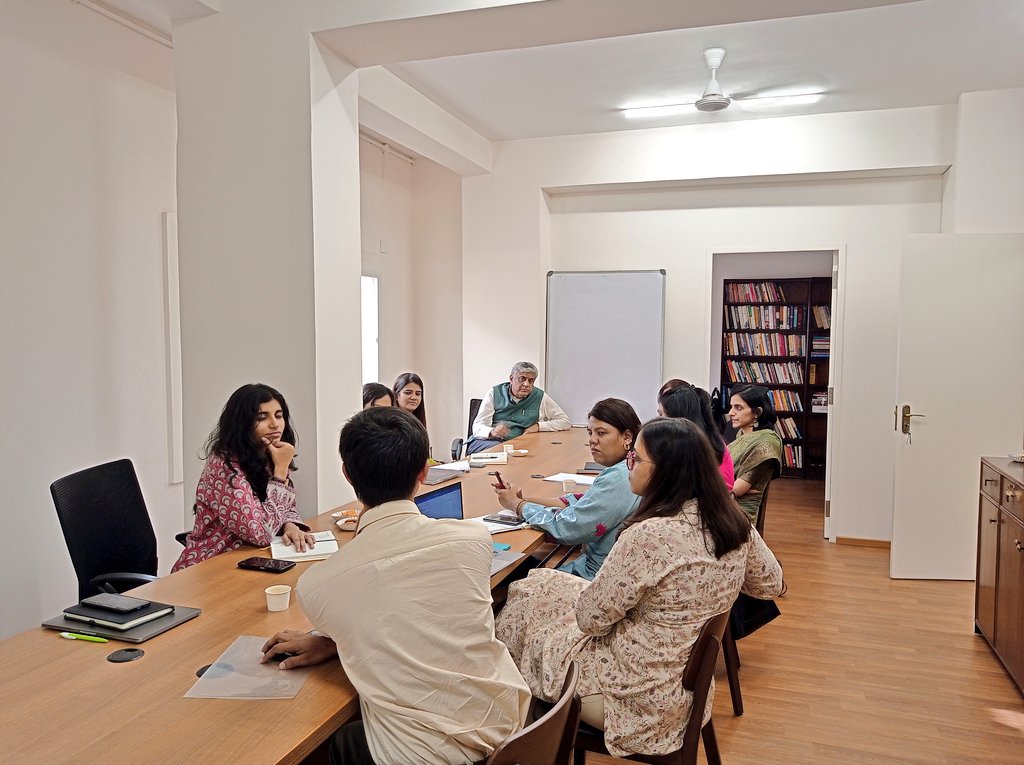
Met with the changemakers of the ClimateRISE Alliance, a collaborative platform working on climate change issues. As we grapple with rising temperatures and shortage of drinking water supply, it is crucial for all of us to come together to collectively address environmental challenges.
@RainmatterOrg @Janaagraha1 @dasra @biome_trust @CSTEP_India
3
17
46
2,988
Ramya Natarajan retweeted
9 Nov 2023
We need to look at trees outside #forests, in #urban and #rural spaces to meet #India’s #climate commitments, says #CSTEP researcher @rnasundaresan in this article by @NatureInd
nature.com/articles/d44151-0…
4
5
478
Ramya Natarajan retweeted
2 Nov 2023
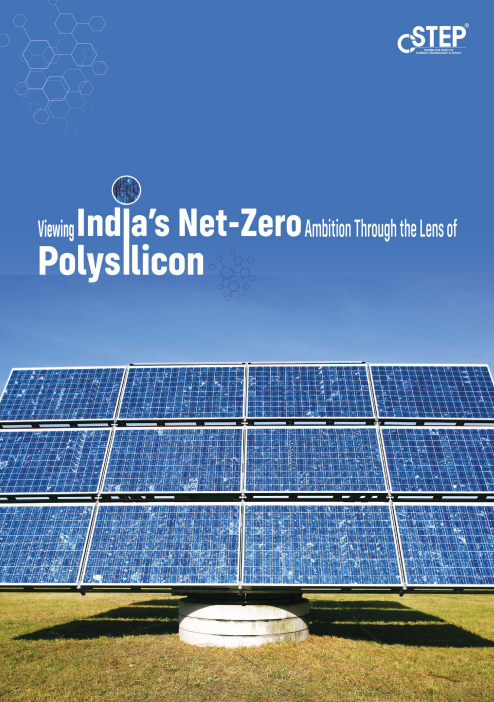
#CSTEP’s latest technical note, ‘Viewing India’s Net-Zero Ambition Through the Lens of Polysilicon’, discusses key points regarding #domestic polysilicon manufacturing and its importance in #India’s #solar energy transition.
Read: cstep.in/publications-detail…
2
5
338
14 Sep 2023
I write about the need to look beyond ethanol:
14 Sep 2023
While the launch of the Global #Biofuels Alliance is a welcome move, the path to biofuel #sustainability is complex, writes #CSTEP researcher @rumyeah42 in this article in @the_hindu
thehindu.com/opinion/op-ed/t…
2
2
19
1,145
Ramya Natarajan retweeted
9 Aug 2023
#SAFARI now actually has forests! Do read this report, encapsulating the fantastic work by @rnasundaresan
9 Aug 2023
In #CSTEP’s latest #report, researchers have created a system dynamic model to understand the long-term #carbon sequestration potential of the forestry sector in #India
Read more: cstep.in/publications-detail… (1/4)

4
12
513