
Looking for fellowships/internships | CS PhD student | UNESCO Research Fellow | Doctoral Fellow at GMU | ex-Google | ex-Adobe | ex-Mozilla
Joined October 2016
- Tweets 126
- Following 534
- Followers 80
- Likes 1,444
12 Photos and videos
Rupal Jain retweeted

Mar 14
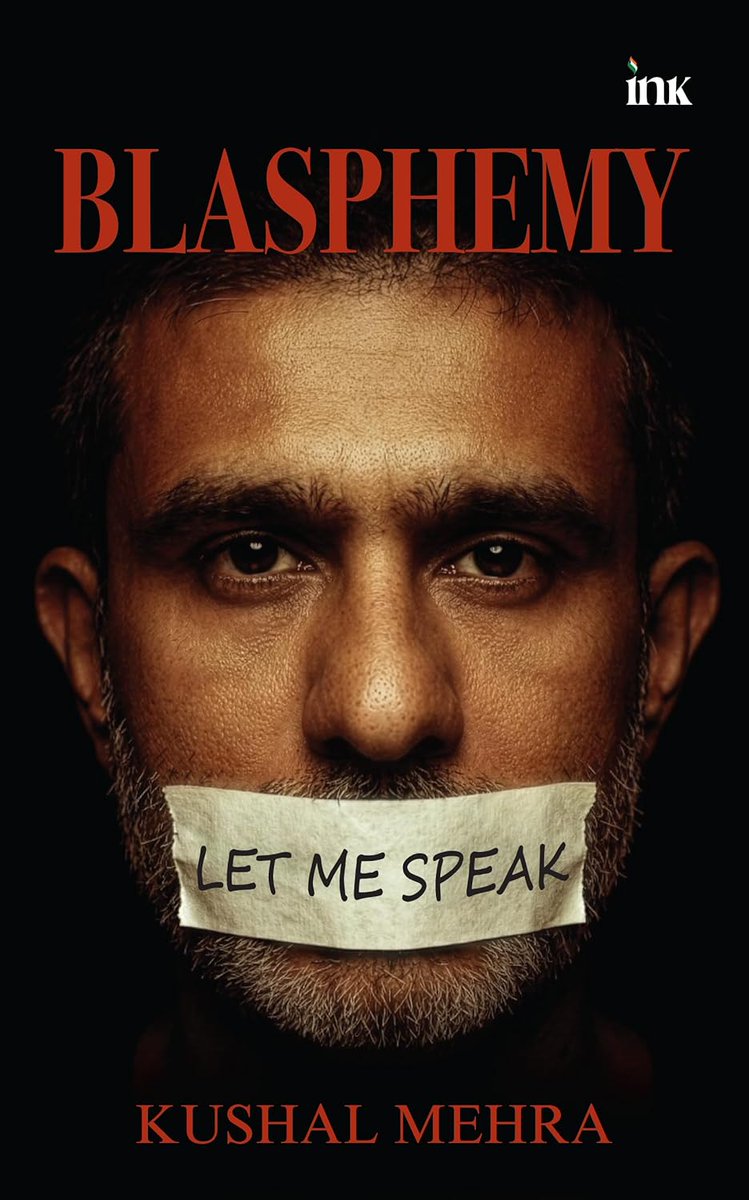
My book is an attempt to stop people from going to jail for speaking. But if you are going to jail, you might need to read a few books. I highly recommend you buy my book immediately. It will be a great read in jail 😬😬😬
amzn.in/d/00hVFt93
22
38
257
179,232
Rupal Jain retweeted

14 Dec 2025
This isn't a trained trick, this is a wild transaction. Sea Otters carry "favorite rocks" in their armpits to crack open clams. This otter realized that humans value "things," so he offered his prized possession, a perfect white stone, in exchange for a high-value item, a fish.
He literally invented currency on the spot.
How cool and adorable is that? ❤️
390
3,500
35,077
1,329,999
Rupal Jain retweeted

Jan 22
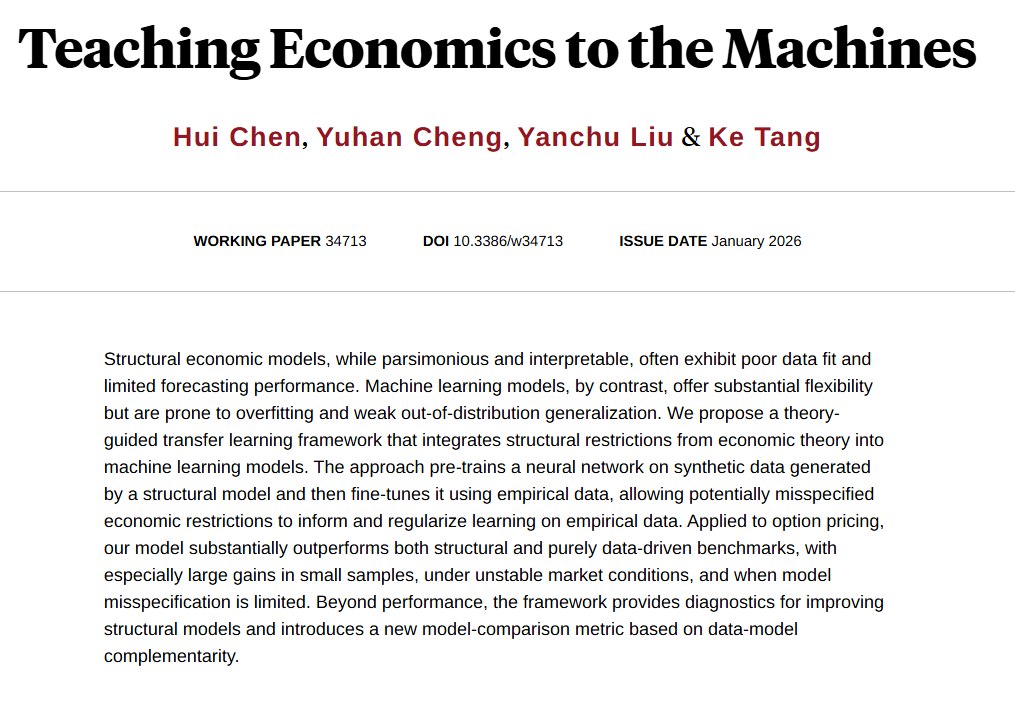
Very interesting. We'll see much more of this. Theory is useful for external validity, but particular functional forms we fit to get analytic tractability involve many assumptions that go beyond theoretical restrictions (cue Chuck Manski!). Methods like this are a solution.
5
43
230
24,424
Rupal Jain retweeted

Jan 22
I work with multiple companies where nearly all code is AI generated now. However, the productivity probably has only increased 20-30%. Why?
I suspect because writing code is really running code. Changes are the result of a business learnings. Or an operational learnings. For mature companies, the majority of PRs are sub 10 lines codifying these learnings.
AI clearly helps here (e.g. debugging, running tests, building tools) but less so. Operations and business learnings are workload and company specific.
Until AI can perfectly predict what the market needs, or how a system will be used this bottleneck will exist.
115
68
919
277,170
Rupal Jain retweeted

Jan 8
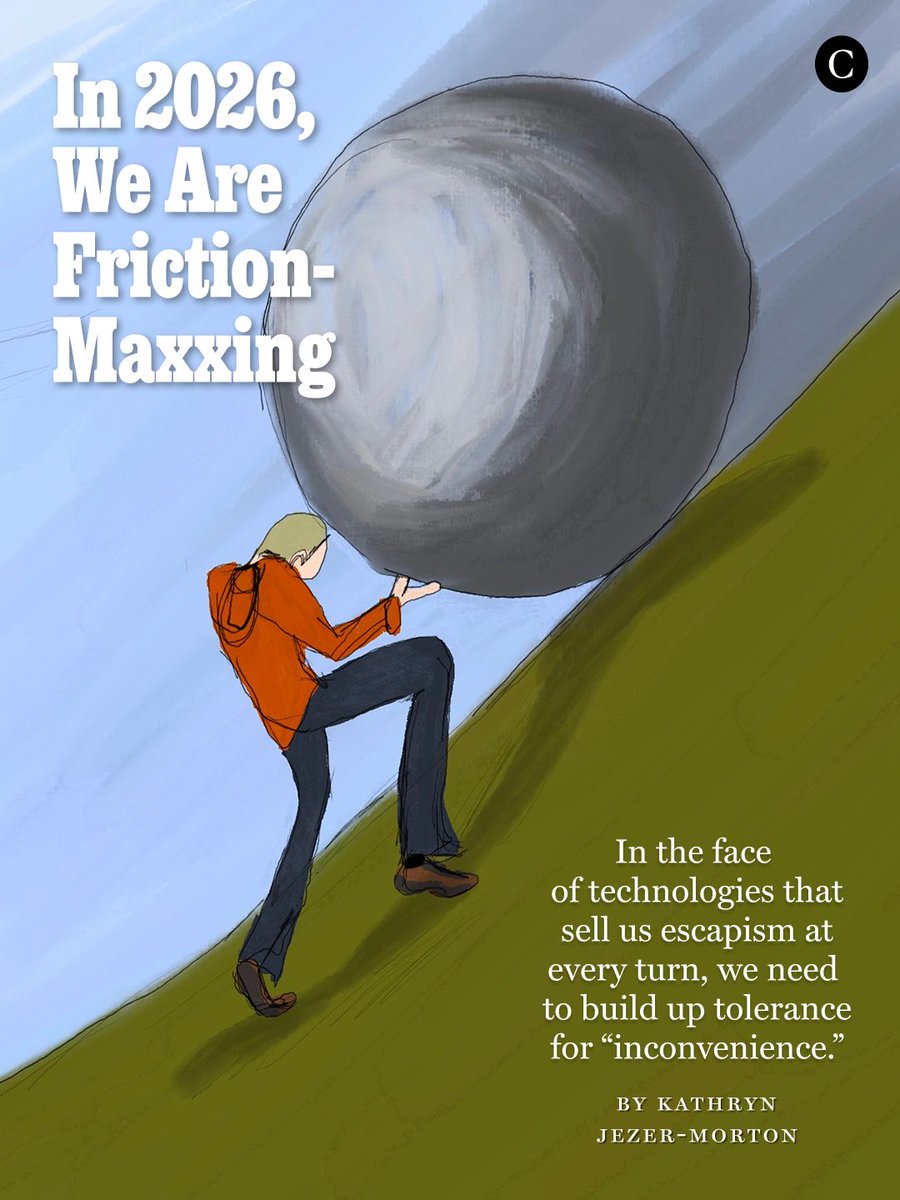
Tech companies are succeeding in making us think of life itself as inconvenient and something to be continuously escaping from, into digital padded rooms of predictive algorithms and single-tap commands: Reading is boring; talking is awkward; moving is tiring; leaving the house is daunting. These are all frictions that we can now eliminate, easily, and we do.
Once we’ve adopted a habit of escaping from something, whether it’s Uber-ing dinner five nights a week or using AI for replying to texts, the act of return, which is how we might describe no longer using a tool of escape, feels full of irritating friction. In these moments, we become exactly like toddlers in the five minutes after the iPad is taken away: The dullness and labor of embodied existence is unbearable.
“This is why I have resolved to commit to make 2026 a year of friction-maxxing, as an individual but more importantly as a parent,” Kathryn Jezer-Morton writes.
There are some obvious places to begin your friction-maxxing journey. Stop sharing your location with your kids and your partner. Stop using ChatGPT completely. No, it does not have good ideas for meal planning. Buy a cookbook. Text your friends for advice. Go to Trader Joe’s. Invite people over to your house without cleaning it all the way up.
Friction-maxxing is not simply a matter of reducing your screen time, it’s the process of building up tolerance for “inconvenience” — and then reaching even toward enjoyment. And then, it’s modeling this tolerance, followed by enjoyment and humor, for our kids.
Read Jezer-Morton’s full column: nymag.visitlink.me/kIub1B
45
735
5,173
945,645
Rupal Jain retweeted

Will AI prove Piketty right? Will labor share → zero? Will we need capital taxation?
@pawtrammell and @dwarkesh_sp wrote an important essay arguing AI vindicates Piketty's fears. I replied to some of it already but it was heavy on the math. How do we understand their model?
I went back to the basics: supply and demand for capital. What assumptions actually need to hold?
Getting labor share to zero—not 30%, approximately ZERO—requires either perfect substitutability (no task where humans have comparative advantage) or capital growing without bound forever.
For unbounded growth, it's not just about a high substitutability. Returns must always exceed depreciation impatience. Not just now. Forever. At every capital level.
Yes, fast AI progress flattens the demand curve (easier substitution), but it also raises depreciation through obsolescence. Your GPU depreciates because next year's model is better. It's not about it necessarily breaking.
Could capital returns always be that high? Maybe. Anything is possible through Christ.
But a lot needs to change and a lot more than people realize.
For policy, while we aren't at the knife edge, I show that the same features that make capital accumulation explosive are exactly the features that make capital taxation ineffective.
Easy substitution mobile capital = their inequality story.
Easy substitution mobile capital = capital flees when taxed, workers pay.
economicforces.xyz/p/ai-labo…
7
27
149
24,198
Rupal Jain retweeted

Jan 1
The most successful people I know don't actually think about discipline at all. Instead, they align their purpose with their pursuits. They find something that feels effortless to them and looks tedious to others. Because then, doing the work itself is the reward. You have to get them to stop working, not start working.
40
34
278
12,720

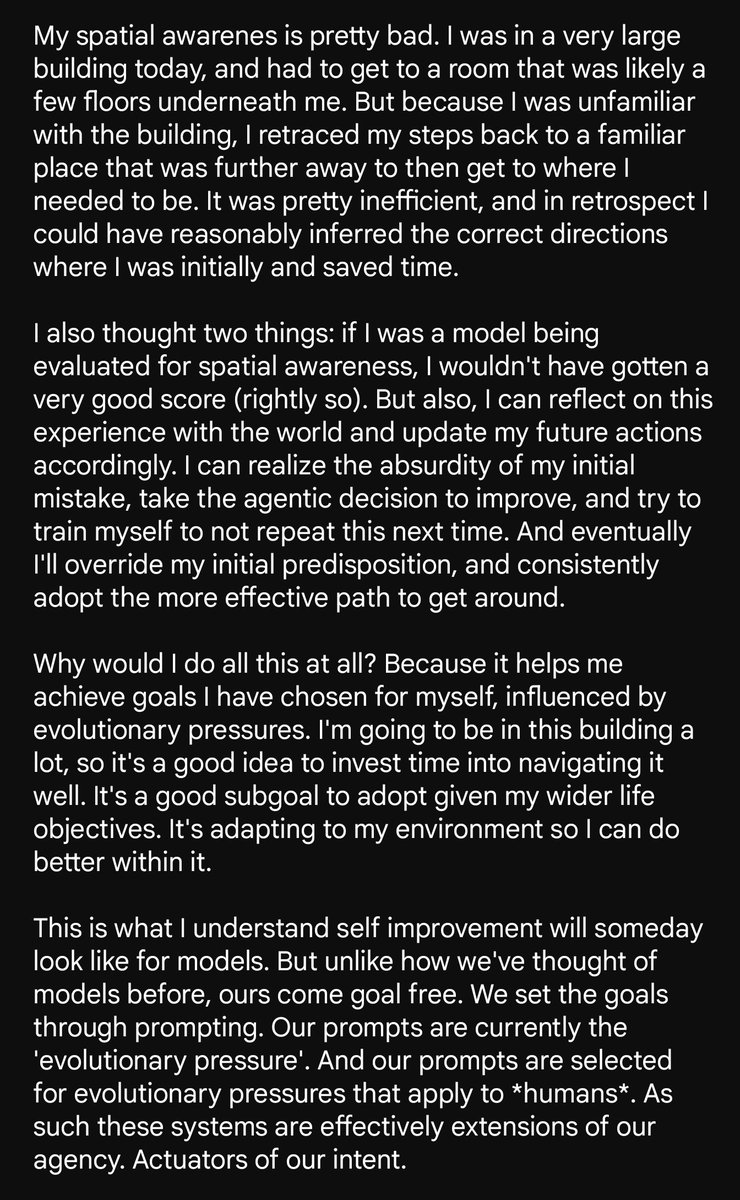
I wrote this note earlier this year and it's so nice to see Richard Sutton make these points so eloquently. Somewhat comforting to know that my intuitions aren't completely off.
26 Sep 2025

.@RichardSSutton, father of reinforcement learning, doesn’t think LLMs are bitter-lesson-pilled.
My steel man of Richard’s position: we need some new architecture to enable continual (on-the-job) learning.
And if we have continual learning, we don't need a special training phase - the agent just learns on-the-fly - like all humans, and indeed, like all animals.
This new paradigm will render our current approach with LLMs obsolete.
I did my best to represent the view that LLMs will function as the foundation on which this experiential learning can happen. Some sparks flew.
0:00:00 – Are LLMs a dead-end?
0:13:51 – Do humans do imitation learning?
0:23:57 – The Era of Experience
0:34:25 – Current architectures generalize poorly out of distribution
0:42:17 – Surprises in the AI field
0:47:28 – Will The Bitter Lesson still apply after AGI?
0:54:35 – Succession to AI
8
6
83
10,325

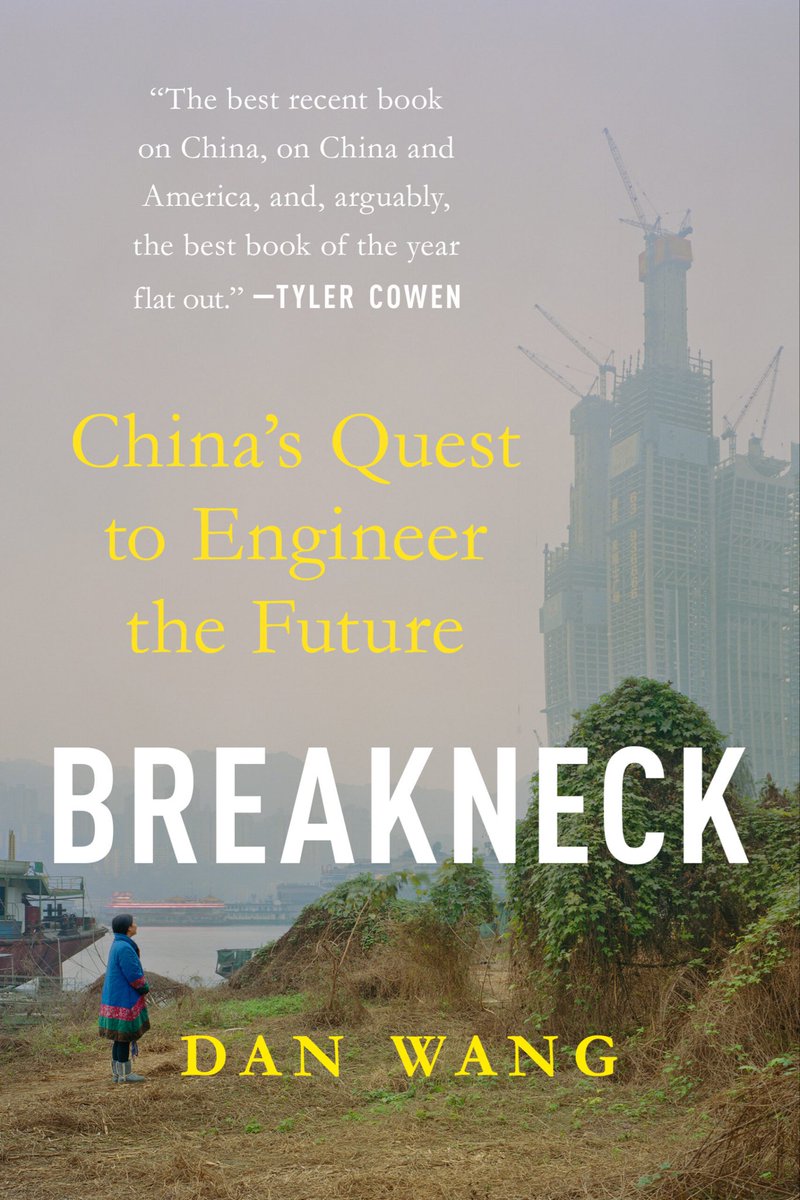
Breakneck: China's Quest to Engineer the Future, out August 26
danwang.co/breakneck/
89
336
2,386
513,840
Rupal Jain retweeted

30 May 2025
Philosophers as Taylor Swift Songs
(in honor of Taylor’s reclaimed property rights)
Plato--Daylight
Kant--You're On Your Own Kid
Camus--August
Aristotle--So High School (obvs)
Kierkegaard--Back to December
Nietzsche--Treacherous
Socrates--Tell Me Why
JP Sartre--Chloe or Sam or Sophia or Marcus
Walter Pater--Enchanted
Galen Strawson--Dancing With Our Hands Tied
Lou Andreas-Salomé--The Bolter
Girard--The Archer
Nussbaum--Jump Then Fall
Rousseau--Long Live
From the desk of TTPD at @cosmos_inst @taylornation13





1
7
30
6,873
Rupal Jain retweeted

31 May 2025
An academic life … books I have published, books I have edited, dissertations that I advised on that became books, subsequent books by former PhD students, and books in series that I edit. First entry in collection 1990, last entry 2024. More to come, so many more to come.

20
24
591
24,818
Rupal Jain retweeted
26 May 2025
Nothing will force you to be more creative than a looming deadline.
48
13
239
10,284

Demis Hassabis says true AGI is a theoretical benchmark set by the human brain — the only proven architecture for general intelligence
today’s models are impressive but inconsistent; anyone can find flaws within minutes.
"real AGI should be so strong that it would take experts months to spot a weakness"
103
164
1,475
461,743
Rupal Jain retweeted

5 May 2025
I’ve left OpenAI!
Already miss everyone on the Training team & my friends ❤️ but very excited to soon announce what’s next
Until then, I’ll be taking a break to solve OCR for Sanskrit so we can immortalize the classical Indian literary canon in the weights of superintelligence

485
470
12,676
1,902,203
Rupal Jain retweeted

14 May 2025
Spill your mind onto the internet for a year and see where it takes you.
227
100
1,739
91,173
Rupal Jain retweeted
10 May 2025
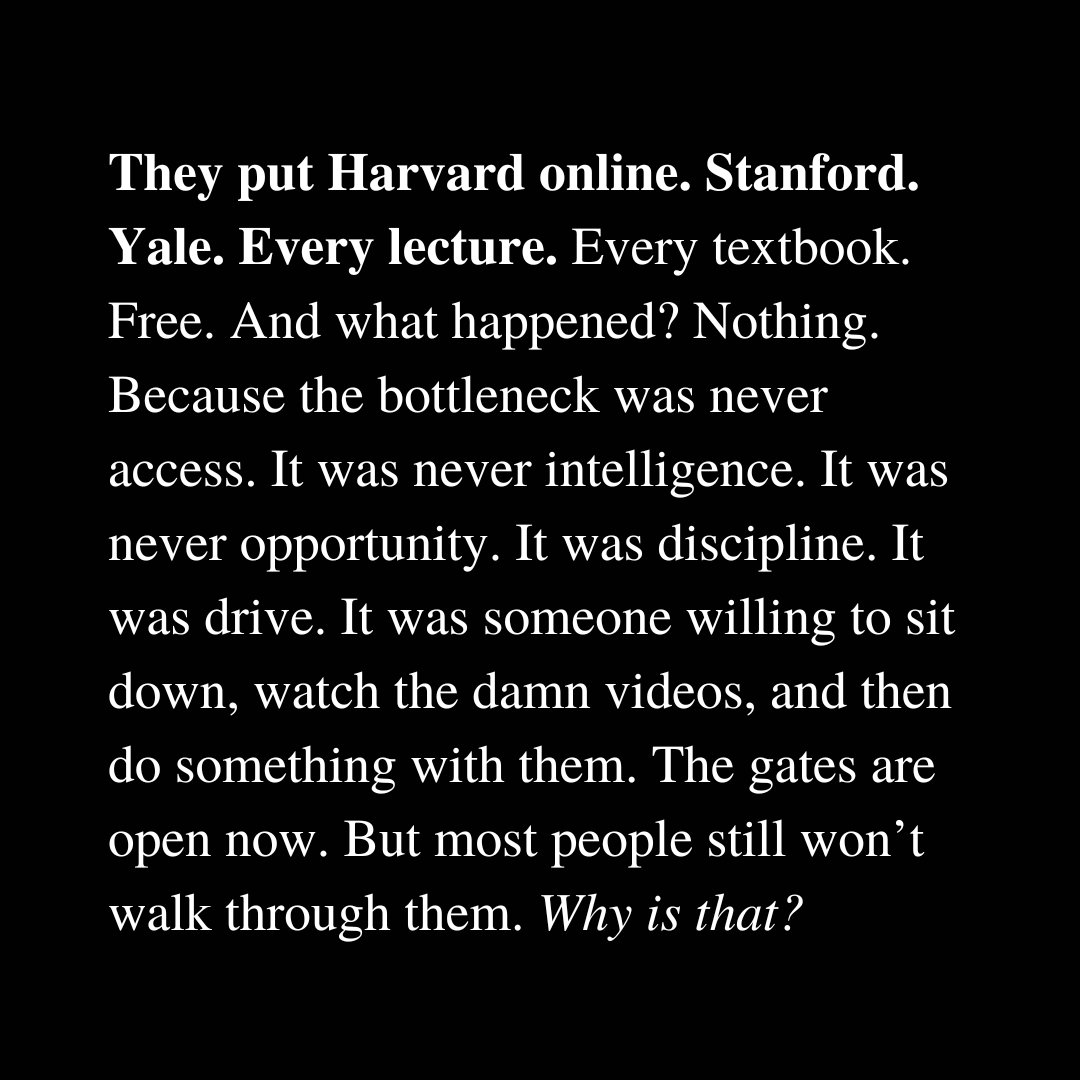
Information is abundant, it's desire that's scarce.
432
2,033
15,970
4,007,570
Rupal Jain retweeted

10 May 2025
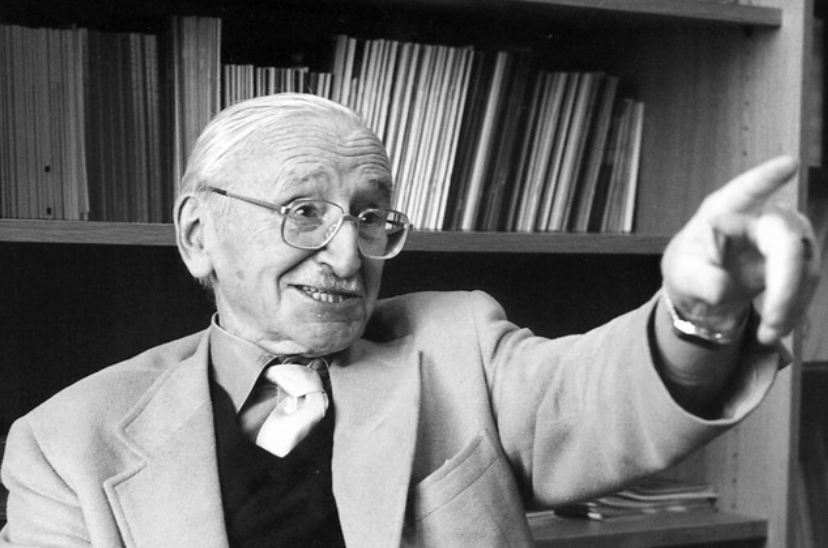
“Our respect for traditions whose origins and rationale we do not know is based on the insight that the experimentation of many generations may embody more experience than any one man possesses.”
— Friedrich Hayek
4
46
201
6,187
Rupal Jain retweeted

10 May 2025
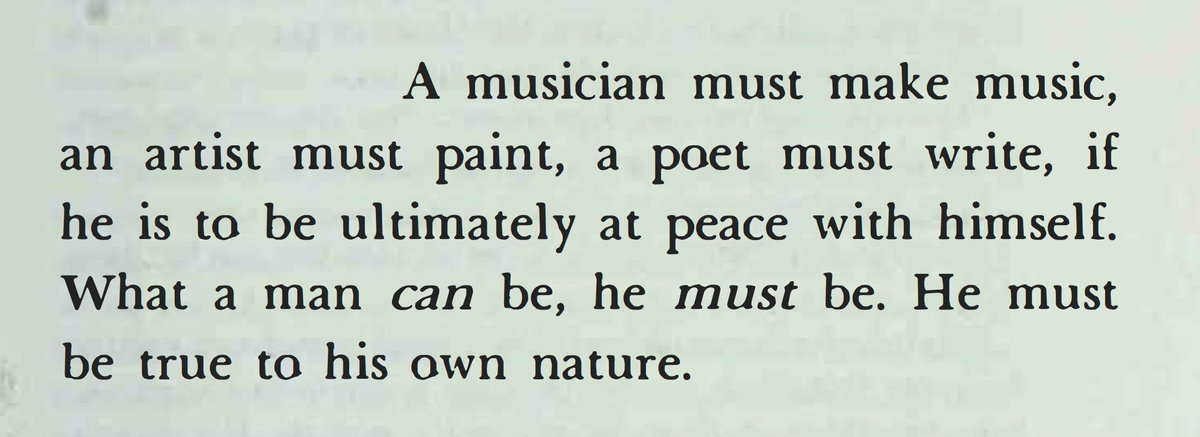
famed psychologist Abraham Maslow
47
1,018
7,011
261,390
Rupal Jain retweeted

8 May 2025
Born on this day in 1899, F.A. Hayek became one of liberty’s boldest defenders, taking on socialism, central planning, and the illusion of control.
🧵 How did Hayek become Hayek?

8
129
541
250,188
Rupal Jain retweeted

21 Mar 2025
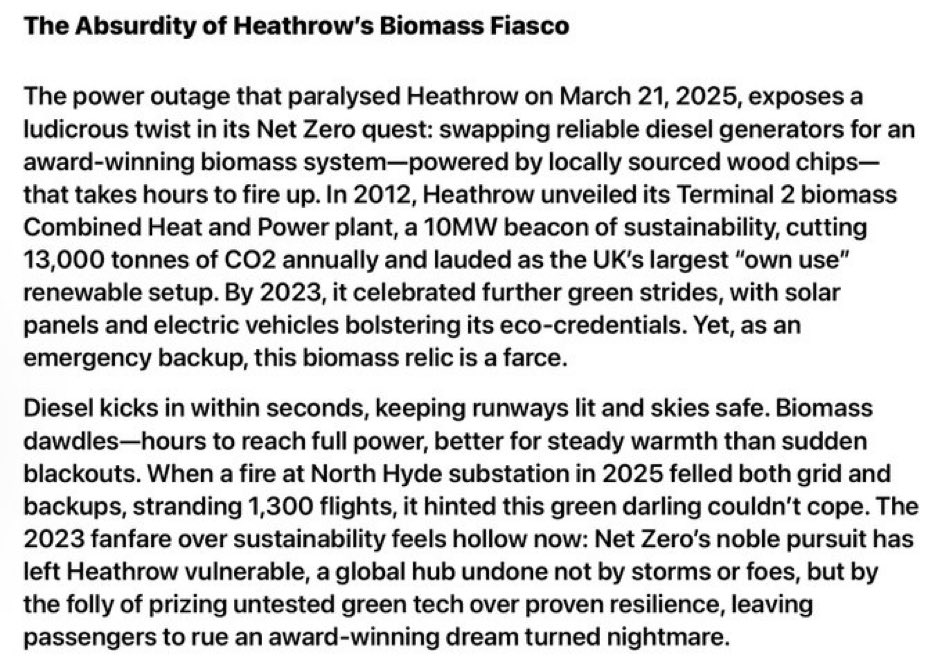
The sheer lunacy of Heathrow airport swapping reliable diesel generators with a net zero biomass system. ⬇️
545
3,016
9,905
497,822