Plutonium sub Montes Carpatici
Joined November 2024
- Tweets 12,175
- Following 319
- Followers 153
- Likes 108,871
245 Photos and videos




podopriGora retweeted

Qatar is everything Nazis imagine Jews to be: a small, hidden group wielding unimaginable influence over the West and the media through vast wealth and political power.
They literally just bought the President of the U.S.
92
419
2,475
35,637
Natalka speaks for me too!

Now I’m crying. To me, President Zelenskyy is a hero. He might not be a perfect man — none of us are — but he is a very courageous man and a great leader.
1
5
podopriGora retweeted

Now I’m crying. To me, President Zelenskyy is a hero. He might not be a perfect man — none of us are — but he is a very courageous man and a great leader.
14
43
768
9,186
podopriGora retweeted

Very emotional moment from the interview with Zelenskyy. You should watch this.
JOURNALIST: Do you miss being an actor?
ZELENSKYY:?I miss being a good father.
JOURNALIST: When your children were little, what did you tell them the most? What was the thing that you told them the most when they were small?
ZELENSKYY: I love you.
JOURNALIST: And what do you tell them now that they're older?
ZELENSKYY: Oh, I miss you.
JOURNALIST: When was the last time you cried?
ZELENSKYY: I will try to do it after our interview. No, I mean this, between us. I'm a normal man and then there are a lot of different moments, between us, almost each day, a lot of losses on the battlefield and civilians, and there are absolutely crazy attacks on our people.
And I'm just, it's… I mean, It's very difficult really, when I give orders (medals). I said about it. It's always difficult for me when I give orders (medals) to the mothers and fathers, who lost their children. In such moments, really, I often cry.
JOURNALIST: Are you a hero?
ZELENSKYY: No.
JOURNALIST: So who is your hero?
ZELENSKYY:?My hero? My children, my army, our army, and Ukrainian people. So I'm a part… I'm also a Ukrainian, so I'm a part of our nation. But now our nation, I think, that our nation is absolutely heroic.
362
4,425
18,530
379,216
podopriGora retweeted

So Ukraine 🇺🇦 has taken the place of Russia at the G7
Already so much better.
168
683
7,640
57,052
podopriGora retweeted

Trump suggested that Syria should perhaps take on Hezbollah — and to anyone following the Middle East, that won't sound ridiculous or far-fetched.
Some context.
Syria has historically viewed an independent Lebanon as a mistake and a whim of white colonizers — after the Sykes-Picot agreement handed the territories of modern Syria and Lebanon to France.
In 1920, the French carved out what is now Lebanon from Syria to separate Christians from the Sunni Muslim masses, named the new entity Greater Lebanon, and made Beirut its capital.
Christians welcomed this. The Sunni masses did not — nor did they welcome the splitting of their land into Lebanon and Syria.
Both countries, meanwhile, were under a single French administration (with Christians enjoying special French patronage).
So the revanchist dream of reunification runs deep in Syria. Even under the Assads, Syria sent troops into Lebanon and stayed for decades — this kind of move is nothing new for them.
But that was the history. Now for the current picture.
During Syria's decade-long civil war, Iran and its Lebanese proxy Hezbollah were crucial in keeping Assad in power.
Hezbollah fighters did all the dirty work: hunting down and punishing deserters, running extortion rackets, committing murders, seizing apartments and other property.
It was largely Hezbollah — which kept Assad's army from disintegrating through executions, torture, and the persecution of deserters' families — that held the regime together. (Russia's air force was also a factor, but the Hezbollah factor was enormous.)
After Israel started a war with Hezbollah in 2024 (the pager operation and beyond), the group pulled its fighters out of Syria and back to Lebanon — one of the factors behind HTS's triumphant march on Damascus. Not the only one, but one of the key ones.
Without Russia (bogged down in Ukraine) and Iran's Lebanese proxy, Assad couldn't hold on alone. His army literally fell apart and ran.
The former HTS — now Syria's governing authority — remembers everything Hezbollah did: the rackets, the torture, the killings, the looting. The new Syrian army won't need much convincing.
The rank and file are sitting on a hair-trigger, waiting for the day they can march into Lebanon — to settle scores, to kill, to plunder.
On top of that, there's the sectarian factor: Sunnis (Syria) and Shia (Hezbollah) have always been at each other's throats. Getting to cut down yesterday's Shia occupiers, looters, and murderers is, for them, the sweetest thing imaginable.
And radical Sunnis don't even consider Shia to be Muslims — worth noting that HTS is yesterday's Al-Qaeda, for those who forgot.
There's also a convenient optics angle for the US and the West: Syria doesn't have serious combat aviation capable of bombing Hezbollah in Beirut the way Israel does — which means no "horrifying" footage to make progressive Westerners and their immigrant communities nervous.
Instead, it'll be good old-fashioned ground-level slaughter — like the massacre of Alawites that Syria's new rulers carried out last year — and the West will shrug.
Just some Arabs killing other Arabs, who cares, it's not Jews, right?
How much coverage did you see in Western media about the massacre of Alawites in Latakia and Tartus? Exactly. You won't hear much about a massacre in Lebanon either, if Syria gets the green light to move in with serious force.
So I wouldn't dismiss Trump's suggestion about giving Syria a green light against Hezbollah as unrealistic — it's a very real scenario.
One that Hezbollah, by the way, has every reason to fear: unlike Israel, Syrian soldiers will come to Lebanon to take revenge — and they won't be holding back.
1
1
4
264
podopriGora retweeted

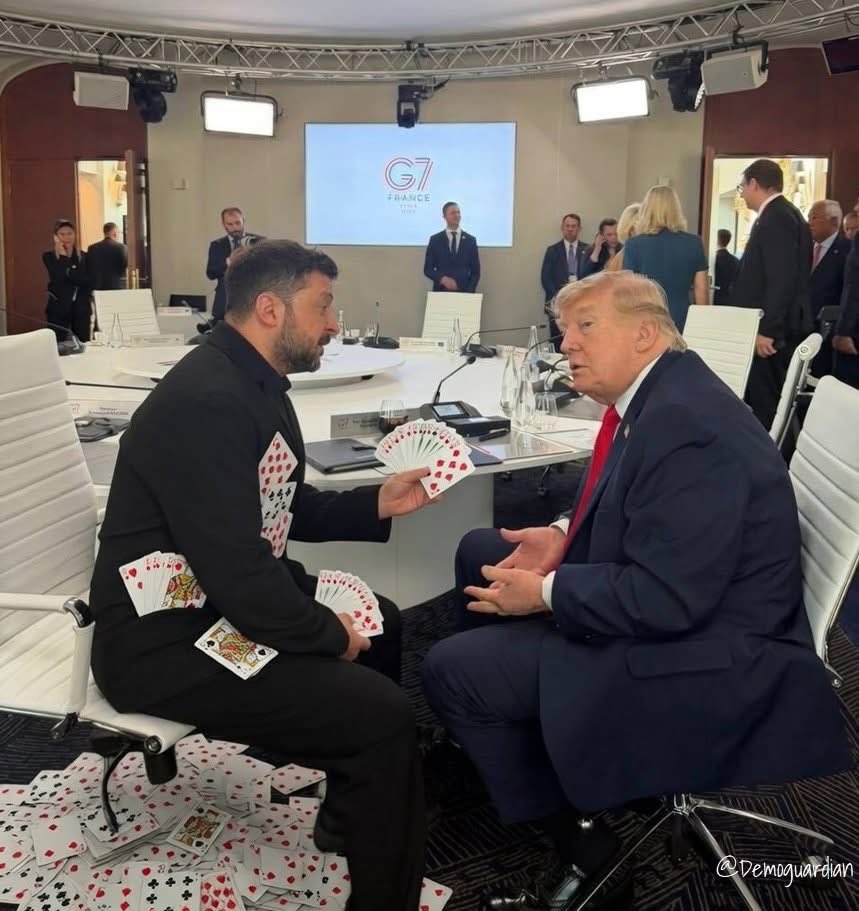
Zelenskyy to Trump at the G7 summit: So, about those cards…
🤣🤣🤣
7
42
618
podopriGora retweeted

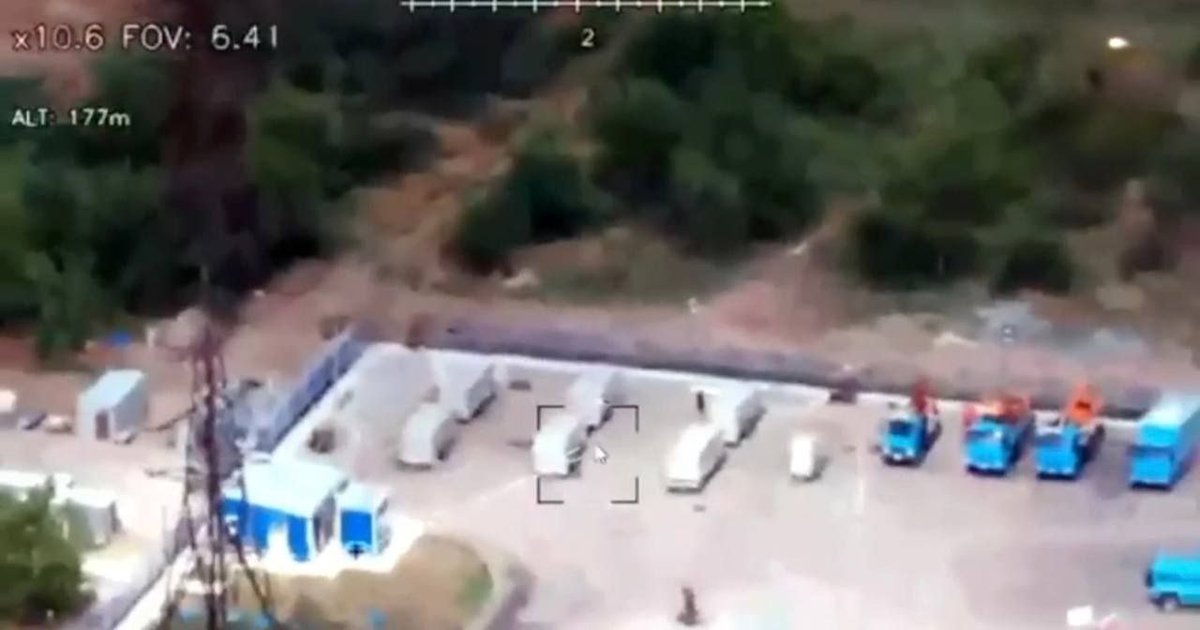
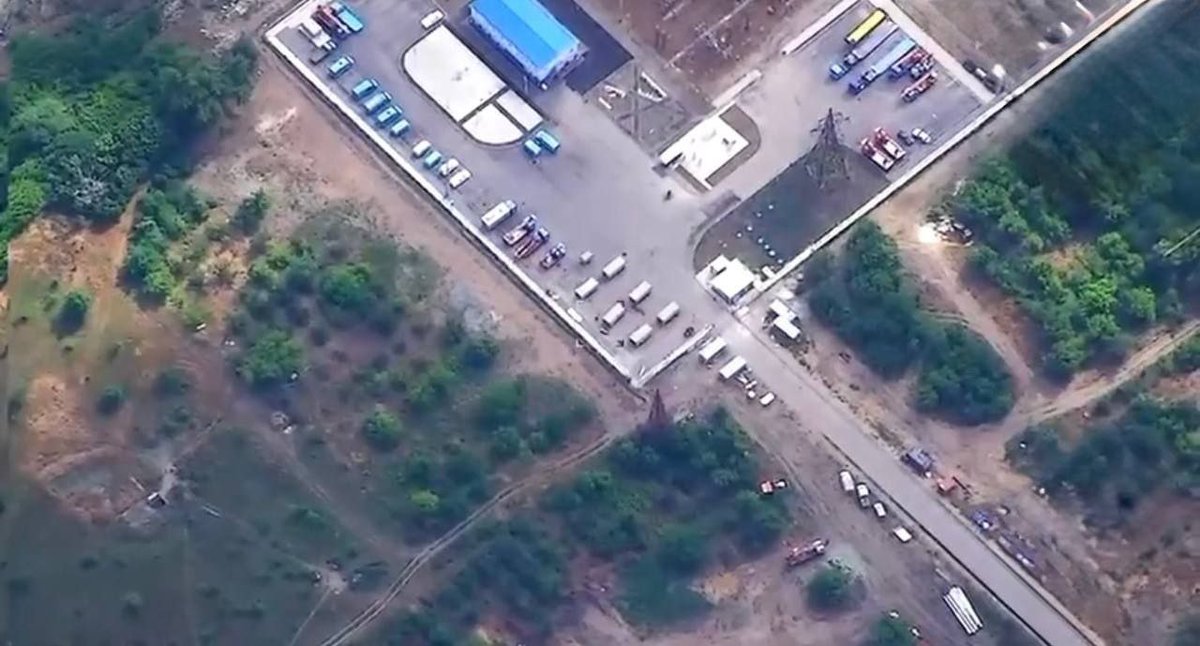
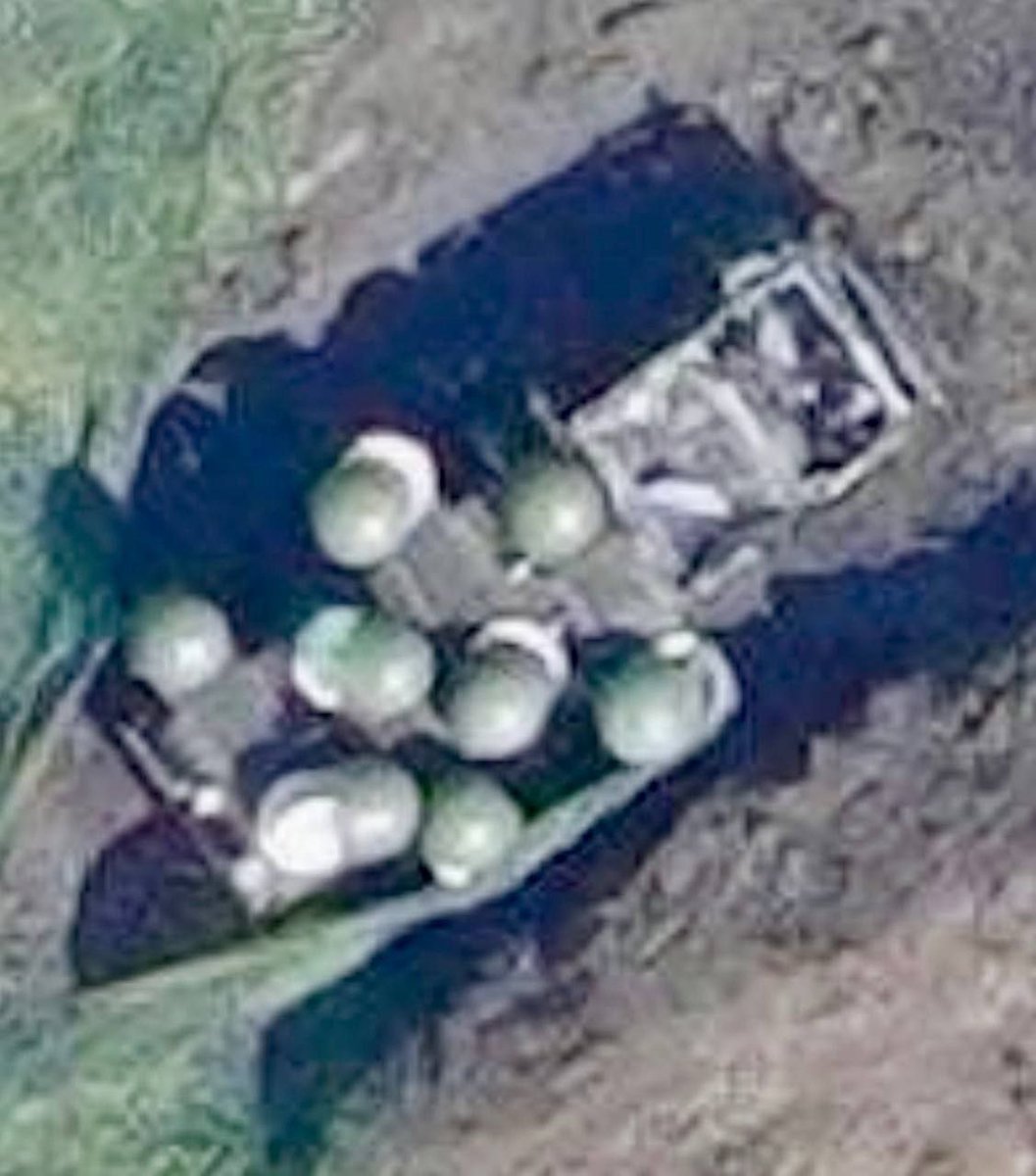
РФ "засветила" оружие против Starlink за $1,5 млн, но дроны ВСУ его уничтожили

Глушилку спутников Starlink разработали русские инженеры для ВС РФ. Она называется "Волна купол гарант"
Один такой комплекс насчитывает 6 прицепов — по 2 спутниковых тарелки с поворотным механизмом
Минус — она должна стоять близко к фронту чересчур заметная вещь.
8
143
866
38,346
podopriGora retweeted

Israel is now finding itself in almost the same position vis a vis Trump as Ukraine found itself earlier and Netanyahu is following in the footsteps of Zelensky (some would call it poetic justice).
10
12
161
10,487

podopriGora retweeted
Trump has shown that no U.S. guarantee, even a treaty approved and ratified by the Senate, is right currently worth the paper it is written on. Trump’s America is unlikely to defend Taiwan, or Korea or Japan and even less (!) Estonia or Latvia.
5
18
80
1,640
podopriGora retweeted

If you pound American bases, shut down Hormuz, rock the global economy, you’ll get America (both parties) dying for a deal with you.
If you kill every Iranian and Hezbollah operative with American blood on his hands, buy American arms, share intel with America, fight alongside America, you will get America accusing you of dragging it to war, tarnishing its image, President will use an expletive against your prime minister, week in and week out.
If you just landed from Mars and trying to figure out how to deal with America, you’d conclude that it’s much better off being America’s enemy Iran than America’s friend Israel.
49
208
860
19,158
podopriGora retweeted

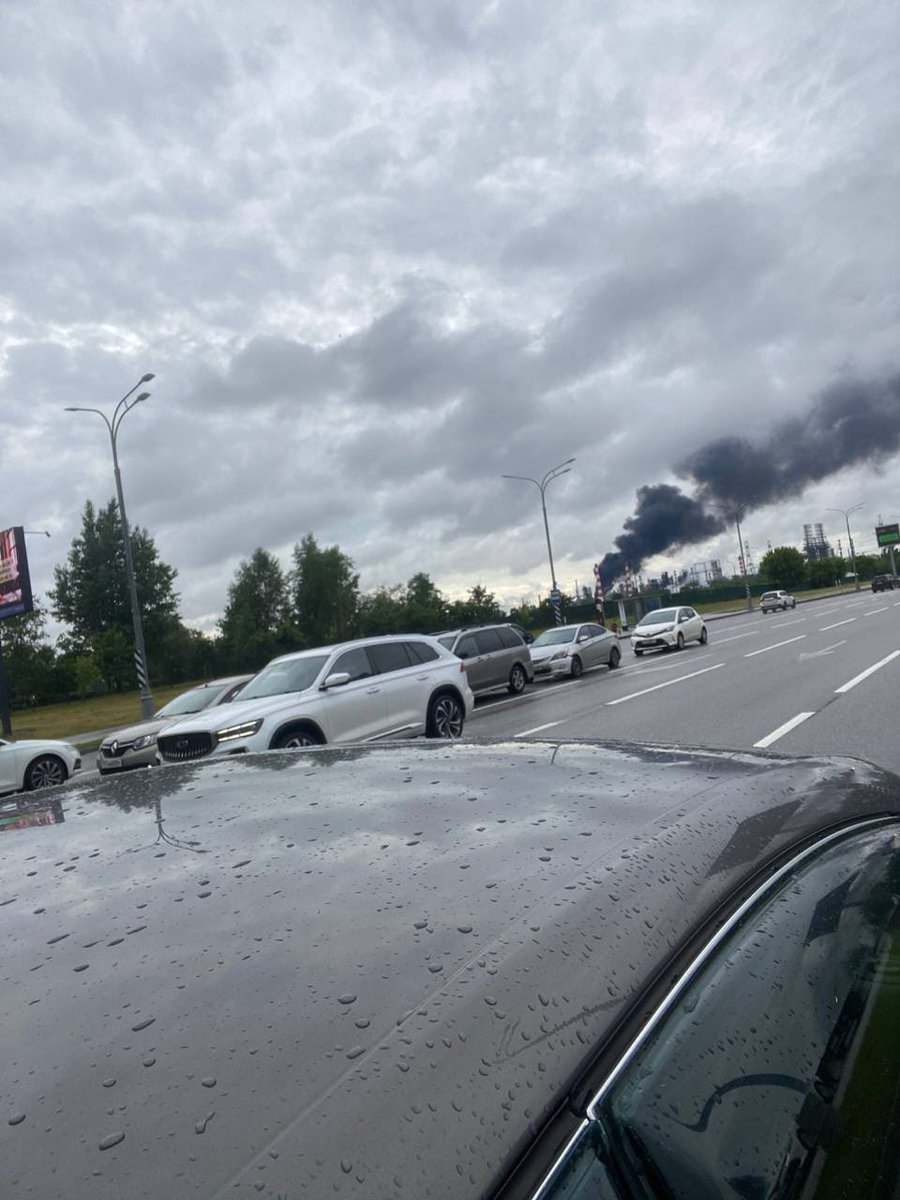
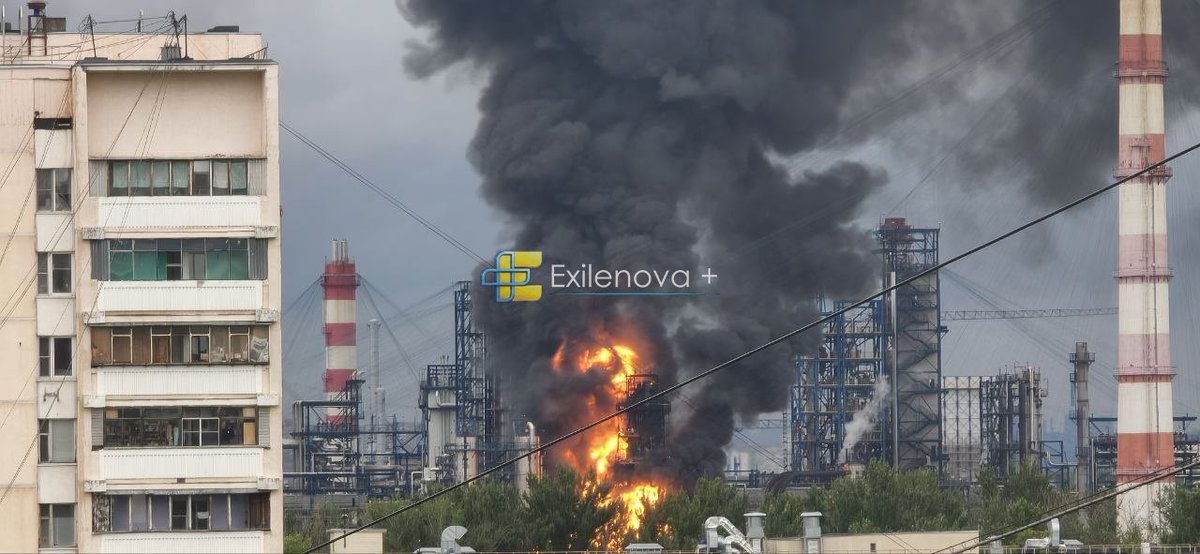
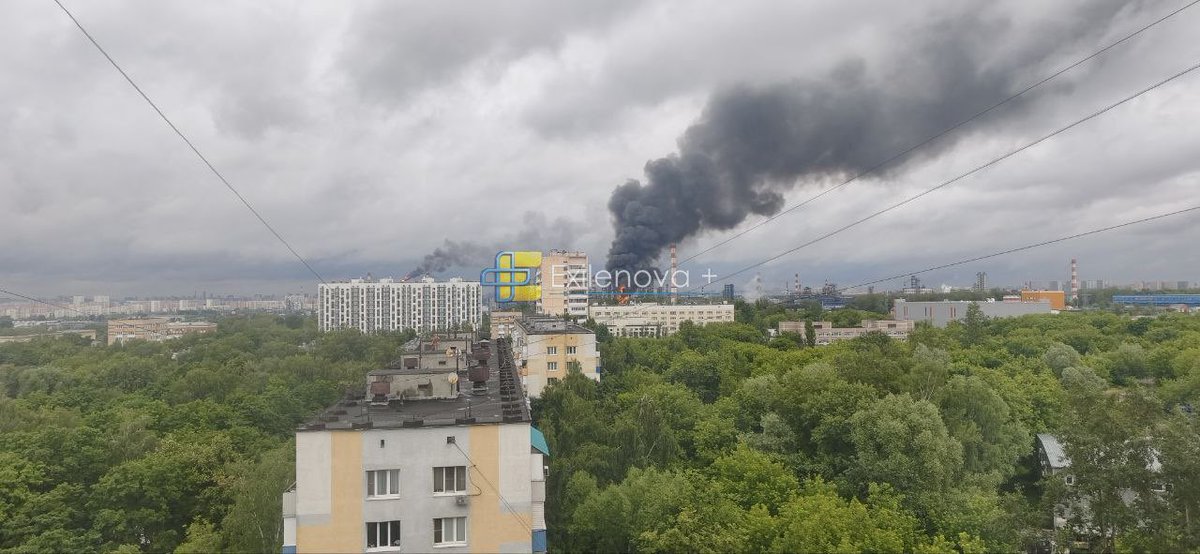
Є влучання у Московський НПЗ!
Чим більше путін буде відмовлятися завершити війну, тим більше росія буде горіти.
47
337
4,479
39,695
podopriGora retweeted

Jun 15
What makes you say that?
This is certainly an American unconditional surrender to Iran.
Promises made, promises kept.
2
1
8
227
Joke of the week!

he is ottoman that he's not bisectional!

1
podopriGora retweeted

Jun 15
I, too, have decided not to build nukes in exchange for $300 billion
484
4,118
55,887
866,763
podopriGora retweeted

Jun 15
If the president of the U.S. allows a terror state to blackmail him for $300 billion, America is not "great again", America is shitfaced, humiliated, and in the worst position it's been since before World War 1.
25
165
933
11,074

Jun 15
Cretin 👇

Thanks to President Trump's unwavering resolve and the efforts of his entire administration, Iran will never obtain a nuclear weapon and the Strait of Hormuz will be fully reopened.
Peace and prosperity for the American people, that's what this deal is all about.
6
podopriGora retweeted

Jun 15
Vance is marathoning the cable show circuit trying to upsell this turd. Just absolutely shackling himself to the Iran deal, stamping his ownership all over it.
I need to re-adjust my estimate of his political acumen ever farther down.
(Rubio is nowhere to be seen)
46
128
796
48,899
podopriGora retweeted

Dentists have a powerful lobby. ;)
1
1
48