CloudHedge.io Sports, Wildlife, ⛰️ , ♟️ , Photography, 🧘🏻♂️ , 🏏
Joined December 2009
- Tweets 26,872
- Following 691
- Followers 832
- Likes 12,743
508 Photos and videos










Wow! So well articulated. #mustread

21

May 24
Important warning against social media influencers spreading fear with small sample sizes. Influencers do crazy things for engagement... Thanks @krishashok
May 24

Now that the whole eggoz scaremongering that everyone (particularly mainstream media) indulged in seems to have vanished without a trace (and moved on to newer, more disgust-pandering topics like pus in milk), it’s worth asking - can we step back a bit and consider what happened here?
65
Sameer Karmarkar retweeted

May 11
Your path to an IIT Madras degree no longer depends on age, location, or a JEE score.
Applications are now open for the IIT Madras BS Degree Programmes for the 2026 academic cycle.
Open to anyone who has completed Class 12, the programmes are designed to make high-quality IIT education accessible to learners from all backgrounds.
Programmes offered:
* BS in Data Science and Applications
* BS in Electronic Systems
* BS in Management and Data Science
* BS in Aeronautics and Space Technology
🗓️ Deadline: 31st May 2026
🔗 Apply at: study.iitm.ac.in
Built for flexibility, the programmes can be pursued as a standalone degree or alongside a regular college programme. Learners can study at their own pace, attend in-person exams across India, and choose pathways ranging from Certification and Diploma to a full Degree.
With thousands of learners already enrolled nationwide, the IIT Madras BS Degree Programmes continue to expand access to industry-relevant, future-ready education, with fee support of up to 75% for eligible students.
@iitmadras @iitm_bs
#IITMadras #BSDegree #FutureReadySkills #OnlineLearning
44
413
1,474
180,318
Sameer Karmarkar retweeted

May 3
Let me explain what just happened today because it deserves so much recognition.
GalaxEye is a Bengaluru startup founded in 2021 by IIT Madras engineers. Today they launched Mission Drishti on a SpaceX Falcon 9. It is India's largest privately built satellite at 190 kg. And it carries a technology that no commercial satellite has ever carried before.
Normal satellites take photos of the Earth using optical cameras. Like your phone camera, but from 500 km up. The problem is obvious. Clouds. Night. Fog. Smoke. If any of these are in the way, the photo is useless. India has monsoon cover for 4 months a year. That is 4 months where optical satellites are partially or fully blind over large parts of the country.
The alternative is SAR. Synthetic Aperture Radar. Instead of taking photos with light, it sends radar waves down and reads what bounces back. Radar goes through clouds, through darkness, through smoke. A SAR satellite can image a flooded village at 2 AM during a cyclone when no optical satellite can see anything.
The problem with SAR is that the images look nothing like photos. They look like grainy black-and-white radar maps. A military analyst or a trained geospatial engineer can read them. A farmer, a disaster response team, or a city planner cannot.
Until today, if you wanted both optical and SAR data for the same location, you needed two different satellites, passing over at different times, at different angles. Then someone had to manually align and fuse the two datasets. Expensive, slow, and the data never perfectly matched because the satellites saw the same spot minutes or hours apart.
GalaxEye put both sensors on one satellite. Optical and SAR, fused into what they call OptoSAR. Three times more information than a single sensor. Processed onboard by an NVIDIA AI chip at 1.8 metre resolution.
Now in practice, during the next cyclone hitting Odisha, one satellite pass gives you a clear image of which villages are flooded, which roads are cut, and which buildings are standing. Day or night. Cloud or clear. In near real-time.
For defence, it means you can monitor a border area 24/7 regardless of weather. For agriculture, it means tracking crop health across an entire monsoon season without a single cloud gap. For infrastructure, it means monitoring construction progress on highways and bridges without waiting for a clear day.
GalaxEye tested their SAR tech on ISRO's POEM orbital platform. The satellite was tested at ISRO facilities. IN-SPACe provided regulatory clearance. NSIL, ISRO's commercial arm, will distribute the imagery globally. And it launched on SpaceX because ISRO's PSLV doesn't have the right orbit slot for this mission.
Yes, four IIT Madras graduates built a world-first satellite in 4 years in Bengaluru.
Take a bow!
May 3

A Bengaluru startup just did something no one in the world has ever done, put a satellite in orbit that sees through clouds, through the night, with optical sensor and SAR fused into one.
Many many congratulations to the @Galaxeye team on the launch of Mission Drishti!
This is exactly why PM Sri @narendramodi opened up the space sector, so young Indians could build an audacious future for the nation.
117
2,431
10,100
515,048
Sameer Karmarkar retweeted

Apr 29
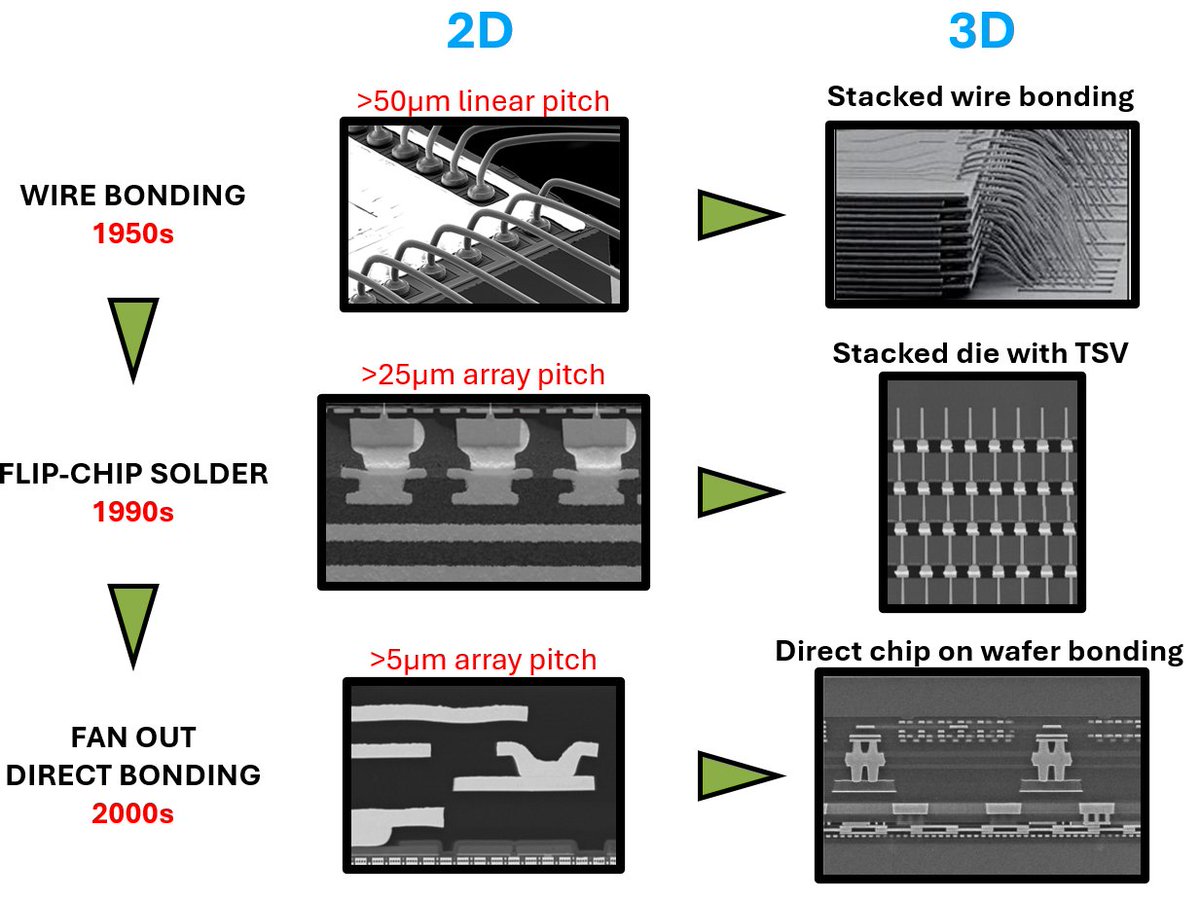
7 decades of semiconductor packaging!
From 2D to 3D.
From wire bonding to direct Copper-Copper bonding.
From millimeters to nanometers.
4
34
222
11,598
Apr 27
👀
Apr 27

US Embassy trained Bollywood Actresses have started RTing "Modi is responsible for April heat" slop
This is initial part of the toolkit
Final part of toolkit is linking Data Centres as leading cause of heatwave
102
Sameer Karmarkar retweeted
Apr 26
By the late 1980s, the question was not whether RISC was better than CISC, but how quickly CISC would die.
It didn't. And the reasons it didn't are the central lesson of this essay.

8
8
72
9,691
Sameer Karmarkar retweeted

Apr 24
My biggest takeaways from Claude Code's Head of Product @_catwu:
1. Anthropic’s product development timelines have gone from six months to one month, sometimes one week, sometimes one day. Part of this acceleration is access to the latest models (i.e. Mythos). Another is shipping new products into “research preview,” making clear it's early, experimental, and might not be supported forever. Another is an evergreen "launch room "where engineers post ready features and marketing turns around announcements the next day.
2. The PM role is shifting from coordinating multi-month roadmaps to enabling teams to ship daily. As Cat puts it, “There should be less emphasis on making sure you are aligning your multi-quarter roadmaps with your partner teams and more emphasis on, OK, how can we figure out the fastest way to get something out the door?”
3. The most efficient shipping unit is an engineer with great product taste. On Cat’s team, many engineers go end-to-end—from seeing user feedback on Twitter to shipping a product by the end of the week—without a PM involved. Also, almost all the PMs on the Claude Code team have either been engineers or ship code themselves, and the designers have been front-end engineers. The roles are merging, and the most valuable skill is product taste, not job title.
4. Build products that are on the edge of working. Claude Code’s code review product failed multiple times because earlier models weren’t accurate enough. But because the prototype was already built, they could swap in Opus 4.5 and 4.6 and immediately test whether the gap was closed. Teams that wait for the model to be ready will always be a cycle behind.
5. The most underrated skill for building AI products is asking the model to introspect on its own mistakes. Cat regularly asks the model why it made an unexpected decision. The model will explain that something in the system prompt was confusing, or that it delegated verification to a subagent that didn’t check its work. This reveals what misled the model so the team can fix the harness.
6. Every model release forces their team to revisit existing products and audit their system prompt to remove features the model no longer needs. Claude Code’s to-do list was a crutch for earlier models that couldn’t track their own work. With Opus 4, the model handles it natively. Features built as scaffolding for weaker models become debt when the model catches up—so the team actively strips them.
7. Anthropic employees build custom internal tools instead of buying SaaS products. A sales team member built a web app that pulls from Salesforce, Gong, and call notes to auto-customize pitch decks—work that used to take 20 to 30 minutes now takes seconds. Their core stack is Claude Code, Cowork, and Slack. No Notion, no Linear, no Figma.
8. People underestimate how much Claude’s personality contributes to its success. As Cat describes it, “When you reflect on everyone you’ve worked with, there’s just some people where you’re like, I really like their energy, their vibe.” Claude is designed to be low-ego, positive, competent, and earnest—qualities that make it feel like a great coworker, not just a tool. This isn’t cosmetic; it’s what makes people want to use Claude for hours every day. The team has a dedicated person, Amanda, who “molds Claude’s character,” and it’s one of the hardest roles at the company because success is so subjective.
9. The future of work is managing fleets of AI agents, not doing the work yourself. Cat sees a clear progression: first, individual tasks become successful. Then people start running multiple tasks at the same time (multi-Clauding). Next, people will run 50 or 100 tasks simultaneously, which will require new infrastructure—remote execution, better interfaces for managing tasks, agents that fully verify their work, and self-improving systems that incorporate feedback. The human role shifts from doing the work to knowing which tasks to look into, verifying outputs, and giving feedback that makes the system better over time.
10. Hire people who lean into chaos and face every challenge with a smile. At Anthropic, there are weeks when a P0 on Sunday becomes a P00 by Monday and a P000 by Monday afternoon. If you get too stressed about any one thing, you’ll burn out. Their team looks for people who can look at a hard challenge and say, “Wow, that’s gonna be hard. But I’m excited to tackle it and I’m gonna do the best that I possibly can.” This mindset—optimism, resilience, and comfort with constant change—is increasingly essential as the pace of AI development accelerates.
Don't miss the full conversation: youtube.com/watch?v=PplmzlgE…
Apr 23

How Anthropic’s product team moves faster than anyone else
I sat down with @_catwu, Head of Product for Claude Code at @AnthropicAI, to get a peek into their unprecedented shipping pace, how AI is changing the PM role, and how to be the right amount of AGI-pilled.
We discuss:
🔸 How Anthropic’s shipping cadence went from months to weeks to days
🔸 The emerging skills PMs need to develop right now
🔸 Why you should build products that don't work yet—then wait for the model to catch up
🔸 Why a 95% automation isn't really an automation
🔸 Cat’s most underrated AI skill (introspection)
🔸 What Cat actually looks for when hiring PMs now (hint: it's not traditional PM skills)
Listen now 👇
youtu.be/PplmzlgE0kg
98
297
2,874
844,143
Sameer Karmarkar retweeted

Apr 24
Just a small anecdote of Sachin Tendulkar’s Irani Trophy debut on his birthday:
November 1989, Wankhede Stadium.
5 selectors sat in the stands with notebooks & doubts, watching a 16 year old boy try to force his way onto a plane to Pakistan. Sachin Tendulkar had already shone through the Ranji season, 583 runs showing he was ready. But the men in charge preferred patience. They wanted one more look.
Irani Trophy gave it to them. Rest of India against Delhi. Tendulkar made 39 in first innings. Promising, but not the hundred that would have made selection automatic. So the 2nd innings became an audition he could not afford to fail.
What happened next was less a cricket match & more a rescue mission. Tendulkar walked in at number 4. Scorecard around him read like a horror story. Not a single teammate managed to reach double figures after he arrived (in fact, no one crossed 6 runs). Wickets fell like dominoes. By the time 9th wicket went down, he was stranded in the 80s, the hundred slipping away with every departing batter.
Enter Gursharan Singh. Rest of India vice captain had fractured his finger in first innings, his right hand wrapped in plaster, his match effectively over. Then Raj Singh Dungarpur walked over & told him to pad up. Not to save the game, but to save the boy’s hundred.
Gursharan walked out one handed. Tendulkar, already heading back to the pavilion assuming the injured man would not bat, stopped in his tracks. Gursharan looked at him & said, “Tera hundred kar ke jayenge.”
Tendulkar smiled, took strike & told Gursharan he would handle Maninder Singh himself. They added 36 runs for last wicket & Sachin scored 103*.
A week later, he was on a flight to Karachi. Selectors had seen enough. Sometimes greatness needs a century. Sometimes it needs a teammate with a broken finger willing to stand in the firing line so the story can continue.
Apr 23

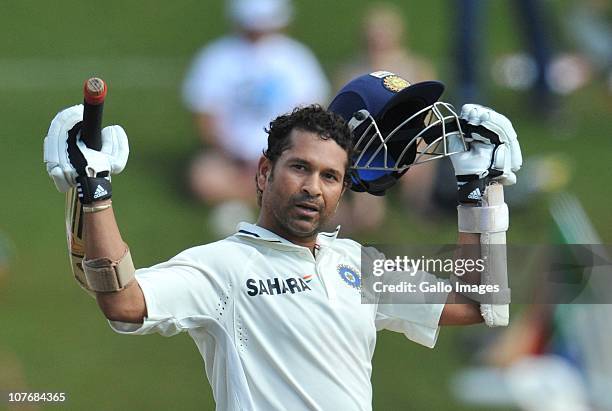
A short thread on Sachin Tendulkar, The Master Blaster, on the occasion of his 53rd birthday, consisting some of his accolades and records.
Sachin Tendulkar till date is the youngest test centurion in South Africa, Australia, England. He is also the youngest player to score a test 50 in New Zealand.
(1/n)
55
482
2,495
136,634
Sameer Karmarkar retweeted

Apr 22
Mahrashtrian flatbreads are undiscovered treasure trove. Vade. Bhakri. Amboli. Ghadichi Poli. Jwari. Mande.
You Marathi fellows need to hype this stuff more man. Magnificent items.
115
317
2,210
95,146
Sameer Karmarkar retweeted

Apr 19
Here's my update to the broader community about the ongoing incident investigation. I want to give you the rundown of the situation directly.
A Vercel employee got compromised via the breach of an AI platform customer called Context.ai that he was using. The details are being fully investigated.
Through a series of maneuvers that escalated from our colleague’s compromised Vercel Google Workspace account, the attacker got further access to Vercel environments.
Vercel stores all customer environment variables fully encrypted at rest. We have numerous defense-in-depth mechanisms to protect core systems and customer data. We do have a capability however to designate environment variables as “non-sensitive”. Unfortunately, the attacker got further access through their enumeration.
We believe the attacking group to be highly sophisticated and, I strongly suspect, significantly accelerated by AI. They moved with surprising velocity and in-depth understanding of Vercel.
At the moment, we believe the number of customers with security impact to be quite limited. We’ve reached out with utmost priority to the ones we have concerns about. All of our focus right now is on investigation, communication to customers, enhancement of security measures, and sanitization of our environments. We’ve deployed extensive protection measures and monitoring. We’ve analyzed our supply chain, ensuring Next.js, Turbopack, and our many open source projects remain safe for our community.
The recommendation for all Vercel customers is to follow the Security Bulletin closely (vercel.com/kb/bulletin/verce…). My advice to everyone is to follow the best practices of security response: secret rotation, monitoring access to your Vercel environments and linked services, and ensuring the proper use of the sensitive env variables feature.
In response to this, and to aid in the improvement of all of our customers’ security postures, we’ve already rolled out new capabilities in the dashboard, including an overview page of environment variables, and a better user interface for sensitive env var creation and management. As always, I’m totally open to your feedback.
We’re working with elite cybersecurity firms, industry peers, and law enforcement. We’ve reached out to Context to assist in understanding the full scale of the incident, in an effort to protect other organizations and the broader internet. I also want to thank the Google Mandiant team for their active engagement and assistance.
It’s my mission to turn this attack into the most formidable security response imaginable. It’s always been a top priority for me. Vercel employs some of the most dedicated security researchers and security-minded engineers in the world. I commit to keeping you updated and rolling out extensive improvements and defenses so you, our customers and community, can have the peace of mind that Vercel always has your back.
443
1,024
7,215
2,630,480
Sameer Karmarkar retweeted

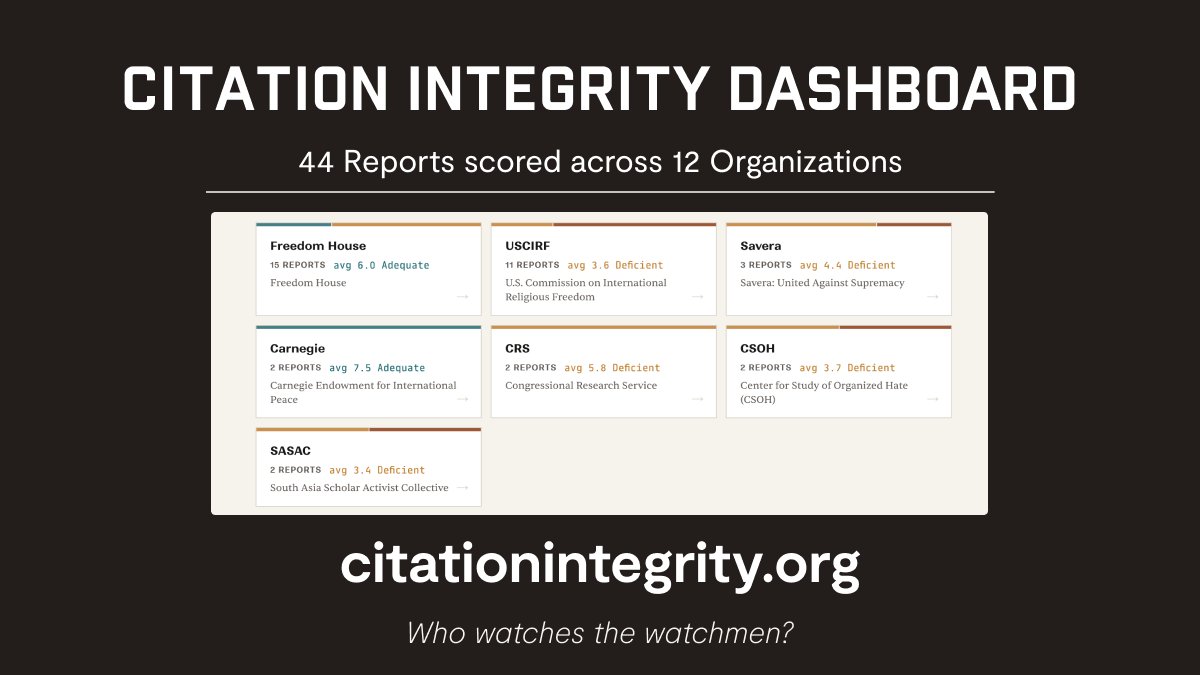
For decades, a select group of organizations has published reports that shape public perception of India, Indian immigrants, and Hindus. Today, I'm launching a new project that scores these reports on their methodology. Read my twitter article and 🧵
x.com/anangbhai/status/20436…

29
335
758
85,466
Sameer Karmarkar retweeted

Apr 13
Just to be clear: John Deere should be pretty damn proud of themselves.
9
1
148
76,013
Sameer Karmarkar retweeted

Apr 13
A lot of uniformity has come in via the AA framework. If you have specific needs then our solution Precisa (precisa.in) is used by many CAs to analyse bank statements.
8
4
100
Sameer Karmarkar retweeted

Apr 13
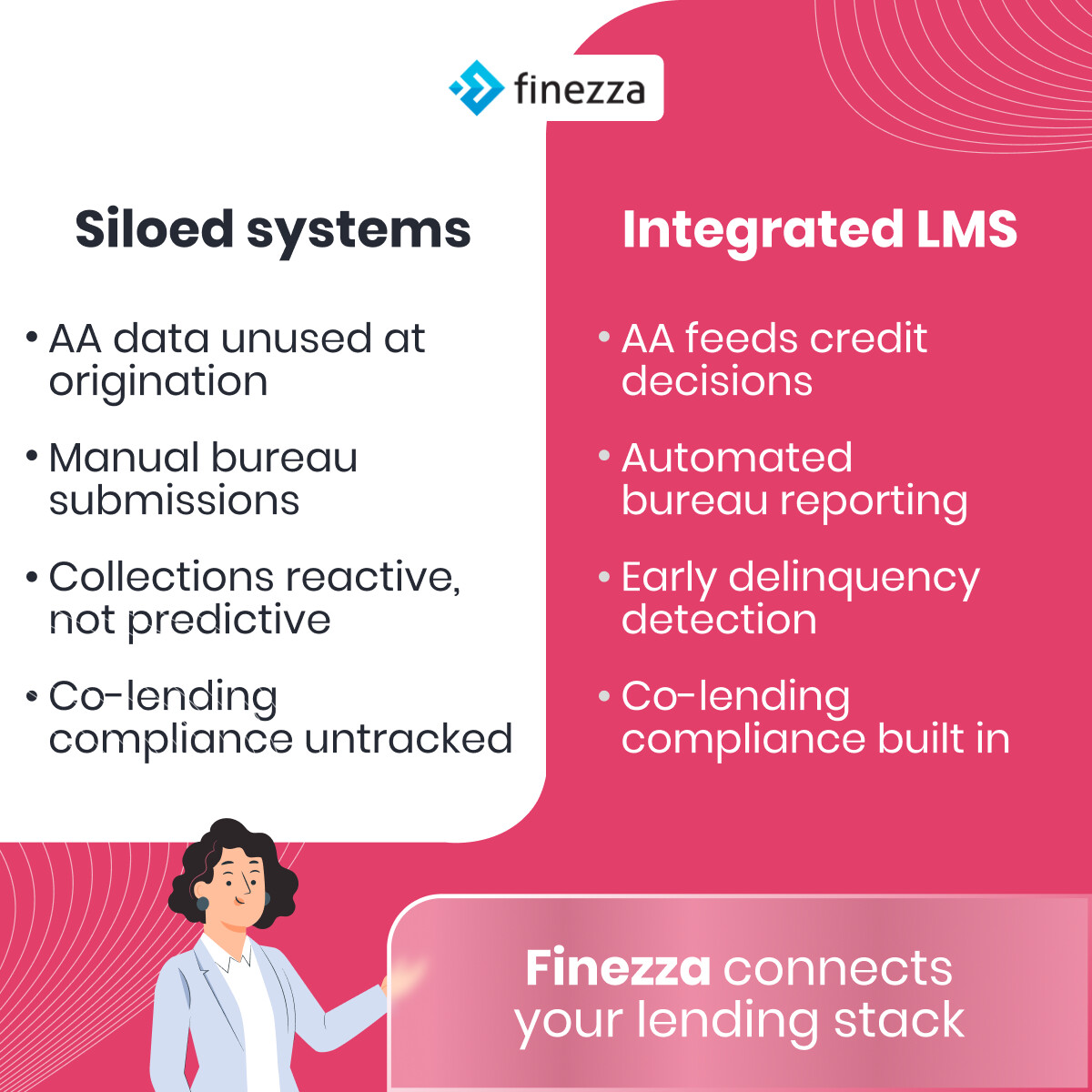
Five lending shifts in India are already live in 2026.
AA infrastructure, co-lending compliance, multi-source decisioning, collections automation, bureau enforcement. Each compounding the next.
Read our latest article to know more:
finezza.in/blog/lending-tren…
#Finezza #NBFC
2
2
76
Sameer Karmarkar retweeted

Apr 10
What unites India and Pakistan is that Pakistani journalists who write for foreign outlets, uncritically promote Pakistan and Indian journalists who write for foreign outlets uncritically promote Pakistan.
77
1,921
8,693
107,971
Sameer Karmarkar retweeted

A small piece of advice from me: Go to a place where you can make an impact, or go to a place that is having an impact on the world!
134
105
952
34,263
Sameer Karmarkar retweeted

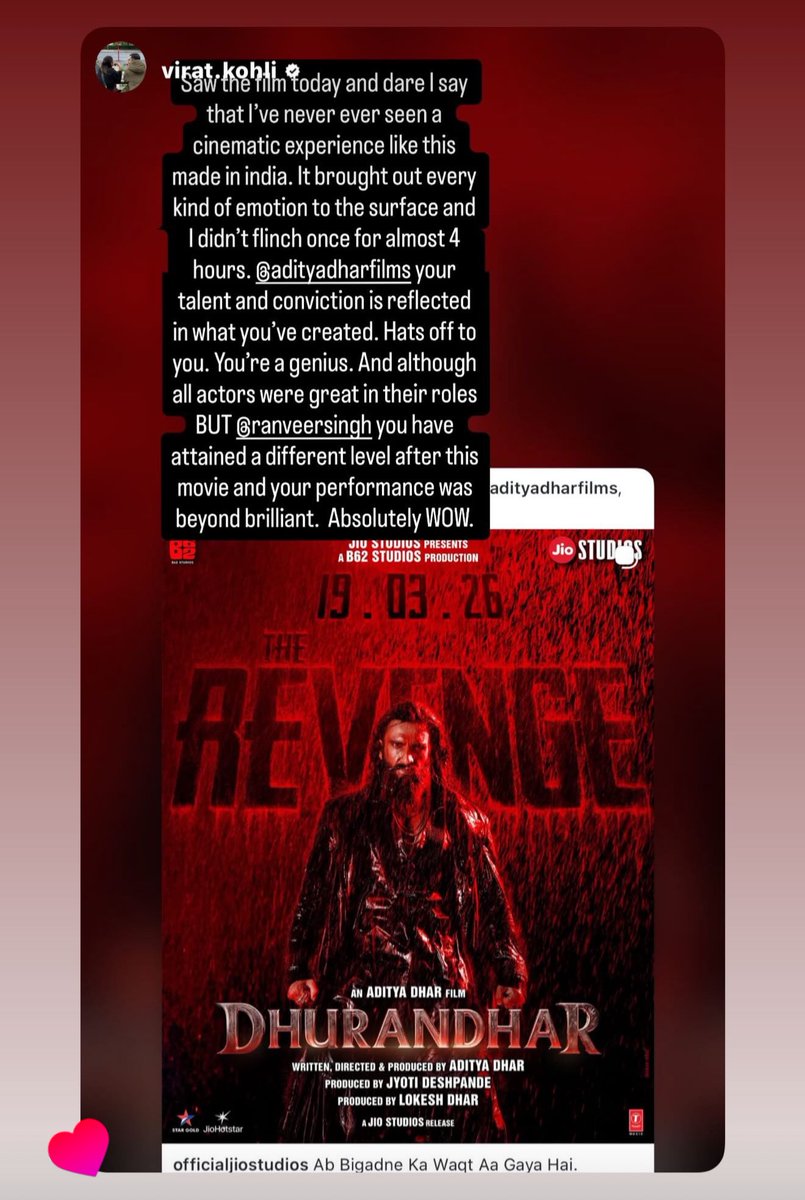
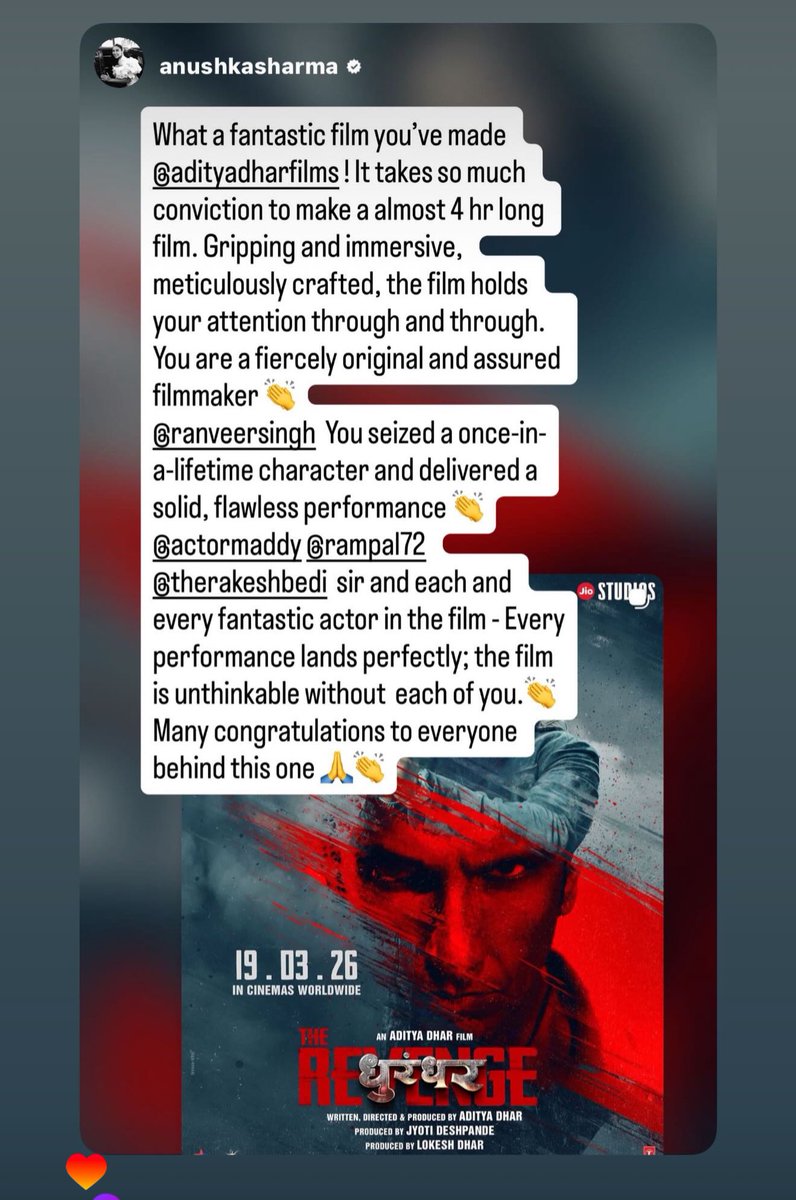
Virat Kohli and Anushka Sharma on #Dhurandhar. We were clearly not ready for this. 🙌 @imVkohli @AnushkaSharma
190
3,916
27,218
478,901
Sameer Karmarkar retweeted

Apr 6
Today, India takes a defining step in its civil nuclear journey, advancing the second stage of its nuclear programme.
The indigenously designed and built Prototype Fast Breeder Reactor at Kalpakkam has attained criticality.
This advanced reactor, capable of producing more fuel than it consumes, reflects the depth of our scientific capability and the strength of our engineering enterprise. It is a decisive step towards harnessing our vast thorium reserves in the third stage of the programme.
A proud moment for India. Congratulations to our scientists and engineers.
4,570
29,670
175,016
41,619,237
Sameer Karmarkar retweeted

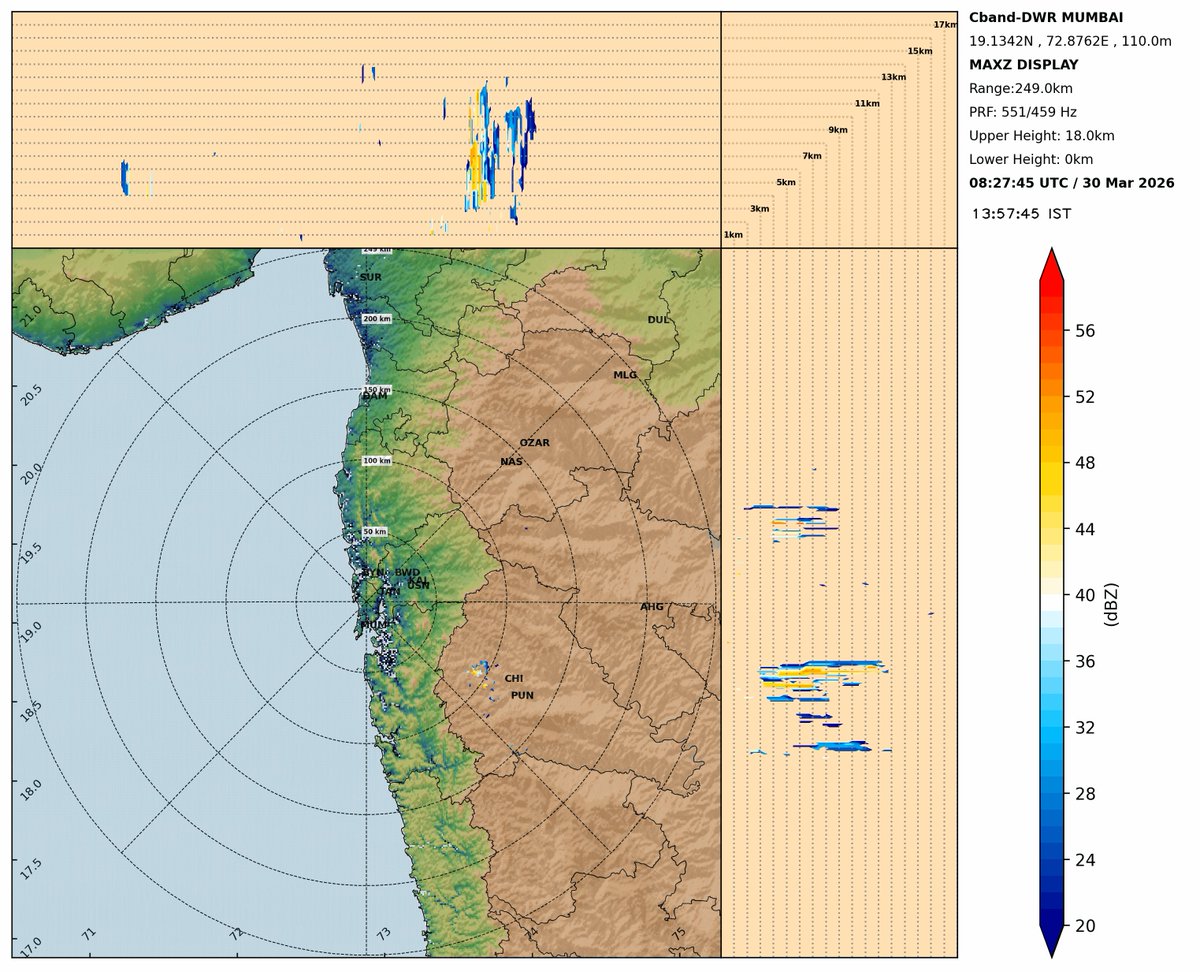
Your weather app runs on models built for London and New York.
Indian thunderstorms are 2-3km wide, last under an hour and form where no model predicted. The same GFS that nails London rain 3 days out struggles with Pune rain 3 hours out.
I built MausamNow to fix this. 5 models, live radar, satellite tracking, locality-level answers. Works across 38 radar stations in India.
Try it: mausamnow.com
How it works: abhijitvaidya.substack.com/p…
#Weather #India #Monsoon #Pune #Punerains
114
693
3,440
111,916