cardiologist & life long learner & AFL04 & AUTF10 & Kosuyolu Heart Education and Research Hospital
Joined June 2013
- Tweets 734
- Following 825
- Followers 1,042
- Likes 2,021
255 Photos and videos

Pinned Tweet

15 Sep 2018
If your pile hasn’t reached this proportion don’t worry. Just keep reading. 😃

14
Süleyman Çağan Efe retweeted
The recent RCA stenosis and SCD paper is a good teaching example. Through a single study, we can discuss time zero, immortal time, prediction vs. causality, confounders, mediators, colliders, overadjustment, etc..

5
11
50
11,486
Süleyman Çağan Efe retweeted
A Practical Guide to Interpret an RCT
Underpowered ≠ Inconclusive ≠ Negative ≠ Neutral
1
33
90
19,556
Süleyman Çağan Efe retweeted

Mar 23
Yes, it is a difficult mission.🙄
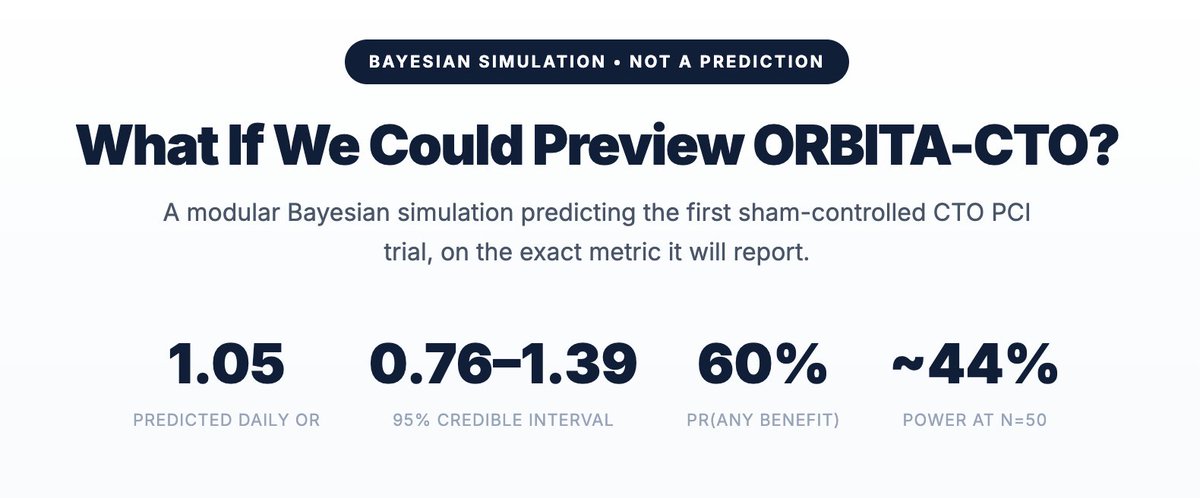
But I will try to show, through simulation, how the ORBITA-CTO results might turn out.
1/
Mar 23

Mission Impossible - The ORBITA CTO Reckoning!
Your mission agent @ihtanboga, should you choose to accept it, is to predict the results of ORBITA-CTO using any Bayesian and non-Bayesian tools at your disposal.
You may use any data from the ORBITA trials and prior CTO RCTs. Good luck!
⚠️ This message will self destruct in 7 days - when the results come out! 😂
3
8
21
9,243

Among patients with atrial fibrillation at high risk for stroke and bleeding, left atrial appendage closure was not noninferior to medical therapy in reducing the risk of stroke, embolism, major bleeding, or death at 3 years. Full CLOSURE-AF trial results: nejm.org/doi/full/10.1056/NE…
Editorial: Left Atrial Appendage Closure — Another Overused Method in Cardiology? nejm.org/doi/full/10.1056/NE…
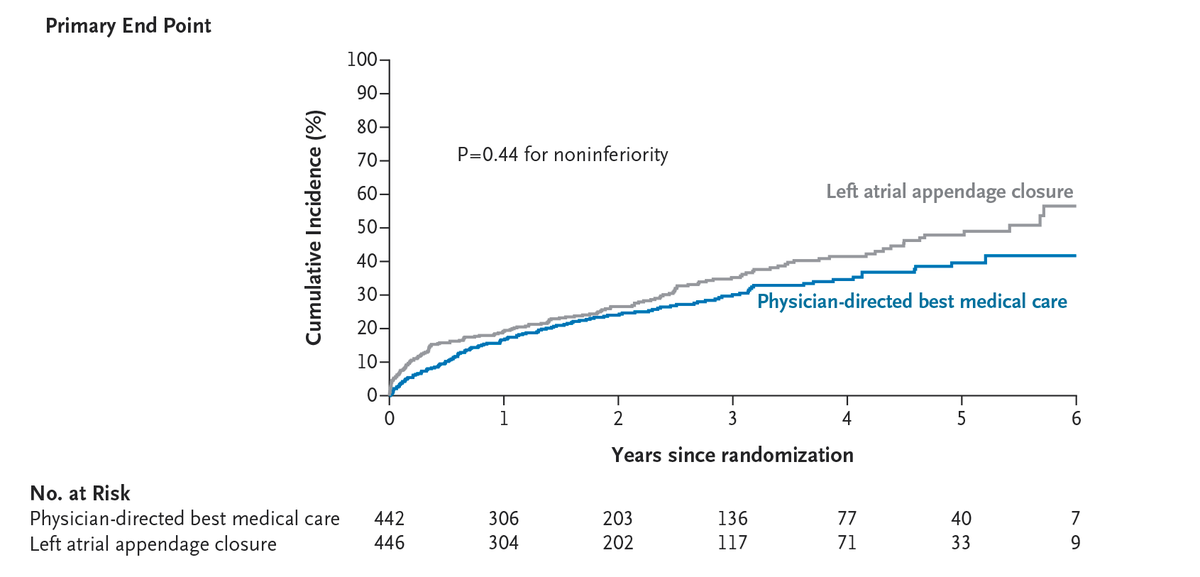
ALT A graph of the primary end point
16
311
722
470,268
Süleyman Çağan Efe retweeted

Mar 17
Classical statistics asks: “Given this data, how likely is my hypothesis?” Bayesian statistics flips this. It asks: “Given this data, how should I update my beliefs?”
medium.com/p/bayesian-statis…
#datascience #RStats #machinelearning #datascientist #statistics
3
57
165
5,335
Süleyman Çağan Efe retweeted
Mar 13
1
36
154
30,577
Süleyman Çağan Efe retweeted
Mar 14
8
71
181
102,098
Süleyman Çağan Efe retweeted

Mar 14
#cardioX is more alive than ever. On the same day that @ihtanboga delivers two incredible articles on COBRRA and SELUTION DeNovo, and a masterclass no one interested in biostatistics and trial interpretation should miss, @ehj_ed publishes a debate I joined with @thiele_holger, @cvrints, and others on the significance of the RF-CL model for estimating pre-test probability of coronary artery disease. This article actually originated from the X discussion shown below, where @ihtanboga had also shared a valuable calculator, and I learned a lot from @cvrints as well. These coincidences close the circle. Long live the sparks between scientific literature and social media that keep the debate alive.
academic.oup.com/eurheartj/a…
6 Sep 2024

There is one thing that, even as a reviewer and despite having pointed it out during the process, I really haven't understood about the new ESC guidelines for chronic coronary syndromes.
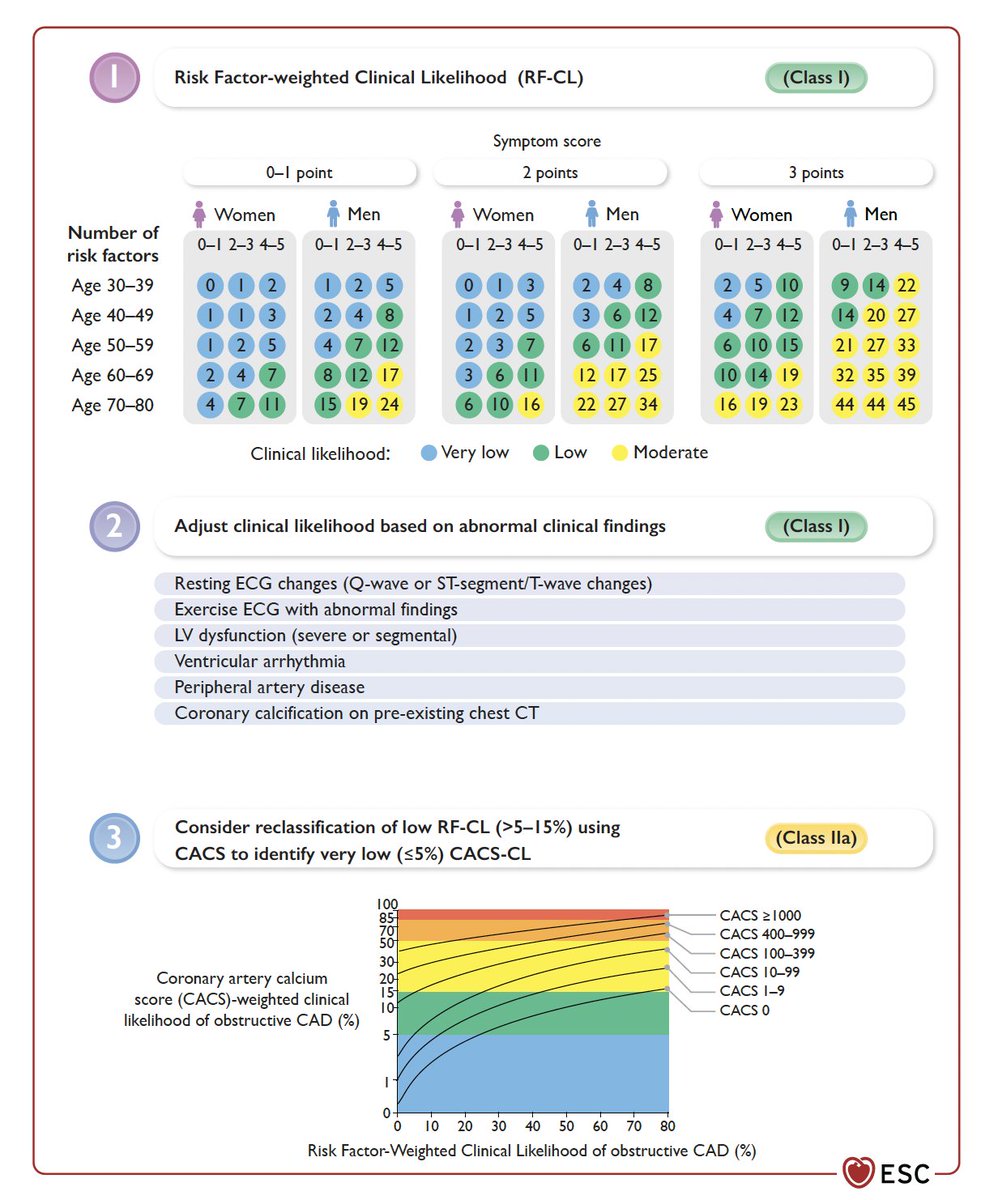
Using the new Risk factor-weighted clinical likelihood (RF-CL) model, one can calculate individual risk based on symptoms, sex, and the number of cardiovascular risk factors, and so far so good.
In this way, the calculable pre-test probability scores range from 0 to 45%. However, the recommendations for additional diagnostic tests are also applicable to patients with a risk higher than 45%.
Now, how does one calculate a pre-test probability higher than 45% based on the RF-CL? With risk enhancers like PAD, resting ECG, etc.? With the calcium score?
In fact, the calcium score can be used to determine the new pre-test probability, but I don’t think this is a good reason to perform it on everyone, also because its value lies mainly in recategorizing patients into the very low-risk group when it is zero.
However, it seems you cannot determine the new pre-test probability with risk enhancers, unless it is meant that the presence of one of these factors automatically shifts the patient into at least the moderate-risk category.
In short, if anyone has figured out how to arrive at the precise number for values above 45%, they’d be doing me a favor, because I can't understand it from the text.
5
19
66
17,677
Süleyman Çağan Efe retweeted
Feb 28
1. We all ask this every single day: "Can this stent actually reach my target diameter?" This tool answers in seconds. 👇
🔗 tanboga.netlify.app/stent-ap…
3
7
21
2,122
Süleyman Çağan Efe retweeted

Jan 29
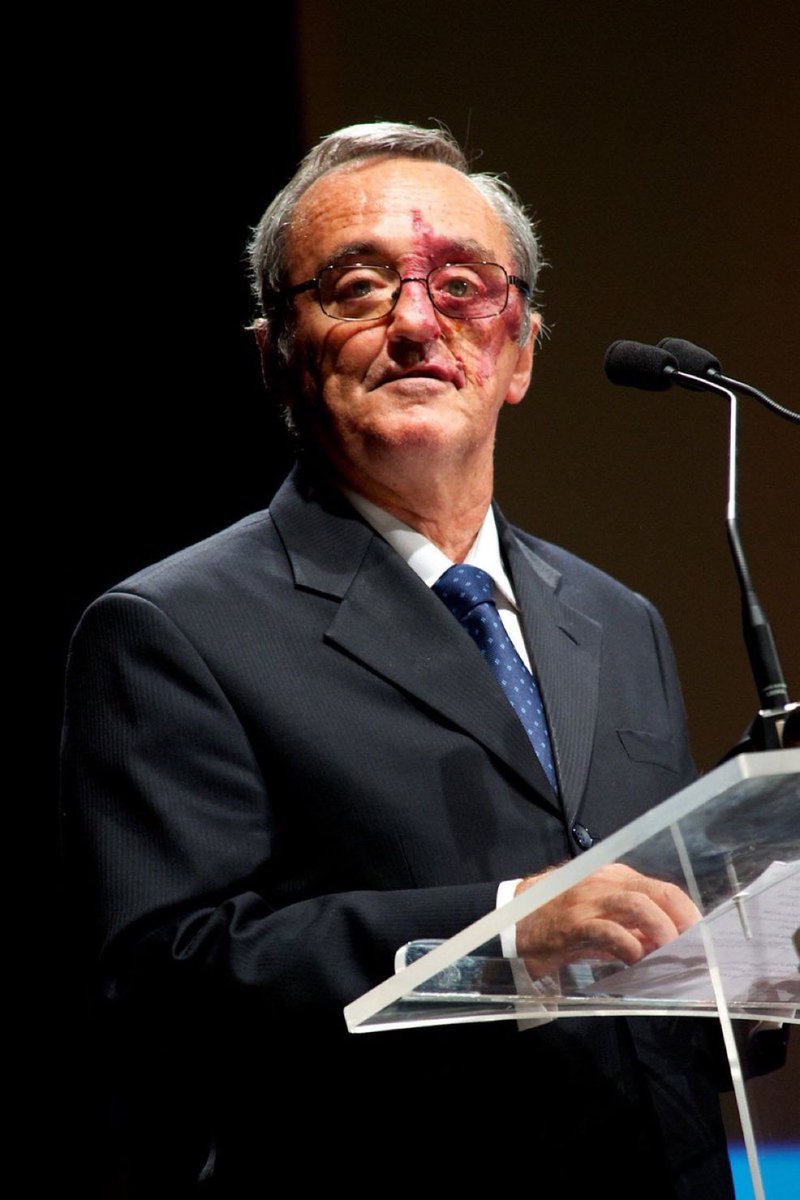
Key Discoveries & Contributions by Mariano Barbacid
1.Isolation of the first human oncogene (HRAS) — In 1982, Barbacid’s group was one of the three labs that isolated HRAS from a human bladder carcinoma, marking the first human oncogene identified and linked to cancer.
2.Identification of the first cancer-associated mutation — He helped identify a specific point mutation in HRAS that was responsible for its oncogenic (cancer-causing) properties.
3.Isolation of the TRK oncogene — In the early 1990s, Barbacid’s research isolated the TRK gene from colon carcinoma, which became a foundation for targeting nerve-growth-factor pathways and tumor-agnostic therapies.
4.Discovery of TRK family receptors for neurotrophins — His work led to recognizing TRK tyrosine kinase receptors as functional receptors for the NGF family of neurotrophic factors, important in both neuroscience and oncology.
5.Advancement in targeted cancer drug strategies — At Bristol-Myers-Squibb, he helped pioneer oncology drug discovery focusing on molecular targets in cancer.
6.Redefined role of CDKs in the cell cycle — His group showed that some cyclin-dependent kinases (CDKs) previously thought essential for cell division (e.g., CDK2) were actually dispensable for DNA replication, reshaping understanding of cell cycle regulation.
7.Leadership in cancer research institution building — Founded and directed the Spanish National Cancer Research Centre (CNIO) in Madrid, establishing it as a major global oncology research hub.
8.Recent therapeutic animal studies — His lab has pioneered combined target strategies (e.g., targeting KRAS, EGFR, STAT3, RAF1) in genetically engineered mouse models to regress pancreatic and lung tumors, advancing translational cancer therapy research.
4
88
792
101,541
Süleyman Çağan Efe retweeted

Jan 30
🫀 First-in-human valve-in-valve TAVI in mechanical prostheses
Bench-to-bedside study: disc dislodgement & retrieval followed by successful TAVI.
Published in European Heart Journal.
👉 academic.oup.com/eurheartj/a…
@escardio @PCRonline @secardiologia @CNIC_CARDIO @sacyl @TCTMD
22
97
298
39,684
Süleyman Çağan Efe retweeted

21 Nov 2025
Accuracy of Smartwatches in the Detection of Atrial Fibrillation: A Systematic Review and Diagnostic Meta-Analysis @ihtanboga @scaganefe @taylanakgun @drmcap_mc @drselimtopcu @AslanMir28
jacc.org/doi/10.1016/j.jacad…
3
2
431
Süleyman Çağan Efe retweeted

10 Nov 2025
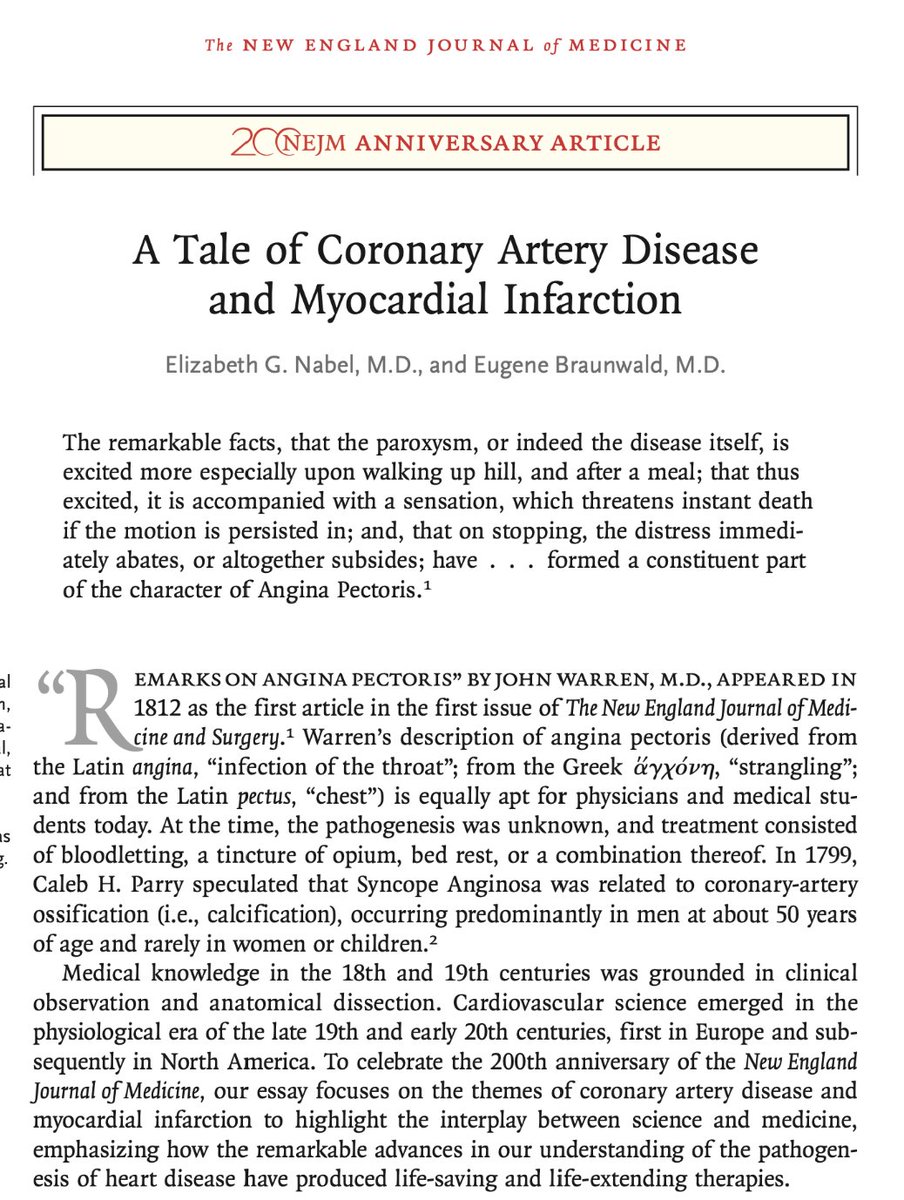
🏛️ A 200-Year Journey Through Coronary Disease and Myocardial Infarction 💥
From bloodletting to genomics — the story of humanity’s fight against the #1 killer.
📜 🔹 Origins (1700s–1900s):
🩺 Heberden (1772) → first clinical description of angina.
🧠 Pathologists later linked it to coronary “ossification” and thrombosis.
⚡ Herrick (1912) defined myocardial infarction (MI) and promoted rest as therapy.
❤️ ECG transformed diagnosis (1919).
📈 🔹 Epidemiology & Risk Factors (1940s–1960s):
🧩 Framingham Heart Study (1948) unveiled risk factors: hypertension, cholesterol, smoking 🚬.
🩸 NHLBI launched preventive programs 🫶.
💡 Realization: CAD and MI are preventable diseases, not fate!
🏥 🔹 Coronary Care Revolution (1960s):
📊 Hospital mortality for MI = 30% 😱
👨⚕️ Julian (1961) → created Coronary Care Units: ECG monitoring, CPR, early defibrillation ⚡
💪 Result: In-hospital deaths halved.
🧰 🔹 Invasive & Interventional Era (1950s–1980s):
💉 Forssmann catheterized himself (1929) 😳
🎥 Sones developed coronary arteriography (1958).
🔧 Favaloro introduced CABG (1969).
🎈 Grüntzig pioneered angioplasty (1977) → foundation of PCI 💫
🧬 Cross-disciplinary teamwork reshaped cardiology forever.
💊 🔹 Modern Therapeutics (1970s–2000s):
🧫 GISSI & ISIS-2 ➡️ fibrinolysis aspirin ↓ mortality.
🩻 PCI stents revolutionized reperfusion 🚀
💊 ACE inhibitors, beta-blockers, statins, aldosterone blockers ➡️ longevity ↑.
⚙️ ICDs, CRT, LVADs transformed heart failure care ❤️🔥
🧬 Gene therapy (SERCA2a) emerging 🧪
🧬 🔹 Biology of Atherosclerosis:
🧠 Atherosclerosis = chronic inflammatory disease 🧨
💣 Plaque rupture → thrombus → MI
🧪 Furchgott, Ignarro, Murad → nitric oxide as endothelial relaxant → Nobel 1998 🏅
🧬 Brown & Goldstein → LDL receptor pathway discovery → Statins revolution 🏆
🧫 🔹 Molecular & Genetic Era (2000s–present):
🧬 Genomics, pharmacogenomics, stem cells, molecular targeting
🧩 Genome-wide studies reveal new genes for CAD (lipid metabolism inflammation).
🧬 Personalized medicine emerges: warfarin genotype dosing, clopidogrel resistance (CYP2C19).
🌱 Stem cell therapy & cardiac regeneration — still early but promising 🌟
🌍 🔹 Global Cardiovascular Health:
CVD = #1 cause of death worldwide 🌎
Drivers: aging, smoking, sedentary lifestyle, poor diet 🍔
💡 Need: prevention, education, low-cost care, and global collaboration 🤝
💬 🔹 Take-Home Message:
From 1812’s “strangling of the chest” to today’s molecular cardiology,
our progress has been extraordinary — but the mission continues.
🫀 Prevention, innovation, and equity are our next frontiers. 🚀
📣 #Cardiology #NEJM #CAD #MyocardialInfarction #HistoryOfMedicine #CardiacImaging #Prevention #Atherosclerosis #Statins #PCI #InnovationInMedicine #HeartHealth #PrecisionCardiology
3
118
380
29,317
Süleyman Çağan Efe retweeted

26 Oct 2025
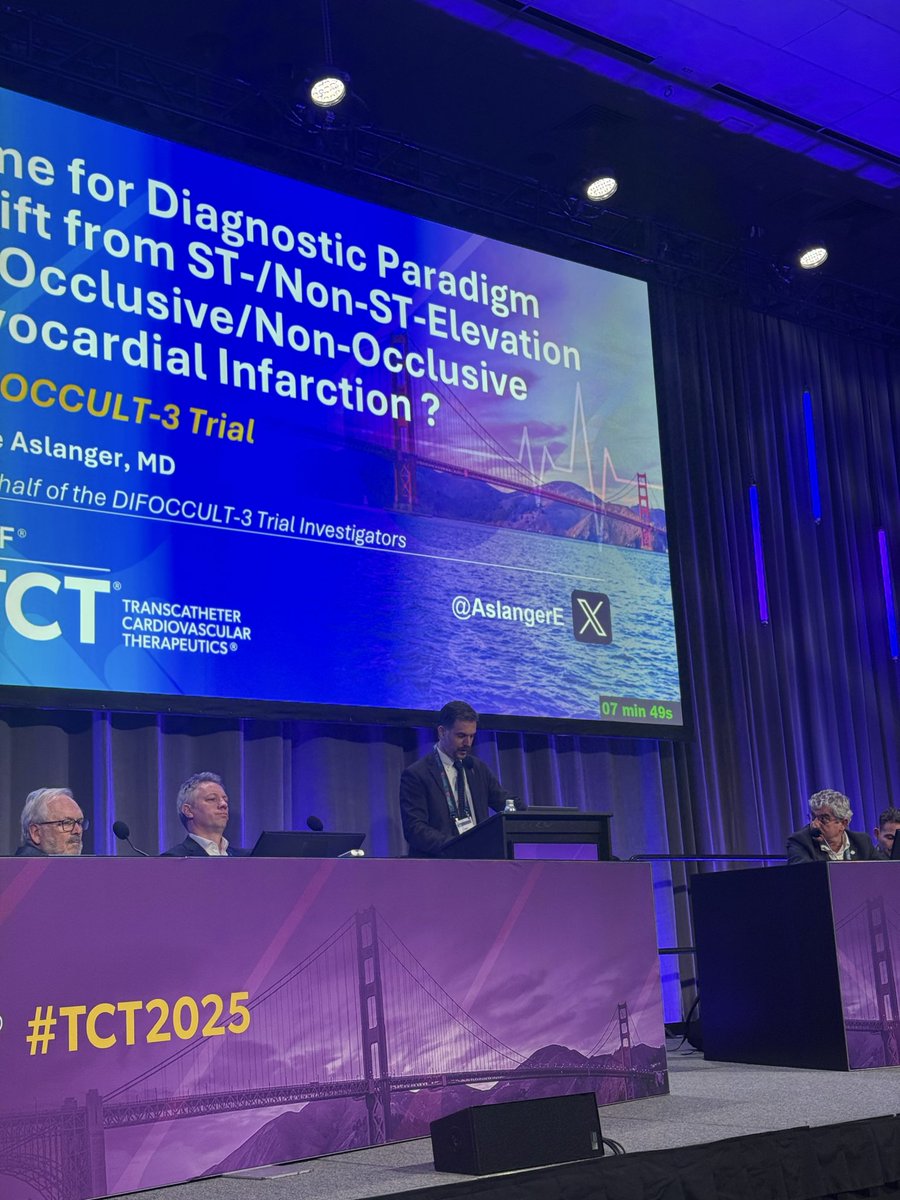
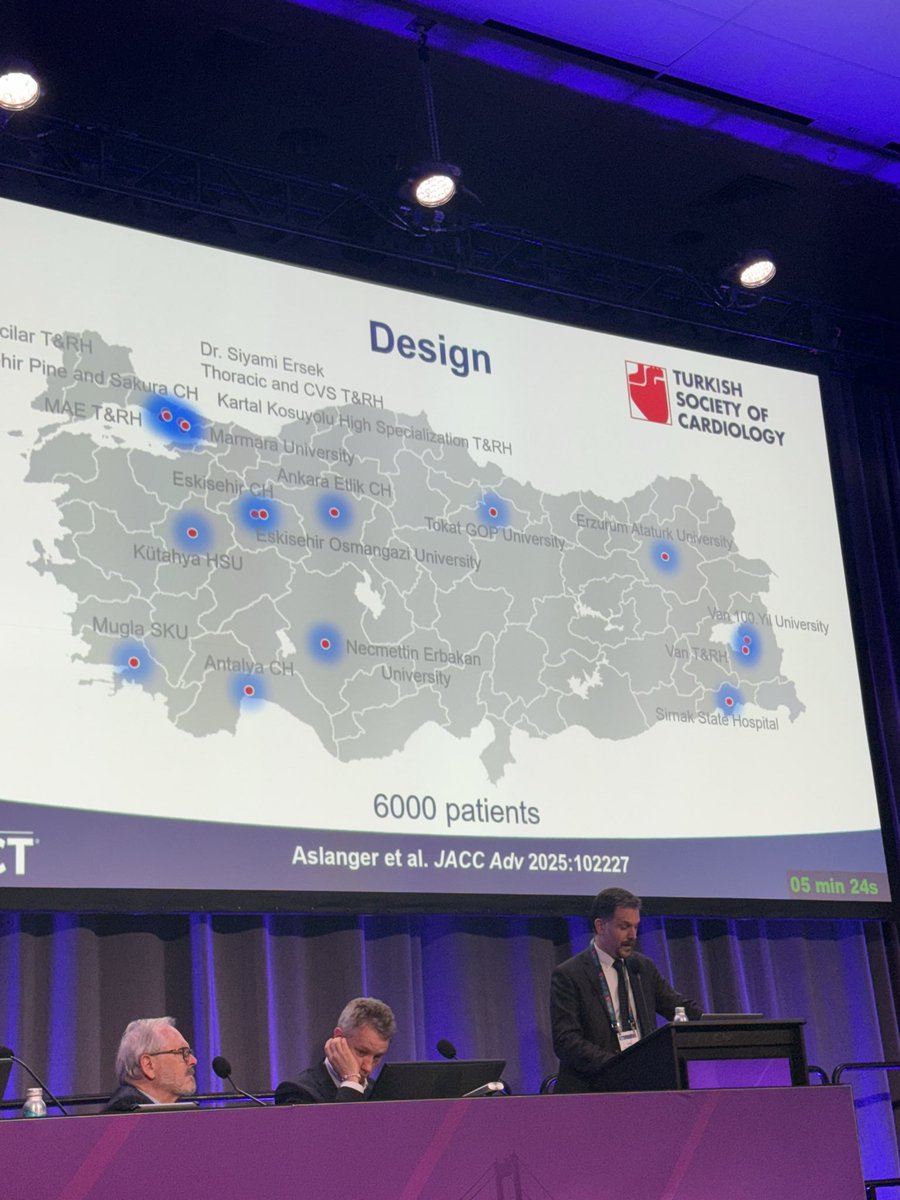
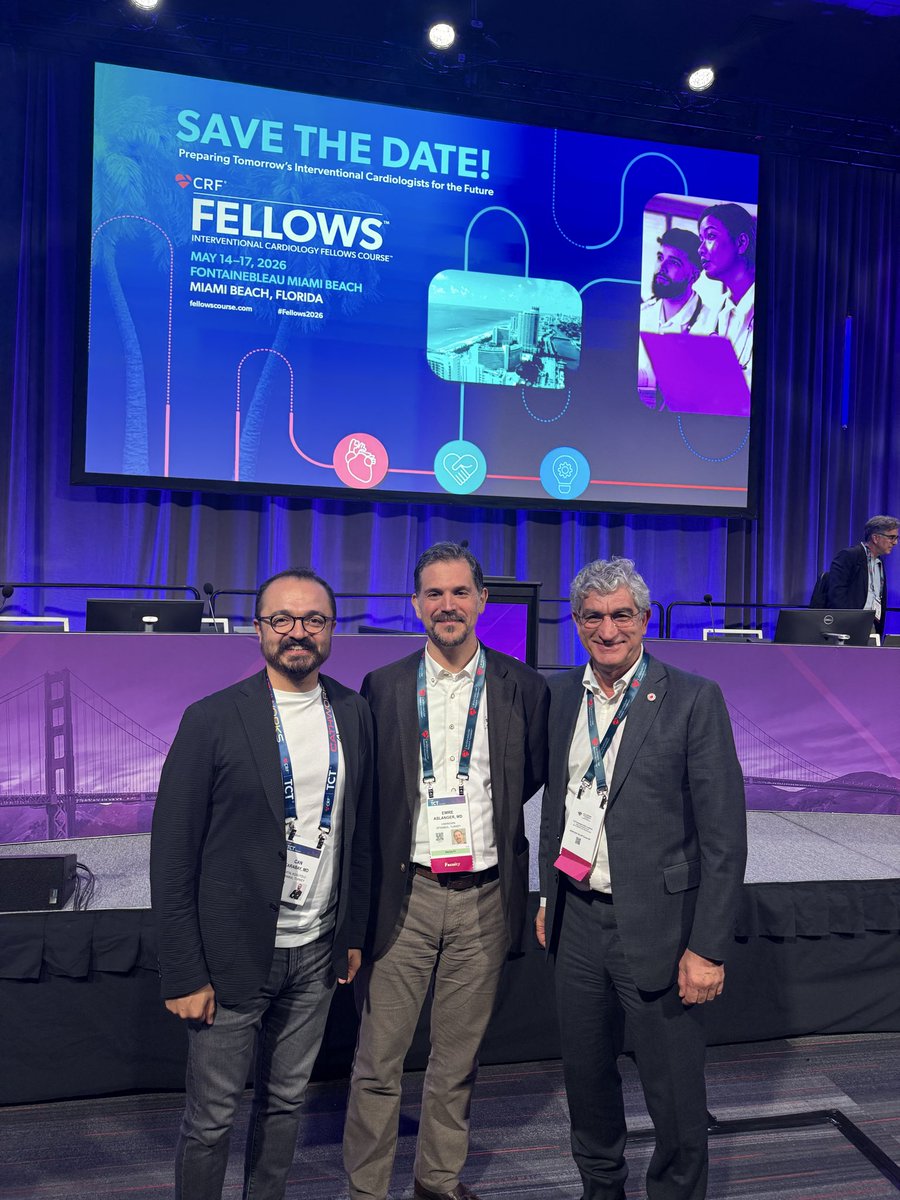
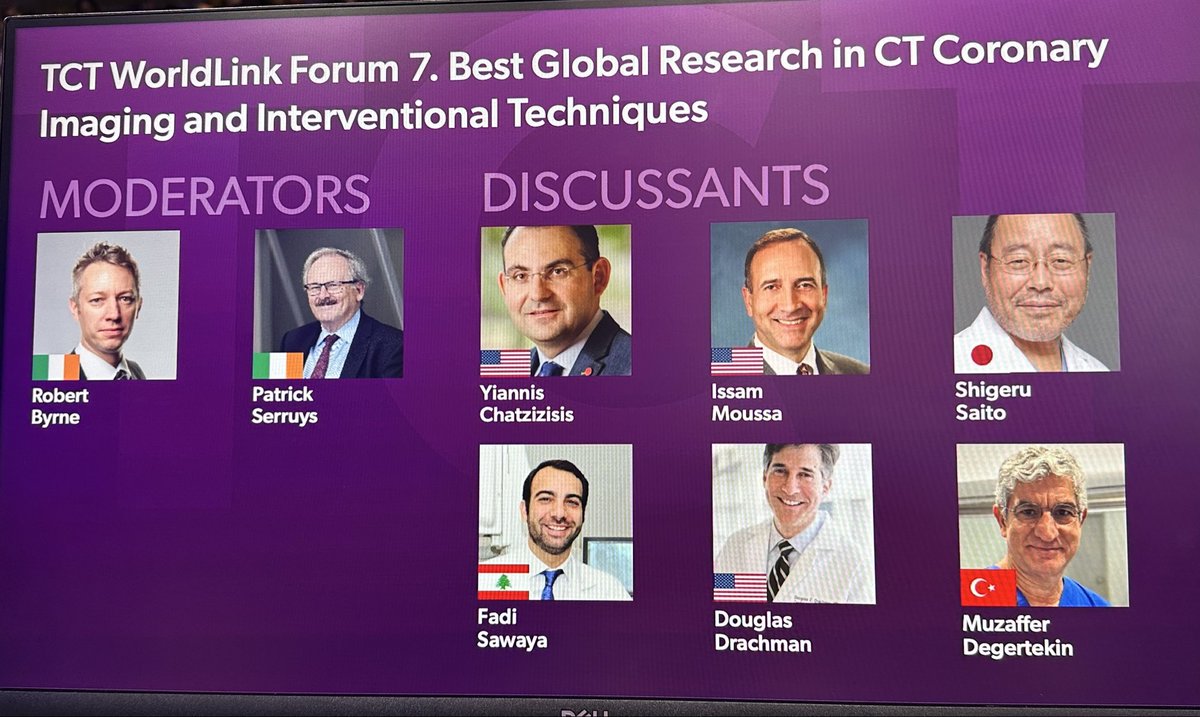
#TCT2025 in San Francisco; DIFOCCULT-3 trial just presented by @AslangerE . 6000 ACS patients,18 centers from #Turkiye. Very nice discussions. It is time to paradigm shift from STEMI/NSTEMI to OMI/NOMI myocardial infarction. Proud to be lead discussant of this session. #tsc #acs
2
9
54
4,755
8 Oct 2025
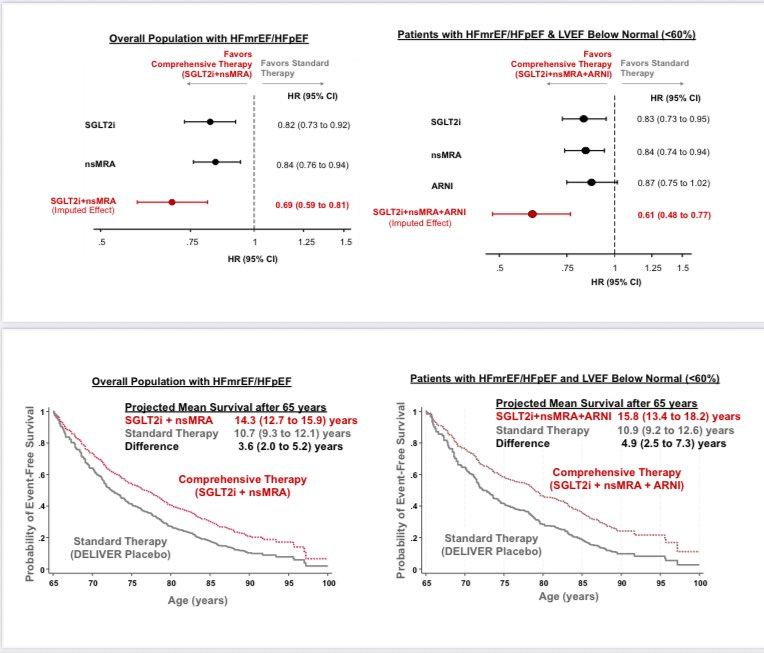
Lifetime Benefits of Comprehensive Medical Therapy in Heart Failure with Mildly Reduced or Preserved Ejection Fraction
nature.com/articles/s41591-0…
1
302
Süleyman Çağan Efe retweeted
28 Sep 2025
Leaflet durability remains a major challenge for transcatheter heart valves. Bench studies suggest balloon-expandable TAVI valves often show pinwheeling, linked to reduced durability. The DurAVR system (Anteris Technologies) uses a short-frame, biomimetic leaflet design to minimize pinwheeling and improve haemodynamics. eurointervention.pcronline.c…
4
59
203
26,277
Süleyman Çağan Efe retweeted

4 Oct 2025
We just published the Great debate: fire-and-forget beats personalized lipid-lowering treatment academic.oup.com/eurheartj/a… @ProfKausikRay @EugeniaGianos @TKDsosyal @DrMarthaGulati @society_eas @MeralKayikcoglu
1
21
80
8,632
Süleyman Çağan Efe retweeted

3 Oct 2025
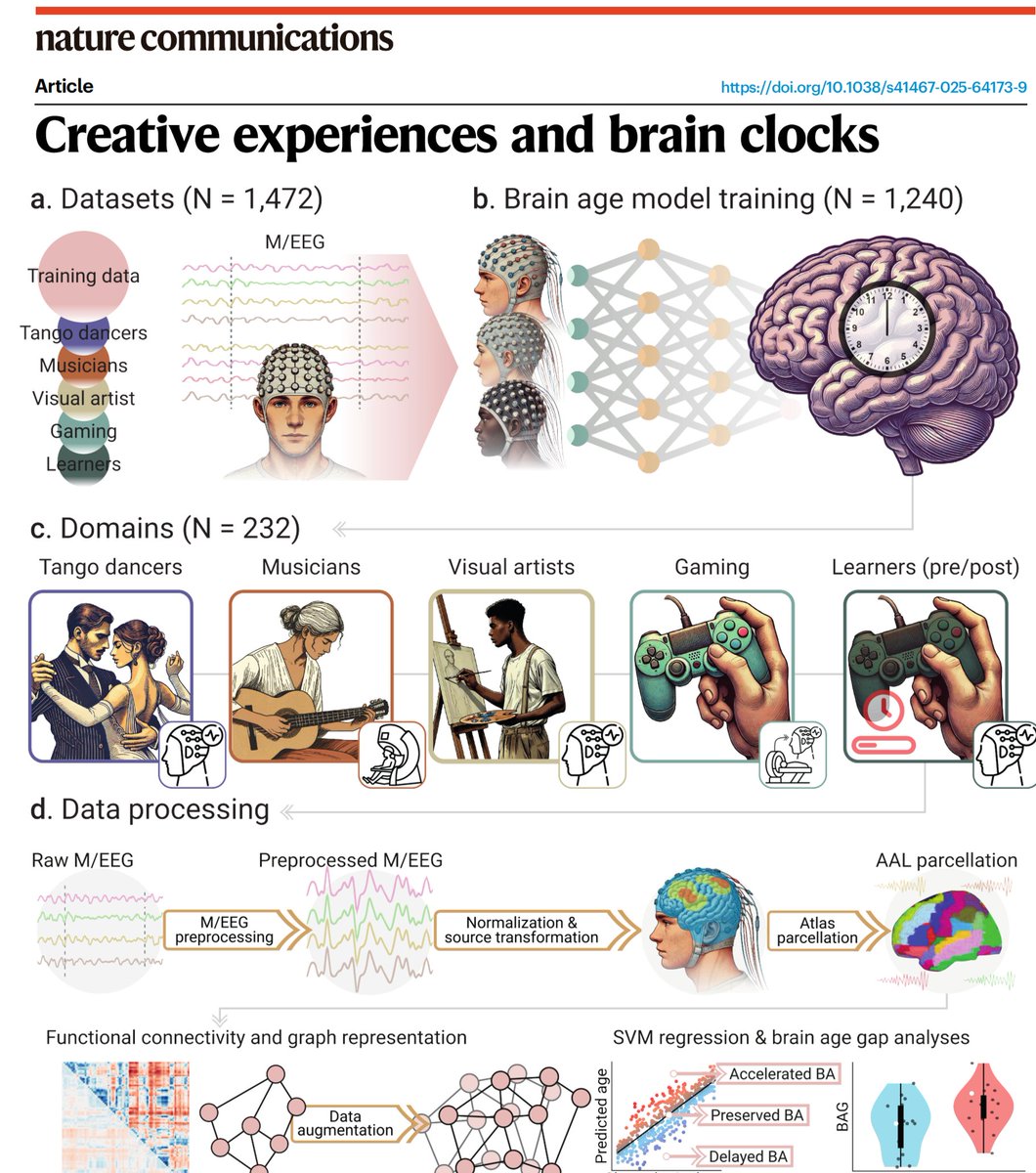
Creative Minds, Younger Brains: Engaging in music, dance, painting, or even (some) gaming is linked to delayed brain aging.
Article: doi.org/10.1038/s41467-025-6….
🧵1/5
Biophysical modeling, graph theory, and Neurosynth analyses reveal plasticity-driven efficiency in regions most vulnerable to aging. Out Today in @NatureComms, congrats @carlosmig_12 and colls! @CreativeAgeIntl @j_artshealthlab @CreativeBrainWk
21
528
2,059
151,200
Süleyman Çağan Efe retweeted

31 Aug 2025
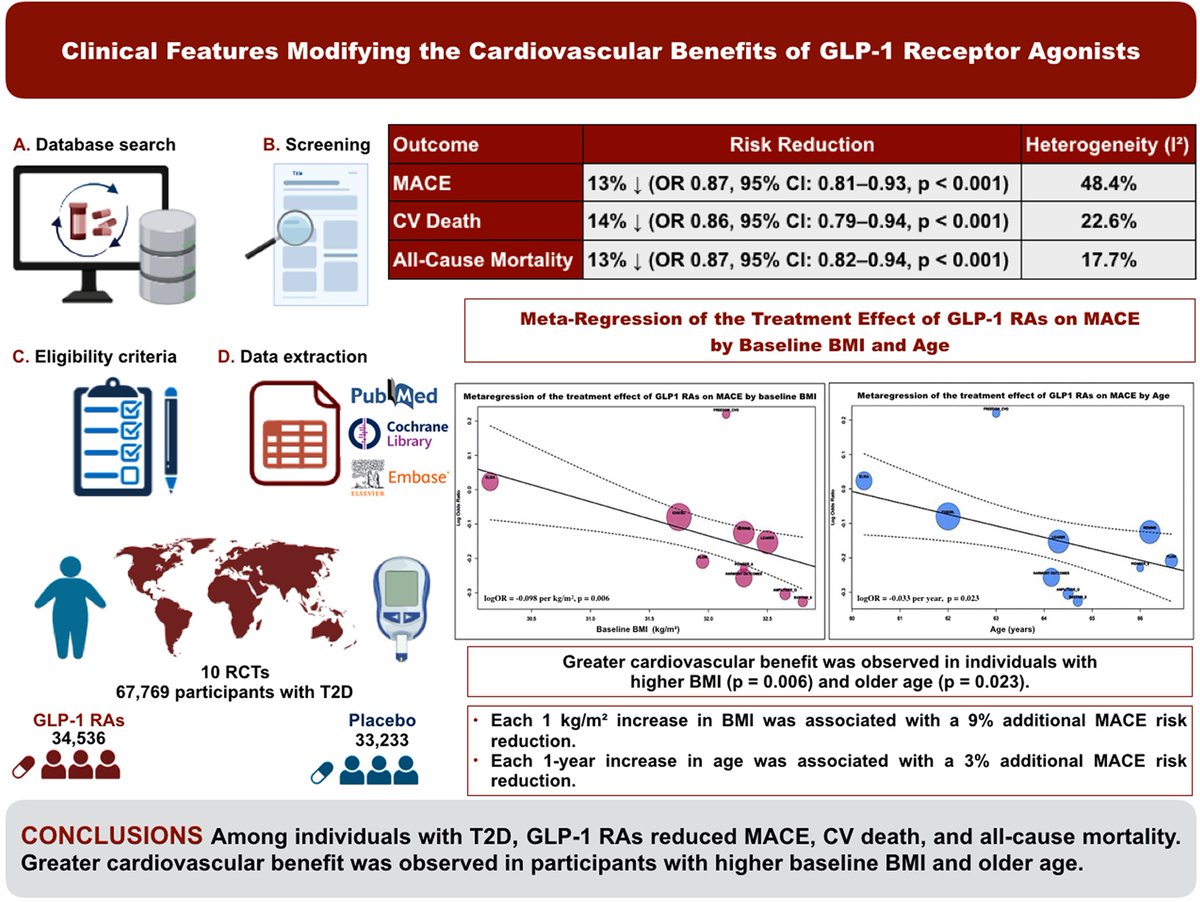
Honored to see our work featured by #EHJPharmacotherapy in ESC 2025 simpub. Grateful to mentors @CMichaelGibson and James L. Januzzi for their support and guidance, and many thanks to co-authors @ihtanboga and @canyucelkarabay #ESC2025
31 Aug 2025

Simultaneous publication during #ESCCongress
Clinical Features Modifying the Cardiovascular Benefits of GLP-1 Receptor Agonists: A Systematic Review and Meta-Analysis - ow.ly/HAKG50WOKTl
#EHJPharmacotherapy
2
2
12
1,379
Süleyman Çağan Efe retweeted

31 Aug 2025
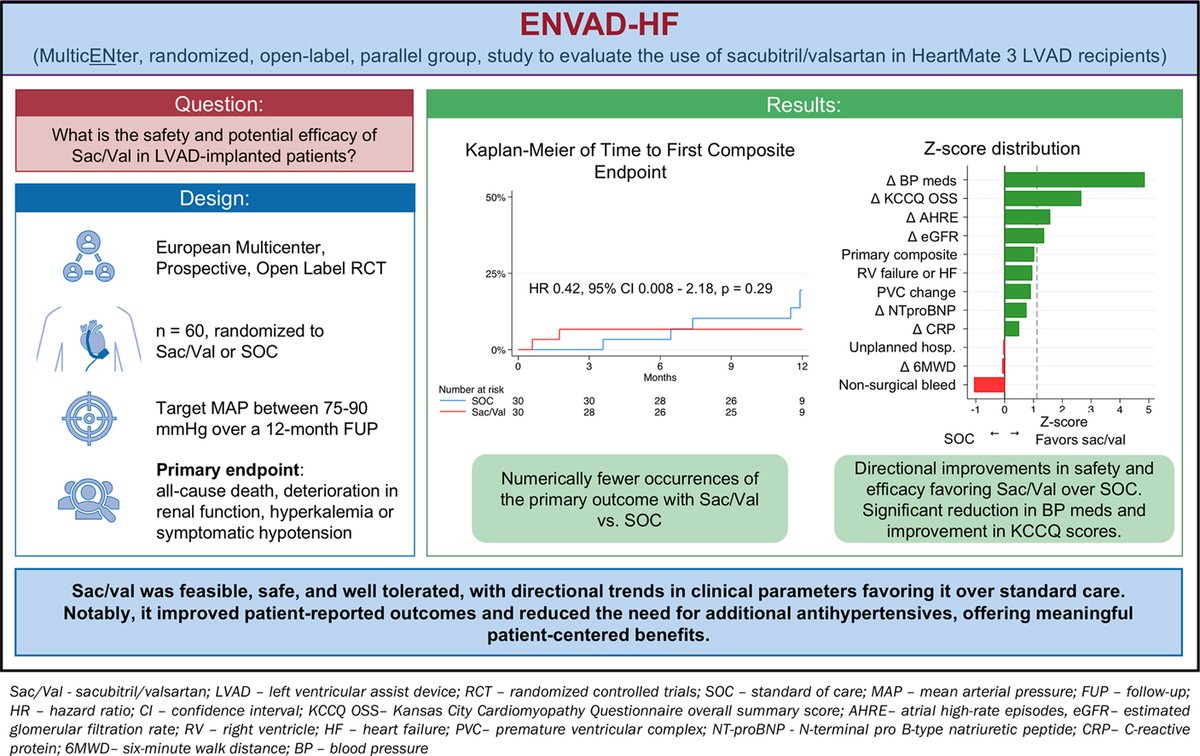
ENVAD-HF, a prospective RCT in stable HM3 #LVAD recipients, shows angiotensin–neprilysin inhibition is safe and well-tolerated, paving the way for trials of #HF therapies in this population. jacc.org/doi/10.1016/j.jchf.…
#JACCHF #ESCCongress #WCCardio @MajaCikes @scottdsolomon
1
13
40
10,628