
We are back, Buenos Aires 2025
Joined December 2019
- Tweets 1,128
- Following 139
- Followers 9,265
- Likes 926
349 Photos and videos



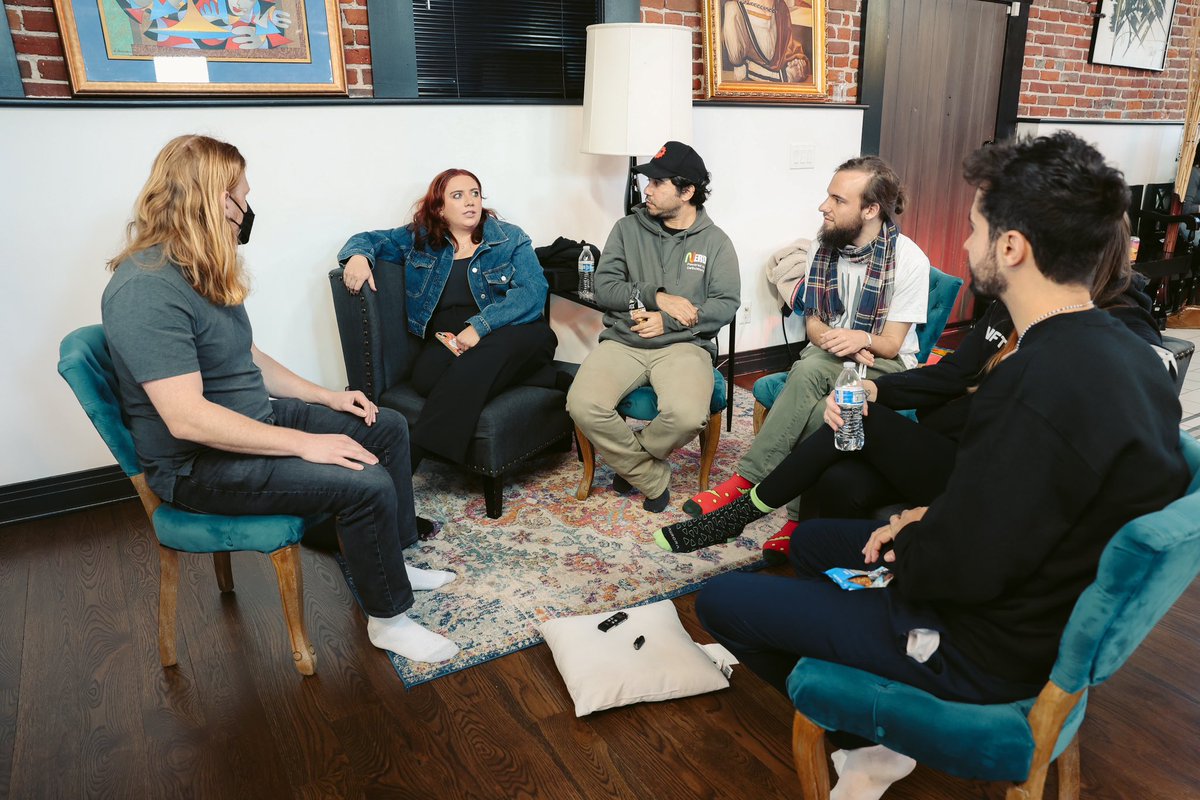

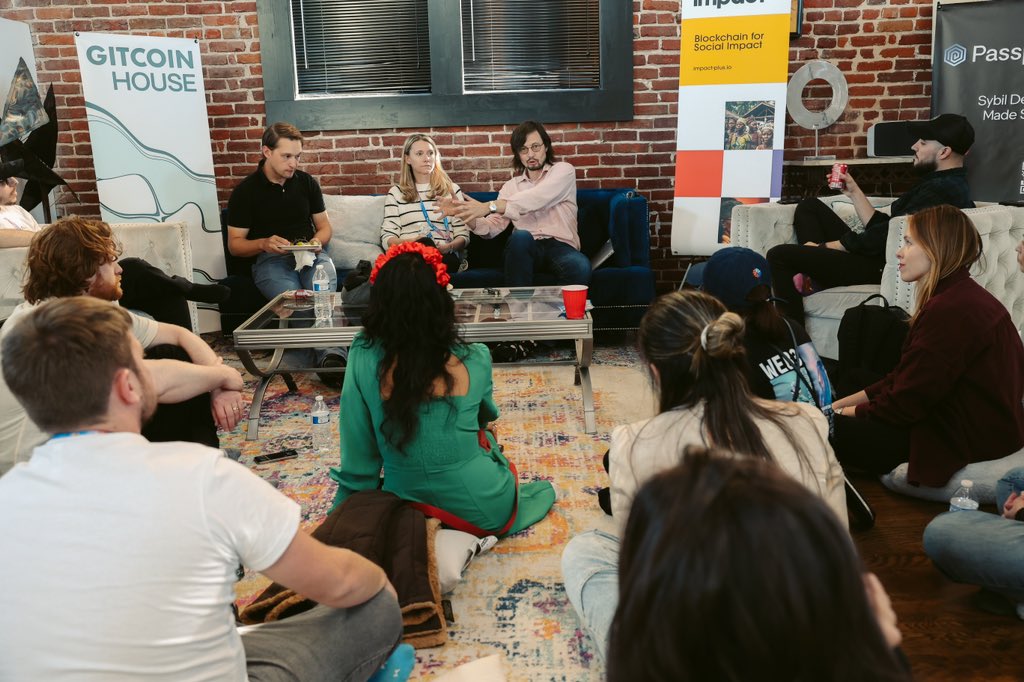
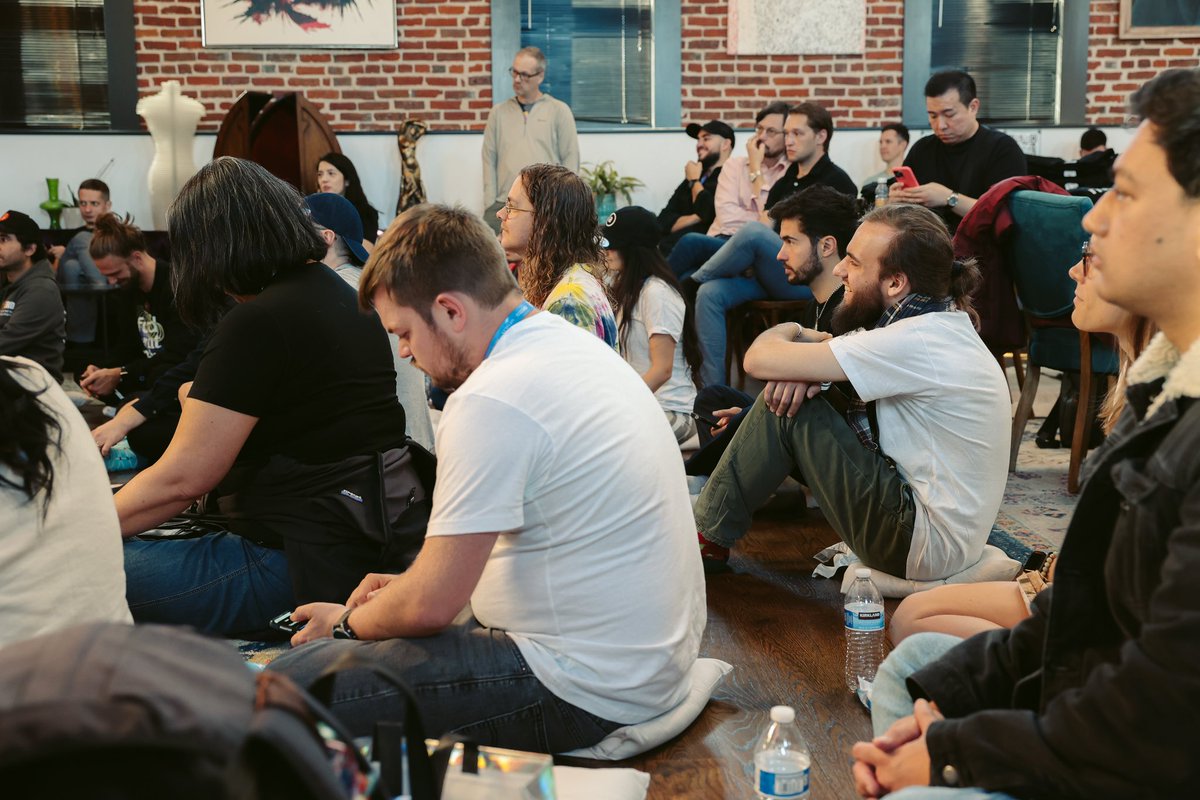
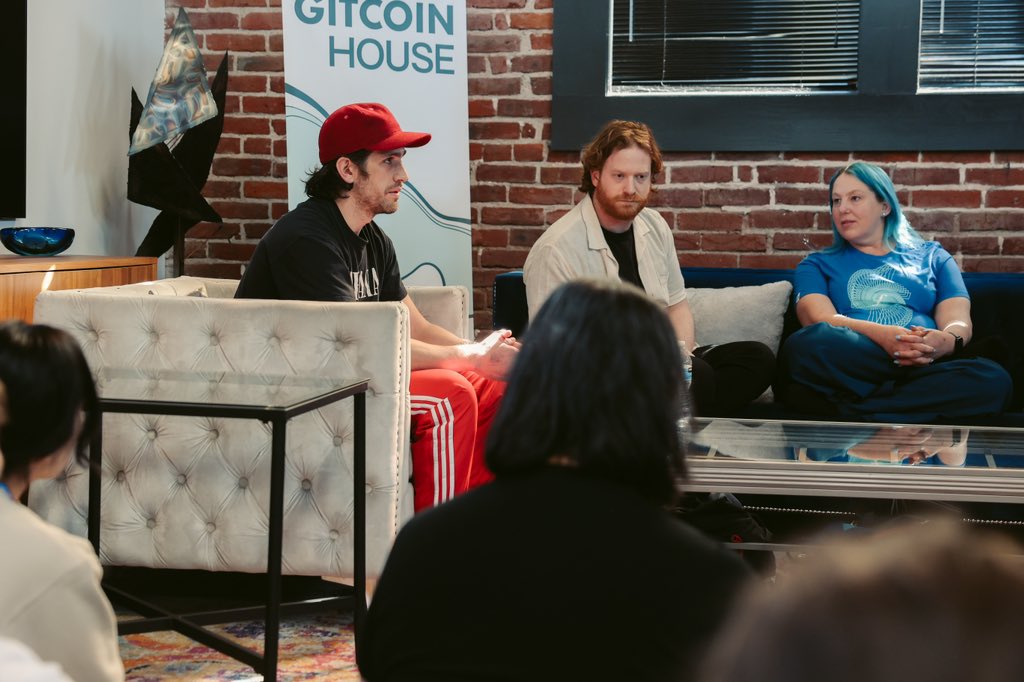
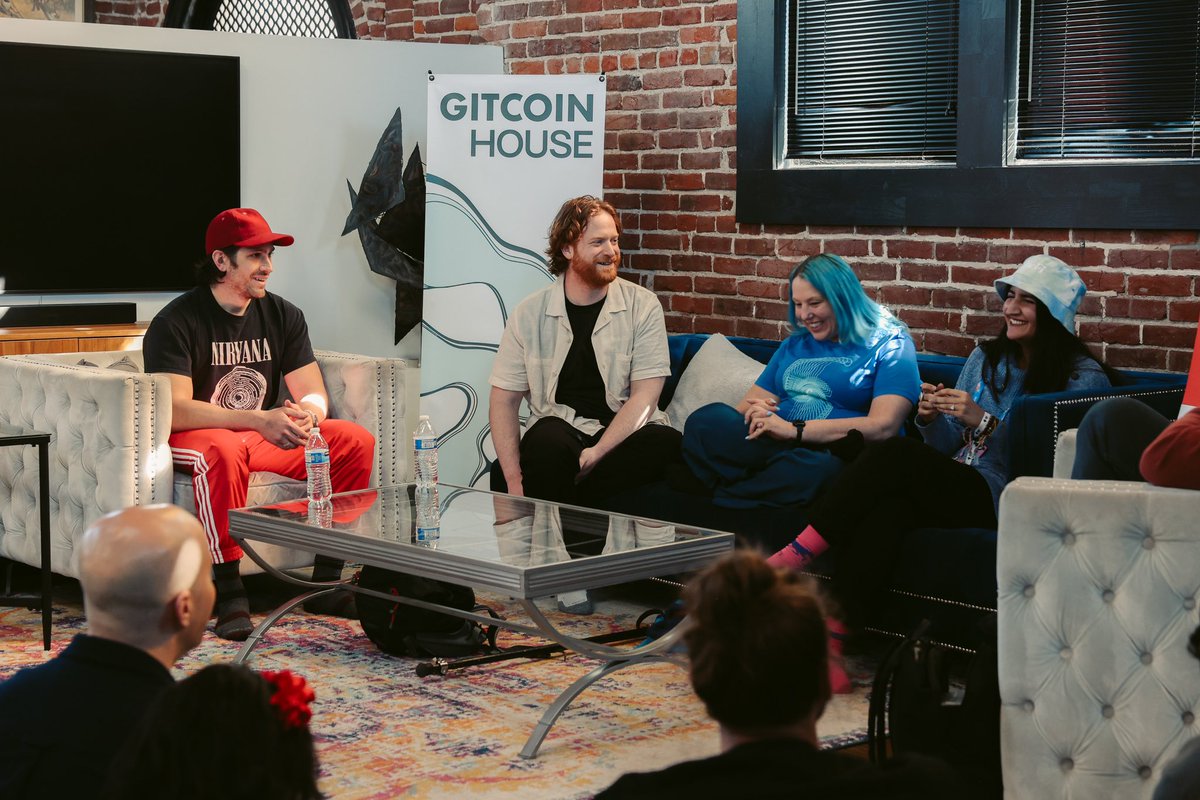
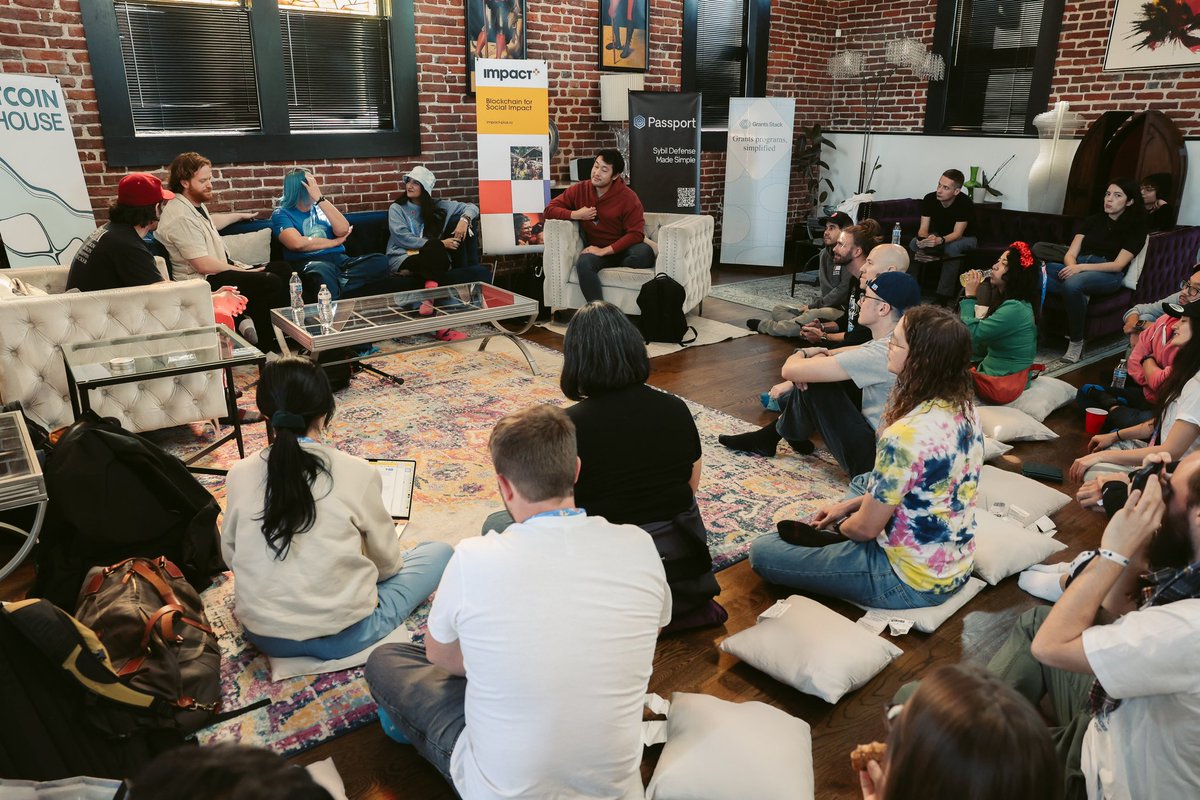

Schelling Point returns 🇦🇷✨
Join us in Buenos Aires for a day of builders, thinkers & dreamers tackling Ethereum’s biggest problems together.
🗓️ Nov 20
📍 @EFDevcon, Buenos Aires
🎟️ Register here → luma.com/txyeg96m
4
5
19
2,734
Be part of the Schelling Point magic ✨
We’re looking for volunteers to help run the event - from logistics to community vibes. If you’ll be in Buenos Aires for @EFDevcon, we’d love to have you on the team.
Apply here 👇
forms.gle/R6apyd9eYJXhFBrD8

1
1
16
1,740
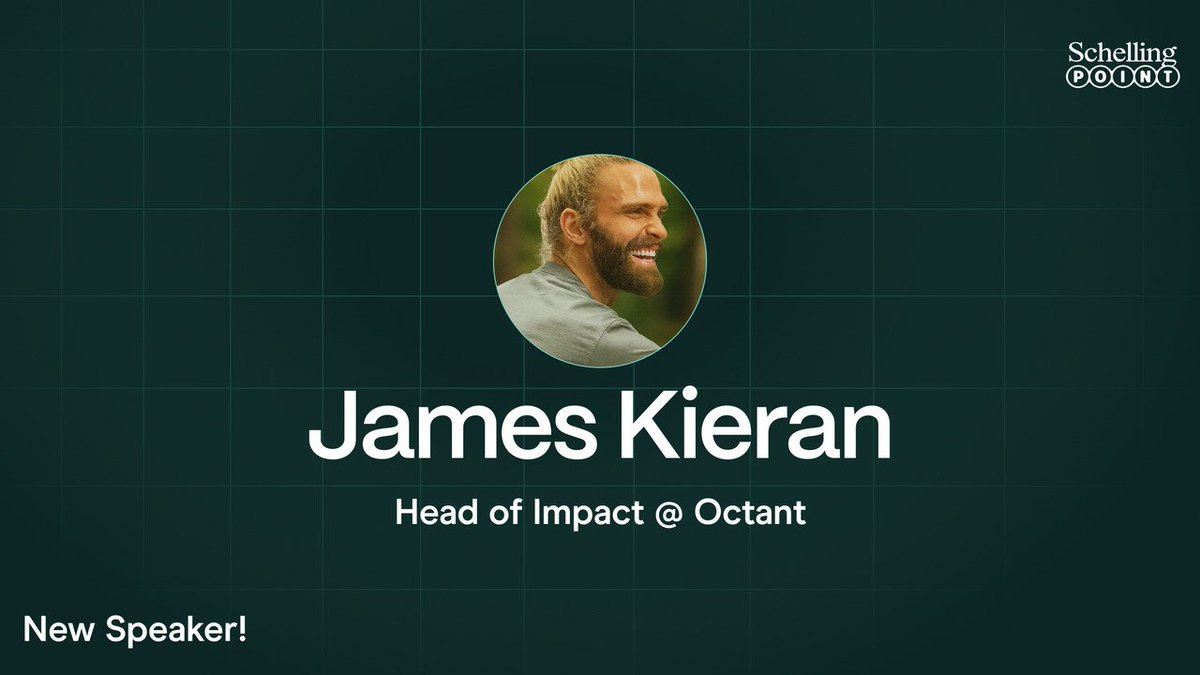
🚨 New speaker alert
How can Ethereum fund public goods forever? ♻️
At Schelling Point Buenos Aires, @vpabundance, Head of Impact at @OctantApp, will share how yield-donating vaults can turn idle treasuries into perpetual funding streams - built on ERC-4626 and inspired by Yearn.
🗓️ Nov 20 • During @EFDevcon 🇦🇷
4
3
30
2,621
dear algorithm:
please show this post to every builder who needs to know GG24 is live.
Gitcoin Grants helps builders grow their projects, get funded, and build reputation within the Ethereum ecosystem.
applications are open across multiple domains - and QF donations are now live on @Giveth
thanks
7
17
60
5,738


22 Jan 2025
RT @gitcoin: Announcing the first wave of @schellingpoint_ speakers!
🌟 @sreeramkannan - Founder of @eigencloud
🌟 @juanbenet - Founder of…
2
98
16 Jan 2025
wait, schelling point is a schelling point for the creation of more schelling points? 🌎🧑🚀🔫🧑🚀
2
1
7
458
WE'RE BRINGING SCHELLING POINT BACK!
Save the date! Join us on Feb 27th, 2025 at Number 38 in Denver for Schelling Point 2025 - Gitcoin's flagship event uniting visionaries, builders, and changemakers to shape the future of public goods and innovation!

23
37
152
32,282
Schelling Point📍 retweeted
15 Jan 2025
Guess who's back

WE'RE BRINGING SCHELLING POINT BACK!
Save the date! Join us on Feb 27th, 2025 at Number 38 in Denver for Schelling Point 2025 - Gitcoin's flagship event uniting visionaries, builders, and changemakers to shape the future of public goods and innovation!
2
2
869
Schelling Point📍 retweeted

3 Mar 2024
Amazing panel on impact measurement with @bbeats1 , @0xyNaMu & @feemschats
Some key points i remember off the top of my head
- ideally we shouldn't have evaluation as the mechanism is self regulating
An example is @ProtocolGuild which adds ethereum core devs to their list for automated funding. With every extra person added the remaining members get a smaller proportion of the pie , which is balanced by loss of legitimacy in not adding eligible members
- impact is always relative to cost, for example educating ten kids but for a million dollars is negative impact.
The way to calculate impact is quantify the outcome , subtract the counterfactual of the outcomes that would have occured even if the intervention didn't happen (not all 10 kids graduated because of you, some would have anyways), and then divide quantified benefit by cost incurred
- most significant change technique is a good methodology for impact evaluation in web3 projects, document case studies of significant change because of you & then reshare with grantees
- we need to move beyond popularity contests for allocation mechanisms, which both @gitcoin QF and @Optimism retro pgf currently are.
Multiple evaluators each quantifying a grants benefit cost ratio with help of LLMs & then distributing funding to from highest mean or median BC ratio to lowest is one way of doing so
- try to negotiate deals that aren't just free money to projects
Token swaps as investment & being a customer of products already built are better ways of ecosystem support that leverage the power law and support projects already killing it
- evaluation metrics should either be binary (did product get built or not) or quantitative (how many users did it get)
- we need to get more web2 evaluators in our space so we don't repeat the mistakes already made
3 Mar 2024

Amazing discussion on the ins and outs of impact measurement. Where things stand in the web3 space right now as well, where we hope to get to one day as well as the tools to use 🤝
2
3
43
8,670