CODE-W wants to better understand the care received by mothers who experienced complications pre/post- pregnancy. Your lived experience is the missing piece that can improve care & support for mothers! Link to survey: redcap.utoronto.ca/surveys/?…#womenshealth#postpartumhealth
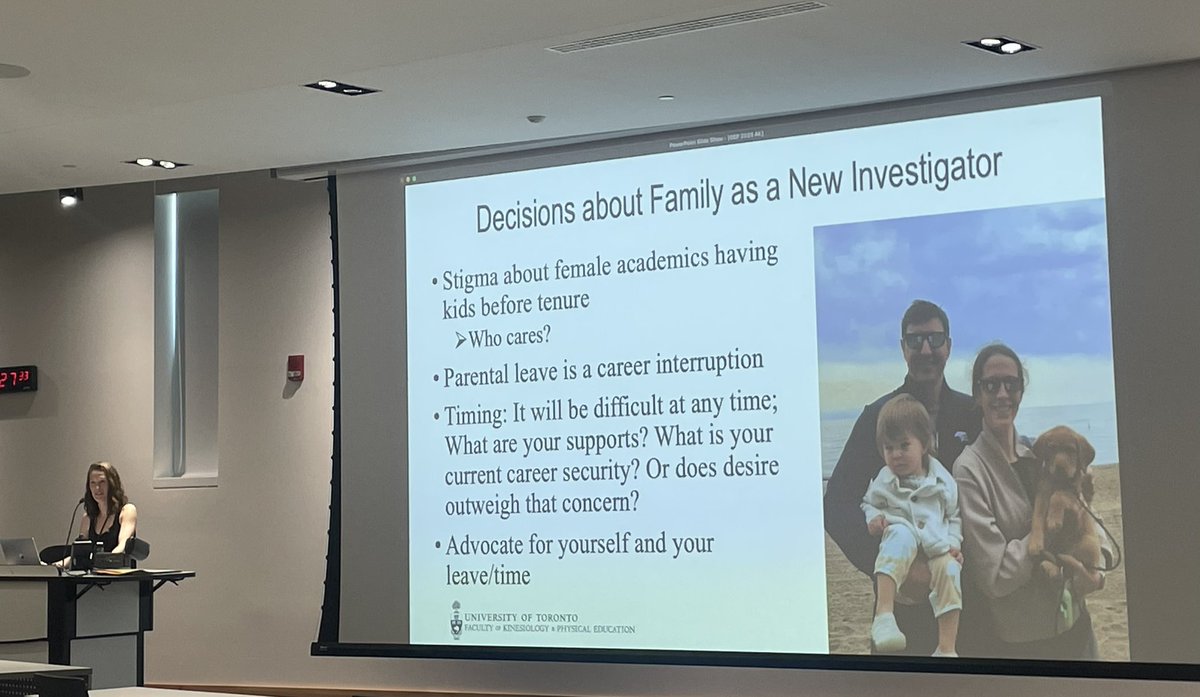
Today my supervisor shared more than research; she shared her journey. She spoke candidly about the adversities she faced along the way, becoming a mom and the challenges women encounter in academia. So grateful to learn under someone so empowering 🥰 #OEP2025
My lab is hiring a full-time research coordinator position (with benefits) to work on two multi-centre trials of diet and exercise in female cancer patients.
Apply by Dec 3: jobs.utoronto.ca/job-invite/…
Looking for a Research Coordinator in the lab of Dr. Amy Kirkham in the Faculty of Kinesiology & Physical Education & the ‘Cardiometabolic, Oncology, Diet and Exercise in Women’ (CODE-W) research centre. Apply at the link below & join our amazing team!
jobs.utoronto.ca/job/Toronto…
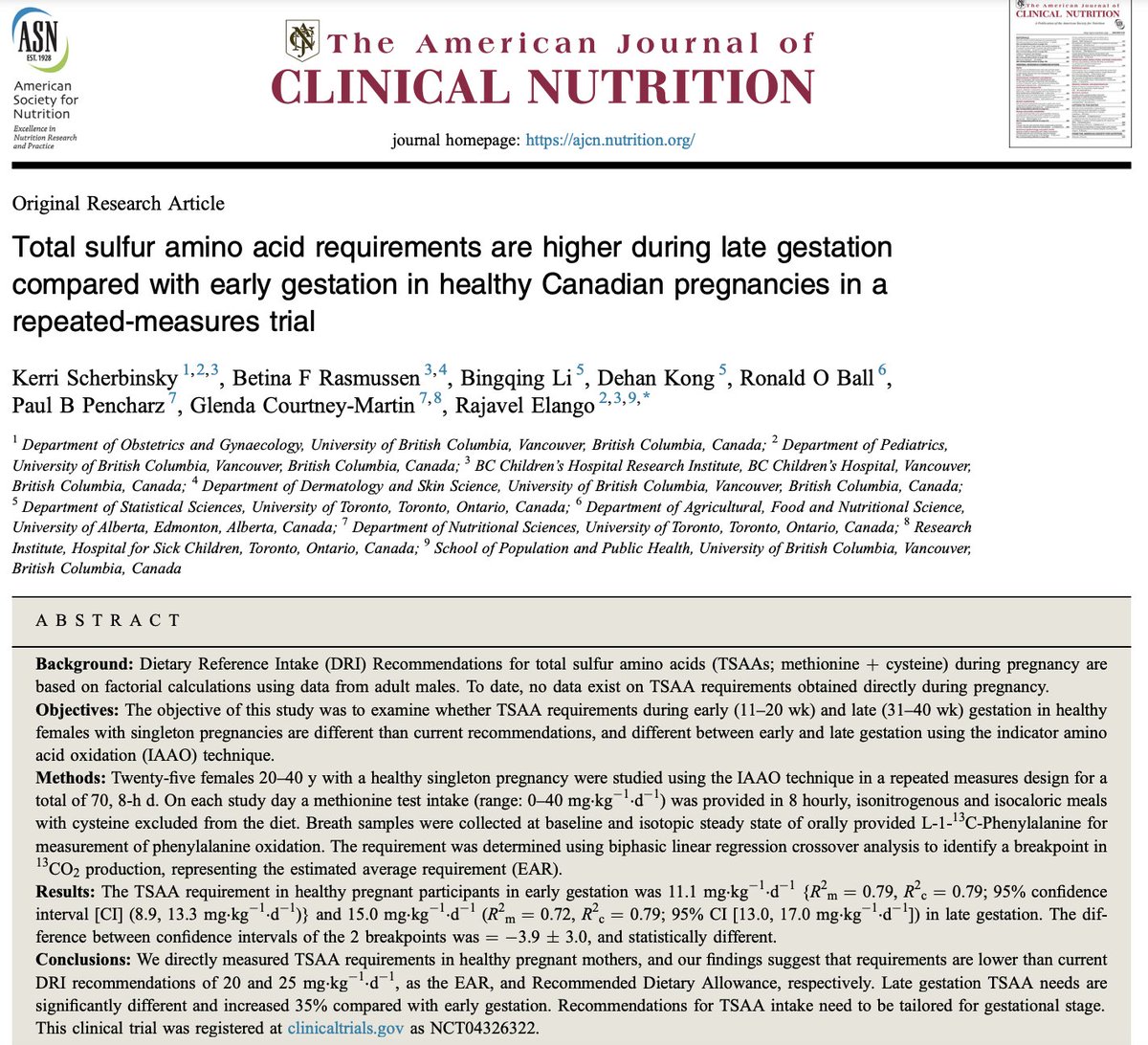
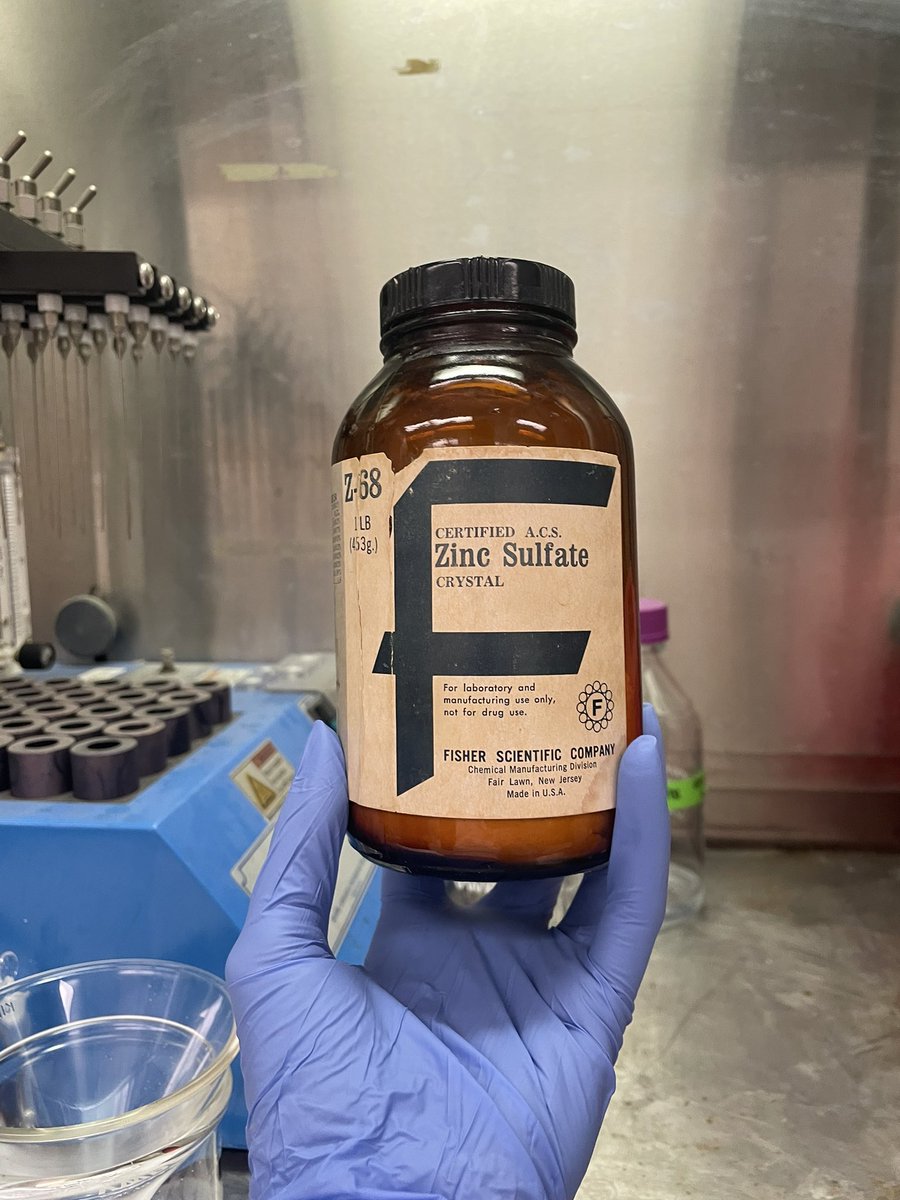
sciencedirect.com/science/ar…. Exciting findings from my doctoral work! We directly measured sulfur amino acid requirements in healthy pregnant mothers & our findings suggest that requirements are LOWER than current DRI recommendations (first amino acid to have this finding)
📣June #EditorsChoice
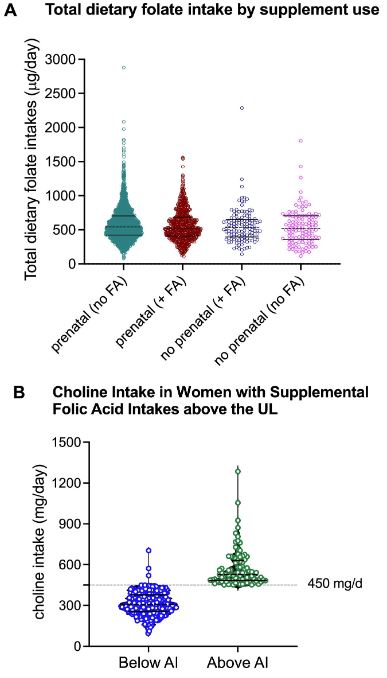
Women in Canada are consuming above the upper intake level of folic acid but few are meeting dietary choline recommendations in the second trimester of pregnancy: data from the CHILD cohort study|@AleWiedeman etal
ow.ly/sp5X50Sbef0@CNS_SCN@CHILDSTUDY
ALT Figure depicts Total dietary folate and choline intakes by prenatal vitamin and folic acid supplement users in the CHILD cohort study (18 weeks of gestation). (A) Total dietary folate intakes in women who took: a prenatal supplement but did not take a folic acid supplement (prenatal (no FA)); a prenatal supplement and a folic acid supplement (prenatal ( FA)); no prenatal supplement but took a folic acid supplement (no prenatal ( FA)); and no prenatal supplement and no folic acid supplement (prenatal (no FA)); (B) choline intake in women with supplemental folic acid intakes about the upper intake level (UL) (n = 378) (choline adequate intake (AI), 450 mg/day).
This #CanadaDay we ask that you reflect on our colonial history and the harms that have been done to Indigenous peoples across these lands. Please consider what you can do to ensure we are making the future better for all Indigenous people across Canada. x.com/PHSAofBC/status/180777…
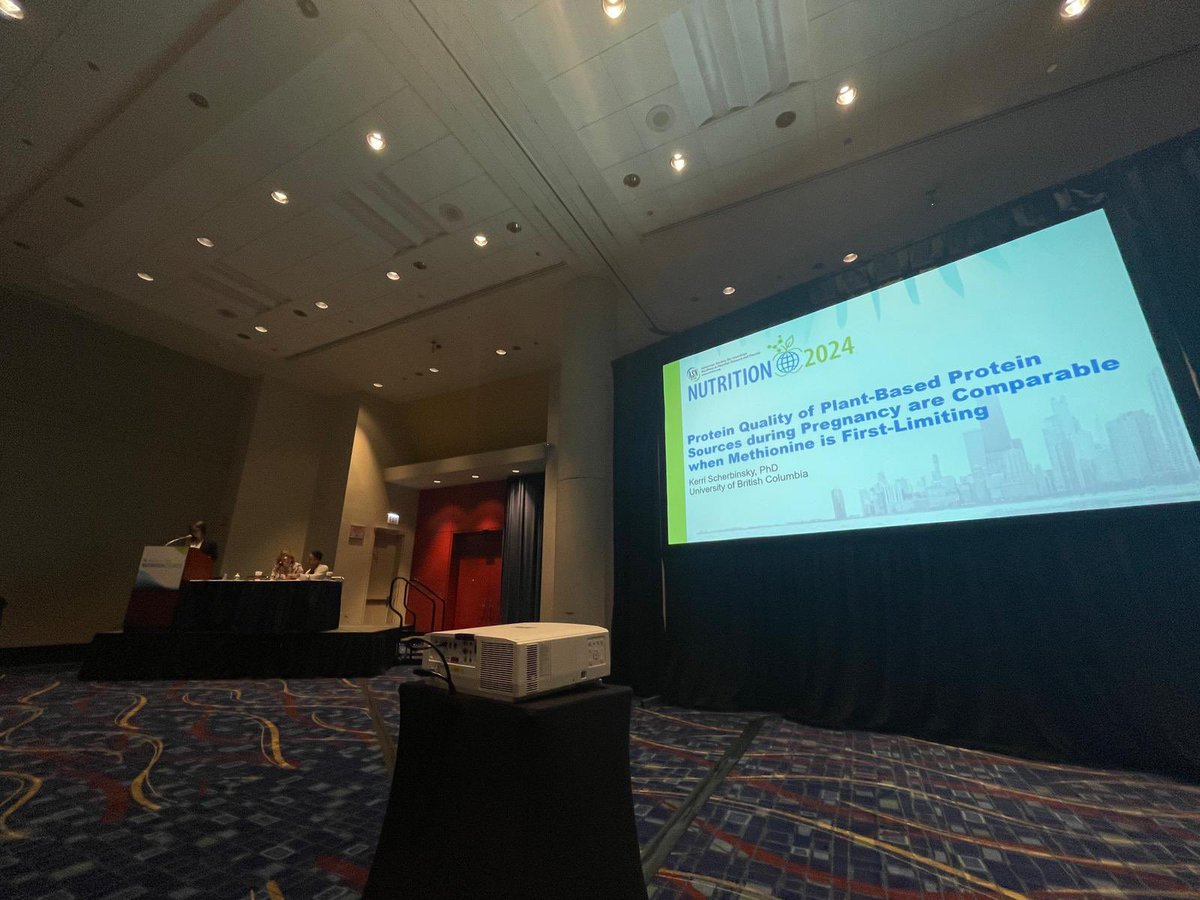
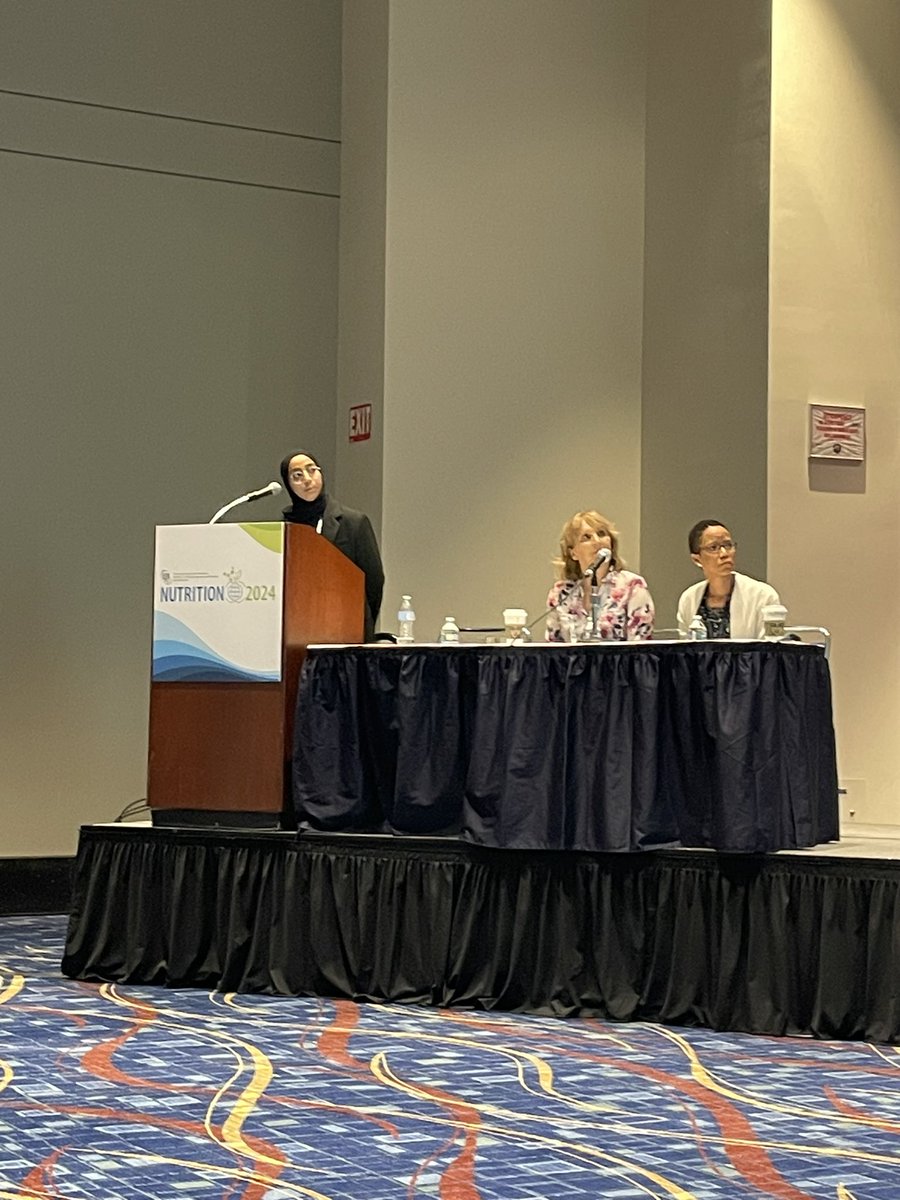
Spending Canada Day 🇨🇦 in Chicago at @nutritionorg#ASN2024 with Noof AlMansoori from @elango_lab sharing my research findings in the Maternal, Pediatric and Perinatal’s “Building Blocks of Life” Amino Acids in Development session! @ubcOBGYN
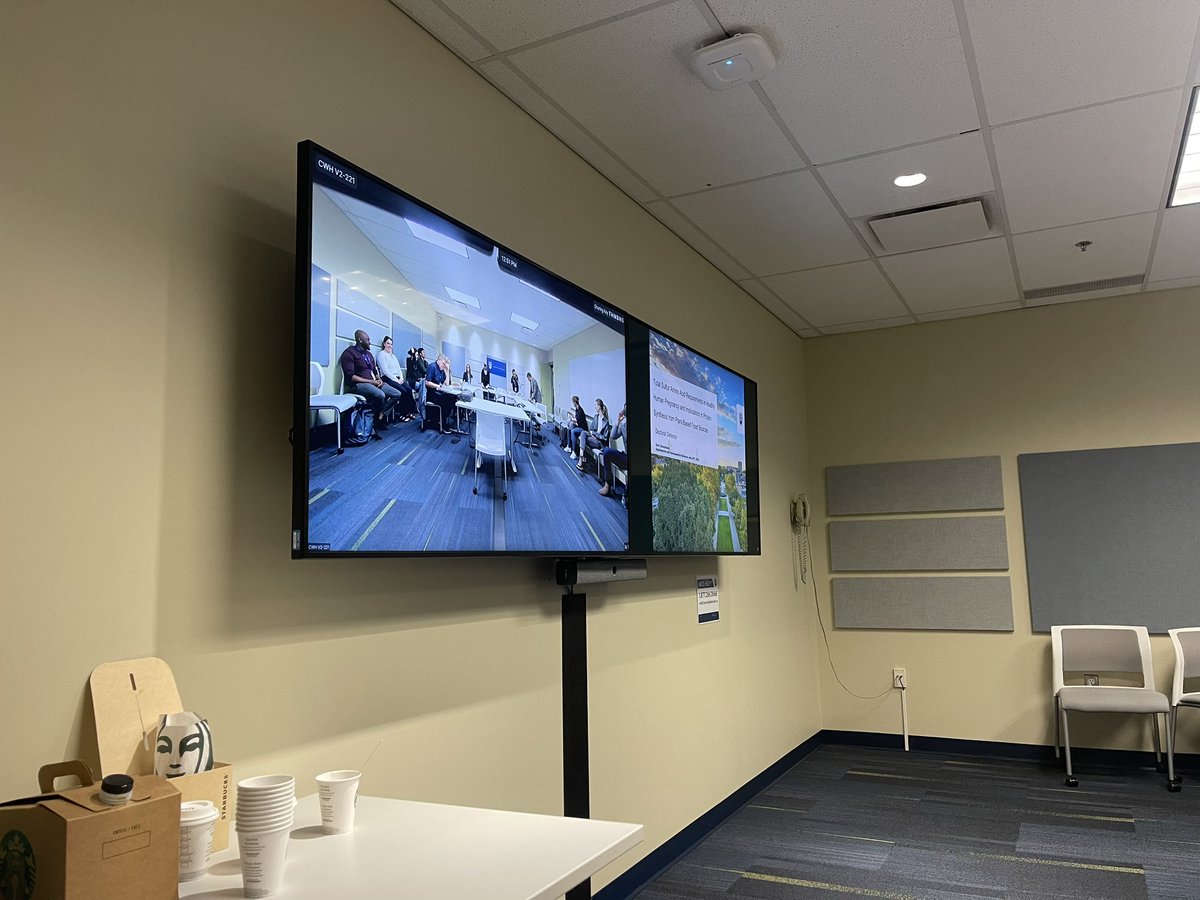
Very excited to announce that on Wednesday, June 26th I successfully defended my PhD Dissertation. My defence represented the culmination of the last 5 years of my work in pregnancy nutrition. Looking forward to my next chapter as Dr. Kerri Scherbinsky
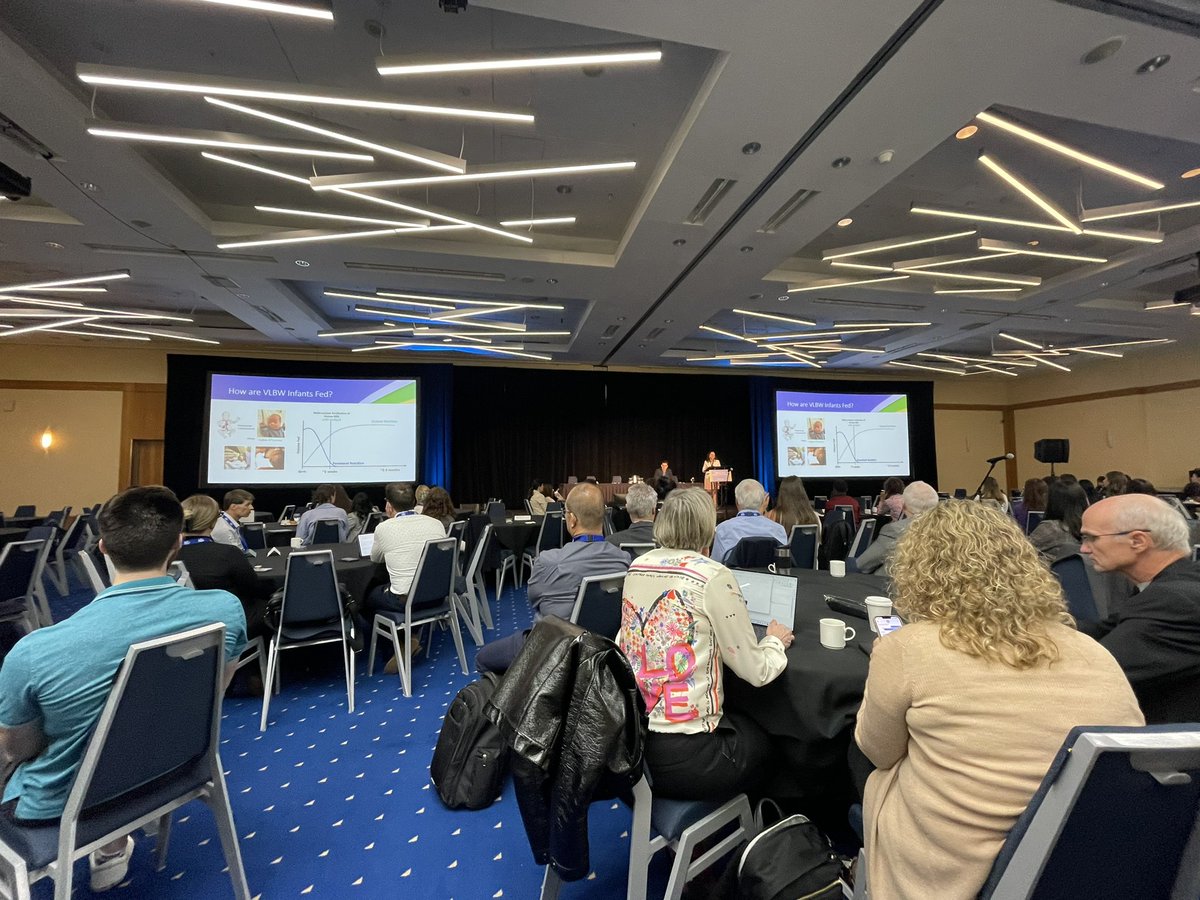
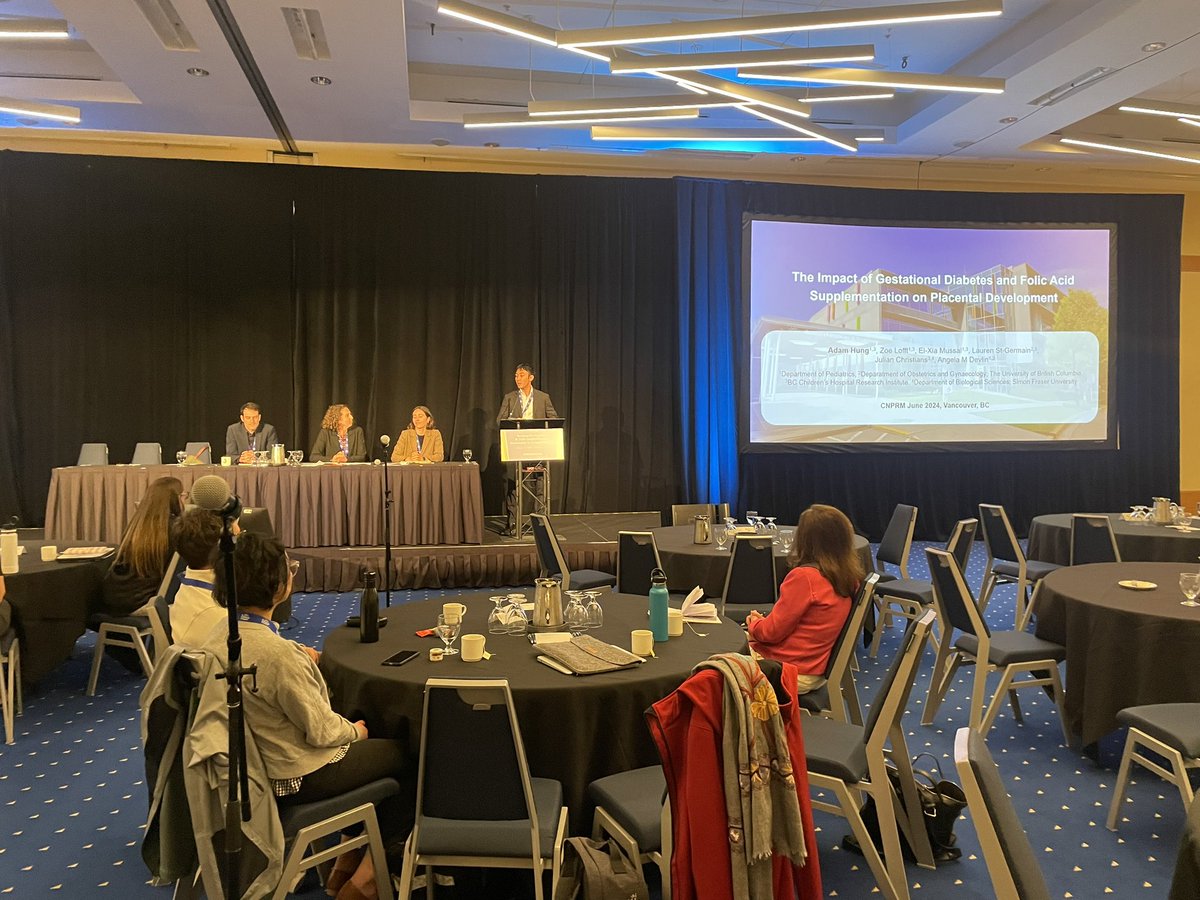
Thoroughly enjoyed Adam Hung’s presentation yesterday on The Impact of Gestational Diabetes & Folic Acid Supplementation on Placental Development! Exciting research coming out of the Devlin Lab & @BCCHresearch@AngelaMDevlin Great way to end the first day #PCHRM2024@CNPRMadmin
Burnout can happen to anyone. It doesn't mean you didn't work hard or gave up easily. Often, it's a result of overextending yourself.
This is a reminder that while your efforts are valuable, so is your well-being.💚
#AcademicMentalHealth#AcademicTwitter
Source: @lizandmollie
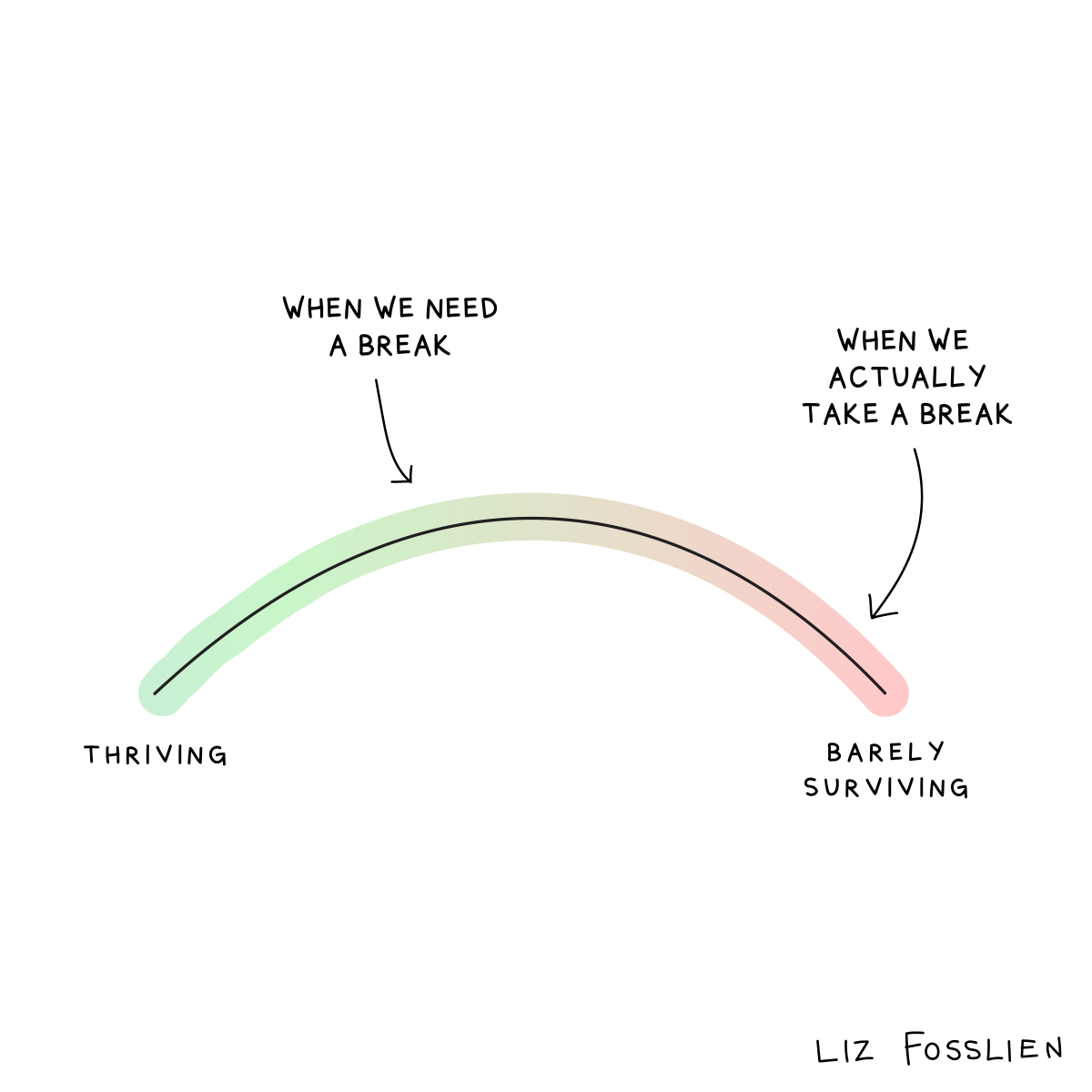
ALT This is an image by @lizandmollie. In it, we see a curved progress bar stretching from left to right. The left-hand corner is labelled "thriving" and the right-hand corner is labelled "barely surviving." At the left-hand corner, the progress bar is a bright green and this color gradually transitions to bright red on the "barely surviving" corner.
At the top of the curve, at a point closer to the left "thriving" side, well before the green transitions to red, there's a point labelled "When we need a break". On the right-hand side, just a little above the "barely surviving" corner, is another point labelled "When we actually take a break."
The image highlights key moments when recognizing and taking breaks are crucial for well-being.
Applications for the WACH program (Sep 2024 entry) are open for domestic applicants until: March 29
Check out wach.med.ubc.ca/ for program and application information!
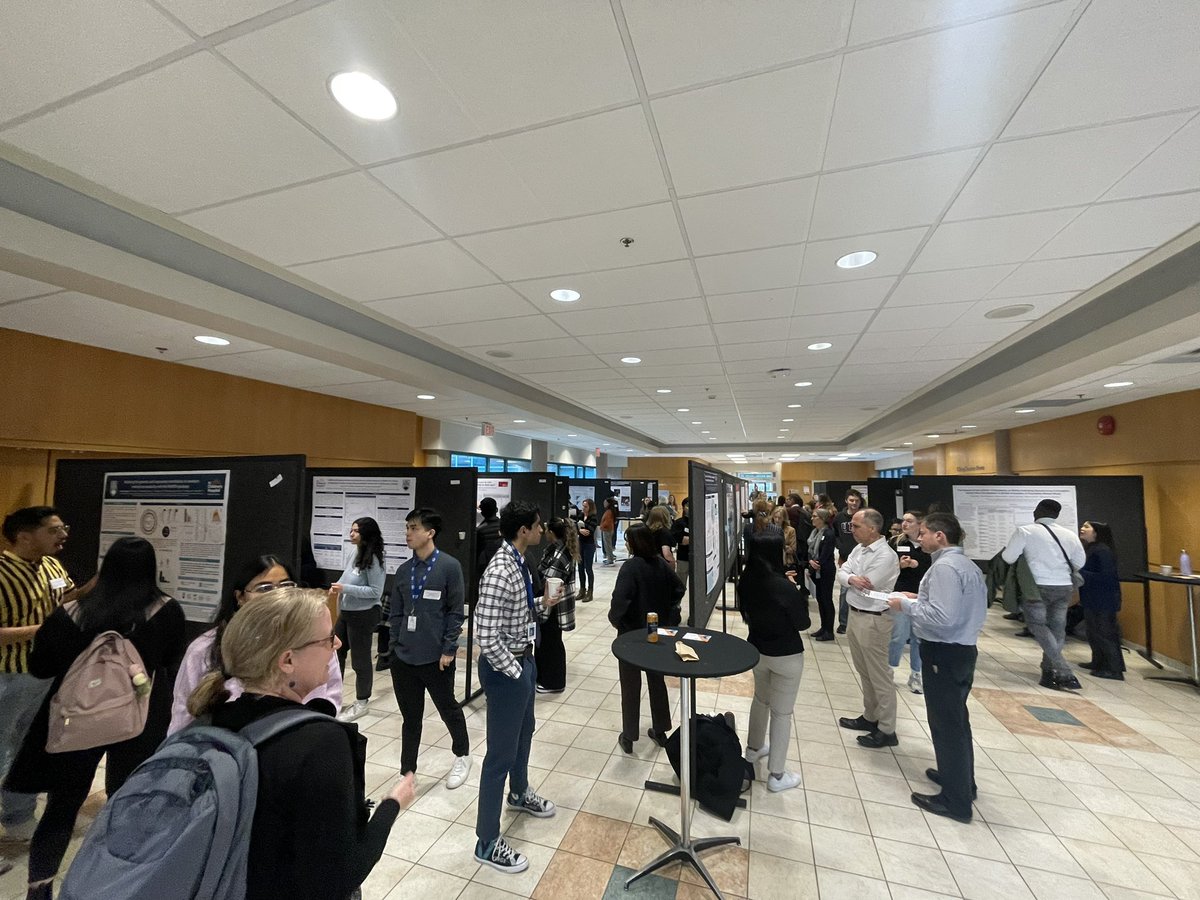
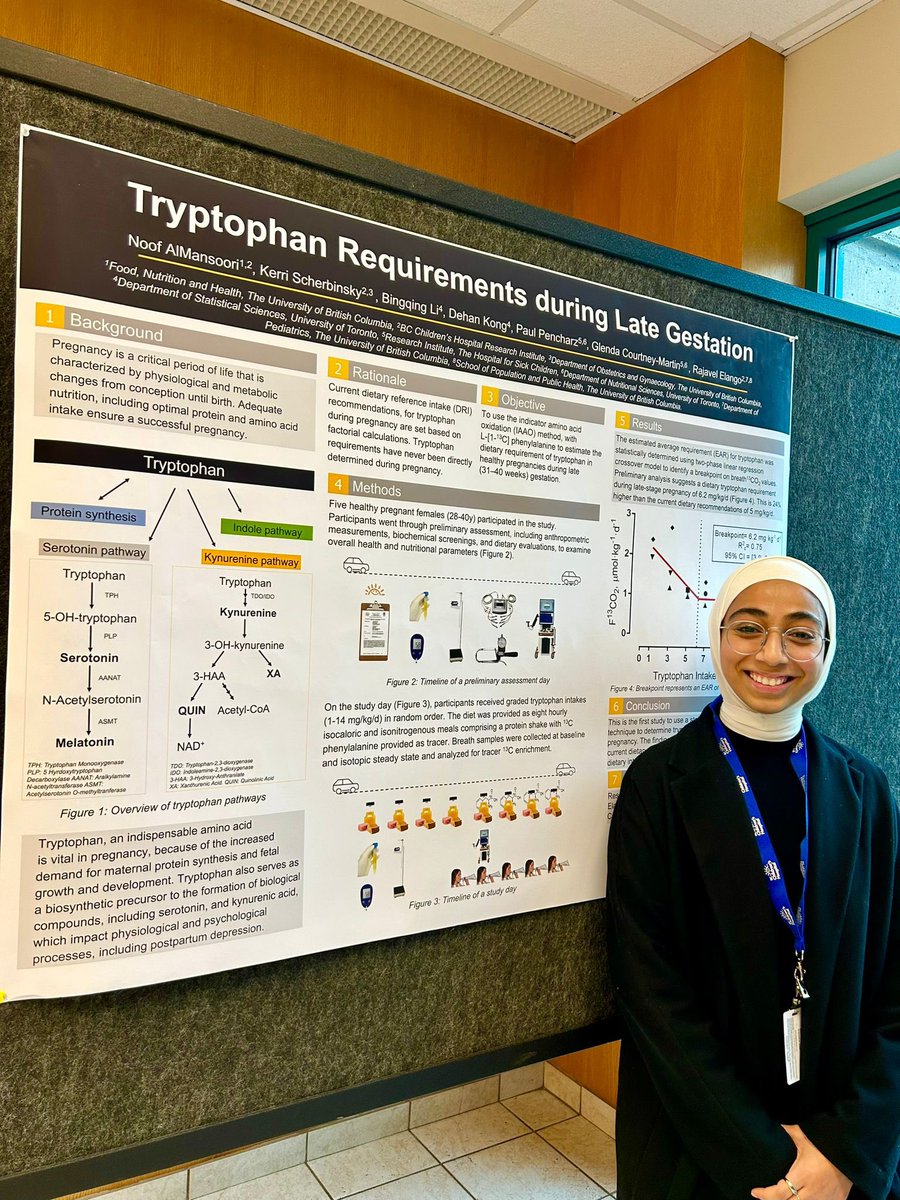
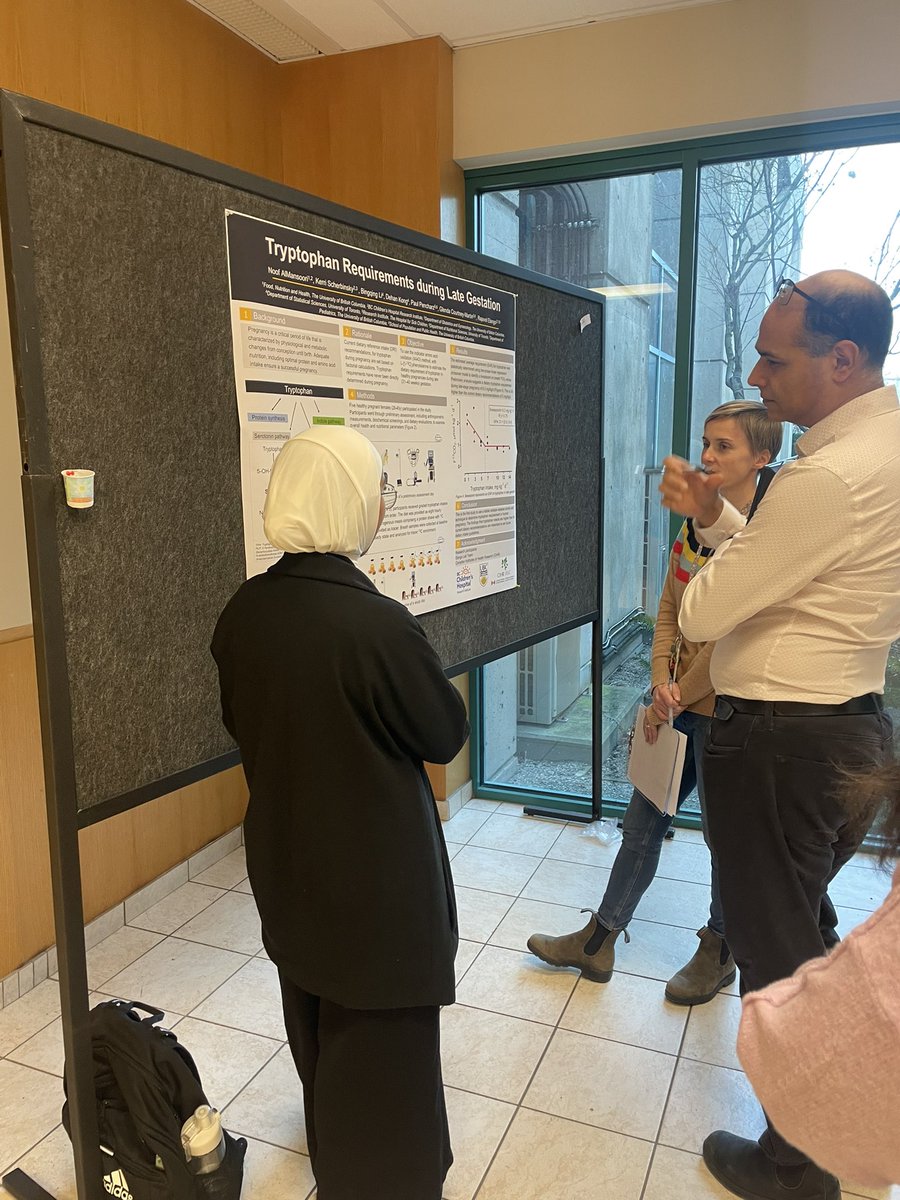
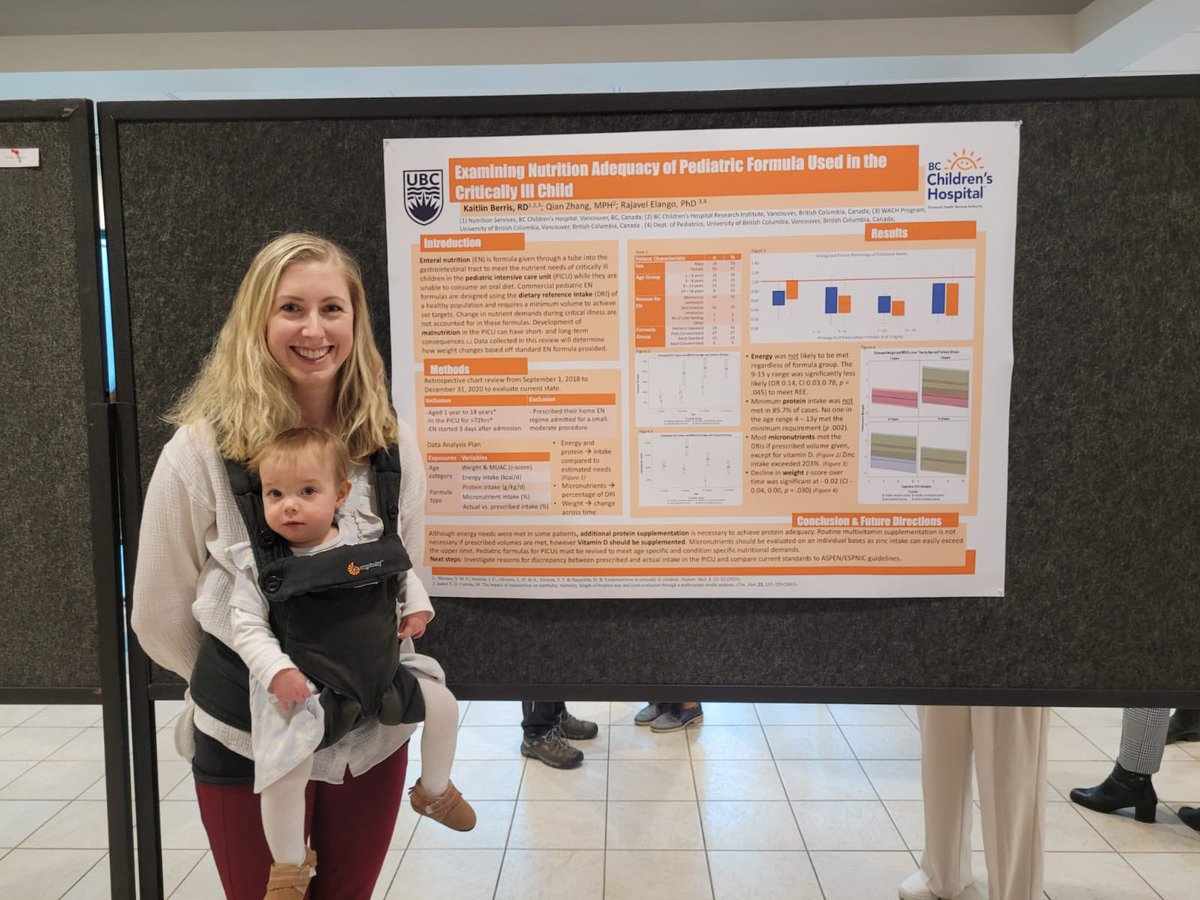
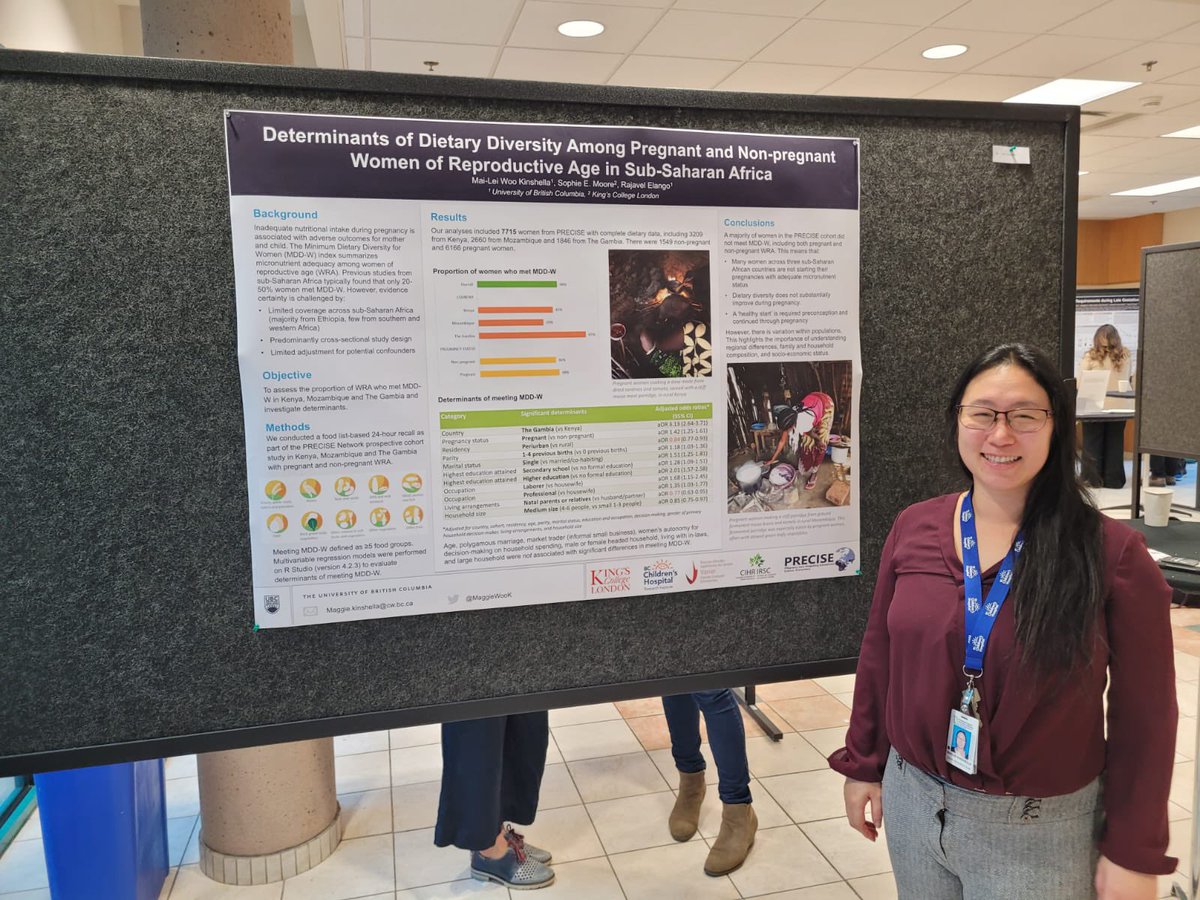
Proud of all the amazing trainees in our lab who presented their work at the @_HealthyStarts Research Day. Congrats to all trainees who presented and all who won their rounds! Try to peep the youngest BCCHR researcher at today’s event 👶🏼 the women in our lab really CAN do it all!
Being in school on a PhD stipend while my friends start families, purchase homes, and/or simply live without worrying about groceries is an experience to say the least.