
Product Management Evangelist at Atlassian 🍱 axel.pm | Taste hunter
Joined October 2007
- Tweets 1,266
- Following 523
- Followers 355
- Likes 1,565
Photos and videos
Axel Sooriah retweeted

Jun 5
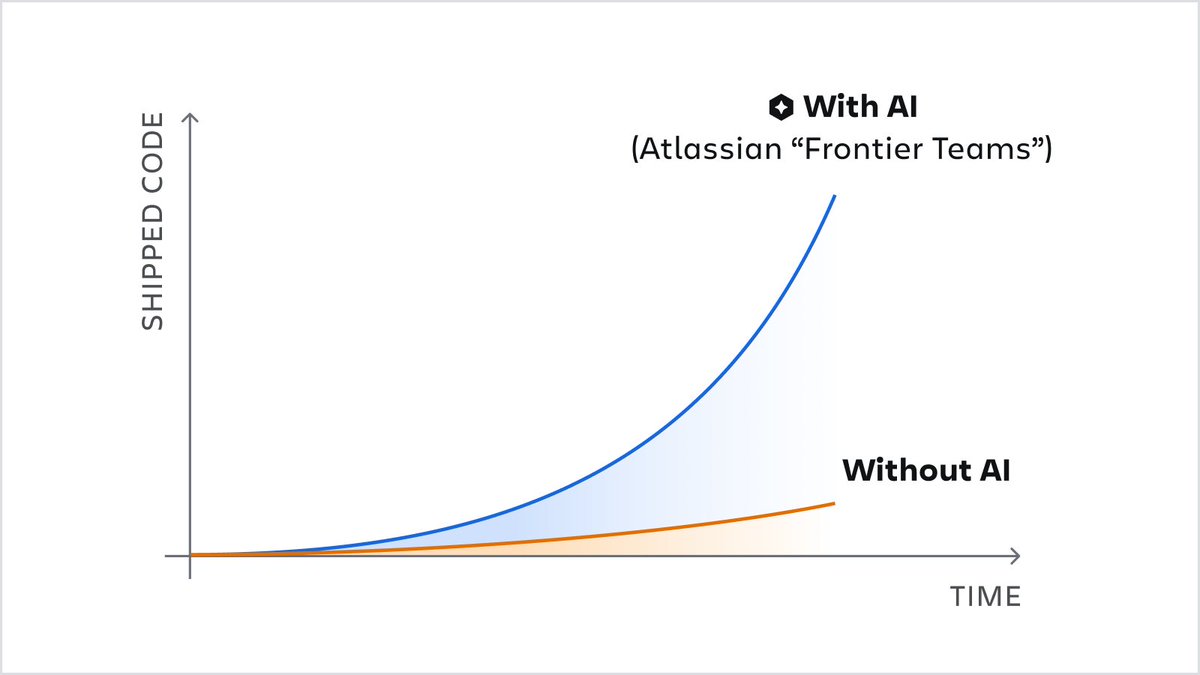
Everyone’s adopted AI but now they’re asking about the ROI. At @Atlassian, we found our fastest AI teams and studied them. They were the teams increasing speed anywhere between 2-15x. We’ve called them our frontier teams and here’s what we learned 🧵
13
12
72
33,127

Apr 1
How can any AI guide be the “definitive” guide right now?
For a few days maybe…
1
19
Mar 19
Every few weeks, there is a new word you use to sound smart in the room.
Right now, that word is "harness."
You've seen it in every AI conversation. Every deep dive.
Every LinkedIn post about the future of AI workflows. It sounds precise. Technical. Like you understand the architecture, not just the tool.
Most people using it don't know what it means.
I didn't know what it meant until very recently.
So let's stop pretending we know what's going on right now and learn together.
Most days I feel like I come from a pre-warp civilisation.
Here's what I (think I) know:
A harness is the complete environment inside which a language model operates:
The tools it can call.
The format in which it receives information.
How its context is managed across long tasks.
The guardrails that catch errors before they cascade.
The scaffolding that lets the model hand off work between sessions without losing coherence.
That's not the same as a prompt, an API wrapper, or a chatbot with memory.
The Princeton NLP group tested this directly.
Same model, same task, same compute.
They changed only the environment — capping search results so the model couldn't flood its own context, adding a linter that rejected bad edits immediately.
64% improvement in performance. From interface design alone.
OpenAI's team built one million lines of code with three engineers.
They didn't find a better model. They built a better harness.
Both teams found the same thing: model choice matters less than most people think. Environment design matters more.
I have wondered why the same prompt using the same model across Claude.ai, Claude Code in terminal and Co-work on desktop produce different results.
Now I know...
So next time you hear someone drop the word in a meeting, ask for more context:
What specifically does the environment contain?
If they can't answer, there's no harness.
Just a prompt and some optimism.
22
Mar 18
Most companies are still figuring out what AI means for how they're organised. Some are already on the other side of that decision.
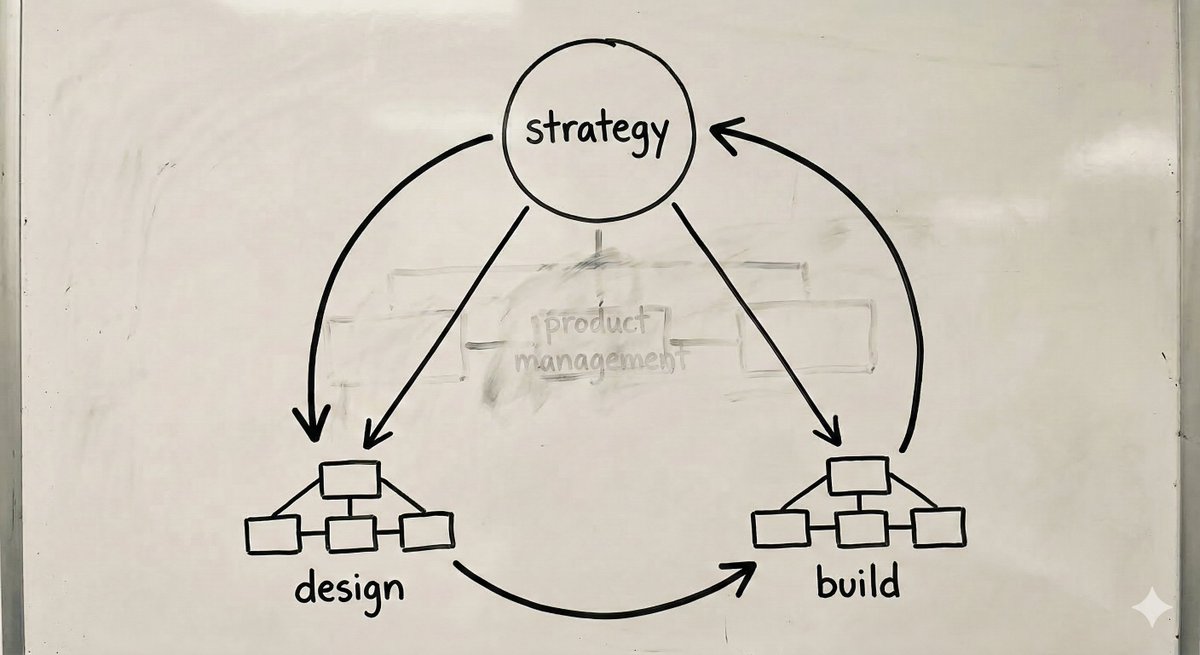
I spoke with someone at a 70-person European software company that eliminated most of their traditional product management roles.
One PM remains — not as a placeholder, but as a strategic bridge between the CEO's commercial priorities and the teams doing the work.
Here's where the classic PM function was dispatched:
- 4 product designers owning discovery and user research, led by the founder of an acquired company
- An automation team actively participating in discovery and growing delivery capabilities — AI, low-code, no-code
- An engineering team, fully autonomous on sprint management
- Company-wide training that distributed product thinking across the tech team, not just a dedicated role
2024 was break-even. 2025: €17M in revenue, €2.5M EBITDA.
I can't tell you whether the restructuring caused that growth or just coincided with it. What I can say is that the two happened in the same year.
The single remaining PM doesn't write specs or groom backlogs. They align with the CEO on commercial priorities, validate roadmap decisions with leadership, and coordinate across teams at kickoffs. On high-complexity projects, they go deeper. On standard ones, they step back.
One thing I keep wondering: was the choice to keep designers and the delivery team, and not others, because those two were already in the habit of making things?
Discovery and delivery both require you to build, test, ship. Maybe the teams that survived were the ones already closest to the work itself.
I'm not sharing this as a blueprint. I'm sharing it because it's happening, and I think it's worth paying attention to.
21
Mar 17
The best AI skill I've seen this week tells you to stop coding.
In 2026. I know.
@garrytan just open-sourced GStack, his personal Claude Code setup that he used to ship 10K lines of code and 100 PRs per week.
That number got the headlines. But the most interesting skill in the pack has nothing to do with writing code.
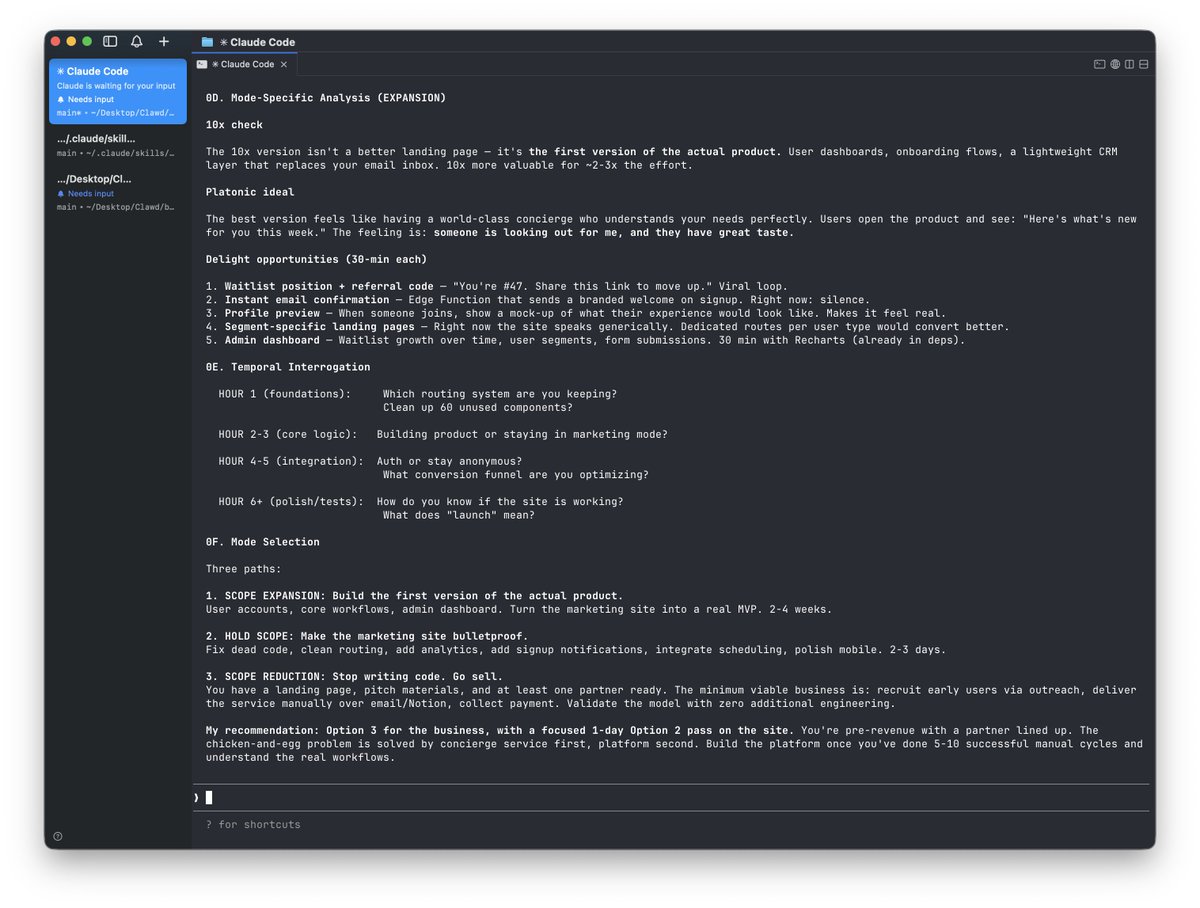
/plan-ceo-review, what he calls "Brian Chesky Mode," blocks you from building anything until you've answered one question:
What's the 10-star product hiding inside this request?
It forces you to pick a lane.
Scope expansion, hold scope, or scope reduction.
Once you choose, it won't let you drift.
It checks your plan for complexity smells, asks what the best engineer in the world would build if they had perfect taste, and finds 30-minute improvements you probably missed.
Then it tells you: do NOT start implementation.
There's an example in the repo where someone asks to build photo upload for sellers. The skill refuses to implement a file picker. Instead it reframes the job entirely. Uploading photos isn't the problem. Helping sellers create listings that actually sell is. The file picker just had its feelings hurt.
And this matters more now than ever.
AI has collapsed the cost of writing code.
Claude Code, Cursor, Lovable will get you from idea to prototype in hours. Which means you can now build the wrong thing faster than ever before. Congratulations.
A few years back, we were building Panash. I wish I'd had something like this. Not to move faster, but to have someone — even a very polite robot — say "are you sure about this?" before we spent three weeks building things that didn't need to exist.
What's interesting about Claude Code skills is that people aren't just encoding instructions. They're encoding structure. Checklists and constraints that force you to think before you commit.
LLMs don't think for you — @ylecun has been saying this for years and he's not wrong. But a well-written skill can stop you from skipping the questions you'd rather avoid.
If you're a founder spending your days writing code, pause.
Go read the /plan-ceo-review system prompt on GitHub.
Not for the code. For how it forces a structured critique of what you're actually building.
The code isn't the bottleneck.
Asking the right questions before you write it is.
Time to build: github.com/garrytan/gstack
2
17
7,561
16 Dec 2020
We're hiring for Product Marketing Manager internship starting Jan. 2021.
If building a B2C mobile-first company from scratch sounds like an exciting adventure and you're bilingual in French/English - look no further 😎
bit.ly/3noJpFL
Axel Sooriah retweeted

12 Nov 2020
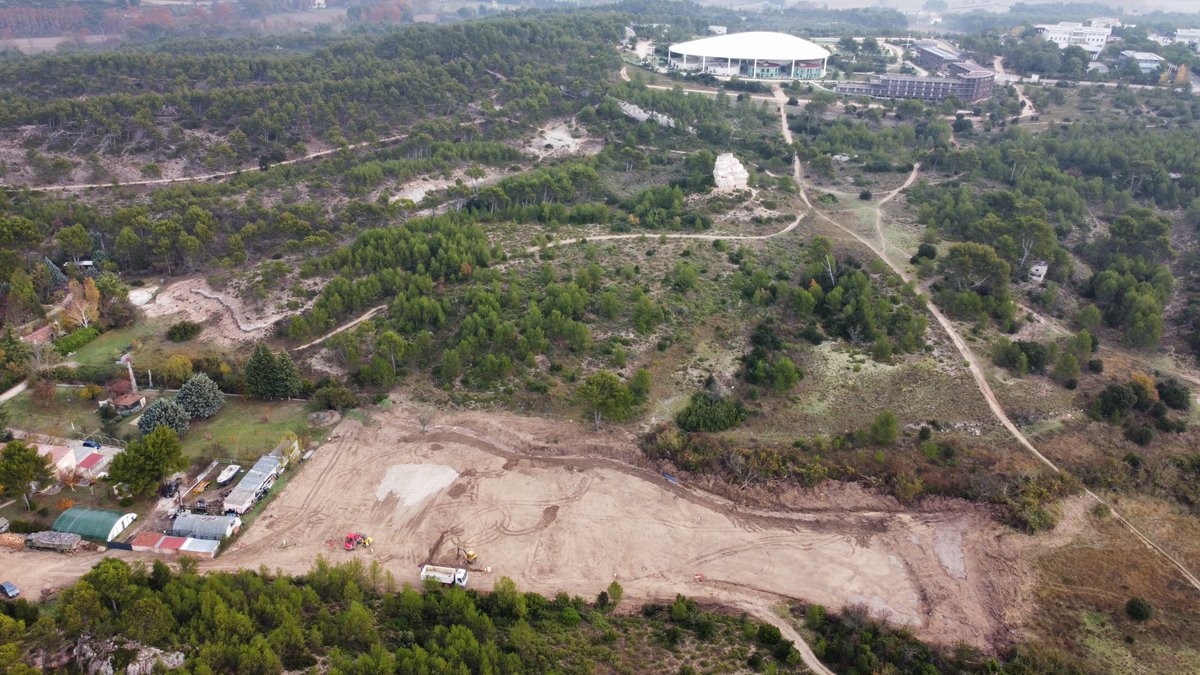
ACTION 💚
Si les pouvoirs publics mettent en oeuvre les mesures de coercition afin d'arrêter ce chantier-massacre avant qu'il ne soit trop tard.
UN RETWEET 🔁 = UN ARBRE 🌲
Je m'engage à assurer la plantation d'au moins 10 000 arbres dans ce terrain détruit et aux alentours.
18
294
171
12 Nov 2020
Looking for your next #marketing #internship in a startup helping companies build digital products ?
Get in touch 👉 linkedin.com/posts/axelsoori…
1
17 Jun 2020
🎙 “ Product Owner, ce n’est pas un vrai métier !” 🤯
Dans le nouvel épisode de Product Squad on parle de product centricity avec Pierre Fournier de @ManoMano_FR.
link.chtbl.com/ps-ep3
5
4
4 Jun 2020
🚨 Nouvel épisode de Product Squad !
J'accueil Lucie Buisson, CPO chez @Contentsquare.
On parle de comment mettre en place et scaler l'organisation produit. 📈
#productmanagement #frenchtech #next40
🎧 link.chtbl.com/_RF6tHiR
2
5
20 May 2020
🚨 3...2...1...Top départ! 🚀
Mon podcast sur le #productmanagement est enfin là.
Tu peux retrouver toutes les infos sur la newsletter.
mailchi.mp/78aa994330a7/prod…
2
1
12
14 May 2020
🚨 Tu veux accélérer ta carrière de Product Manager ?
Tu veux mieux comprendre ce qu’est la “culture produit” dans une entreprise ?
Tu te demandes comment tu peux devenir PM?
Look no further…
👉 Inscris toi sur productsquad.fr
#productmanagement #FrenchTech #startups
1
2
16 Aug 2019
26 Jun 2019
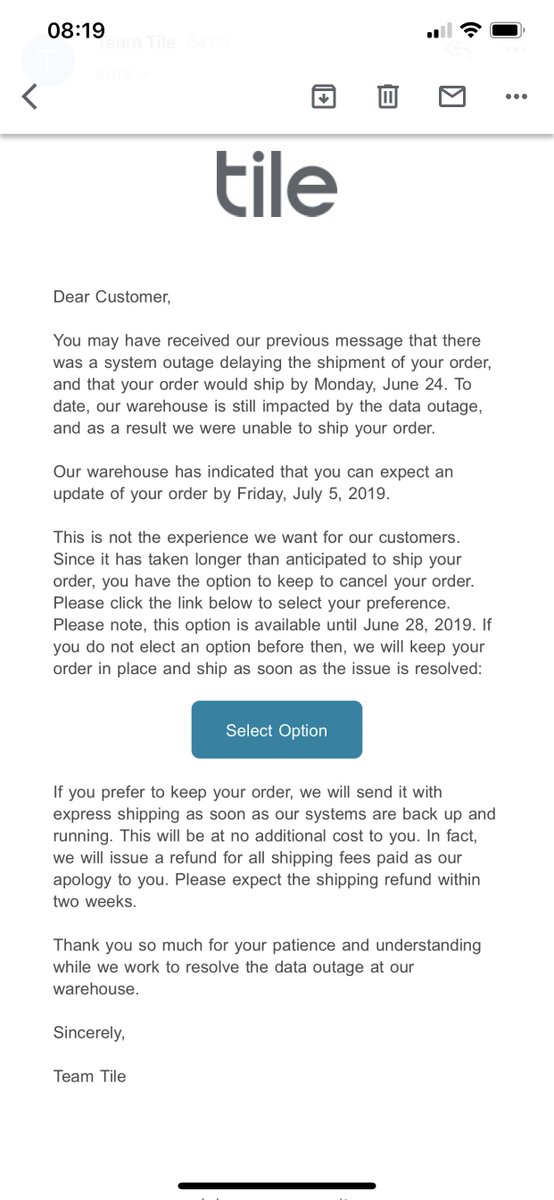
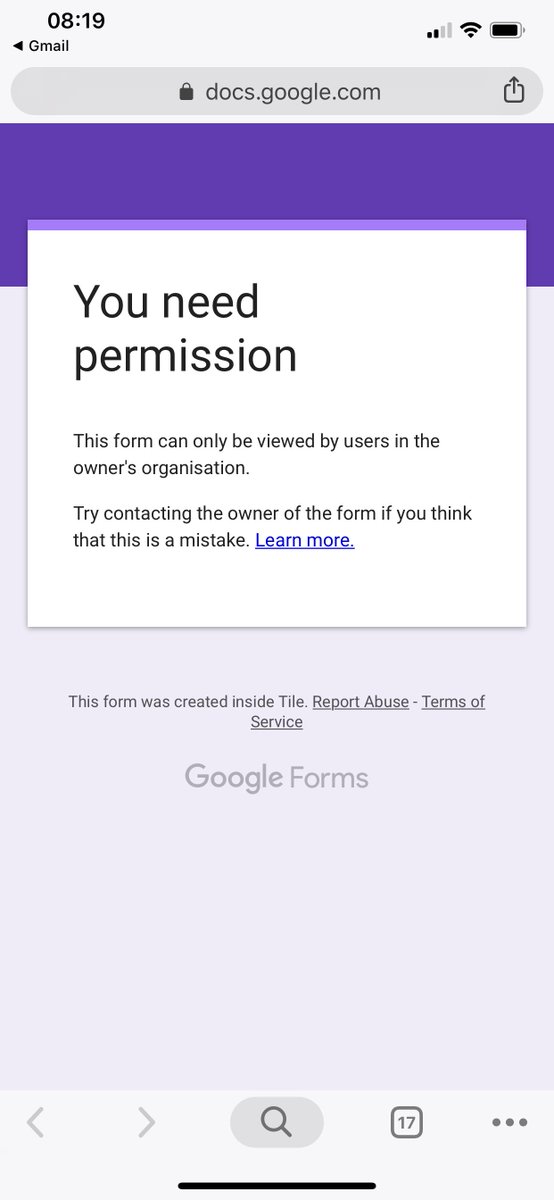
@TilerSupport (1/2) Really disappointed in how you're dealing with this data outage issue at your warehouses. Never heard of such a long lasting data outage.
The URL for shipping estimate is down, your website announces technical issues and the totally useless email you sent...
2
26 Jun 2019
(2/2) ... which is supposed to provide an option as to whether cancel an order or keep waiting for it, does not even work. You should be providing a solution, not ridiculous options that don't even work.
It really feels like you're stalling and that there's a bigger issue here.
27 Mar 2019
A way to deal with ambiguity as a product manager and have the right conversations with management. #productmanagement link.medium.com/3ZiqEXcWoV
27 Dec 2018
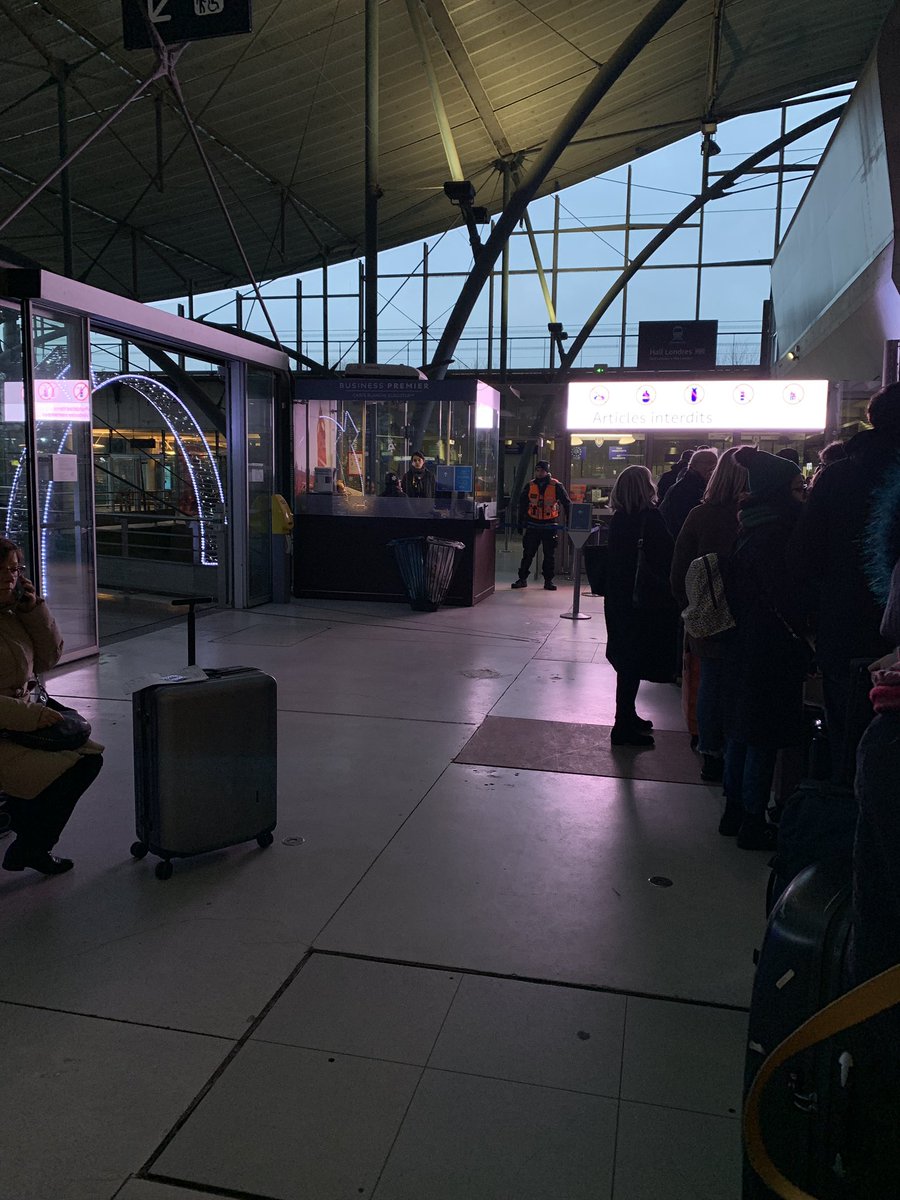
Very sad to experience such a dreadful level of service from @Eurostar at Lille Europe today. 21 seats to be shared with all other passengers in the same hall in 2deg cold. For the price we pay, this makes no sense whatsoever and reflects very badly on your brand image.#darktimes

1
3 Oct 2018
@British_Airways BA458 at gate C57 for 4hours now. Passengers are quite frustrated. Hopefully @Iberia_en @Iberia will be prepared to meet expectations at landing in Madrid.
4
1
26 Nov 2018
Currently sitting at LHR gate in BA460 to Madrid where technical challenges have just been announced. It’s like a bad joke. What’s up with @British_Airways engineering? Are there particular issues with aircrafts on this route? cc @UK_CAA
1
26 Nov 2018
54 days after my initial claim made to @British_Airways through @Iberia_en for a 4h flight delay, not heard back from BA even though a customer case was created and I was notified someone would reach out. @UK_CAA is this normal?
2
1
3