
Joined December 2020
- Tweets 599
- Following 1,730
- Followers 2,218
- Likes 21,219
168 Photos and videos
Pinned Tweet

8 Nov 2022
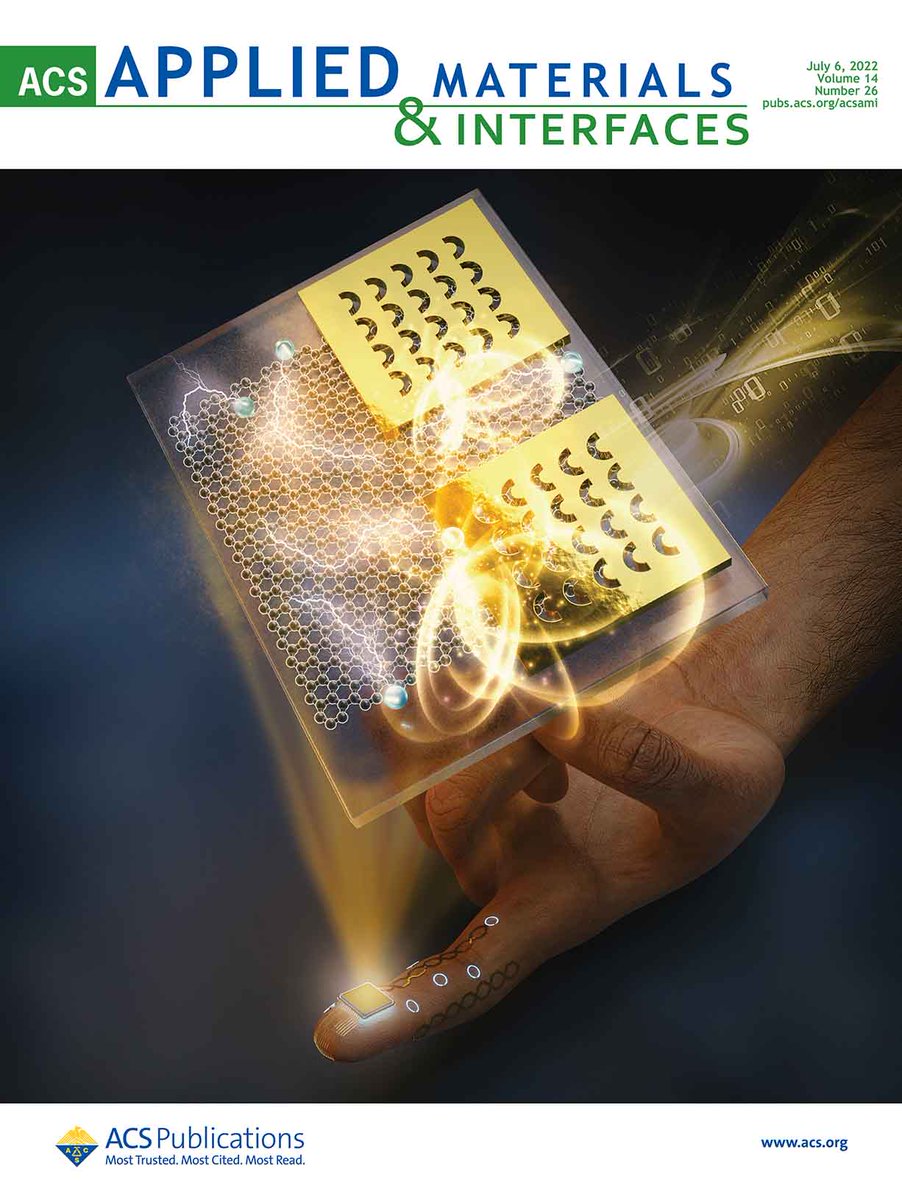
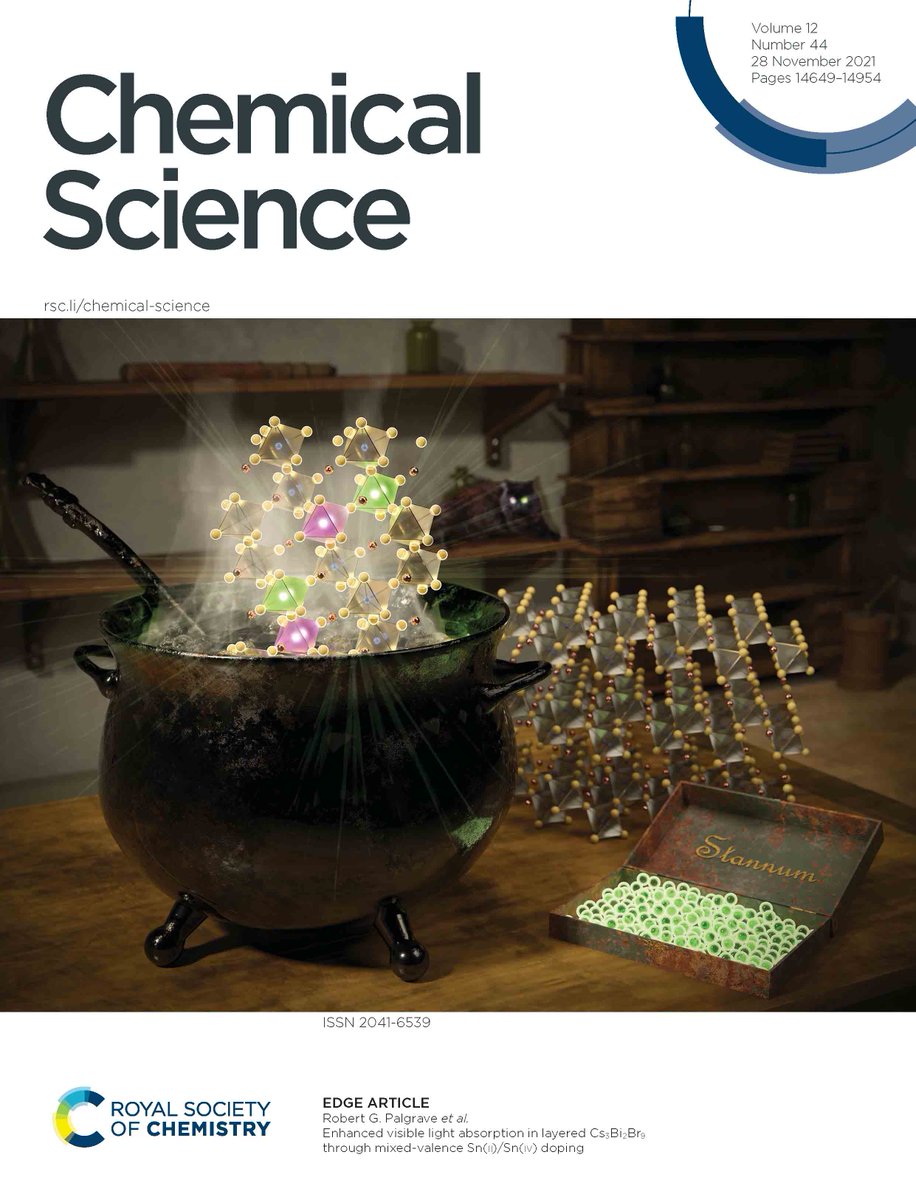
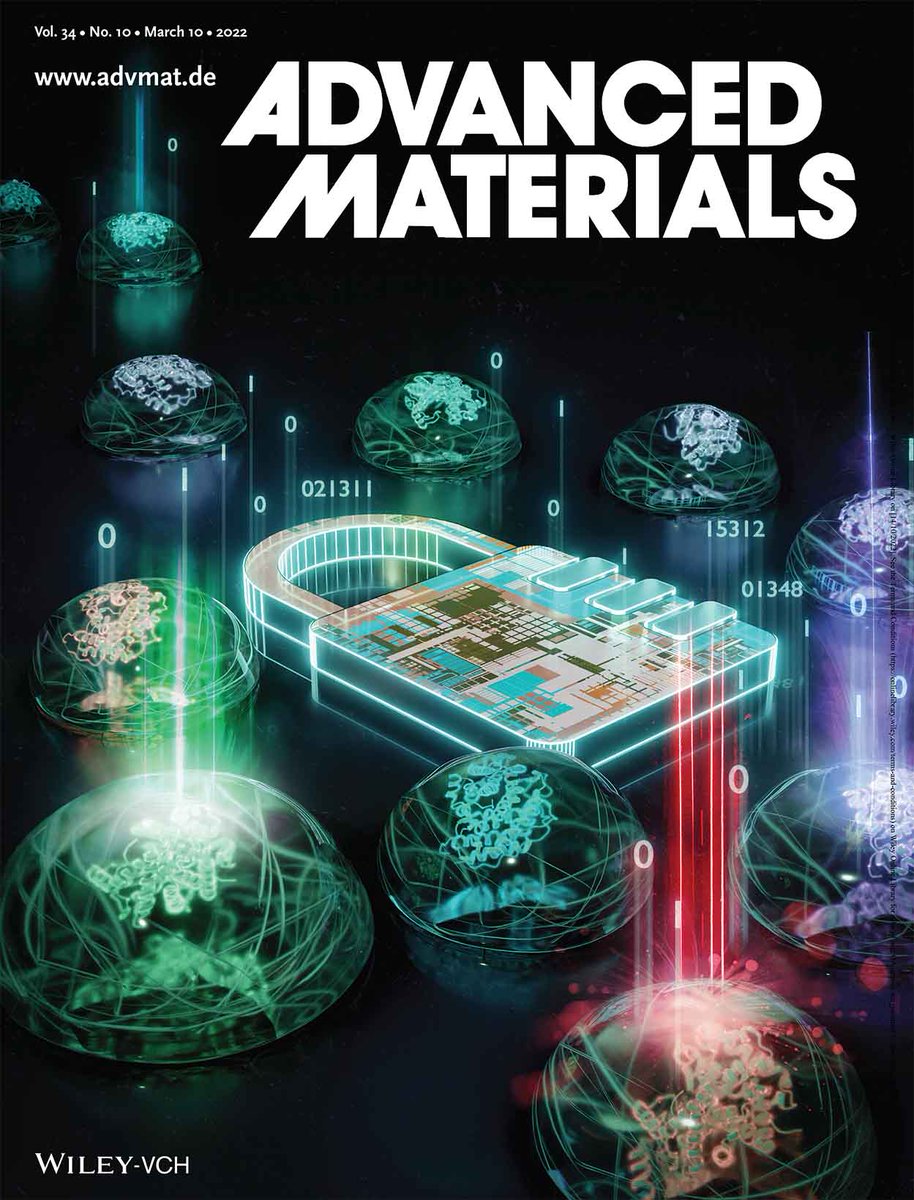
Seizing the opportunity for a re-introduction #artistsontwitter! I am graphics designer that strives to translate scientific concepts into attractive and striking visuals. More of my work here: sciencebrush.design/
10
14
107

🧬 New paper out in @Nature! We used CRISPR to selectively kill cancer cells based on a single-letter mutation in their RNA. The story I want to highlight: KRAS — one of the most notorious drivers of human cancer. A short thread on what we found 🧵
16
99
520
99,979
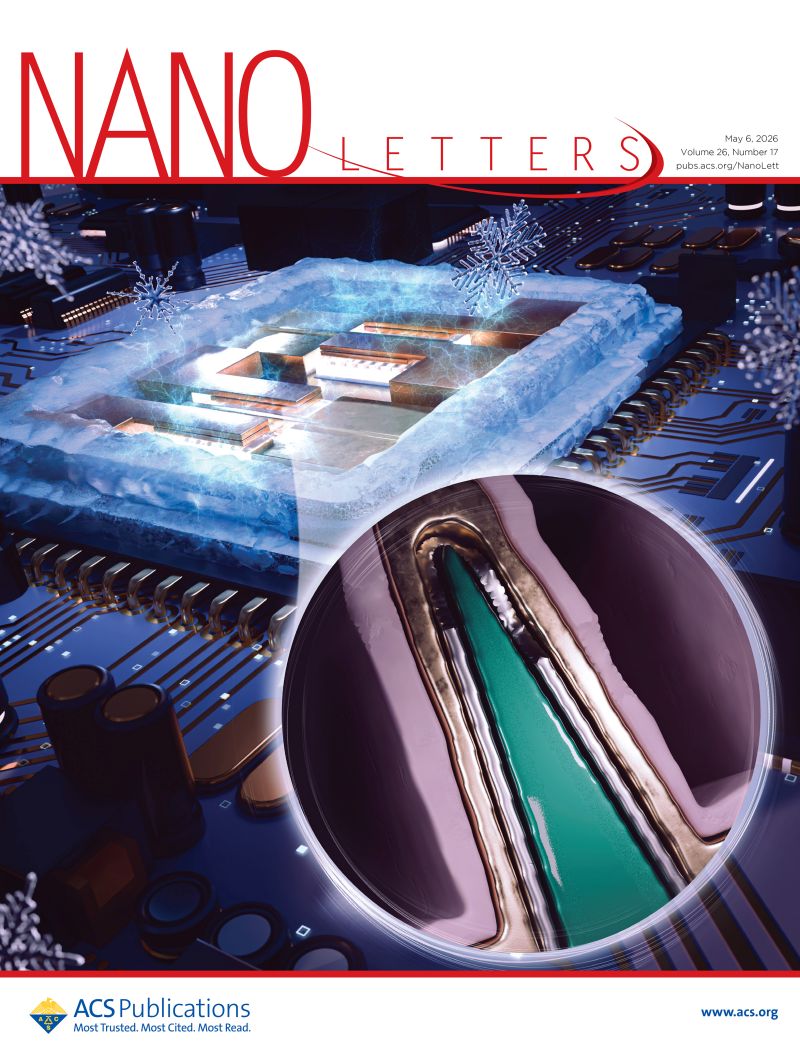
Our latest cover art in Nano Letters!
The question that Prof. Xiaohang Li and his team from KAUST tried to answer is whether ultrawide bandgap semiconducts can operate at deep cryogenic temperature; the answer was yes!
In their paper the team reports the first cryogenic Ga2O3 transistor operating at 2K!
Applications range from space exploration and extreme environments to superconducting systems and quantum computers.
More of our latest art at sciencebrush.design
2
188
ScienceBrush Design retweeted

3 Nov 2025
Amazing to see our work featured on the cover of @EMBO Molecular Systems Biology! Through integrated scRNA and scATAC we uncover not only cell type but vascular site specific enhancers that reflect developmental memory and regulate key drivers of disease risk. @StanfordDeptMed

11 Sep 2025

Thrilled to share our work revealing the epigenomic landscape of single vascular cells. We discover that enhancers are not only cell type but vascular site specific and regulate the genetic drivers of disease risk. Let's dive in! 🧬👇 #epigenetics
embopress.org/doi/full/10.10…
3
13
1,122
ScienceBrush Design retweeted
15 Oct 2025
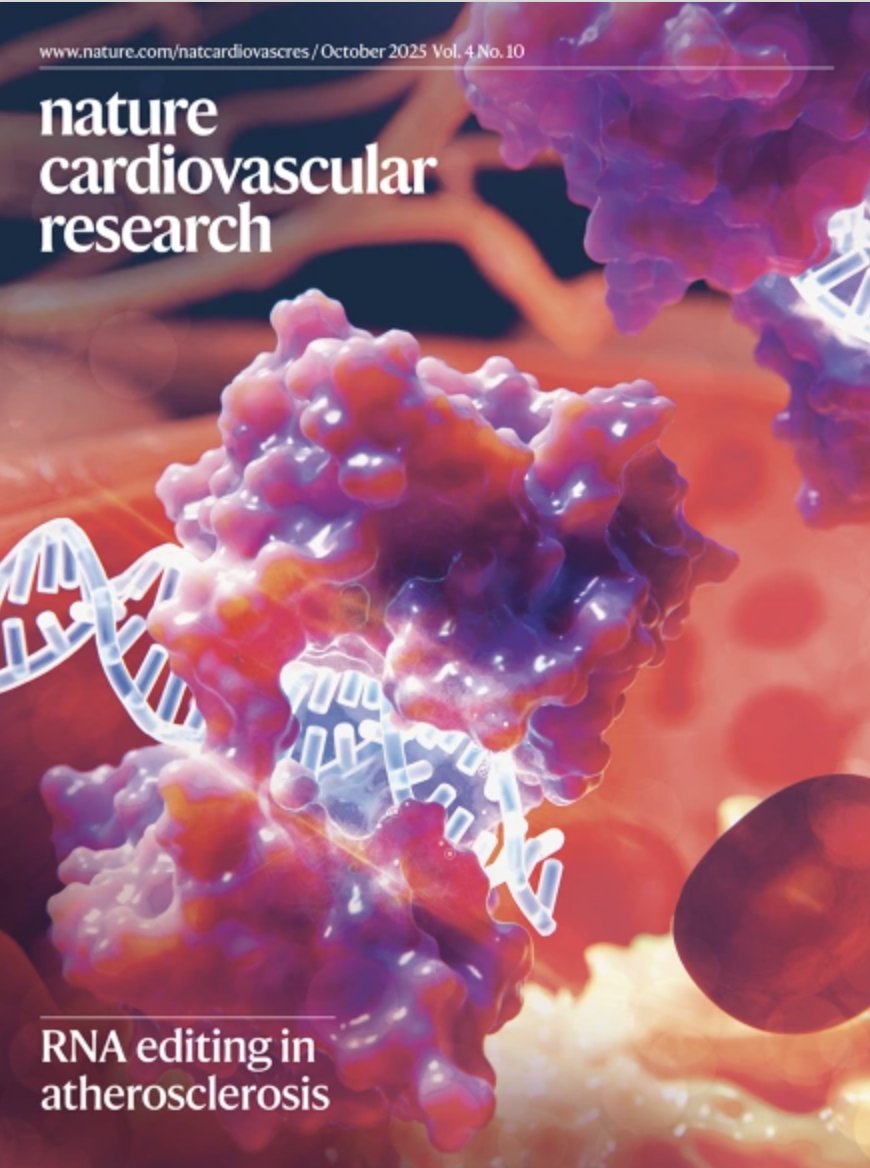
Pumped that our work is now featured on the cover of @NatureCVR!! This artwork represents ADAR1 RNA editing within the vascular wall, controlling dsRNA sensing. @StanfordDeptMed @StanfordMed
nature.com/articles/s44161-0…
Great experience working with @sciencebrush for artwork.
2
3
23
2,246
ScienceBrush Design retweeted

30 Aug 2025
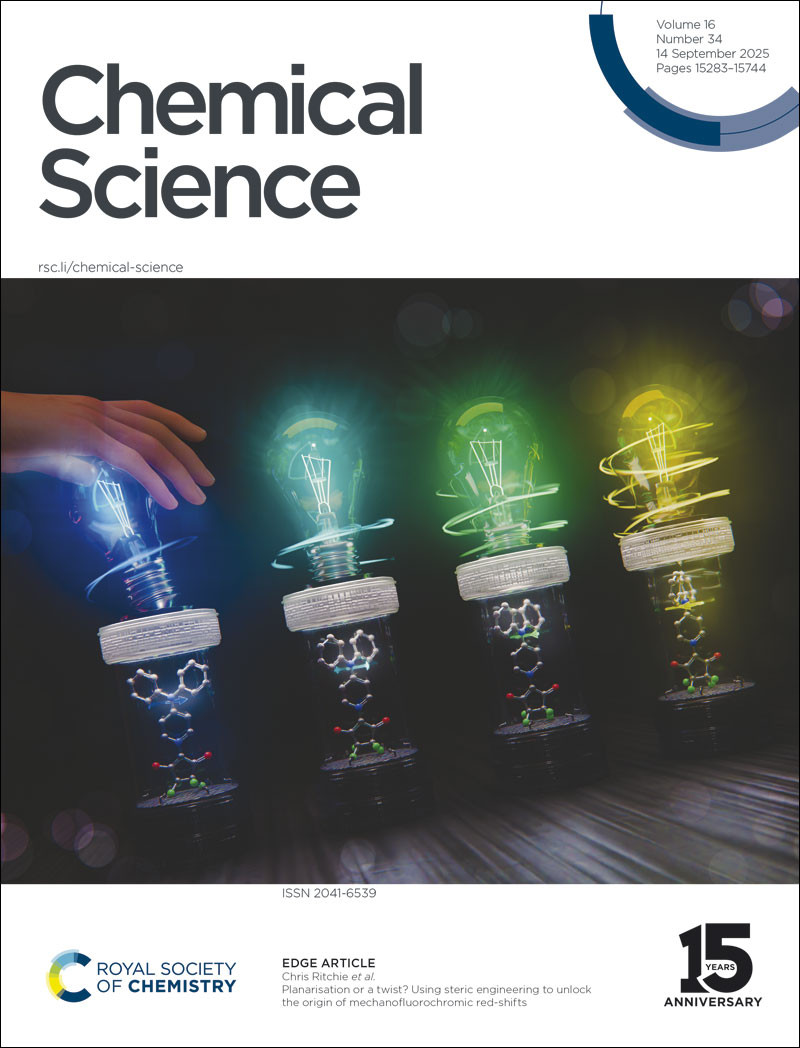
Happy to share our new article in @ChemicalScience
If you are interested in twisted molecules take a look. Thanks to @sciencebrush for the art
doi.org/10.1039/D5SC04257G
4
4
40
2,217
ScienceBrush Design retweeted

26 Aug 2025
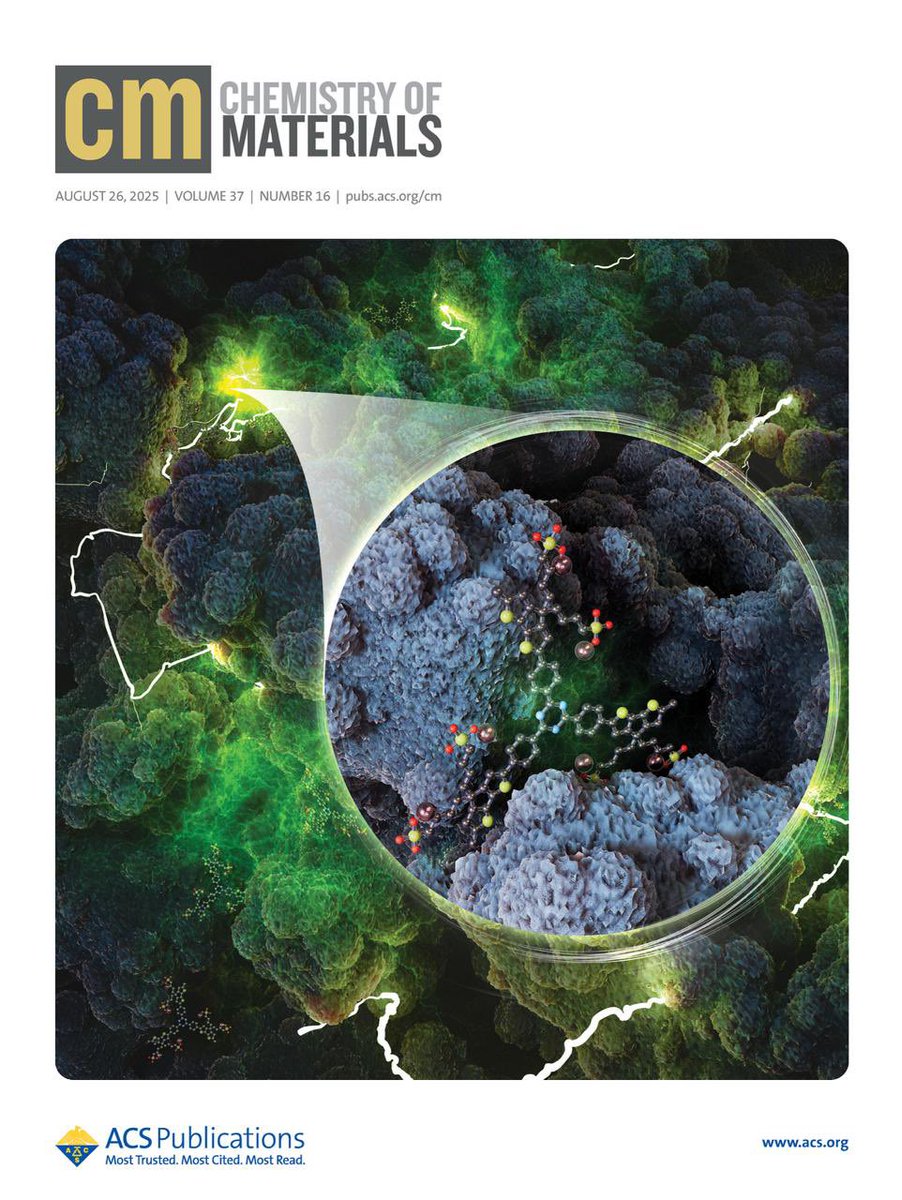
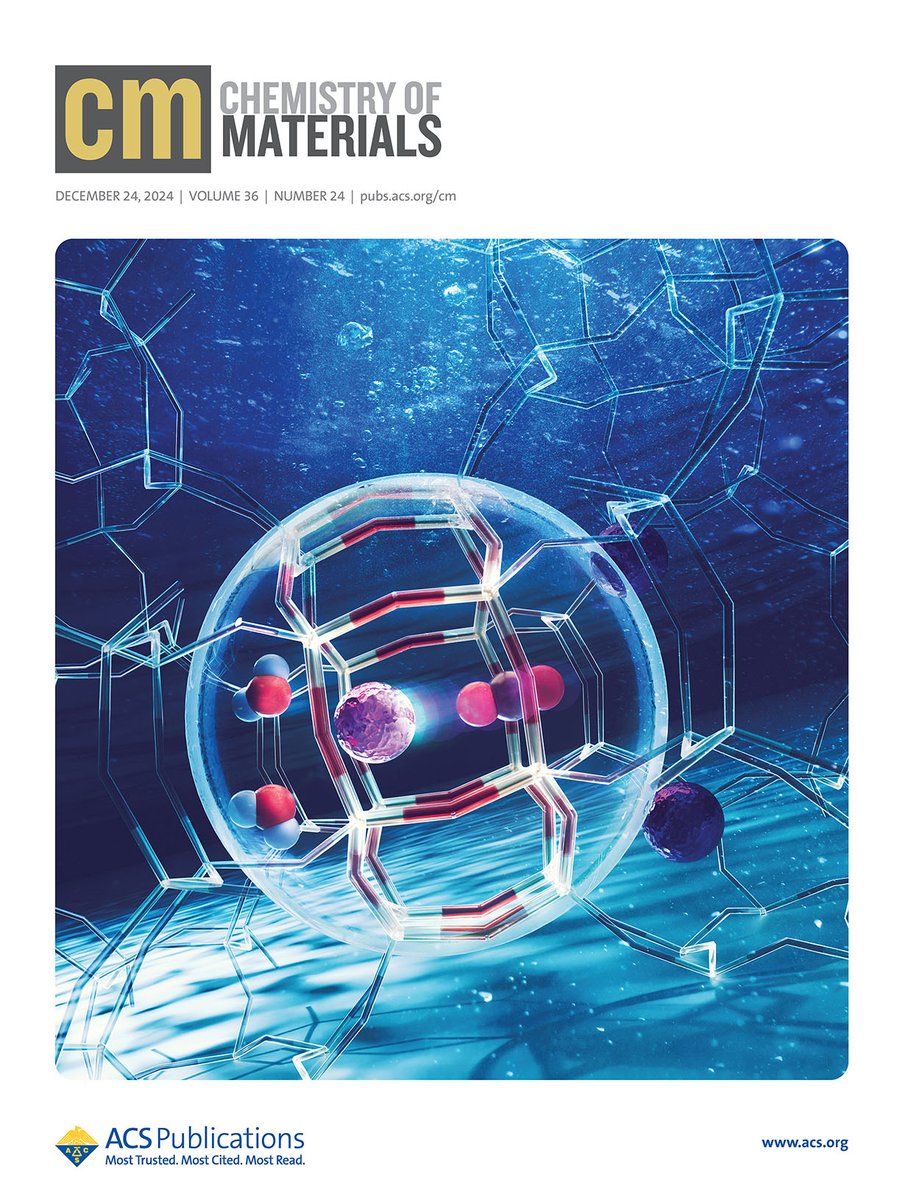
Happy to share that the Supplementary Cover Art for our manuscript on Porous and Self-Doped Conjugated Polyelectrolytes (10.1021/acs.chemmater.5c01255) is now published in Chemistry of Materials. Thanks to the @sciencebrush team for the 🔥design!
8 Aug 2025

It is possible to develop open-shell, self-doped, and porous conjugated polyelectrolytes (2D CPEs) by combining the self-doping CPDTSO₃K₂ moiety with archetypal 2D subunits, namely triphenylamine and triphenyltriazine. Out in @ChemMater 🔥
🔗 : doi.org/10.1021/acs.chemmate…
1
2
19
1,016
ScienceBrush Design retweeted

30 Jul 2025
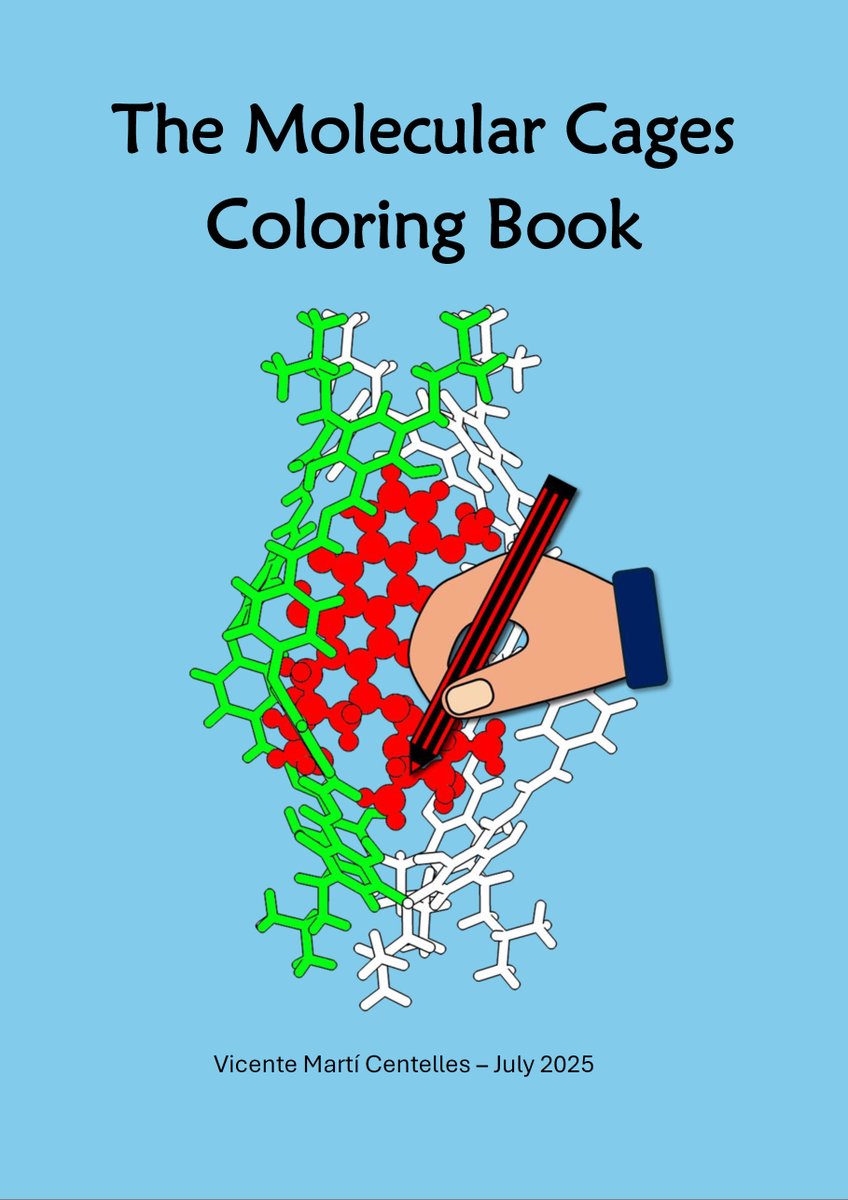
☀️ Get creative this summer! 🎨 Dive into the fascinating world of science with The Molecular Cages Coloring Book (1st Ed. 2025). Perfect for all ages!
Grab your FREE copy here:
➡️ vmarti.es/The_Molecular_Cage…
Share your masterpieces: #MolecularCages #TheMolecularCagesColoringBook
3
27
111
6,590
9 Jul 2025
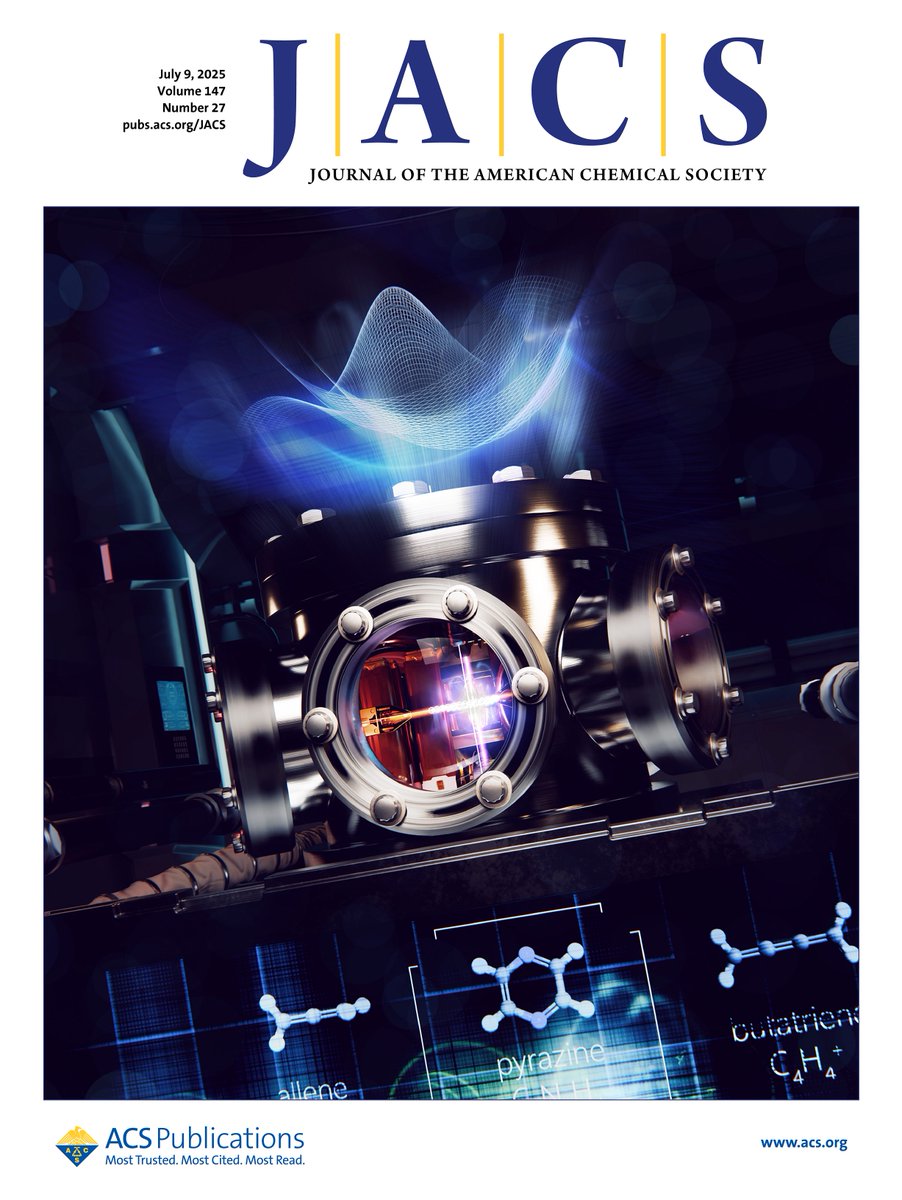
Cover art proudly created by ScienceBrush Design!
sciencebrush.design/
9 Jul 2025

And now our work on simulating chemical dynamics on trapped-ion quantum computers is on the front cover of @J_A_C_S!
2
17
547
3 Jul 2025
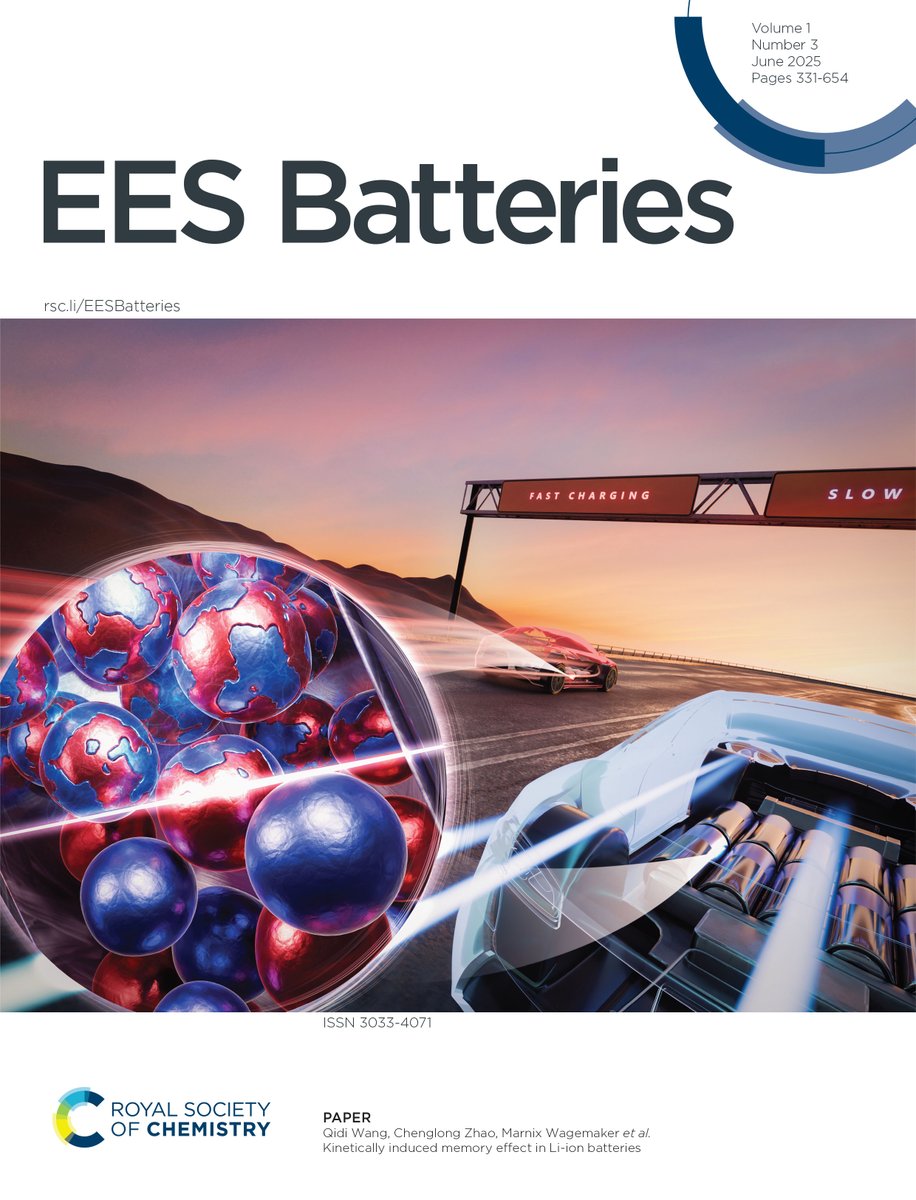
🔋 Did you know some Li-ion battery materials have a memory?
A fascinating new study shows that certain phase-separating electrodes like the ones made from LFP, LTO, and NVP can "remember" their charging history, displaying a rate-dependent memory effect under fast-charging conditions.
Using operando X-ray diffraction and advanced modelling, the research reveals how particle-level kinetics shape large-scale electrode behavior. These insights could reshape how we think about battery management systems, especially for fast-charging applications.
The cover artwork for this study was proudly made by ScienceBrush Design (sciencebrush.design/), where we bring complex scientific ideas to life through visual storytelling.
📖 Kinetically induced memory effect in Li-ion batteries
pubs.rsc.org/en/content/arti…
3
15
572
6 Jun 2025
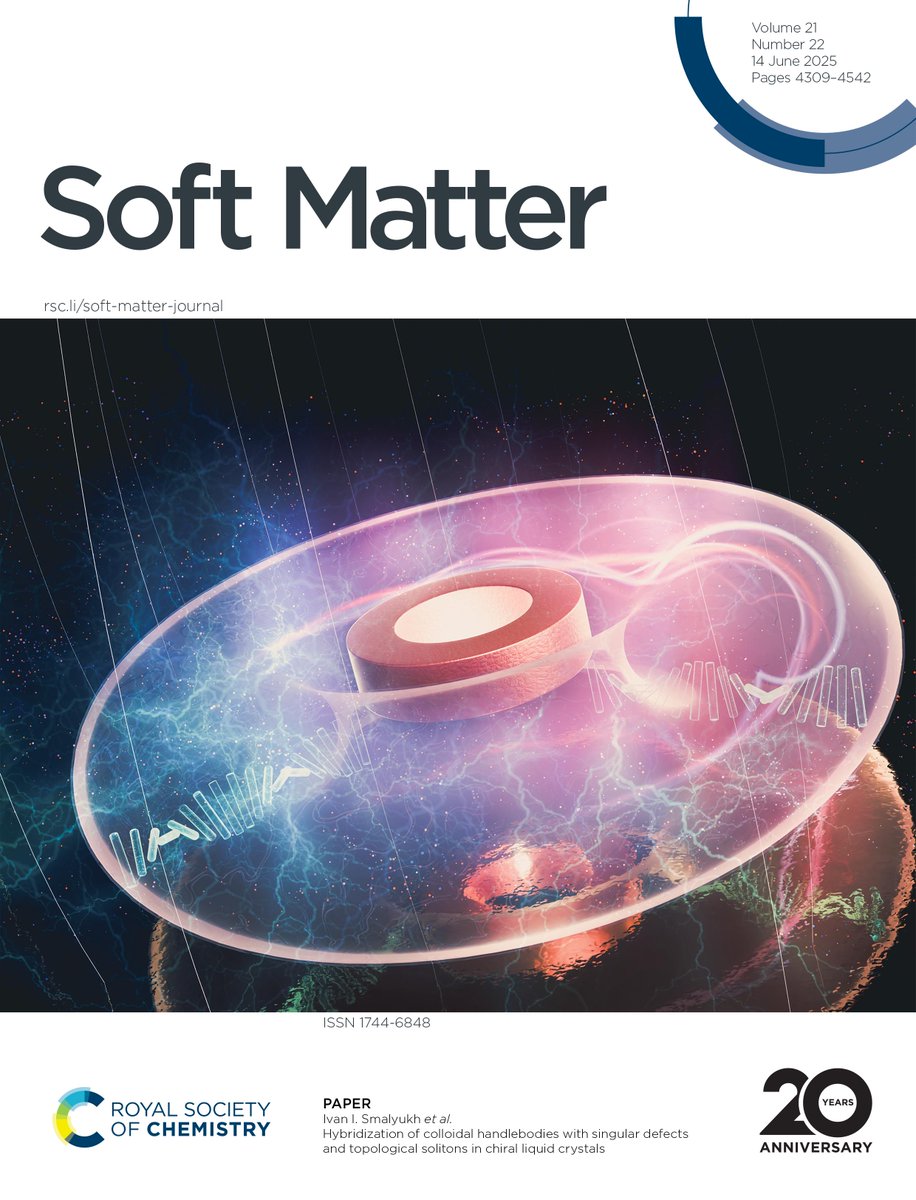
Hybridization of colloidal handlebodies with singular defects and topological solitons in chiral liquid crystals.
On the front page of Soft Matter! My recent design for the work carried out by Dr Jun-Yong Lee, Prof. Ivan I. Smalyukh and colleagues, from the International Institute for Sustainability with Knotted Chiral Meta Matter @SKCM2_HU!
1
1
14
484
ScienceBrush Design retweeted

2 Jun 2025
Using a record-breaking solid-state laser to achieve pressures over one million atmospheres and temperatures around 7000K, researchers have successfully characterised liquid carbon in the lab for the first time.
chemistryworld.com/news/liqu…
5
28
2,669
ScienceBrush Design retweeted

28 May 2025
The Wentz lab is hiring a Postdoctoral Fellow! Applicants excited about joining a brand new research group and interested in the synthesis of new functional main-group based heterocyles and polymers can apply at the link below. Please share! indiana.peopleadmin.com/post…
3
60
196
25,033
ScienceBrush Design retweeted

28 May 2025
PhD/Postdoc position in my group is open now 🚀
Are you interested in catalysis within MOFs/COFs? Want a brand-new environment? Apply or ask me anything by June 27, 2025!
Repost appreciated 🤝
ipoc.uni-stuttgart.de/pcmc/p…
8
71
275
46,780
20 May 2025
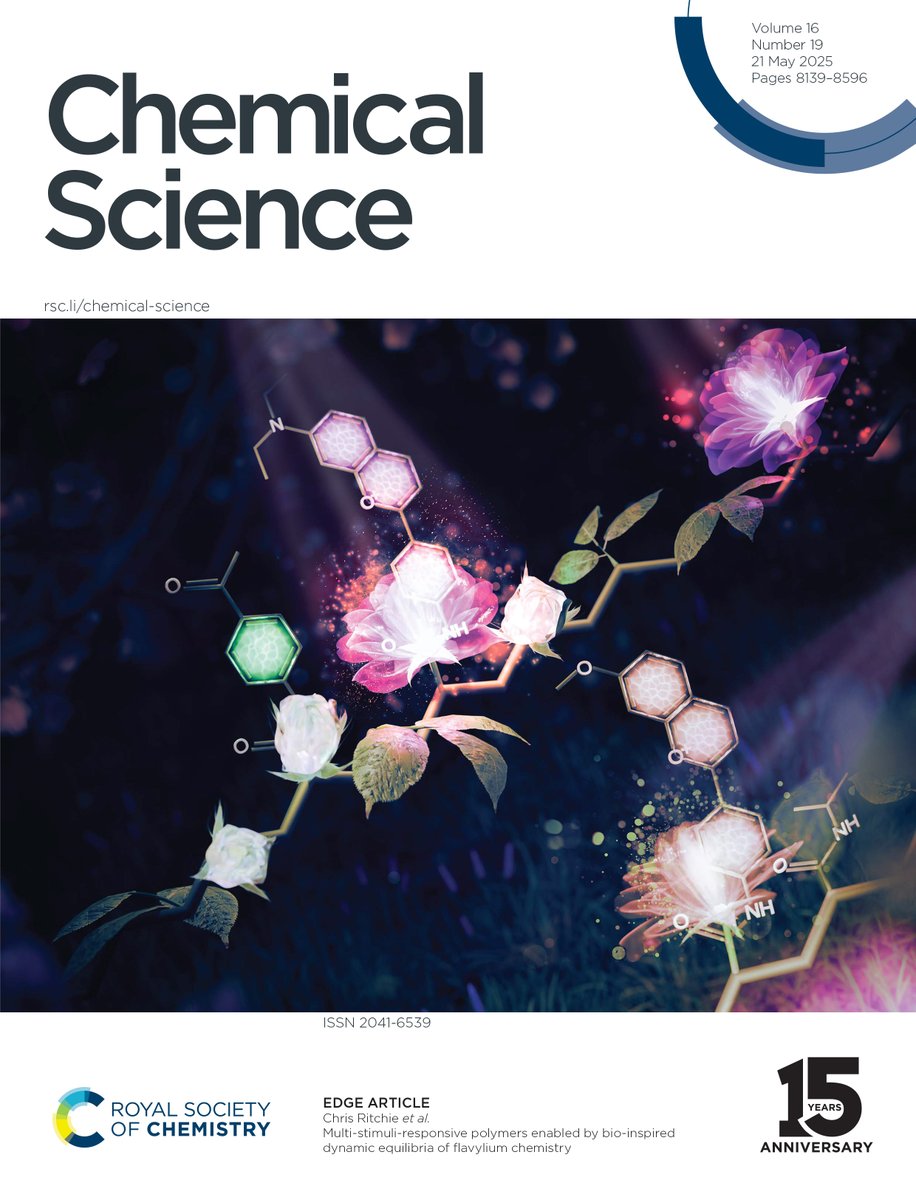
My design as the inside cover of @ChemicalScience!
Research led by Prof. Chris Ritchie from @Monash_Science and his team on “Multi-stimuli-responsive polymers enabled by bio-inspired dynamic equilibria of flavylium chemistry”.
2
19
561
ScienceBrush Design retweeted

15 May 2025
Out today in @J_A_C_S: We carry out the first simulation of chemical dynamics on a quantum computer!
Check out the @Sydney_Uni press release:
sydney.edu.au/news-opinion/n…
3
11
56
9,159
13 May 2025
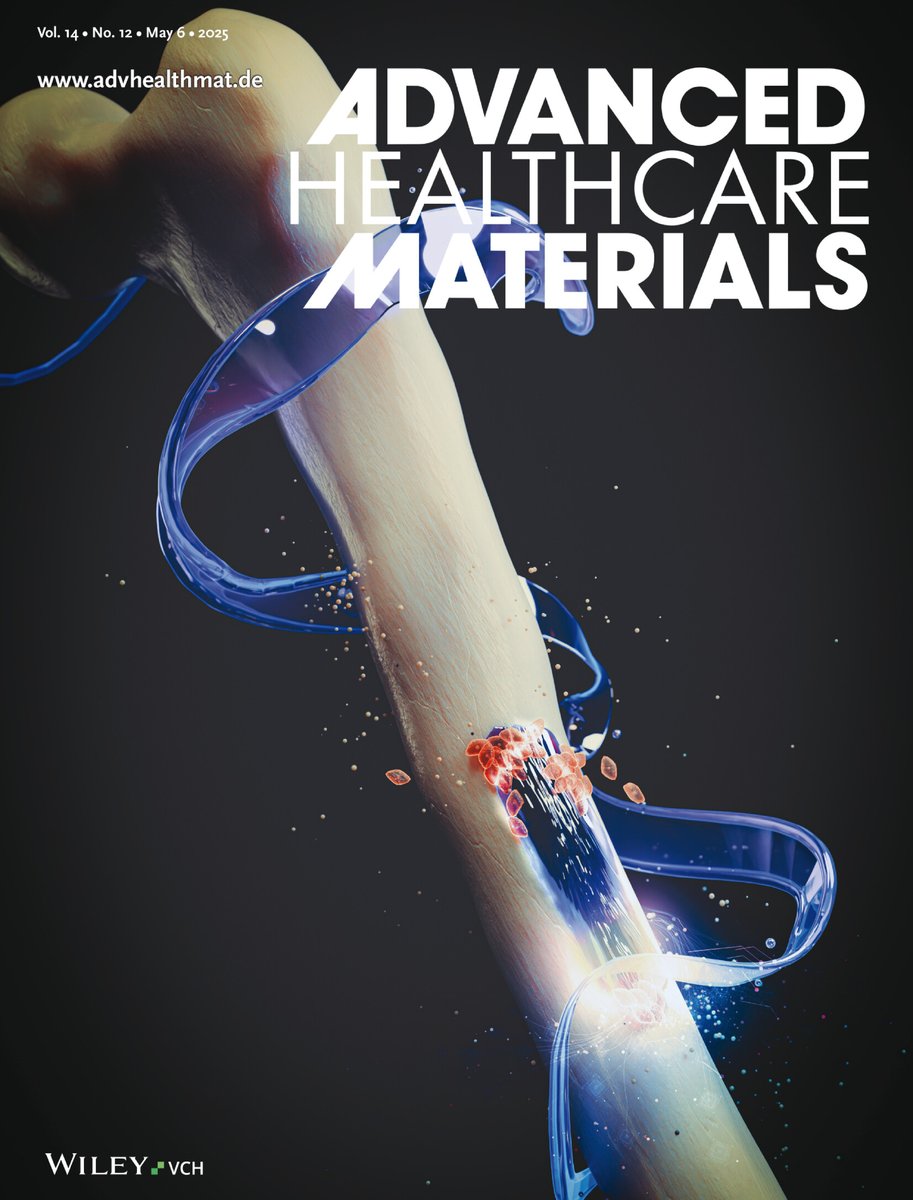
Our recent cover designs for (different) teams from the University of Sydney, UNSW and Tetratherix Technology from Sydney.
More can be found here:
advanced.onlinelibrary.wiley…
And
advanced.onlinelibrary.wiley…
14
544
9 May 2025
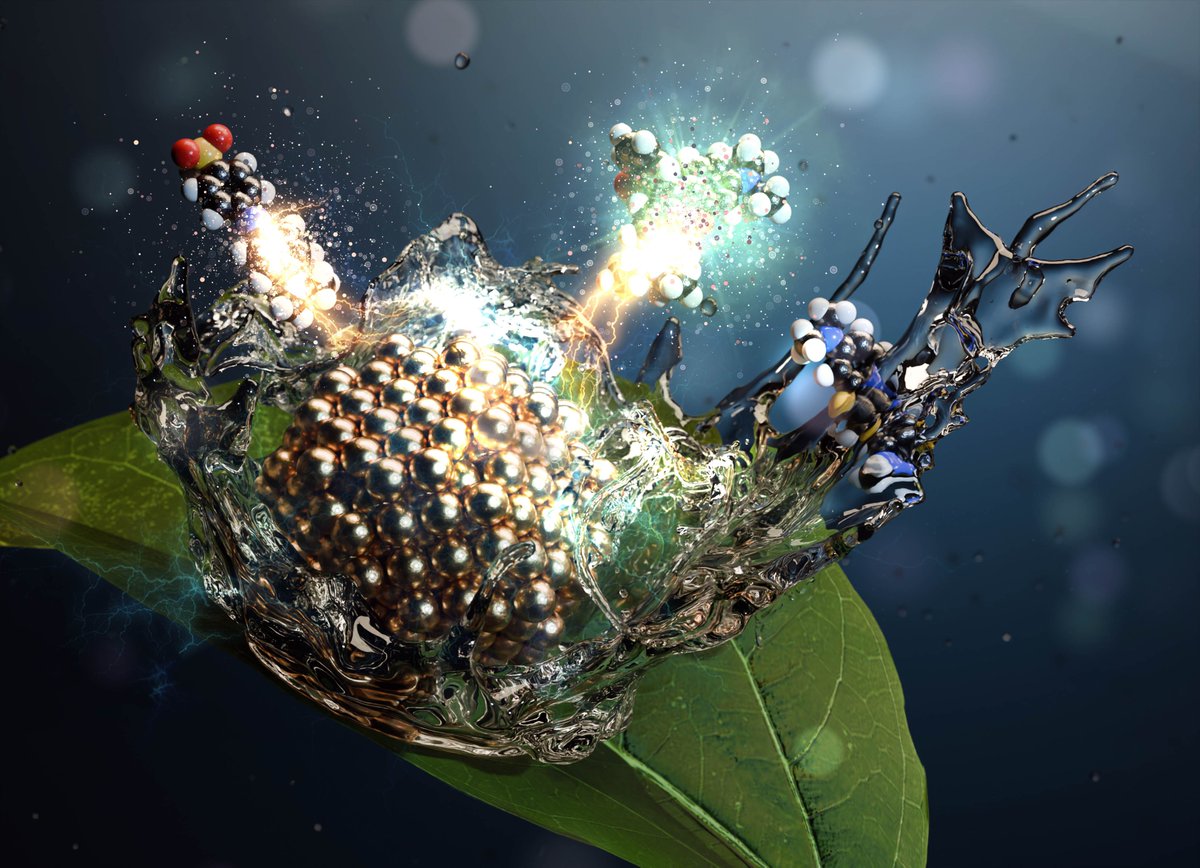
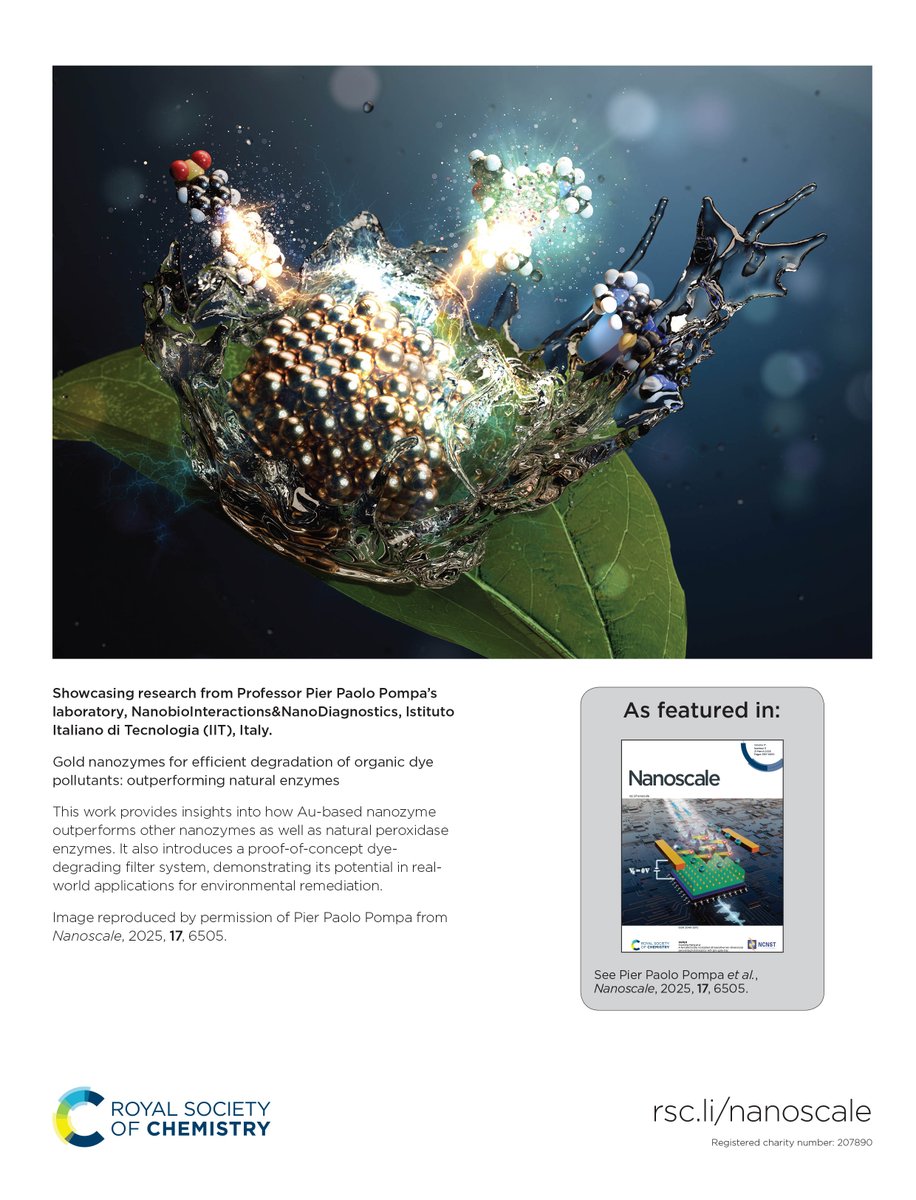
On the back cover of Nanoscale: our recent design on the use of gold nanoenzymes for the efficient degradation of organic dye pollutants.
#SciArt
1
19
524
ScienceBrush Design retweeted

30 Apr 2025
Today at @RowanSci, we're releasing Egret-1, a family of open-source neural network potentials.
On lots of benchmarks, the Egret-1 models match or exceed the accuracy of quantum chemistry for organic & biomolecular simulation.
Here's me and @manntis4 with a brief video intro:
12
42
200
25,373
ScienceBrush Design retweeted

23 Apr 2025
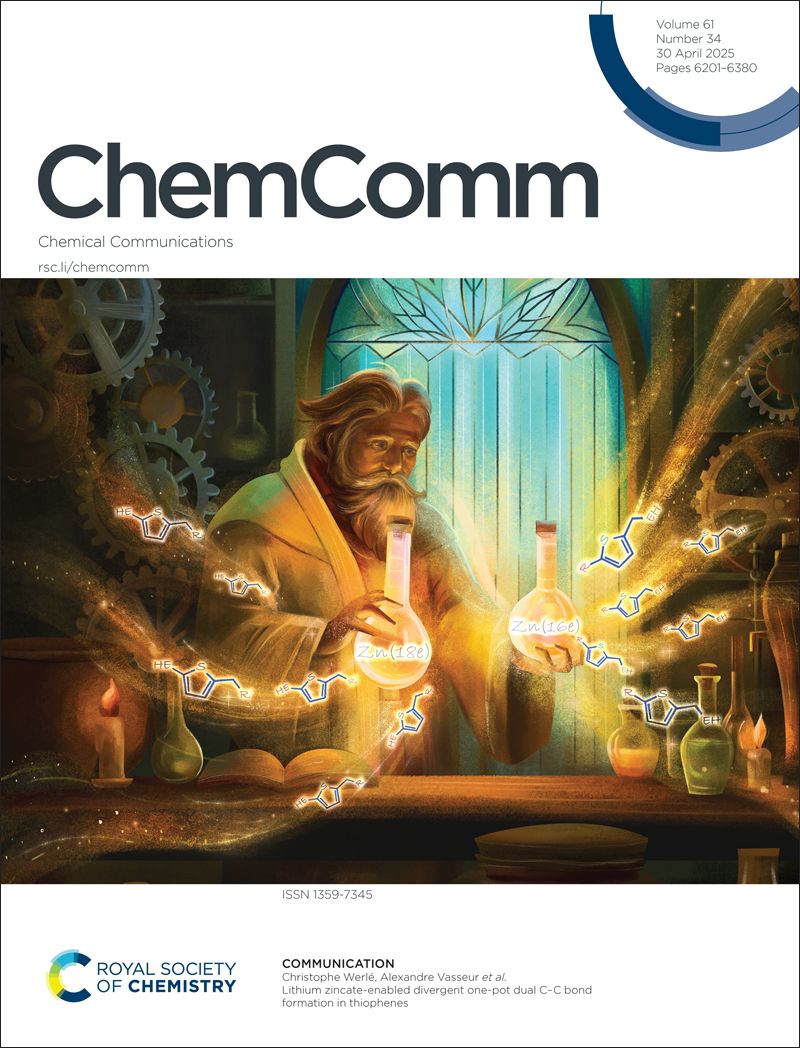
Super proud to share our work on a LiZn-enabled one-pot divergent synthesis published in @ChemCommun as part of the "Chemical Communications HOT articles 2025" collection & featured on the front cover! Thanks to the SynOCat team @werleLab. Congrats to A. Pierret. @CNRSchimie
23 Apr 2025

Featured #OnTheCover of issue 34!
"Lithium zincate-enabled divergent one-pot dual C–C bond formation in thiophenes" by @WerleLab, @AlexVasseurL2CM & colleagues
Read the #OpenAccess Communication here 👉 buff.ly/8VhrEZr
2
5
18
1,160