
sci․pe (science periodicals) is an all-inclusive open source scholarly publishing platform designed for open access journals
Joined March 2019
- Tweets 53
- Following 3,017
- Followers 402
- Likes 40
15 Photos and videos


Pinned Tweet

7 Aug 2019
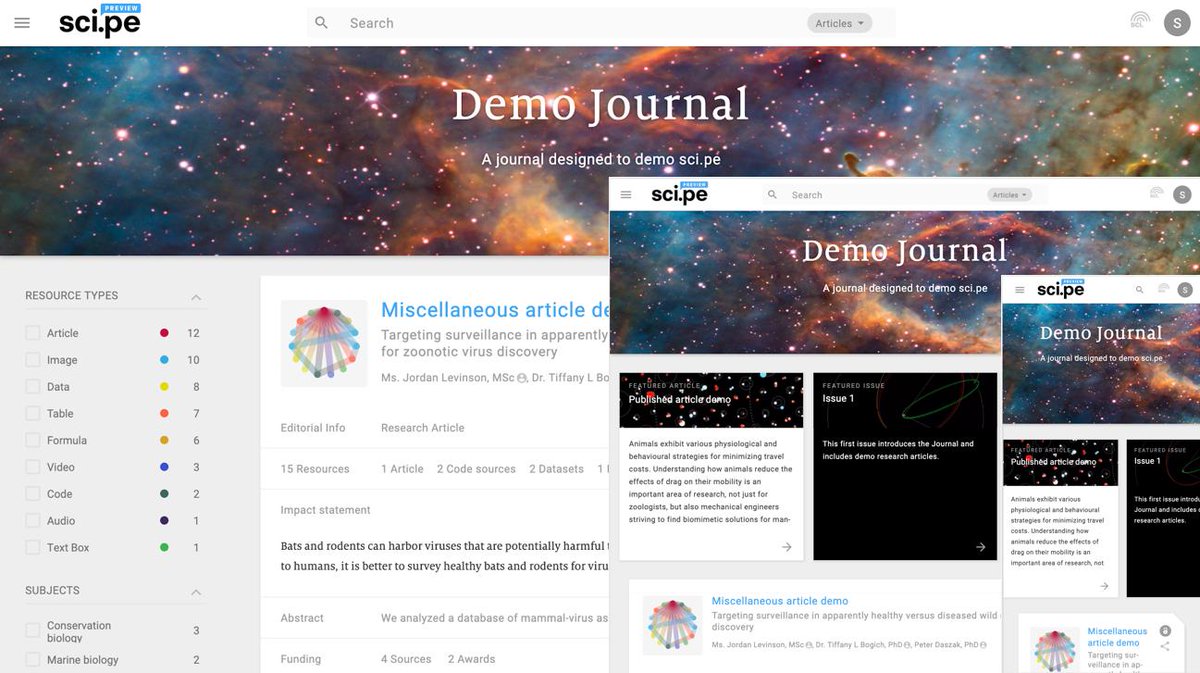
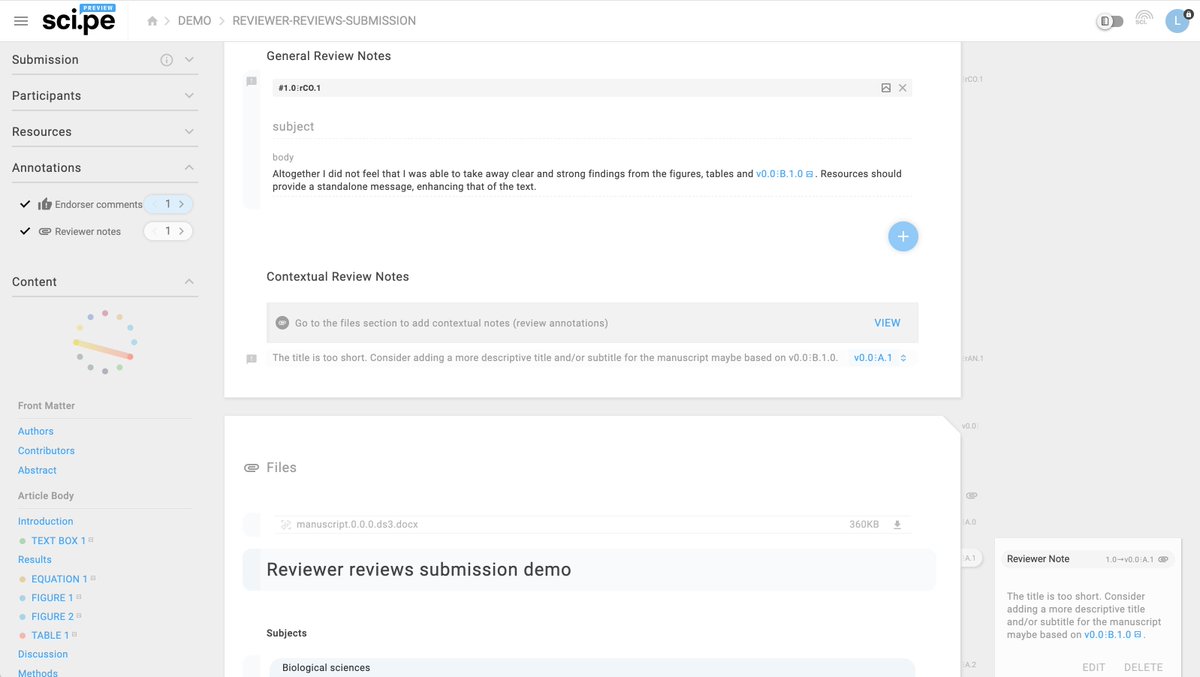
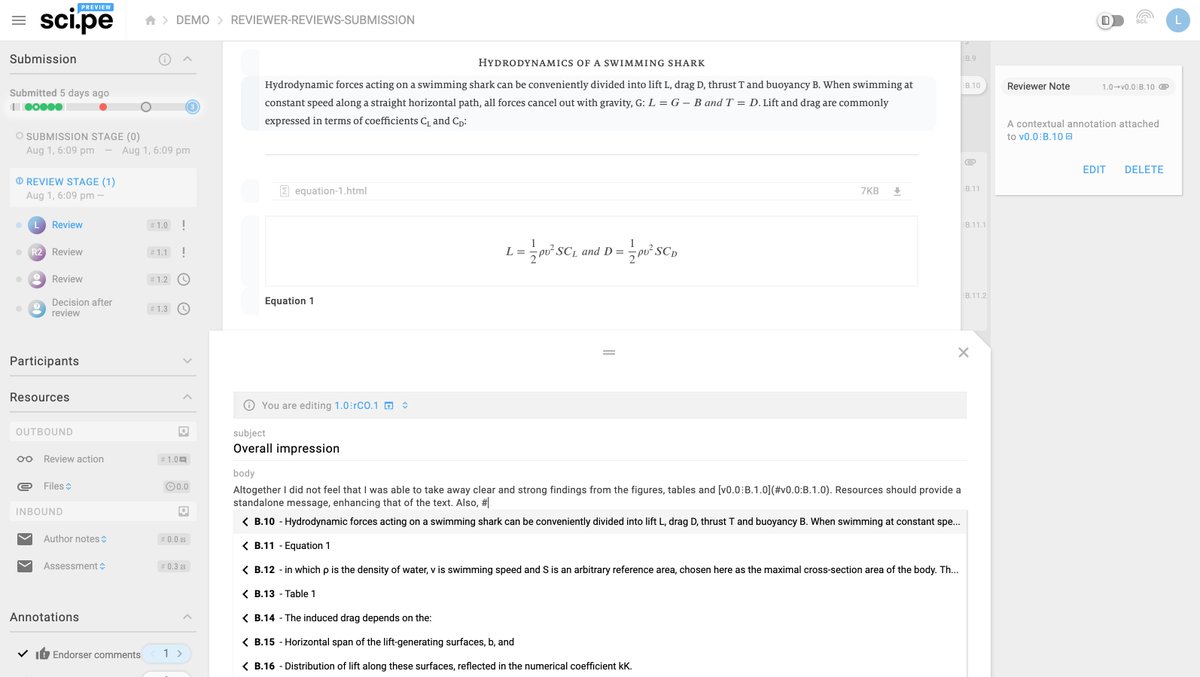
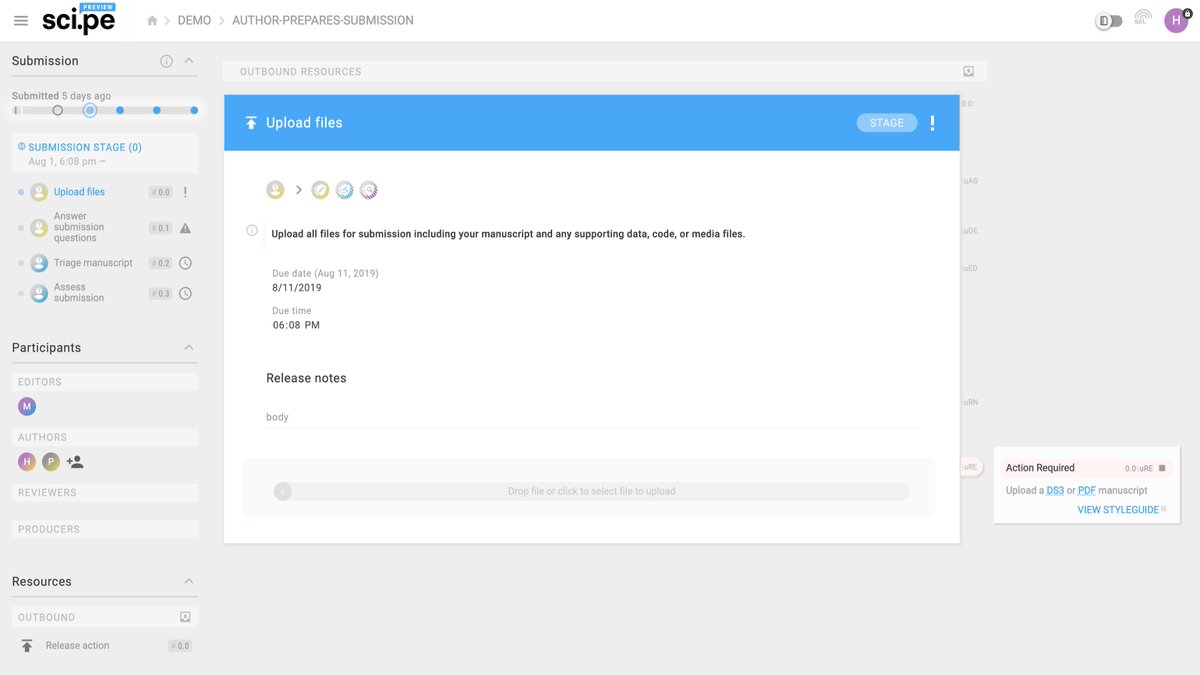
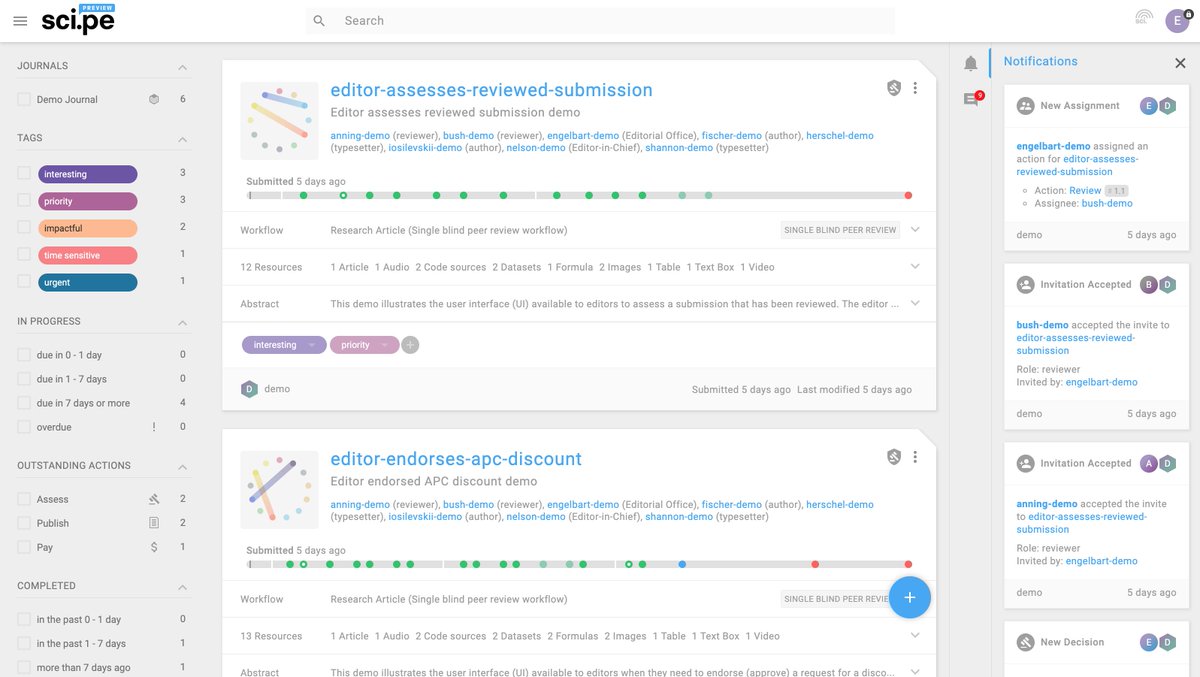
A demo of our open source scholarly publishing platform sci.pe is now online: sci.pe/get-started/quick-sta… ! See our design principles in the thread below to discover how sci.pe can improve the peer review experience of authors, reviewers and editors.
2
10
14
sci.pe retweeted

16 Dec 2019
📢 We are proud to announce Outbreak Science Rapid PREreview (outbreaksci.prereview.org), a platform for the rapid review of outbreak-related preprints.
Please, help us spread the word!
#openscience #preprint #ASAPbio #outbreakscience
blog.prereview.org/an-open-p…
2
46
49
sci.pe retweeted

22 Sep 2019
If you’re evaluating new publishing tools, this is one I’d highly recommend you take a look at. Awesome team, great design principles, and, when I looked at it last, some of the best, modern tech in the ecosystem. Love what they’re doing for #FOSS #openaccess #openscience.
7 Aug 2019

A demo of our open source scholarly publishing platform sci.pe is now online: sci.pe/get-started/quick-sta… ! See our design principles in the thread below to discover how sci.pe can improve the peer review experience of authors, reviewers and editors.
6
14
9 Sep 2019
Dear scholars, if you were paid ~3000 USD for the work, would you write an open access review article (literature review) on a news sensitive topic in your area of expertise, for a peer-reviewed scholarly journal? Retweet appreciated! #scholcomm #openscience #openaccess
73%
Yes
9%
No
18%
I'd rather do it for free
45 votes • Final results
7
3
sci.pe retweeted

Open Publishing Awards.
Nominate open source software supporting scholarly communication, or your favorite open access content (article, data, or otherwise).
Deadline = September 20
Organized by @CokoFoundation
openpublishingawards.org/
1
40
38
13 Aug 2019
Have you ever felt the pain of testing scholarly publishing platforms and setting up visual regression tests? We've been there and wanted to share the method we developed to test sci.pe with schema.org actions: research.sci.pe/ballesteros2…
1
2
sci.pe retweeted

11 Aug 2019
Great to see options for flexibility in peer review workflow from this publishing platform!
7 Aug 2019
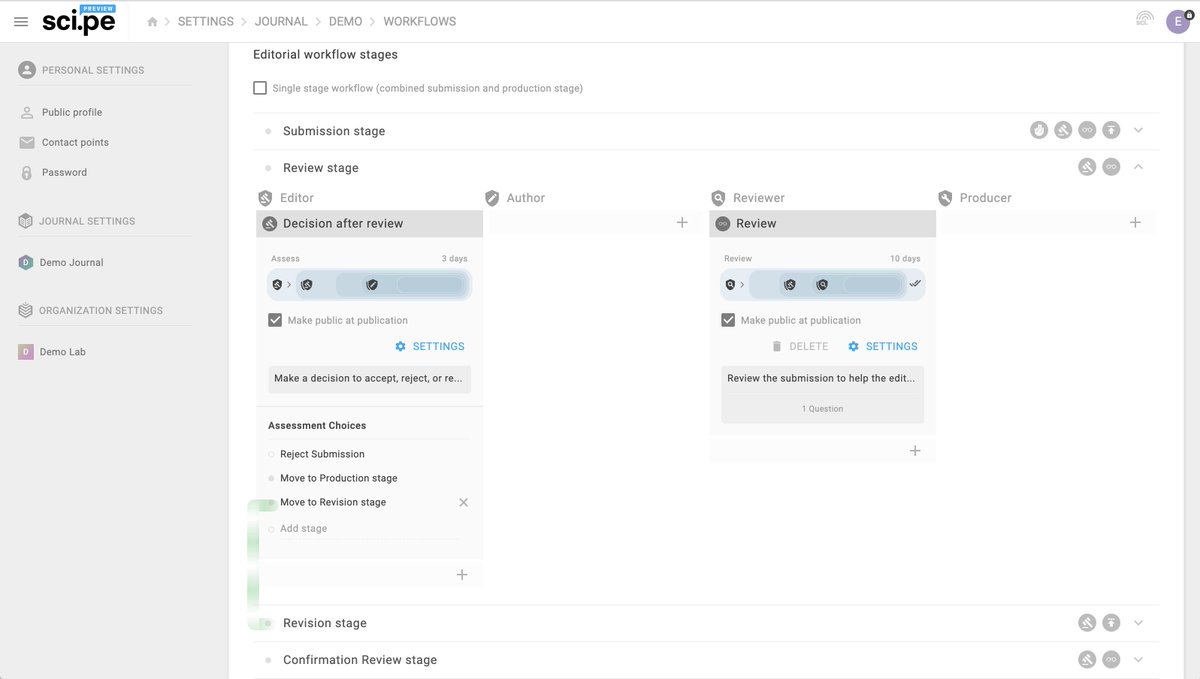
PRINCIPLE 1: Empower journals to experiment and innovate.
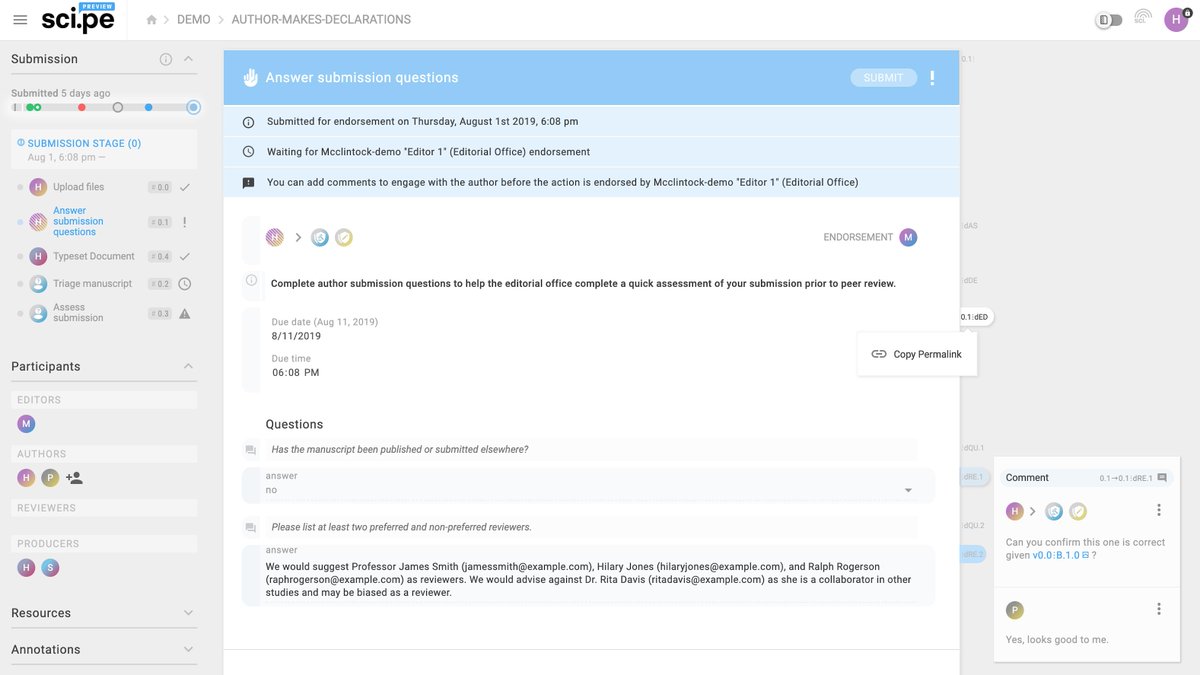
sci.pe allows journals to easily create any peer review workflow - from a pre-print service to a multi-stage, triple-blind peer review workflow with APCs.
2
5
7 Aug 2019
A demo of our open source scholarly publishing platform sci.pe is now online: sci.pe/get-started/quick-sta… ! See our design principles in the thread below to discover how sci.pe can improve the peer review experience of authors, reviewers and editors.
2
10
14
7 Aug 2019
PRINCIPLE 8: Responsive design everywhere.
sci.pe adapts to any screen size and any device.
1
7 Aug 2019
PRINCIPLE 9: Don’t compromise on open web standards and linked data.
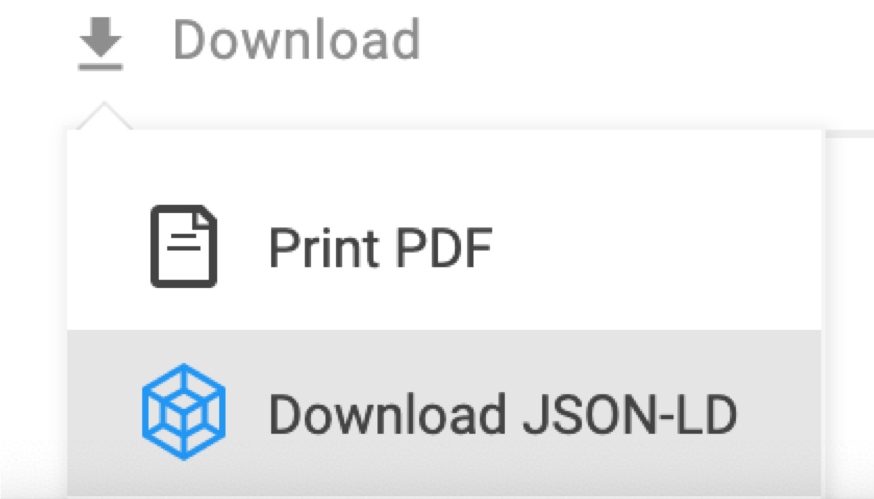
Under the hood, all articles published with sci.pe are made of HTML / RDFa /JSON-LD and sprinkled with schema.org terms. #webfirstpublishing #openscience
1
sci.pe retweeted

27 Jul 2019
I wish all web pages were this pretty and linkable.
25 Jul 2019
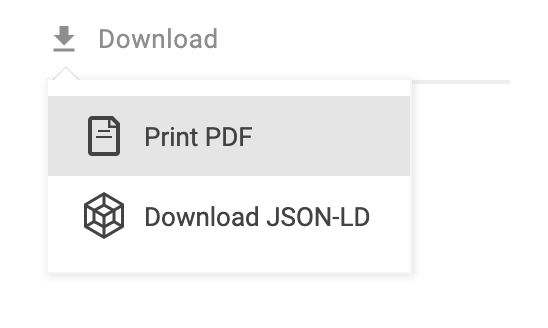
Check out our approach to redesigning scholarly article PDFs for the post-internet age research.sci.pe/wysocan2019. Download PDF for a demo here: bit.ly/wysocan2019. See thread below for the motivation behind the redesign. #openscience #openaccess #scholcomm #webfirstpublishing
4
7
25 Jul 2019
Check out our approach to redesigning scholarly article PDFs for the post-internet age research.sci.pe/wysocan2019. Download PDF for a demo here: bit.ly/wysocan2019. See thread below for the motivation behind the redesign. #openscience #openaccess #scholcomm #webfirstpublishing
3
4
17
25 Jul 2019
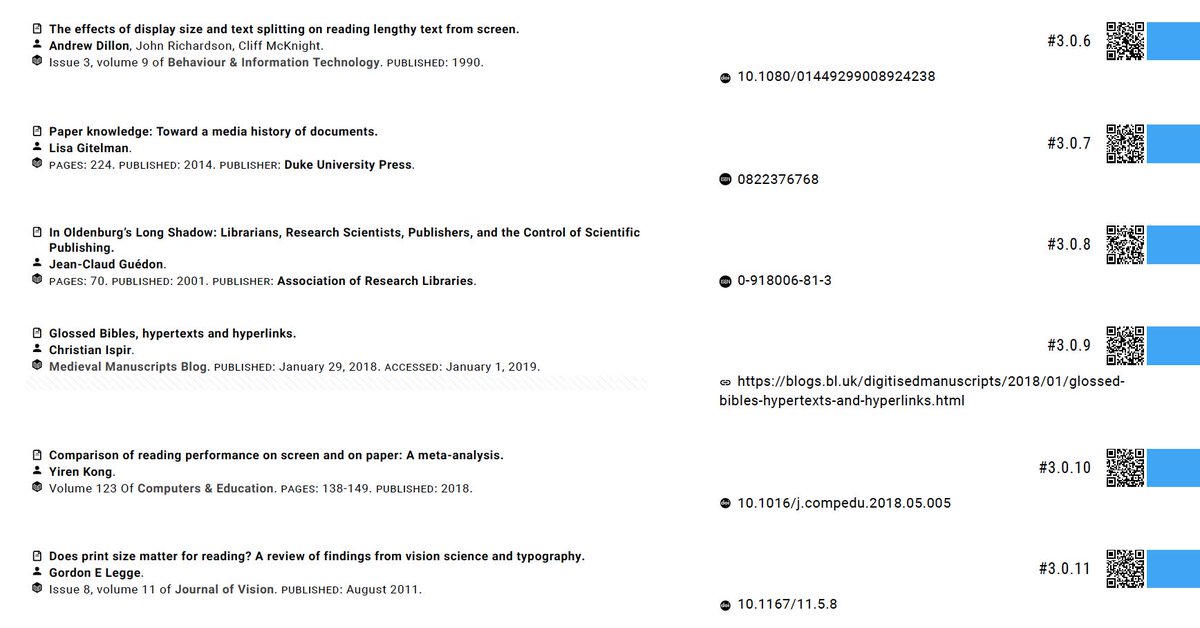
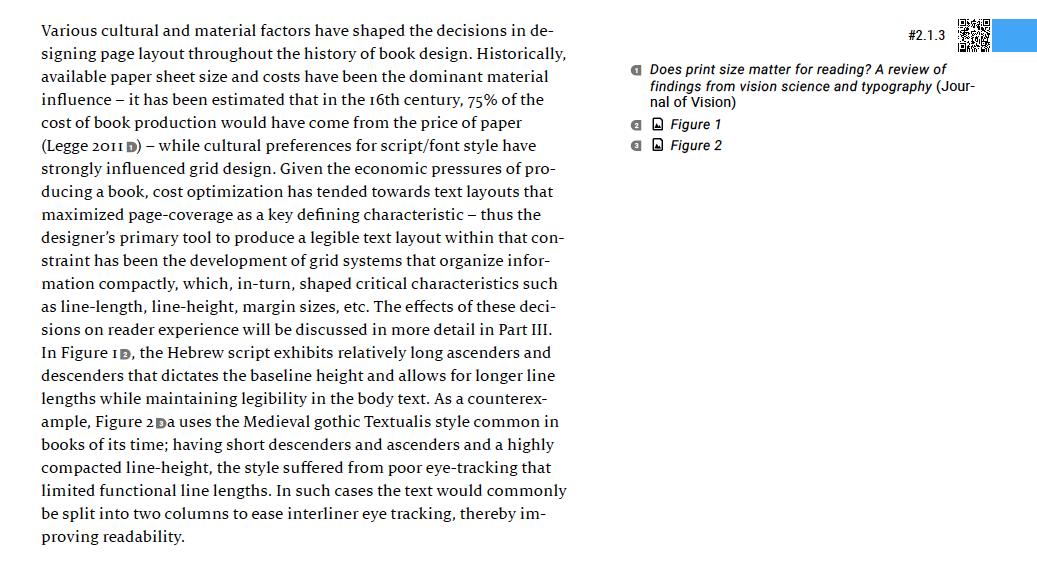
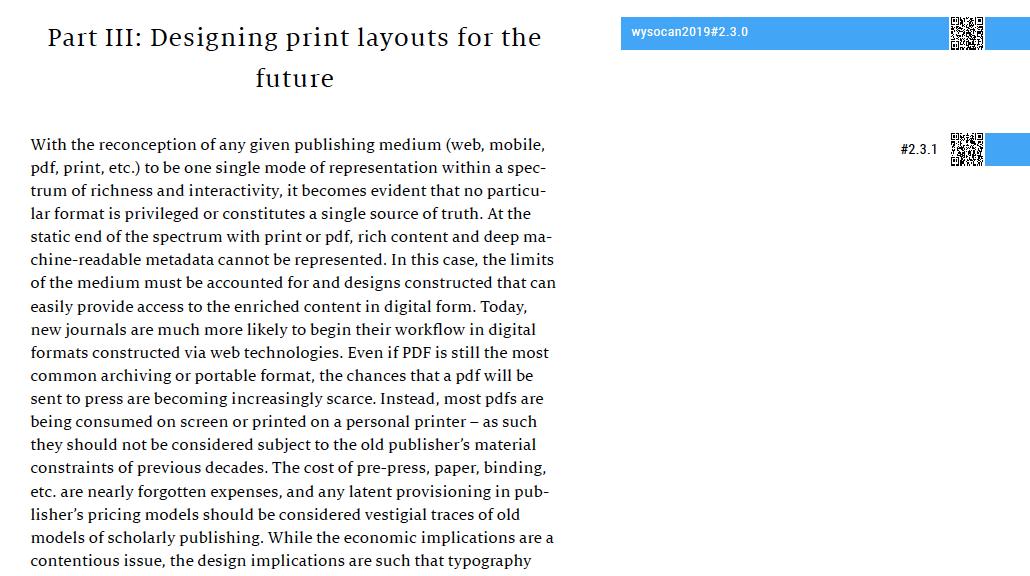
Motivation 4: Smoother transition from paper (printed PDF) to digital content. In addition to mnemonic identifiers, QR codes take you straight to the right place seamlessly, from paper to screen.
1
2
25 Jul 2019
Motivation 5: Rich web pages are the future of scholarly communication; PDFs are there when you need to print. Our PDFs are generated on the fly from the online version of the article using only standard JavaScript and CSS.
1
1
4