Professor @UMNcancer studying steroid hormones, androgen receptors, and #ProstateCancer genomes. Apogee Enterprises Chair in Cancer Research . Views=mine.
Joined May 2011
- Tweets 368
- Following 615
- Followers 1,005
- Likes 447
23 Photos and videos

Scott Dehm retweeted

Mar 19
Drs. @scottdehm, Qi Cao, and Rendong Yang led this @NatureComms study investigating the interplay between super-enhancers and lncRNAs through analysis of lncRNA expression in a cohort of metastatic castration-resistant #ProstateCancer patients.
💡 go.nature.com/4lAqoPi
2
4
246
Scott Dehm retweeted
Jan 27
Today in @CCR_AACR! 🖨️ 🔥
Dr. @scottdehm led this study showing that androgen receptor (AR) alterations in ctDNA accumulate at progression in mCRPC patients treated with AR pathway inhibitors, especially in those with initially durable responses.
bit.ly/49Iamij
1
9
286
Scott Dehm retweeted

23 Sep 2025
It was a sheer pleasure to have
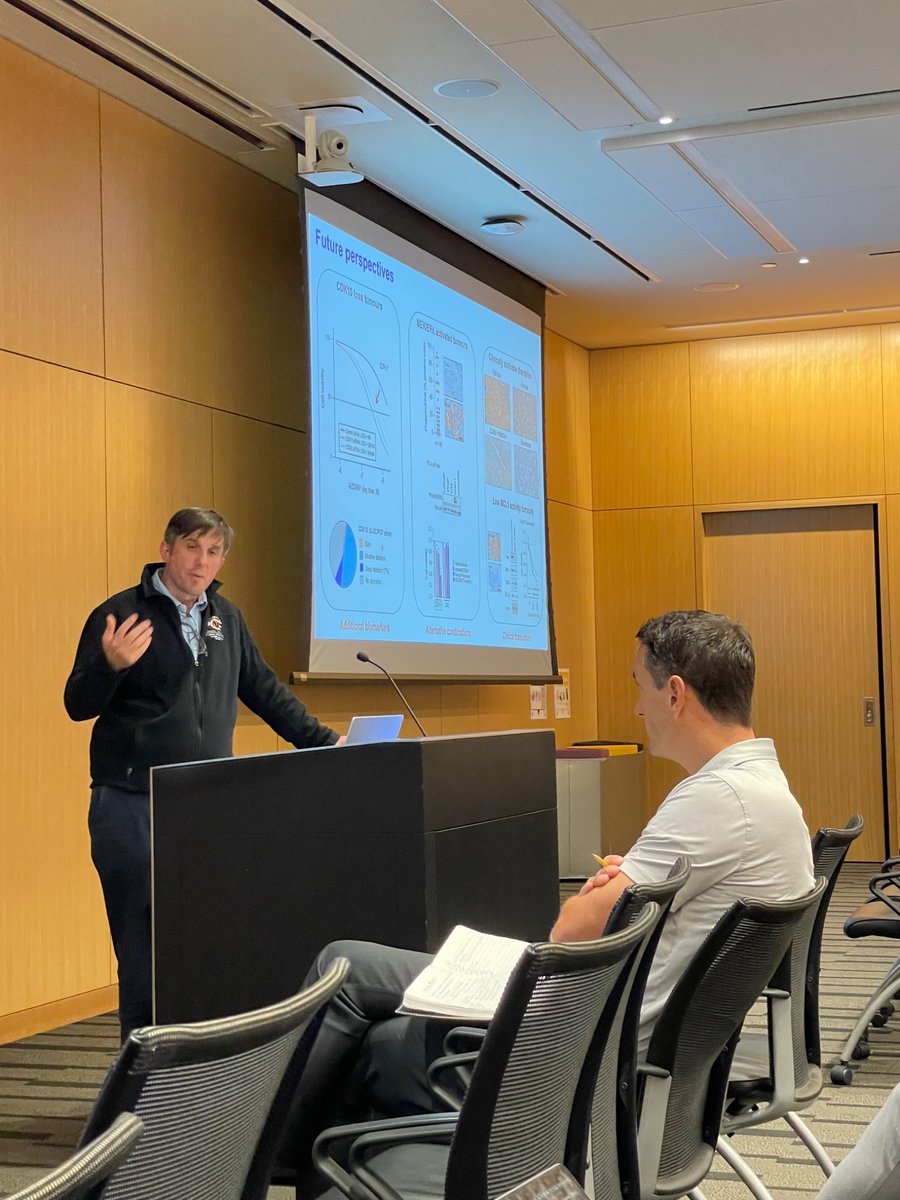
@AdamSharpMedOnc here in Minnesota delivering a Cancer Center Seminar lecture about manipulation of the apoptosis pathway for prostate cancer therapeutics. Thanks @scottdehm for inviting and hosting him. Let the collaborations begin! @UMNCancer
2
2
24
4,888
Scott Dehm retweeted

6 Aug 2025
Can anyone top the Halabi model for predicting survival in mCRPC? Yes! Dr Halabi does it again! See our ctDNA based clinical-genetic model in first line ARPI treatment out today in @EUplatinum: sciencedirect.com/science/ar…
@scottdehm @DukeGUCancer @DukeCancer @PCFnews
4
15
581
Scott Dehm retweeted

13 May 2025
Fascinating work by Chen et al in uncovering new metabolomics of SPOP-mutant prostate cancer, we review here @EAntonarakis @scottdehm
nature.com/articles/s43018-0…
1
2
8
287
Scott Dehm retweeted

14 Apr 2025
Check out our new work exploring AR biology in advanced prostate cancer: tinyurl.com/2s39jh8b. We found that tumours expressing a specific AR variant (ARv567es) have a distinct transcriptomic profile and are resistant to androgen deprivation and bipolar androgen therapy
1
3
14
1,152
Scott Dehm retweeted
12 Feb 2025
🧪 Dr. @scottdehm and collaborators including @huang_lab, @EAntonarakis, & @mishabeltran showed that double-negative #CRPC cells express genes defining basal, club, and hillock epithelial cells from benign #prostate.
@PNASNews | bit.ly/4gI7fH3



2
8
542

7 Feb 2025
Check out our latest study! Comparative transcriptomics reveals a mixed basal, club, and hillock epithelial cell identity in castration-resistant prostate cancer | PNAS pnas.org/doi/10.1073/pnas.24…
1
12
39
2,902
7 Feb 2025
This work was led by a talented graduate student (Sam Pitzen) @umncancer @UMN_GradSchool who will soon be defending his PhD thesis (and entering the job market).
1
4
243
7 Feb 2025
This study benefitted from tremendous collaborations with @huang_lab @EAntonarakis @mishabeltran @JoshLangMD @AttardLab and many others!
2
220
Scott Dehm retweeted

6 Feb 2025
Thrilled to share a project that we envisioned over a decade ago to perform high purity/high specificity molecular analysis of circulating tumor cells! Led by the brilliant @marina_sharifi and @JSperger @AACR
Funded by @PCF_Science @NIH @CDMRP
6 Feb 2025

Now online in @CD_AACR: High-Purity Circulating Tumor Cell RNA Sequencing Identifies #ProstateCancer Lineage Phenotypes Prognostic for Clinical Outcomes - by @marina_sharifi, @JSperger, Shuang Zhao, @JoshLangMD et al. doi.org/10.1158/2159-8290.CD… @UWCarbone @UWMadison #LiquidBiopsy

7
15
68
7,127
24 Jan 2025
Excited to share a new paper by postdoc Dr. Kiel Tietz @UMNCancer! CPSF1 inhibition promotes widespread use of intergenic polyadenylation sites and impairs glycolysis in prostate cancer cells: Cell Reports cell.com/cell-reports/fullte…
Work funded by @CDMRP and @NCICancerBio
2
6
26
1,489
Scott Dehm retweeted

7 Jan 2025
In memory of Dr. Felix Feng. Thank you @EUplatinum for honoring our beloved colleague and friend, gone too soon. We miss you Felix @MaryFengMD @nlinmd @PCF_Science
sciencedirect.com/science/ar…
5
53
201
17,174
Scott Dehm retweeted
2 Jan 2025
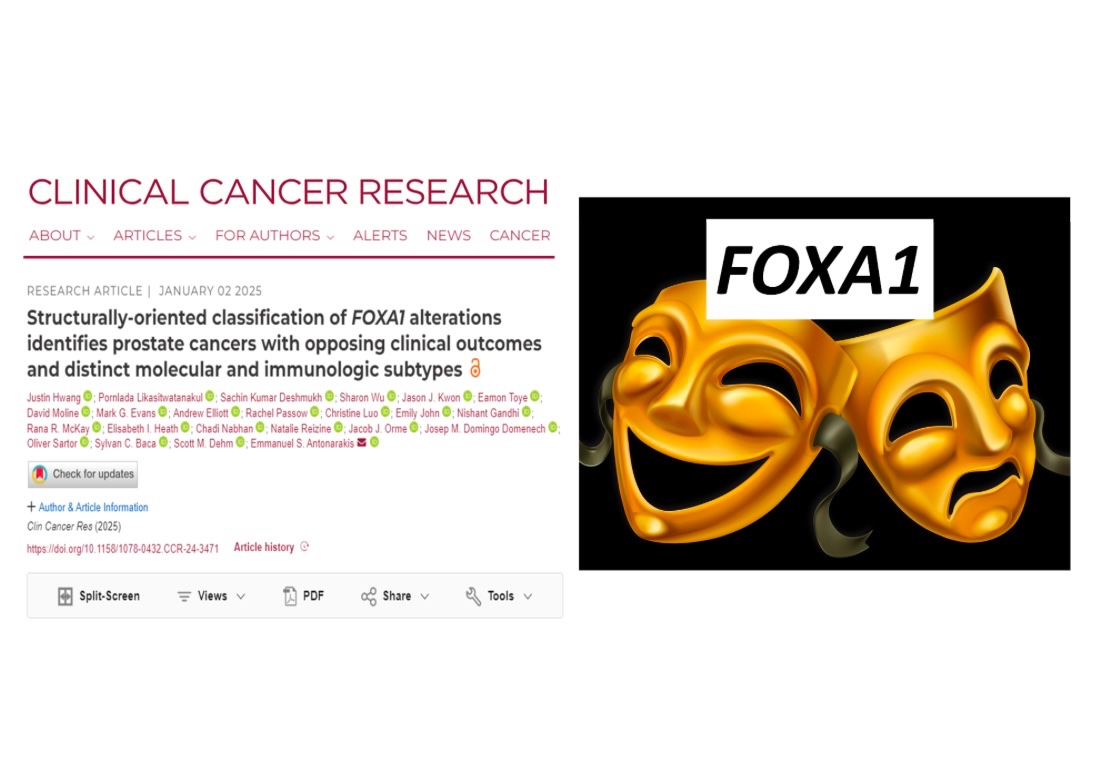
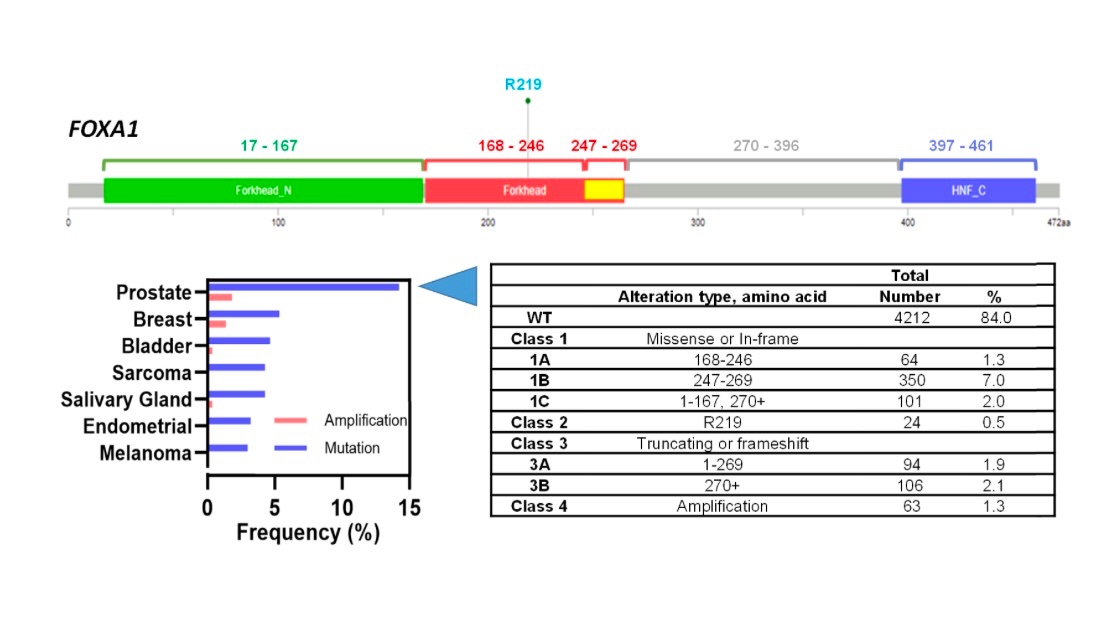
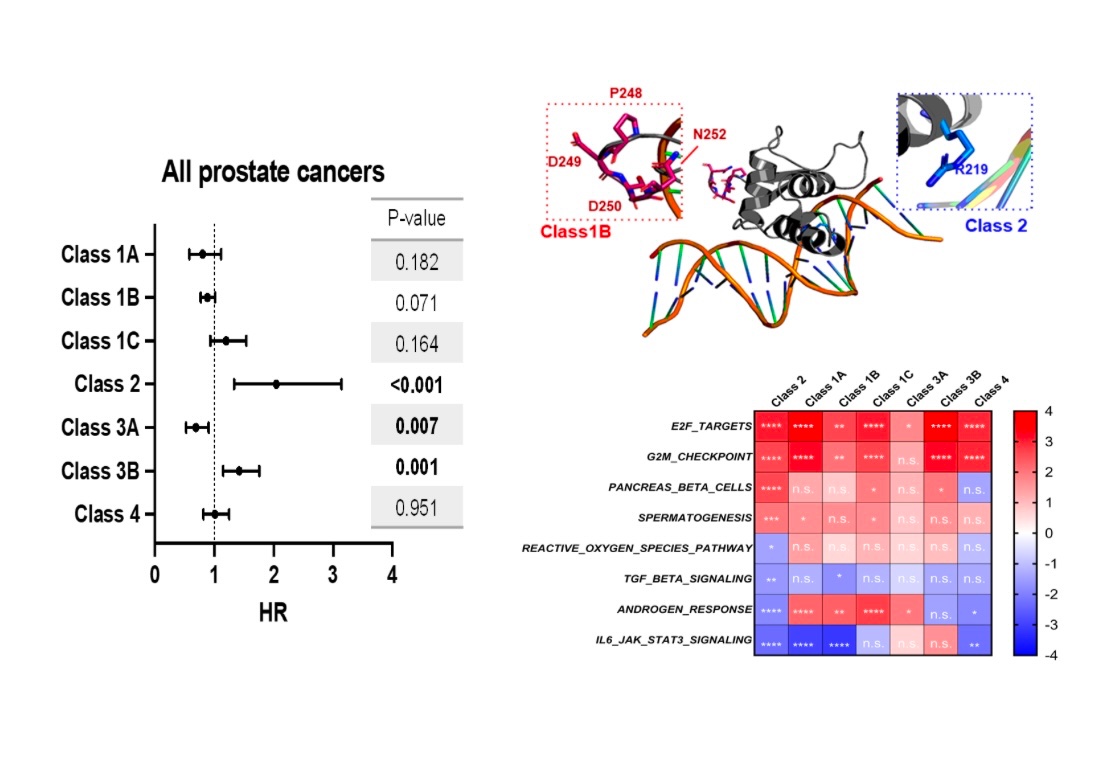
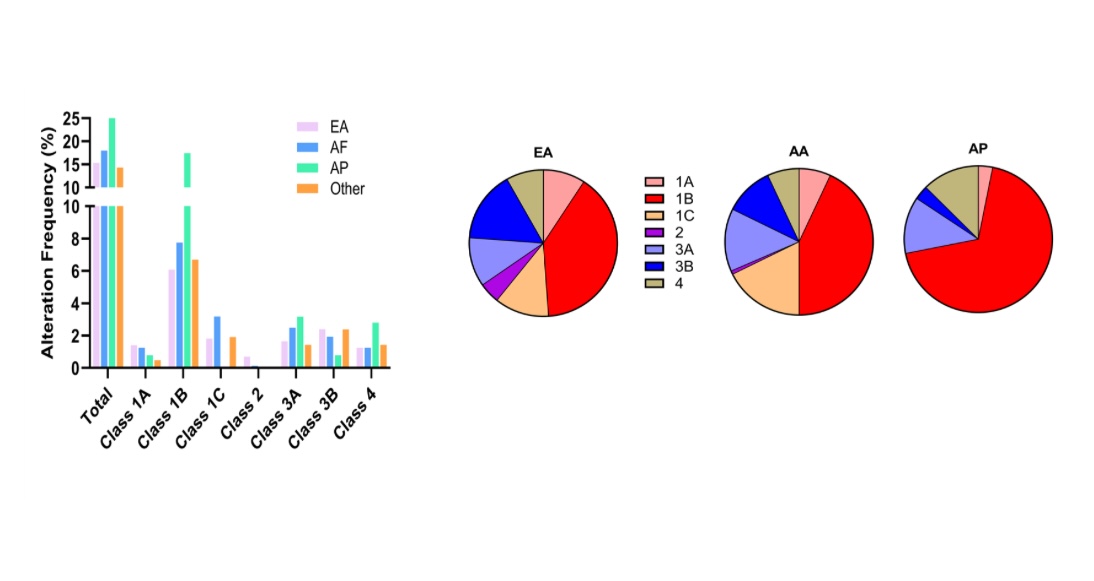
The two faces of FOXA1 muts in PCa. Congrats to Justin Hwang for this revised classification of FOXA1 alts in PCa. Different FOXA1 classes have different biologic behaviors, clinical outcomes & racial clustering, esp. Class 1B and 2. @UMNcancer @scottdehm aacrjournals.org/clincancerr…
1
16
66
4,866
Scott Dehm retweeted

20 Dec 2024
PROSTATE Paper 2
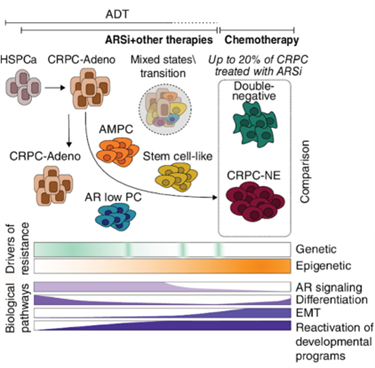
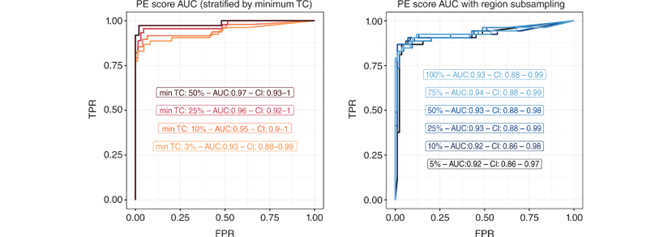
Franseschini et al. developed a targeted DNA methylation assay for the detection of neuroendocrine prostate cancer using plasma cell-free DNA with an AUC > 0.93. Their assay also quantifies tumor content and offers a phenotype evidence score, which reflects various CRPC phenotypes. @CD_AACR . Lead our own @mishabeltran @DanaFarber_GU
aacrjournals.org/cancerdisco…
1
8
21
3,044
Scott Dehm retweeted
20 Dec 2024
It is this time of the Year again: 10 TOP TRANSLATIONAL PAPERS IN GU ONCOLOGY!
1/ Prostate Paper 1
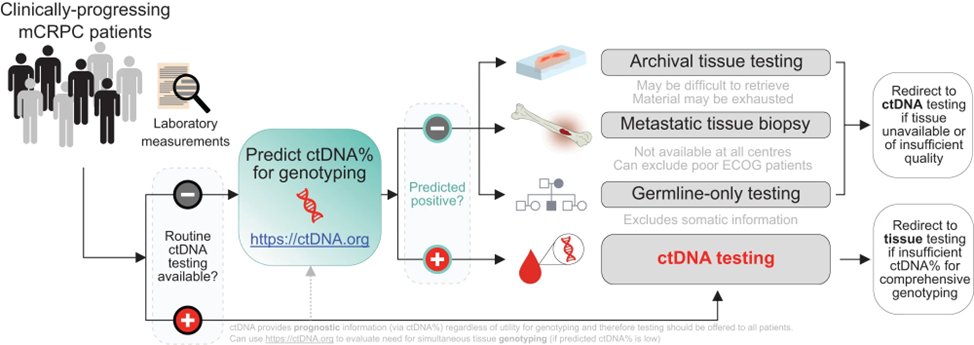
Fonseca et al. introduced a machine-learning approach that predicts whether patients with #mCRPC have sufficient ctDNA% for informative genotyping. This study addresses a critical clinical need given that ctDNA-based biomarker genotyping can be limited by low ctDNA @NatureComms
nature.com/articles/s41467-0…
7
77
189
31,185
Scott Dehm retweeted
20 Dec 2024
PROSTATE Paper 3
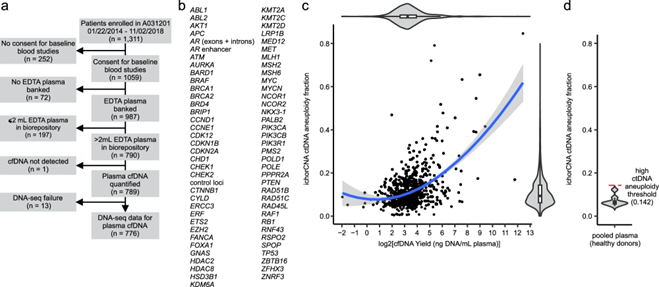
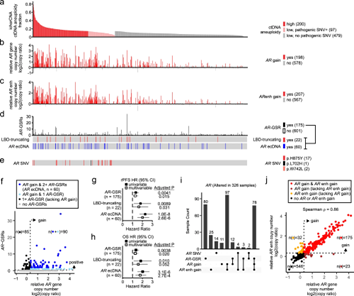
Knutson et al. developed the AR-ctDETECT assay to detect ctDNA in limiting plasma cfDNA from pts w/ #mCRPC in @ALLIANCE_org A031201 ph3 trial of enzalutamide w/ or w/o abiraterone. The ctDNA assay was able to prognosticate outcomes, as pts w/ mCRPC who were ctDNA-pos vs. neg had significantly worse median OS (29.0 vs. 47.4 months, resp)!
@NatureComms @scottdehm
nature.com/articles/s41467-0…
2
11
18
3,169
Scott Dehm retweeted

AR alterations inform circulating tumor DNA detection in metastatic castration resistant prostate cancer patients out in Nature Communications
nature.com/articles/s41467-0…
This study introduces a custom circulating tumor DNA (ctDNA) 🧬sequencing assay, AR-ctDETECT, designed to detect ctDNA in the limited plasma cell-free DNA (cfDNA) of patients with metastatic castration-resistant hashtag#ProstateCancer (mCRPC). In the Alliance A031201 randomized phase 3 trial, involving 776 mCRPC patients treated with enzalutamide with or without abiraterone, 59% of patients were ctDNA-positive. Among these, 26% had high ctDNA aneuploidy, and 33% had low ctDNA aneuploidy but exhibited androgen receptor (AR) gain, structural rearrangements, MYC/MYCN gain, or pathogenic mutations. The study found that ctDNA-positive patients had significantly worse overall survival (29.0 months) compared to ctDNA-negative patients (47.4 months).
This highlights ctDNA positivity as a strong prognostic marker for poor survival in mCRPC, even with AR inhibitor treatments.
@charlesryanmd
@EAntonarakis
@AarmstrongDuke
@scottdehm
ping @nataliagandur @bavilima @Silke_Gillessen @AOmlin @ProfKHerrmann @stefanofanti4 #APCCCDiagnostics25
1
14
27
2,390