
Impact Tech / Managing Director at Tech To The Rescue
Joined March 2010
- Tweets 80
- Following 37
- Followers 145
- Likes 66
10 Photos and videos






Jacek Siadkowski retweeted

3 Feb 2025
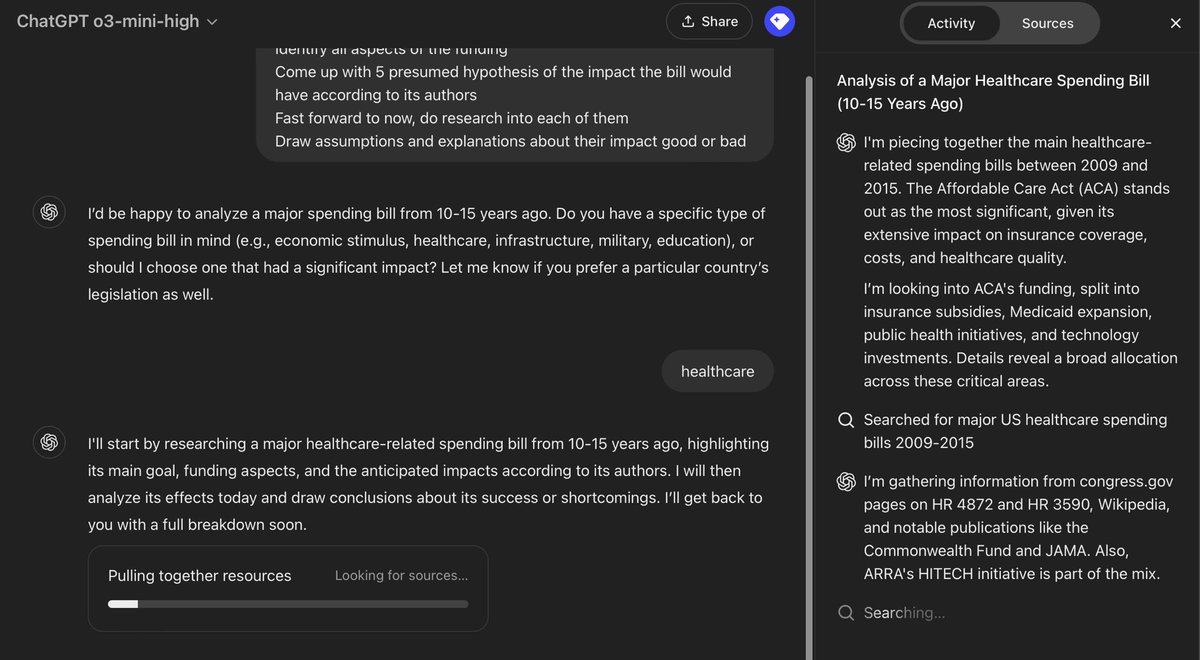
OpenAI just launched an autonomous research assistant, Deep Research.
We've been testing it for a few days @Every and it's like a bazooka for the curious mind:
- Give it a question, and it will autonomously search the web (or provided sources) to compile an answer
- It does this over many turns—taking between 1 and 30 minutes to return a response
- It returns MASSIVE well-researched reports, synthesized from many different sources, sometimes running 10k words
Think about it like a double decker tour bus but you’re the only passenger and the city you’re touring is the sum total of human knowledge
A few things we had it do:
- Write a comprehensive history of Every from 2020 to today
- Read chapter 1 of War and Peace, analyze Tolstoy's character descriptions, and tell us what that says about his view of human nature
- Trawl through recent 10ks to find unreported financial irregularities
- Research and compile a completely new wardrobe from a few photos
Of course, there are limitations:
- Sometimes it doesn't fully cite where a piece of information came from
- There's no "stop" button yet, so if it's going off the rails you have to start over
But it's very clearly a peak into the future of human-AI collaboration for knowledge work. Exciting times!
86
175
1,855
430,975
Jacek Siadkowski retweeted

2 Feb 2025
Meta-analysis: To "know thyself" can hurt your mental health.
Self-reflection, centered on the introspection and evaluation of one’s thoughts, feelings, and behaviors in relation to self-concerns, occupies a central place in understanding the dynamics of mental health. Nonetheless, the relationship between self-reflection and mental health is a source of continuous controversy. This study represents the first meta-analysis to systematically investigate the relationship between self-reflection and mental health within the dual-factor model framework.
We found that self-reflection was significantly associated with negative mental health but not with positive mental health. The random-effect model showed no significant relationship between self-reflection and overall positive mental health or with individual positive indicators, including subjective well-being, life satisfaction, and self-esteem. In contrast, the model showed a significant positive relationship between self-reflection and overall negative mental health indicators, including depression and anxiety. This finding aligns with earlier studies and underscores that high levels of self-reflection are often linked with various mental health challenges
Furthermore, in clinical treatment, when individuals enhance their self-reflection abilities, they often become aware of previously unnoticed emotions, such as sadness. This can lead to depressive mood and distress. [Some] observations suggest that while moderate self-reflection supports normal social and emotional functioning, significant deviations in self-reflection may be associated with various psychopathology.
49
105
634
189,905
Jacek Siadkowski retweeted

2 Feb 2025
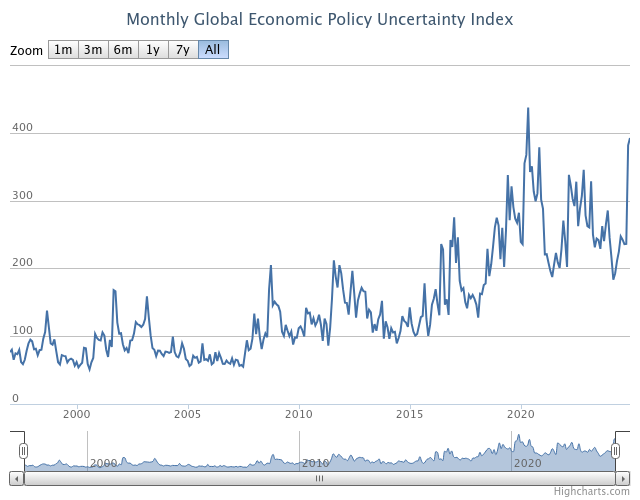
With the reelection of Trump, global economic policy uncertainty has soared back to levels only seen at the height of the pandemic.
9
38
288
30,225

22 May 2024
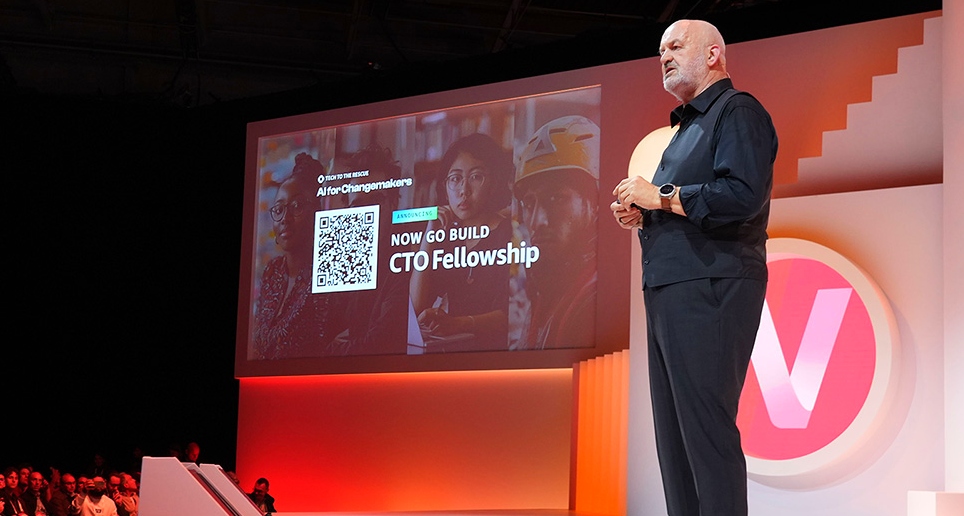
One of the greatest Tech Leaders launches a CTO Fellowships program to support @TechToTheRescue nonprofits. Thrilled. Can't wait to start working with Werner and scaling some of the best world changing ideas!
22 May 2024

Good AI needs good data and the best people to make the right decisions. Excited to announce the "Now Go Build CTO Fellowship" under the AI for Changemakers by @TechToTheRescue. This fellowship supports visionary tech leaders tackling global challenges! techtotherescue.org/ai-for-c…
1
75
Jacek Siadkowski retweeted

3 Mar 2022
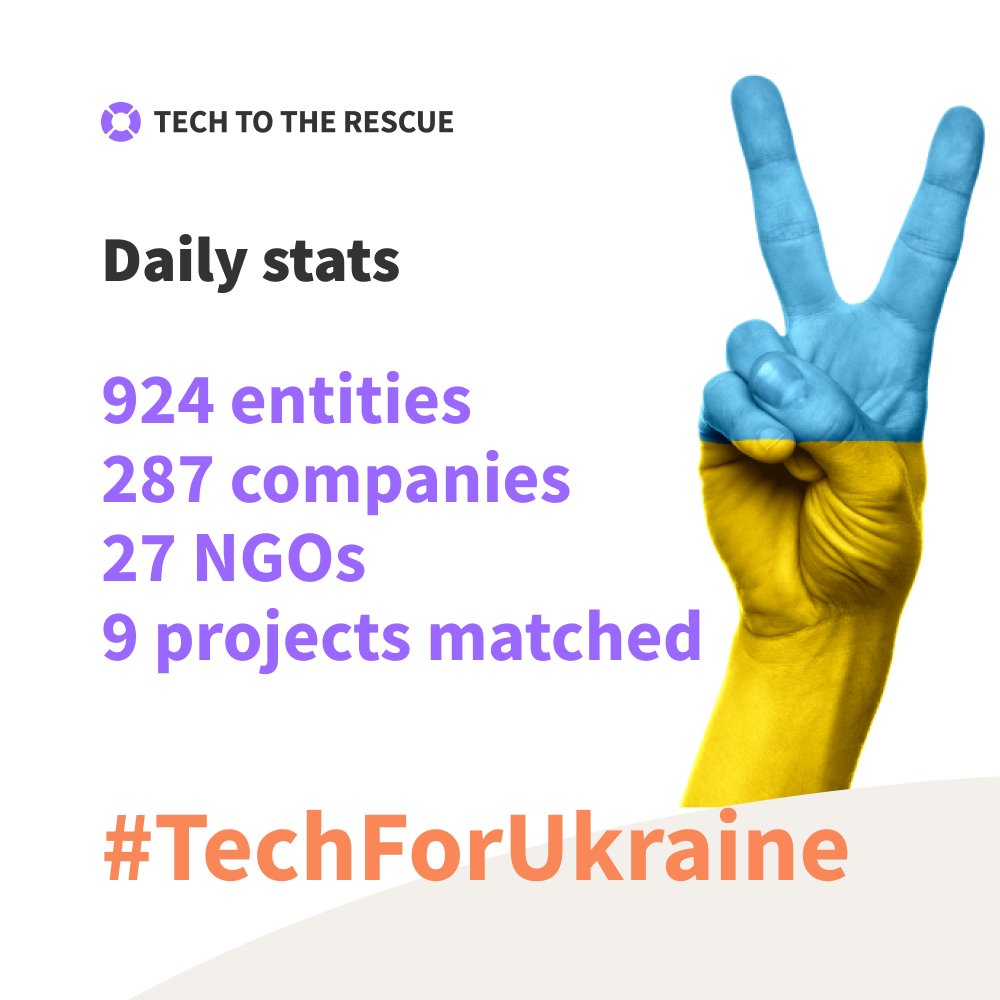
Якщо ви некомерційна організація, яка підтримує Україну і вам потрібні технології, аби посилити свій вплив, ви можете подати свій проект на #TechForUkraine і отримати безкоштовну допомогу від провідних IT-компаній.
заповніть форму за посиланням:
bit.ly/3Kg46OT
3
3
Jacek Siadkowski retweeted
3 Mar 2022
📢 All NGOs acting for Ukraine needed!
If you know an NGO that supports #Ukraine and is in need for digital help, please leave a comment!
We have amazing IT talent and skills on board ready to help NGOs maximize help efforts.
Sign up: bit.ly/3HEwAR1
#TechForUkraine
13
15
1 Mar 2022
150 upvotes and counting!
1 Mar 2022

@siadkowski Tech For Ukraine just reached 100 upvotes. 😻 producthunt.com/posts/tech-f…
Add the badge to your site: producthunt.com/posts/tech-f…
1 Mar 2022
#TechForUkraine is on @ProductHunt
Join us and support NGOs get stronger to maximize their impact and help millions of people.
bit.ly/3swd4lm
2
28 Feb 2022
The first project within #TechForUkraine is launching within hours. SOS Ukraine will help the refugees find housing offered by companies, institutions, and private hosts.
Thank you @PAH_org @AuschwitzPledge @BCG @szlachetnapaczk @TechToTheRescue
More projects coming! 🇺🇦✌️
3
7
Jacek Siadkowski retweeted

25 Feb 2022
Genialna inicjatywa dwóch Polaków Jacka i Daniela, którą nawet z pewnym wzruszeniem polecam. #TechforUkraine. Gromadzi programistów i przedsiębiorców wielkiego serca, którzy są otwarci nieodpłatnie pomagać Ukrainie odpierać cyberataki. Samo dobro. techtotherescue.org/tech/tec…
6
40
207
Jacek Siadkowski retweeted

25 Feb 2022
Over 400 entities have already pledged tech support to help Ukrainian non-profits with their missions, which is great, but more is needed
Help @TechToTheRescue if you can please
#TechForUkraine #StandWithUkraine

4
17
30
Jacek Siadkowski retweeted

15 Feb 2017
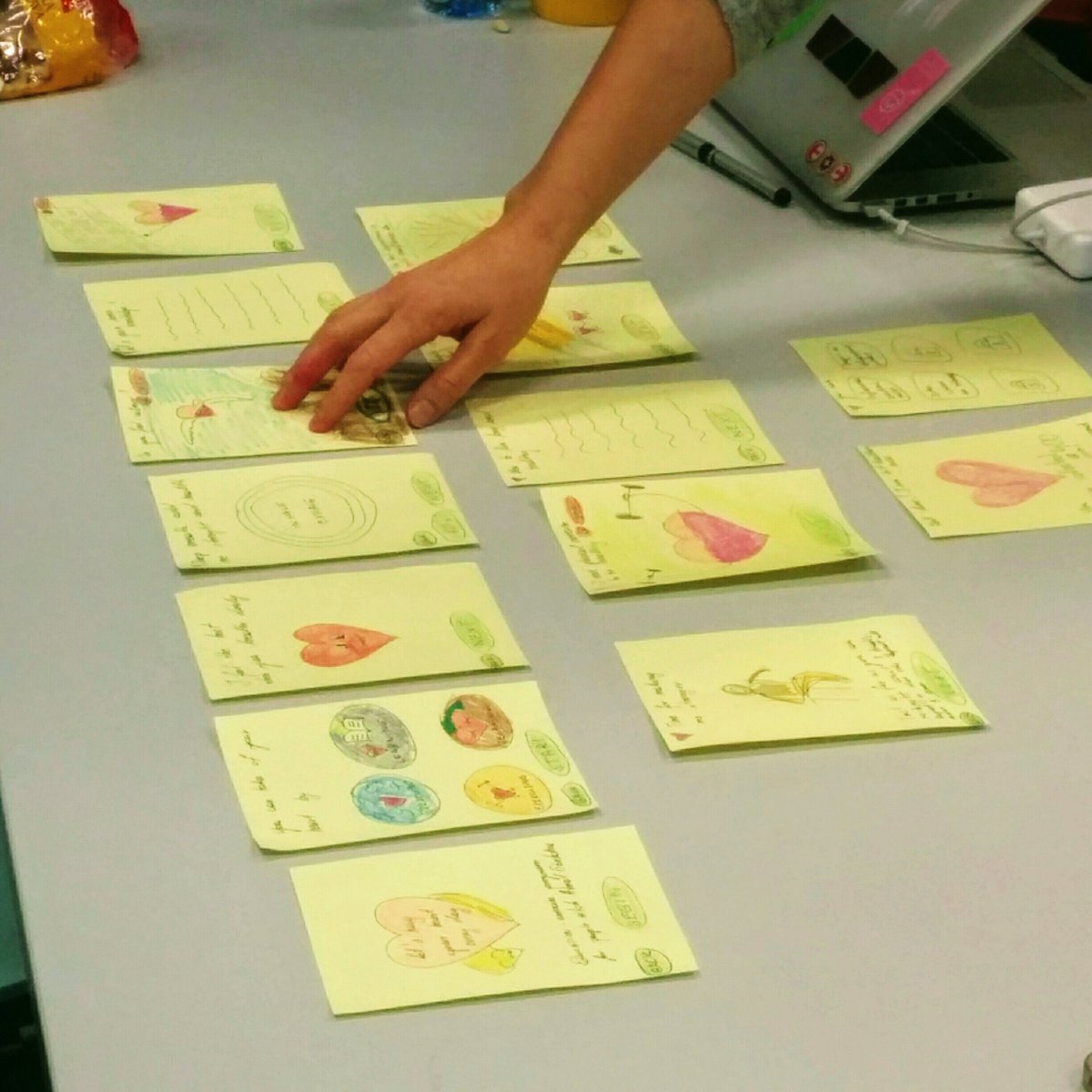
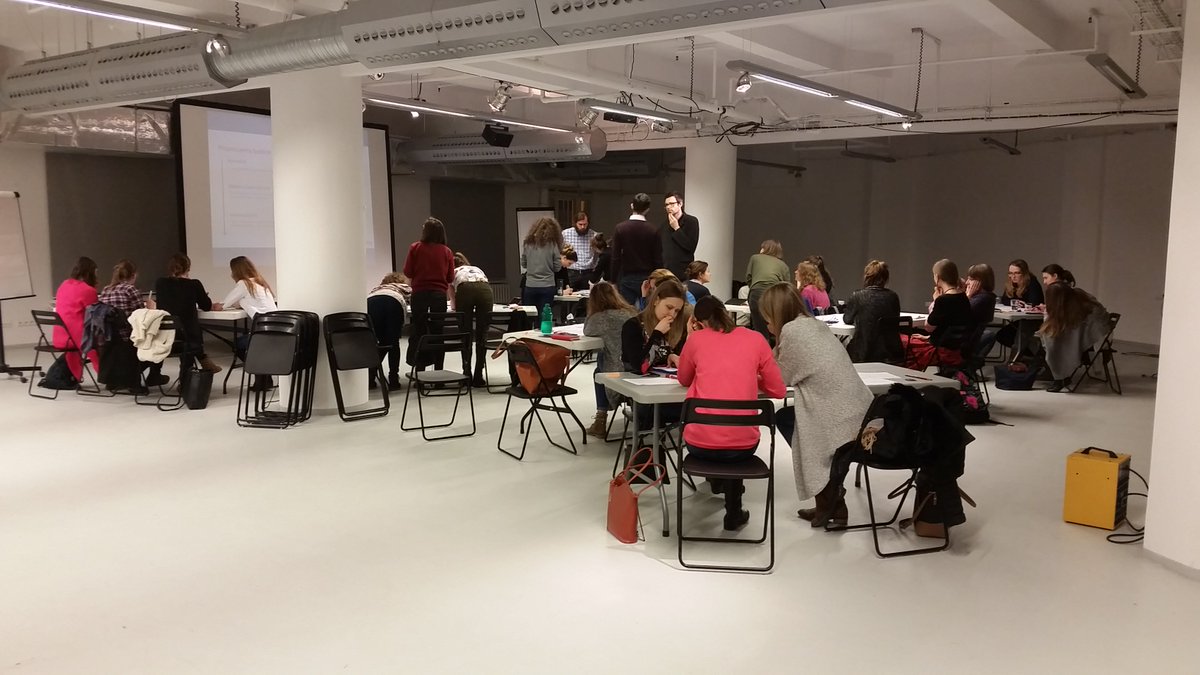
Burza mózgów w #marzycieleirzemieslnicy z @ladiesthatuxWAW i @LadiesthatUX o tym jak skutecznie budować nawyki i #projektować #zaangażowanie
3
6
26 Jan 2017
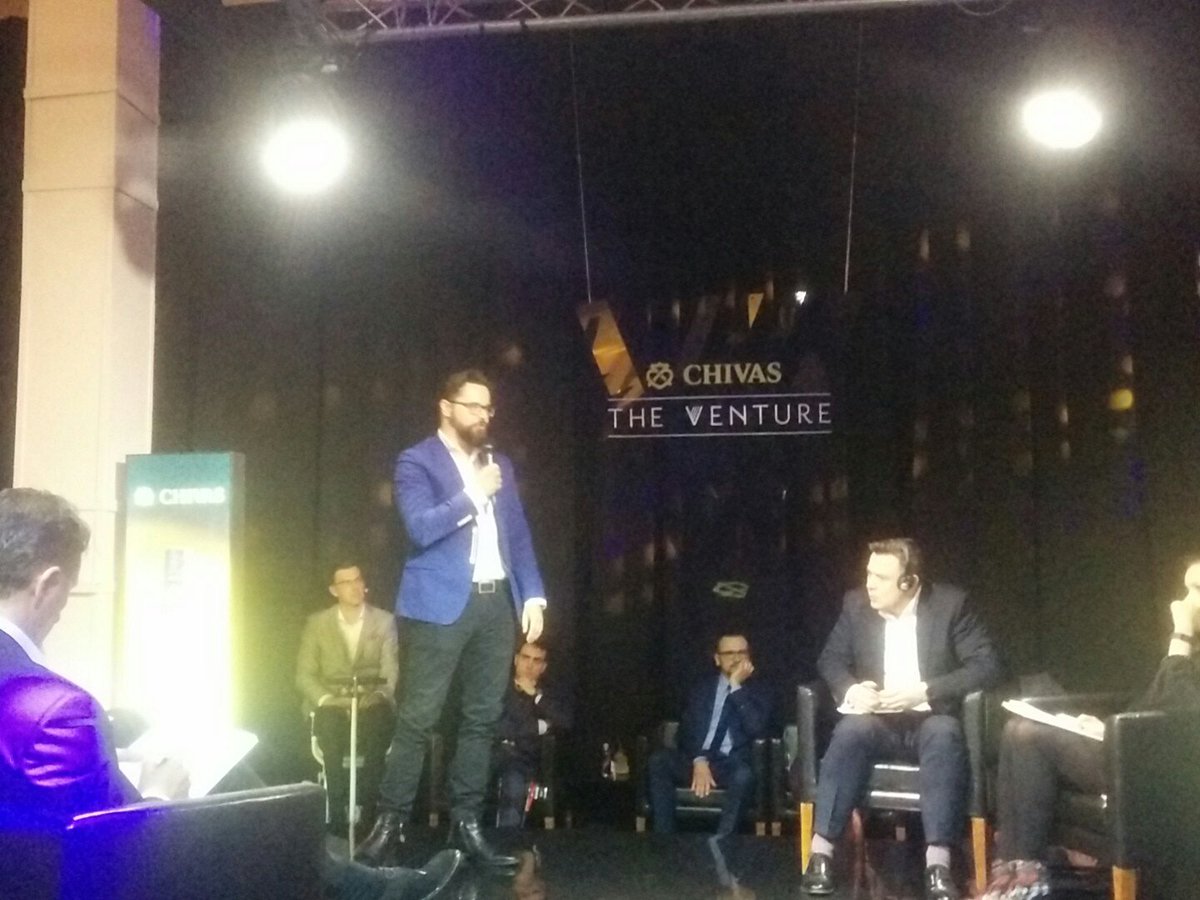
#DeepDoc przez deep learning zamienia instagrama w narzędzie diagnostyczne wczesnych stanów depresji. Czad! #TheVenture
26 Jan 2017
Miłosz z #BlueMill który stworzył wózek inwalidzki oparty o Segway - bardziej dostępny, pozwala ma poruszanie się w zimie #TheVenture
2
26 Jan 2017
NextBio brzmi jak świetna odpowiedź na problem rolnictwa - wydajne ale niezdrowe rolnictwo wieloskalowe vs niewydajne ekologiczne.
Jacek Siadkowski retweeted
23 Jan 2017
Skuteczne angażowanie do działań społecznych - pierwsza część dyskusji o projektowaniu behawioralnym już na blogu!
gerere.com/pl-article/jak-ma…

1
3
6 Dec 2016
#mannequinchallenge w wykonaniu @GerereFun dla Szkoły 3.0. Wesprzyj: szkola30.pl x.com/GerereFun/status/80616…
6 Dec 2016

Stoimy jak.. manekiny? Na pewno? :) Sprawdź jak to się skończyło: facebook.com/gererefunforgoo… #dajwędkę #szkola30 #gerere thx @GrupaSarigato!
2