
Joined February 2015
- Tweets 521,389
- Following 12,183
- Followers 15,428
- Likes 1,094,591
27,354 Photos and videos





Pinned Tweet

10 May 2024
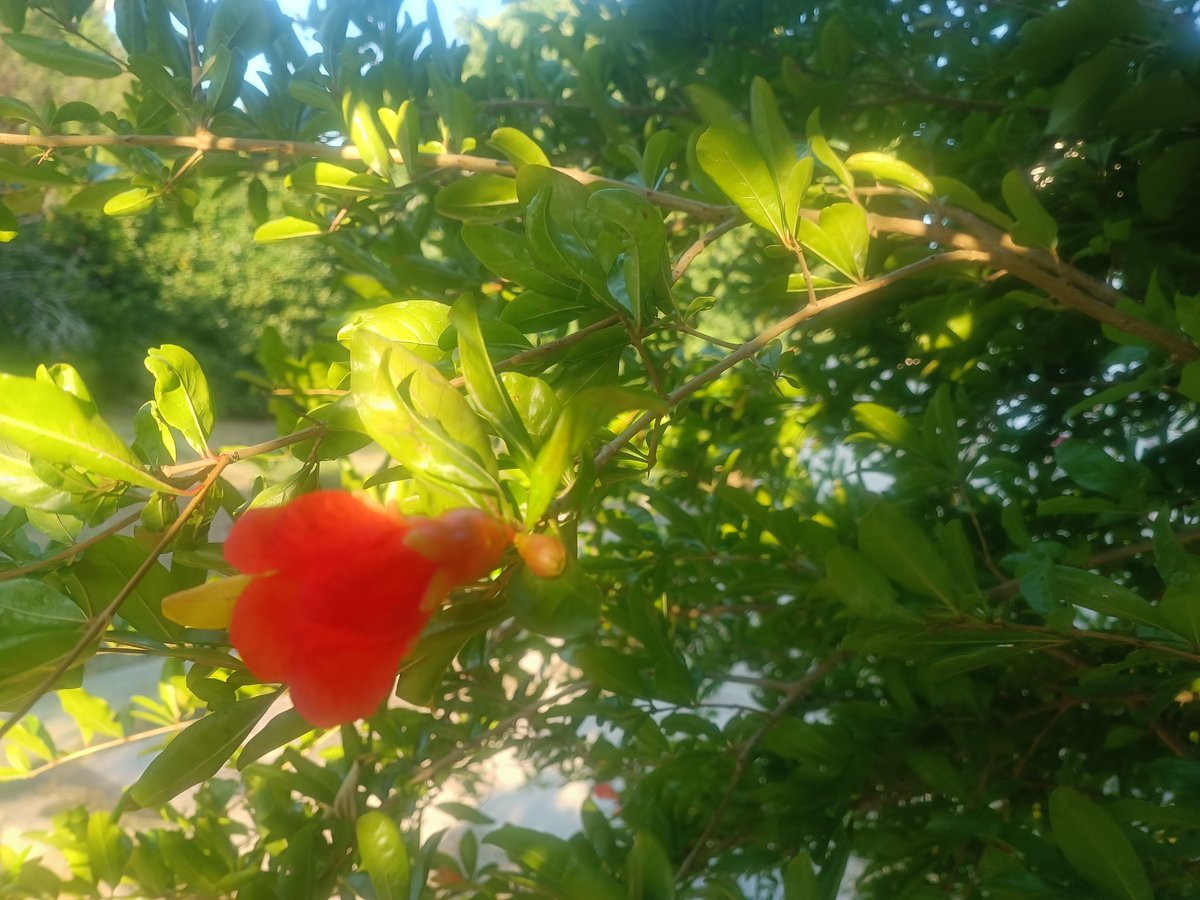
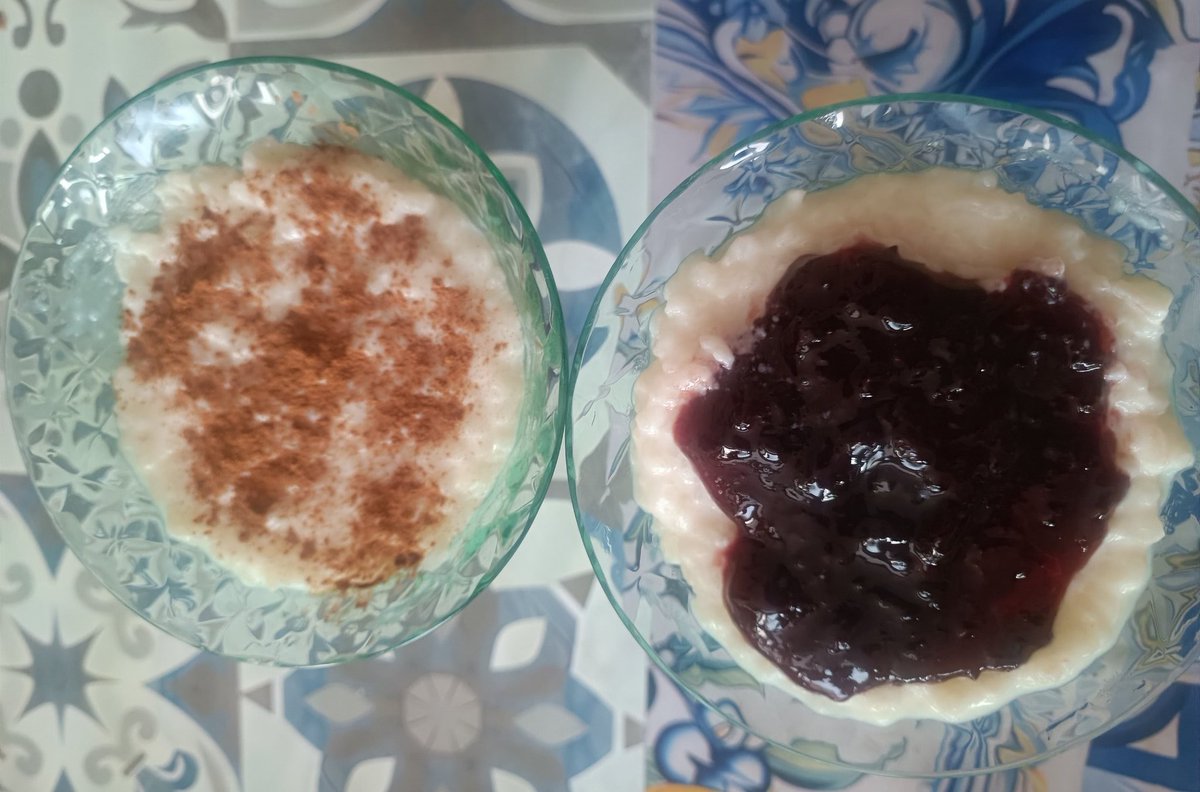
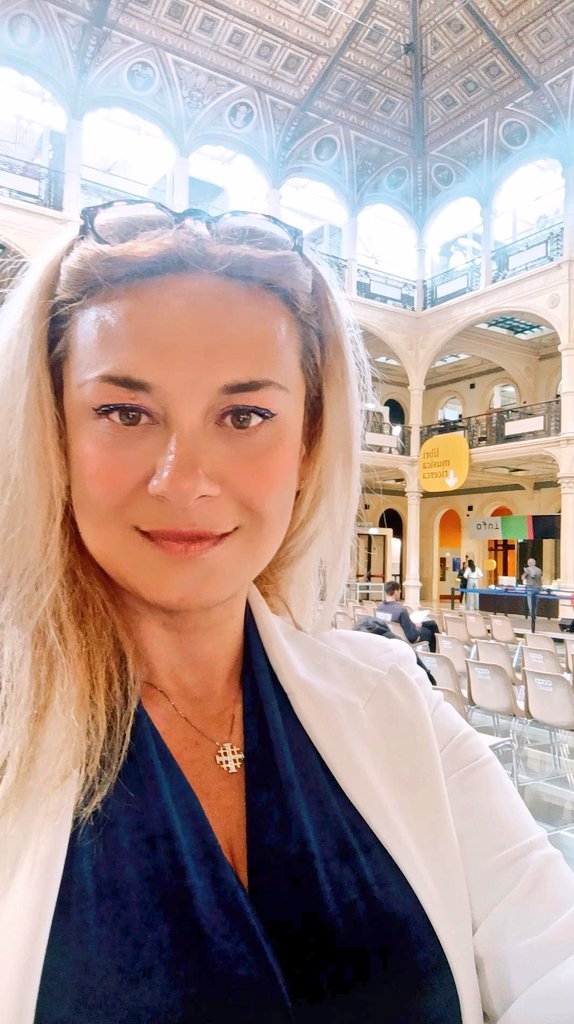
What a lovely place to live in 😍
#Bologna❣️ with wonderful and loving vibes, colours, green, blue and red flavours in art, food and nature!
😍🤩❣️🌹💚💙🇮🇹❤️
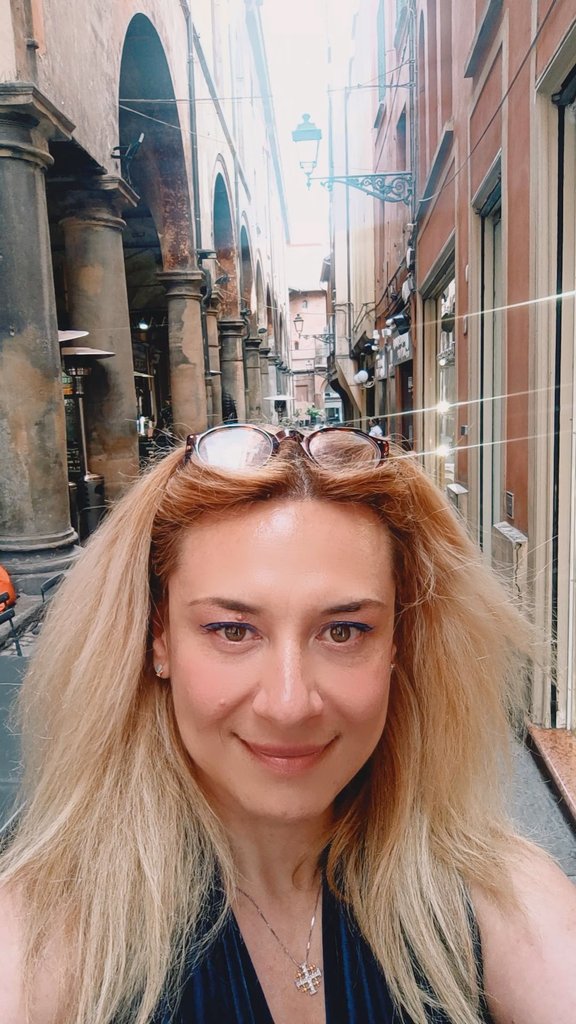
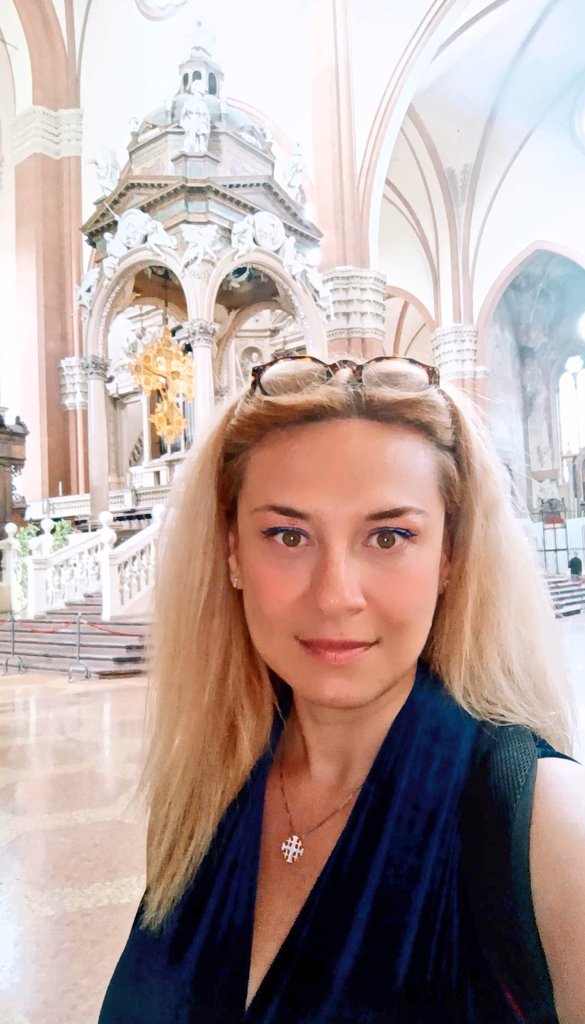
Extremely tired before today's lectures, but I'm gonna make it!
Have also a surprise Guest Speaker! #assetmanagement

63
126
803
67,331


99% SIM retweeted

16h
A group of fireflies is called a sparkle ✨


107
1,439
5,996
154,955

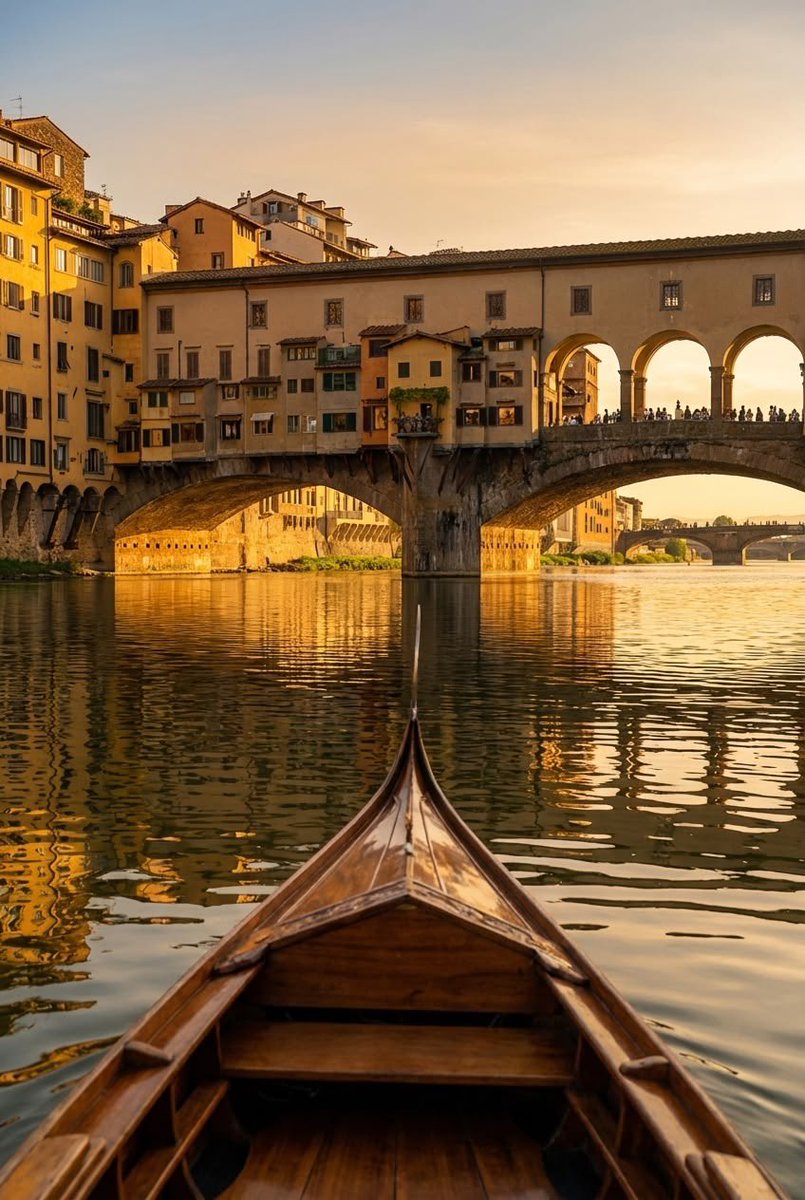
99% SIM retweeted

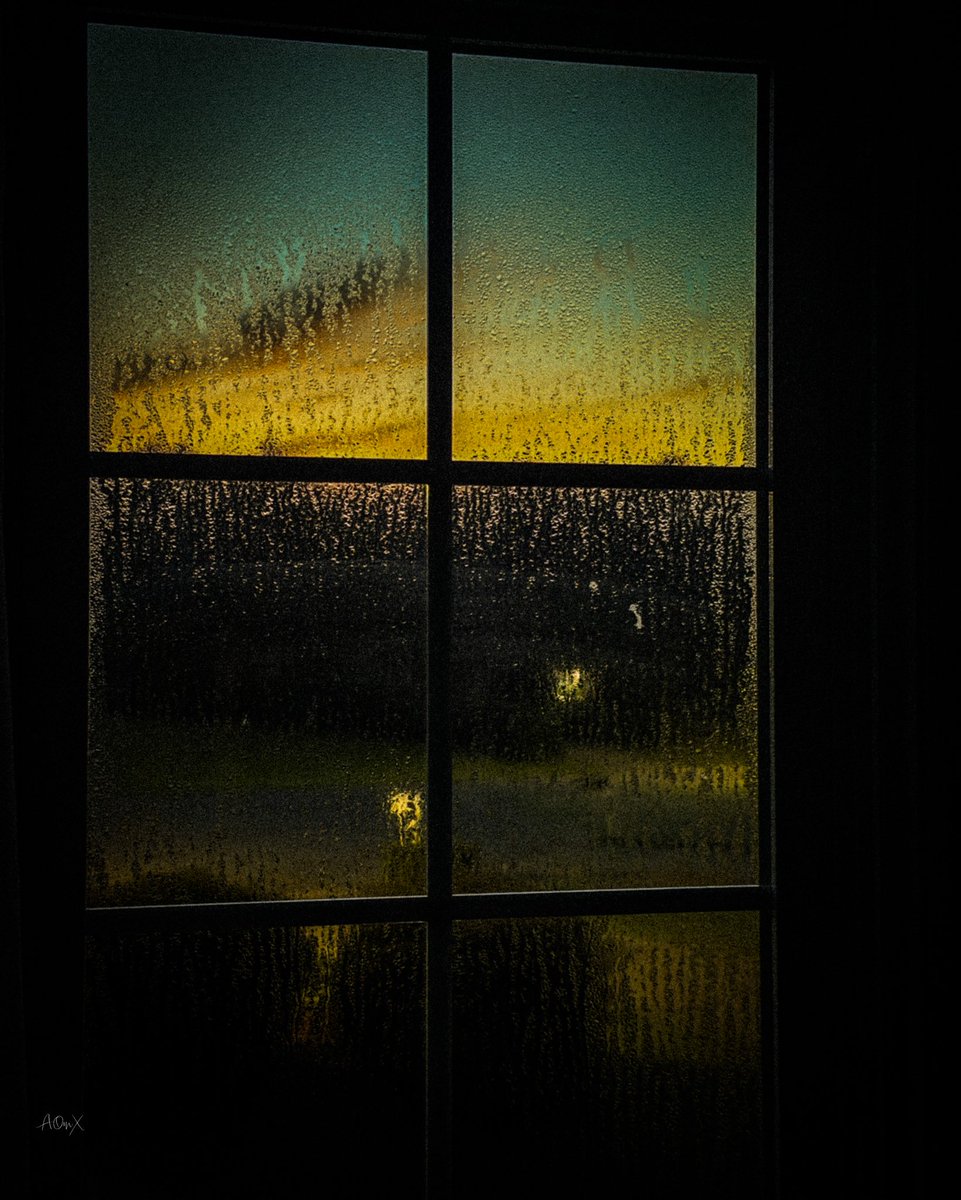
Morning Breaks. I hope you’re having a nice morning.
22
11
156
2,256
99% SIM retweeted

BUONA NOTTE DA ROMA
Il Vittoriano
(1885 - 1935)
1
2
21
340




99% SIM retweeted

La Dolce Vita in Capri
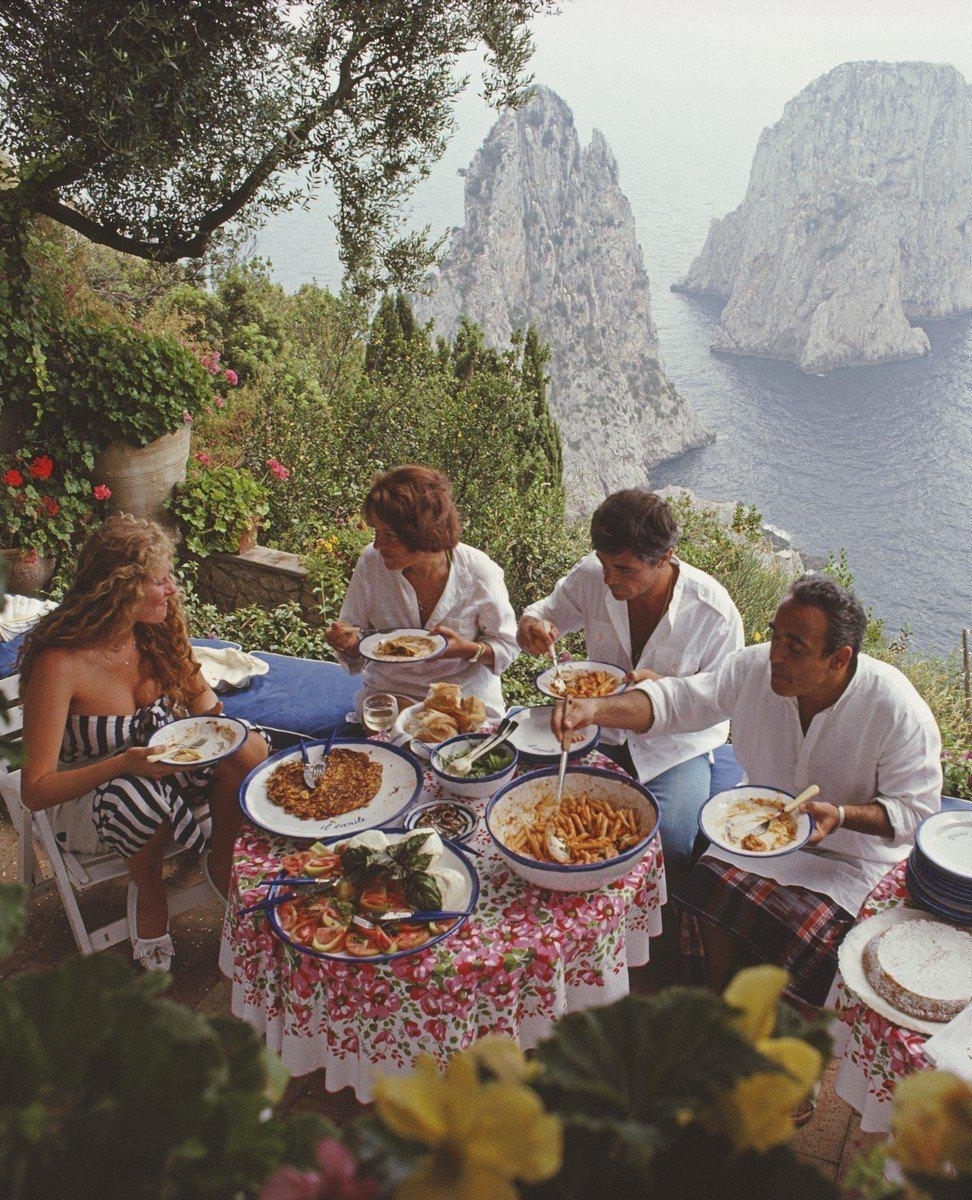
ALT Photo by Slim Aarons
2
18
188
2,282
99% SIM retweeted

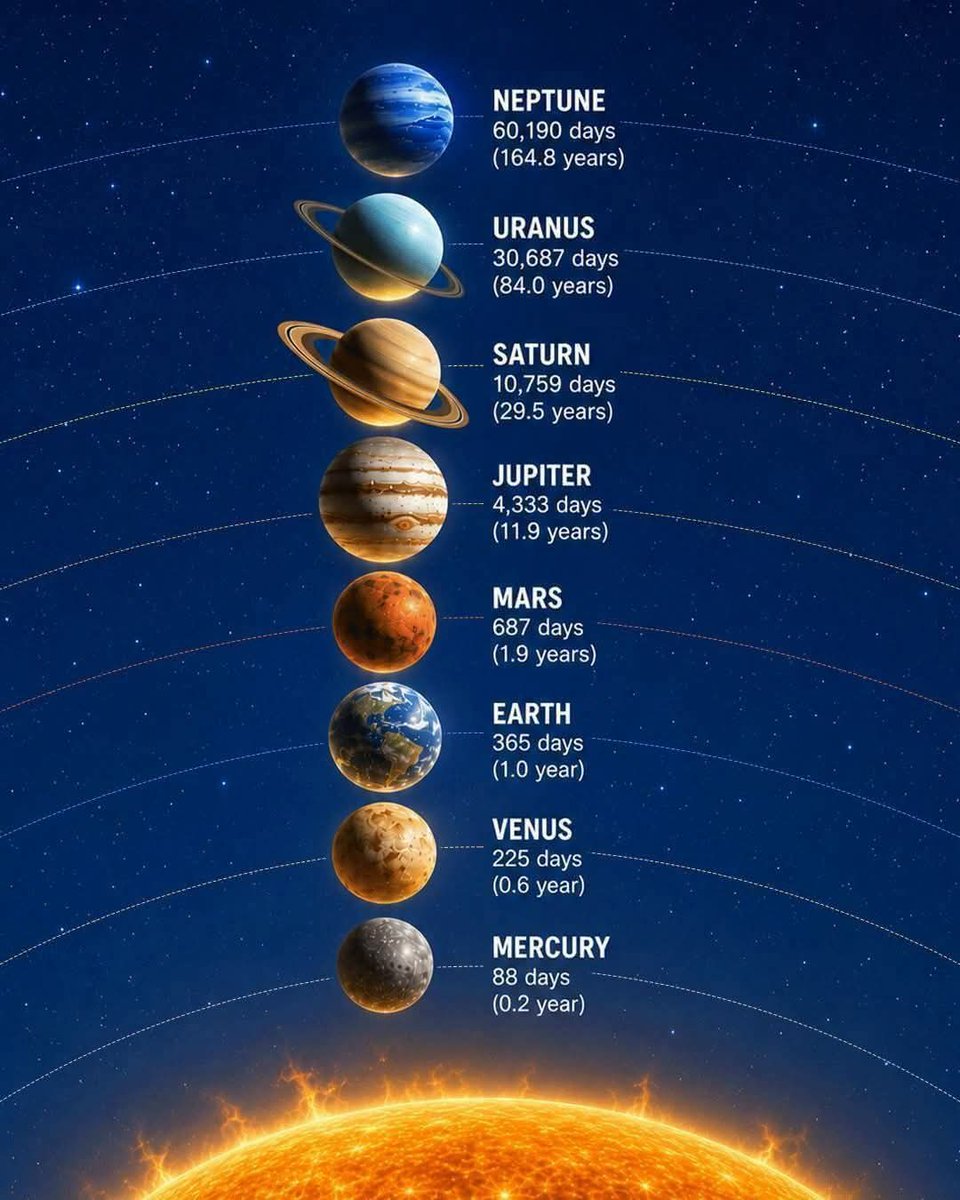
A Planet’s Orbital Period: How Long is a “Year” on Different Worlds? A planet’s orbital period is the time it takes to complete one full journey around the Sun — essentially, the length of its year.Because planets orbit at vastly different distances from the Sun, their years vary dramatically:Mercury — the closest planet — whips around the Sun in just 88 Earth days.
Earth takes 365.25 days (our familiar year).
Jupiter takes nearly 12 Earth years.
Neptune, the outermost ice giant, takes a staggering 165 Earth years to complete a single orbit.
The farther a planet is from the Sun, the slower it moves and the longer its year becomes — a beautiful demonstration of Kepler’s Third Law in action.From blistering fast orbits near the Sun to glacial centuries in the outer Solar System, every planet keeps its own unique rhythm of time. Our Solar System is a symphony of vastly different years, all dancing to the Sun’s gravity.
3
24
77
4,426










99% SIM retweeted
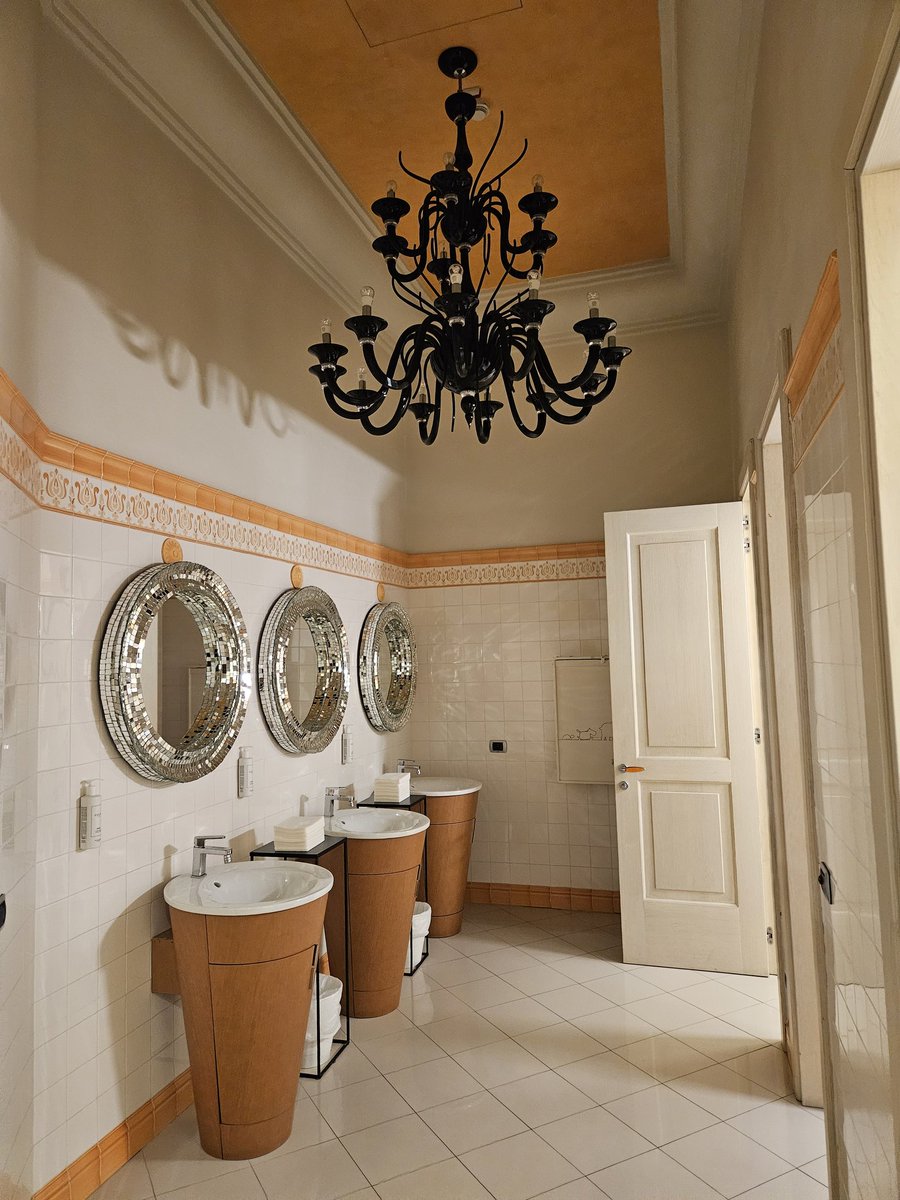
Italian bathrooms are better ❤️
with 🇮🇹 style 💋💄
1
3
12
266