Journalist I Feminist I PR professional
Joined December 2023
- Tweets 1,962
- Following 149
- Followers 123
- Likes 1,911
8 Photos and videos




Pinned Tweet

Jun 3
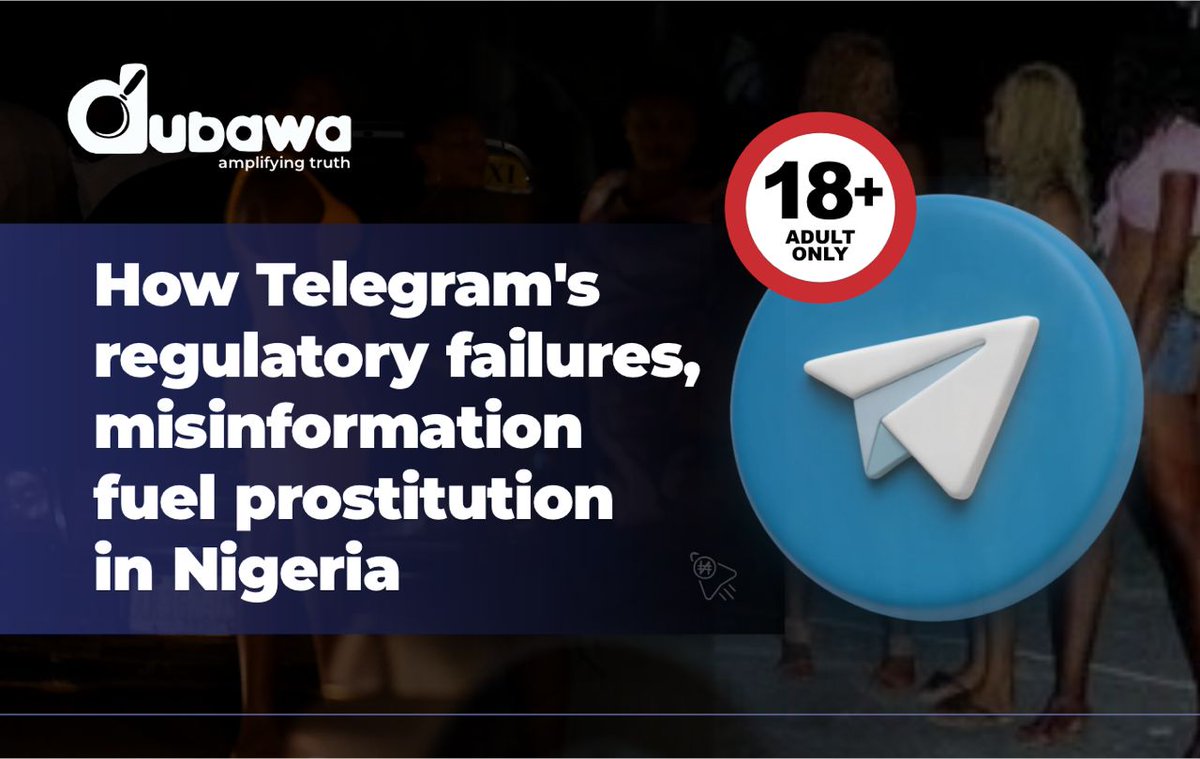
I went undercover & became a “verified prostitute” to expose pimps operating online brothels on Telegram.
I discovered there is an underground network where misinformation are weaponised to promote prostitution, exploit and traffic women.
Read my full findings 👇🏽
Jun 3

Thousands of Nigerians are members of Telegram groups linked to prostitution and misinformation.
DUBAWA’s latest investigation uncovered 79 Telegram groups operating across Nigerian cities and universities, where leaked intimate videos of women are used to advertise prostitution and misinformation is spread to promote the practice.
These groups host thousands of members and expose users to exploitation, extortion, and harmful false narratives.
#Telegram #prostitution #NAPTIP #HumanTrafficking @nordicmodelnow @unwomenNG
13
14
755
Simbiat Bakare retweeted

Ololade Ajayi
B.A Linguistics
PGD Journalism
MA Public &International Affairs
Fellow, Iowa Writers Program
Certs in Feminism &Social Justice
Associate Member, Chartered Institute of Personnel Devt Mgt
Founder, @DOHScares Foundation
Host, Document our History Podcast
Jun 12

Hi women, can you post pictures or talk about your academic achievements? I need some motivation this month.
If you see this tweet, share it so women can see it.
6
42
169
1,420
Simbiat Bakare retweeted

Jun 15
Citizens' Gavel Asks Telegram To Protect Nigerian Users Against Tech-Based Gender Violence, Sexual Exploitation | Sahara Reporters bit.ly/4xKcTT4
1
11
22
2,051
Simbiat Bakare retweeted

Jun 15
Citizens' Gavel Asks @telegram To Protect Nigerian Users Against Tech-Based Gender Violence, Sexual Exploitation | Sahara Reporters bit.ly/4xKcTT4
2
3
64
Simbiat Bakare retweeted

Citizens’ Gavel files Fundamental Rights Enforcement action at Federal High Court against Telegram over harmful content and online exploitation.
guardian.ng/news/telegram-su…
2
3
690
Simbiat Bakare retweeted

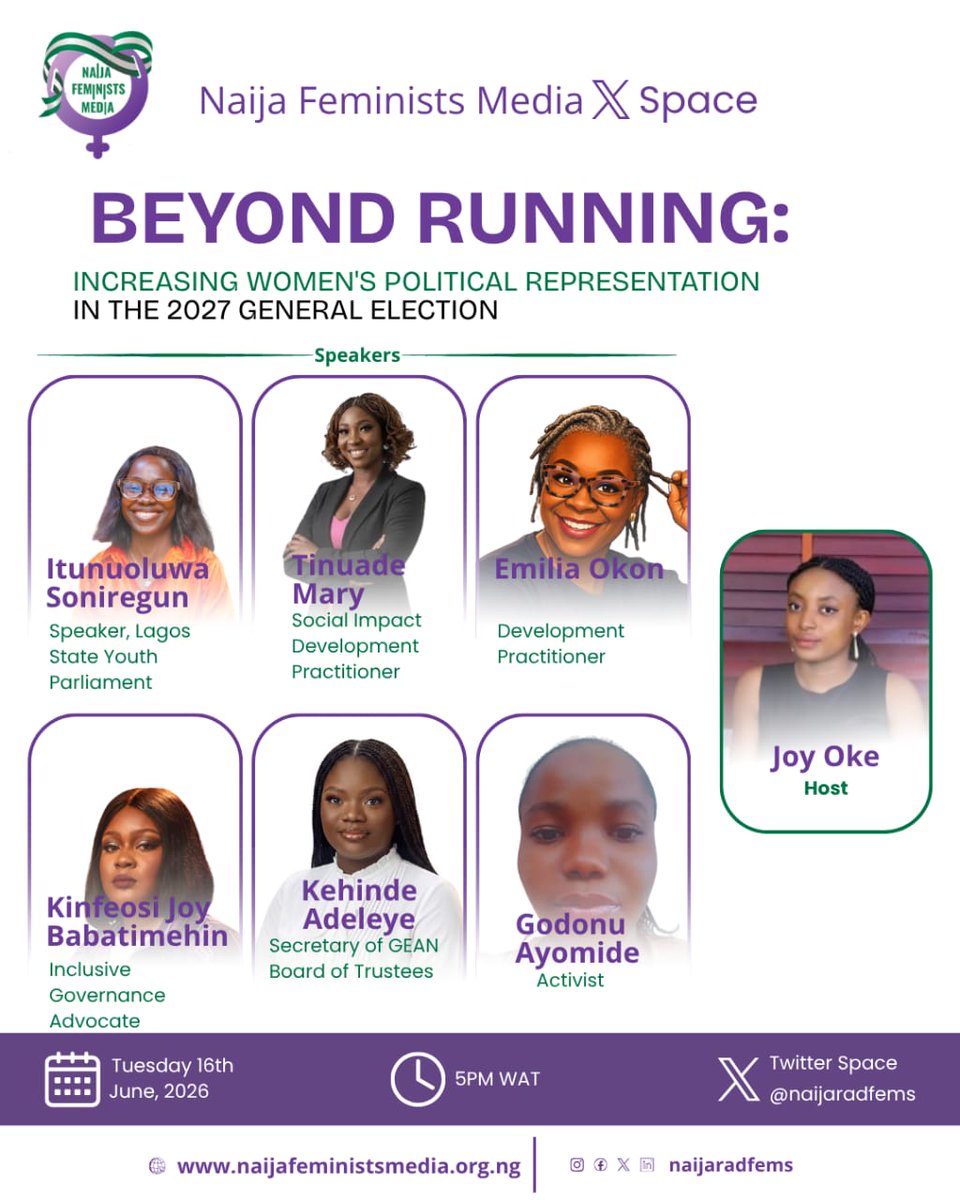
As Nigeria prepares for the general elections, talks about women's political participation must go beyond encouraging women to run for office.
Join us tomorrow for an engaging X Space.
Link here: x.com/i/spaces/1AJEmmbzbRZJL…
7
7
103
Simbiat Bakare retweeted

Jun 12
Nigeria House of Rep. Steps Down Vote on Reserved Seats for Women Bill Again naijafeministsmedia.org.ng/n…
2
1
17
Simbiat Bakare retweeted
@sim_bakare is speaking now on the fact that perpetrators aren’t centered in the conversations on Male Violence against Women.
Language really matters .

4
4
61
Simbiat Bakare retweeted
At Naija feminist media, we ensure to emphasize the term Femicide and spotlight the fact that it’s a gender related killing .. ~ @sim_bakare
3
3
74
Simbiat Bakare retweeted

Jun 12
Women continue to show up, organize, campaign, and lead in their communities. Our political institutions must now create pathways that allow that leadership to be reflected in elected office. #WhereAreTheWomen #AllNigerianWomenMatter
3
4
38

Simbiat Bakare retweeted

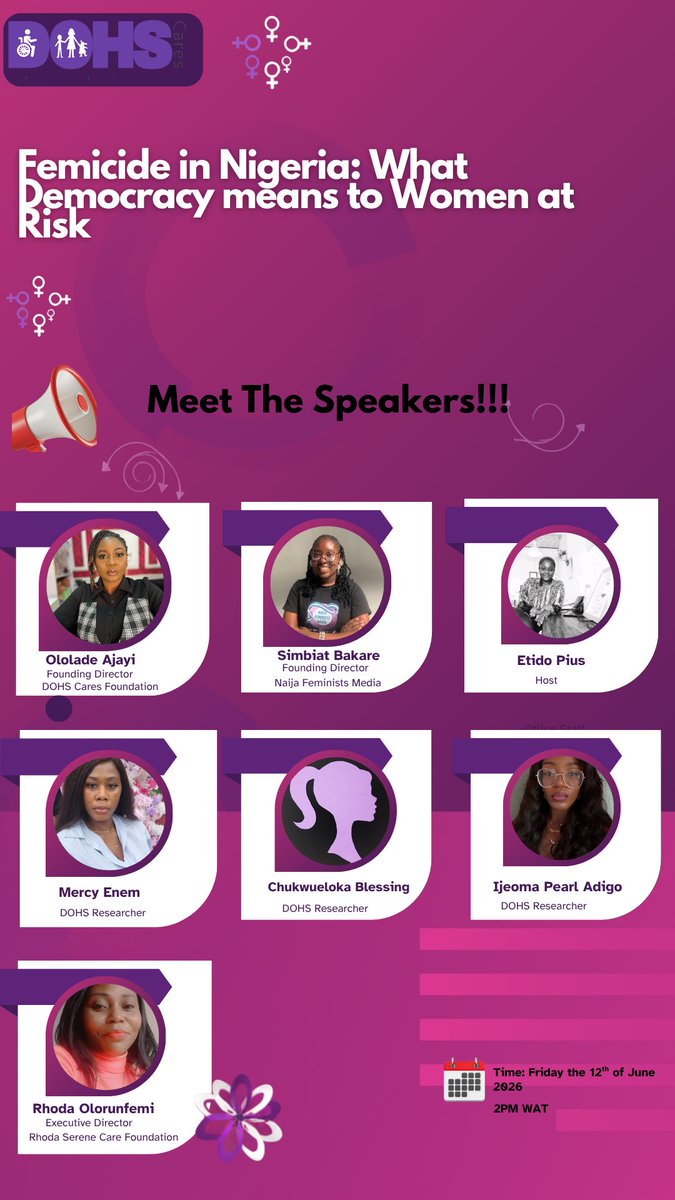
Jun 11
Come join us tomorrow by 2pm to discuss this. #femicide #democracy
5
8
152
Simbiat Bakare retweeted

Jun 10
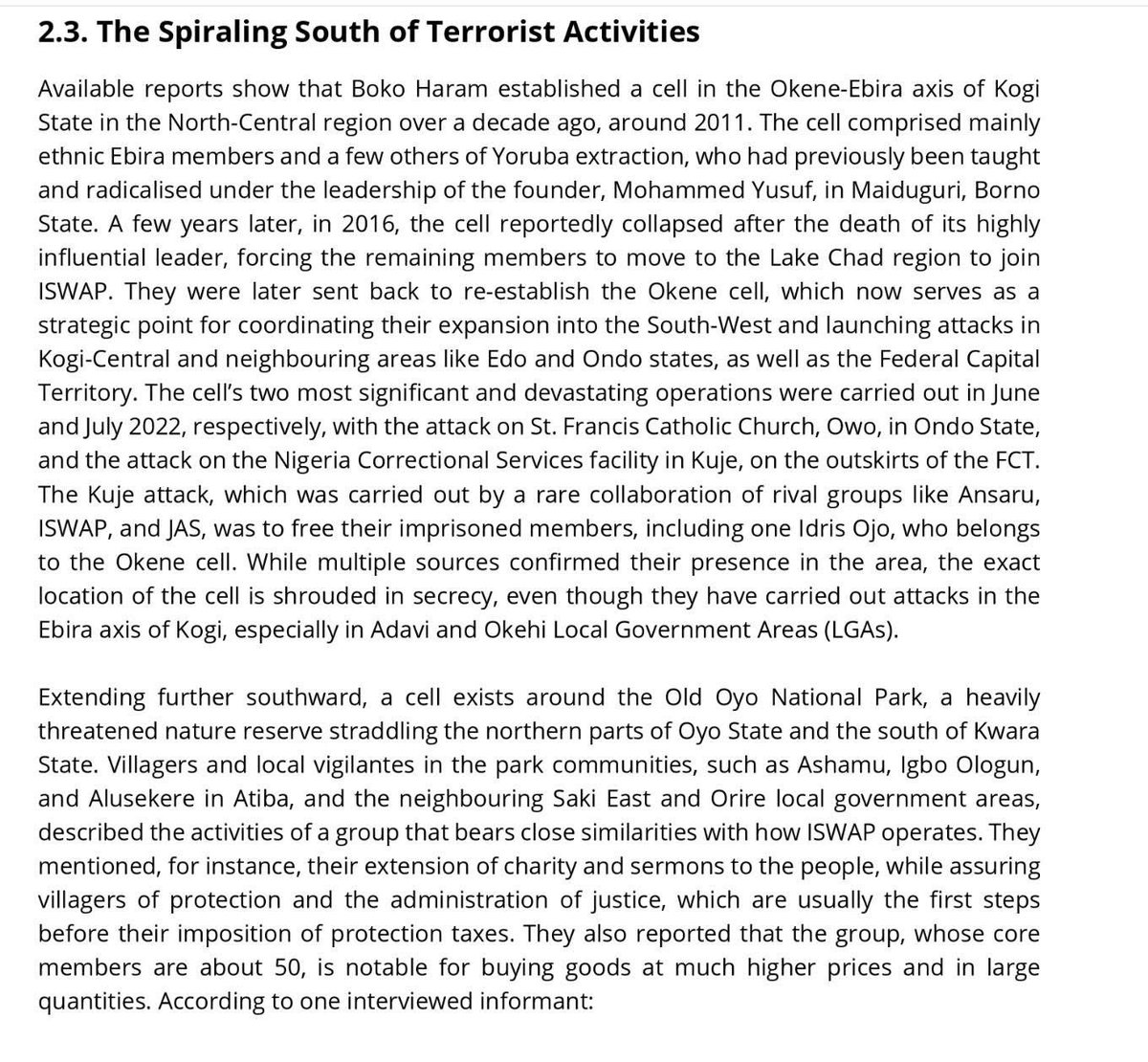
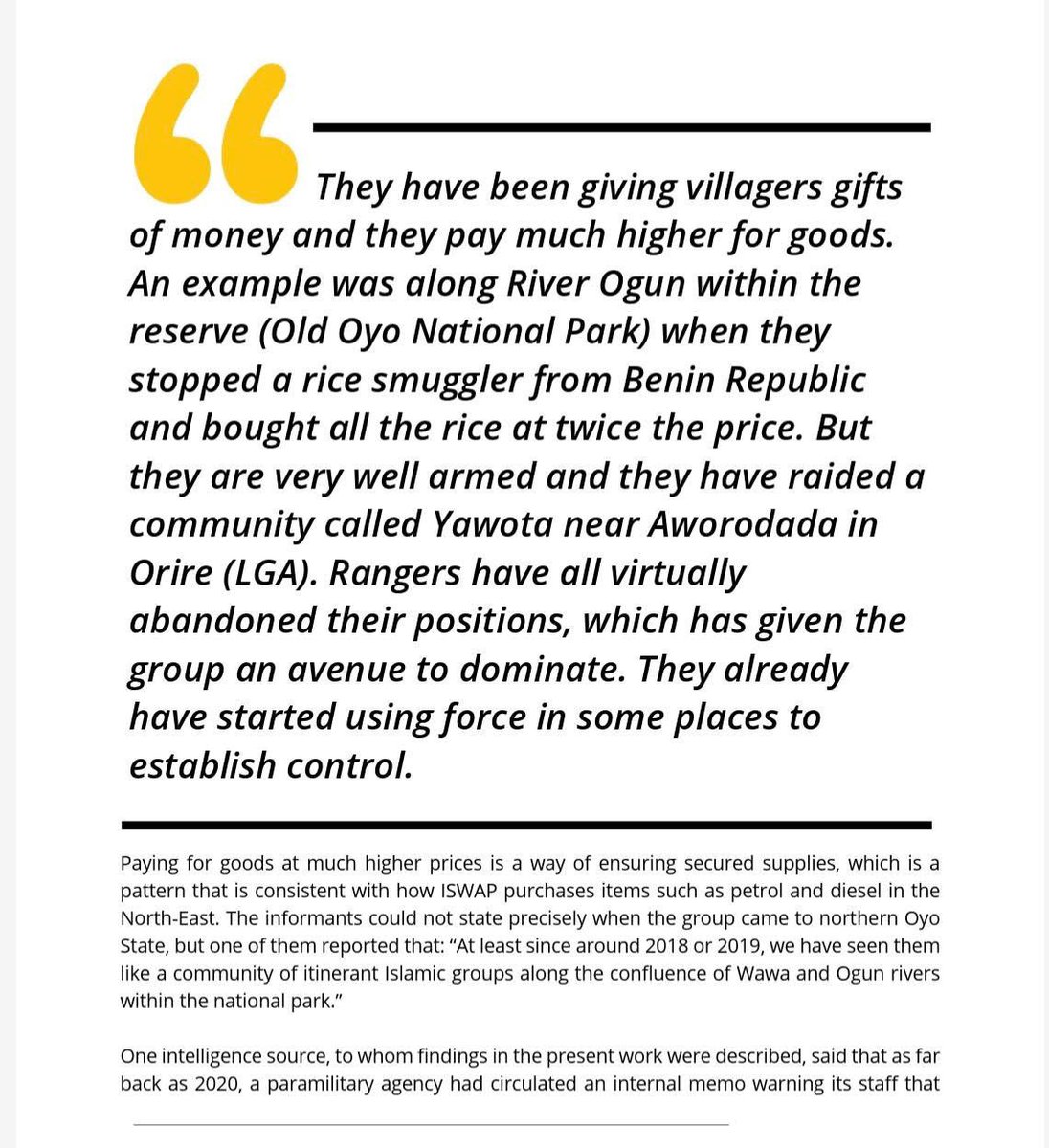
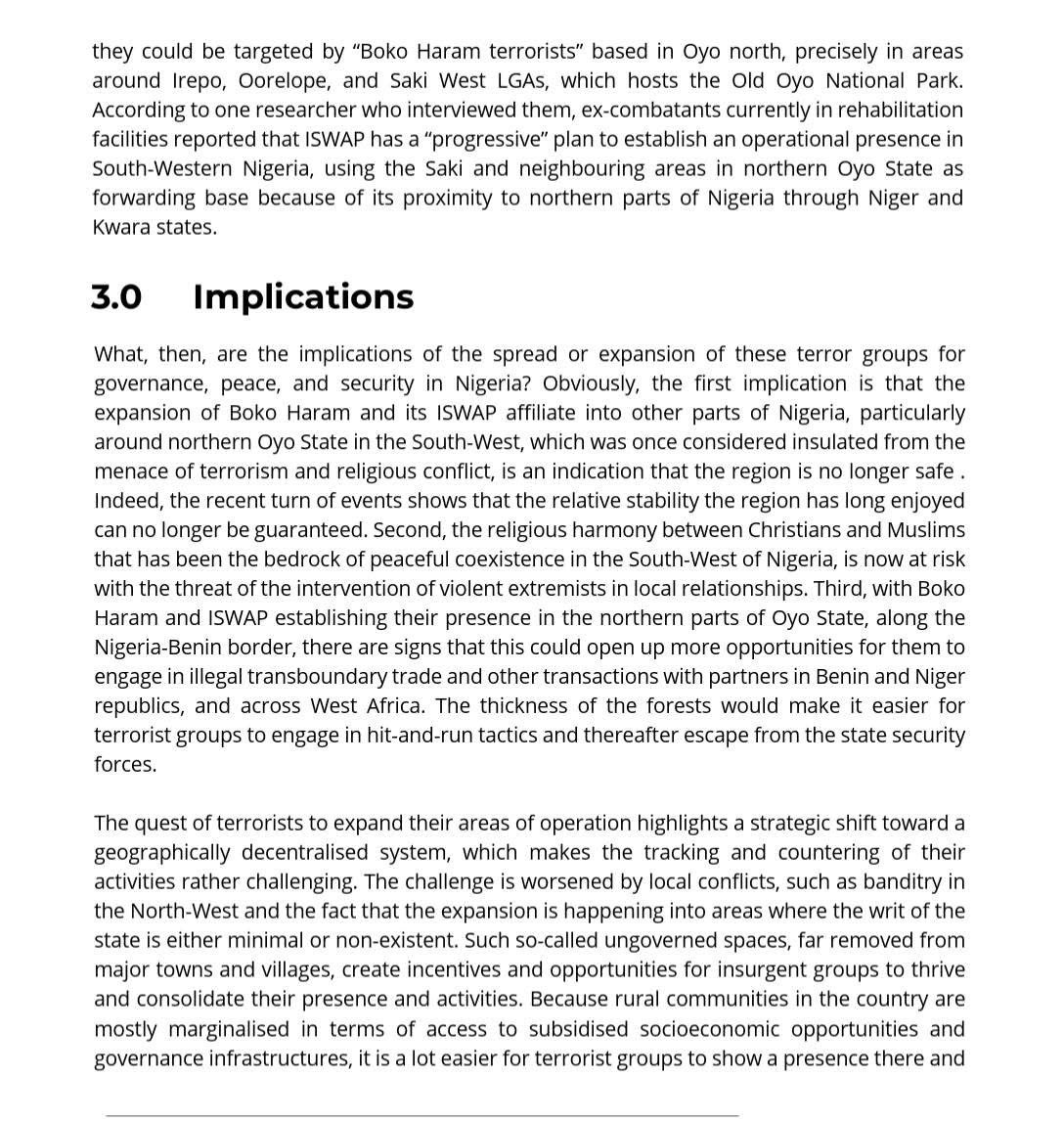
Looking back, the report was ostensibly about #BokoHaram. Reading it today, what stands out to me are the observations about state effectiveness.
Where public institutions are absent or weak, information becomes fragmented, local institutions struggle, and citizens begin looking elsewhere for protection, justice, livelihoods, and authority. Those spaces rarely remain empty for long.
Several of the concerns raised in the report years ago (forest governance, community intelligence, local legitimacy, rural neglect, and the gradual expansion of extremist influence beyond traditional strongholds) have since become part of national conversations.
That leaves me reflecting on a broader question.
Long before crises become national headlines, there are often community complaints, intelligence reports, field observations, investigative stories, academic studies, and policy recommendations pointing to emerging vulnerabilities.
How much attention do we pay to those signals before events force them into public view?

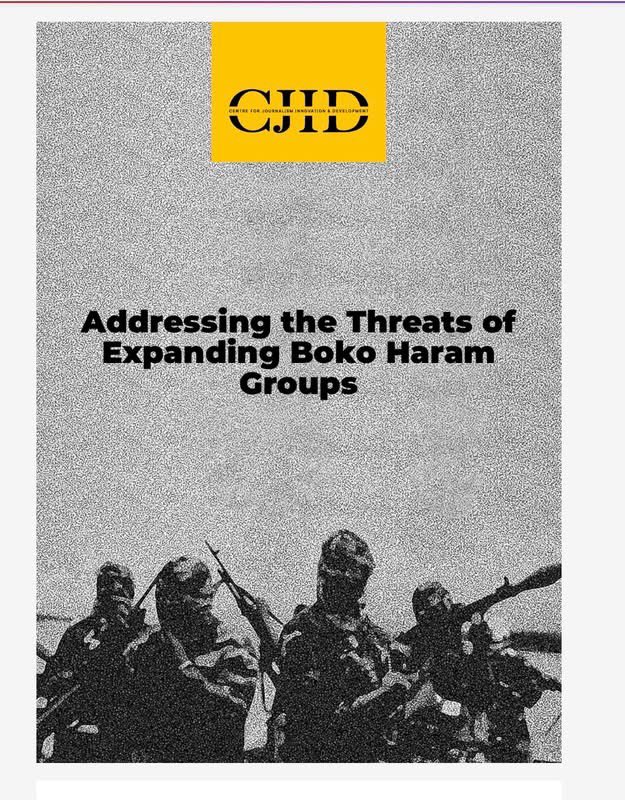
I spent a larger part of this morning rereading a @CJIDAfrica report we published a few years ago on the expansion of Boko Haram and related extremist groups beyond their traditional strongholds. As I see the part we highlighted on Northern Oyo, I feel so sad that some of our predictions turned out to be correct, and we are now dealing with the cost of inaction with the kidnap of the school kids and their teachers.
Today, forests and nature reserves are becoming governance vacuums with armed actors embedding themselves within communities before openly asserting control. The strategic use of generosity, protection, and economic incentives to build local legitimacy. Reading it in 2026 felt less like reading history and more like reading a commentary on current events.
Which raises a question I have been thinking about:
What happens to warnings after they are written?
Not just this report as there are several investigations, intelligence briefs, community complaints, research findings and countless documents produced every year identifying vulnerabilities before they become crises.
Our public conversations often begin after tragedy. By then, everyone is looking for solutions in state police, forest guards, and more deployments.
But what if part of the challenge is not the absence of information?
What if the challenge is our inability to absorb, connect, and act on what we already know?
For those interested, the report is attached below
thecjid.org/wp-content/uploa…
6
11
488
Simbiat Bakare retweeted
We are pleased to see #surrogacy included as a form of Violence Against Mothers in an upcoming report from @UNSRVAW.
See the advanced copy below for the full details of how mothers are treated negatively and exposed to various harms around the world ⬇️
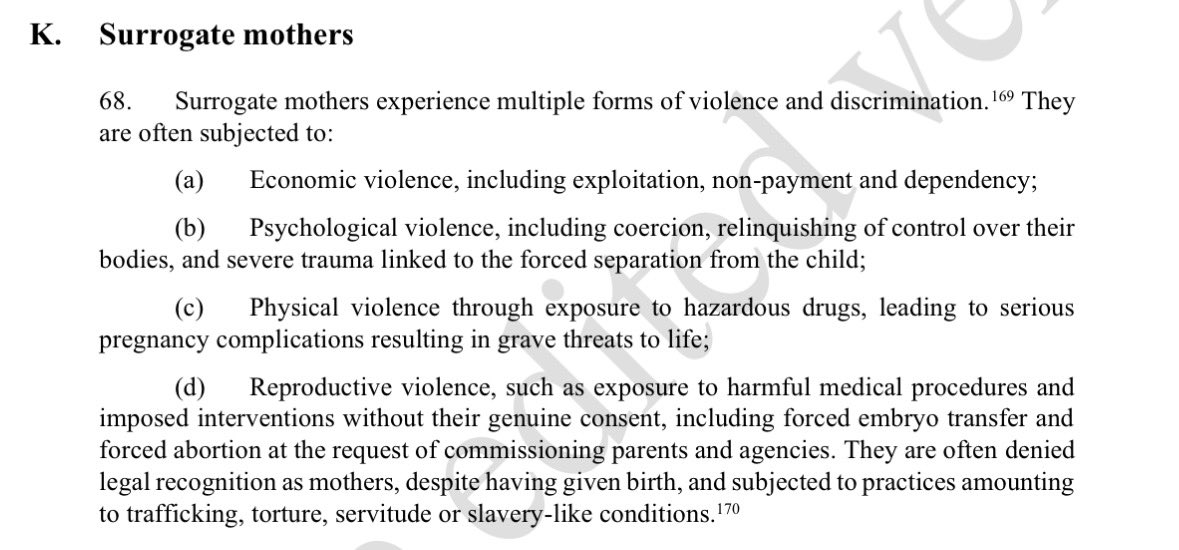

I am pleased to share the advanced edited version of my upcoming report to #HRC62 which I will present on 22nd of June 2026 on violence against mothers (A/HRC/62/49):
ohchr.org/sites/default/file…

17
57
1,689
Simbiat Bakare retweeted
Join our upcoming space in commemoration of Democracy Day on Tuesday, June 16, by 5 pm.
Women are now running for election, but how do we make sure they get elected?
Let's discuss: Beyond Running: Increasing Women's Political Representation in 2027
x.com/i/spaces/1AJEmmbzbRZJL
2
2
44
Simbiat Bakare retweeted
This conversation highlights practical solutions and collective action needed to ensure menstrual health and dignity for everyone.
Listen to the full conversation on NFM's Spotify: open.spotify.com/episode/1xp…
2
4
58
Simbiat Bakare retweeted
The House or Rep was able to pass the State Police Bill but not the Reserved Seat Bill for Women.
This shows how Nigeria deliberately exclude women from leadership participation in politics. This is patriarchy and misogyny in action!
Jun 11

Today, the House of Representatives has passed the State Police Bill. This marks a significant step toward decentralizing Nigeria’s policing system and moving the country closer to the establishment of state-controlled police forces.
1
2
3
111
Simbiat Bakare retweeted
Jun 11
HRA Calls on South Africa to Protect Migrants, Women from Xenophobic Attacks naijafeministsmedia.org.ng/h…
1
1
8
Simbiat Bakare retweeted
“Why should a woman end her life just to help another person have a child?”
To learn about the reality of #surrogacy in Nigeria, as the now 2nd most popular destination for British citizens, read this interview with a Nigerian Midwife from @NaijaRadFems.
naijafeministsmedia.org.ng/s…

For more on the British-Nigeria link in #surrogacy read this ⬇️ from our Founder @lexington1920
thecritic.co.uk/it-is-time-t…
13
33
721
Simbiat Bakare retweeted
Jun 11
Our data has proven that Home is the most dangerous place for Nigerian Women and Girls.
Also, Every 49 Hours, A woman or Girl is killed in Nigeria in an act of Femicide.
When is Femicide Laws going to be on the table??
We need better protection Mechanisms.
Jun 11

The Speaker of the House of Representatives, Rt. Hon. Tajudeen Abbas, announced that constitutional amendments to establish state police garnered support as follows: 289 votes in favor, 1 against, 0 abstentions, with a total of 290 votes cast.
8
9
249
Simbiat Bakare retweeted
Throwback to our training for girls in Agege community on gender equality, gender-based violence, and child rights.
3
8
123