
We live always at that moment where Aslan is on the move.
Joined October 2022
- Tweets 28,634
- Following 1,010
- Followers 589
- Likes 238,370
132 Photos and videos







Simon 🏴 retweeted

You can pretend Scots belong to a third Worldist coalition if you want but you still don’t have protected characteristics because of your white skin and Scots happily and enthusiastically partook in Imperialism with us.
You’re a grovelling worm trying to ingratiate yourself with what you see as the winning side, contemptible.
16h

If you ever need a demonstration of how real Scots think far differently from the British forced upon us. This is a prime example.
36
71
1,334
24,804
Simon 🏴 retweeted

12h
Nothing really. The idea that every human life is valuable is a deeply Christian one, and it’s generally a good north star for indivuals as far as morals go. But not always for the state. The state needs to be able to color outside of those lines for the benefit and safety of the people who might be priveledged enough to look on in horror from their moral high horse while enjoying the fruits.
Jun 13

What is the serious objection against killing this guy, absent stupid shite like "every human life has ultimate value?"
1
1
7
798
Simon 🏴 retweeted

11h
I work in a corporate environment in a large company.
There is an immigrant on my team who is paid the same as all of us, but basically doesn't do any work and can barely string a sentence together in English.
The management of the company won't fire them because the 'employee' would accuse them of racism if they did and rake them over the coals.
So we all have to pick up the slack whilst they're raking in a paycheck by doing fuck all.
I'm planning on quitting the company and going elsewhere.
Even being benefits would be better than this shit.
I hate what Britain has become, radical change is necessary and inevitable.
23
59
745
18,861
Simon 🏴 retweeted

The DINK lifestyle doesn't end with a tragedy. It ends with a quiet closing. The last of a line. A nursing home. A small funeral. No children.
Every civilization that chose comfort over children said goodbye the same way.
We're next, unless we choose differently.
48
38
845
35,697
Simon 🏴 retweeted

Being told I dont understand injustice....... im a grooming gang victim love, ive faced injustice every day of my life.
-Sacrificed to be raped as a child to keep racial tensions at bay.
-moved to different locations known to be targetted by men raping children rather than stopping the rapes
-staff handling my clothes with PPE to protect themselves because of the blood and evidence of rape on them, yet never ringing police
-police ordering people to stop reporting me missing while also accepting i was a victim of child sexual exploitation
-Criminalised instead of my abusers
-blamed for my own rapes
-restrained and arrested by staff and police while being distressed over said rapes
-my child taken off me at 16 and out through a forced adoption so I could continue being raped
-told I wasnt worth the funding it took to save me
-my case covered up over and over again, including my files deleted, untill I exposed it to the bbc
-even once I finally got an investigation, it was me that had to move 7 times and lose everything I own repetedly, just so my abusers could stay out on bail while repetedly sending people to my house to silence me
-my other kids being removed for 54 weeks to try and "make me take responsibility for my own abuse" and drop civil cases
-being refused compensation even though they accepted my abuse breached my article 3 and 4 human rights
-being refused therapy for 8 years
-still targetted, called a liar and abused because I speak up about what happened and fight for all victims
The list goes on even more.
Dont try tell me about injustice darling. You dont know the half of it
23
195
818
7,254
Simon 🏴 retweeted

I regret my degree more than I regret my kid, that's for sure 😂
Jun 12

i've never seen a girl get a degree and regret it, but everyday tiktok mothers are telling us how procreating was the worst decision they ever made. this is why i don't take the "children are a blessing crowd" seriously.
it's such a minority of women who are fulfilled by it.
12
4
109
6,250
Simon 🏴 retweeted

13h
It’s actually crazy that Brits on rw twitter keep on posting even though they could literally go to jail for it. They’re built different

9
26
442
8,217
Simon 🏴 retweeted

23h
The difference between the ProPal activists going to prison, and people going to prison for social media posts and putting up stickers, is that the ProPal activists planned to break the law, knew they would be breaking the law, and chose to break the law, and they knew breaking the law could mean a custodial sentence and did it knowing that.
People that wrote things on social media or put up stickers, would not have considered those would have been arrestable and convictable offences.
They are not the same thing.
8
69
392
3,655
Simon 🏴 retweeted

Jun 13
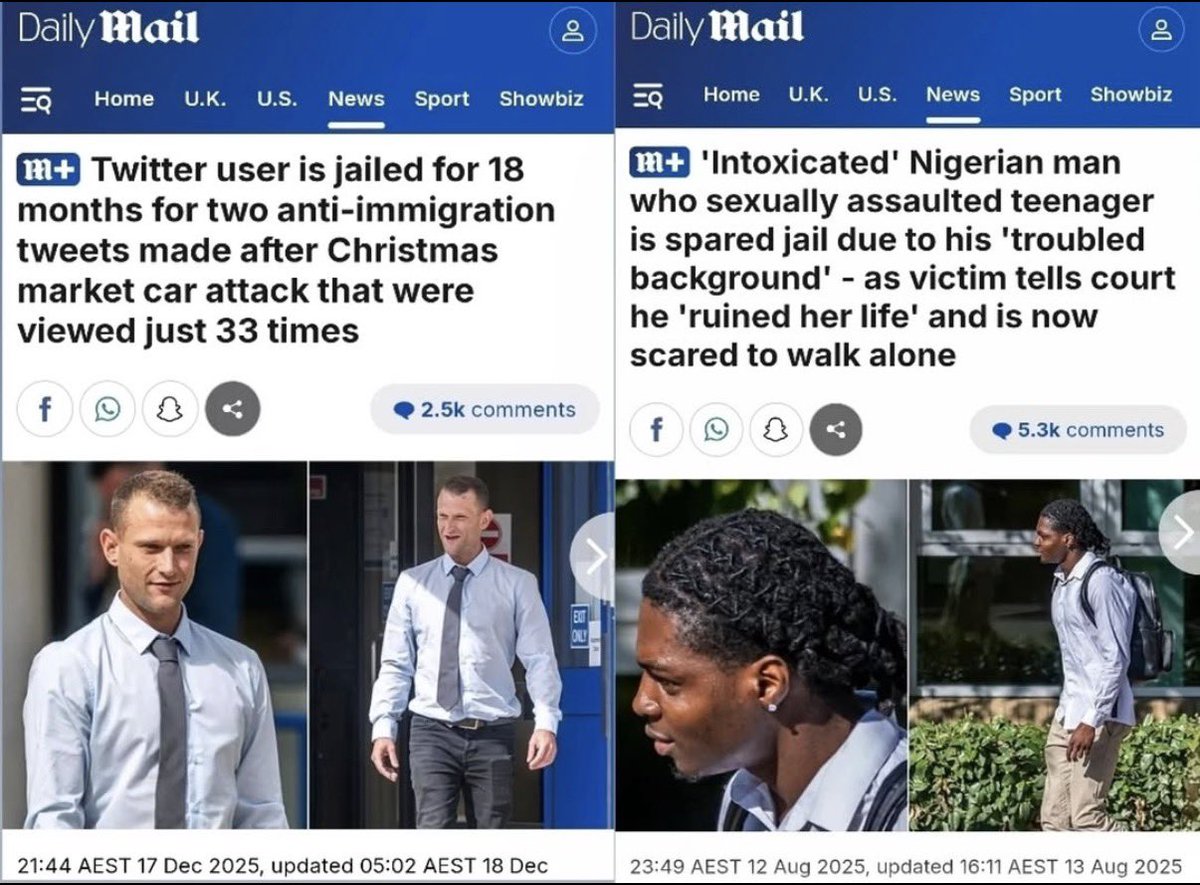
They say it’s a fair system… 🤡
44
1,520
5,680
54,181

Woman: "I wouldn't want to date you"
Man: "That's ok, I wouldn't want to date you either"
Woman: "How dare you!"
😂

Very true. Sometimes I forget there's men out there who don't give a shit whether or not their woman is even attracted to them, as long as she's hot enough lol
2
23
Simon 🏴 retweeted

Jun 12
You want to know the ugly truth about gifted programs? They exist for two reasons. One, to mollify busybody parents. Two, to segregate smart kids from the disruptive bottom decile (or two) of their peers, giving them the chance to study in a focused, productive environment.
We don't need G&T programs, we just have to segregate problem students from the general population. People don't want to do that, though. It seems cruel, feels like you're throwing kids away, so people resist the idea, even if what's actually best for everyone.
Long ago, when I was in highschool, we had an "alternative school" next door where they pro-actively shipped all the kids who couldn't make grades, who were disruptive, who were always in trouble, who were seriously behind on basic competencies, who had truancy issues, or who got pregnant. When a kid got sent to alternative school they just disappeared from your social circle. It was like exile, because it was its own school, not a program within a school.
It had a looser, more flexible schedule, more individual attention, more independent study programs, it even had a nascent online study course. It raised the graduation and matriculation rate of my highschool to a top 2% school. The alternative school itself did a far better job of getting its student diplomas than if those same kids had been left free range in the general population.
It hugely benefitted the 95% of students who didn't go. We didn't have violent classmates, kids who caused problems in class, kids who couldn't read, were aggressively anti-social, etc. Sure, there was still the class clown, the goofy super senior, the kids with reputations for shenanigans, but there were no destructive kids.
We don't need special schools for out top 10%, we need special schools for our bottom 10%.
Jun 11

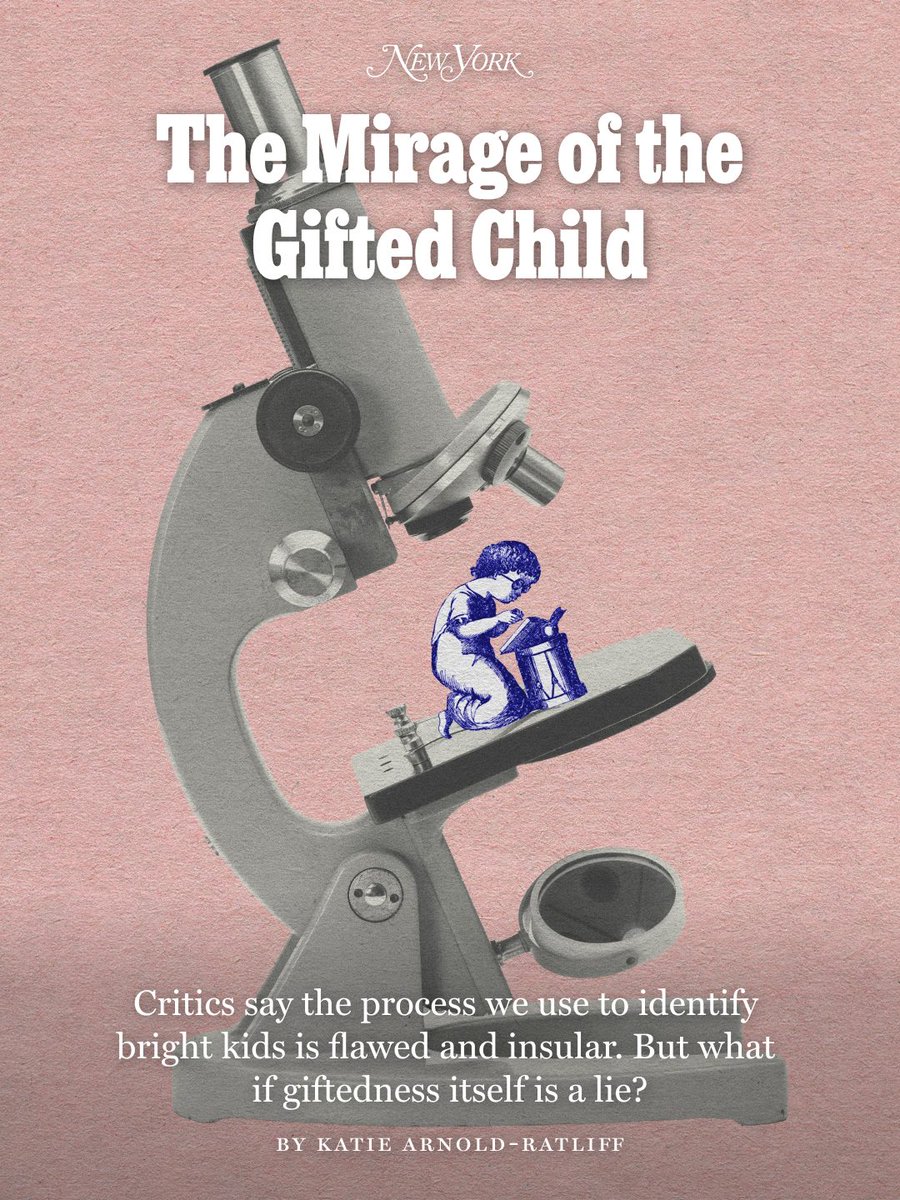
Gifted and Talented, or G&T, programs have long been a perennial subject of debate, particularly in New York City, where it has bedeviled mayors for years. Some parents have already washed their hands of the whole G&T business, refusing to participate in what they view as a corrupt system of segregation. But countless others still place significant stock in the G&T designation and what it offers and are comfortable relying on cognitive testing, should it be required, to determine whether a child qualifies.
“When your intelligence is the foundation of your self-perception, failing to achieve feels like soul death,” writes Katie Arnold-Ratliff. But if the limited amount of information we have about gifted kids long-term is any indication, most lead, at best, ordinary lives of modest accomplishment. A 35-year study of 677 gifted children found that by age 50, only 12.3 percent had reached a level of “eminence,” defined as “full professors … Fortune 500 executives … judges and lawyers, leaders in biomedicine, award-winning journalists and writers.” This means 88 percent never did.
Arnold-Ratliff digs into the myth of the gifted child, and how our notions of intelligence may be inherently flawed: nymag.visitlink.me/9mc2Wh
Community note
The study defines eminence as accomplishing "something rare" like becoming full professors at research universities or Fortune 500 executives; 12.3% of gifted participants achieved it, far exceeding general population rates. pmc.ncbi.nlm.nih.gov/articles/PMC64…
8
5
63
2,900
Simon 🏴 retweeted

Jun 12
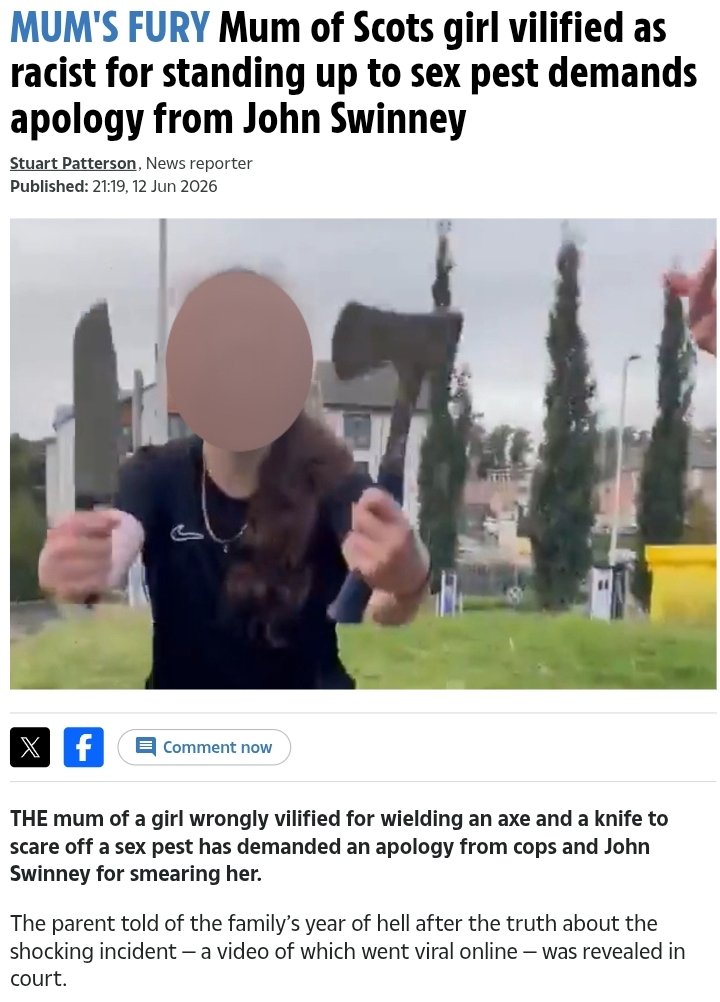
“My daughter is due a big apology.
“She was classed as a liar, right-wing and racist.
“She went into protective mode that night because she was absolutely terrified. He was making sexual remarks to kids who told him to go away umpteen times." 🏴
94
1,820
8,314
52,597
Simon 🏴 retweeted

May 28
Elon Musk @elonmusk
is going to fund legal action against @HantsPolice after officers handcuffed dying Henry Nowak, 18.
They believed his killer who said Henry racially abused him.
Henry died of DEI.
Police are programmed to believe anyone who claims “racism”.
Anyone know the officer who told Henry he hadn’t been stabbed?
247
2,521
11,865
196,957
Simon 🏴 retweeted

Britain appears to be turning into a rape-cation destination for some of the worst men on the planet.
And why not? We've been advertising it as the perfect resort for a decade or two.
No rejection of asylum if you've done something so awful your home country has given you the death penalty.
Mitigated sentences if you claim you were a bit confused about whether you could rape minors.
And in between arrival and getting caught, you'll be put up in comparative luxury by the taxpayers who will then also pay for justice to be dispensed.
It's the weirdest set of perverse incentives, and you have to be wilfully blind not to see this.
Jun 12

A Rotherham asylum seeker was here because he faced the death penalty in his own Country after raping a mother and her 14 year old daughter. He was housed next to a school on my council ward
11
158
779
11,232
Simon 🏴 retweeted

It is criminal that our government enabled a bat virus to infect and spread between humans. Indeed, it is hard to imagine a bigger betrayal of our species.
It is equally troubling that the mad scientists who did this then gaslit all the people of the world about it, including those who CORRECTLY interpreted the evidence.
Then, of course, the very same monsters amped up fear of the Covid frankenvirus and steered the panicked public away from safe medicines, and toward an obviously dangerous gene-therapy which they falsely called a vaccine in order to lure us into acceptance.
These are among the greatest crimes EVER committed against humanity. We now have persuasive evidence of everything I have said above.
If we don't correct the record and hold the perpetrators to account, this pattern will happen again, and again, and again--shortening our life expectancy, and degrading our quality of life each time that it does.
This is our Nuremberg moment. We can not simply move on from this ghastly chapter of history. We must finish it.
@brownstoneinst
Jun 12

@RandPaul DOCS:
hsgac.senate.gov/wp-content/…
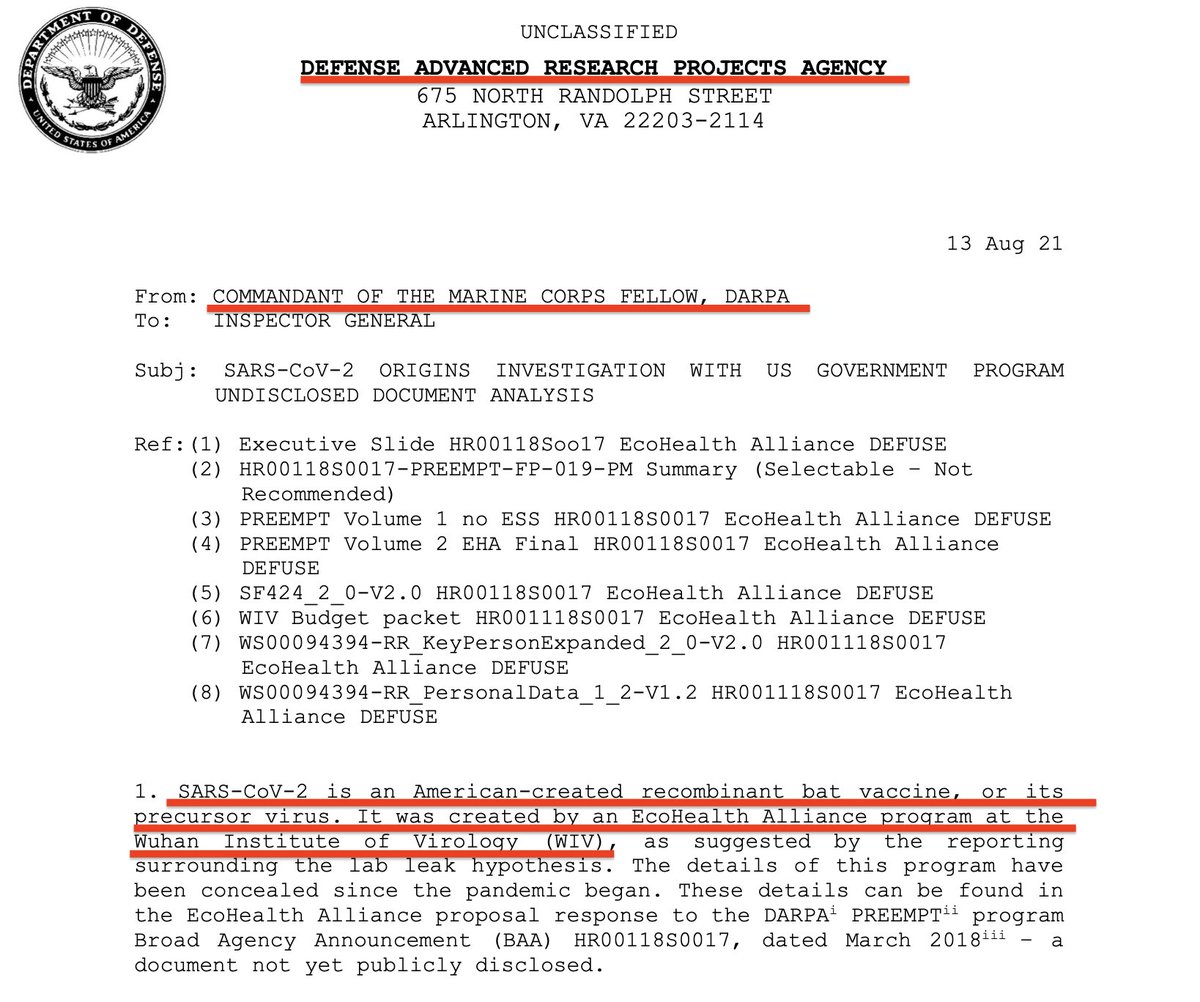
"SARS-CoV-2 is an American-created recombinant bat vaccine, or its precursor virus. It was created by an EcoHealth Alliance program at the Wuhan Institute of Virology (WIV)."
795
7,950
23,702
638,293
Simon 🏴 retweeted

22h
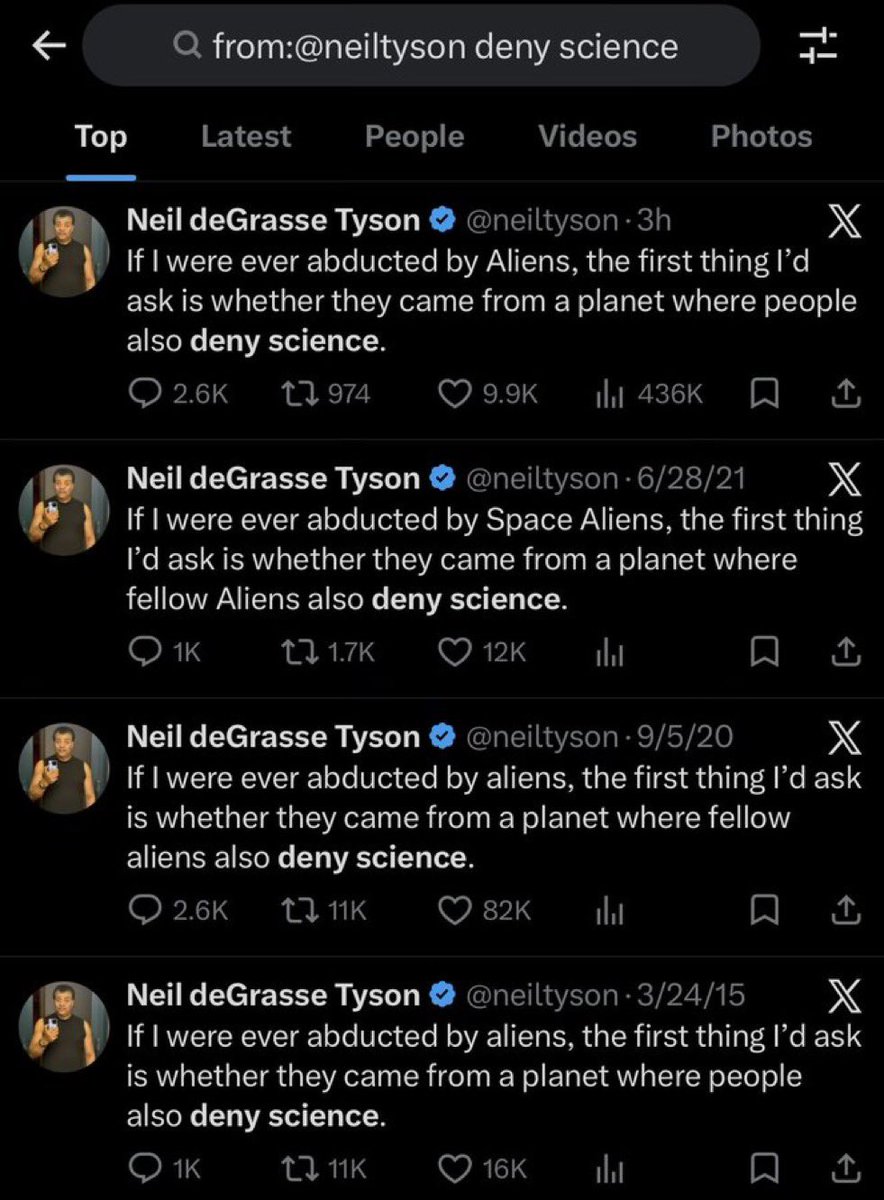
NdG is a media psyop to make you think "science" is an authoritative source of truth instead of a process of empirical truth seeking.
He is a dogmatic, arrogant buffoon, and the psyop is making people think such a person should ever be listened to.
Jun 12

If I were ever abducted by Aliens, the first thing I’d ask is whether they came from a planet where people also deny science.
70
121
1,064
23,870
Simon 🏴 retweeted

Jun 13
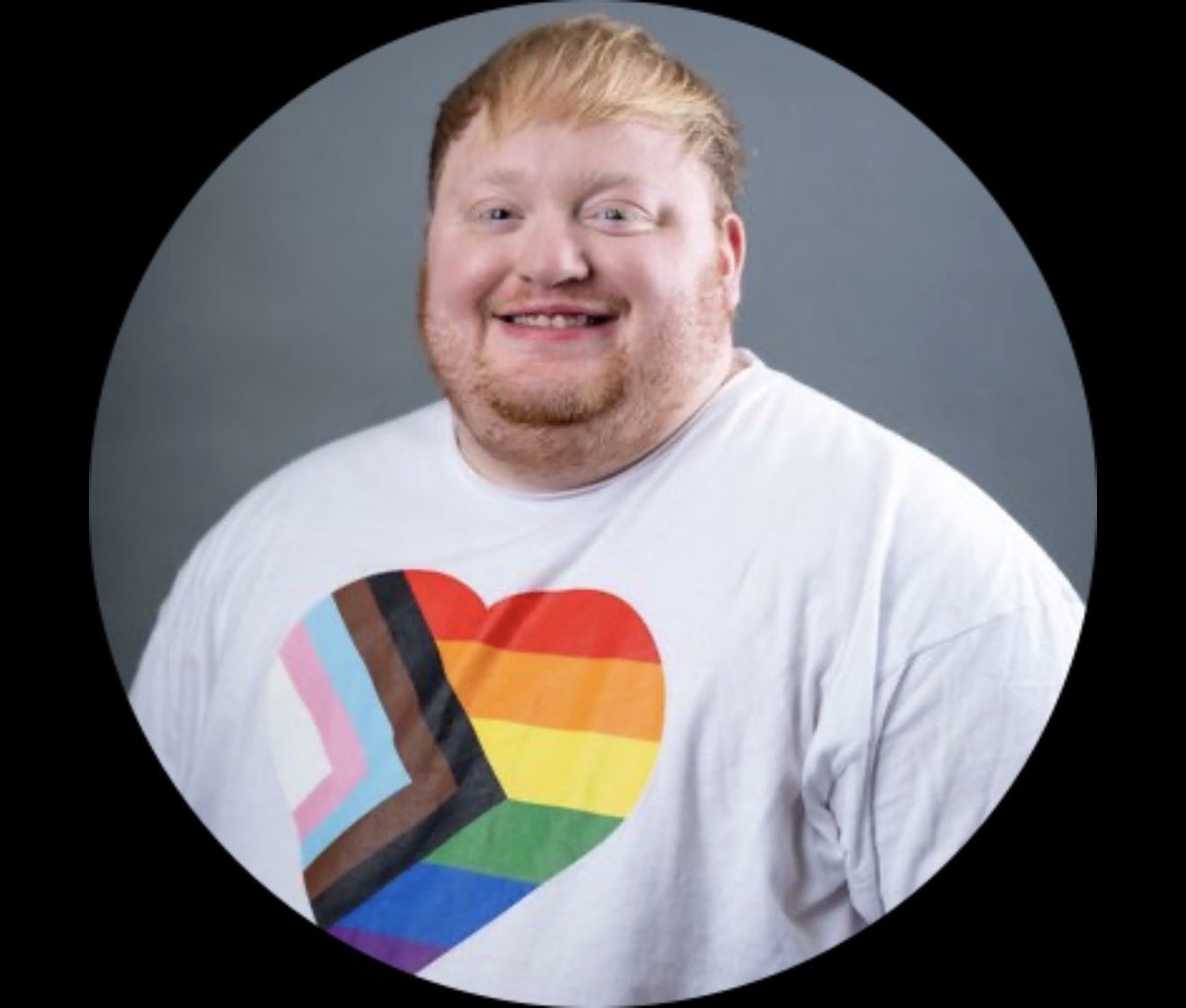
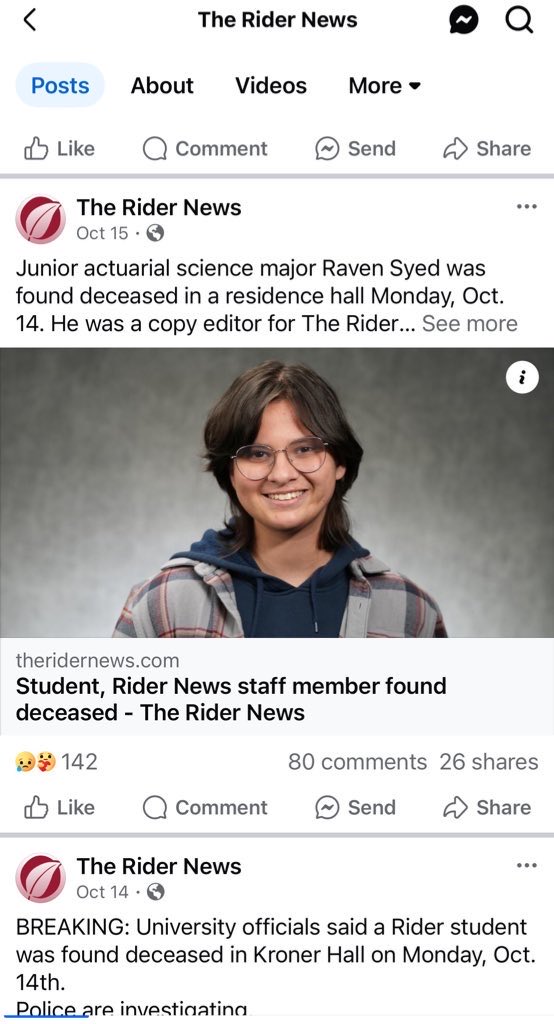
“That is called trauma,” transgender therapist Carson Eckard told my confused daughter when she expressed fear that I might come to the campus of Rider University.
In October, it will be two years since Ilene took her life.
Trauma.
It is a word therapists use so often when gender-confused children speak about parents who question or oppose their new identity. Trauma. A word that now haunts me. And sometimes I wonder whether Carson Eckard truly understands what trauma means.
I am talking about the trauma many parents experience in this country when their children are pulled away from them by a combination of therapists, schools, peers, transgender activists, pastors, and even state involvement.
Does Carson Eckard know what it feels like when Mother’s Day comes and the daughter you love with all your heart doesn’t call to wish you a Happy Mother’s Day?
Does Carson Eckard know what it feels like when DCF shows up at your door because a transgender pastor filed a complaint against you despite never having met you and having met your daughter only once?
Does Carson Eckard know what it feels like when a university you trusted with your child’s education and safety labels you “unsafe” and bars you from its campus?
Does Carson Eckard know what it feels like when your child’s birthday arrives and you are unable to spend it with her?
Does Carson Eckard know what it feels like when police knock on your door and tell you that your child is dead—and that her body lay alone in a dorm room for four days while the university was celebrating National Coming Out Day?
Does Carson Eckard know what it feels like to stand beside your daughter’s casket and see her lying there, motionless, knowing that every hope, every dream, every plan you had for her future has come to an end?
Does Carson Eckard know what it feels like to watch that casket slowly lowered into the ground, knowing that this is the last time you will ever be physically close to your child?
That is trauma.
The sleepless nights. The unanswered messages. The fear. The helplessness. The grief. The years of wondering whether there was something more you could have done.
Yet I suspect Carson Eckard would not describe what I feel as trauma, despite being a licensed therapist.
To Carson Eckard, trauma was my daughter’s belief that something was wrong with her body and my refusal to affirm that belief.
But what would Carson Eckard call what I have lived through?
What would Carson Eckard call what countless other parents are living through right now?
If losing your child while she is still alive is not trauma, and losing her forever is not trauma, then what is?
101
268
1,969
129,395
Simon 🏴 retweeted

20h
mispronouncing a word based on how it's spelled is a sign of intelligence now because it means someone was actually reading
15
2
96
3,902
Simon 🏴 retweeted

The Secretary of State for Northern Ireland @hilarybennmp said this week on migrants, that “last year we removed 1,000 people from Northern Ireland who had no right to be here”
He was however being deceptive. These were not asylum seekers but illegal migrants caught working in Northern Ireland without permission, being for the most part Roma and Albanians. We need precise details on these returns and not be fobbed off with bland statements
There are still some 3,000 asylum seekers in Belfast who are Home Office funded making the city the asylum capital of the UK (4th out of 360 local authorities.) They mostly have come to Northern Ireland over the open border having first reached Dublin but will never be sent back once they claim Asylum This figure excludes those thousands already granted leave to remain, who are not enumerated and are now reliant on Northern Ireland welfare benefits and funded accommodation. No wonder people in the more deprived communities where migrants have been housed feel angry. They were not asked or even consulted.
44
556
1,938
39,737
Simon 🏴 retweeted

23h
Hi! Overeducated, underemployed millennial here. Let me tell you about why Elon Musk is actually extremely stupid and bad at business.
70
466
10,552
174,206