
Being my best Mister Rogers. Curious about content, communities, and sometimes startups. Always alliterating.
Joined November 2007
- Tweets 3,191
- Following 328
- Followers 736
- Likes 1,446
214 Photos and videos















Skyler Rogers retweeted

5 Nov 2024
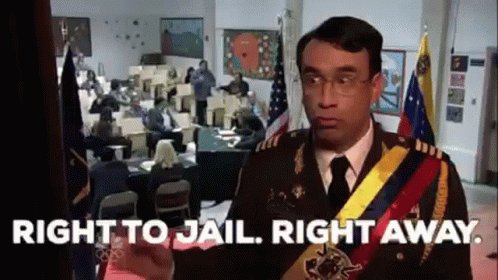
election vibes

5
33
228
41,274

Skyler Rogers retweeted

8 Oct 2024
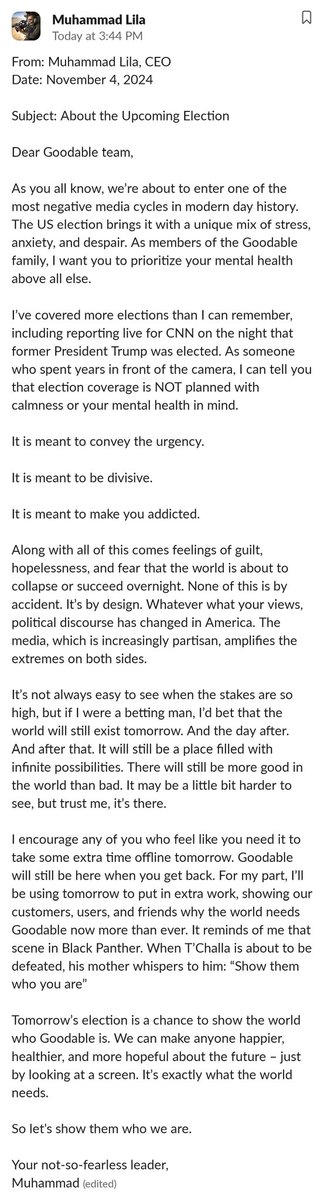
This is exactly how it felt
2
1
10
2,538

1 Sep 2024
Me at 12:01am on September 1st

This is everything Mary Shelley envisioned but didn’t have the words for
1
74
19 Aug 2024
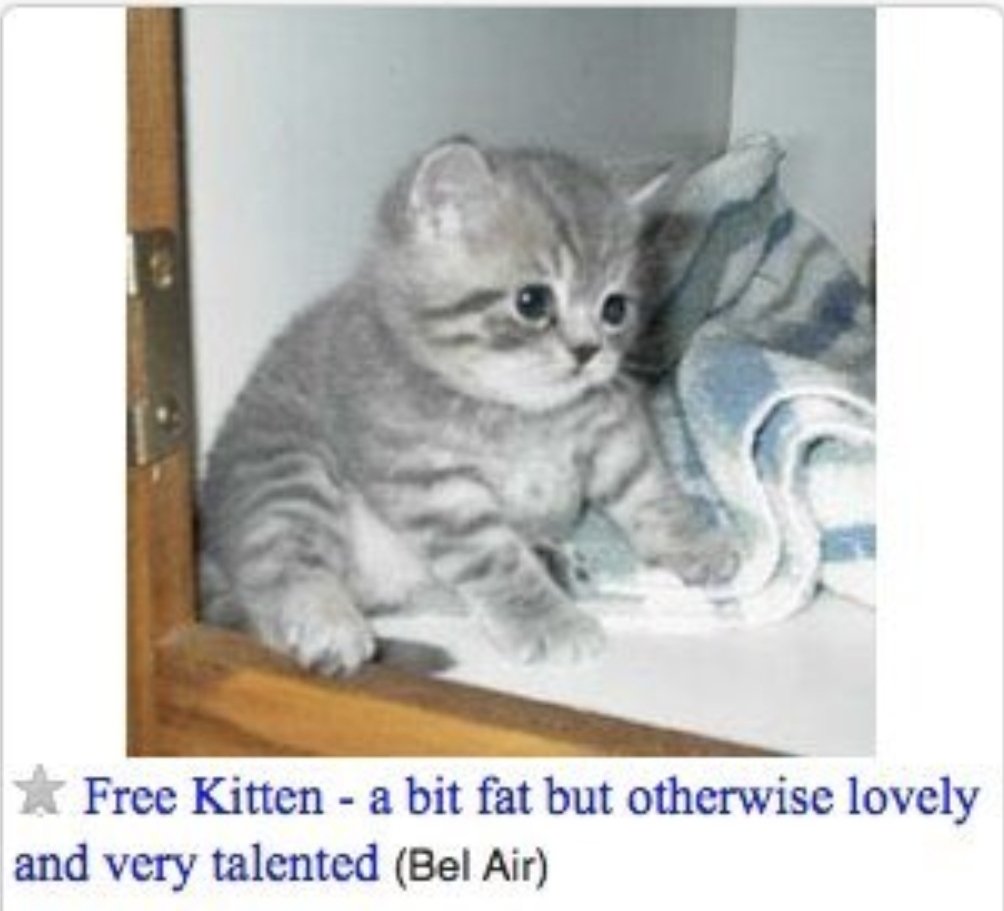
Finally. My perfect LinkedIn headline. 😌

46
Skyler Rogers retweeted

2 Aug 2024
Stop scrolling and ask yourself this question:
What is it that your body and mind needs in this moment? Is it to be scrolling social media? Or is it something else?
Close your eyes if it helps feel into the answer. Welcome whatever comes without judgment.
3
1
8
733
17 Jul 2024
Can’t wait to get screamed at by an army of 14-foot monsters when I walk in to buy an air filter this August. 😌

Home Depot’s viral giant skeleton has some upgrades — and lots of new friends trib.al/yM2HRnN
59

19 Jun 2024
18 Jun 2024

trying my best isn't enough. it is time to try my worst
26
Skyler Rogers retweeted

3 Jun 2024
One of the most interesting metrics of company culture is what I call the "work to do the work." How much time is spent on information gathering, stakeholder alignment and decision making, and how much is spent on actually doing the thing. An early startup's biggest advantage is that alignment tends be easy, since you have a small team all working on the same product, a founder who is the ultimate decision maker, and a necessary bias to action (maybe a 1:10 WTDTW:W ratio). As you scale, this ratio invariably shifts: bigger teams, more hierarchy, more complexity, more feedback to inform future decisions. Good processes should be in service of helping teams make and communicate well-informed decisions so they can still spend the bulk of their time actually moving things forward.
The problem with a high WTDTW ratio isn't just that it slows teams and companies way down, but that it changes the incentives of an organization. In a company with a 10:1 ratio, for example, employees are rewarded for their ability to navigate and influence the organization, rather than producing results. I distinctly remember a moment in my career when I realized, with horror, that I was pouring the vast majority of my creative energy into solving problems in the WTDTW realm (and getting real personal satisfaction from playing that role well)...but I was exhausted by the time we actually got to execute. And it's a dangerous trap, especially for executives, to think that all the "strategy" is in the WTDTW bucket, because the creativity, iteration and debate that goes into actually bringing something to life is where the magic happens, whatever your company's size. 🪄
18
56
533
80,741
14 May 2024
kind of hate how much I keep laughing at this


1
76
12 Apr 2024
Yep. They’re all here. 😌
11 Apr 2024

Thread of Conan Hot Ones gifs I will be using until the internet stops working:
43
Skyler Rogers retweeted

13 Mar 2024
Way back at the beginning of my entrepreneurial journey, I subscribed to the lifestyle of "busy."
Busy was something I thought I should predictably feel while growing a company.
Busy felt fast, and I loved the dopamine hits of putting out fires all day.
But, as the years went by, I started to become skeptical of busy and all the ways it wasn't serving me or the business.
Busy meant:
I was in a frenzy and perpetually in survival mode. It wasn't sustainable for the long term.
I wasn't focusing on the things I could uniquely do.
I wasn't delegating and, therefore, wasn't giving others the space to step up and bring their own unique solutions to solving hard problems.
Busy was a lifestyle, but it wasn't the best one for me or the business. It’s easy to confuse being busy with progress but see how much further you can go when you slow down and use your time more wisely.

1
6
709
Skyler Rogers retweeted

9 Mar 2024
This is what LinkedIn users do all day
35
72
641
152,111
Skyler Rogers retweeted

6 Mar 2024
the world’s absolute cringest thoughtleaders and business influencers waiting for Linkedin to come back online

24
120
1,370
146,586
27 Dec 2023
The nearly universal support and uplifting (and surprise!) in the replies to this T-Pain post on this hellsite gives me the hope I need going into 2024.

2
52
Skyler Rogers retweeted

19 Sep 2023
This is the greatest ad for public transit of all time. x.com/beater_rides/status/17…
236
6,791
57,627
7,367,537
Skyler Rogers retweeted

17 Sep 2023
“Thanks everyone for comments on the draft, here it is revised with all your edits.”

267
6,032
43,398
4,621,519
17 Aug 2023
actually saw one of these at a Nero Fiddles concert in Rome
17 Aug 2023

The SF-180 Moving head flamer is a tornado flamer machine of concerts and shows stage effects
[📹Spark Fabrica]
x.com/finetraitt/status/1692…
42
Skyler Rogers retweeted
3 Aug 2023
Hang this in the Louvre. What a photo!
1
3
52
6,052