
Love helping founders & companies to solve real problems. Owner of tech law firm @SharpCookieAdv #AIGP #CIPP/E Digitalisation expert #IAPP #IDC
Joined June 2009
- Tweets 4,441
- Following 2,753
- Followers 2,295
- Likes 5,841
959 Photos and videos











Apr 22
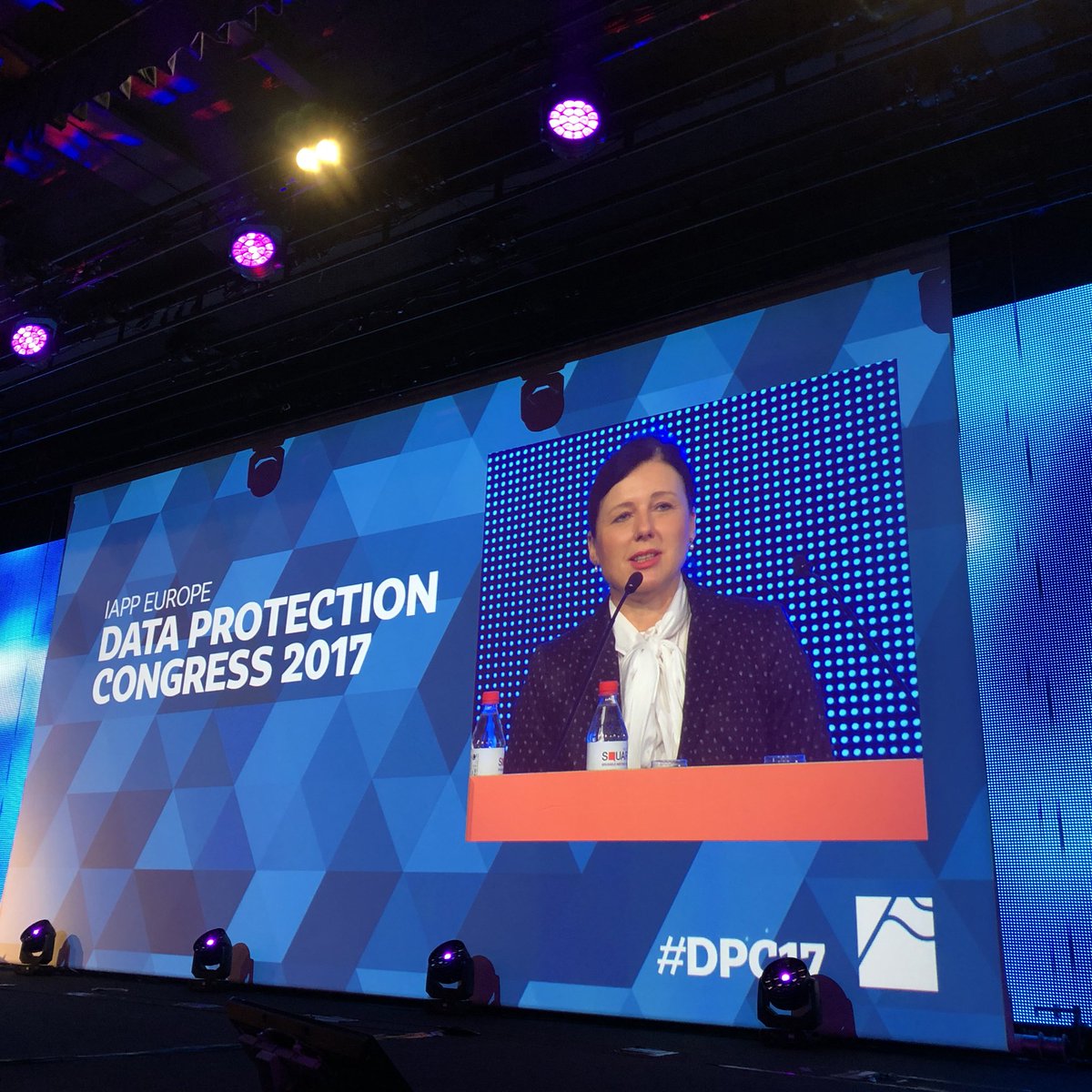
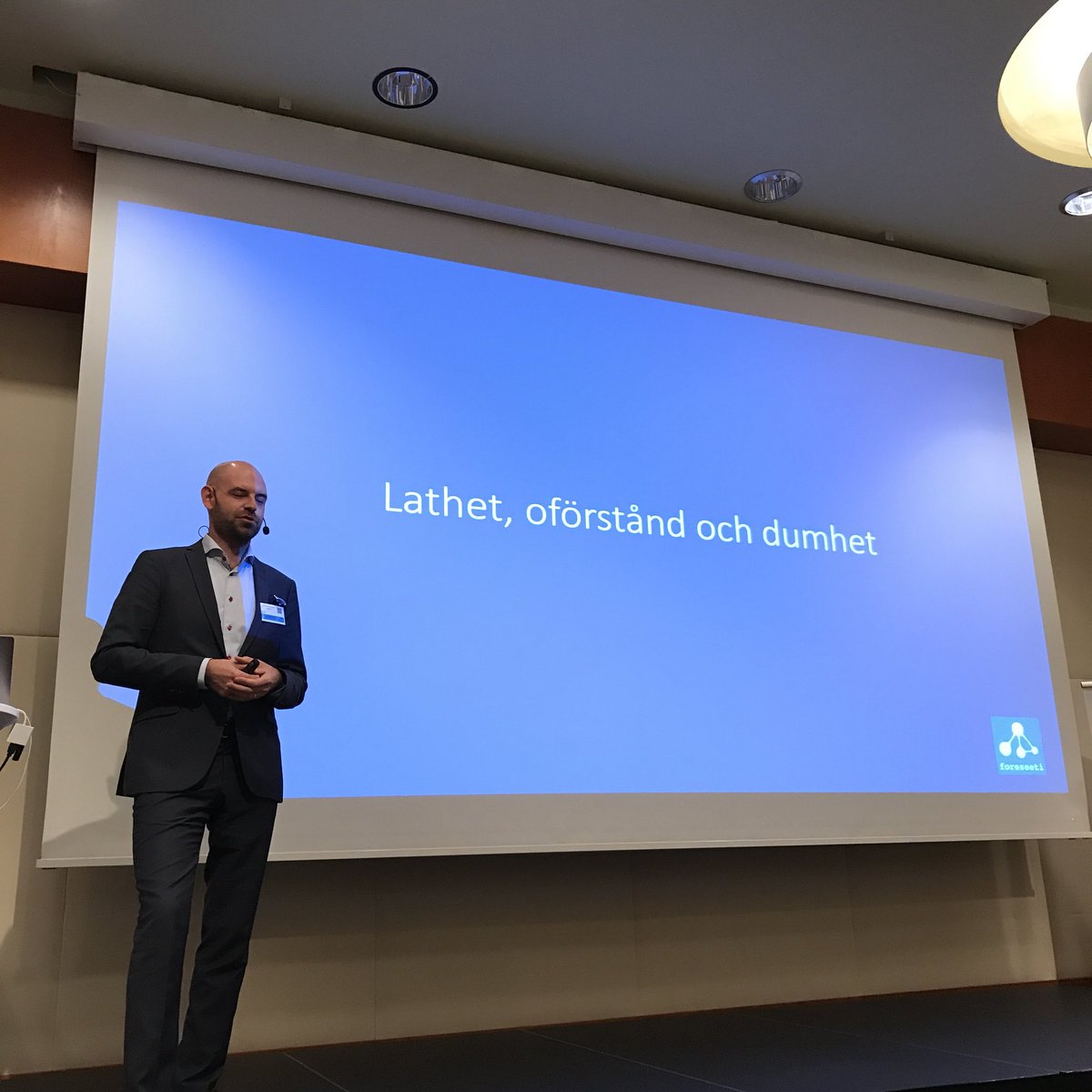
Speaking today at #IDCCIOSummit in Stockholm.
Most AI value is not lost in the model. It is lost in execution, ownership, and control.
AI should scale only when ownership is explicit, controls are measurable, and decisions can be defended.
1
2
93
30 Sep 2025
EU:s Data Act förändrar spelplanen för system- och prestandadata. På min föreläsning på IDC Security Summit väckte detta störst reaktioner i rummet. Här är varför ledningsgrupper måste agera 👇
1
74
30 Sep 2025
På IDC Security Summit i förra veckan väckte en fråga starkast reaktioner:
👉 EU:s Data Act och kravet på utlämnande av system- och prestandadata som typiskt sett inkluderar företagshemligheter.
Mina reflektioner: flera av våra amerikanska klienter bygger redan processer för att skydda IP och hantera riskkalibrering, medan många nordiska bolag ännu bara börjat utforska konsekvenserna.
Tre lärdomar för ledningsgrupper:
1️⃣ Bedömning framför checklistor: reglerna kräver ledningsbeslut, inte box-ticking.
2️⃣ Riskkalibrering, inte eliminering: hantera utlämnande utan att underminera IP och konkurrenskraft.
3️⃣ Konsekvenser: upphandlingar, värderingar och kundförtroende avgör vem som lyckas skala.
För oss i Norden blir frågan särskilt känslig: vi har en ambitiös och konsensusdriven kultur där transparens ses som en styrka. Det är en bra utgångspunkt; men innebär också risk att vilja dela mer än nödvändigt. Balansen mellan kundernas rätt till data och behovet att skydda företagshemligheter blir avgörande.
📩 Jag har sammanställt en 2026 Regulatory Quick-Start; hör av dig om du vill ta del av den.
58
Sofia Edvardsen retweeted

25 Dec 2024
Let's stop sharing that Venn-diagram about Europe sucking at everything but regulation, and instead try to find the way forward.
To get started, here is a short 10 point manifesto aimed at revitalizing Europe's economy through reduced regulatory burdens, enhanced innovation, and streamlined migration for skilled workers:
0. Reduce bureaucratic red tape by revising existing legislation to focus on outcomes rather than processes. Simplify compliance requirements for businesses, especially SMEs and startups, to encourage entrepreneurship and innovation. This includes cutting down on administrative burdens and expediting business approvals.
1. Introduce a unified EU regulatory sandbox for tech companies, allowing them to test new products and services in a controlled environment with temporary exemptions from certain regulations. Ths would help in rapidly advancing technology sectors like AI, blockchain, and biotech. The same thing should be done for fintech and crypto. Be inspired of what Malta has done to win the i-gaming sector.
2. Establish and expand funding mechanisms to support high-growth tech firms more effectively. Increase the agility of funding distribution to ensure that funds reach innovative projects in a timely manner, adapting to the fast-paced tech environment. A joint regulatorty framework for the financial markets would help immensely here.
3. Focus on core, fast growing and importnt developing technologies within Europe to reduce dependency on foreign tech giants. This includes investing in strategic sectors like semiconductors, AI, the clouds, and cybersecurity, with policies that encourage local R&D and production. It is late, later than you think, but it is not too late.
4. Harmonize regulations across member states to create a truly single market for technology and services. This would involve standardizing data protection laws, tax regimes, and company law to facilitate easier expansion of businesses across EU borders. This is why the EU was created, let's freaking embrace it! Read what Zuckerberg and Ek wrote about ths in The Economist.
5. Revamp visa and work permit systems to make Europe more attractive to global talent.We have huge opportunity now, with recent U.S. resentment towards highly-skilled workrs. Implement a fast-track, merit-based immigration policy for highly skilled workers, but with fewer restrictions and quicker processing times. EU Blue Card on steroids!
6. Integrate entrepreneurship and innovation into educational curriculums from an early stage, including AI education and possibly some kind of coding/programming skills, just understanding computers at an early stage (Martin Lorentzon will love this). Develop partnerships between educational institutions and businesses to nurture start-ups and tech talent, providing real-world experience and mentorship. Build, build, build!
7. Increase collaboration between public sectors and tech companies for research and development. Use public procurement to drive innovation by prioritizing contracts for innovative small companies, which can also serve as a testing ground for new technologies. Triple-helix model, but without the state making bold venture bets, but perhaps more acting as a facilitator and potential customer.
8. Lower the entry barriers for new tech companies by simplifying the procurement process and reducing the time from innovation to market. Encourage competition by ensuring that regulations do not disproportionately favor established companies over new entrants. Less compliance work, and sandbox regulations, bitte.
9. Reform tax policies to be more competitive globally. This could involve offering tax incentives for R&D investments, patent boxes, and favorable conditions for startups, which would help keep both companies and talent within Europe. Also, make a warrant / option scheme that works unified within the entire EU for startups and even bigger companies, with high incentives for staff and growth and innovation.
MAKE EUROPE GREAT AGAIN.
All the best,
Mikael Pawlo
Serial village idiot: Bokio/Redflag, Mr Green, Forza Football, Supertext, Wemind, Flexion Mobile, K6 and more.
10
10
95
23,369
Sofia Edvardsen retweeted

27 Nov 2024
Reminder: Join Us at IAPP Sweden today at 17:00 CET! 🚀
Don’t miss our AI Contracting Insights & AIGP Certification Webinar hosted by IAPP, happening today at 17:00 CET! We’ll be diving into critical strategies for contracting AI services, ensuring compliance, and managing business impact effectively.
👉 Register here to participate:
iapp.org/connect/communities…
Looking forward to connecting with you all and sharing valuable insights!
#ai #sthlmai #Sthlmtech @the_iapp
1
2
182
19 Sep 2024
Excited to share some insights from recent management discussions on running successful NIS2 compliance programs. The key takeaway? Aligning cybersecurity efforts with core business objectives and fostering cross-functional collaboration is crucial.
I’ll be diving deeper into these topics at the IDC Security Forum on Sept 19, where I'll discuss how regulations like NIS2 & DORA are shaping business strategies and resilience. Looking forward to sharing more! 💼🔐
#NIS2 #IDCsecurity #Cybersecurity #Leadership #Compliance #BusinessStrategy
19 Sep 2024

📢 Exciting news! Our Partner, @sofia_edvardsen, will be speaking at the IDC Security Forum on Sept 19, 2024! She’ll cover IT Security Regulations & how NIS2 & DORA are reshaping business strategies. Don’t miss out on key insights! 💼🔐 #IDCsecurity #Cybersecurity #NIS2 #DORA #Leadership
idc.com/eu/events/71396-idc-…
3
2
105
24 Jan 2024
Im excited to speak at #sthlmfintechweek2024 share perspectives on how to manage cybersecurity incidents in an agile manner.
I will happily meet any fintech professionals before, during, or after Sthlm Fintech Week 2024! Tell me if you are going to be there and if you’d like to chat.
@SthlmFintech #sthlmtech #sthlmai
24 Jan 2024
On 14th February, our Partner @sofia_edvardsen will be presenting a case on @SthlmFintech week for how fintech hyper-scalers can manage cyber incidents while maintaining speed and avoiding red-tape.
There will be a quick overview of the regulations to meet and a more in depth discussion on how to tailor your responses to incidents of various criticality. You will hear about how to identify, prioritize, respond and claim restitution from a practical perspective.
Grab your tickets at stockholmfintechweek.com/

1
301
Sofia Edvardsen retweeted

2 Nov 2023
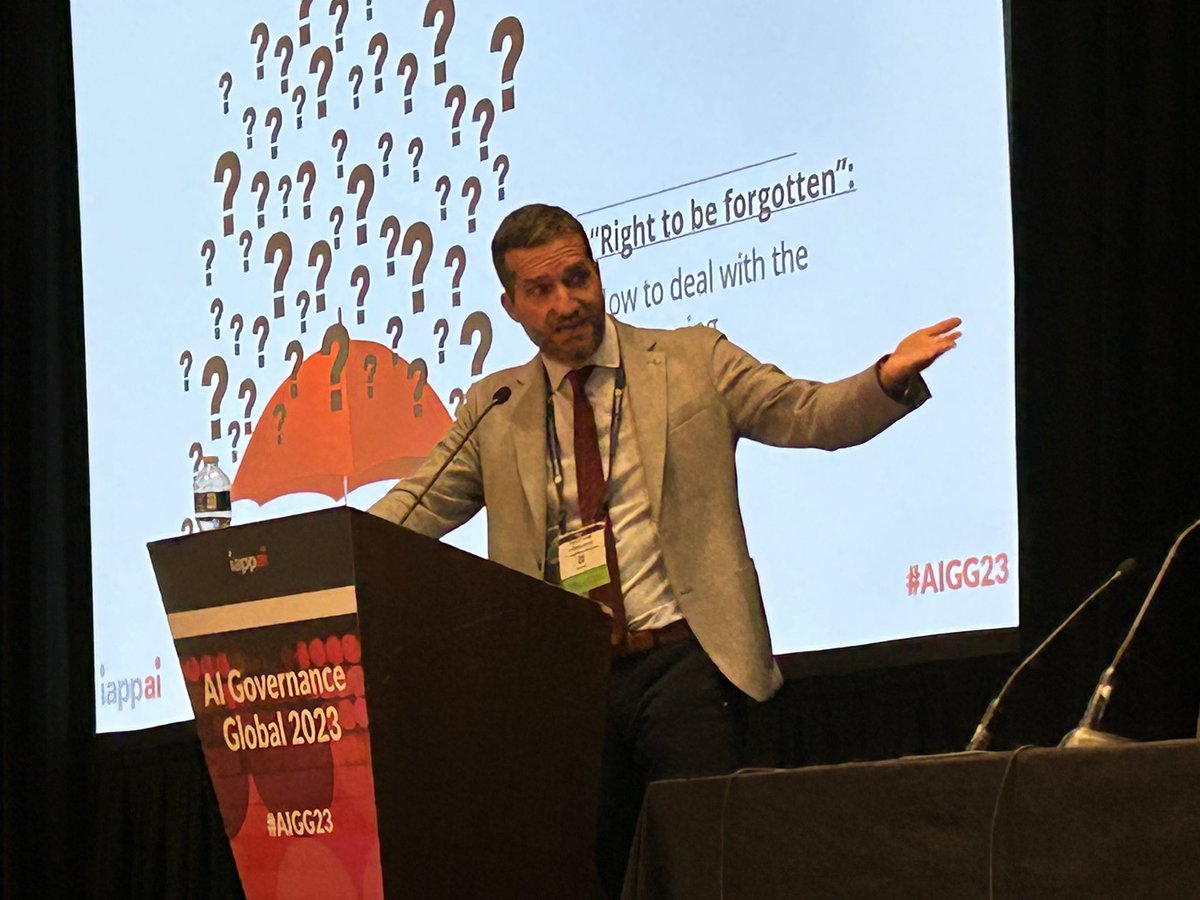
The three #privacy elephants in the #AI room unequivocally exposed by @TC_IntLaw at @PrivacyPros #AIGG23:
🐘Legitimate interests
🐘Right to be informed
🐘Right to be forgotten
1
8
14
1,099
17 Oct 2023
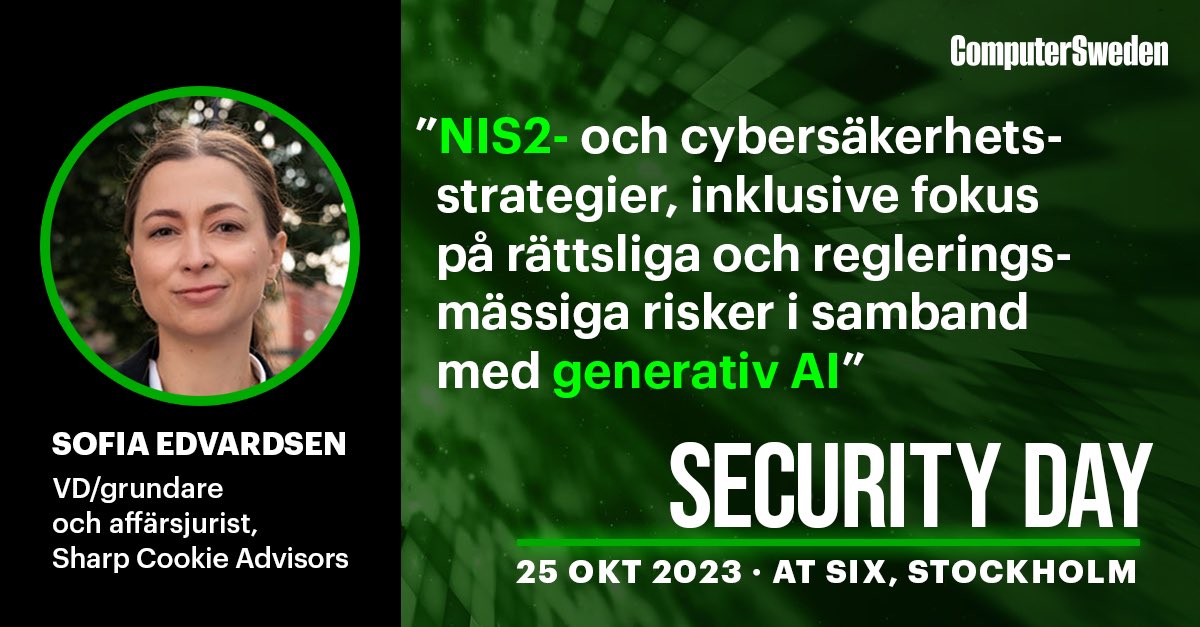
Looking forward to speak at @ComputerSweden Security day 25th October! I’ll share why 43% of AI projects are delayed, other issues to watch out for and lessons learned!
17 Oct 2023
Interested in the latest of Generative AI and how to navigate the legal cyber landscape? Our Partner @sofia_edvardsen is speaking at @ComputerSweden #SecurityDay on October 25th sharing her extensive knowledge on the area. #Nis2 #AI #GDPR #IDC
2
1
243
Sofia Edvardsen retweeted

7 Jul 2023
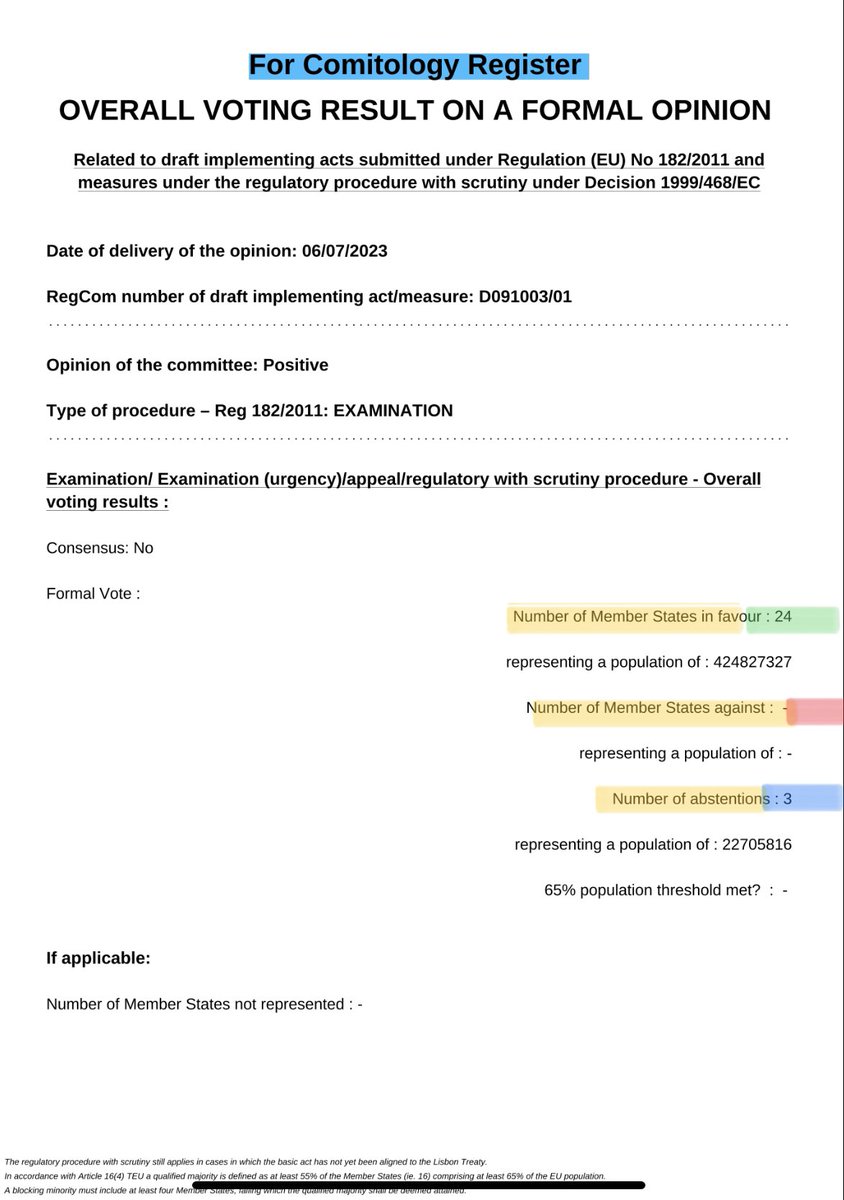
IMMINENT ADOPTION OF 🇪🇺🇺🇸ADEQUACY DECISION!
24 Member States voted YES for adoption 🇪🇺🇺🇸 adequacy decision by @EU_Commission, 3 abstained, NONE voted against. This shows that the very negative opinion of @EP_Justice didn’t convince Member States
#DPF #SchremsII #SchremsIII
2
11
25
6,357

31 May 2023
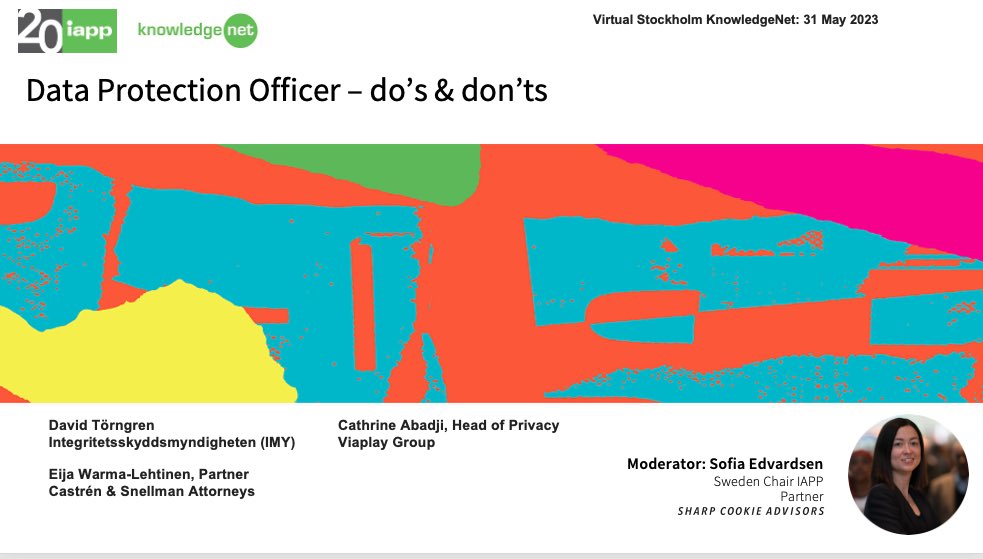
Join us today at 11:30 CET - what to do and what not as the DPO…
31 May 2023
Join us today for an event on the topic Role of the DPO. 💼🔒 Get the inside track directly from the enforcement authority, learn practical, business-driven approaches from top-tier lawyers, and hear real-world stories from in-house counsels at tech giants🛡️ #GDPR #PrivacyMatters
1
314
1 May 2023
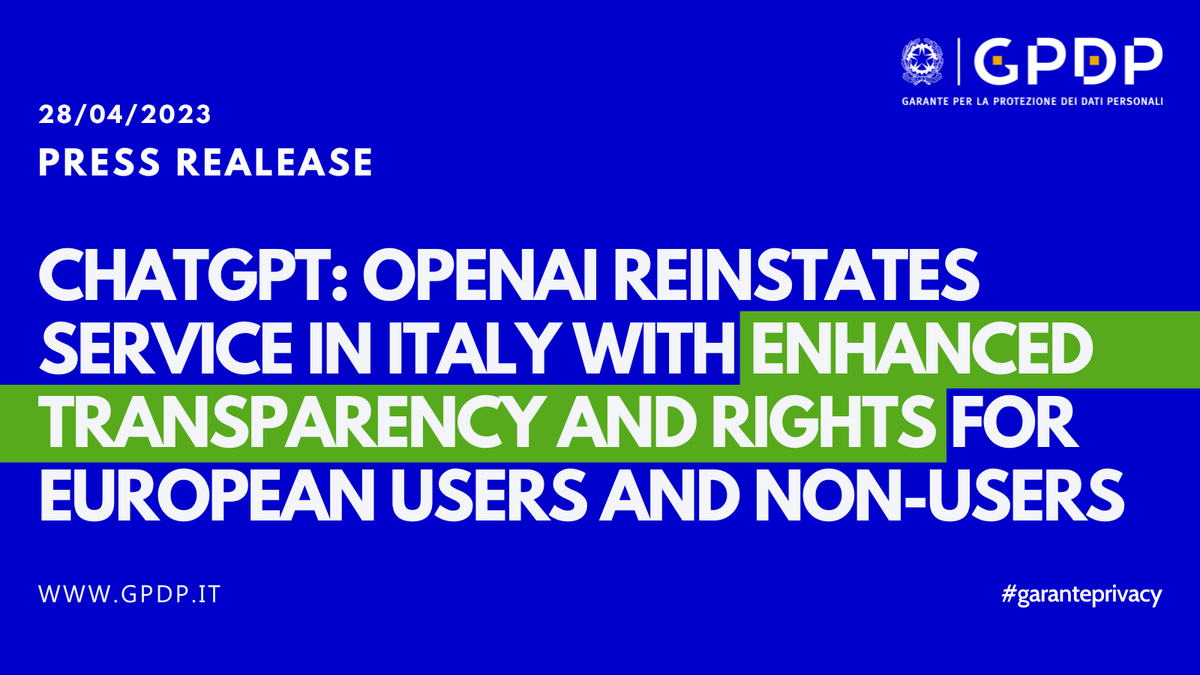
#ChatGPT tillgänglig i Italien igen efter att vissa extra åtgärder implementerats. Intressant!
28 Apr 2023

#OpenAI sent a letter to the Italian SA describing the measures it implemented in order to comply with the order issued by the #GarantePrivacy on 11 April. Based on these improvements, the US-based company reinstated access to #ChatGPT for Italian users garanteprivacy.it/home/docwe…
1
1
396
2 Apr 2023
Curious what will happen to lawyers with the adoption of AI? Take your chance to work with us in a niche that grows exceptionally 🚀 - apply for our open position as IT associate today #sthlmtech #sthlmai
2 Apr 2023
🌟Passionate about #ITLaw, #DataProtection& #techlaw? 🚀💼 Join our team in Stockholm and work directly with founder @sofia_edvardsen - a renowned expert in the field. Don't miss this opportunity - submit your application today! 📩 sharpcookie.se/en/job/associ…
#LawyerJob #StockholmJobs #legalcareer
Whether you're a recent graduate or have a few years of experience, we're looking for an associate with interest in IT law and technology regulation to join our firm. Ideal candidates have outstanding academic credentials and are curious, hard-working problem-solvers. Experience in finance, technology, marketing or other business-related fields is a plus but a willingness to learn new areas of law is most important. The position is permanent position in Stockholm, Sweden.
As an Associate in IT Law, you'll be involved in legal investigations, drafting IT agreements, terms & policies, attending contract negotiations, and assisting in data protection officer assignments. Additionally, you'll contribute to our firm's knowledge bank and sales opportunities, working closely with our lawyers and industry-leading business developers.
We provide support through close collaboration, coaching, competence development, and courses to ensure your success in this exciting legal career.
#AssociateITLaw #SwedishLaw #LegalTech #AILaw #juristjobb #sthlmtech #ITLawJob #DataProtection
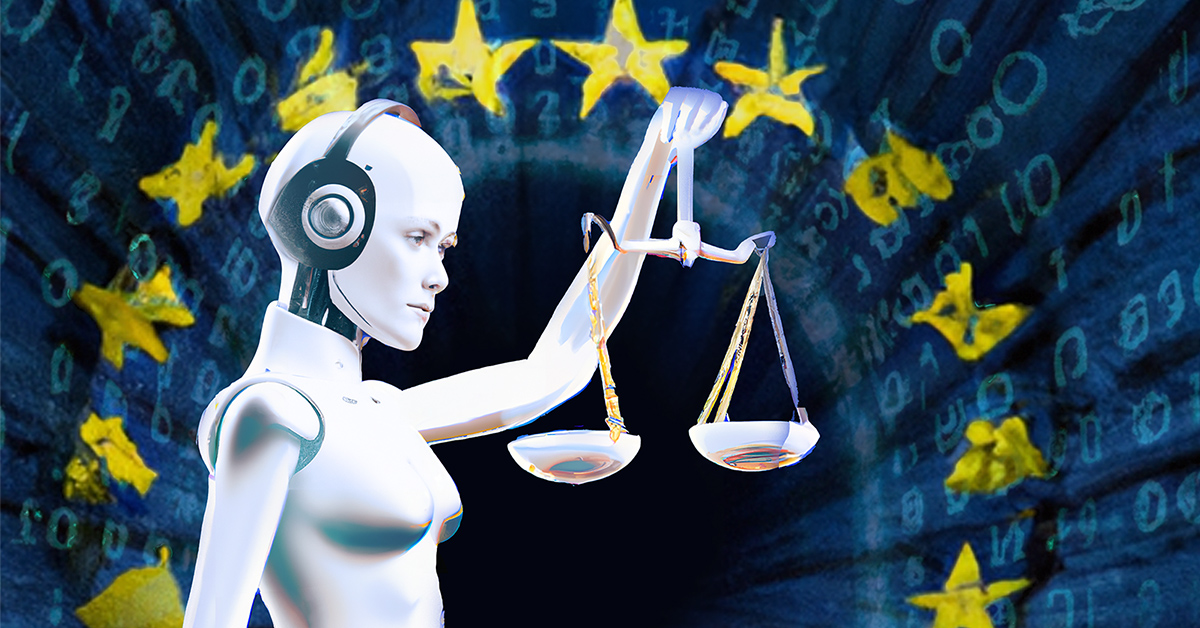
ALT Justitia as a humanoid robot
5
1,186
2 Apr 2023
Se till att jobba i en nisch som växer iom AIs utveckling - Kom och jobba med oss ✨sök jobbet som associate! #juristjobb #sthlmai #sthlmtech
2 Apr 2023
🌟Intresserad av #ITjuridik, #dataskydd och #teknik? 🚀💼 Ta chansen att jobba direkt med vår grundare @sofia_edvardsen som är en av landets främsta experter inom IT- och internetjuridik.
Sök tjänsten Biträdande jurist IT-juridik & kommersiella avtal 📩 sharpcookie.se/jobb-praktik/…
#juristjobb #karriär #biträdandejuristjobb #sthlmtech
Oavsett om du är nyutexaminerad eller har några års erfarenhet, letar vi efter en medarbetare med intresse för IT-rätt och teknikreglering till vår byrå. Ideala kandidater har framstående akademiska meriter och är nyfikna, hårt arbetande problemlösare. Erfarenhet inom områdena ekonomi, teknik, marknadsföring eller annat affärsrelaterat område är meriterande men en vilja att lära sig nya rättsområden är viktigast. Tjänsten är en tillsvidareanställning i Stockholm.
Du får möjlighet till givande uppgifter och snabb utveckling inom kundnära affärsjuridik för framtids- och utvecklingsinriktade verksamheter. Vår drivkraft är att rådge & hjälpa våra kunder att utveckla hållbara & etiska verksamheter i en innovativ digital miljö.
Välkommen att söka jobbet!
#jurist #ITjuridik #karriärmöjlighet #jobb #jobbistockholm #digitaljuridik #teknikjobb #juristkarriär #dataskyddsombud #GDPR #internetjuridik #affärsjuridik #legaltech #legalcareer #AI #kommerciellaavtal #ITrätt
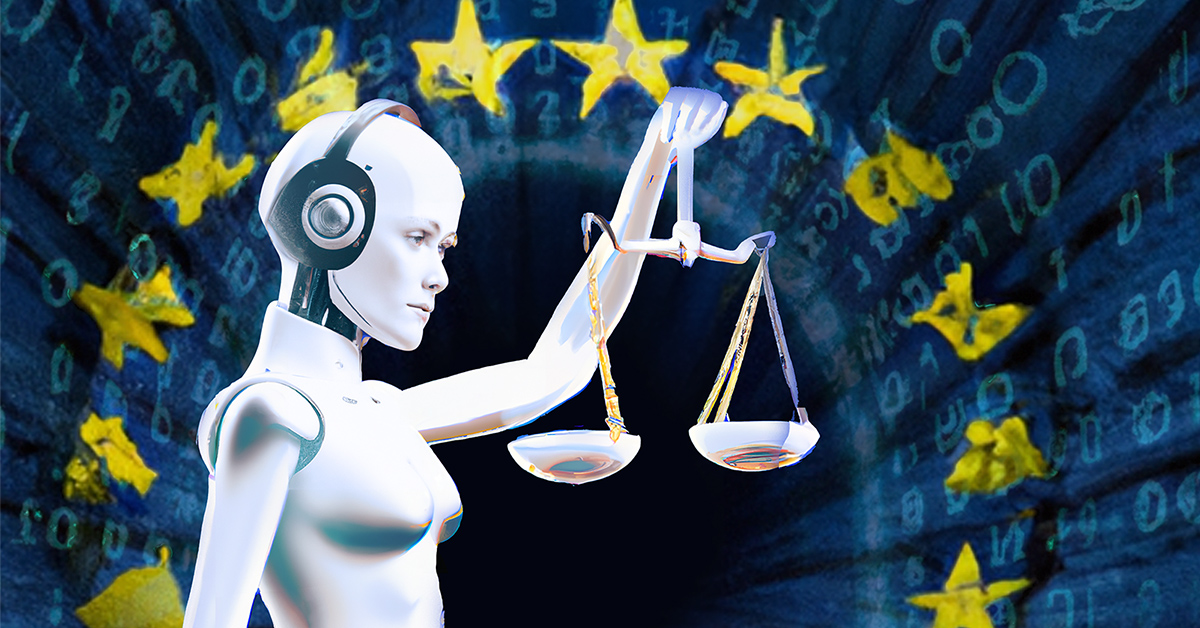
ALT Justitia som en humanoid-robot
2
520
28 Mar 2023
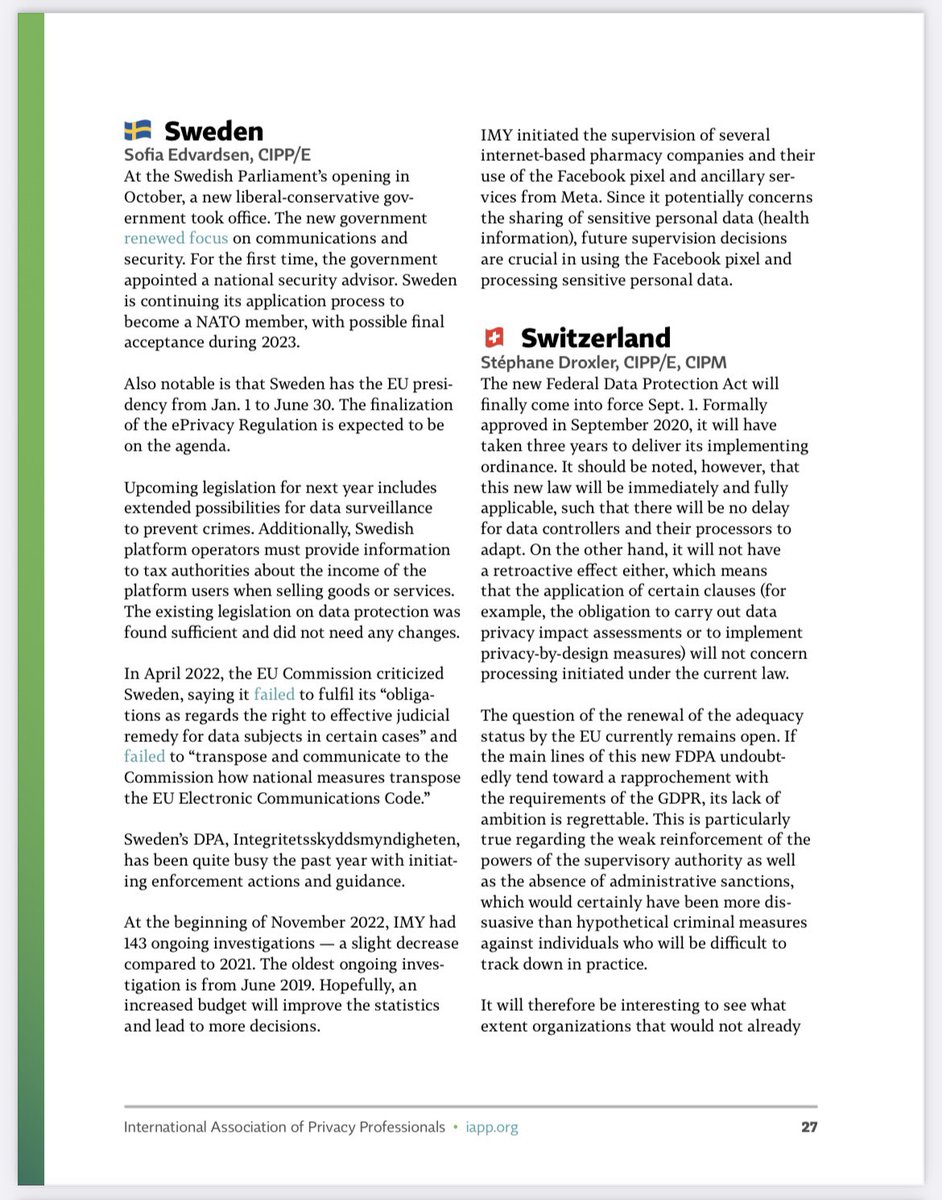
Great things ahead for privacy in Sweden 🇸🇪 I comment on the coming new laws on #privacy in Sweden for @PrivacyPros The importance of our regulator’s proactive approach on launching an innovation hub and being more forward leaning in enforcement SCA not be stressed enough ✨
28 Mar 2023
🌐✨Navigating the future of privacy: Unveiling the top global legislative predictions for 2023! Honored to me recognized as an expert law firm in Sweden 🇸🇪 Stay ahead of the curve and secure your operations 🔐💡@PrivacyPros @DailyDashboard #privacymatters #gdpr
2
421
Sofia Edvardsen retweeted
2 Mar 2023
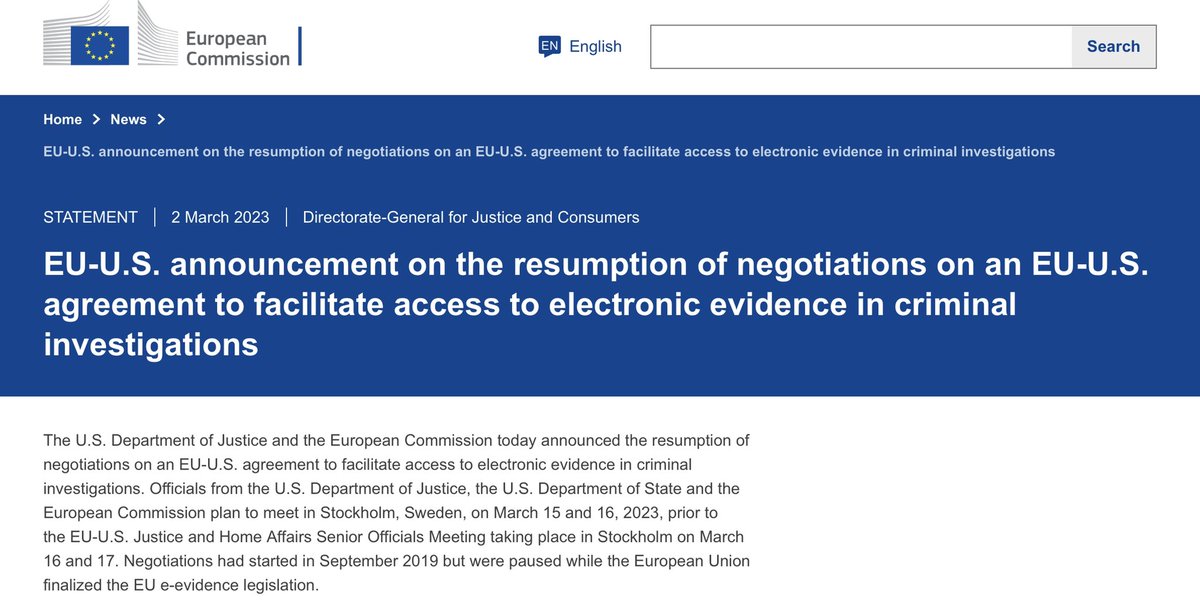
🚨🇪🇺🇺🇸announce resumption negotiations on #eEvidence #CloudAct agreement!
Essential to facilitate law enforcement work/resolve conflicts of laws/provide legal certainty while providing HR safeguards. Lots of hurdles (👉doi.org/10.1093/idpl/ipaa022) but important to move FAST/succeed
2
9
14
6,967
30 Aug 2022
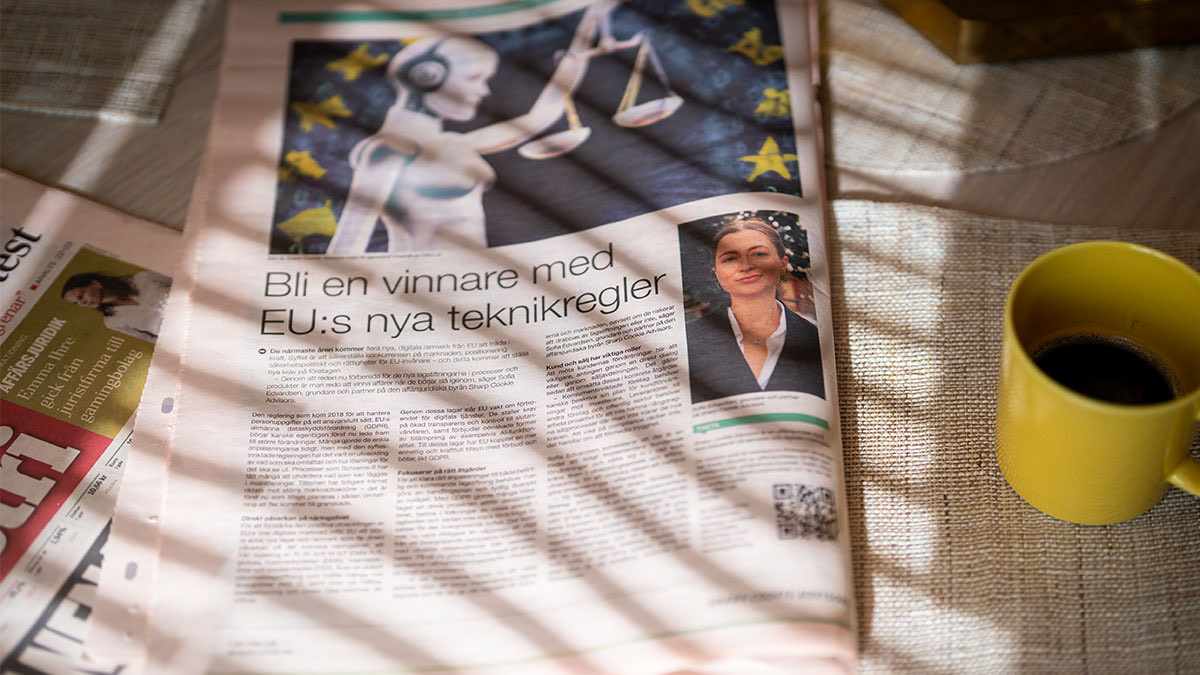
Delar erfarenheter av lyckad anpassning till kommande EU tekniklagstiftning i @dagensindustri temabilaga Affärsjuridik.✨ Tack till teamet och våra klienter inom bla #eHealth #datacenter som går före och integrerar AI funktionalitet i erbjudandet! Kort tråd 👇
30 Aug 2022
Inom kort introduceras flera nyheter i #tekniklagstiftningen i EU. Vi arbetar intensivt med våra klienter att anpassa till nya krav och förutse de möjligheter som kommer. [1/3]
1
1
Sofia Edvardsen retweeted
30 Aug 2022
Inom kort introduceras flera nyheter i #tekniklagstiftningen i EU. Vi arbetar intensivt med våra klienter att anpassa till nya krav och förutse de möjligheter som kommer. [1/3]
1
3
19
Sofia Edvardsen retweeted

17 Aug 2022
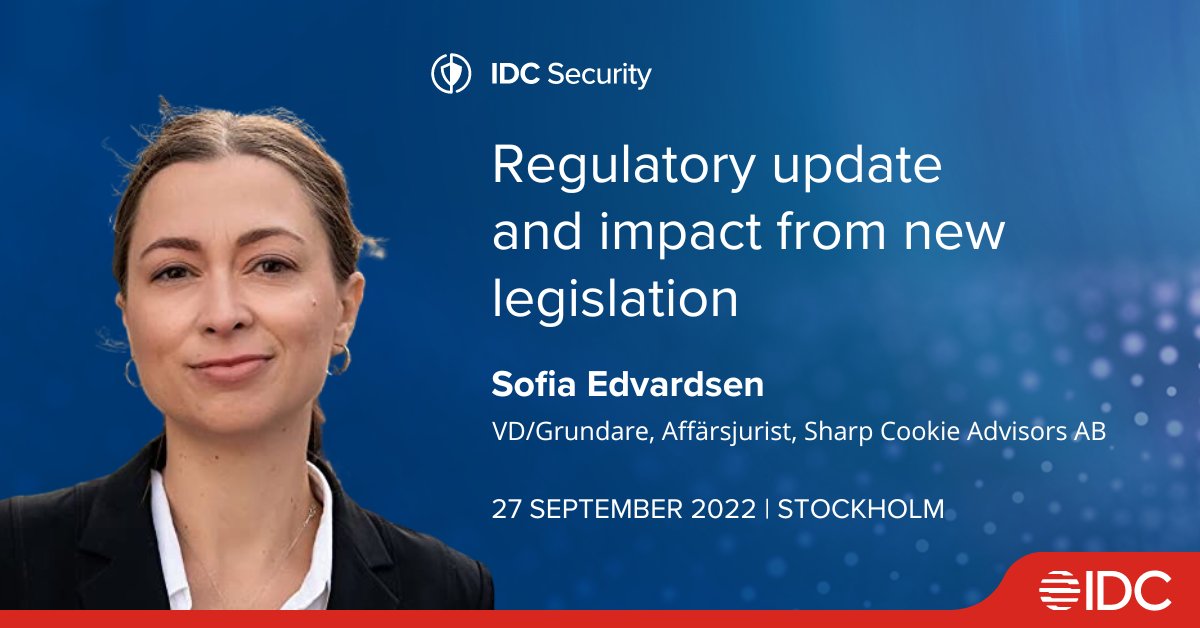
What's on the legal horizon? Join @sofia_edvardsen from @sharpcookieadv in a session on regulatory update & new legislation impact at the IDC IT Security Conference #Sweden on Sept 27
View the agenda: lnkd.in/dk5vgQ-E
Register Free: lnkd.in/dDkqnKjw
#IDCSecurity22
4
7