
- Tweets 3,574
- Following 233
- Followers 164
- Likes 4,228












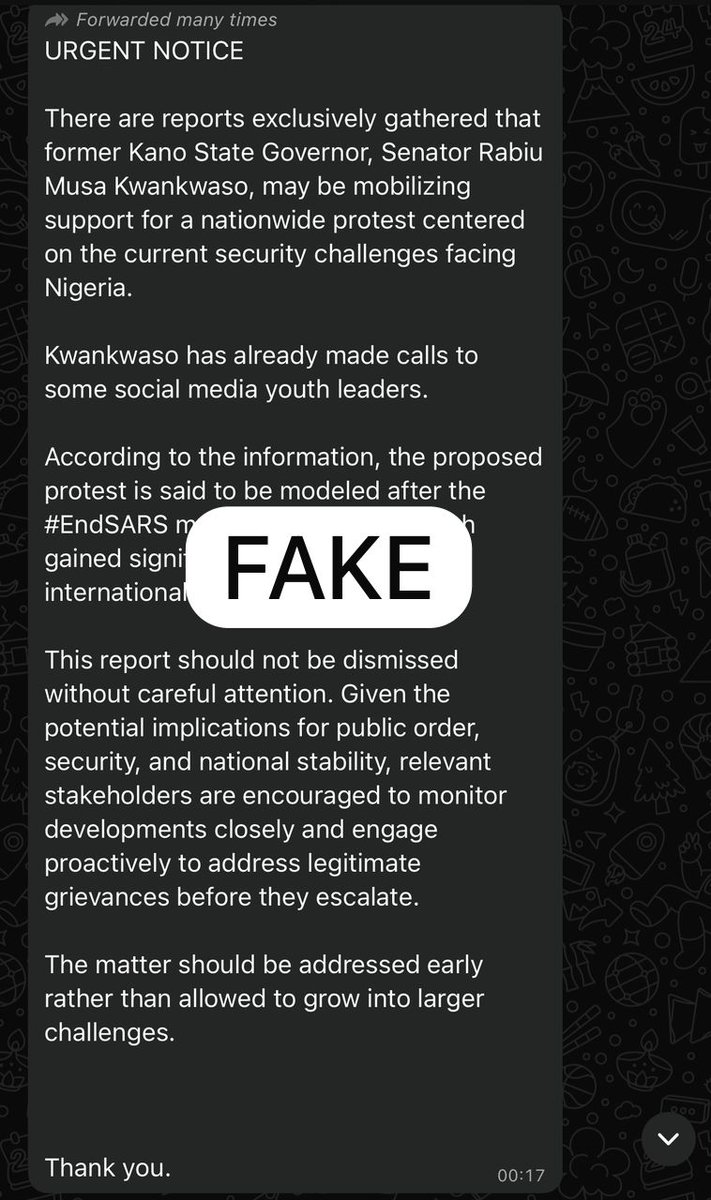










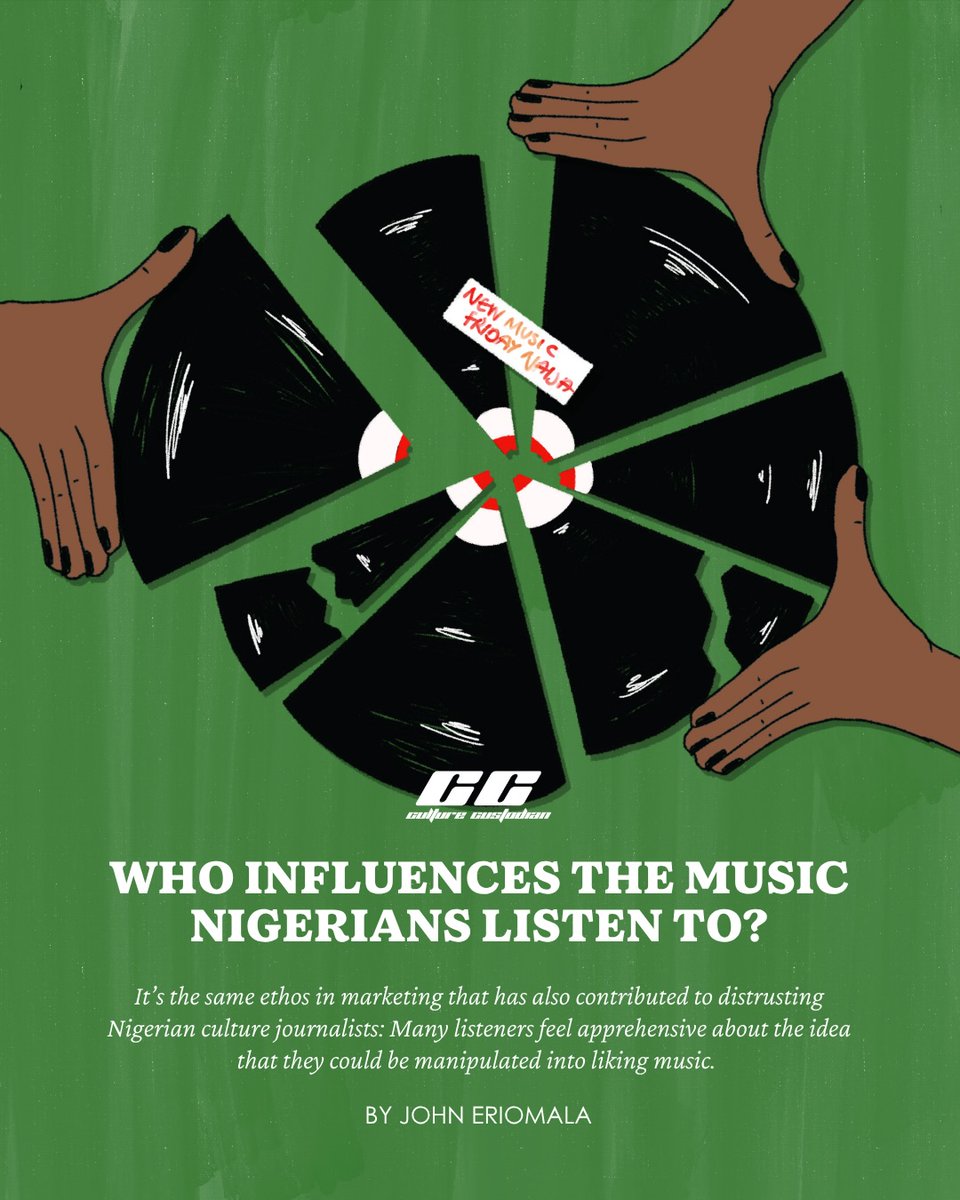
ALT An inquiry into the forces influencing music listening choices in Nigeria. Touches on music journalists and the perceived subjectivity of their work, influencer culture, and apprehension towards marketing and promotion.
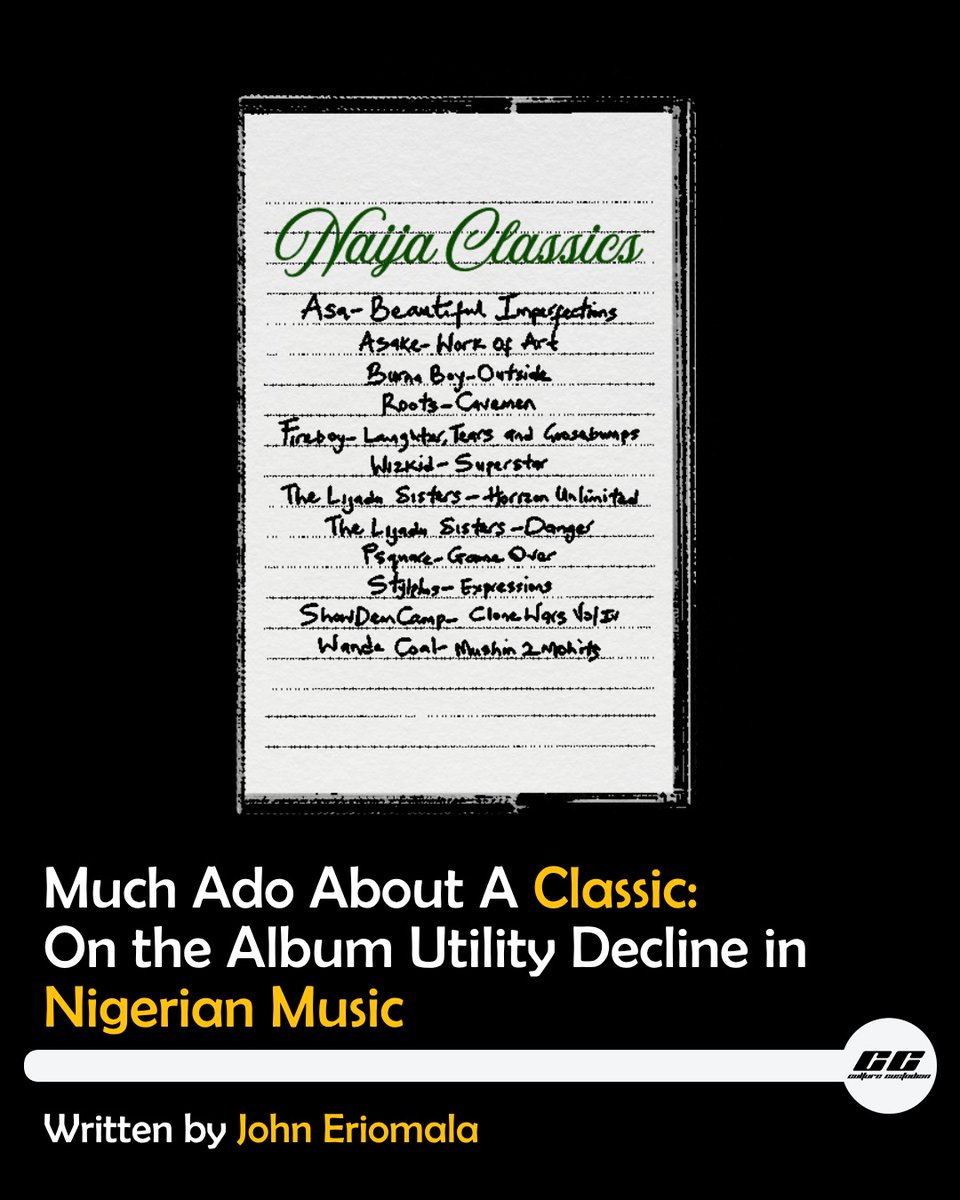
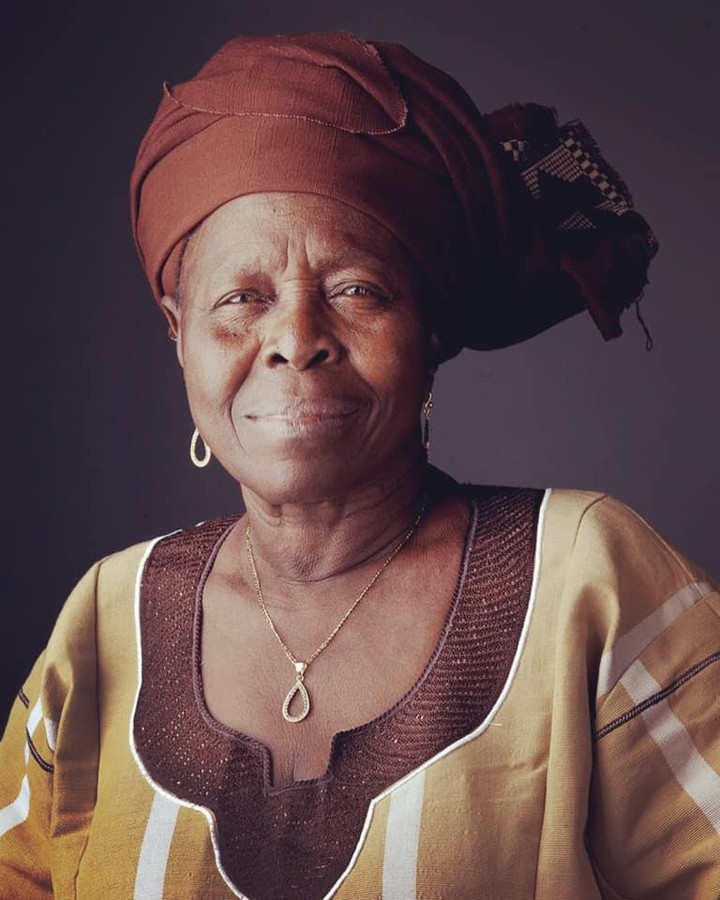
ALT Building on AOT2's tweet about Burna Boy not having a classic, I wrote about what defines contemporary classics, and more importantly, why we have a bigger problem in terms of the diminishing quality of recent LPs.
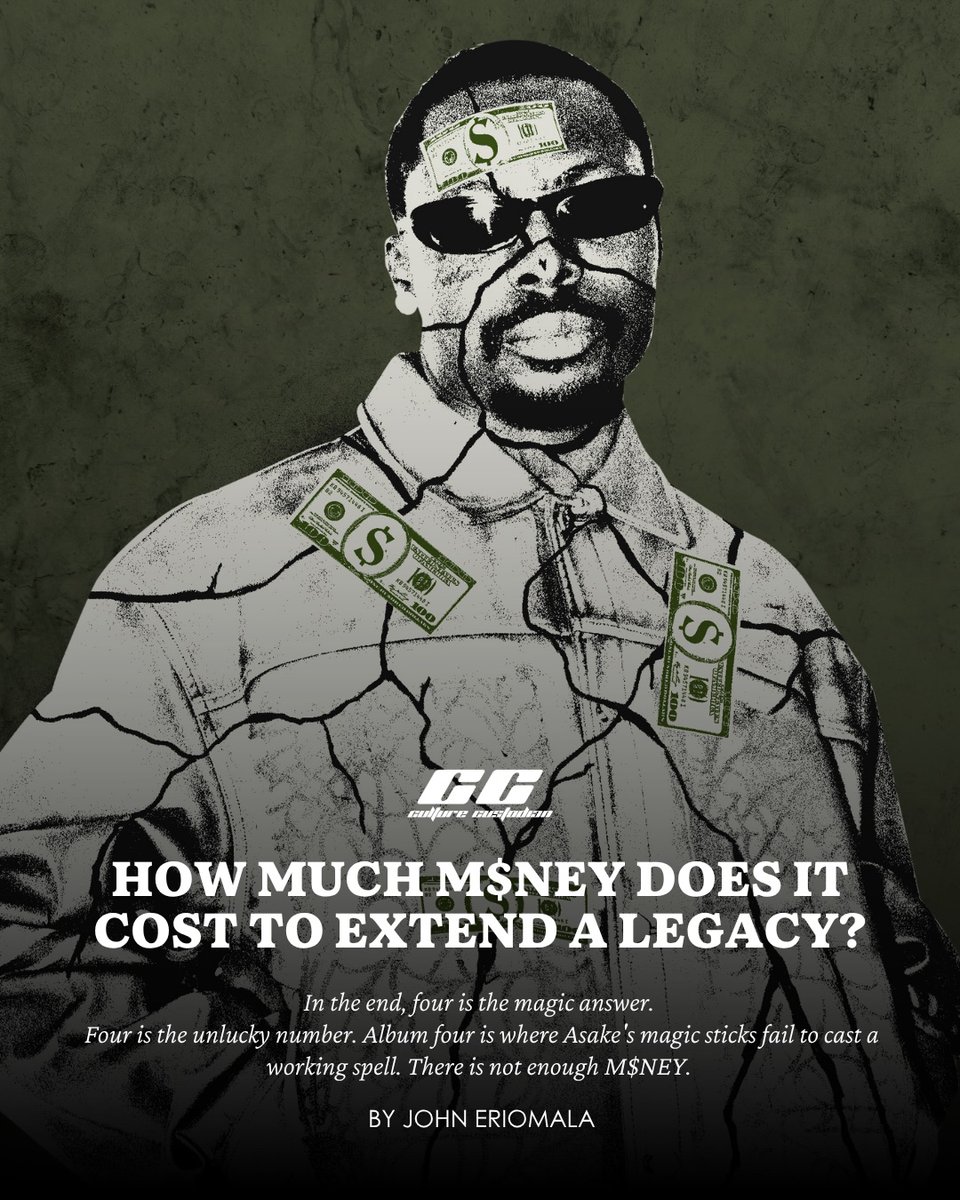
ALT You probably already consumed enough reviews and opinions already. But I assure you that there's stuff you missed that's in here. Take my word for it (please).
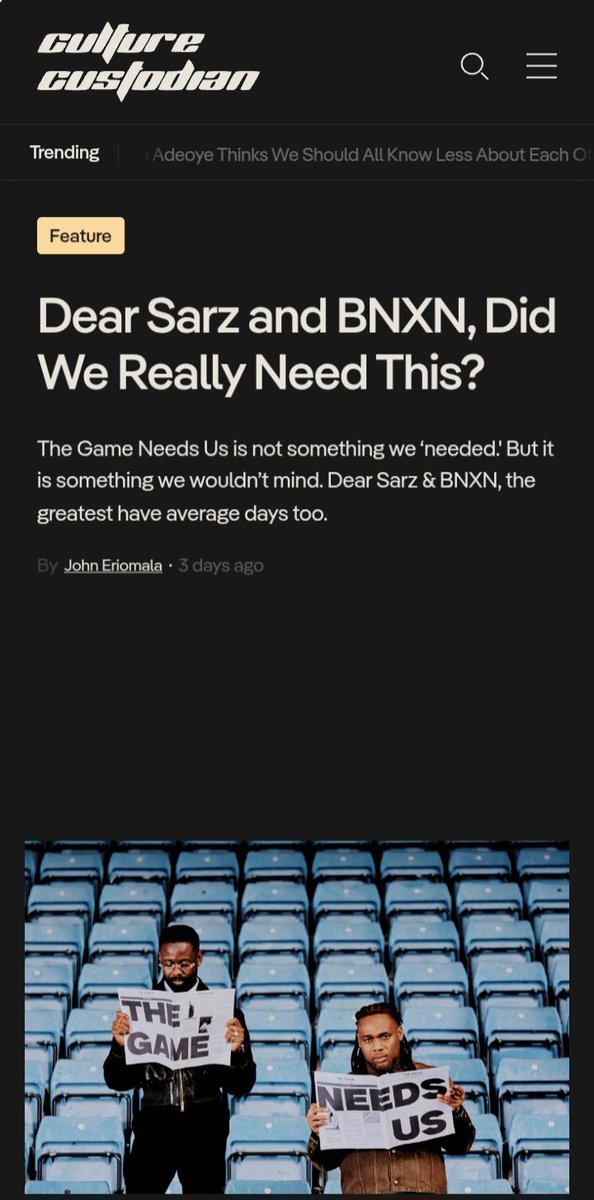
ALT Dear Sarz and BNXN, the greatest have average days too. Quincy Jones permitted Soul Bossa Nostra (2010) to be made. 2Baba gave us The Ascension (2014). These things happen. And that’s all right.