
Joined May 2009
- Tweets 673
- Following 138
- Followers 454
- Likes 1,796
30 Photos and videos







22 Apr 2025
RT @sapinker: Steven Pinker, professeur à Harvard : «Le wokisme pose quelques problèmes, mais les attaques de l’administration Trump contre…
27
Stéphanie Aubertin retweeted

28 Jan 2025
Contrary to popular belief, narcissists do not react more vigorously to social stress that threatens their ego.
Narcissistic individuals are often thought to have a rather fragile ego, and to be especially sensitive to social, ego-threatening situations. This sensitivity to ego-threatening situations should result in stronger physiological stress responses to social stressors. Previous research reported mixed findings regarding the relation of (different dimensions of) narcissism to stress responses.
In a preregistered experimental study, we investigated whether narcissistic individuals differ from individuals lower in narcissism in their psychological and physiological reactions to ego-threatening situations. Overall, we did not find compelling evidence that people scoring high on any dimension of narcissism are more prone to stress reactivity or show different stress reactivity patterns than persons lower in narcissism when put into a socially stressful situation versus a control condition. We even tested an exclusively male sample, which should, in theory, lead to pronounced effect sizes, and assessed both narcissism and stress responsivity in a multidimensional fashion.
The present findings indicate that, regardless of which narcissism dimension is considered, when narcissists are put into socially stressful situations threatening their ego and authority, they experience neither more nor less stress than individuals lower in narcissism. This pattern of results does not indicate that narcissistic individuals have a vulnerable sense of self that could easily be shaken from the outside.
1
6
33
3,978
Stéphanie Aubertin retweeted

22 Jan 2025
6
19
2,800
29 Dec 2024
L'idée populaire est celle de Keith E. Stanovich dont j'avais lu les livres. Cela fait effectivement sens mais peut-être aussi y a-t-il certains traits de personnalité.
28 Dec 2024

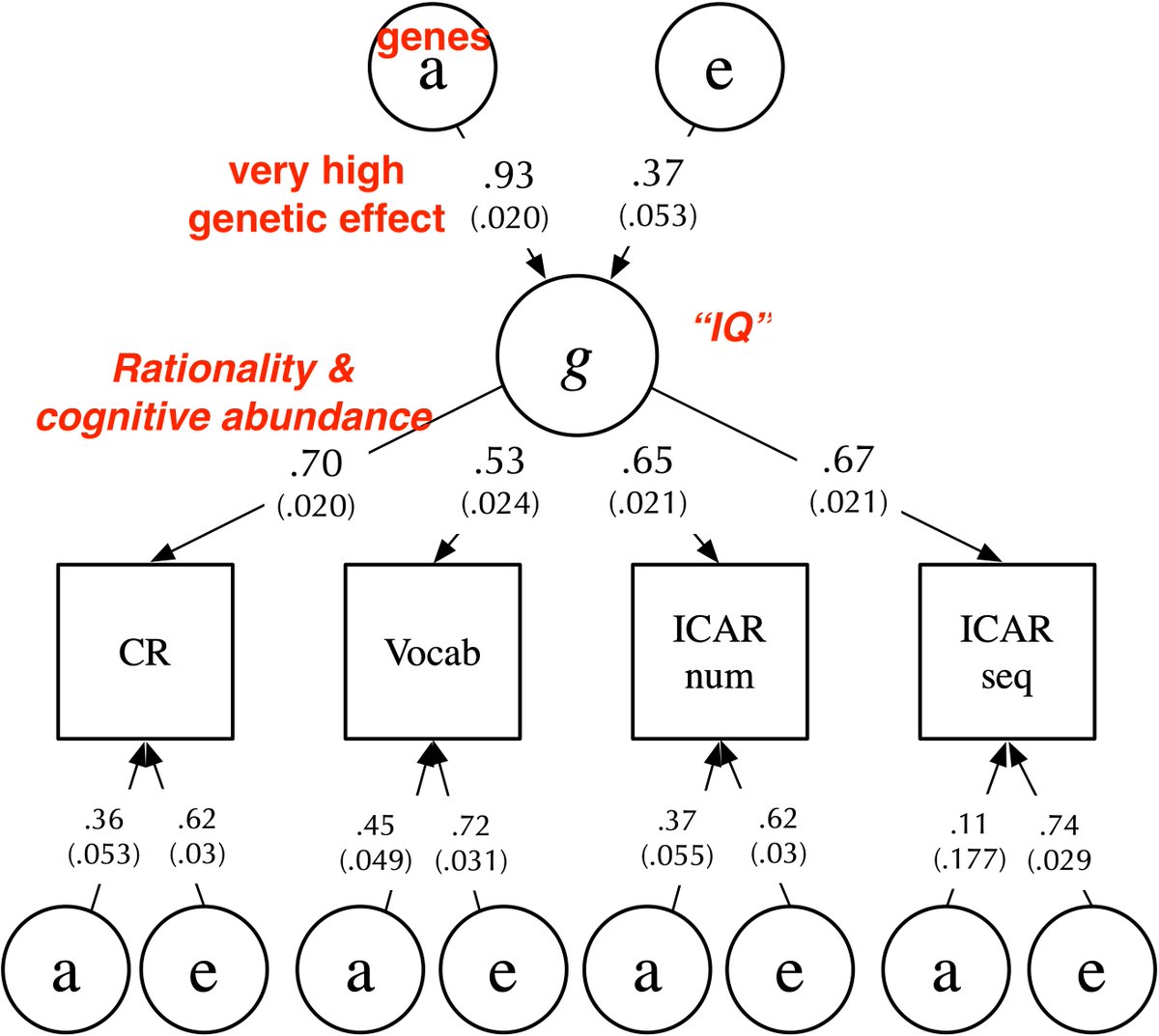
New finding: Rationality is what IQ tests measure.
A very popular idea emerged in the 2000s that rationality is "What IQ tests miss" – that humans are "cognitive misers" and rational people learn to overcome this, monitoring their default responses and activating effortful reasoning to correct them when wrong.
We argue this makes no sense. And we tested if it even happens… Result:
sciencedirect.com/science/ar…
1
300
Stéphanie Aubertin retweeted

8 Nov 2024
Not just in challenging pseudoscience or quackery when it arises, but in positively and continually presenting real science (with all its subtleties and nuance), as a constant counterweight to all the nonsense. 5/n
4
7
153
16,412
Stéphanie Aubertin retweeted

21 Oct 2024
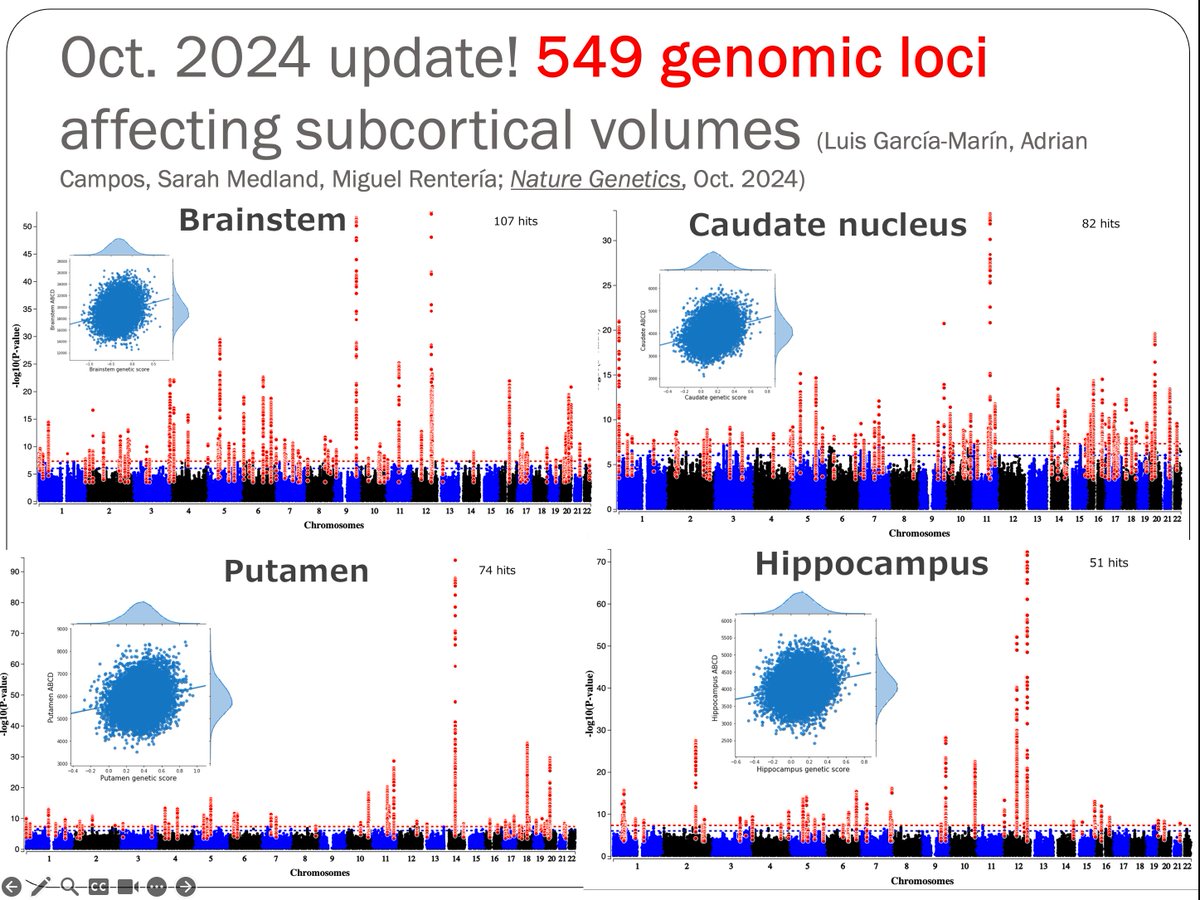
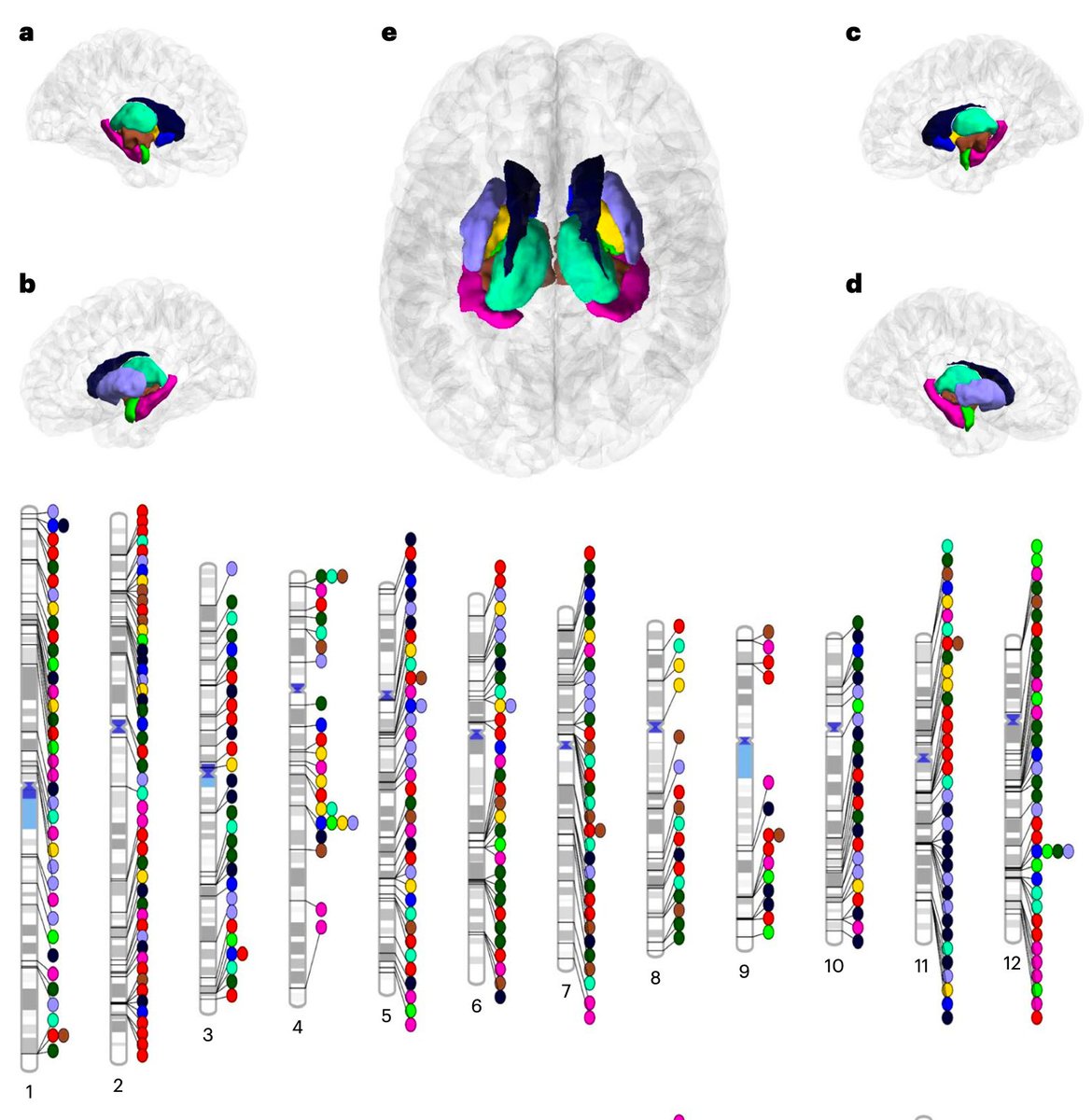
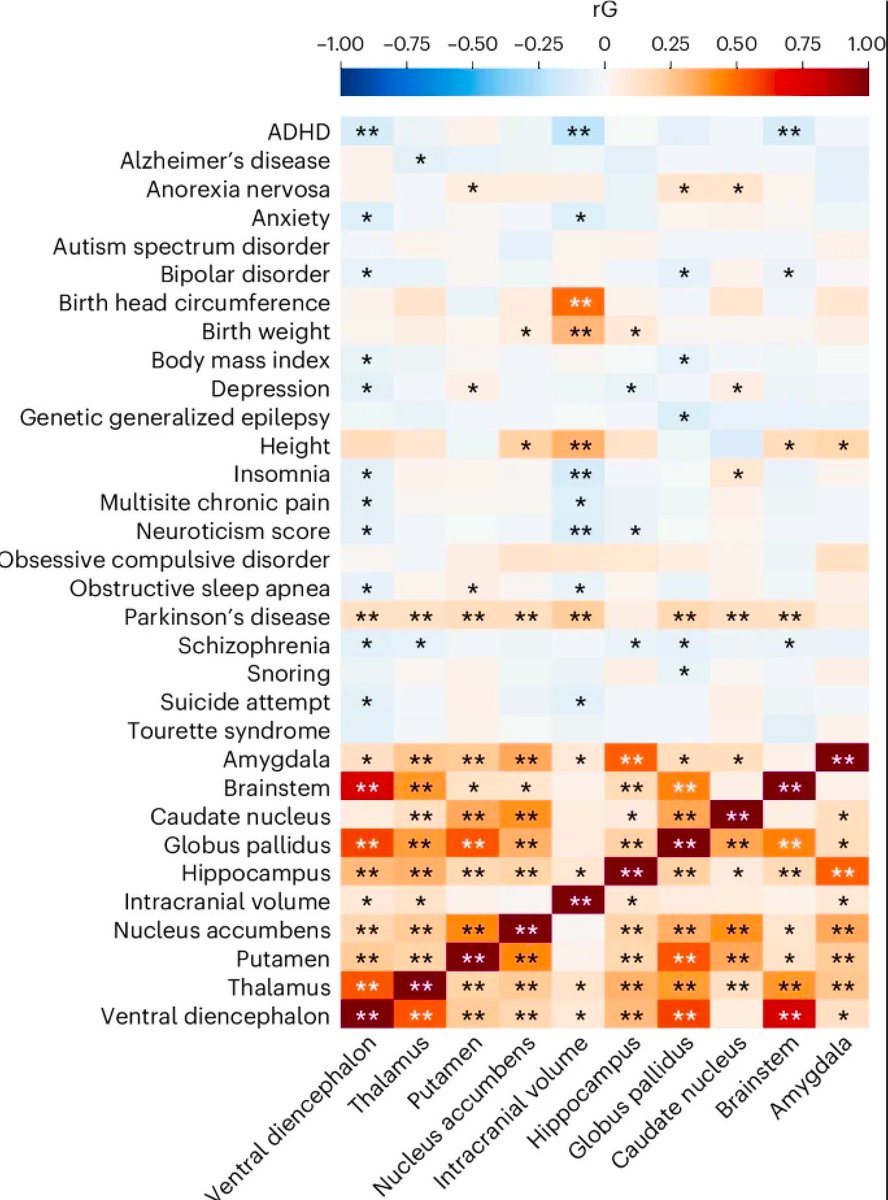
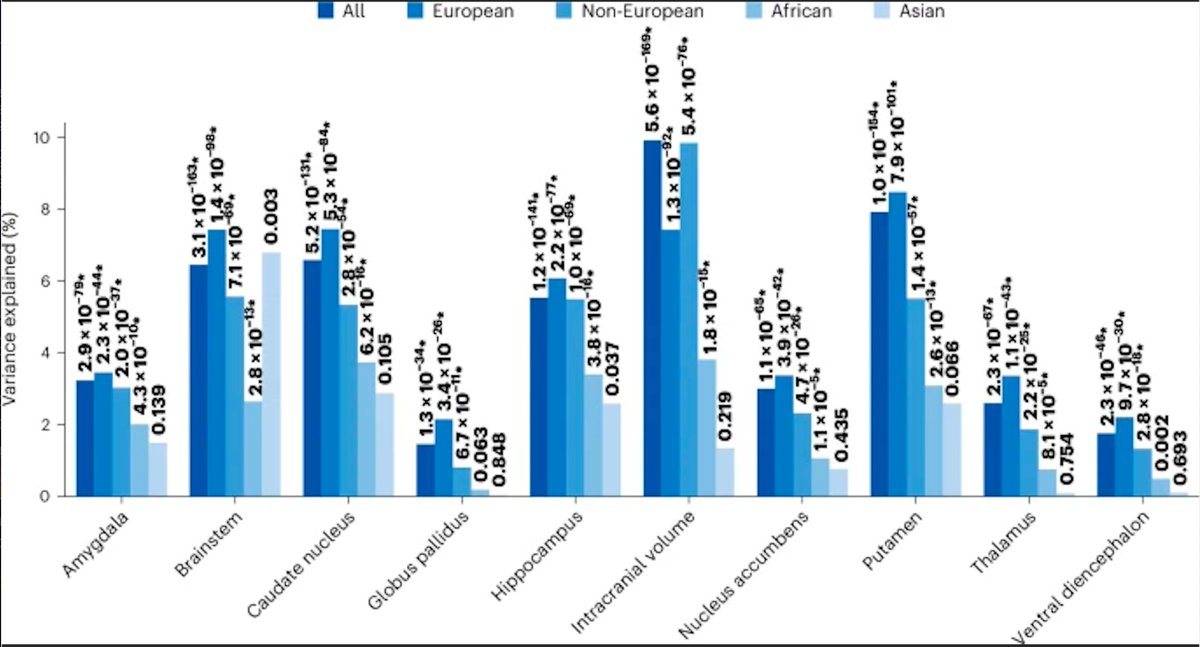
HOW DOES YOUR GENETIC CODE affect your brain? 💡A new genetic roadmap of the brain (in today's Nature Genetics) reports:
💡100s of genomic loci affect deep brain structures
💡Genetic variants driving brain volume overlap with risk loci for Parkinson's, ADHD, many brain diseases
⚡️Studied N=74,898 people scanned with MRI GWAS !
⚡️⚡️Polygenic scores now account for up to 10% of the regional brain volume variation in held-out, independent samples not used for discovery; modeling this variance should help future studies
👉👉PDF: nature.com/articles/s41588-0…
🎈Kudos to Luis García-Marín*, Adrian Campos* @sudha_md @Frutiloopz @WiroNiessen @jsteinlab @njahanshad @lishenlc @amarquand @mallarchkrvrty1 @StefanEhrlich3 @Roshchupkin @ASaykin @_MariekeKlein_ @AvramHolmes @BFranke_lab @lianne_schmaal @jorsmo @lemaitreh_alien @vdcalhoun 189 researchers worldwide collaborating for 7 years to do this ! @enigmabrains @chargetiger @uk_biobank ABCD many more ... 🎈
*co-1st authors
6
45
125
17,741
Stéphanie Aubertin retweeted
10 Oct 2024
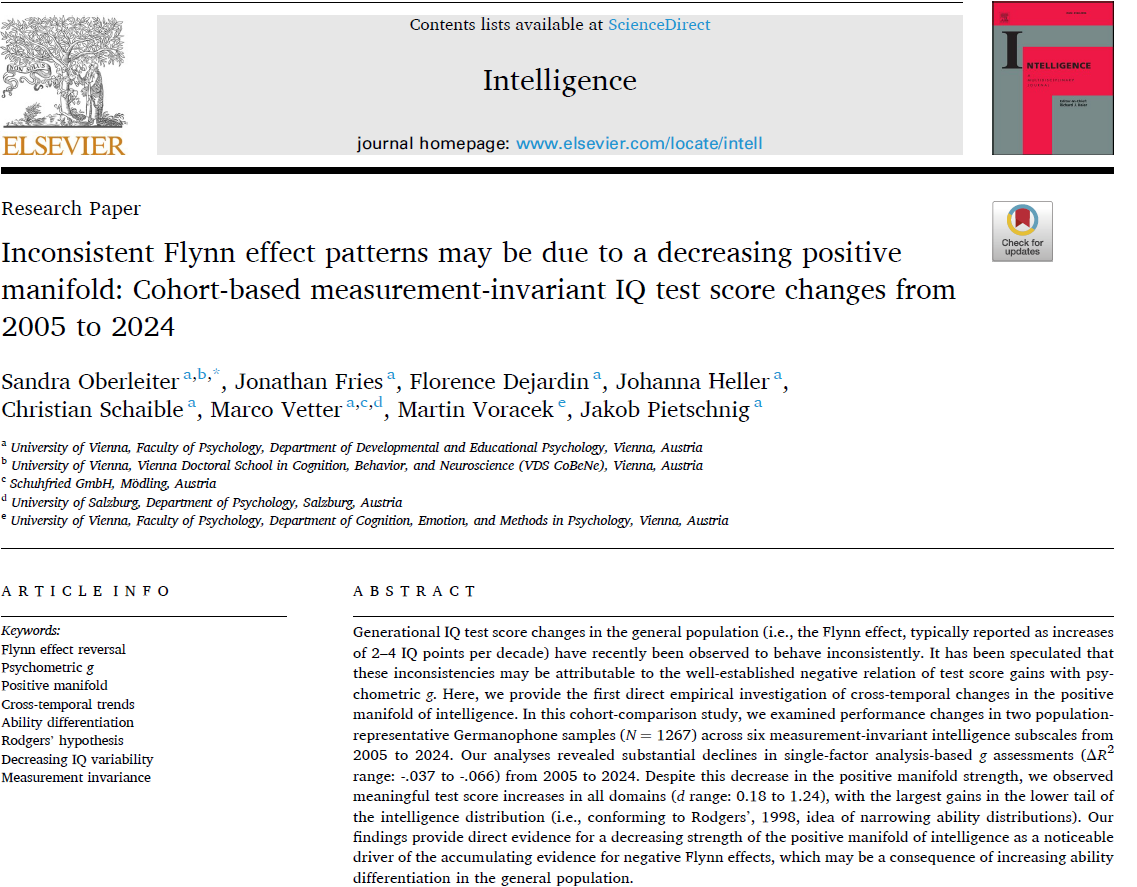
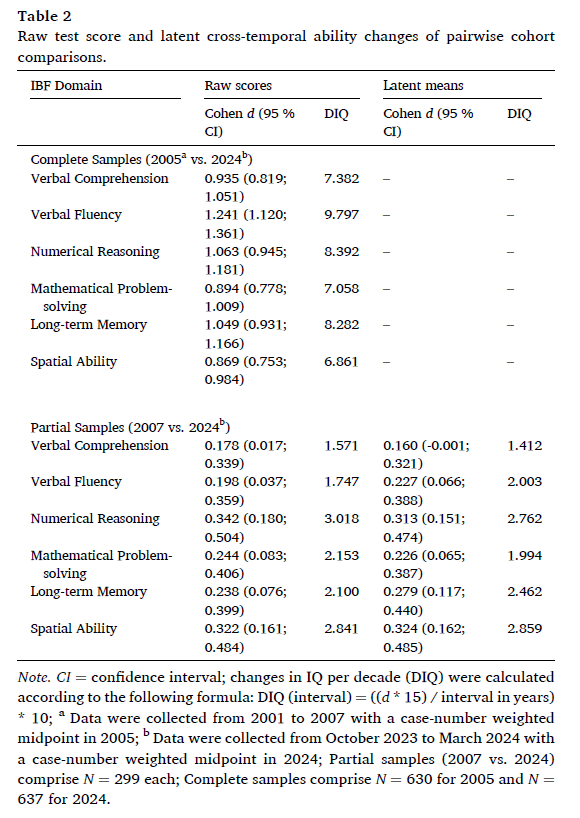
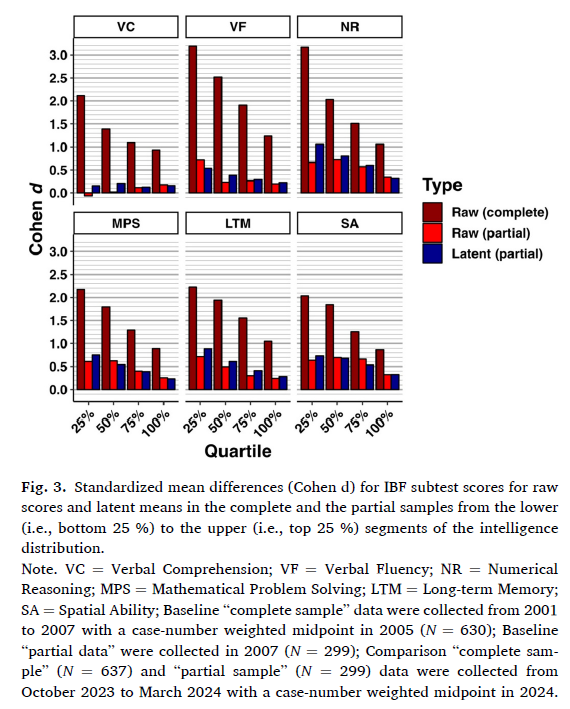
IQ scores increased during the 20th century and stagnated since ~2000, but when looking at other cognitive scores, the picture is much more complex. In this new article, the researchers found interesting results that shed light on how scores changed in a population from 2005 to 2024:
➡️IQ and all six subtest scores increased.
➡️Scores in the lower end of the distribution increased faster than scores at the upper end.
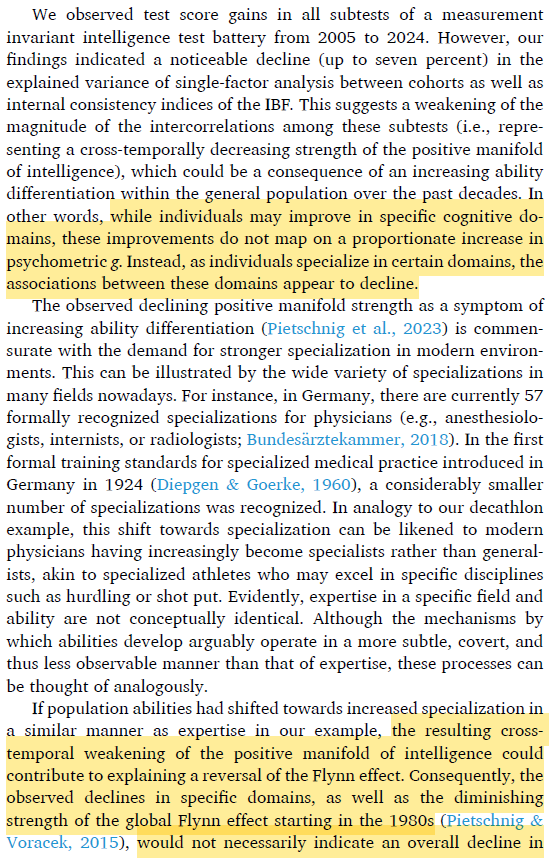
➡️The strength of the g factor was lower in the later sample
The researchers had two explanations for why the more recent sample's g factor was lower. First, the greater increase in scores at the low end reduced the variance of scores in the general population. That is expected to weaken the correlations that form the g factor.
Second, modern society encourages people to be cognitive specialists, and this makes the intercorrelations weaken as people focus on some abilities at the expense of others.
It's an interesting study that sheds light on the Flynn effect and how macro-environmental influences can impact a population's cognitive levels (even if we don't understand how that happens at the person level).
5
20
102
12,080
Stéphanie Aubertin retweeted

11 Oct 2024
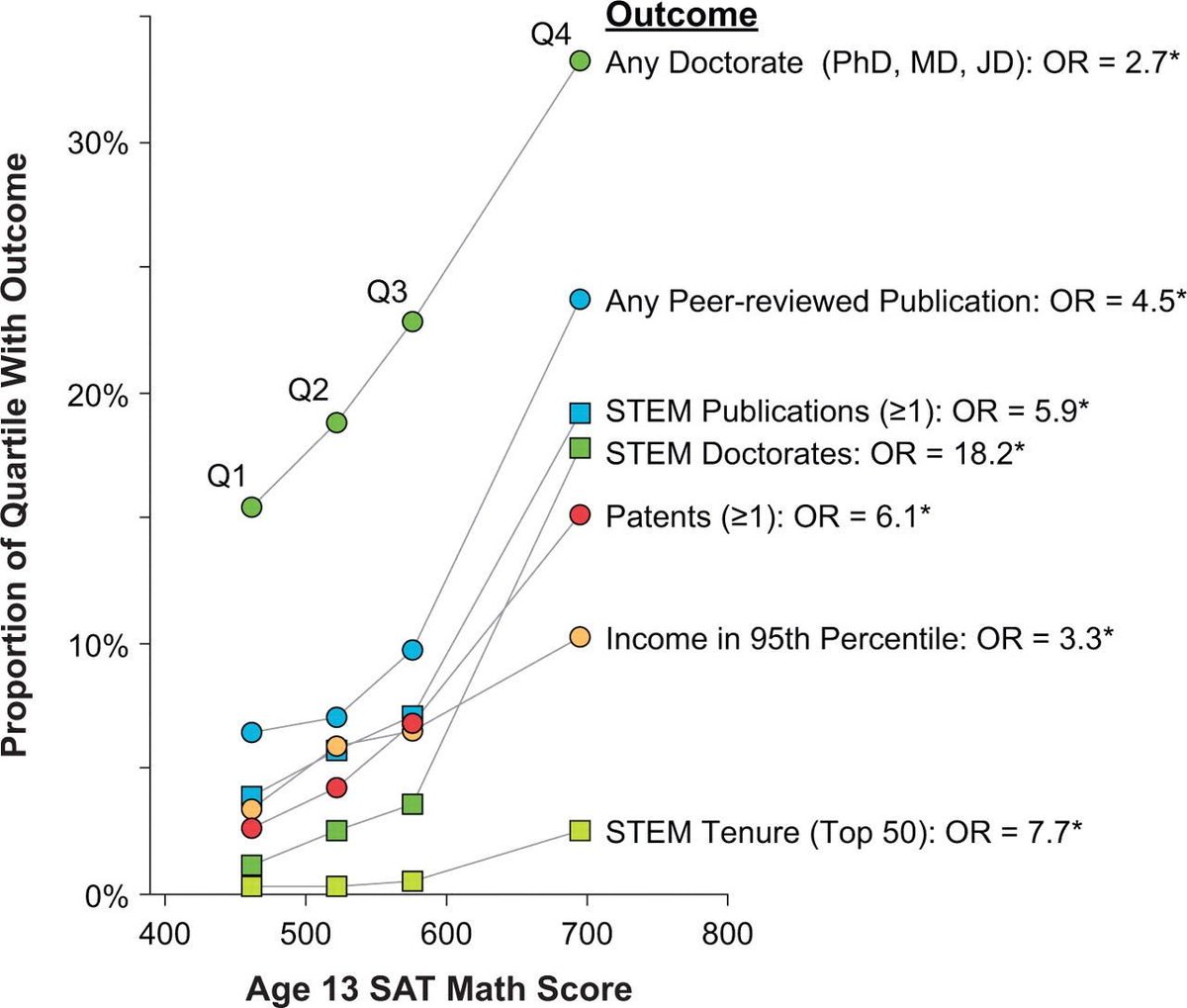
The IQ threshold hypothesis - the idea that, after IQ 120, additional IQ points don't translate into higher achievement - is false. Even among the top 1%, higher IQ predicts greater achievement. stevestewartwilliams.com/p/t…
23
116
629
106,477
9 Oct 2024
Pourquoi il ne faut pas prendre des décisions pour des jeunes enfants dont le QI est très instable. Un autre tweet il y a 10 j de @RiotIQ évoquait un article qui disait que les gènes impliqués dans l'intelligence durant l'enfance n'étaient pas les mêmes que ceux exprimés adulte.
8 Oct 2024

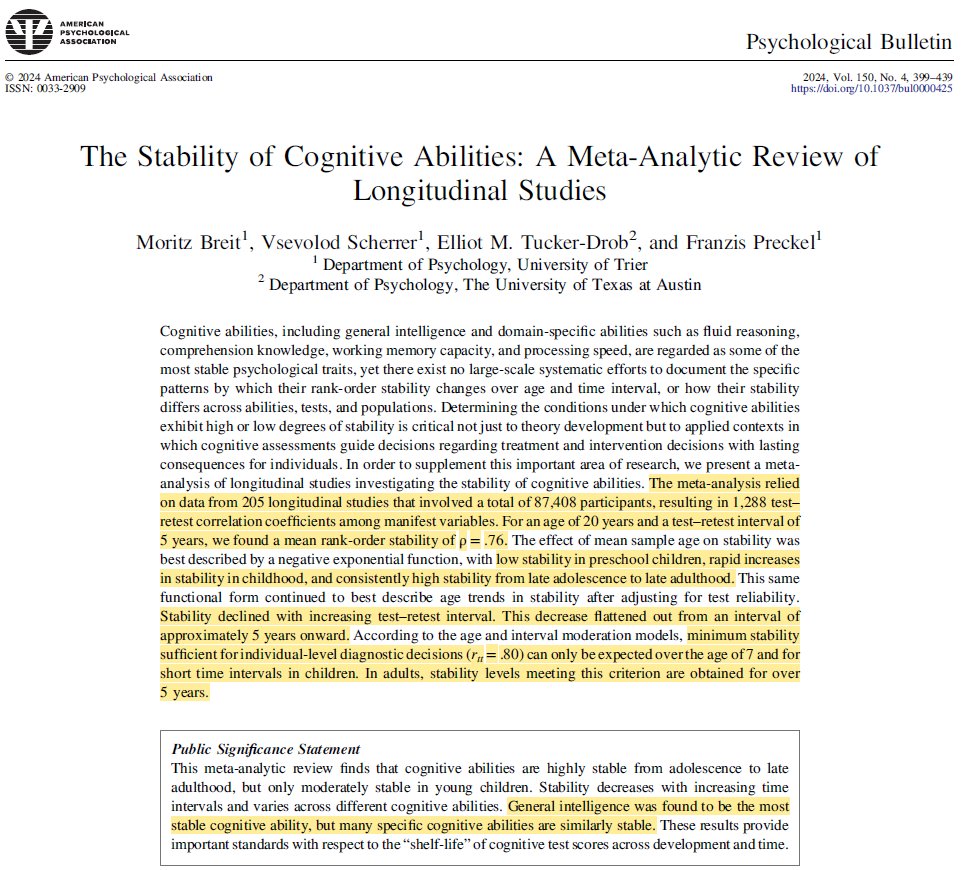
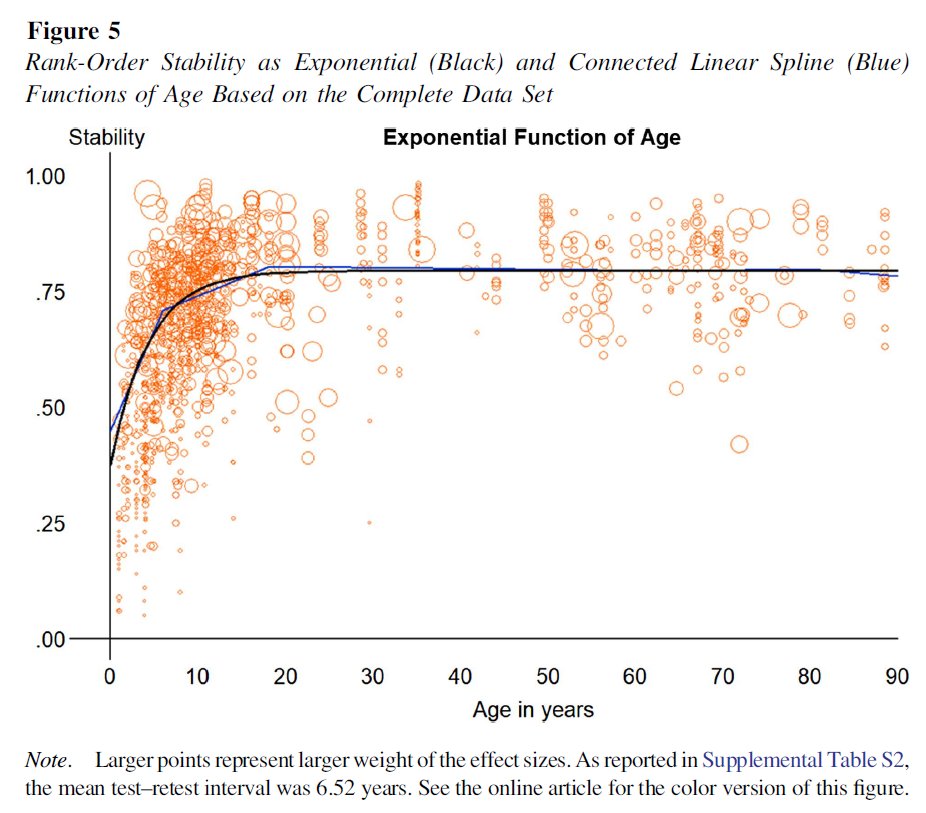
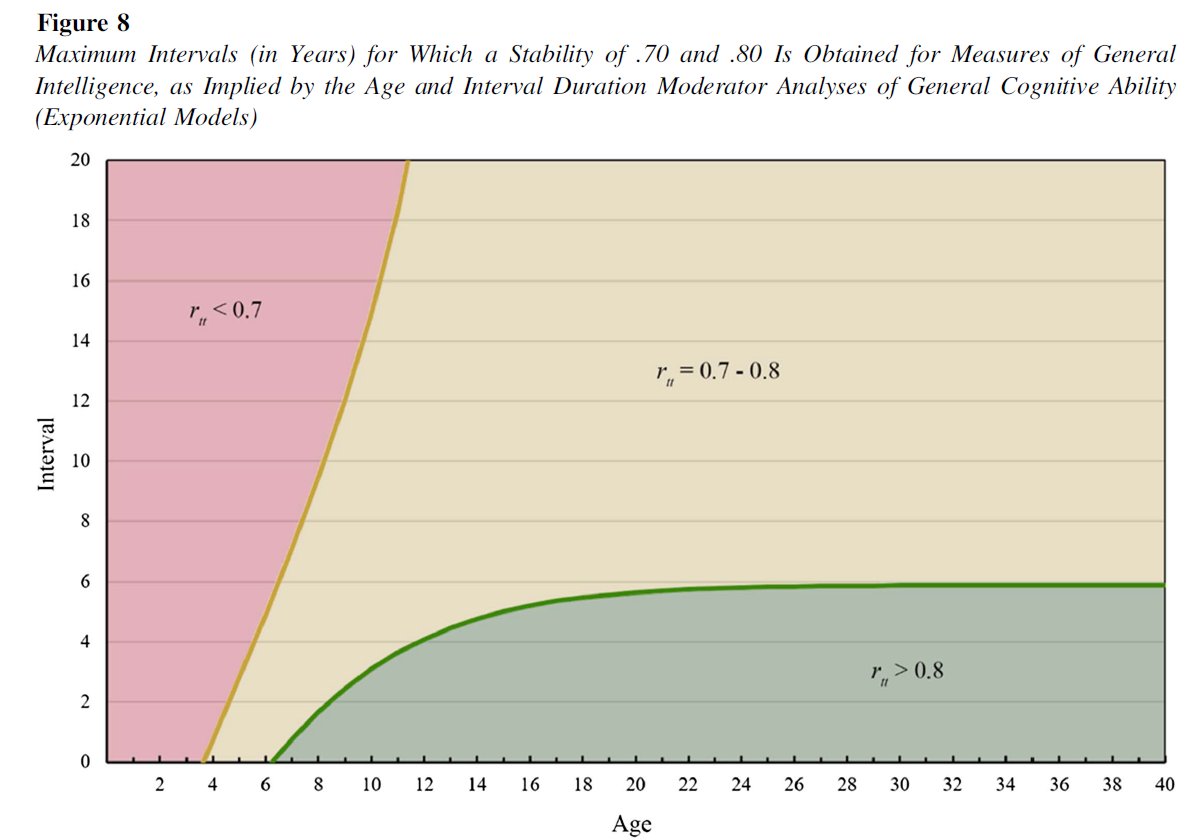
How stable is IQ? According to a meta-analysis by @moritzbreit and @tuckerdrob, "After the age of 14, r > .70 stability can be assumed for the full life span" (Breit et al., 2024, p. 428).
Combining data from 1,288 test-retest correlations from 205 longitudinal studies of 87,408 participants, the researchers found that IQ in early childhood is very unstable, but that begins to stabilize in middle childhood and reaches its final level of stability (about r = .8) in late adolescence.
IQ at age 2 is a modest predictor of intelligence even 1 or 2 years later. By age 11, a child's IQ correlates with their IQ 18 years later at about r = .70 (which is pretty impressive). This makes general intelligence one of the most stable psychological traits--after middle childhood.
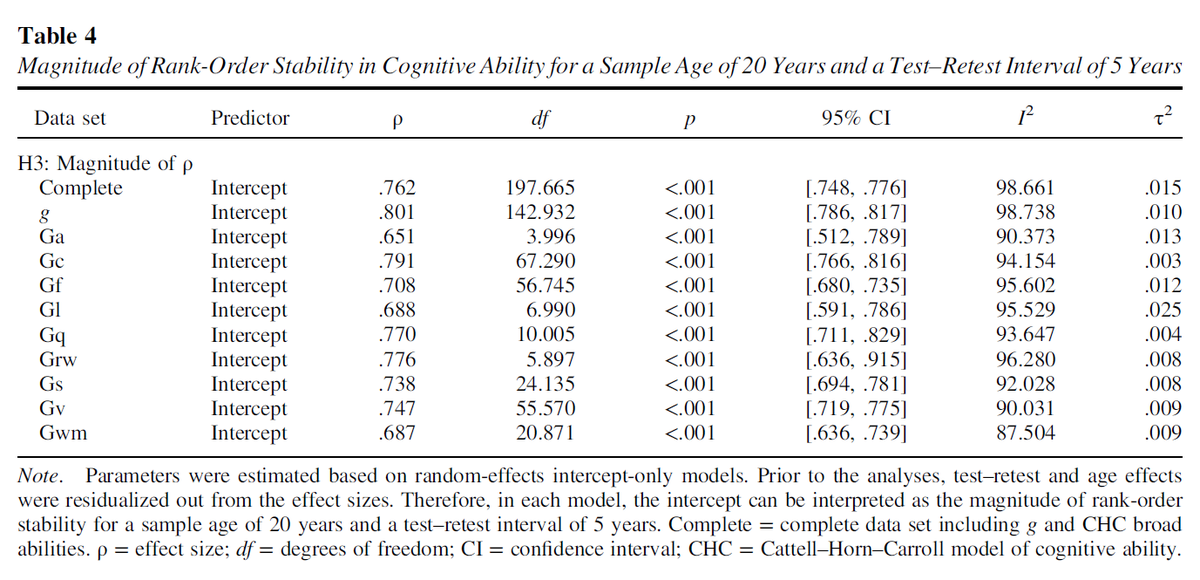
The authors looked at other cognitive abilities, too. Crystallized intelligence, reading and writing ability, and verbal ability are almost as stable as general intelligence. Auditory processing, learning capacity and working memory are less stable... but all are still r = .651 or higher at age 20 (for a 5-year time interval).
The results have a lot of important implications. For example, using intelligence tests of 4- and 5-year-olds to select children for a gifted program that lasts through high school (like in New York City) is a bad idea. Children at that age need to be retested after 2-5 years (or more often if non-IQ scores are used). On the other hand, this study explains why IQ at age 11-13 can predict life outcomes decades later--as in the SMPY and Scottish Mental Survey studies.
One aspect to keep in mind: the meta-analysis doesn't include studies of clinical groups. So, it can't say anything about how dementia, brain injury, or neurodevelopmental disorders influence the stability of cognitive abilities. Also, the vast majority of the samples came from North America and Europe.
But the article is still very informative, and it's great to see a study that has both theoretical and practical implications.
166
Stéphanie Aubertin retweeted
7 Oct 2024
What correlates with IQ?👇
⬆️ Positive Correlations:
Patents
Research productivity
Adult education attainment
Grades in school
Literacy level
Standardized test scores
Leadership attainment
Myopia
Anorexia nervosa
Good physical health
Good mental health
Longevity
Income
Job complexity
Job performance
Job prestige
Promotions
Training success
Offspring’s intelligence
Sense of humor
Socioeconomic status
Voluntary migration
⬇️ Negative Correlations:
Arrests
Convictions
Incarceration
Divorce
Dogmatism
No wedlock births (women)
Impulsivity
Death from cardiovascular
Dementia
Dying in accidents
High blood pressure
Hospitalizations
Personality disorders
Schizophrenia
Smoking
Living in poverty
Relying on welfare
Unemployment
2
6
24
1,271
Stéphanie Aubertin retweeted
6 Oct 2024
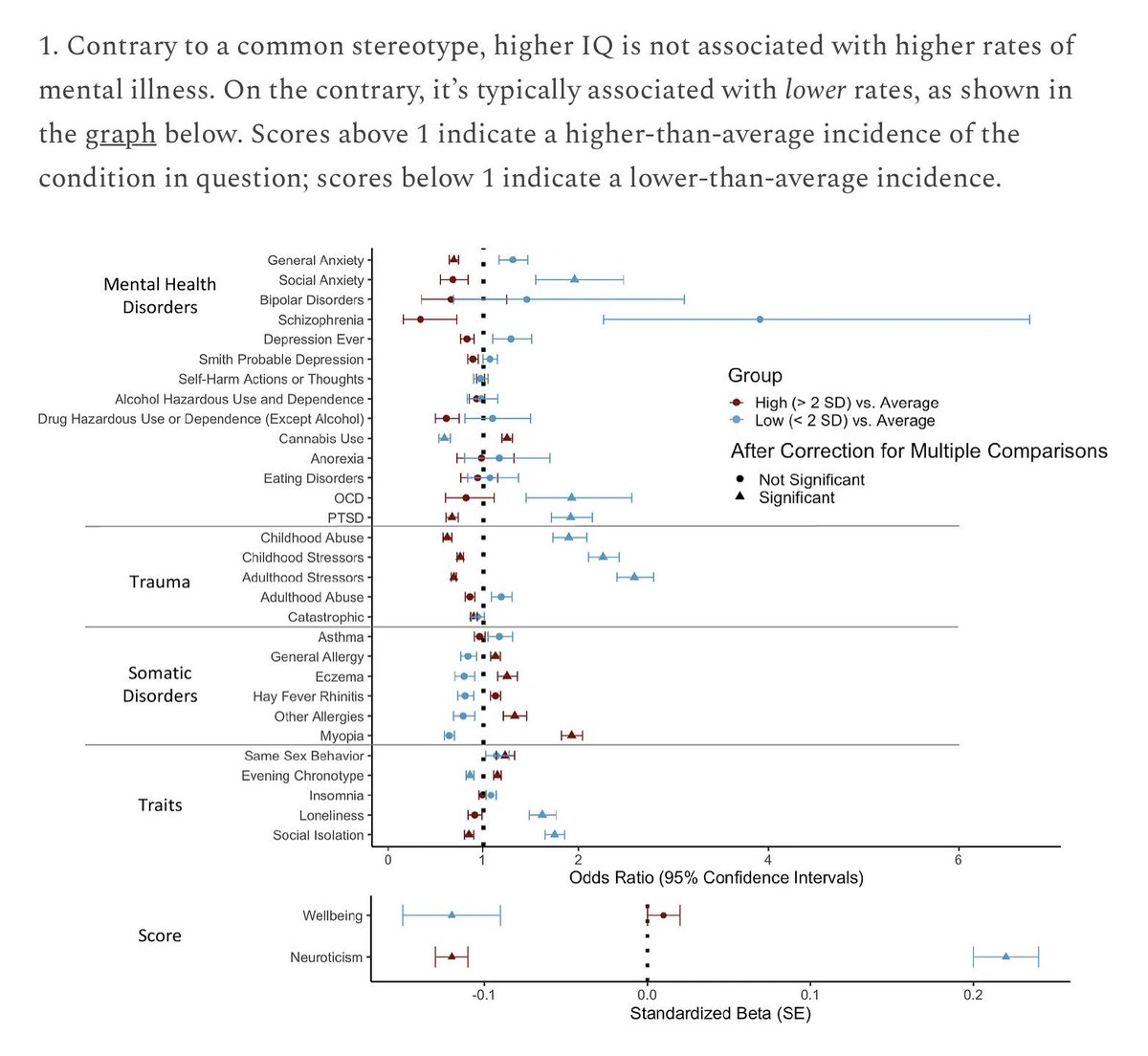
12 Things Everyone Should Know About Mental Illness stevestewartwilliams.com/p/1…
1. Contrary to a common stereotype, higher IQ is not associated with higher rates of mental illness. On the contrary, it’s typically associated with lower rates
7
32
156
21,508
Stéphanie Aubertin retweeted

24 Sep 2024
A little rant about the weakness of alleged 'expertise' among many public school teachers & administrators:
Many teachers will tell you that you're not equipped to homeschool your kids. That they are the experts on educational psychology & child development. They'll brag about their masters degree from a School of Education. They'll say you can't be trusted to educate your kids, any more than you could be trusted to do brain surgery on your kids.
Here's the thing about Schools of Education. Generally, they're where trendy, politically correct psychology theories that were debunked decades ago, go to live on. And live on they do, like vampires, in the undead twilight of the shambling pseudo-sciences that just won't die.
Examples: 'learning styles', 'implicit bias', 'multiple intelligences', 'stereotype threat', 'social priming', 'ego depletion', 'the marshmallow test', 'Myers-Briggs personality types', 'whole language approach', 'IQ isn't real', 'systemic racism explains group differences', 'gender wage gap'.
These notions did not survive the replication crisis. Yet you can find most of them living on in educational psychology textbooks & School of Ed classrooms.
Conversely, some of the most important things we _do_ know about education, that have replicated again and again, are usually ignored or censored in Schools of Education -- e.g. genetic influences on intelligence, personality, and educational achievement, sex differences in cognitive functioning and vocational interests, studies of learning in other animal species and small-scale tribal societies, benefits of tracking for smart students, the economic view that much of modern education is about credentialist signaling of intelligence & conscientiousness rather than actually learning useful things, etc.
I say this as a psych professor who's taught educational psychology, and who's assessed many educational psych textbooks that are commonly used in Schools of Education.
Don't be intimidated by public school teachers, administrators, their union bosses, and their political advocates. Their 'expertise' is often overblown, outdated, and/or simply wrong. Many of them know far less than they think they know. And some of them, sadly, 'know' more things about educational psychology that are false, than things that are true.
48
135
709
38,186
Stéphanie Aubertin retweeted
17 Sep 2024
The stereotype threat effect, once a darling of social psychology, goes down the drain in another large, pre-registered replication project. osf.io/preprints/psyarxiv/qc… Stereotype threat refers to the fear of being judged based on negative stereotypes about the performance of a certain group one identifies with. Stereotype threat is widely studied and discussed in the psychological literature, covered in many introductory psychology textbooks, and featured in prominent court cases on the fairness of selection into academic institutions. This registered replication report describes the result of eight direct replications (total N = 1502) of a representative stereotype-threat study by Johns et al. (2005), who found that threatened women (but not men) underperform when they are confronted with a mathematics test that is presented to measure gender differences, and that this effect can be alleviated by altering test instructions.The seminal study by Johns et al. (2005) paper has been widely cited (855 times on Google Scholar and 283 times on Web of Science, as of April 25th 2024). With this registered replication report, we hope to demonstrate the value of large-scale stereotype-threat experiments. We were unable to replicate a stereotype-threat effect, neither as the interaction between the stereotype-threat conditions and gender, nor as a simple main effect among women. The average effect size we found among women was virtually null, and, thus, substantially smaller than the originally reported effect size. The current results fail to replicate the stereotype-threat effect by Johns et al. (2005), hence casting doubt on the generalizability of the effect of stereotype threat on women’s mathematics performance. Our null results are in line with the recent findings in preregistered (replication) studies. Though there are theoretical explanations imaginable, these results seems to be in line with previous notion that effects of stereotype threat as described in the published literature might have been inflated due to publication bias.
11
157
671
210,649
Stéphanie Aubertin retweeted
26 Aug 2024
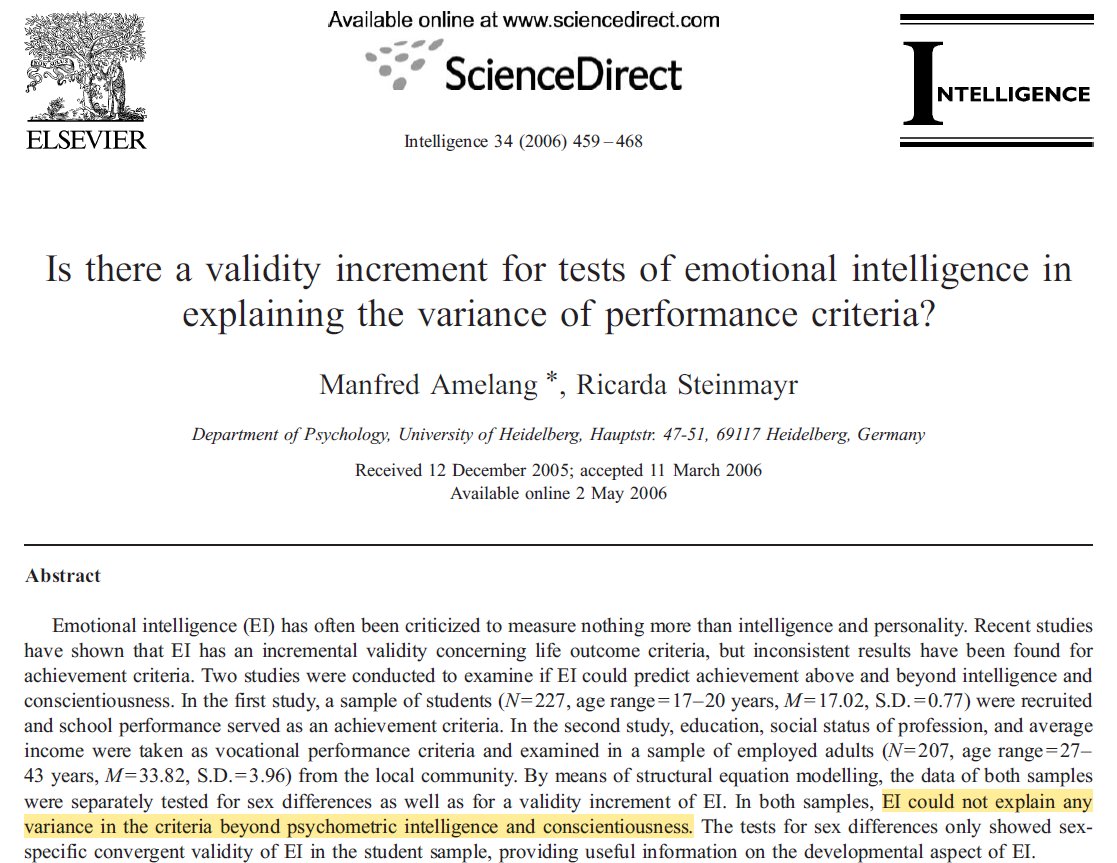
"Emotional intelligence" (EI) is often touted as an alternate to IQ for influencing life success.
However, this article reports two different studies showing that emotional intelligence provided no new predictive power after IQ & conscientiousness were taken into account.
2
13
47
1,639
Stéphanie Aubertin retweeted

12 Aug 2024
Does your brain really contain "fight-or-flight" circuits? New article in Scientific American (@SciAm). scientificamerican.com/artic…
18
103
277
37,723
Stéphanie Aubertin retweeted

9 Aug 2024
Stereotype threat—like virtually all Social Psychology findings—is fake
The replication crisis is brutal. But Social Psychologists push forward as though they haven’t been discredited by it 🤷♂️
9 Aug 2024

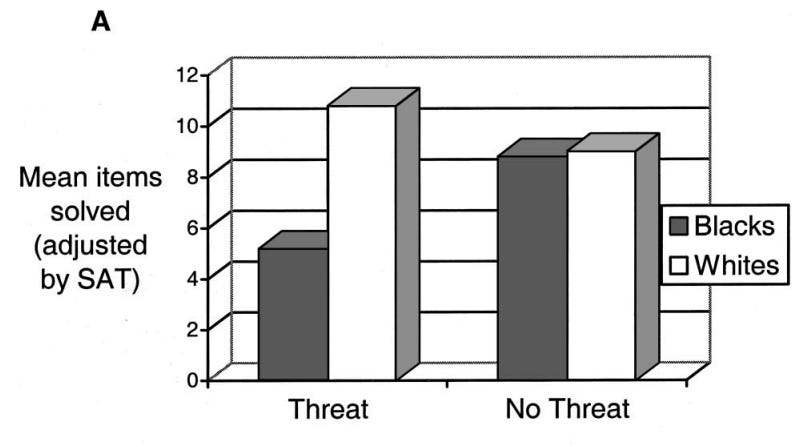
Stereotype threat is a proposed explanation for the Black-White IQ gap.
But is it real?🧵
In the original study, the scores for Blacks and Whites in conditions of stereotype threat and without that threat looked like this:
4
35
269
35,284
Stéphanie Aubertin retweeted

17 May 2024
Le nouveau délit de provocation (à l’aide de pressions ou de manœuvres réitérées) à l’abandon de soins de nature à entraîner des conséquences particulièrement graves pour la santé physique ou psychique est désormais applicable. Art. 12 de la loi du 10/05/2024.
70
112
293
30,767
Stéphanie Aubertin retweeted

7 May 2024
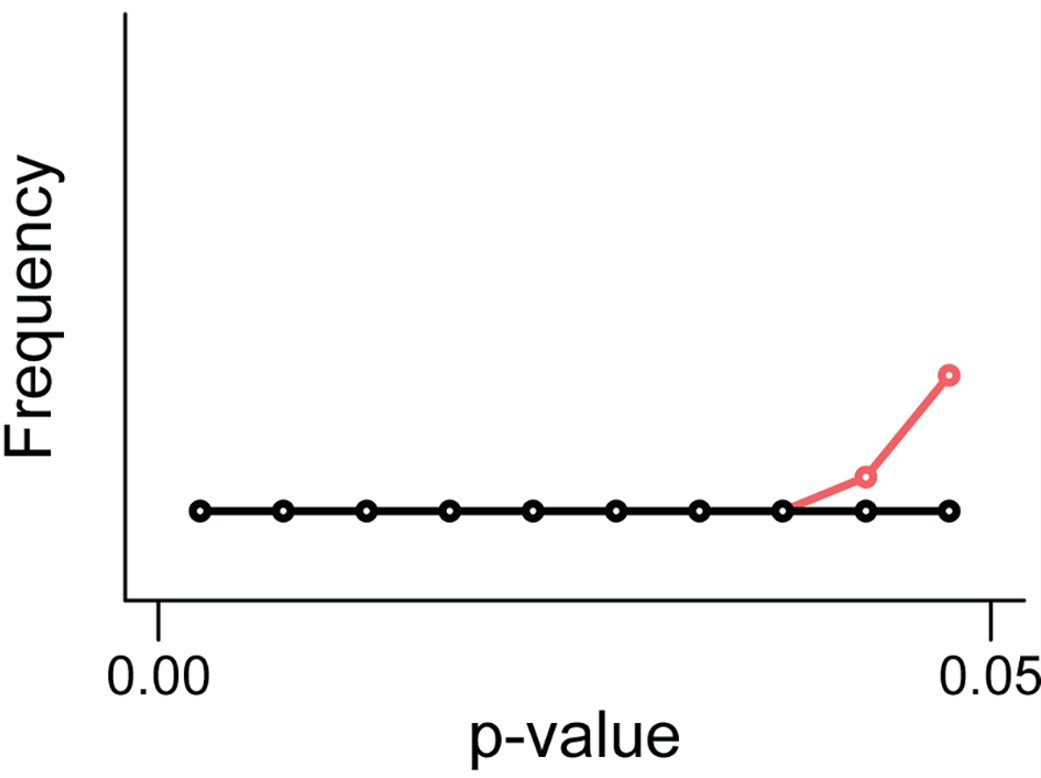
P-hacking, or repeating statistical analyses until nonsignificant results become significant, is prevalent in science.
🧵1/10
9
73
320
57,136
Stéphanie Aubertin retweeted

We caution against interpreting these findings as evidence that infants have a true “difference-making” understanding of causation independent of their own or others’ actions.
The reason for skepticism is that the interventionist perspective crucially distinguishes between
9/
1
1
1
417
Stéphanie Aubertin retweeted
21 Apr 2024
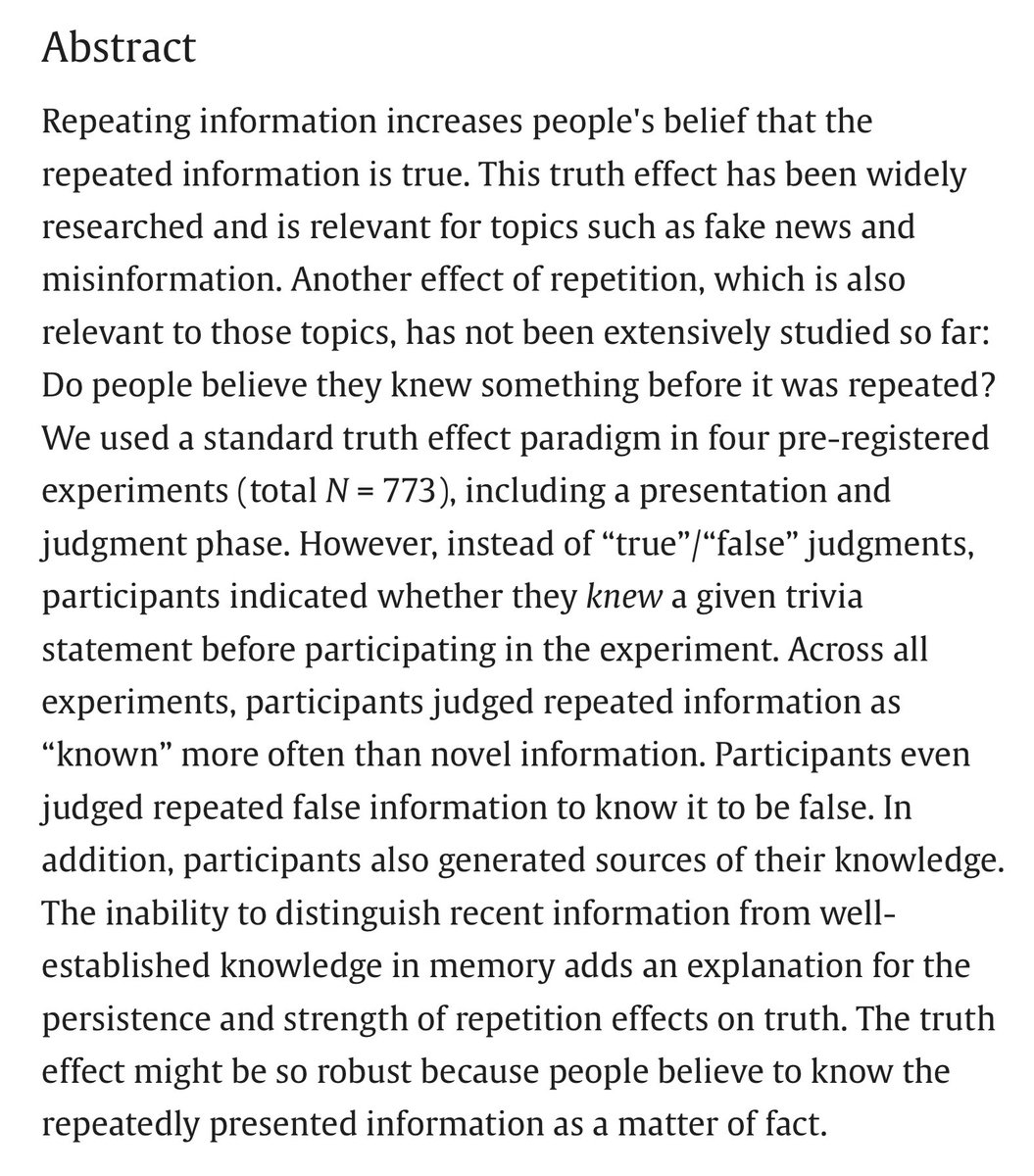
Illusions of knowledge due to mere repetition doi.org/10.1016/j.cognition.…
6
45
156
22,966