The Mortimer B. Zuckerman STEM Leadership Program supports future generations of leaders in STEM in the United States and Israel
Joined October 2019
- Tweets 849
- Following 434
- Followers 420
- Likes 1,041
239 Photos and videos
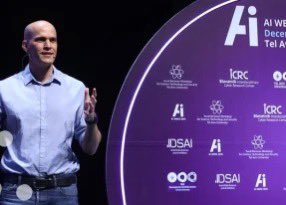
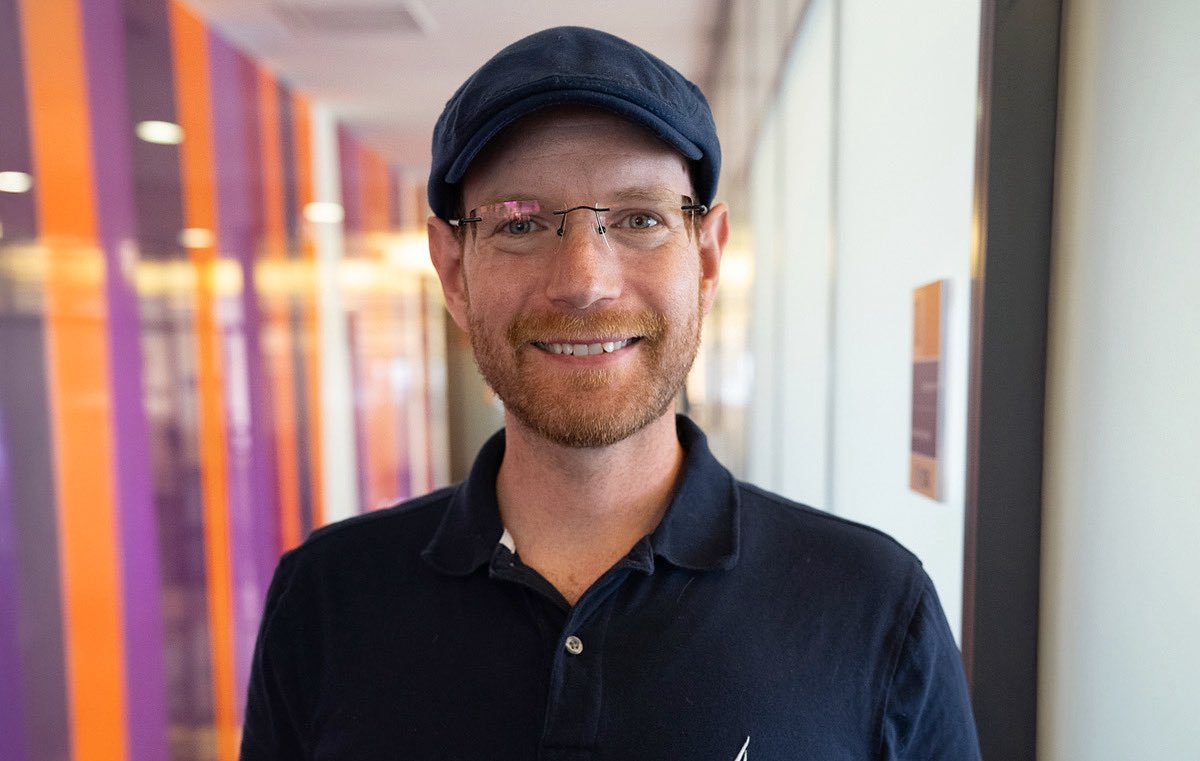

Can Intelligence Scale Down?
Across Zuckerman-affiliated institutions, a new generation of faculty scholars is doing something more challenging than building the next big model: they are questioning the foundations of modern AI. From computational complexity to adversarial threat modelling, Zuckerman labs are producing the kind of rigorous, first-principles work the field urgently needs.
Meet @or_sharir
@TechnionLive
The dominant paradigm in AI has been simple: scale up. More parameters, more data, more compute. Or Sharir’s Efficient Intelligence Lab is stress-testing that assumption.
The lab works on what Sharir calls the sufficiency frontier — the minimum resources needed to achieve strong reasoning — and treats efficiency not as an engineering afterthought but as a scientific problem with deep theoretical structure. The core questions are precise and largely unsolved: How do model size, dataset scale, and compute interact as variables? What architectural choices make that tradeoff curve favorable? Can smaller models be designed to learn more from less, rather than just trained on more?
By building formal frameworks for comparing neural architectures, the group is working to make efficiency gains reproducible and predictable — a sharp contrast to the empirical lottery that characterizes much of current architecture search. For researchers frustrated by the gap between theoretical ML and deployable systems, this lab is working exactly at that interface.
zuckermanstem.org/lab/effici…
40
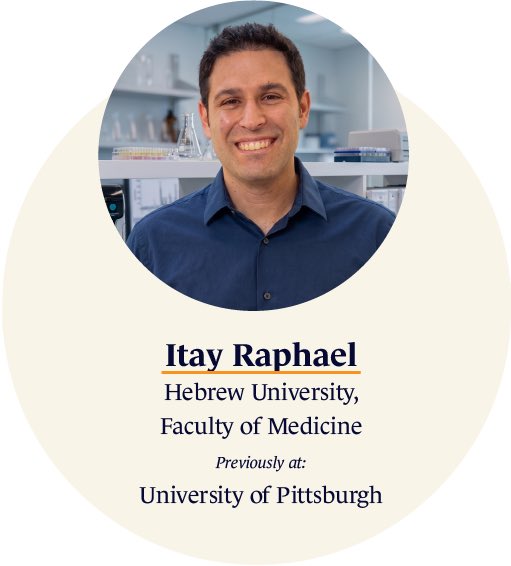
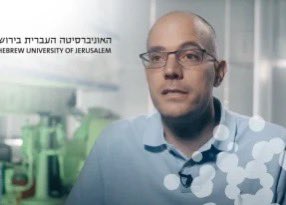
New Faculty Scholars Choose to Return to Israel. @itay_raphael @HebrewU_heb @HebrewU
Itay Raphael studies the complexities of the immune system, with the aim of translating his findings into clinical impact. He earned his doctorate in Cell and Molecular Biology from the University of Texas at San Antonio, where he examined the role of T cells in neuroinflammatory diseases, such as multiple sclerosis.
Dr. Raphael subsequently pursued postdoctoral research at the University of Pittsburgh School of Medicine, where he was awarded a National Institutes of Health training fellowship in Immunology and Immunopathology to investigate immunoregulatory mechanisms of T cells in neuroinflammation. This was the first of several prestigious grants he received.
At the University of Pittsburgh, a faculty mentor sparked Dr. Raphael’s interest in developing novel therapeutics for aggressive childhood glioma, a form of brain cancer. Their collaborative work integrated cancer immunology, computational biology, and neuro-oncology, leading to clinical trials at the university’s UPMC Hillman Cancer Center. Ultimately, his contributions led to his promotion to Research Assistant Professor in the Department of Neurological Surgery at the University of Pittsburgh.
Now back in Israel where he grew up, Dr. Raphael is an Assistant Professor (Senior Lecturer) at the Institute for Drug Research in the School of Pharmacy, part of the Faculty of Medicine at The Hebrew University of Jerusalem. In his newly established laboratory, he focuses on brain cancer immunology and T cell immunotherapies. Recognizing that few patients with brain tumors currently benefit from recent advances in cancer immunotherapy, his research seeks to uncover the immunoregulatory mechanisms of T cells in brain tumors, with the aim of identifying and evaluating innovative immunotherapeutic strategies that have the potential to serve as life-saving treatments for both pediatric and adult patients. He is committed to helping ensure that Israel remains a global leader in cellular immunology and innovative translational research.
zuckermanstem.org/scholars/d…
1
8
332
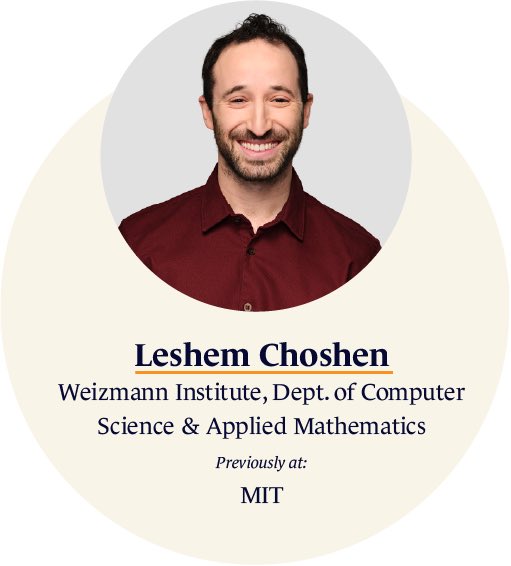
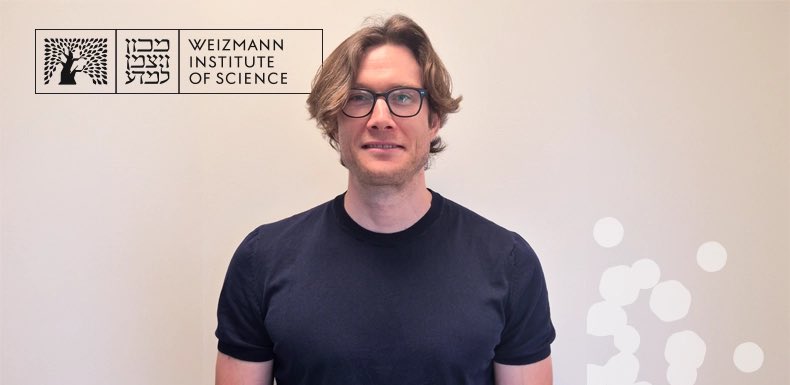
New Faculty Scholars Choose to Return to Israel. @LChoshen @weizmannindia
Leshem Choshen earned his PhD in Computer Science at the Hebrew University, specializing in Natural Language Processing (NLP). His doctoral work examined syntax and semantics in NLP, leading to improved methods for machine translation and reinforcement learning for NLP. Dr. Choshen’s experience as a translator from English and Arabic to Hebrew at the Israeli Broadcasting Service enriched this research.
Alongside his PhD, Dr. Choshen worked at IBM Research, where he led the development of Project Debater, an autonomous system that engaged in a live debate with a human and was featured on the cover of Nature. His collaboration with IBM continues today, and all his projects are developed as open‑source initiatives.
Later, Dr. Choshen led a research group at IBM that invented model-merging. The method takes two models trained for different tasks, and without further training merges them into a single model that can do both.
Dr. Choshen’s postdoctoral research at MIT, hosted at the MIT‑IBM Watson AI Lab, focused on three interconnected areas: open and collaborative approaches to Large Language Models (LLMs); methods for evaluating and understanding LLMs in support of community‑driven development; and techniques enabling low‑budget pre‑training research.
At his own laboratory in the Department of Computer Science & Applied Mathematics at Weizmann Institute of Science, Dr. Choshen addresses the exceptionally high computational and engineering costs associated with LLM research—costs that place much of this work beyond the reach of most academic laboratories. He argues that delegating LLM development solely to industry would be a serious mistake. Instead, his research advances open and collaborative training methods, rigorous evaluation and interpretability techniques, and specialized pre‑training strategies aimed at driving innovation and avoiding blind spots. His long‑term vision is for LLM development to become as open, collaborative, and accessible as platforms such as Wikipedia or Stack Overflow.
Dr. Choshen is a co‑initiator and designer of the BabyLM Challenge, a competition focused on training language models using small amounts of data comparable to the amount of language a human is exposed to until adulthood.
Throughout his career, Dr. Choshen has received numerous distinctions, including the Israeli Association for AI Best Dissertation Award, the Blavatnik Award for PhD Students, and both the Fulbright and Rothschild Postdoctoral Fellowships. His work has been featured in popular media outlets such as the New York Timesand Wired, and he is listed as a contributor on at least eight patents.
zuckermanstem.org/scholars/d…
60
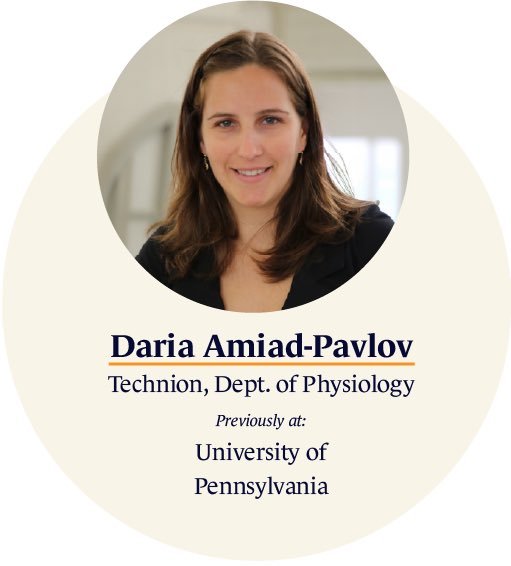
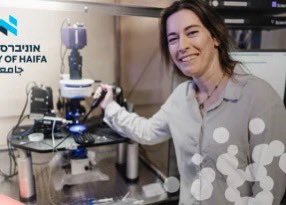
New Faculty Scholars Choose to Return to Israel. @AmiadDaria @TechnionLive
Daria Amiad‑Pavlov competed on the Israeli track and field team in her teens and later attended the University of Washington, Seattle on a full athletic scholarship, competing for the university’s team while doing her BSc in Bioengineering. Her athletic background, together with undergraduate research on skeletal muscle fibers, sparked a lasting fascination with how muscles adapt to different training regimes.
Dr. Amiad‑Pavlov then pursued a direct‑entry PhD in Biomedical Engineering at Technion–Israel Institute of Technology, where she studied rapid force responses of live rat cardiac fibers to changes in length. This work enabled her to demonstrate in real time how sarcomeres—the fundamental units responsible for muscle contraction—adapt to changing mechanical loads.
To broaden her understanding of muscle adaptation to mechanical stress, Dr. Amiad‑Pavlov began postdoctoral studies in the emerging field of nuclear mechanotransduction, which examines how mechanical forces applied to the cell nucleus are translated into chemical and biological responses. At the Weizmann Institute of Science’s Department of Molecular Genetics, she applied a method for live imaging of Drosophila (fruit fly) larvae to observe the organization of muscle nuclei in high resolution, replacing earlier approaches that relied on fixed samples. Using this technique, she discovered a previously unknown layer of three‑dimensional chromatin organization that influences cardiac muscle fiber function.
During her second postdoctoral appointment at the University of Pennsylvania’s Perelman School of Medicine in the Department of Physiology, Dr. Amiad‑Pavlov developed a novel method of measuring dynamic strain transfer into the nucleus during the contraction and relaxation of primary, beating heart muscle cells. This work advanced understanding of mechanisms underlying nuclear damage in laminopathies and pointed to a promising new therapeutic avenue for patients who do not respond to existing treatments.
Now leading her own laboratory in the Department of Physiology at the Ruth and Bruce Rappaport Faculty of Medicine, Technion, Dr. Amiad‑Pavlov investigates the central role of the nucleus in sensing and integrating mechanical signals to regulate gene expression during cardiac and skeletal muscle adaptation during growth, aging, and disease. Her long‑term goal is to develop personalized diagnostic tools for tracking heart disease progression, as well as new therapeutic targets for hypertension and heart failure.
zuckermanstem.org/scholars/d…
1
1
5
204
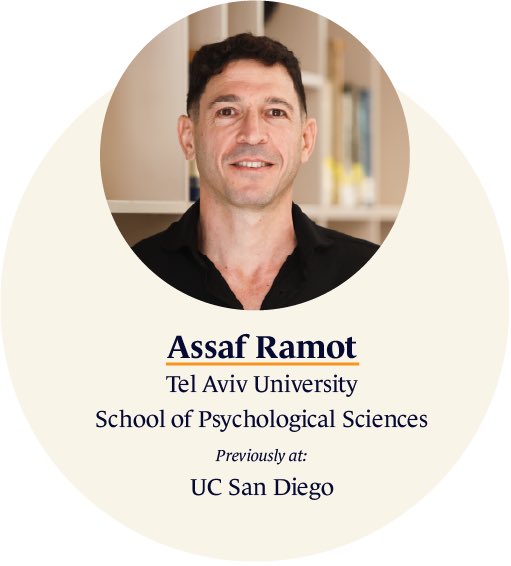
New Faculty Scholars Choose to Return to Israel @AssafRamot
@TelAvivUni
Although stress is widely known to influence learning, Assaf Ramot has long been interested in how stress reshapes neural circuits—the patterns of activity and interaction between networks of neurons. His PhD research in neurobiology at the Weizmann Institute of Science identified the cellular mechanisms by which chronic stress alters the circuits that regulate the hypothalamic-pituitary-adrenal axis, the brain’s central stress-response system.
For his postdoctoral training, two years of which were funded by a Zuckerman Postdoctoral Fellowship, Dr. Ramot sought to develop the tools to study behavior, learning, and adaptive plasticity at the level of neural populations and circuit dynamics. He therefore moved to the Department of Neuroscience at the University of California, San Diego. He was part of a lab known for pioneering in vivo imaging of neural circuits in awake, behaving animals. There, he studied the neural circuit mechanisms that allow practice to transform variable movements into skilled actions. He showed that during learned movements, the motor thalamus provides the strongest input to the primary motor cortex.
zuckermanstem.org/scholars/d…
2
7
353
Zuckerman STEM Leadership Program retweeted

Honored and grateful to join the Zuckerman Faculty Scholars program!

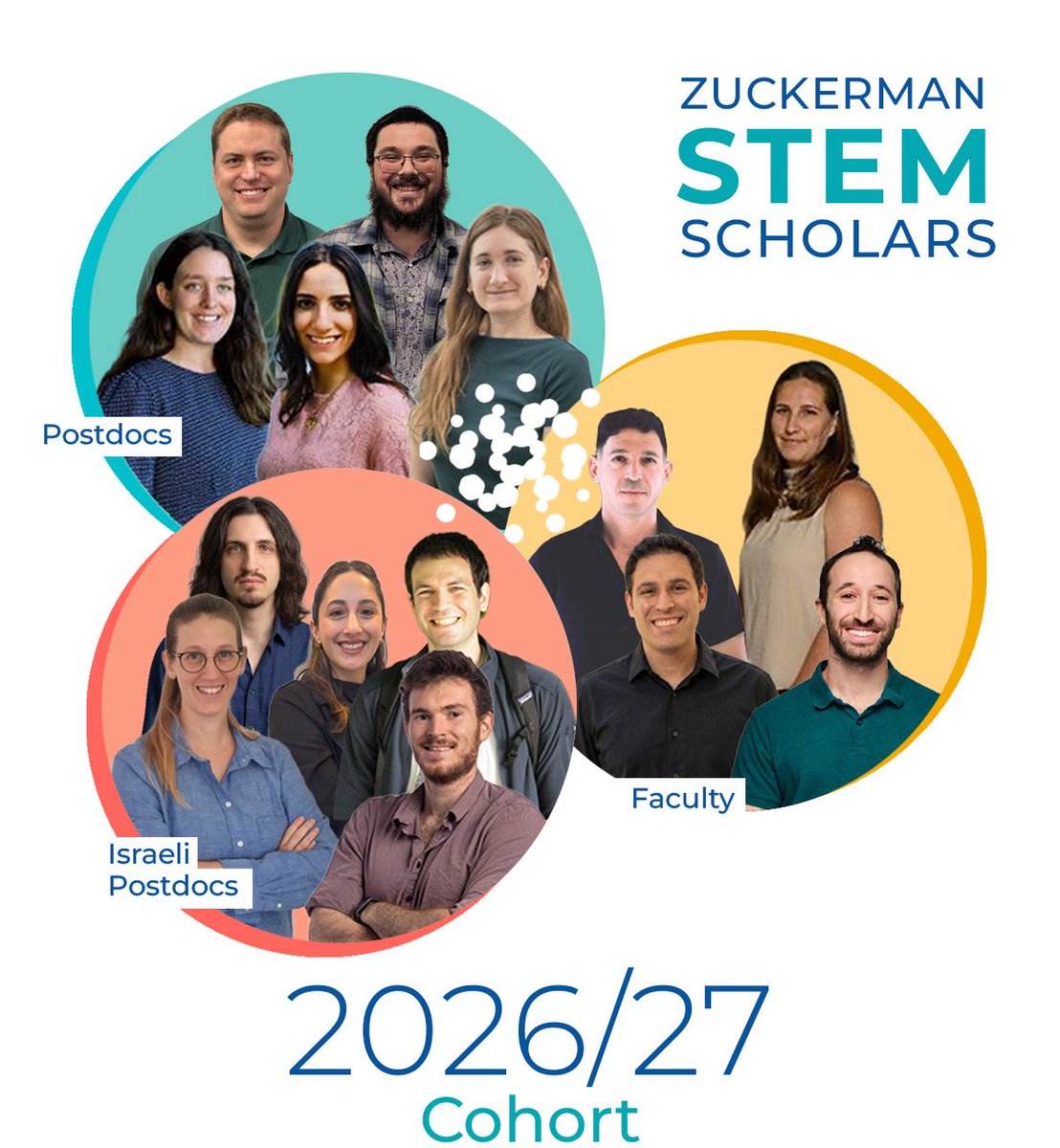
Welcome to our Zuckerman Faculty Scholars 2026- 2027!
The Zuckerman Faculty Scholars program funds leading Israeli researchers and supports the purchase and construction of laboratories and specialized equipment. We offer our sincere congratulations on this well-deserved scholarship!
@itay_raphael @HebrewU @AssafRamot @TelAvivUni @AmiadDaria @TechnionLive @LChoshen @WeizmannScience
1
5
193
Zuckerman STEM Leadership Program retweeted

May 6
Identify. Attack. Resolve.
The immune system follows a perfect defense program: ignore weak/self signals, attack true threats with force, then shut down to avoid damage. (1/2)
science.org/doi/10.1126/scia…
6
57
292
25,801
Zuckerman STEM Leadership Program retweeted

Apr 28
Thank you @stem_program for the postdoc fellowship at MIT and the incredible community! 🙏 zuckermanstem.org/scholars/d…
1
1
50
Zuckerman STEM Leadership Program retweeted

Apr 28
Excited to share this new interview about our work at the @goodmanfaculty and The Dangoor Center For Personalized Medicine.
We're diving deep into the gut virome for the future of personalized medicine.
Full story: dangoor-medicine.biu.ac.il/n…
1
5
356
Zuckerman STEM Leadership Program retweeted

Apr 24
Honored and grateful for the support and trust of the Zuckerman Faculty Scholars Program. Excited to get to work and do my best to meet the expectations.
Welcome to our Zuckerman Faculty Scholars 2026- 2027!
The Zuckerman Faculty Scholars program funds leading Israeli researchers and supports the purchase and construction of laboratories and specialized equipment. We offer our sincere congratulations on this well-deserved scholarship!
@itay_raphael @HebrewU @AssafRamot @TelAvivUni @AmiadDaria @TechnionLive @LChoshen @WeizmannScience
1
1
5
281
Welcome to our Zuckerman Faculty Scholars 2026- 2027!
The Zuckerman Faculty Scholars program funds leading Israeli researchers and supports the purchase and construction of laboratories and specialized equipment. We offer our sincere congratulations on this well-deserved scholarship!
@itay_raphael @HebrewU @AssafRamot @TelAvivUni @AmiadDaria @TechnionLive @LChoshen @WeizmannScience
2
555
We are proud to announce that 14 scholars from North America and Israel will be joining the program’s 11th cohort in the fall. The scholars – leaders in their respective STEM fields – were selected based on academic merit, scientific achievements, and leadership skills. zuckermanstem.org/meet-the-n…
2
80
Congratulation to @rana_shahout, Zuckerman Israeli postdoc for being included in the Jewish and Israeli leaders shaping the present and the future from AI, cybersecurity and science, to culture, sports and culinary arts, through entrepreneurship, advocacy and social impact - 40 voices, figures and stories of men and women who lead, innovate and influence, shaping the future and the world we live in.
p.ynet.co.il/40youngvoices_2…
2
121
Zuckerman STEM Leadership Program retweeted

Apr 16
A wonderful collaboration with @BBParis1984 , @DTzfati, and @IdoBenAmi4. @HebrewU @GenesDev @GeneticsDepart1 @stem_program @EMBO_YIP
1
1
4
112
Zuckerman STEM Leadership Program retweeted
Apr 16
A 🧵
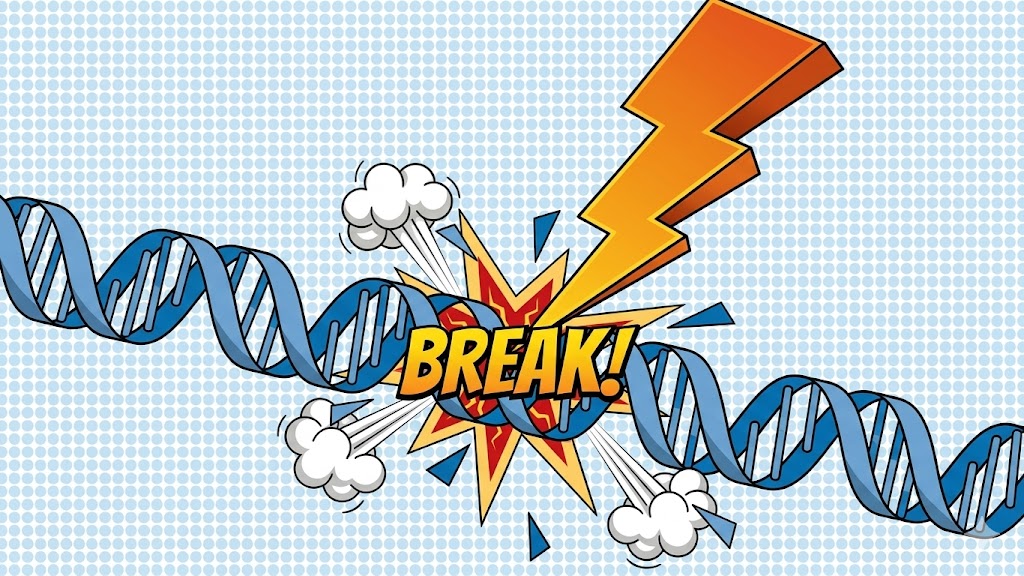
When DNA damage repair (DDR) fails, it activates the innate immune sensor cGAS. But does this sensor actively exacerbate the disease?
Our new paper reveals a dual role for cGAS in shaping both cellular and organismal responses to genomic instability: tinyurl.com/bdf3m9d4
1
6
11
3,386
Zuckerman STEM Leadership Program retweeted
Apr 21
Read our new story 😃
Apr 17

A new view of aging: How the immune system rewrites rapid aging.
Read the new #genesdev paper, online now ahead of print:
➡️ ow.ly/lCC950YKyO3
ow.ly/pba050YKyO1
1
2
123
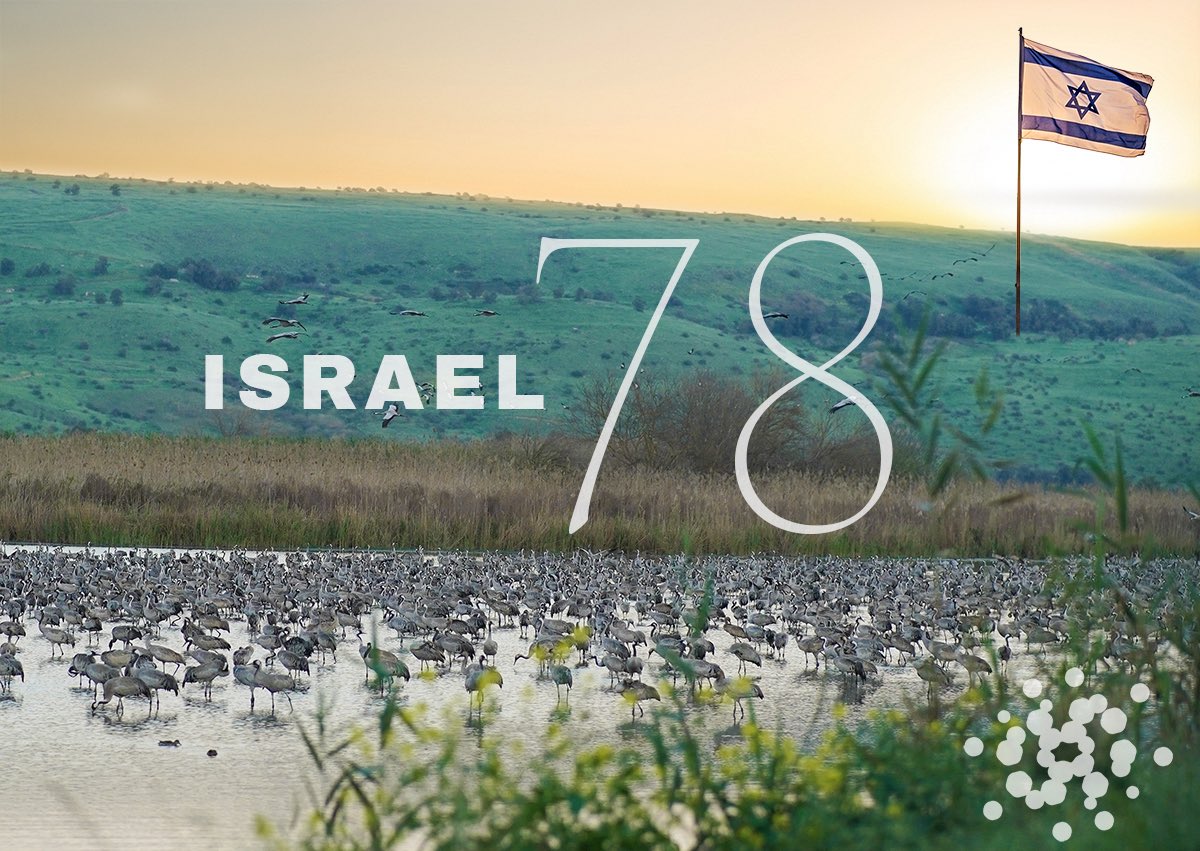
On Israel’s 78th birthday, we celebrate the values of freedom and the open exchange of ideas. We wish our extended academic community the freedom to engage in critical thinking in the pursuit of knowledge and scientific progress
32
מה העבר של ים המלח יכול לספר לנו על העתיד שלנו? יעל דן פוגשת את ד״ר יעל קירו, מילגאית צוקרמן במכון ויצמן.@Yael kiro
youtu.be/bTMe89t30Dk?si=nuDR… via @YouTube
134
Zuckerman STEM Leadership Program retweeted

This is Israel, through the eyes of those who are shaping it 🇮🇱 At the Technion, our students carry the legacy of family, community, and a country that has faced immense challenges and emerged stronger.
1
2
102