
Urogynecologic surgeon building OSLR.AI — AI audio summaries of medical research so doctors can keep up. 33K journals, all specialties.
Joined March 2007
- Tweets 14,709
- Following 1,882
- Followers 3,645
- Likes 18,803
1,306 Photos and videos







Ryan Stewart retweeted

Jun 13
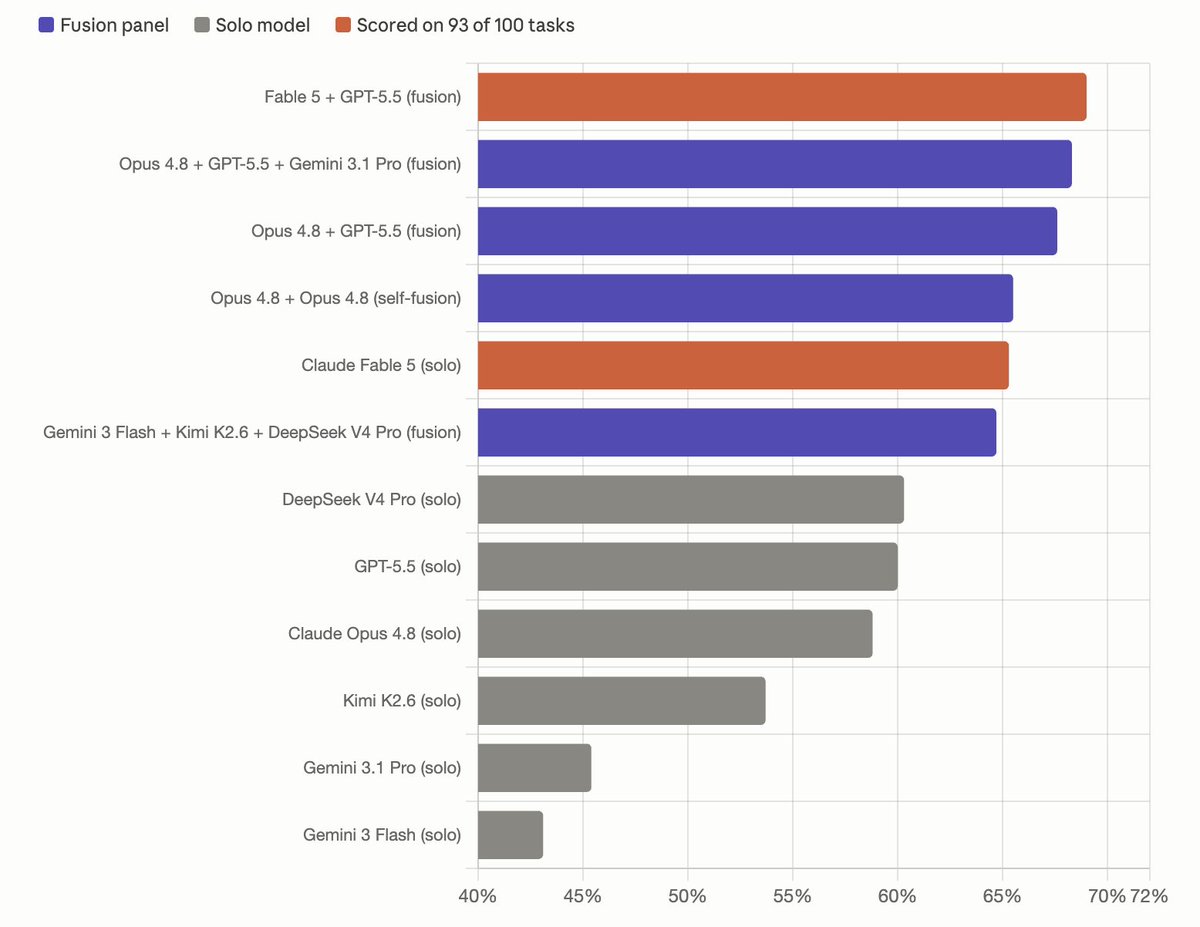
Introducing the Fusion API, the smartest compound model in the market.
Fusion achieves Fable-level intelligence at half the price.
How it works 👇
686
1,746
14,716
5,865,315
Ryan Stewart retweeted

Jun 12
i framed a colorful e ink on my wall to display a collage of any birds that have passed by my window today
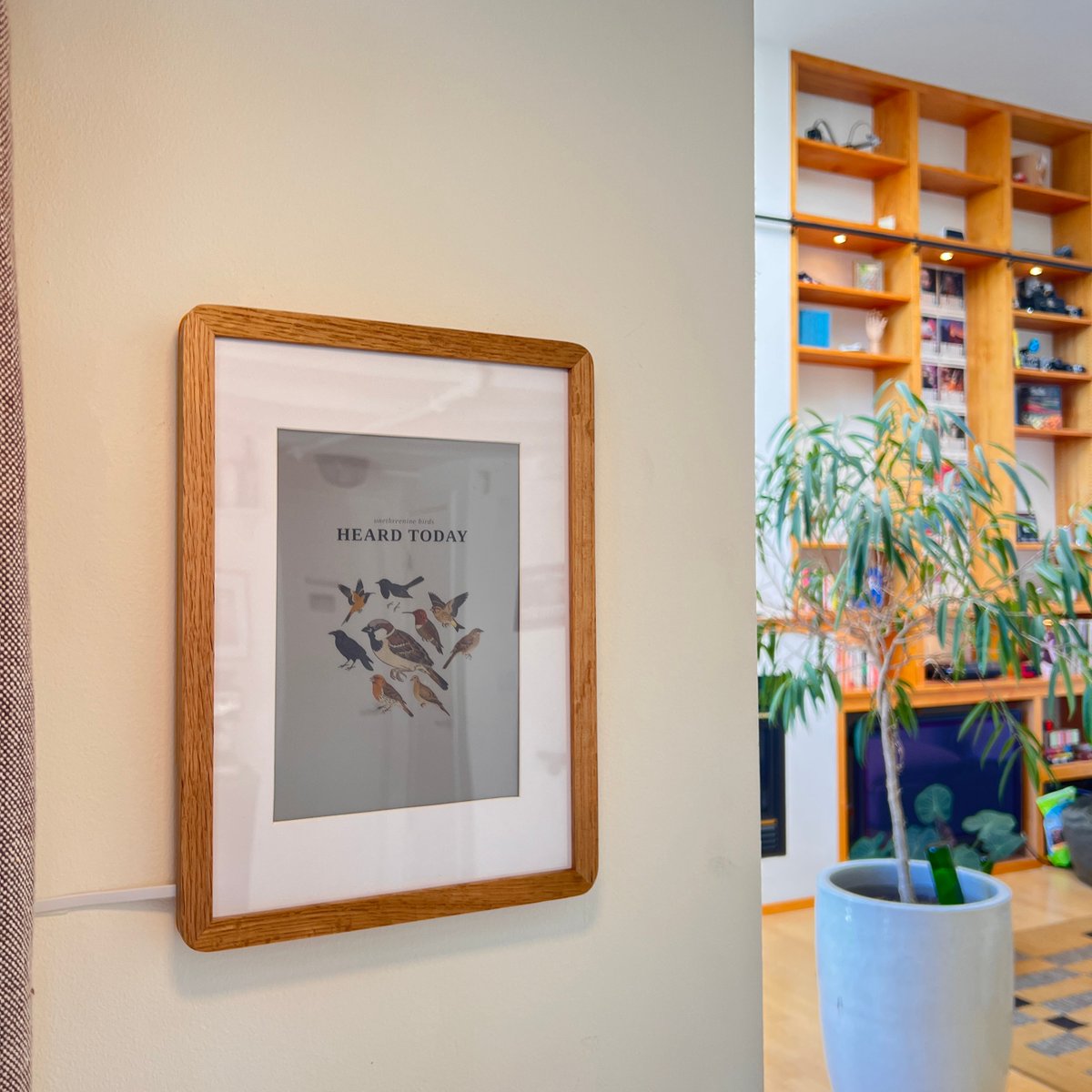
ALT theodore.net/projects/AvianVisitors
May 28

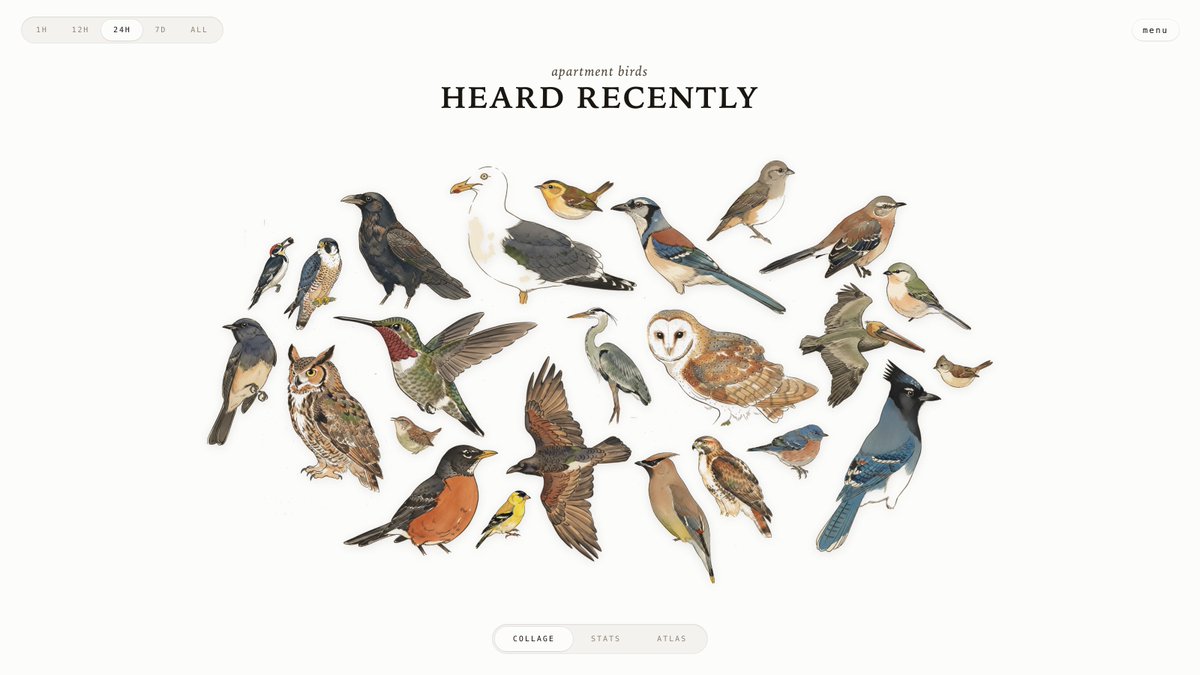
i mounted a tiny microphone on my apartment balcony to listen for any birds passing by and built a site to collage them as they're heard
93
378
8,187
528,737
Ryan Stewart retweeted

Jun 11
@AnthemBCBS My staff is trying to get a single case agreement for a patient.
Have collectively spent >4 hours trying to get someone on the phone, still have yet to speak to a live agent.
The only humans who answer say "that's not my department," transfer to dead end numbers.
A patient is at stake. Please help.
1
5
16
7,313

Jun 5
Excellent review of bladder pain syndrome for primary care physicians and APPs by @KeracFalkMD and colleagues. Well done! oslr.ai/preview/14797.421016…
21
Ryan Stewart retweeted

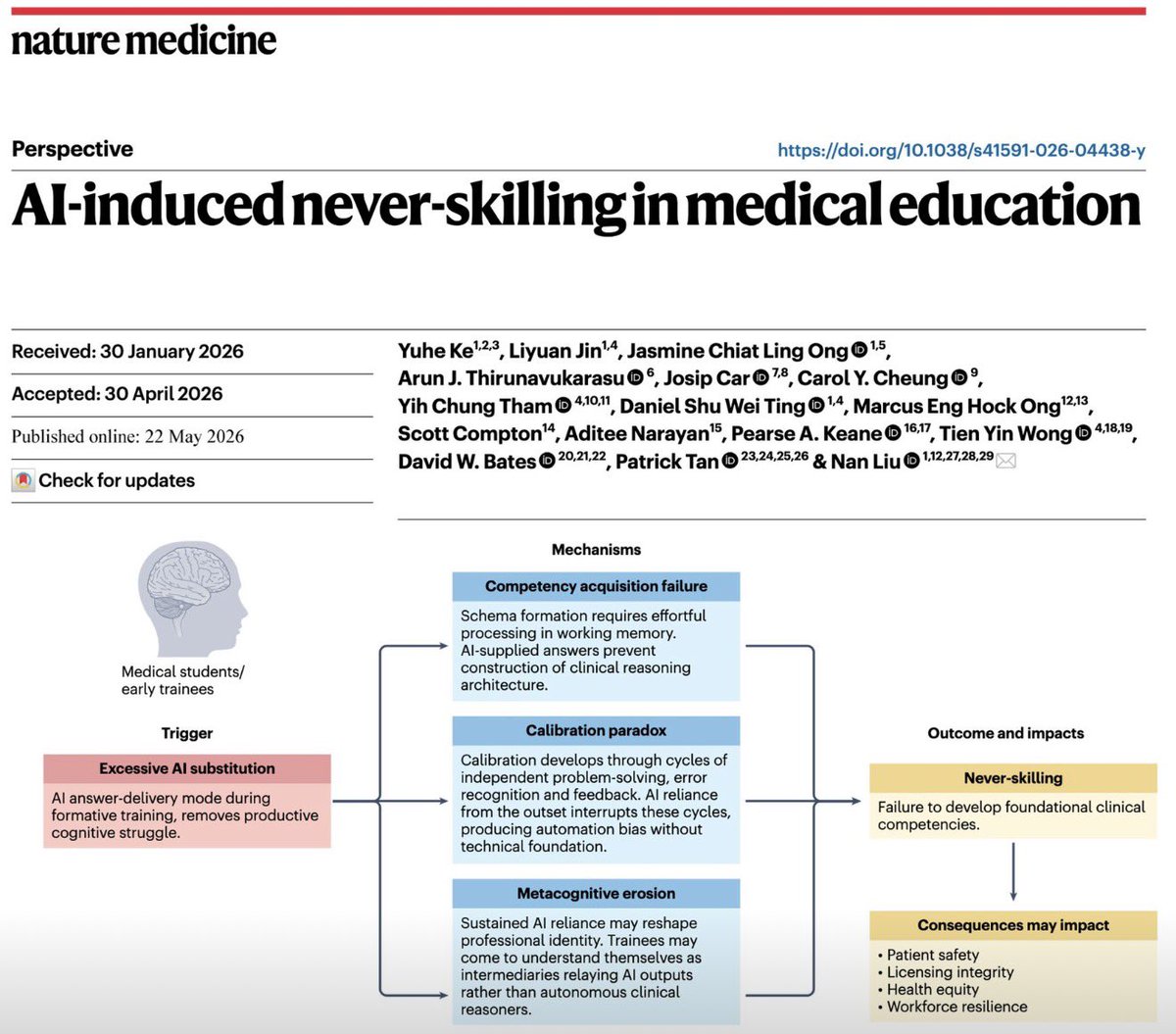
AI in medicine warning! The never skilling effect in medical education! @TomVargheseJr @pferrada1 @SWexner @AmCollSurgeons
15
117
410
62,750
May 22
At its core, this is what @garrytan calls “being above the API” — it is a good take.

I’ll die on this hill.
AI models need to be trained at the individual clinician-level, not the population-level, in order to achieve widespread adoption.
Physicians think about problems differently from one another, and do their work differently as well.
A single AI model to be used “for all” will only be used by a minority of physicians and will be abandoned by the rest.
Rather, AI systems need to be thought of as the individual clinician’s agent. And like a dog, I think that each clinician is going to have to spend substantial time working with and training the model to make it work in the way they need it to.
Until I see this - a lot of this AI software is mostly hype to me.
123
May 22
So, Hermes for physicians. Interesting.
(Also interesting…Hermes is the god that carried the caduceus.)
I’ll die on this hill.
AI models need to be trained at the individual clinician-level, not the population-level, in order to achieve widespread adoption.
Physicians think about problems differently from one another, and do their work differently as well.
A single AI model to be used “for all” will only be used by a minority of physicians and will be abandoned by the rest.
Rather, AI systems need to be thought of as the individual clinician’s agent. And like a dog, I think that each clinician is going to have to spend substantial time working with and training the model to make it work in the way they need it to.
Until I see this - a lot of this AI software is mostly hype to me.
226
Ryan Stewart retweeted
May 17
The inimitable @drrachelrubin on the #AUA26 Plenary stage recounting the roller coaster history of the Estrogen black box warning.
How do you go from zero… to a wildly popular GSM guideline? ADVOCACY.
👏 👏 👏

2
24
68
11,625
May 16
“what you believe depends on whom you trust”
27 Jan 2022

Perhaps the best non-scientific article I’ve read in a while. A must for every physician.
#MedTwitter nejm.org/doi/full/10.1056/NE…
1
128


May 16
Been running Hermes gbrain for about a week and ❤️ it. Noticeably better than Hermes just 6 weeks ago and light years ahead of January openclaw.
My question for @garrytan - how do you decide when a project, originally conceived in one gbrain, is ready for its own instance?
42
Ryan Stewart retweeted

Apr 30
Search is full of ads and wrong answers. Every other email is an ad. Prime Video charges you and shows ads. Paramount? Ads. Peacock? YouTube? Hulu? Ads followed by more ads. Netflix full of ads. Meta and X, every other thing is an ad. Pinterest is nothing but ads. AI is in everything. AI finishes sentences incorrectly and won’t stop. AI reads your email and search history to target you with more ads. Every time you open an app or visit a site there’s an update making it worse. In a hurry? First, click here to agree to terms you don’t have time to read and must accept. You need an account to do that. Change your temporary password. Enter your 2FA code. Check your email and enter that code. Now use a passkey. Your password is too simple to remember. Change it. No, not like that. Now log on. Enter your 2FA code. Check your email for a code… Welcome back! We’ve updated our terms of service and privacy policy (you have none). Subscribe to the site. Subscribe to Netflix. Subscribe to toilet paper. Subscribe to these groceries. Pay a membership fee for the right to subscribe then tip your driver who delivers the subscriptions your membership lets you subscribe to. Time to work? We’ve got to update your laptop and will slow down everything you do until you agree to update. But first, click here to agree. Update installed — your laptop’s broken now. It doesn’t matter, since your boss just replaced you with AI. Go to your phone to complain on social media. Wait, your phone needs an update so we can add more AI. Click here. Oh sorry, your phone can’t handle this update. Now it’s useless. Go get the newest phone. Here’s a text from a friend, an email, a voice mail they left three days ago but you didn’t see until now because of sync problems with the cloud. It’s their GoFundMe. Their MLM. Their Patreon. Never mind, you didn’t respond to their text within 9 minutes and now you’re no longer friends. They blocked you. Make new friends. Download this app to find people in your area. In your neighborhood. On your street. Two doors down from you. Do you know this person yet, we think you’d get along. You need an account to use this app. That username is taken. Enter a password. Not that one, you used it on another site. You need to be connected to WiFi to download the app. Allow the app to connect to other devices on your network. Allow the app to access your contacts, know your precise location, store your credit card details. Oops, sorry, we got hacked now all that info is available on the web. There’s a class action suit. You can join. It’ll take a decade to get your $3.73 share of the ten billion settlement. We’ll send it via PayPal or deposit it to your bank, just tell us those details. Oh no, another hack. That info is circulating now, too. Here’s a spam call, a spam email, a spam text. Why are you angry? Why are you talking about getting rid of your phone? Why don’t you like AI, it lets us make all of this easier? Do you know how ridiculous that sounds? This is progress. You’ll be left behind. Do you want to be left behind? Do you???
790
9,868
44,736
4,268,833
Ryan Stewart retweeted

Apr 27
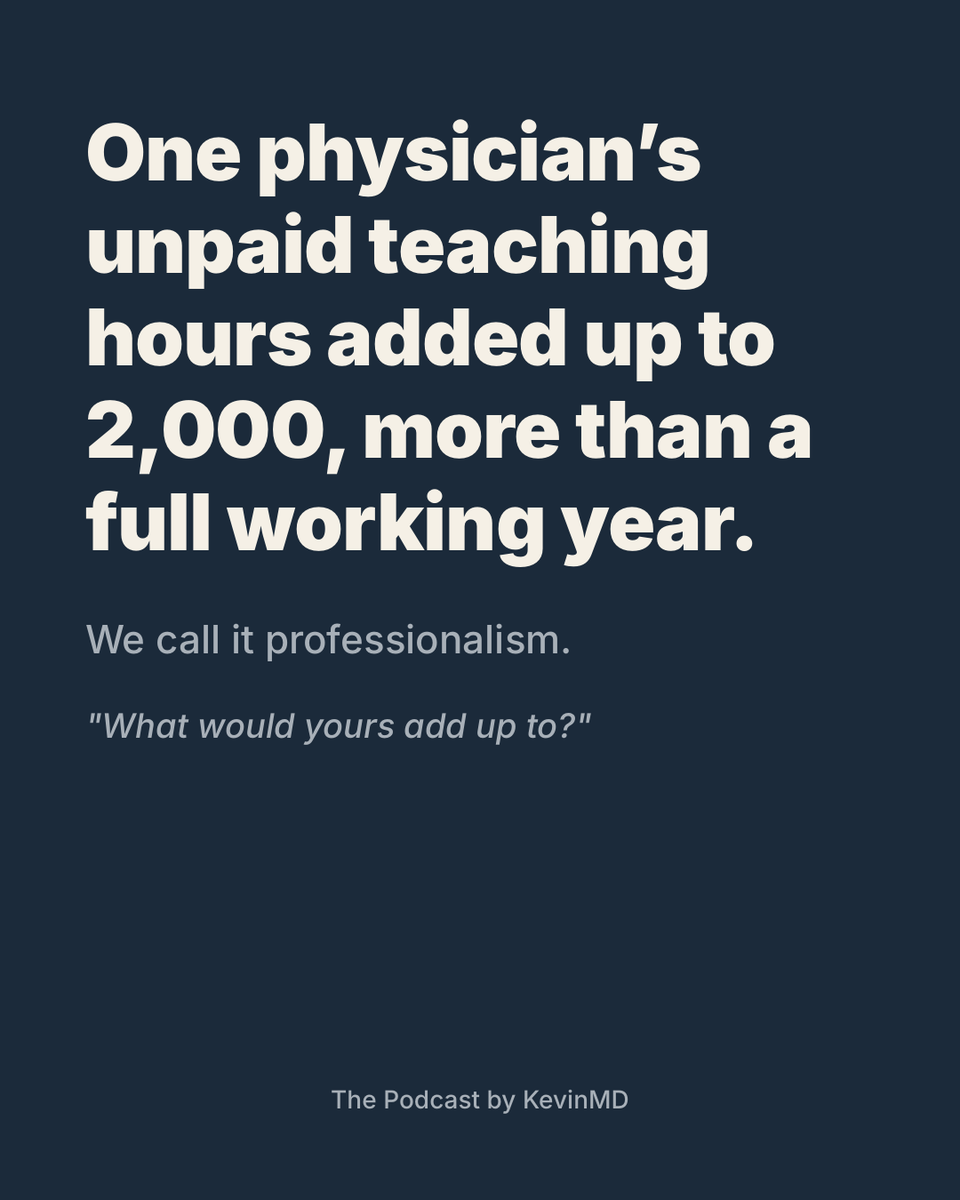
A pediatrician added up the hours she had donated to her medical school as a volunteer clinical professor.
Over 2,000.
That is more than a full year of full-time work. Donated. While running clinic, holding leadership roles, and raising three kids. She did not realize what she had done until she ran the math.
This is the conversation about physician burnout that almost never happens.
The wellness committees, the lectures, the residency teaching, the charting at 11 PM, the "leadership" calls at 6 AM, the committee work that gets quietly assigned to whoever will not say no. We call it professionalism. Jessie Mahoney, pediatrician and physician coach, calls it what it is: unpaid labor that has been normalized into the definition of being a "good doctor."
Three things from her argument worth bookmarking:
1. Volunteer work is not generosity if it is expected. It is obligation. The two are not the same thing and medicine has confused them for a generation.
2. The entire medical education system, the clinic schedule, and the leadership pipeline depend on this donated time. Nobody could finish their actual paid job inside their actual paid hours. Not even AI, in her words, could close the gap. The system requires the donation, and trains physicians to feel guilty if they refuse.
3. Nurses do not do this. They get overtime. Mahoney says on the show that she knows of no other profession where people just donate this much time. The physician unpaid-labor norm is a profession-specific defect, not a universal feature of skilled work. We invented it. We can uninvent it.
Her practical line for declining without burning the relationship: "I wish I could, but I don't have capacity for that." Then offer a trade. Time. Compensation. A slot replacing something else. Anything that makes the cost visible.
She also reminds physicians of a useful question to run before saying yes to the next "voluntary" ask: will your future self wish you had spoken up?
One historical note from the show worth holding onto: residency work hours did not get capped because the profession decided to cap them. They got capped because of a lawsuit. The voluntary hours, the unpaid teaching, the off-the-clock leadership, the chart-after-bedtime time, none of that has even been named yet, let alone budgeted. If history is the guide, that floor will not get built voluntarily either.
One more piece of context Mahoney raised on the show: roughly 60 percent of the physician workforce is now women. The unpaid-labor norm was built in an era when it was structurally easier to absorb. It is not that era anymore. The math on who is actually doing the donated work and what they are absorbing at home has changed, and the profession has not caught up.
Listen to the full conversation on The Podcast by KevinMD. Link in the replies.
How many unpaid hours did you donate last year? #ThePodcastbyKevinMD
19
39
159
25,190
Ryan Stewart retweeted

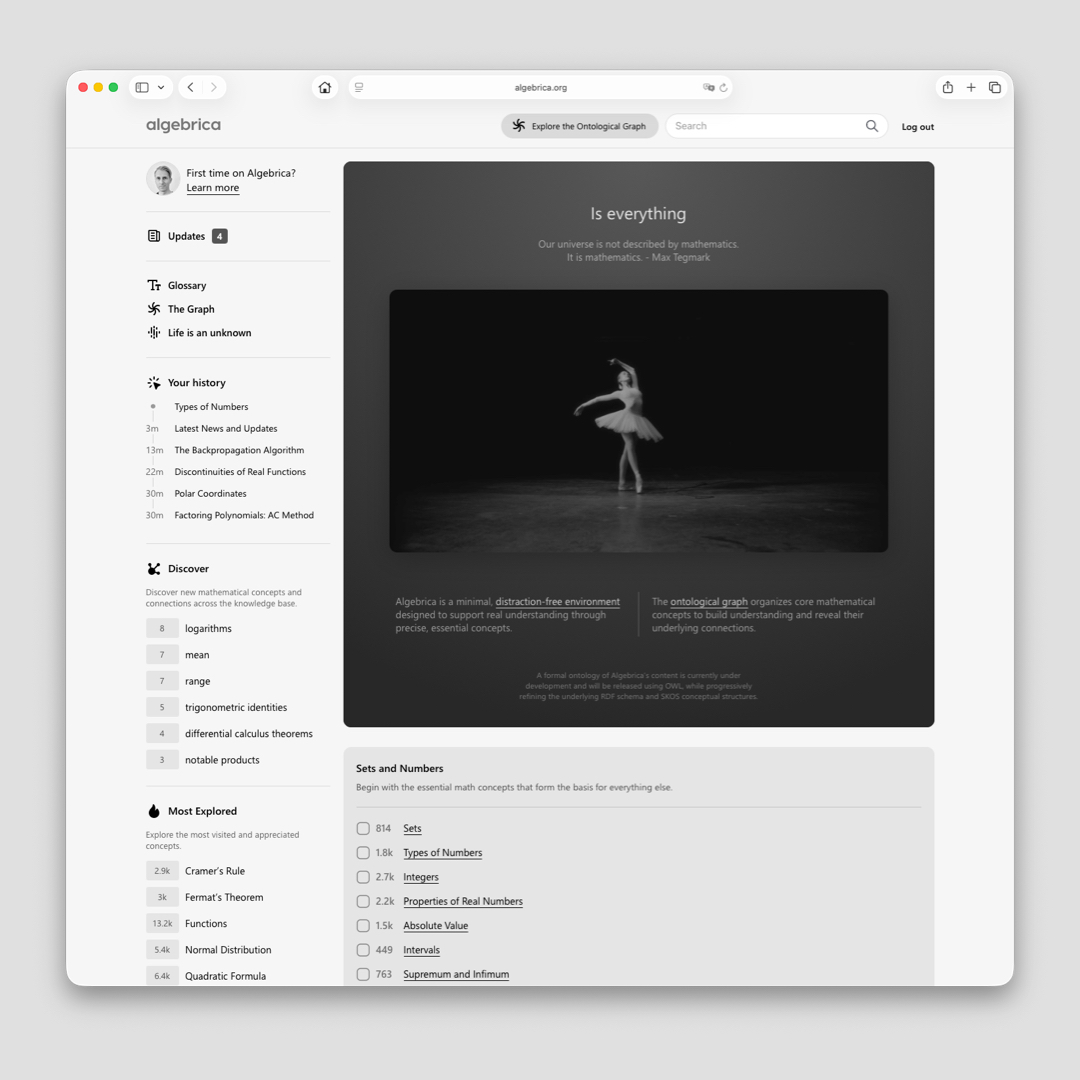
This is Algebrica. A mathematical knowledge base I’ve been building for 2.5 years.
215 entries, carefully written and structured.
400k views over this time. Not much in absolute terms, but meaningful to me.
No ads.
No courses to sell.
No gamification.
No distractions.
Just essential pages, aiming to explain mathematics as clearly as possible, for a university-level audience.
Built simply for the pleasure of sharing knowledge.
Content licensed under Creative Commons (BY-NC).
Best experienced on desktop.
If it helps even a few people understand something better, it’s worth it.
187
787
5,463
229,665
Apr 7
MemPalace, code name Leeloo.
Apr 6

My friend Milla Jovovich and I spent months creating an AI memory system with Claude. It just posted a perfect score on the standard benchmark - beating every product in the space, free or paid.
It's called MemPalace, and it works nothing like anything else out there.
Instead of sending your data to a background agent in the cloud, it mines your conversations locally and organizes them into a palace - a structured architecture with wings, halls, and rooms that mirrors how human memory actually works.
Here is what that gets you:
→ Your AI knows who you are before you type a single word - family, projects, preferences, loaded in ~120 tokens
→ Palace architecture organizes memories by domain and type - not a flat list of facts, a navigable structure
→ Semantic search across months of conversations finds the answer in position 1 or 2
→ AAAK compression fits your entire life context into 120 tokens - 30x lossless compression any LLM reads natively
→ Contradiction detection catches wrong names, wrong pronouns, wrong ages before you ever see them
The benchmarks:
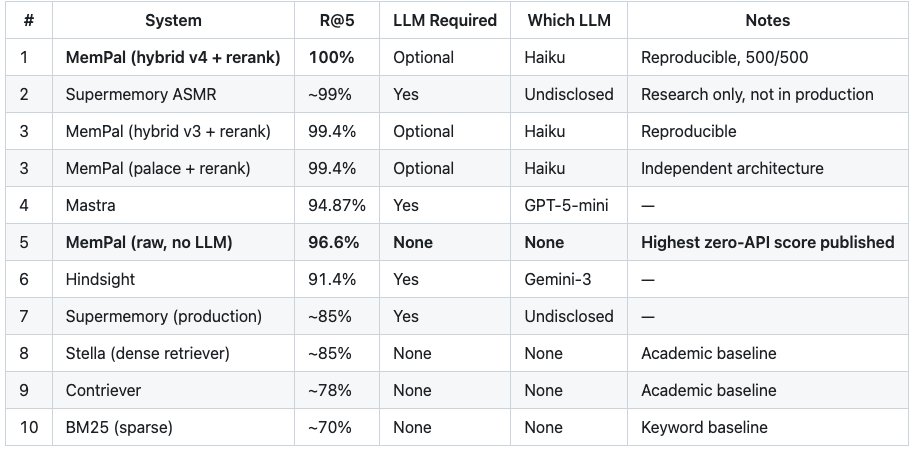
100% recall on LongMemEval — first perfect score ever recorded. 500/500 questions. Every question type at 100%.
92.9% on ConvoMem — more than 2x Mem0's score.
100% on LoCoMo — every multi-hop reasoning category, including temporal inference which stumps most systems.
No API key. No cloud. No subscription. One dependency. Runs on your machine. Your memories never leave.
MIT License. 100% Open Source.
github.com/milla-jovovich/me…
Community note
The claimed 100% LongMemEval score uses targeted fixes for the 3 failing questions and LLM reranking (held-out score: 98.4%). The 100% LoCoMo score uses top-k=50 exceeding session count with reranking (honest top-10 no rerank: 88.9%). github.com/milla-jovovich…
1
79
Apr 4
I saw the original post on April 2 and started building. It took about 2 days to ingest the ~250 urogynecology papers in my 'landmark articles' file. The final result is mind blowing.
Apr 4

Wow, this tweet went very viral!
I wanted share a possibly slightly improved version of the tweet in an "idea file". The idea of the idea file is that in this era of LLM agents, there is less of a point/need of sharing the specific code/app, you just share the idea, then the other person's agent customizes & builds it for your specific needs.
So here's the idea in a gist format: gist.github.com/karpathy/442…
You can give this to your agent and it can build you your own LLM wiki and guide you on how to use it etc. It's intentionally kept a little bit abstract/vague because there are so many directions to take this in. And ofc, people can adjust the idea or contribute their own in the Discussion which is cool.
2
112
Mar 29
Reposting this just to clarify that the Ralph loop was created by @GeoffreyHuntley -- terribly sorry that I didn't give him appropriate props from the start.
Mar 28

I gotta say, @garrytan's GStack plus @ryancarson's Ralph loop feels like a superpower. Next up, gonna try adding @stripe Projects to the mix. docs.stripe.com/projects
237
Mar 28
I gotta say, @garrytan's GStack plus @ryancarson's Ralph loop feels like a superpower. Next up, gonna try adding @stripe Projects to the mix. docs.stripe.com/projects
4
24
22,500
Mar 24

In the AI revolution, low status and useful is where the alpha is.
Markdown files look like shit and have basically zero status. But they are insanely useful. Humans can read them, models can read them, agents can write them, diff them, transform them, chain them.
164