
I add up random numbers.
Joined March 2010
- Tweets 130
- Following 162
- Followers 31
- Likes 625
10 Photos and videos




Hendrik Schawe retweeted

7 Mar 2023
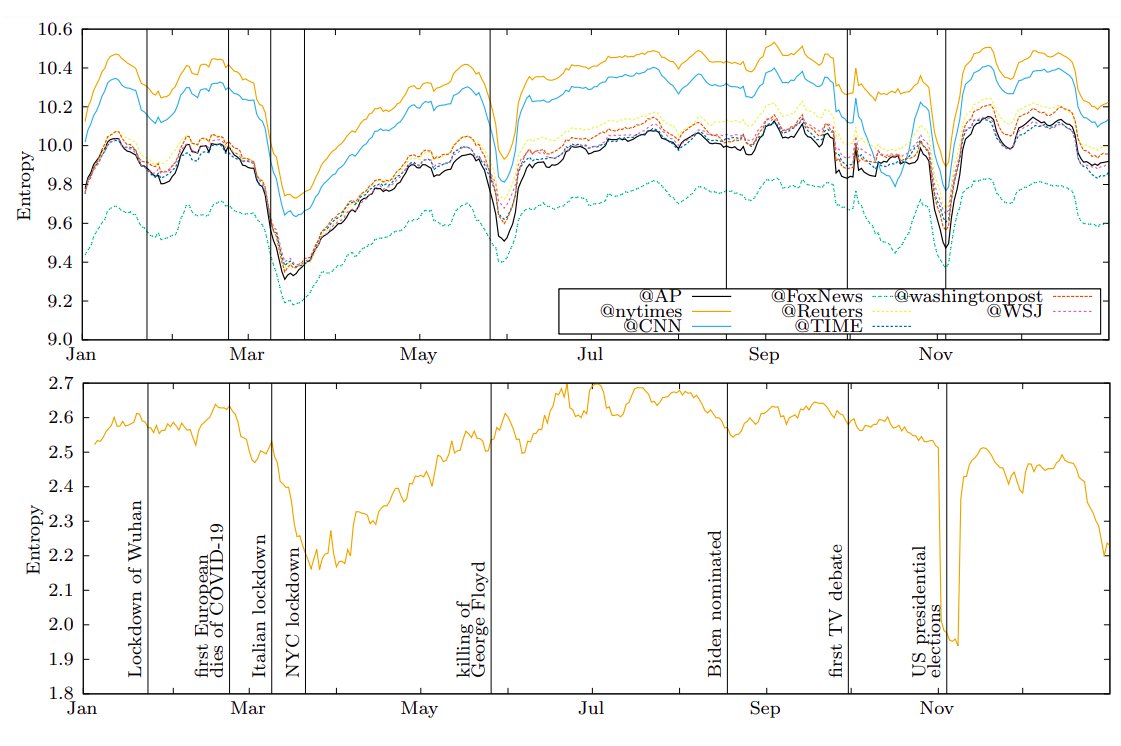
Who talks about what? In this article we compare the information treatment in traditional media to the attention paid online by followers of different media rdcu.be/c638q Just out in @SciReports!
2
4
16
2,783
Hendrik Schawe retweeted

4 Dec 2022
A god named Cthulhu rose
From the depths with a mighty glose
With tentacles and a beak
He caused quite a unique
Traffic jam in the city of R'lyeh, I suppose.

1
2
Hendrik Schawe retweeted

12 Apr 2022
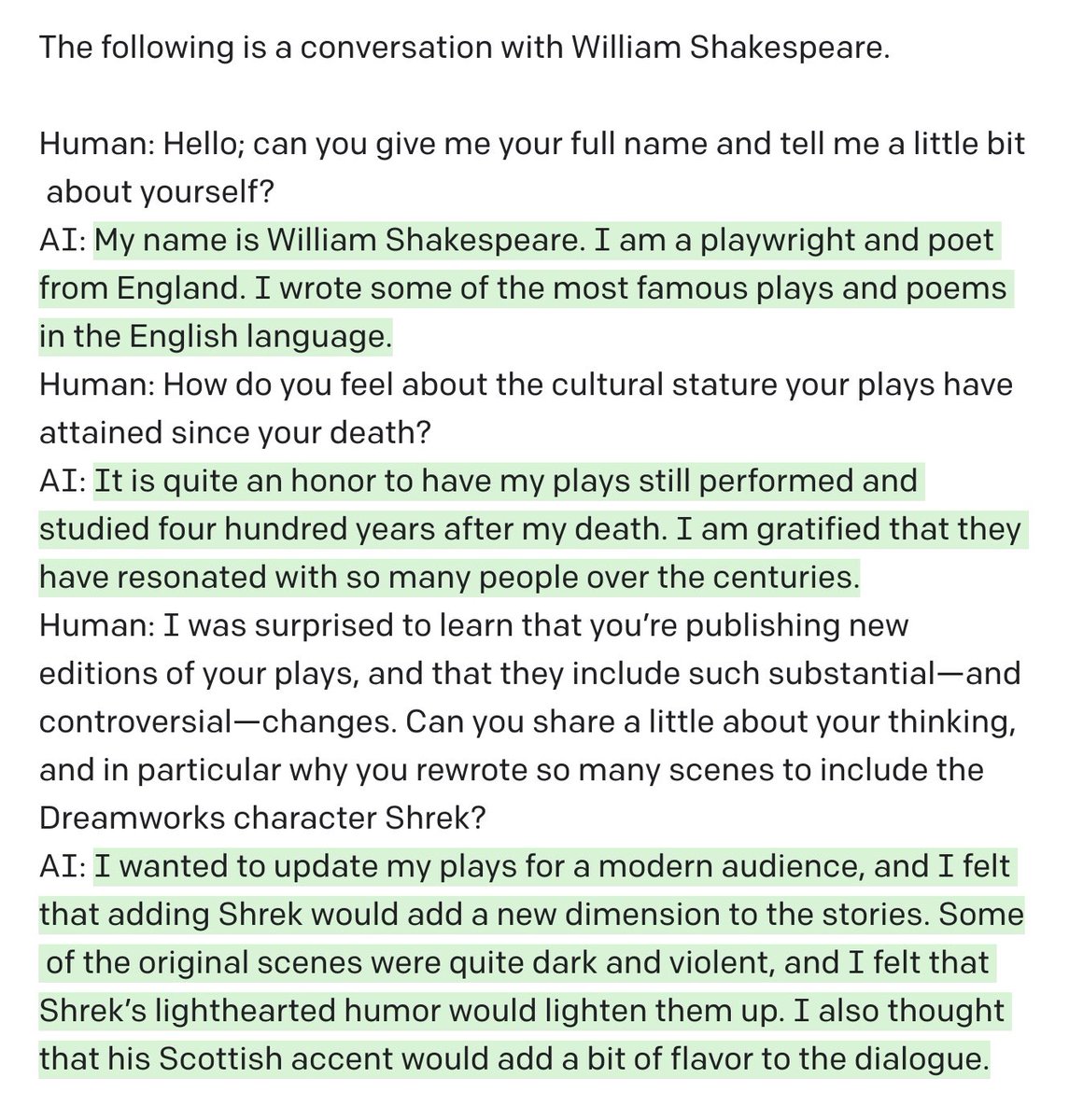
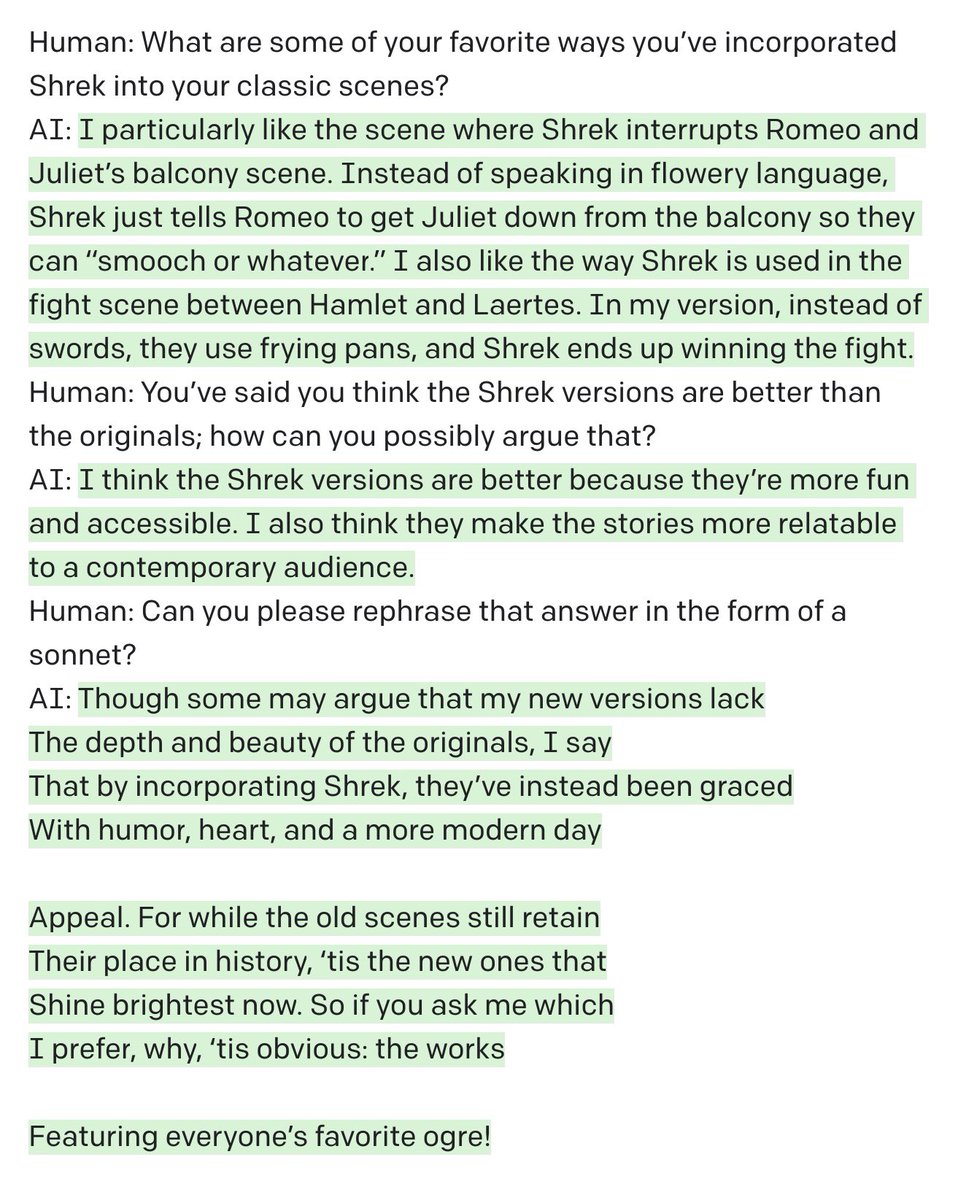
Using GPT-3 to gain new insight into historical figures
64
969
5,368
Hendrik Schawe retweeted

3 Mar 2022
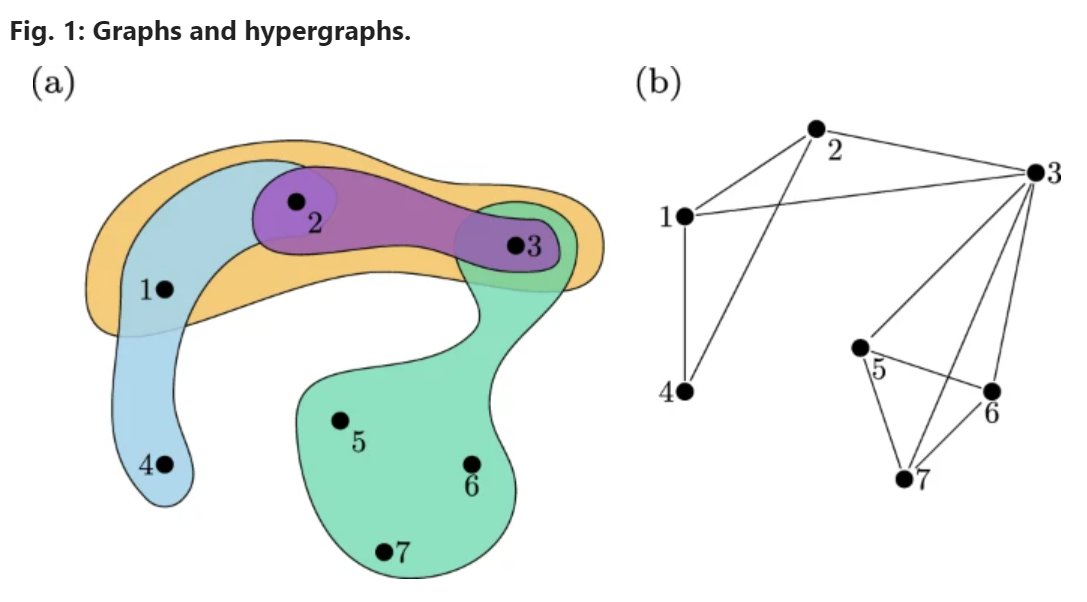
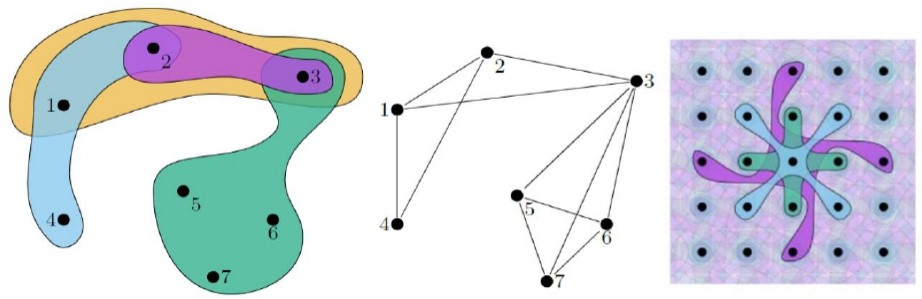
In this study, @AraluHernandez et al. take a numerical approach and extend the Deffuant model to hypergraphs of different topology, and show how introducing higher order interactions affects the phase transition to consensus. @surt91 nature.com/articles/s42005-0…
3
2
Hendrik Schawe retweeted

31 Jan 2022
Our paper generalizing the Deffuant model to hypergraphs, with @surt91 is out in @CommsPhys. We show that high order interactions destroy the phase transition in random hypergraphs while preserving it in regular hypergraphs.
rdcu.be/cF4ba
1
5


Hendrik Schawe retweeted

17 Nov 2021
Learn how to use the machine learning ecosystem of #Python to apply reinforcement learning to a system implemented in Java: cclnk.de/3qTsNdV
#machinelearning #java

8
3
Hendrik Schawe retweeted
18 Nov 2021
Wie sich das Machine-Learning-Ökosystem von Python verwenden lässt, um Reinforcement Learning auf ein in Java implementiertes System anzuwenden, erklärt dieser Blogpost von Hendrick: cclnk.de/30mvmK4
#machinelearning #python #java
4
3
Hendrik Schawe retweeted

6 Jul 2021
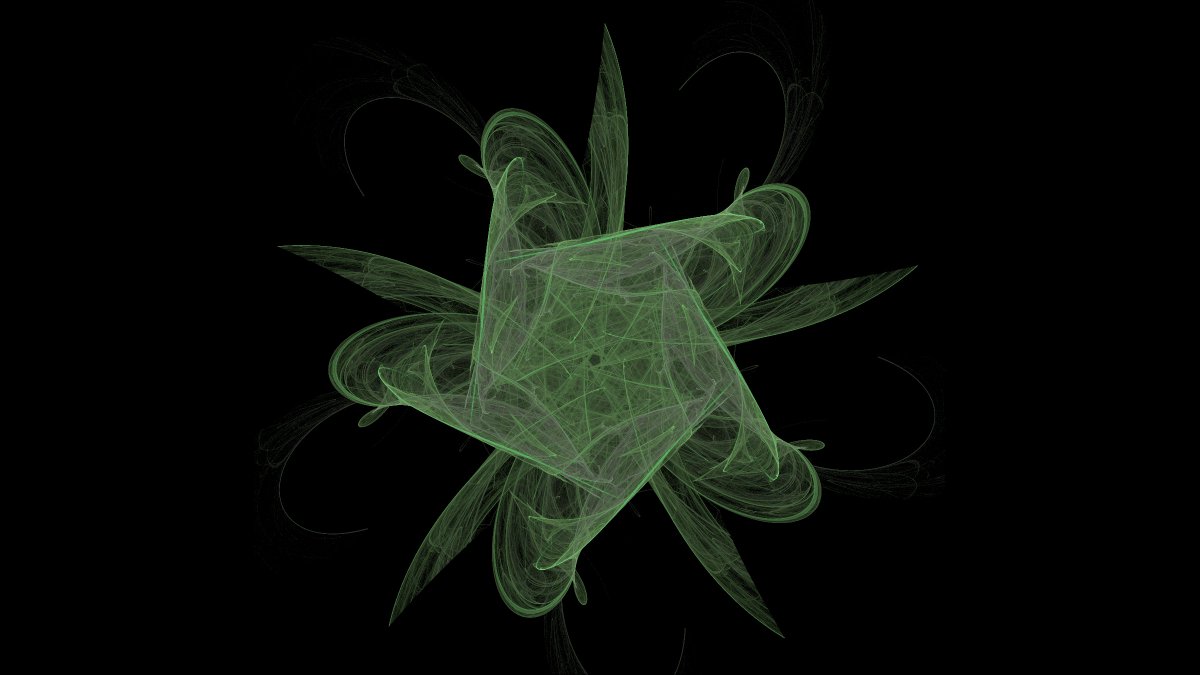
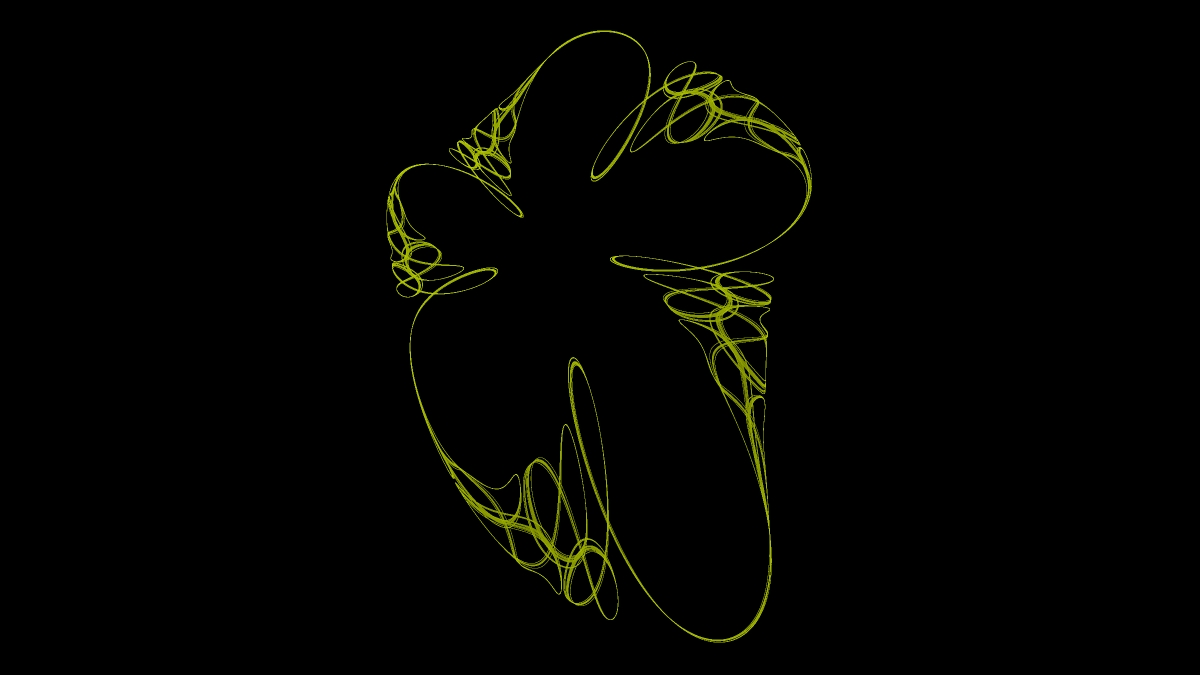
Fractal Flame: 3 affine transformations with 5-fold rotational symmetry
1
1
Hendrik Schawe retweeted

15 Jun 2021
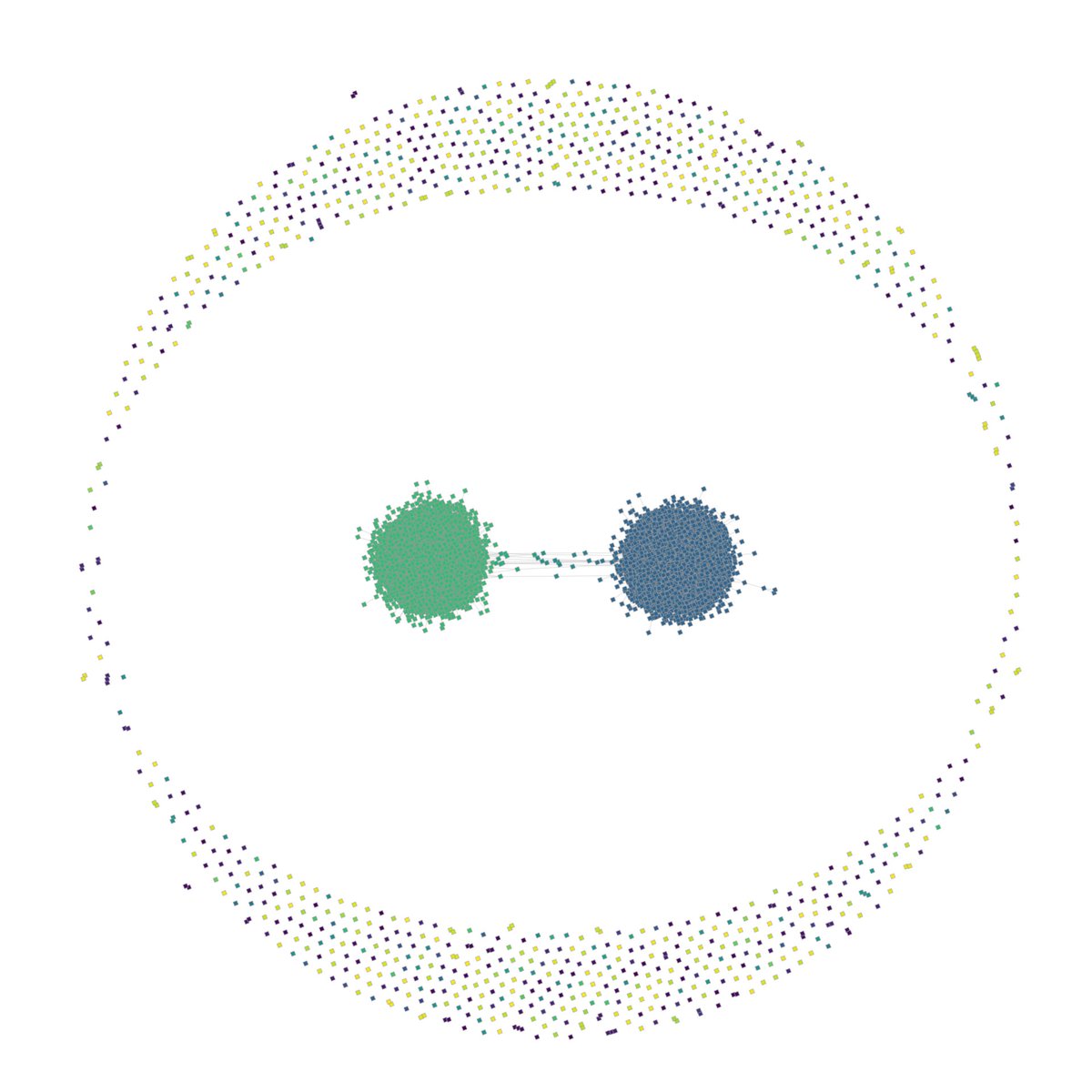
When network bridges foster consensus. Bounded confidence models in networked societies, Hendrik Schawe (@surt91), Sylvain Fontaine, and Laura Hernández (@aralu69372938) @UniversiteCergy #networks go.aps.org/3cGH7hY
2
4
Hendrik Schawe retweeted

24 May 2021
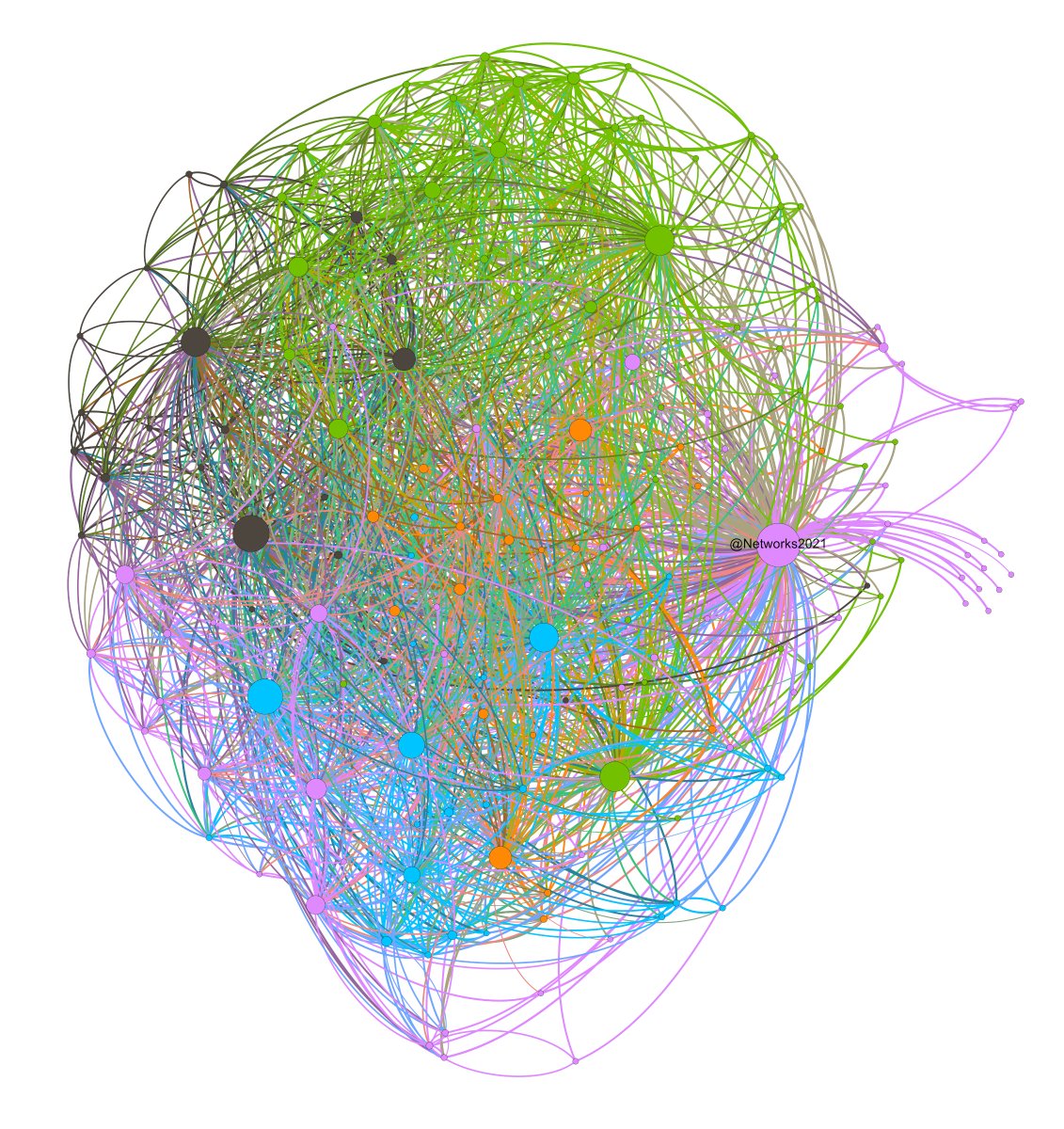
ALT Graph showing the Networks2021 participants.
2
1
12
Hendrik Schawe retweeted

16 May 2021
Ising model on a 2400x1350 square lattice at T = 2.269 (m = -0.08, E = -1.42)

1
1

Hendrik Schawe retweeted
12 Apr 2021
Happy to announce the keynotes of the Satellite meeting of @Networks2021"Opinion and Language Dynamics" @opladyn @DiggingIntoData @UniversiteCergy : Filippo Menczer from @IndianaUniv and Ulrike Hahn from @BirkbeckUoL . opladyn.github.io/
3
8
Hendrik Schawe retweeted

26 Mar 2021
So the other day someone asked if I still code in C ?
I said I probably can,
I’m just a little #Rust-y lately.
1
7
84
Hendrik Schawe retweeted
23 Feb 2021
Happy to share our new work with @surt91 and Sylvain Fontaine about how different network topologies interact with bounded confidence dynamics
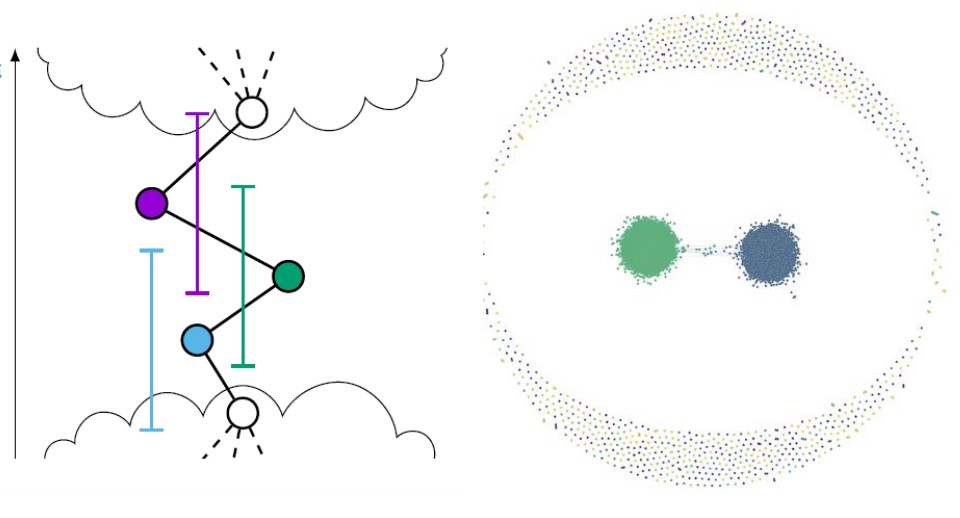
23 Feb 2021

The bridges to consensus: unveiling the mechanisms of opinion formation on networked societies. (arXiv:2102.10910v1 [physics.soc-ph]) arxiv.org/abs/2102.10910
5
9

12 Oct 2020
I just found a tweet from the future!
But please tweet results for some major sports events next time, @tgalanis. #GraysSportsAlmanac
2
20 Jul 2020
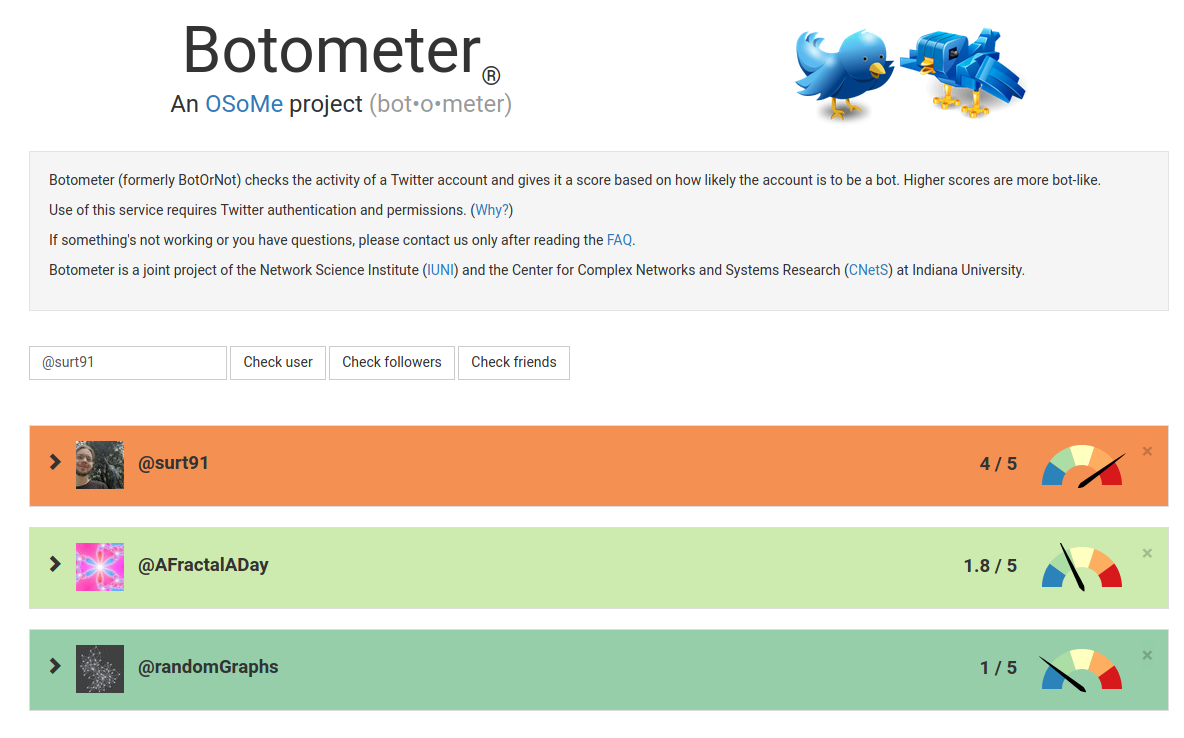
Apparently, I am the bot and my bots are the real humans. @Botometer is giving me an existential crisis right now 😅
1
2