
51 Photos and videos











Jeffrey retweeted

Jun 10
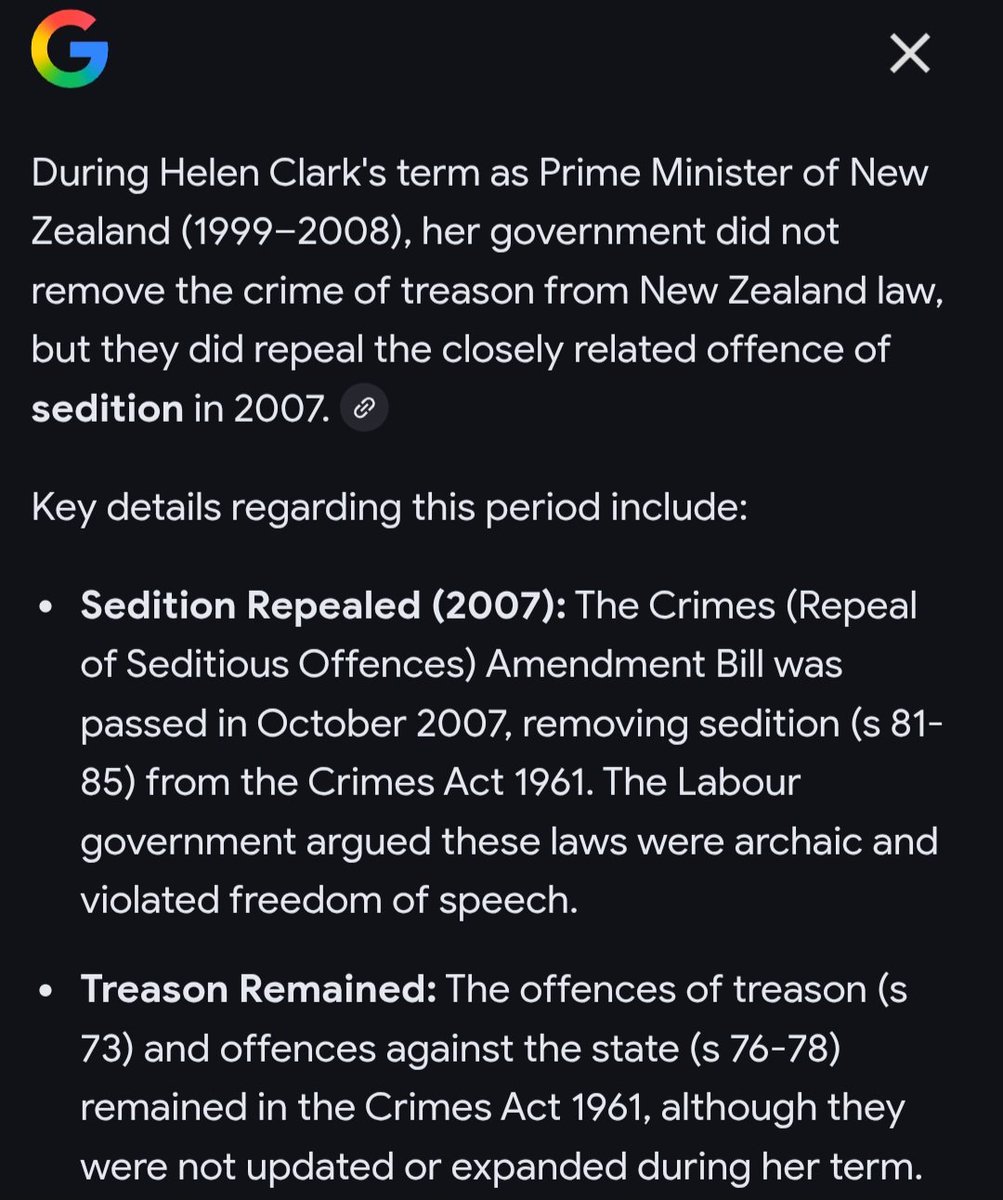
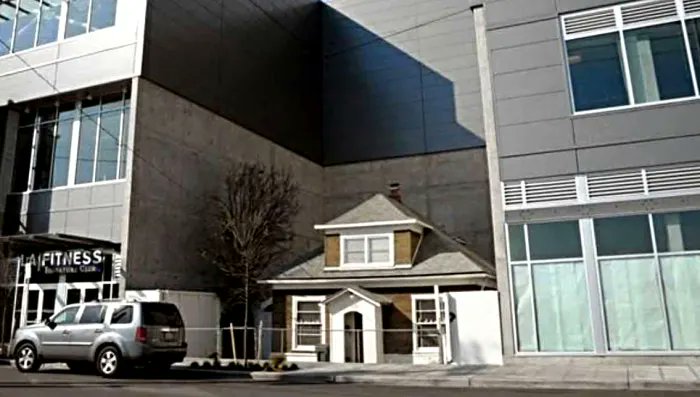
This is where I give you the bad news that NZ is not a first world country, and has not been one for a long time. Apparently we are now aspirational to become third world.
1
1
17
Jeffrey retweeted

Jun 10
ALERT🚨🚨🚨
Tonight TVNZ's @1newsnz showed its true colours.
They appeared to stand with the Sudanese knife-wielding maniac who tried to hack an Irishman’s head off in the streets of Belfast yesterday.
They called the people fighting back “Far Right” activists. No. Bullshit. These are everyday men and women who are sick to death of immigrant crime, sick of being ignored, and sick of watching their streets turn into war zones.
The gutless propagandists at TVNZ aren’t journalists — they’re terrorist enablers and a national disgrace.

158
305
1,620
20,119

Jeffrey retweeted

Jun 4
Dont' be silly....No one will hold anyone to account. They will run to the media to express outrage, post about it on social media so everyone can see how “angry” they are… and then nothing happens. No one gets fired. No company or directors get blacklisted from future government contracts. And ratepayers/taxpayers just keep getting shafted. And if they’re somehow forced into an inquiry, they rig the terms of reference so nothing of consequence is ever uncovered and appoint an expensive committee of outside consultants who spend months in meetings, producing a report with recommendations that are ignored (because by then everyone has forgotten about it) and it ends up costing more than the website itself.
1
1
40

Jeffrey retweeted

May 28
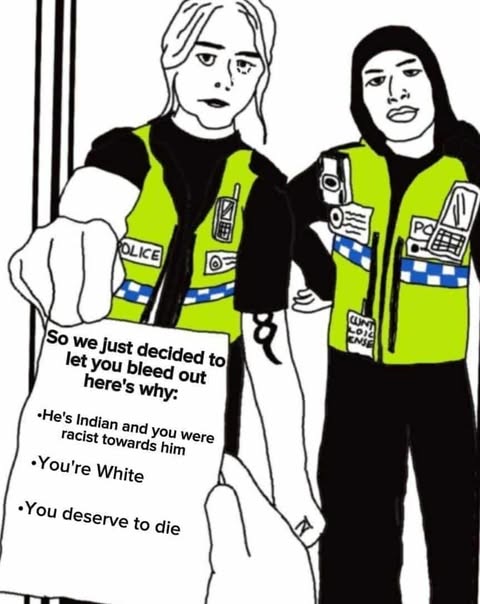
Apparently, job losses are only a national tragedy when they happen to people with university degrees.
Over the past decade, New Zealand has lost:
• Around 300 direct jobs at Marsden Point when our only oil refinery closed. Local leaders estimate including contractors and supply-chain businesses, the loss was well over 1,000 jobs.
• Around 120 direct jobs when the Holcim cement plant at Westport shut down, with significant flow-on effects for contractors, transport operators, and the coal industry that supplied it.
• Around 230 direct jobs when Winstone Pulp closed its Karioi pulp mill and Tangiwai sawmill, along with many forestry, harvesting, engineering, and transport jobs that depended on those operations.
• Around 230 direct jobs at Kinleith Mill when paper production was shut down, affecting contractors and suppliers throughout Tokoroa and the wider forestry sector.
• Around 175-230 direct jobs when the Whakatāne paper mill collapsed, plus the contractors, trucking companies, maintenance firms, and local businesses that relied on it.
• Around 300 direct jobs when the Waimate Meat Company closed, with major impacts on livestock transport, contractors, and local service businesses.
• Between 1,500 and 2,000 direct jobs across the coal sector following the collapse of Solid Energy and the decline of mining operations, alongside hundreds of contractor jobs in engineering, maintenance, transport, and support services.
All up, that's around 3,000–4,000 direct blue collar jobs gone. Once you include contractors, suppliers, transport firms, engineers, maintenance crews, and the businesses that depended on those workers spending money in their communities, the true impact was likely somewhere between 6,000 and 10,000 jobs.
Thousands lost their livelihoods. Sure there were a few stories, but they often emphasised how necessary it was for the environment or some other cause.
In many cases, the same people now lamenting public sector redundancies were actively cheering these closures on. We were told they were necessary. A transition away from unethical or dirty sectors. Progress. The price of climate action.
Workers were told to retrain. Learn how to code!!! "You just need to adapt!"
Now the cuts have reached Wellington and suddenly every redundancy is treated as a national emergency.
The same people who told coal miners, refinery workers, and mill workers to embrace change are now horrified that policy analysts, communications advisors, and bureaucrats might have to do the same.
Losing your job is hard regardless of who you are. A miner's mortgage matters just as much as a social media manager's mortgage. A forestry worker's family matters just as much as a policy advisor's family.
But the reaction over the past decade suggests many people in our political and media class don't actually believe that. To them, a blue collar worker losing their job was economic progress and necessary climate action.
A public servant losing theirs is a humanitarian crisis.
It seems that job losses only become a national conversation when they happen to people with the power to dominate the conversation.
168
255
1,667
28,031
Jeffrey retweeted

I recently returned from a family holiday in Fiji, where I took the opportunity to learn a bit more about that county’s fraught history of mass migration, ethnic conflict, military coups, and demographic shifts.
Fiji’s experience serves as both a warning to countries like New Zealand about the consequences of mass migration and ethnic replacement, and a learning opportunity about the types of reforms that can reverse it.
Read the essay here - conservativenetwork.substack…

13
24
151
4,145
Jeffrey retweeted

May 21
Why didn't the coalition start seriously reducing public service numbers as soon as they were elected?
Why now?

94
30
358
3,813
Jeffrey retweeted

May 21
85
727
29,350
1,366,734
Jeffrey retweeted

May 21
One way of saying, “And don’t come back.”

2,333
6,180
41,182
326,088
Jeffrey retweeted

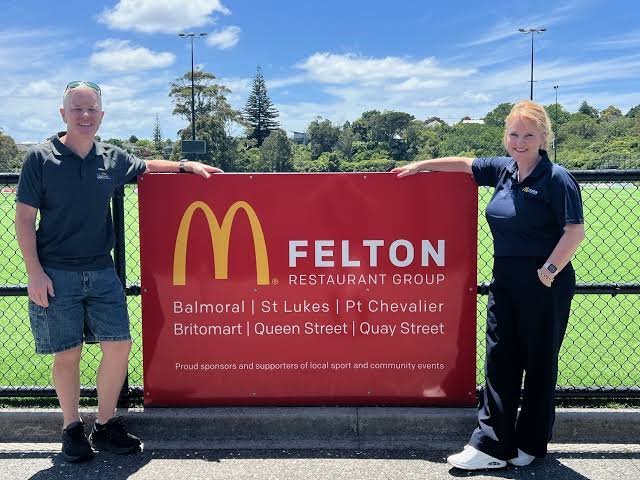
🚩 Take the Feltons, for example. They own five Auckland McDonald's franchises.
The Feltons import ALL their shift managers on the Accredited Employer Work Visa.
Almost ALL their staff at all five are Filipino and Indian 🇵🇭 🇮🇳 . This is not a happenstance. They are cheap and obedient for their White masters (The Feltons).
⚽ Then they go and sponsor Western Springs AFC (football), after ruining this country, and actively removing opportunities from young New Zealanders looking for a part time job or trying to work their way up.
Eff you.
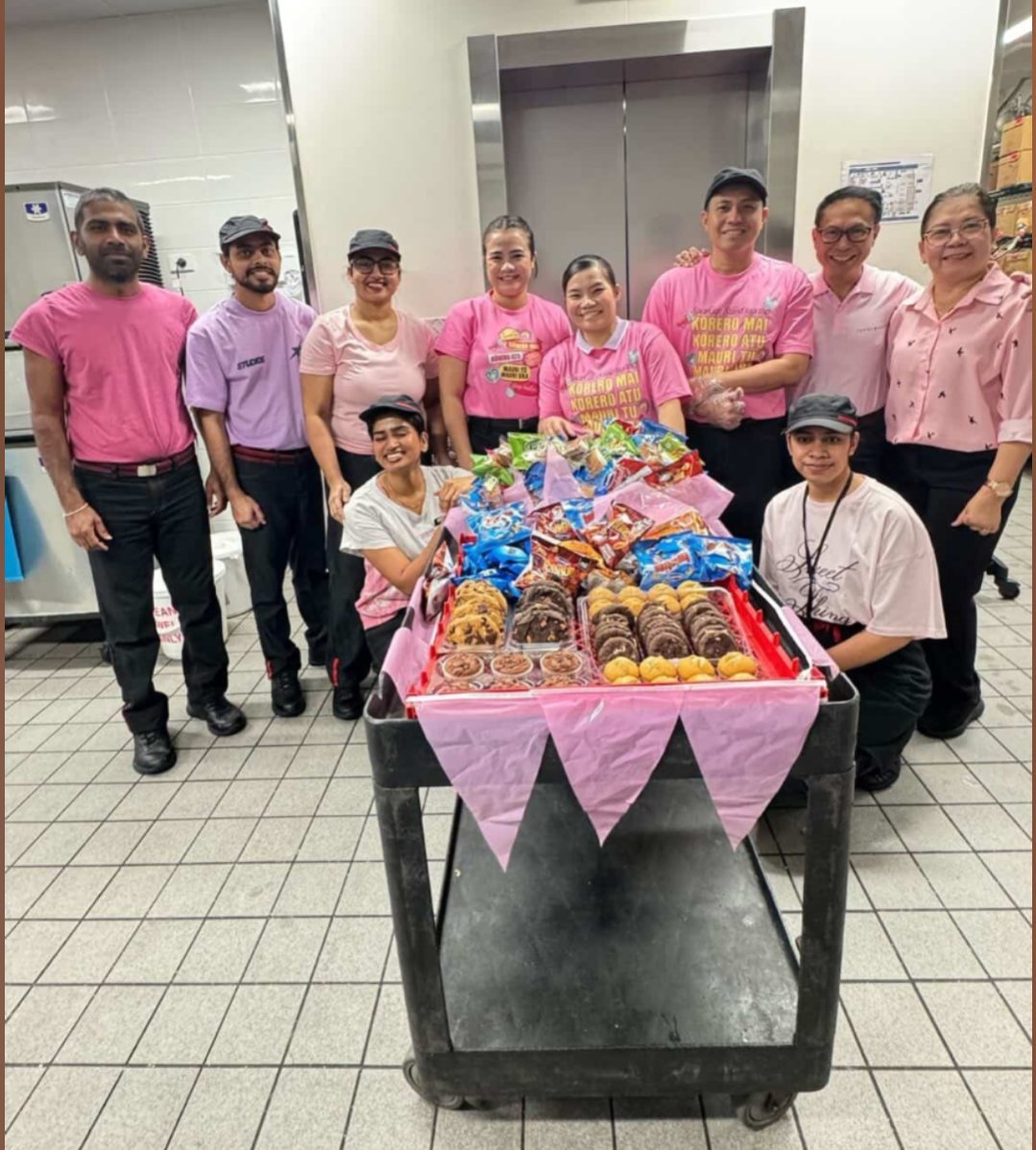

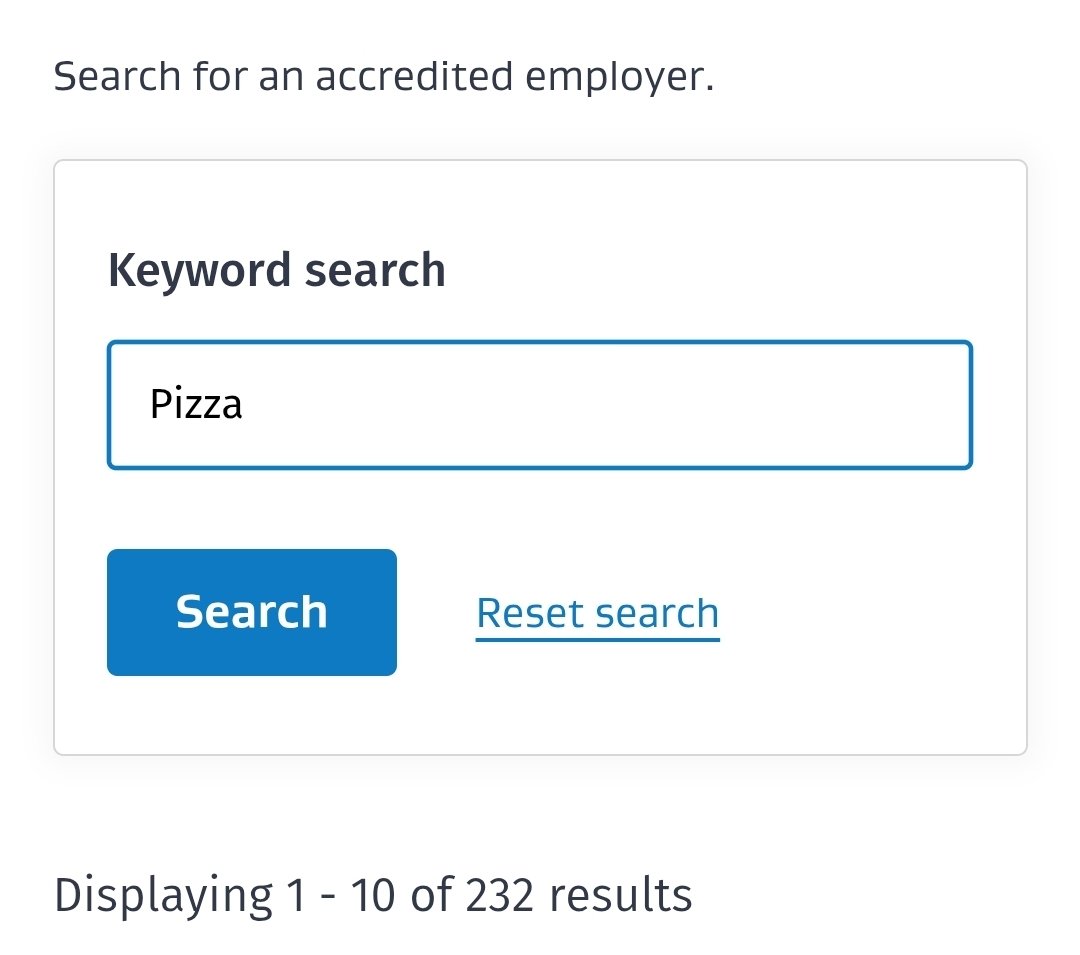
There are 232 results for 'pizza' in the accredited work visa employer database. The system is broken.
These jobs could easily be filled by Kiwis.

64
140
740
52,726
Jeffrey retweeted

David Rubin turned Hollywood Academy Awards into a pervert circle jerk

Elon Musk dropped a truth bomb about the Hollywood Oscars event, describing it as:
“Just a bunch of perverts in a circle jerk”
😂🤣😂🤣😂🤣😂🤣

64
534
3,436
130,445
Jeffrey retweeted

May 15
Schoolboy Chris gets a dressing down from headmistress Heather.
Labour leader Chris Hipkins had claimed at a presser yesterday that no one in Auckland had raised the issue of the Covid 19 lock downs with him.
Newstalk ZB, said Chris, were the only people still concerned with this.
This remark earnt him the ire of presenter Heather Du Plessis-Allan.
She said Hipkins's words implied the broadcaster was conducting an ideological campaign against Labour. A suggestion she angrily rejected.
Heather wants you to tell Mr Hipkins that she is not the only one who is still angry about the lock downs.
So if you see him around, feel free to do that.
59
94
571
10,627

Jeffrey retweeted
May 10
Labour will never have enough of your money
They'll wreck the economy and keep adding new taxes just like UK Labour and Australia Labor

5
19
72
629
Jeffrey retweeted

May 11
😆 If these people didn't have double standards they'd have no standards at all.


4
1
27
324
Jeffrey retweeted

May 7
Scandinavian beauty is another level
115
374
9,644
539,256

Jeffrey retweeted

"Hate Hub 2.0”
Dear @MarkMitchellMP , your @nzpolice have returned to illegally policing social media and hurty feelings.
What are you going to do to fix this problem of NZ Police overreaching their legal mandate?
Should the NZ Police Commissioner be arrested?
How do we stop @nzpolice acting illegally?
Cc @chrisluxonmp @winstonpeters @dbseymour @ChrisPenknz

6
29
105
1,362