Featured by @PNASNexus: a radar-based method to track which insect species are pollinating plants, not just how many.
Work involving @tcddublin and @DTUtweet, with Dr Linta Antony & Prof Nicola Marchetti.
Supported by @CONNECT_centre, @Microsoft and @E3_Trinity
Read more: 👇
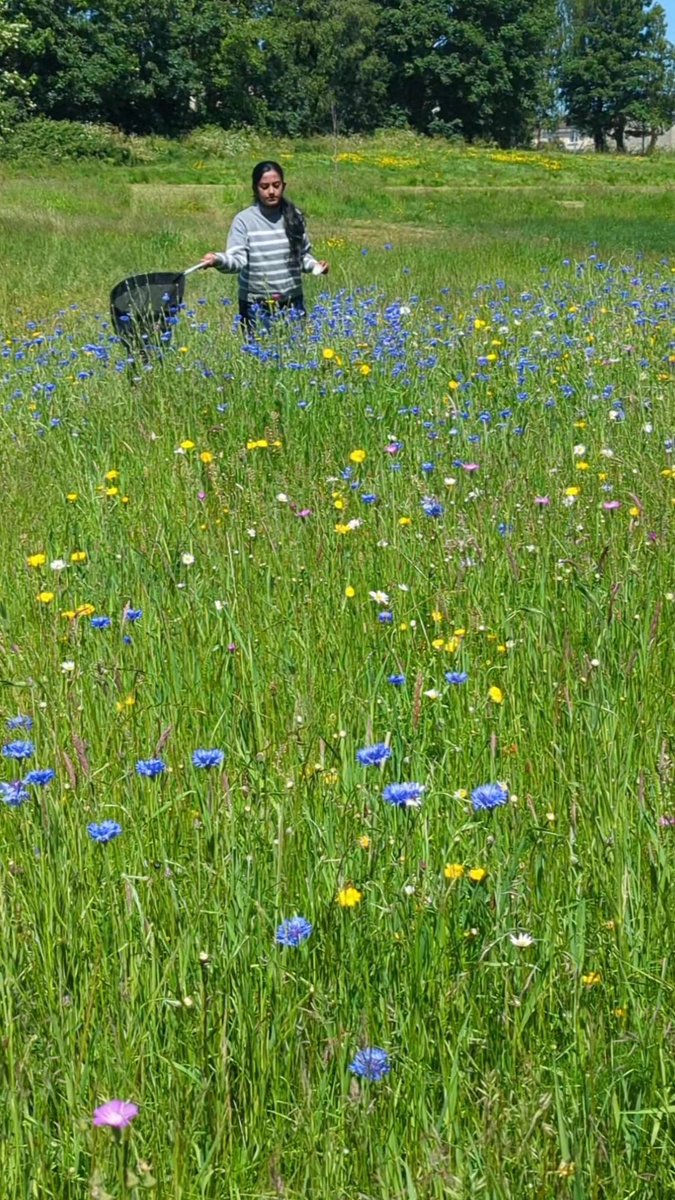
A machine learning model trained on insects borrowed from the campus of Trinity College, Dublin, identifies insects by the radar reflection caused by the flapping of their wings. The model distinguishes bees from wasps with 96% accuracy. In PNAS Nexus: ow.ly/wi3T50YTyCs
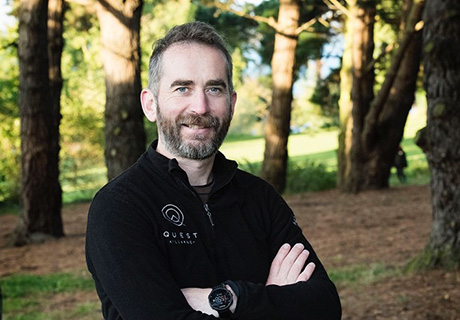
ALT Dr. Linta Antony, the study’s first author, collecting insects for the study. Insects were released after the conclusion of the study.
CREDIT: Sibin Leo
A machine learning model trained on insects borrowed from the campus of Trinity College, Dublin, identifies insects by the radar reflection caused by the flapping of their wings. The model distinguishes bees from wasps with 96% accuracy. In PNAS Nexus: ow.ly/wi3T50YTyCs
ALT Dr. Linta Antony, the study’s first author, collecting insects for the study. Insects were released after the conclusion of the study.
CREDIT: Sibin Leo
We're #hiring for a range of positions, including:
* Respiratory Physiologist
* Physiotherapist
* Biochemistry Scientist
* Staff Nurse: Cancer Clinical Trials Unit
* Clinical Nurse Managers II & III
For info. & to apply 👉 stjames.ie/careers#vacancies#nursing#HSCPs
🎄 Merry Christmas & Happy New Year from @tcddublin School of Engineering!
Thank you to our amazing students, graduates, alumni & staff for an incredible year of research & achievements.
Here’s to more innovation in 2026!
#TrinityEngineering#HappyNewYear
Funded PhD studentship at @tcddublin:
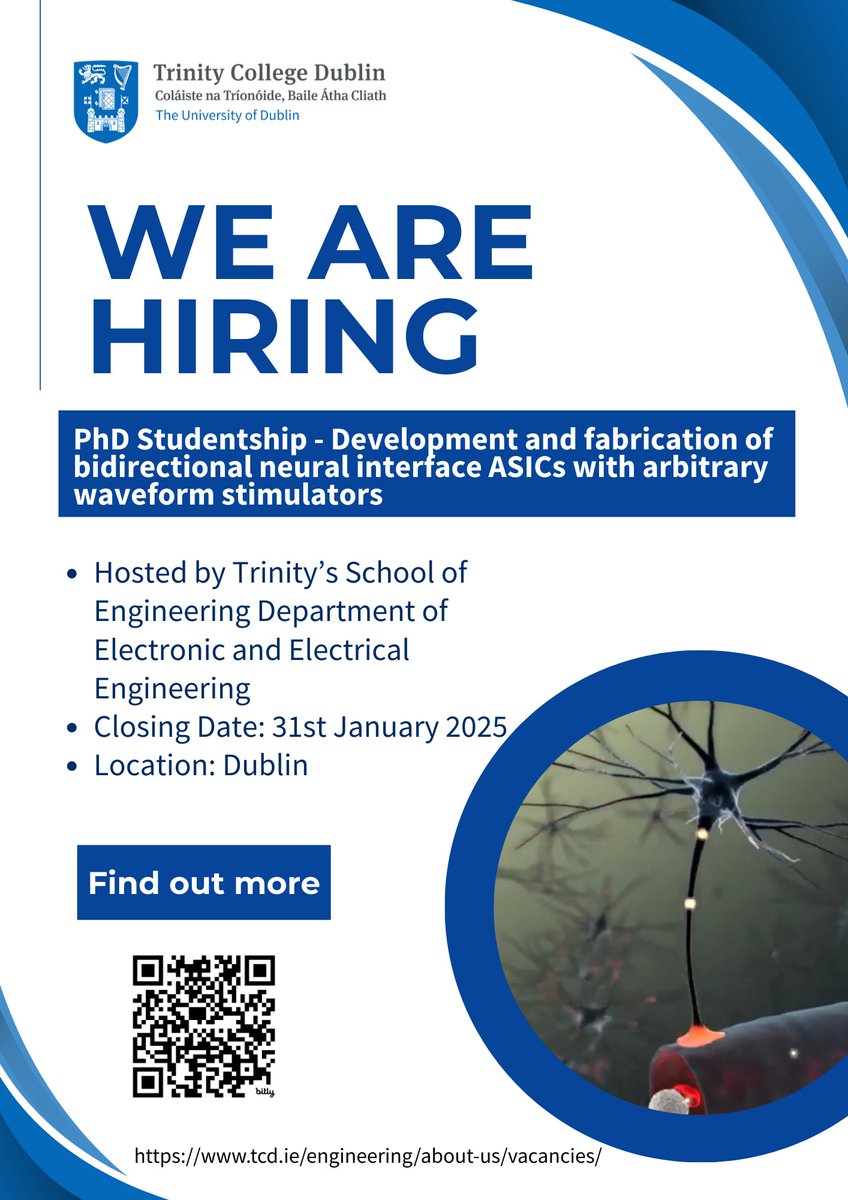
Development and fabrication of bidirectional neural interface ASICs with arbitrary waveform stimulators
Join the BRAINET project and advance neural technology research.
Apply now: bit.ly/3UXYa56#PhD#NeuralInterfaces
ALT Funded PhD studentship at Trinity College Dublin:
Development and fabrication of bidirectional neural interface ASICs with arbitrary waveform stimulators
Join the BRAINET project and advance neural technology research.
Apply now: [https://www.tcd.ie/engineering/about-us/vacancies/]
#PhD #NeuralInterfaces #EngineeringResearch
🚨Funded PhD studentship opportunity at @tcddublin:
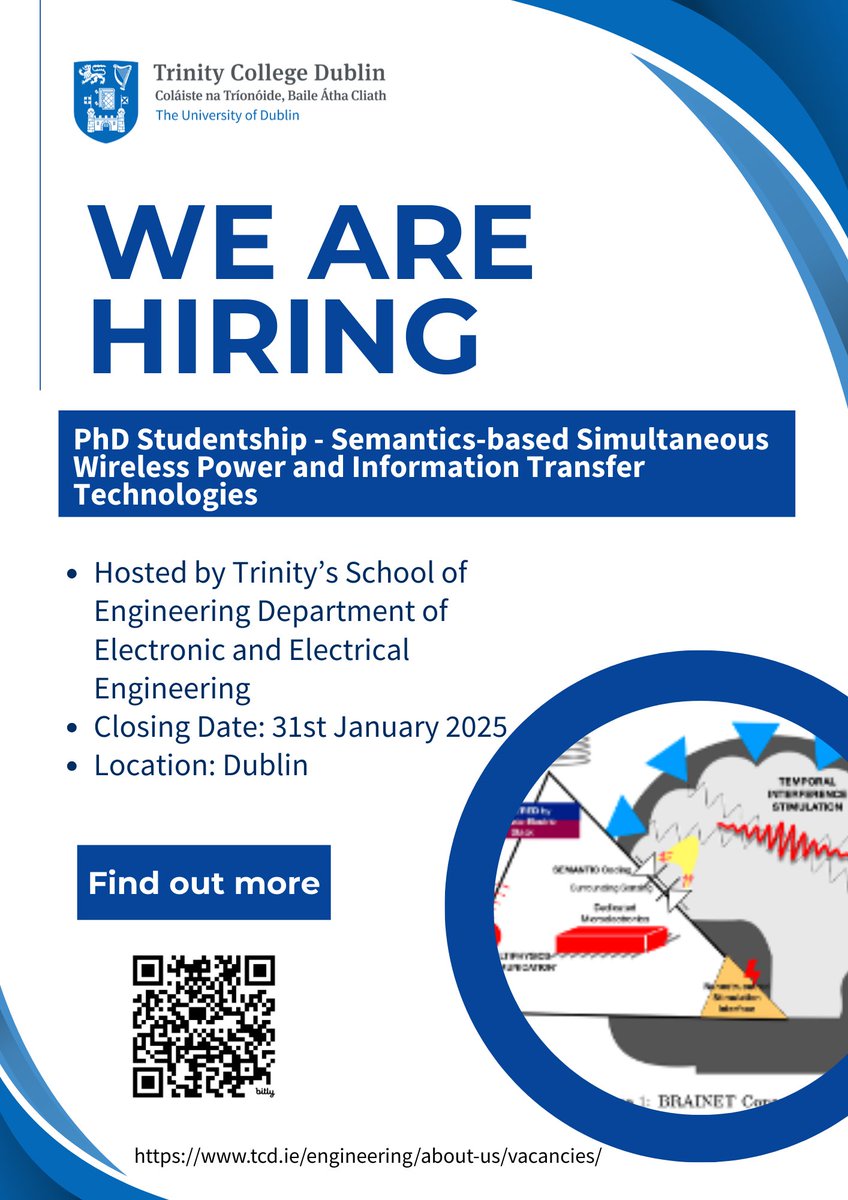
Semantics-based simultaneous wireless power and information transfer technologies
Join the BRAINET project and shape the future of wireless systems.
Apply now: bit.ly/3UXYa56#PhD#WirelessPower#EngineeringResearch
A promising new approach to monitoring heart health from researchers at MediCas-Lab, based in our School of Engineering!
Read more about how this exciting breakthrough could change how clinicians manage heart failure: tcd.ie/engineering/news/2025…
MediCAS‑Lab at @tcddublin has published its first @IEEEembs paper! A subcutaneous sensor combining ECG & accelerometer data tracks heart motion and flags early signs of heart‑failure decline. Led by Prof Friedrich Wetterling.
Read more ➡️ tcd.ie/engineering/news/2025…#BioEng
MediCAS‑Lab at @tcddublin has published its first @IEEEembs paper! A subcutaneous sensor combining ECG & accelerometer data tracks heart motion and flags early signs of heart‑failure decline. Led by Prof Friedrich Wetterling.
Read more ➡️ tcd.ie/engineering/news/2025…#BioEng
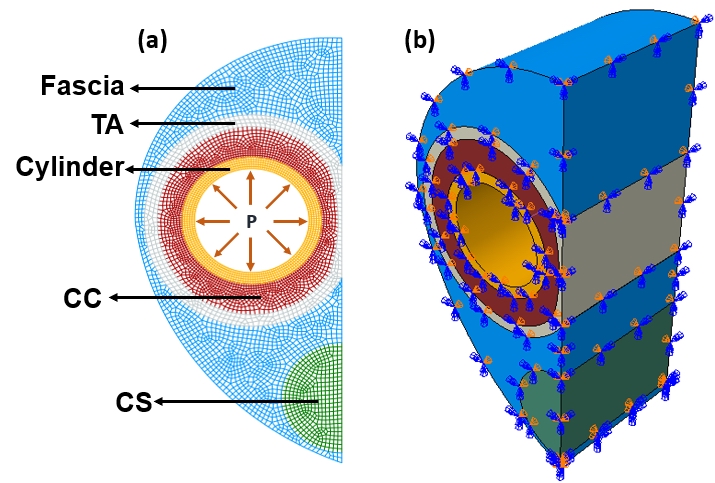
Erectile dysfunction implants work well, but optimizing their safety and durability requires a deeper understanding of how these devices mechanically interact with human tissue.
Researchers created two preclinical tools – a physical lab model and a finite element model – to study what happens during inflatable penile prosthesis (IPP) inflation. The lab model used soft polymer materials designed to behave like key penile tissue layers, and its results were compared with both human tissue measurements and computer simulations, showing close agreement across all three. Additional analyses showed that the size and stiffness of the tissue surrounding the implant strongly affect how the device inflates and performs.
Better models mean better implants, enabling smarter design, more informed surgical decisions, and improved long-term outcomes for patients.
𝗥𝗲𝗮𝗱 𝗺𝗼𝗿𝗲: link.springer.com/article/10…
𝗦𝘁𝘂𝗱𝘆: Urological Benchtop and In Silico Models Validated by Human Penile Tissue Inflation Tests
𝗔𝘂𝘁𝗵𝗼𝗿𝘀: Majid Akbarzadeh Khorshidi, Shirsha Bose, Brian Watschke, Evania Mareena, Thomas Sinnott, and @TrionaLally@tcddublin@tcdTBSI@tcdTCBE@tcdengineering@RCSI_Irl@ambercentre@bostonsci@bsc_urology
𝗦𝘂𝗯𝗺𝗶𝘁 𝘆𝗼𝘂𝗿 𝗺𝗮𝗻𝘂𝘀𝗰𝗿𝗶𝗽𝘁: link.springer.com/journal/10…
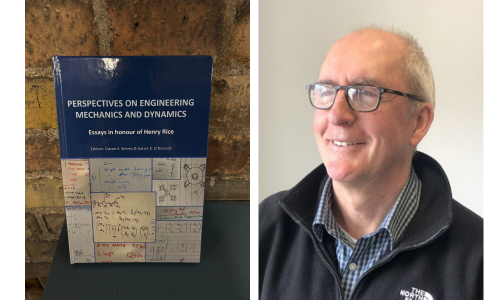
Last week we honoured Prof. Henry Rice at @tcddublin's E3 Learning Foundry for 40 years of excellence in engineering. Former Head of School, acoustics pioneer, mentor, leader - thank you Henry! 👏
Read more: tcd.ie/engineering/news/2025…#TrinityEngineering#TCD
ALT Festschrift, Perspectives in Engineering Mechanics and Dynamics and an image of Prof Henry Rice
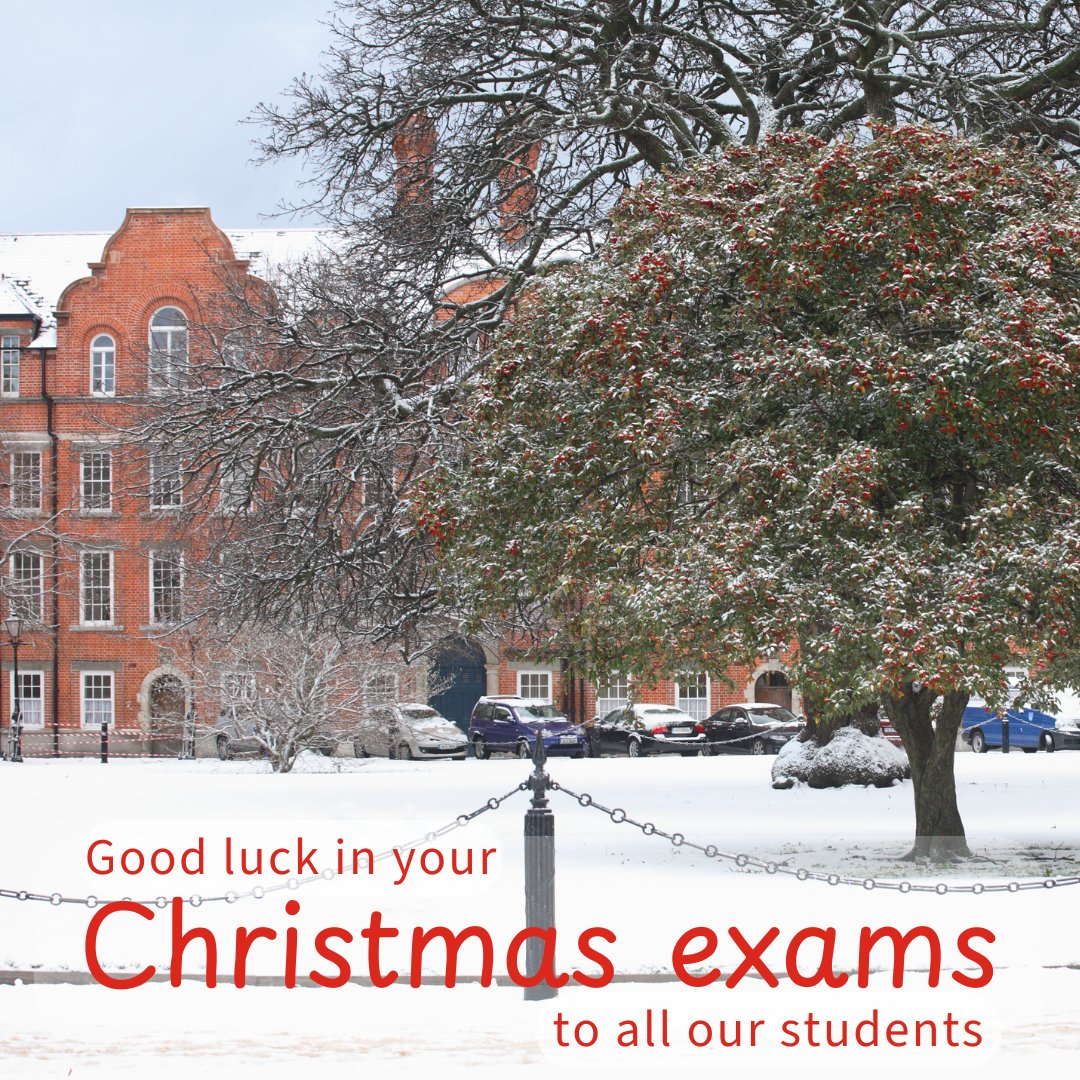
Good luck in your Christmas exams to all our students!
Gach rath ar ár mic léinn go léir i scrúduithe na Nollag!
#Exams#Student#TrinityCollegeDublin
ALT Snow-covered landscape at Trinity College with a traditional brick building in the background. A vibrant tree with red berries stands in the foreground. Text wishes students good luck in their Christmas exams.

ALT Snow-covered landscape at Trinity College Dublin with a vibrant tree full of red berries in the foreground, and text in Irish wishing luck on Christmas exams.