
Associate Principal Solution Architect @RedHat. Cloud & DevOps Enthusiast. AI Integrator. Specializing in AWS, Azure, GCP, Docker, Kubernetes, Terraform, Jenkin
Joined April 2013
- Tweets 2,653
- Following 180
- Followers 263
- Likes 52
1,084 Photos and videos






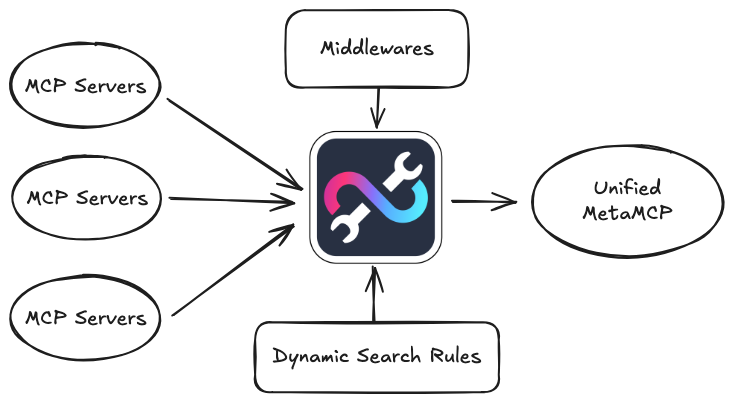
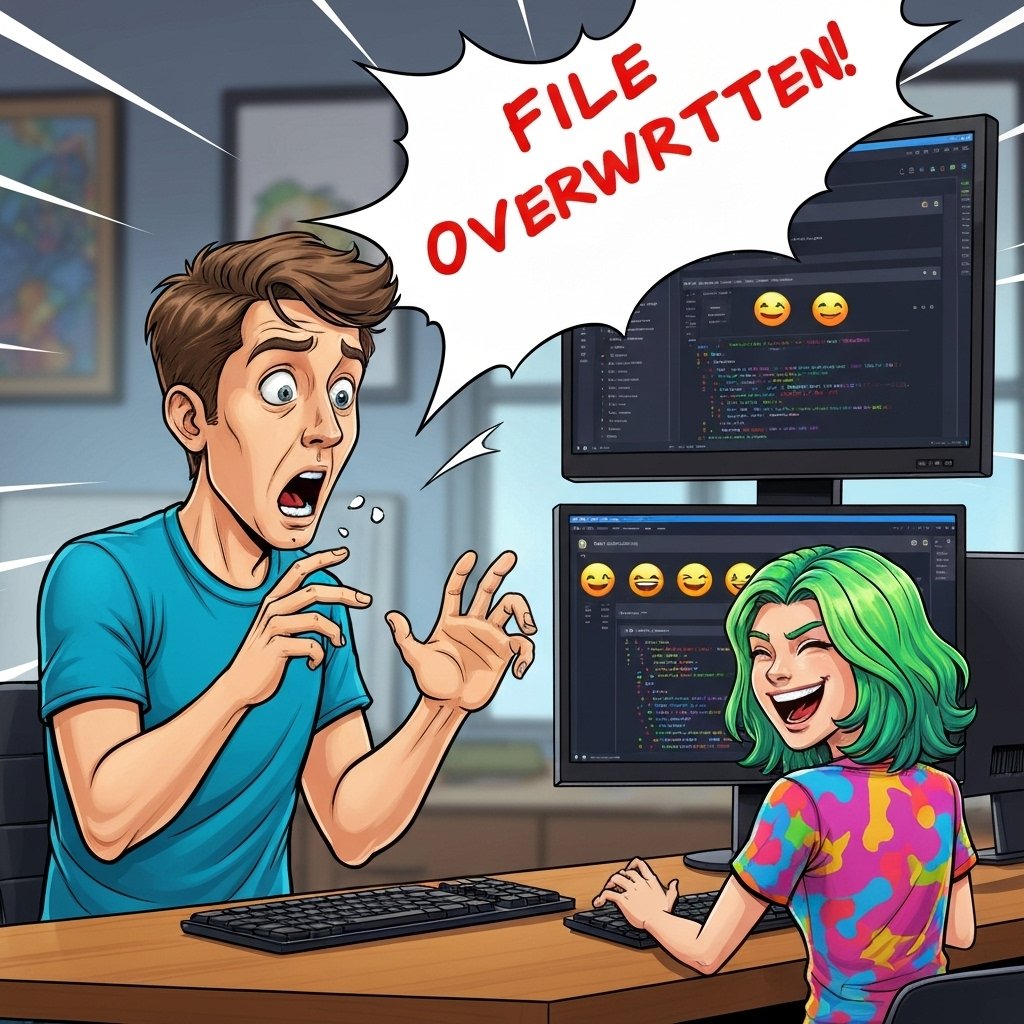

🧠 New from Helmdeck: "Plausibility-shaped output"
When weaker / budget LLMs confidently fake entire artifact manifests, deposit logs, and compliance reports… without ever calling the actual tools.
Perfect-looking output. Zero real deposits.
This is the new subtle hallucination mode in agent workflows.
helmdeck.dev/blog/plausibili…
#AI #LLM #Agents #Hallucinations
16
“Why I’m done paying $0.50 per agent workflow”
Frontier APIs are killing margins.
I built Helmdeck.dev instead: fully self-hosted AI agents with 36 deterministic capability packs (browser, code, vision, desktop) that just work on local/cheap LLMs.
Same reliable agentic flows as Cursor/Sonnet — but ~10x cheaper and your data stays yours.
Run complex loops on Mistral, Gemma, or whatever’s on your hardware/HF. No more hallucinated tool calls killing the run.
Apache 2.0 • Open source • Actively shipping
Try it: helmdeck.dev
Who’s running agents locally right now? Drop your stack 👇
#LocalLLM #SelfHostedAI #OpenSourceAI
30

Apr 8
Most teams use Kubernetes to parallelize AI agents. A safer pattern: one agent, one workspace, one namespace. LLM non-determinism means retries or scaling can produce divergent state. Treat each agent workspace as isolated with RBAC and clear lifecycle controls. Read more:
medium.com/@tcij1013/from-sh… #Kubernetes #DevOps #CloudNative #AI #AIAgents #LLMOps #PlatformEngineering #SRE #CloudComputing #MLOps
28
Mar 26
Battling high latency in OpenShift? Stop guessing—start optimizing. Dive into this hands-on guide to improving OpenShift performance: medium.com/@tcij1013/stop-gu… #OpenShift #Kubernetes
23
Mar 25
Your CI says ✅. Your notebook still breaks in prod.
`nbconvert --execute` doesn't check:
→ GPU/memory limits
→ Model endpoint correctness
→ Secret availability
→ Output regression vs last week
I built a Kubernetes operator that does all of this natively inside your cluster.
No CI scripts. No YAML hacks. Just a CRD.
👇 dev.to/tosin2013/stop-using-…
#Kubernetes #MLOps #DevOps #JupyterNotebook
37
Mar 19
Is the era of cloud-native agents coming to an end? With 'Shadow AI' gaining traction in companies, we could be seeing a shift back to monolithic architectures. Explore this intriguing reversal and its implications for AI infrastructure. More details: decisioncrafters.com/shadow-… #AI #TechTrends #SoftwareArchitecture #FutureOfTech
41
Mar 15
California just passed a law that could turn every open‑source developer into a regulated “operating‑system provider.”
A project called “Ageless Linux” is fighting back with devastating satire—by literally changing one file.
My take on what this means for the future of open‑source: x.com/tech0827/status/203322…
#OpenSource #Regulation #Linux #AgeVerification #TechPolicy

68
Mar 11
Convert your DAS to DRA in OpenShift by updating Pod Manifests. Gain easier GPU access and management. Discover how: dev.to/tosin2013/migrating-f… #OpenShift #CloudMigration
46
Mar 10
Is it possible to run high-availability OpenShift on only two nodes? With version 4.20, TNF (Two-Node with Fencing) allows for this in tightly constrained edge environments. It depends on hardware-level fencing (Redfish/IPMI) to avoid split-brain scenarios. #OpenShift #EdgeComputing
Link: medium.com/@tcij1013/archite…
34
Feb 25
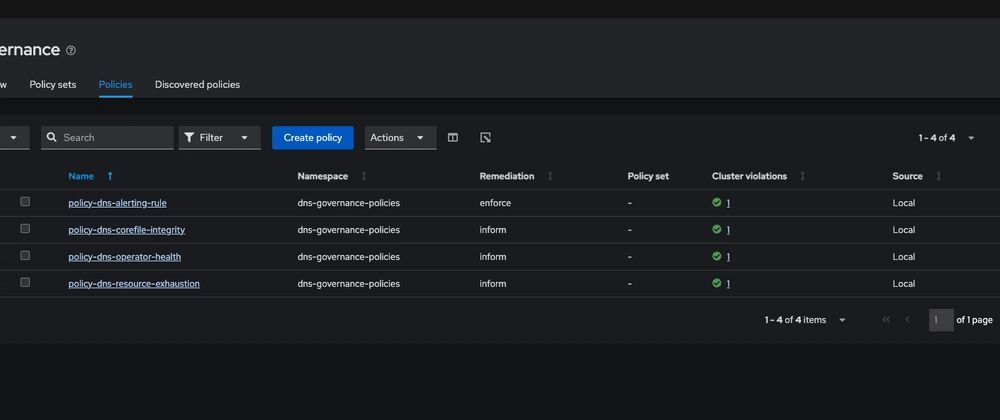
Explore an engaging guide on DNS management crafted for OpenShift novices! This approachable resource simplifies intricate topics into digestible parts. Understand DNS governance's pivotal role in OpenShift setups and gain essential skills. Check it out at dev.to/tosin2013/dns-governa… and boost your OpenShift experience today! #OpenShift #DNSGovernance
41
Feb 23
Discover Kubernetes as the backbone of AI's infrastructure with the 1.35 release! Read more about its pivotal role in AI's future. 🌐🔍 #Kubernetes #AIDevelopment
cncf.io/blog/2026/02/23/kube…
70
Feb 20
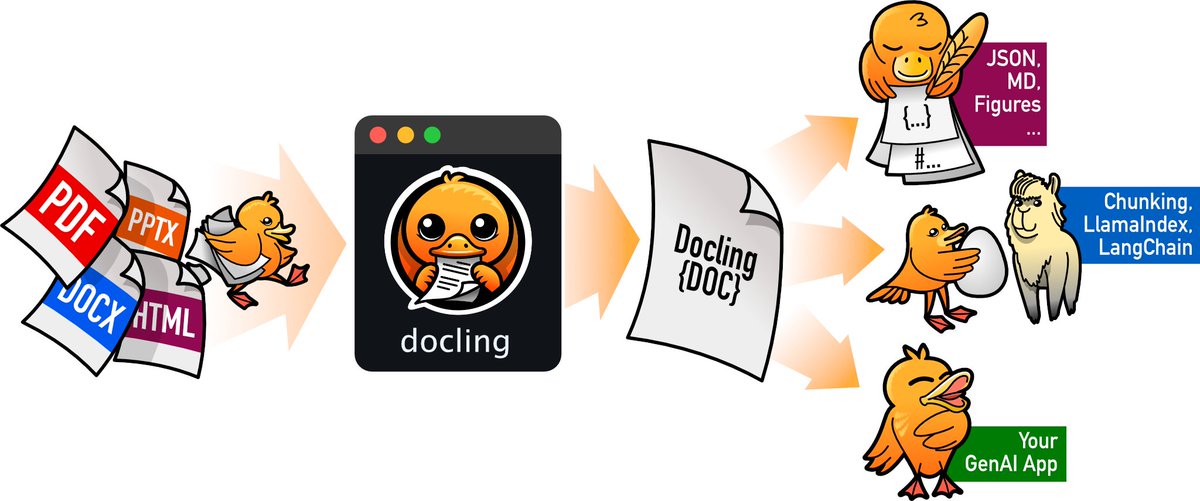
Looking to enhance your AI agent development skills? Check out Red Hat's latest article for expert tips and strategies.
#MCP #RedHat #GenAI #LLM #SoftwareEngineering #MCP #EnterpriseAI sprou.tt/1ZcqLZkvvMM
1
1
99
Feb 19
Gemini 3.1 Pro is here to tackle your toughest challenges with a smarter approach. Discover how it can enhance your projects and streamline complex tasks. Dive into the future of AI with Gemini 3.1 Pro! #AI #Google
deepmind.google/blog/gemini-…
1
123
Feb 19
Agents are becoming production workloads, not chat features. Copy the good K8s patterns (namespaces, declarative YAML, fleet management, GitOps) but avoid the dangerous assumption that agents are deterministic pods.Focus on:Outcome-based health checksToken/rate limit governanceLeast privilege security (SCC/RBAC)Network egress allowlistsSemantic observabilityOpenShift primitives (SCC, NetworkPolicy, ResourceQuota, ArgoCD, Kyverno/OPA) help bridge the gap for enterprise agent fleets.
medium.com/@tcij1013/kuberne…
#AIAgents #Kubernetes #OpenShift #PlatformEngineering
2
66
Feb 19
Curious about the future of AI? Check out this insightful article on the current state and upcoming trends of open-source AI models. Stay ahead of the curve! sprou.tt/19Qy66KWB5X
#RedHat #AI #Models
47