
Mixed Sheep/Grain farmer.
Joined February 2018
- Tweets 4,695
- Following 1,108
- Followers 1,715
- Likes 1,570
545 Photos and videos








Pinned Tweet

21 Jun 2020
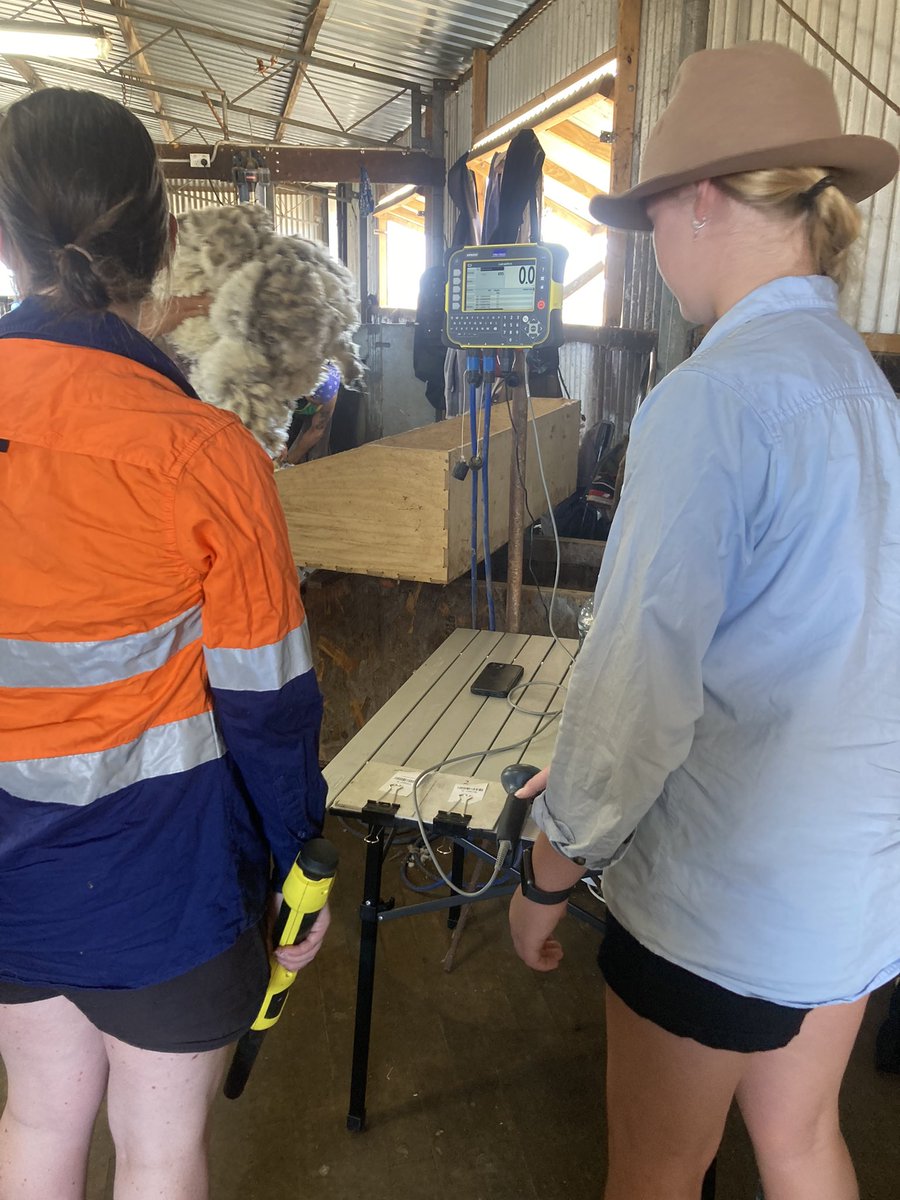
Frankenstein farming... in the process of building my own lamb weighing crate out of bits and bobs.. now to add the electronics and then wait for lamb marking to test it out. #farminglife #amatuerengineer
18
🌪Belinda Lay retweeted

Feb 8
Game Day just leveled up. 🏈
Let the equipment run the route...you call the plays from the living room. 🌾📺
#Autonomous #BuiltByFarmers #AgTech
2
11
54
5,401
19 Aug 2025
My god.. what the heck have they done to @ChatGPTapp the new version 5.0 is like and ADHD kids on red cordial and steroids. It has gone from being my favourite tool to an absolute pain in the ass. @OpenAIDevs I’m switching back to 4.0. Anyone else hating the so called upgrade?
2
286
8 Aug 2025
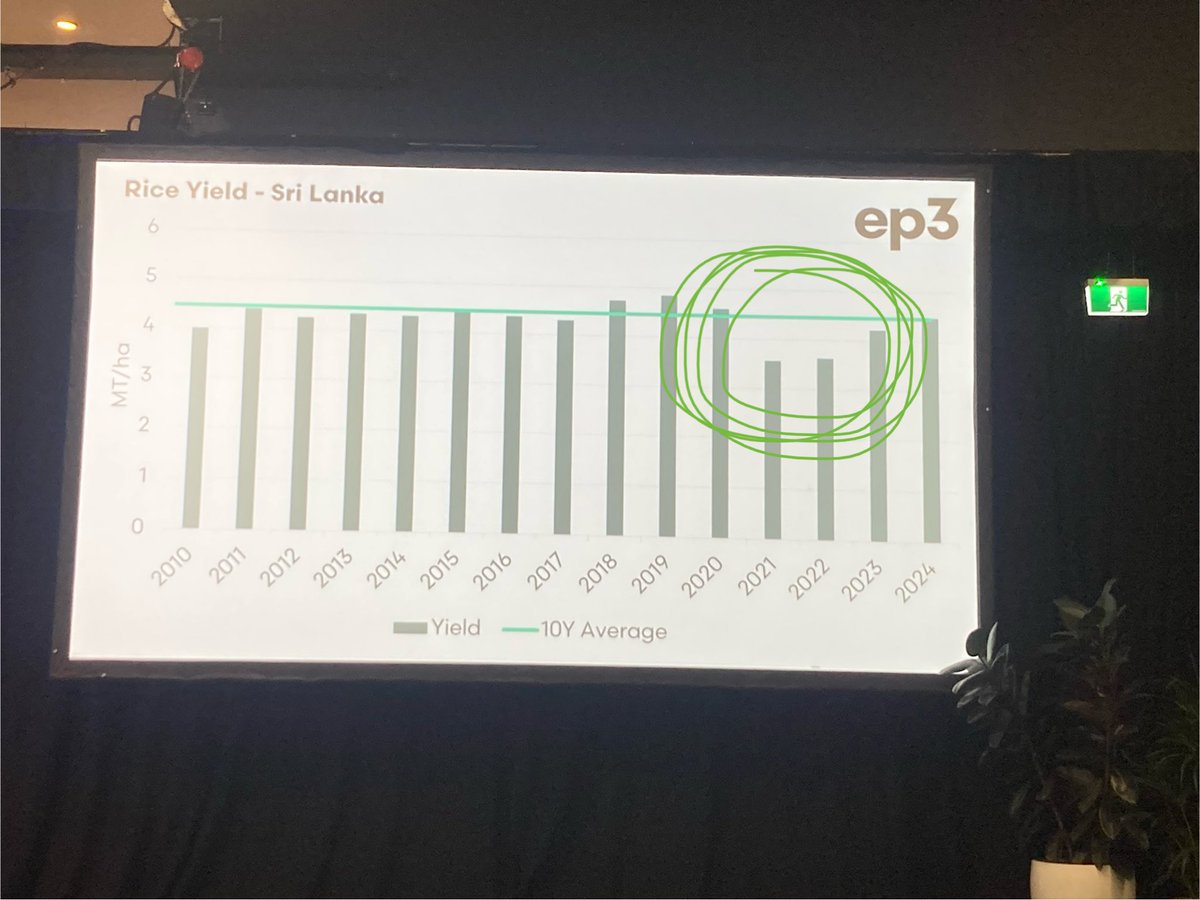
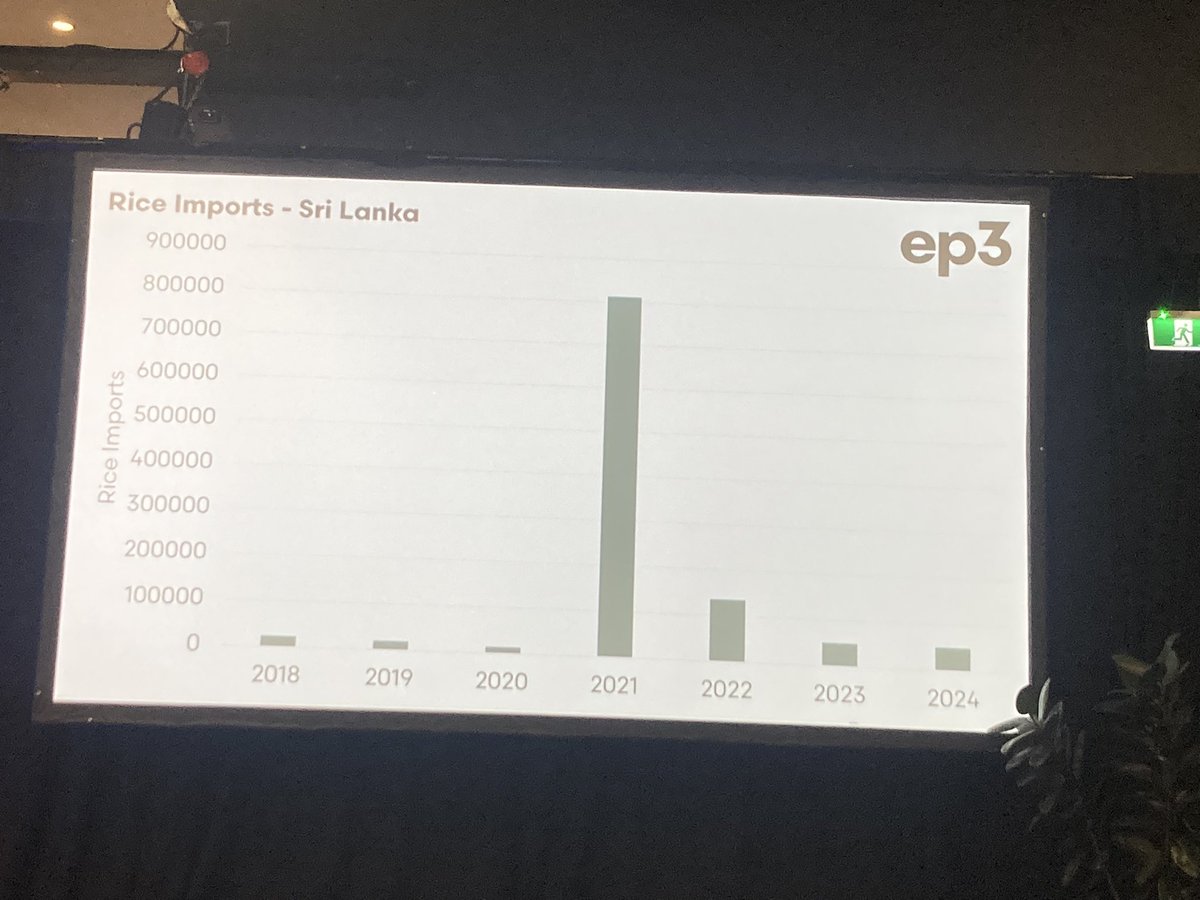
Great presentation by @WheatWatcher when govts interfere in production systems (banning chems) it impacts production which then has a knock on effect. Sri Lanka banned chemicals in 2021 resulting in them having to import more rice than they ever had before or since.
6
21
1,976
7 Aug 2025
Can you guess the price of this medium size Chinese tractor at the FutureAg expo?? #disruptionishere
3
4
1,250
7 Aug 2025
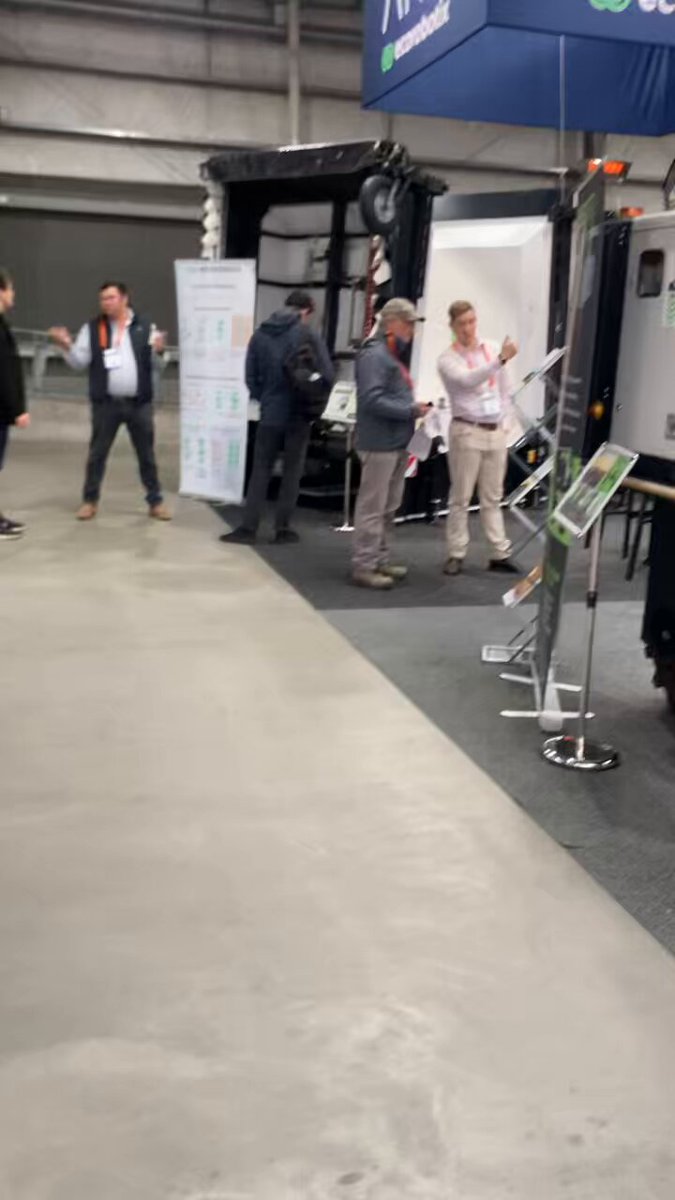
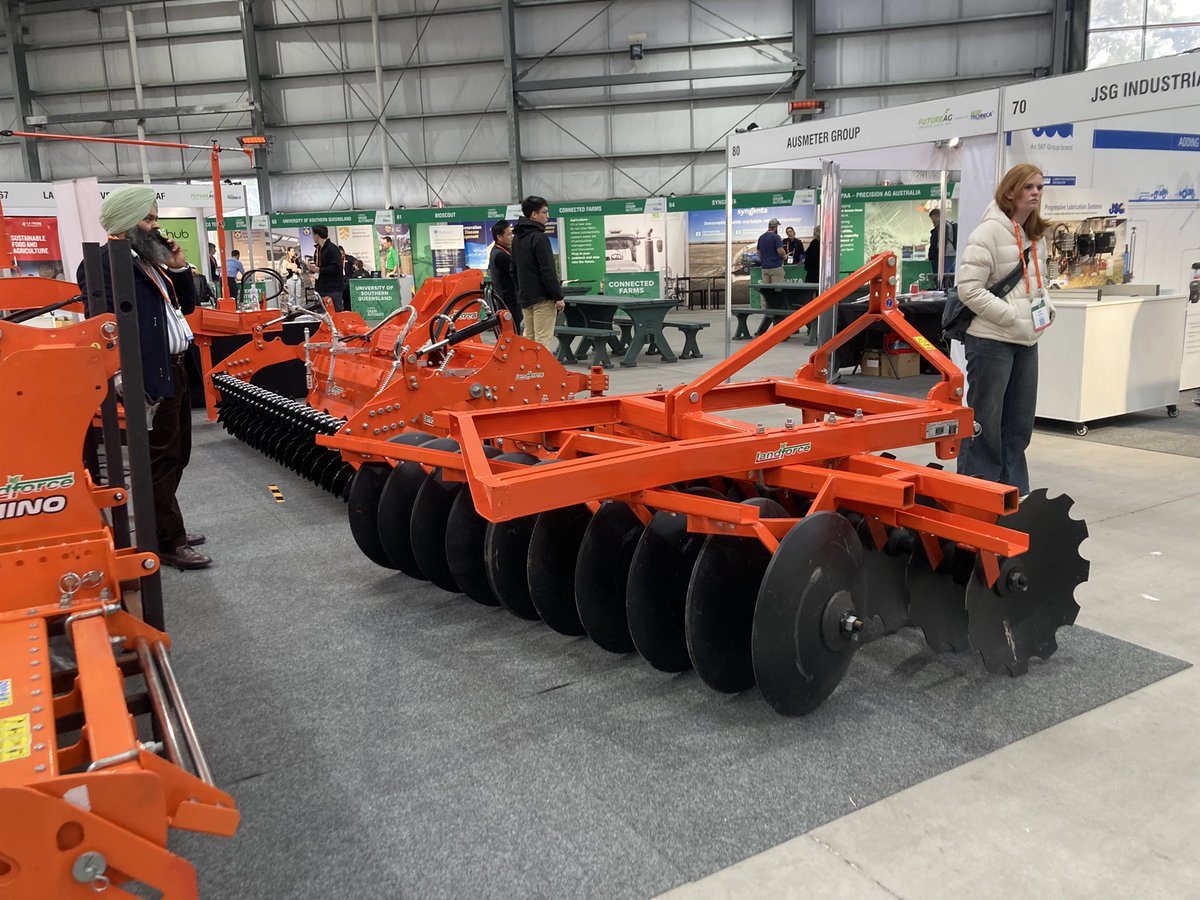
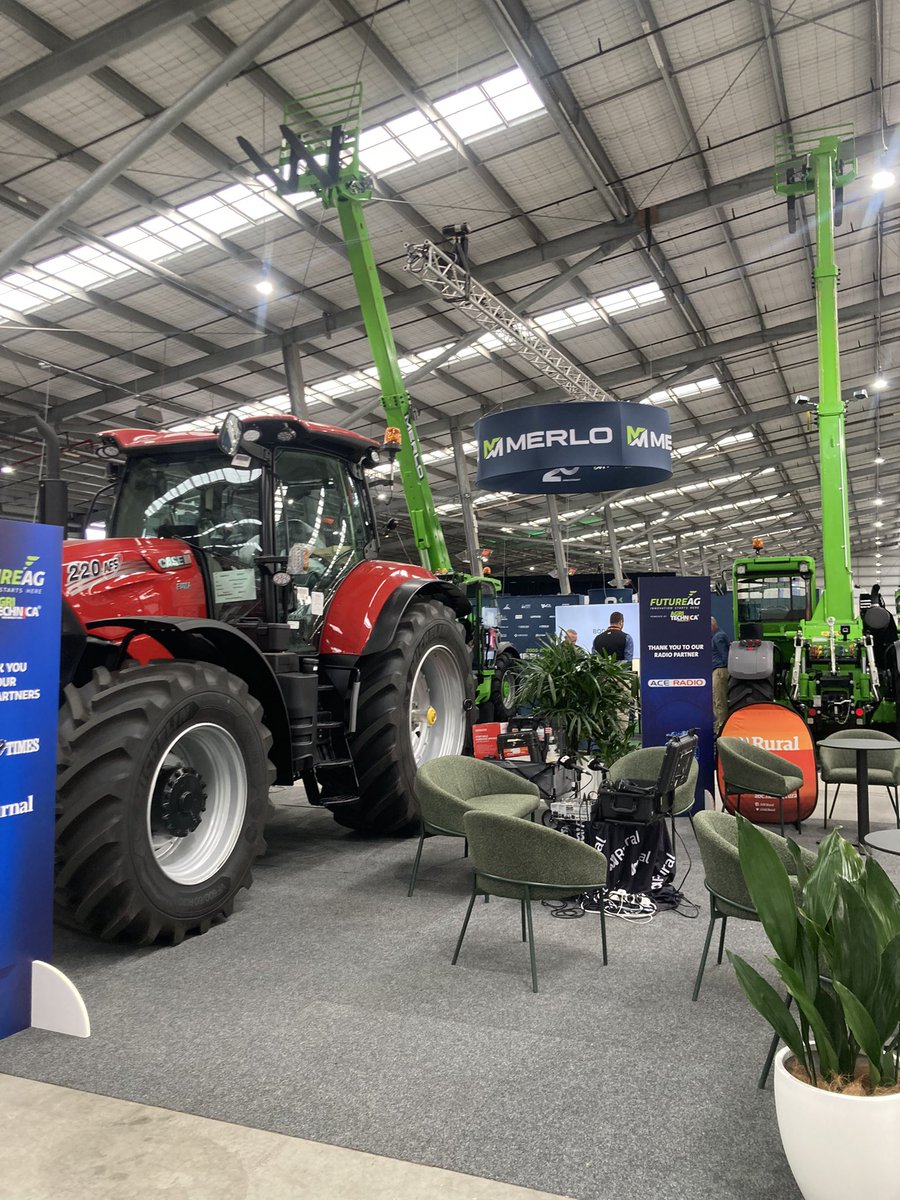
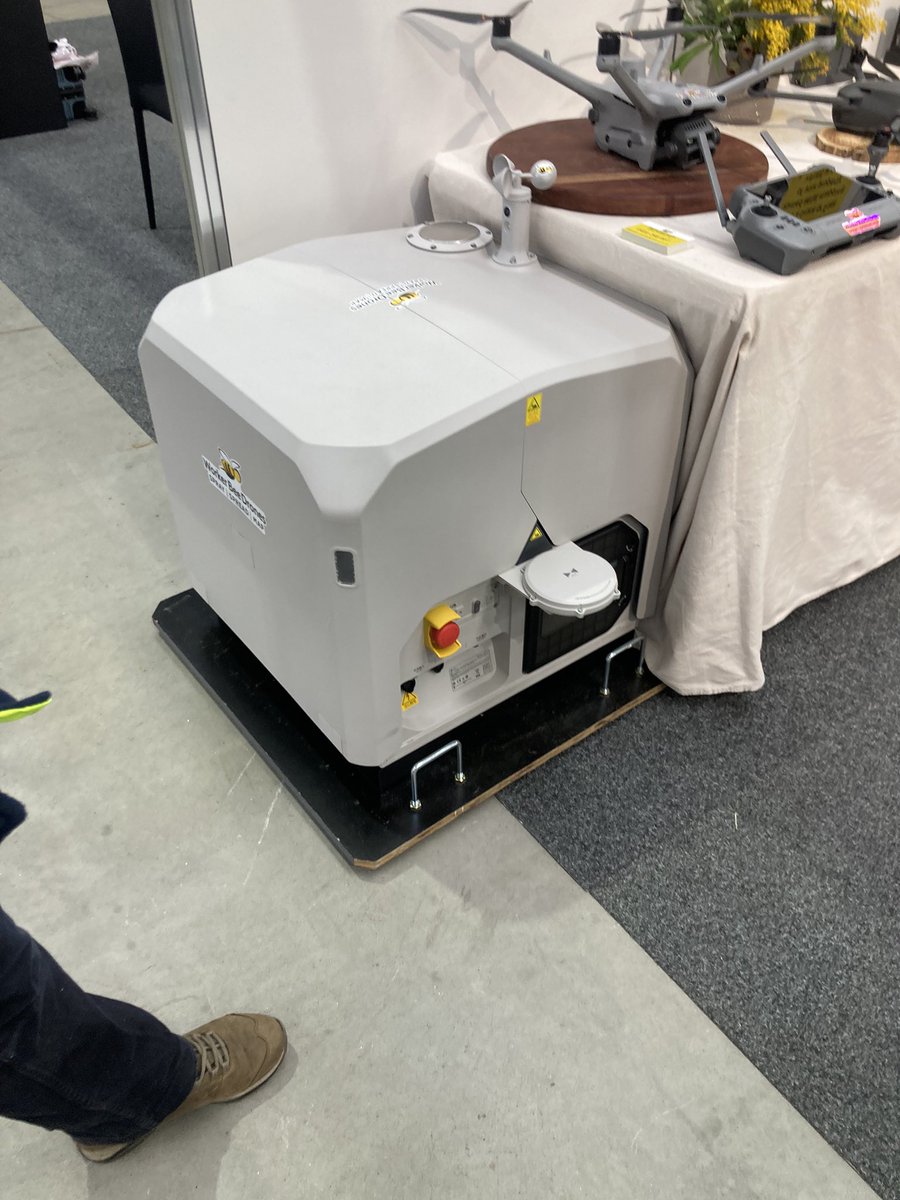
At the FutureAg Expo in Melbourne week. This is the kind of expo farmers can get behind. Saw one guy neck deep inside a muck spreader. Love the recognition of farmers need to talk, touch and see.
6
332
1 Aug 2025
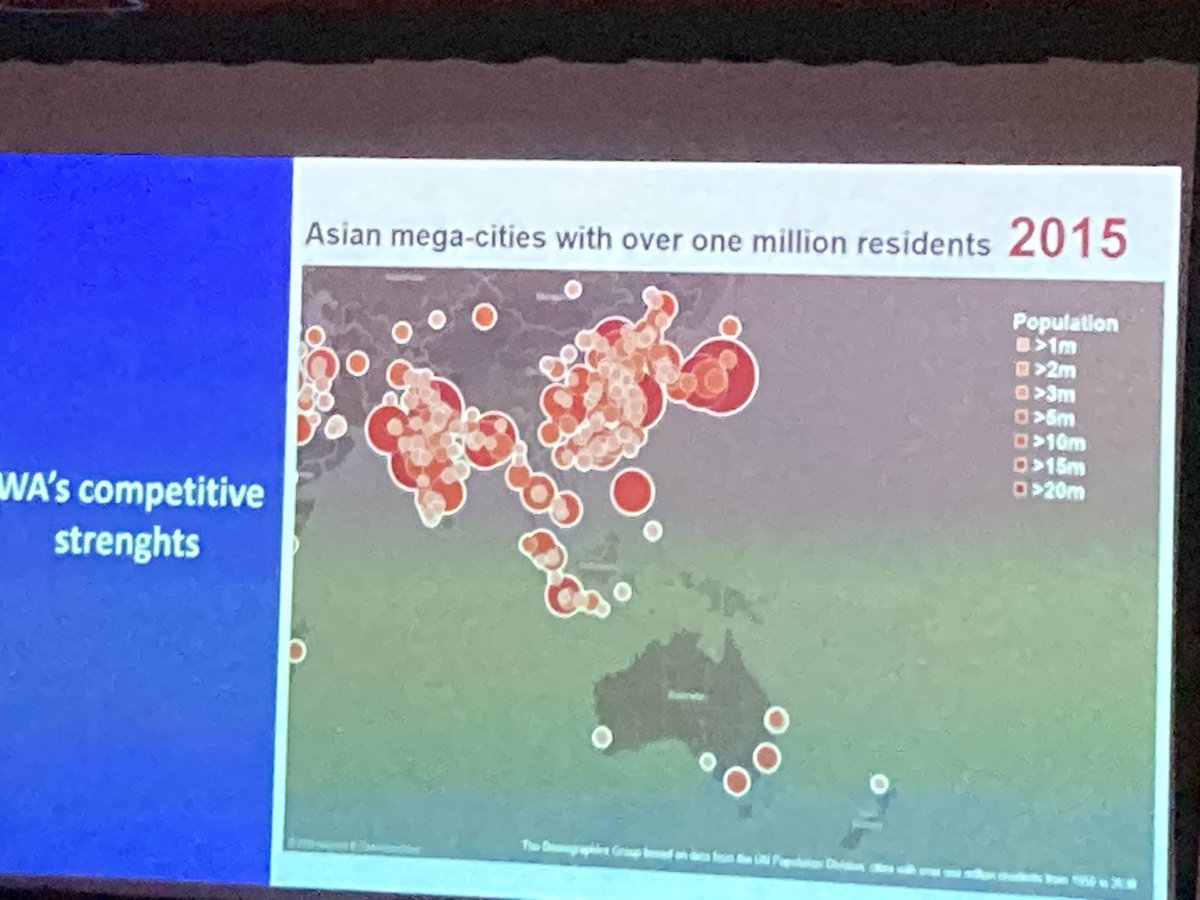
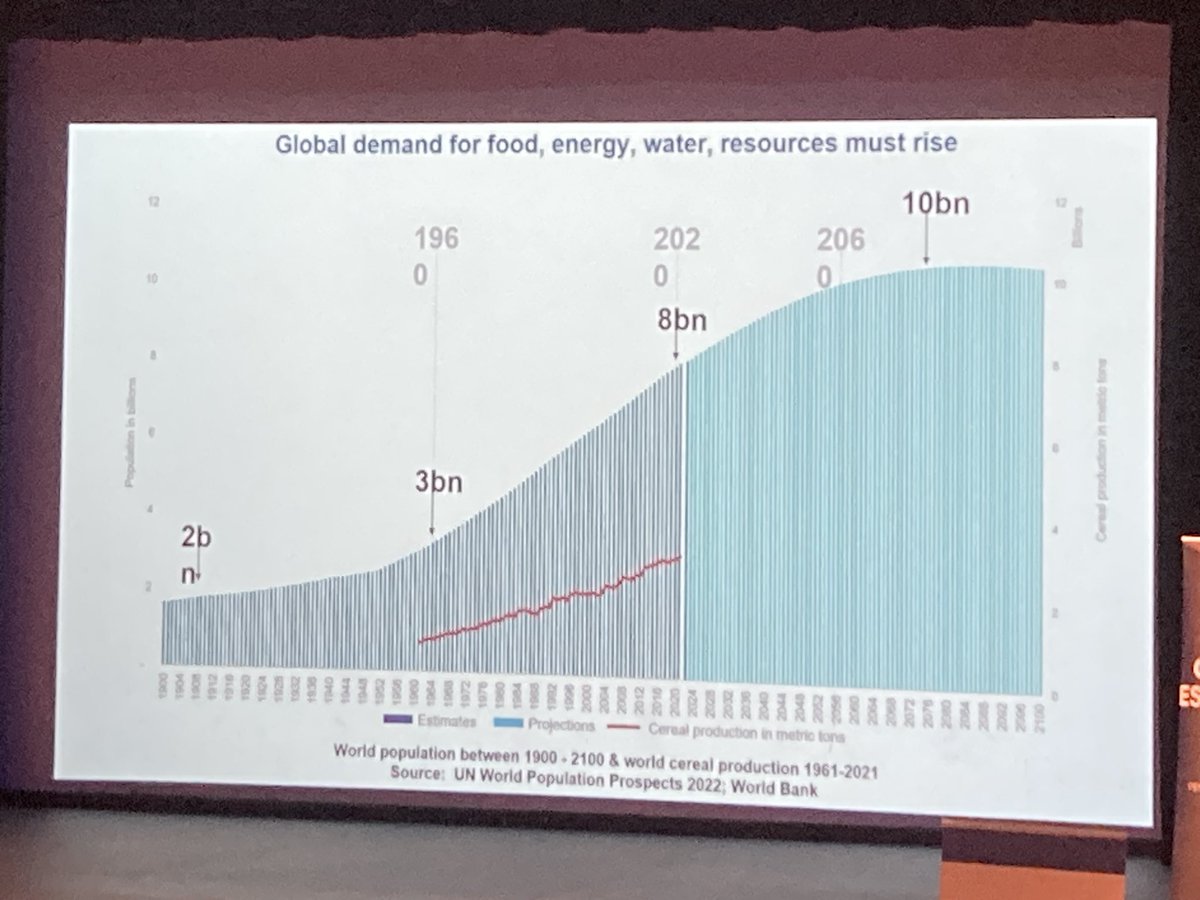
With forecast population explosion in population the Asian region. Can someone explain to me why Australia is not supporting agriculture to feed this??
3
1
11
708
27 Jun 2025
Tough season, still recovering from a previous season or staring down the barrel of succession? This might be a useful place to start surrounded by peers. Scan the QR code. Might see you there.
2
5
545


10 Jun 2025
@the_wes_man_ look what I stumbled across looking for something else in my posts
1
1
176
2 May 2025
Would love to see some Australian applicants we have some of the best down under x
29 Apr 2025

Announcing that our very own Belinda Lay will be the Australian judge for the 2025 International Women in Ag Award, recognising women making significant contributions to the global agricultural industry.
🔍 Are you leading agricultural innovation?
👉 Apply dlg.org/en/agriculture/award…

2
9
1,006
29 Apr 2025
I'm taking part in my first Mother’s Day Classic to help raise funds and awareness to fight breast and ovarian cancers. Please join me, or donate now and show all women that you’re running, walking and standing with them. mothersdayclassic.com.au/s/2…
1
163
14 Apr 2025
14 Apr 2025
WEB WEDNESDAY _ This Wednesday APRIL 16th.
Time to service your weather stations and rain gauges.
Keep your vital piece of farm data accurate and reliable!
Thanks Stirlings to Coast for the video check it out #EZIas
YouTube youtu.be/CEyWdyGnL6s
2
347
2 Apr 2025
Great thread on how preferences work… it will be important this election to make your vote count!
2 Apr 2025

@techeweup Hi! please find the unroll here: threadreaderapp.com/thread/1… Have a good day. 🤖
1
1
396
🌪Belinda Lay retweeted

1 Apr 2025
The Australian Labor Party’s claim of delivering “better pay and lower taxes” while alleging Peter Dutton wants to cut pay and raise taxes is a misrepresentation of their economic record.
Labor has pushed for wage rises, like the 3.75% minimum wage increase in 2024 for 2.6 million workers, and revised Stage 3 tax cuts to give a $50,000 earner a $929 annual tax cut. However, real wages have only recently begun to recover after years of decline, with inflation peaking at 7.8% in 2022 eroding purchasing power. Living standards have fallen—real household disposable income per capita dropped 6.5% from 2019 to 2023—while housing costs soar (Sydney median at $1.4 million in 2024) and energy prices have risen 20% since 2022, driven by Labor’s net zero push.
Public frustration on X highlights a housing crisis and declining living standards, showing Labor’s policies haven’t delivered meaningful relief.
Labor’s economic policies have exacerbated pressures on businesses and families, undermining their claim of effective management. High immigration—528,000 net overseas migrants in 2023—has kept wages low in sectors like retail by increasing labor supply, while fueling a housing shortage that drives up rents and prices. Their industrial relations reforms, like multi-employer bargaining, have raised labor costs for businesses, particularly small enterprises, limiting their ability to offer pay rises without government mandates. For families, RBA rate hikes to 4.35% by late 2023 have added $1,500 to monthly repayments on a $600,000 mortgage since 2022. Labor’s $14.6 billion in cost-of-living relief has been insufficient against these pressures, and their failure to address weak productivity growth (0.5% annually from 2019-2023) has left the economy structurally vulnerable.
Labor’s touted budget surpluses—$22.1 billion in 2022-23 and $15.8 billion in 2023-24—were driven by luck, not fiscal skill. High commodity prices, like iron ore at $130 per ton in 2022-23 and coal over $400 per ton, boosted export revenues, while a tight labor market (unemployment at 3.5% in mid-2022) increased tax receipts. These external windfalls, not policy, fueled the surpluses, mirroring past commodity booms like 2006-08. Yet, Labor’s spending, including $22.7 billion over 10 years for clean energy, hasn’t tackled structural issues, and gross debt has risen to $1.04 trillion in 2024-25. X users express frustration over Labor’s failure to translate surpluses into real benefits, with policies like high immigration and energy costs worsening the cost-of-living crisis.
If Josh Frydenberg’s trajectory as Treasurer had continued, businesses and some households might have fared better. Frydenberg’s pre-COVID fiscal discipline and COVID-era stimulus, like JobKeeper, supported a strong recovery, with unemployment at 4% by early 2022. A continued Coalition government might have slowed the net zero transition, potentially keeping energy costs lower, and reduced immigration (235,000 in 2019 under the Coalition), easing housing demand. Their original Stage 3 tax cuts would have given a $120,000 earner a $2,625 annual tax cut—versus $1,875 under Labor’s plan—boosting disposable income for middle-to-high earners. While businesses might have had more capacity for pay rises with lower costs, the Coalition’s focus on higher earners could have left low-wage workers behind, a gap Labor has tried to address but with limited real impact.
Labor’s claim is a “lie by nature,” framing them as better economic managers than their record shows. Declining living standards, policy-driven pressures, and reliance on commodity windfalls reveal their weaknesses. Frydenberg’s approach might have offered lower costs and more disposable income for some, though with trade-offs for low-wage workers. The disconnect between Labor’s narrative and reality, echoed in X frustrations, underscores that their economic management falls short of their self-proclaimed success. #AusPol #Economy
1
5
194
🌪Belinda Lay retweeted

31 Mar 2025
@Phil_J_Anderson, this a great snapshot into the Aussie housing market.
@AlanKohler does a fantastic job of painting the whole picture.
Quite a remarkable take on why house prices are likely to remain elevated for a long period of time here in Oz.
4
39
145
42,158
30 Mar 2025
You’ve had 6 inquiries and nothing has changed so please explain exactly how you are going to achieve this.. if you can’t this is a hot air lip service not worth reading. Don’t promise something you have no control over.
29 Mar 2025

Labor will make supermarket price gouging illegal.
You shouldn’t be ripped off at the checkout. So we’re fixing it.
1
1
5
495
🌪Belinda Lay retweeted

27 Mar 2025
It’s on. 🐑
Stand with our regional communities, our truckies, our shearers and our farmers.
And #KeeptheSheep
#auspol
83
347
1,810
31,082
4 Mar 2025
Esperance is very fortunate to have a passionate group of volunteers that make accessing innovation easier by bringing it to our town. Get on board and support those that are supporting you. #EZIas
4 Mar 2025
🚀 EZI’s 2024 Annual Report is here! 🌾🔍
📖 Read the full report on our website @ ezi.org.au or better still come and see the outcomes presented live at our Annual Innovation Day on March 6th Esperance Bay Yacht Club
register here events.humanitix.com/ezi-inn…

1
5
586
28 Feb 2025
Head on in early to the EZI Innovation Day and join Phil over lunch for a 1hr weather workshop. Phil is wealth of device knowledge. #EZIas
28 Feb 2025
Join Phil Honey from Stirlings to Coast as he takes a dive into digital tools like weather stations & soil moisture probes. By harnessing real-time data, farmers can improve productivity, resilience, and sustainability in the face of climate uncertainty.
events.humanitix.com/fdf-wea…

1
4
527
24 Feb 2025
As our business’s grain marketer I’m heading in to town to see how innovation might be able to make my job easier. See you there!
21 Feb 2025
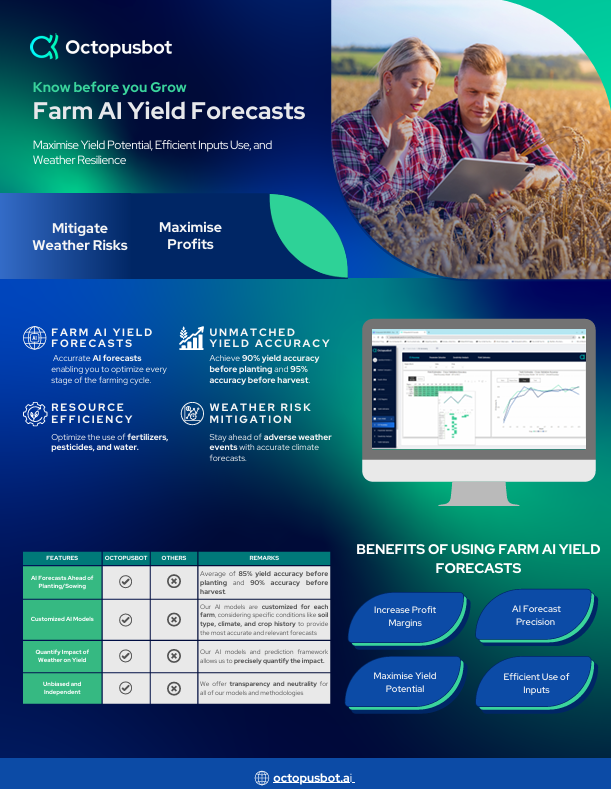
OCTOPUSBOT will be @ 33 Degrees on Monday 24th Feb.
Octopusbot is an AI-powered forecasting tool that focuses on weather impacts in global grain markets.
There is a presentation from 4 PM to 5 PM, followed by a networking session with drinks from 5 PM to 6 PM.
See you there!
1
477