
Building Arc
Joined February 2026
- Tweets 1,052
- Following 167
- Followers 121
- Likes 1,456
149 Photos and videos





Pinned Tweet

May 2
𝑪𝒐𝒏𝒕𝒆𝒔𝒕 𝒃𝒚 @TheDogeOH
Yeah, you heard it right, it’s the OG memecoin, Dogecoin. Endorsed by Elon Musk and known as the currency of the people. This post will walk you through a brief history of Dogecoin, how it’s now possible to build applications on it, and highlight…

3
5
32
1,257
𝗧𝗲𝗲 🥋 retweeted

Jun 11
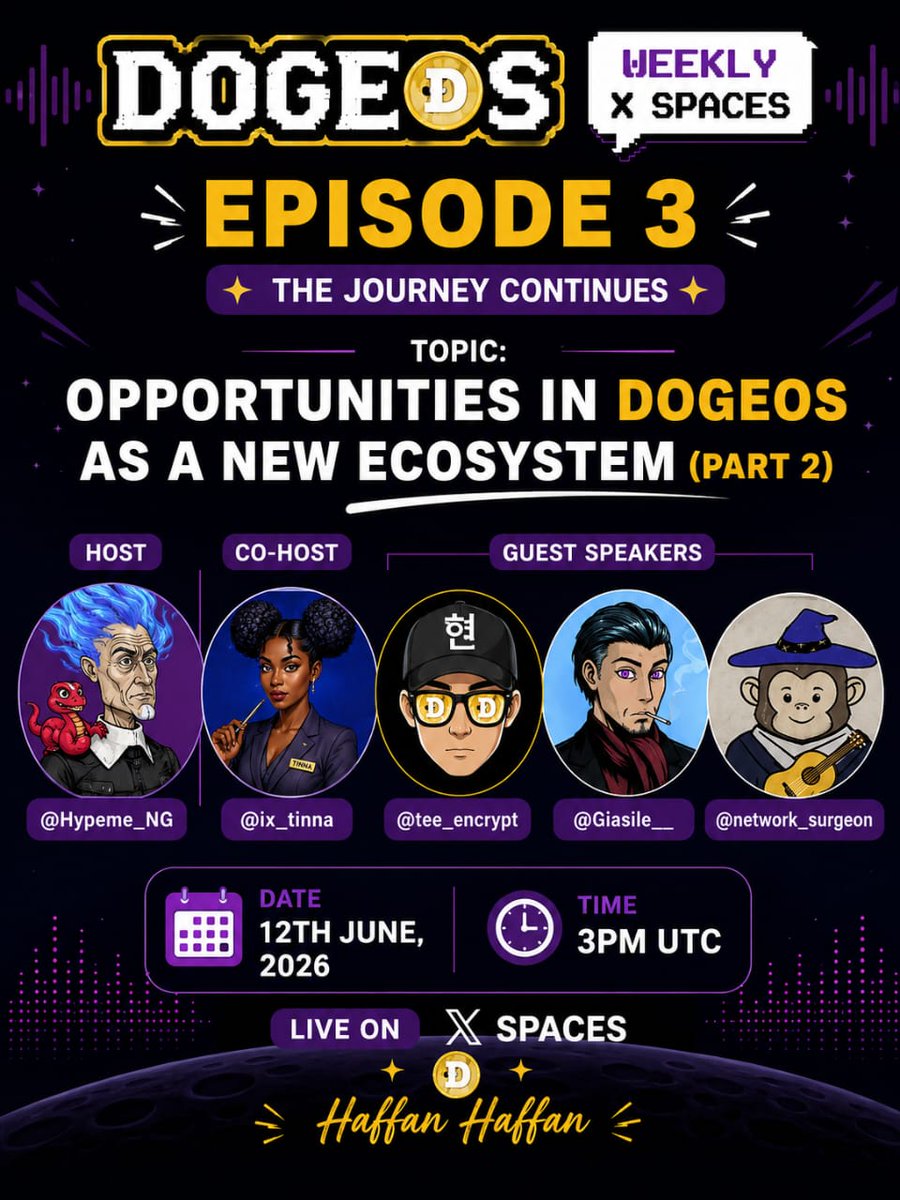
Tomorrow, we gather again as @TheDogeOH community to talk about the @DogeOS ecosystem
Come learn. Come discuss. Come vibe. Come have fun!
Set your reminders! 👇🏾👇🏾
Haffan Haffan 🥋🐾
Jun 11

Set a reminder for the @TheDogeOH community Space! x.com/i/spaces/1pJdRRoAdRNKW
4
3
12
234
Jun 10
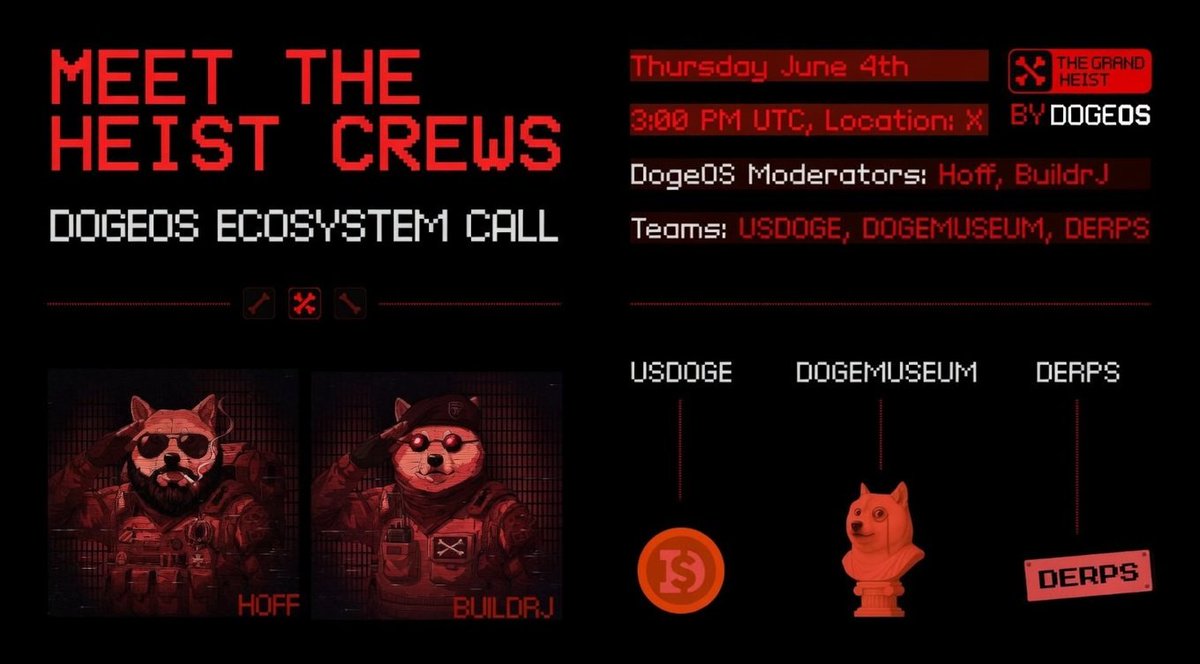
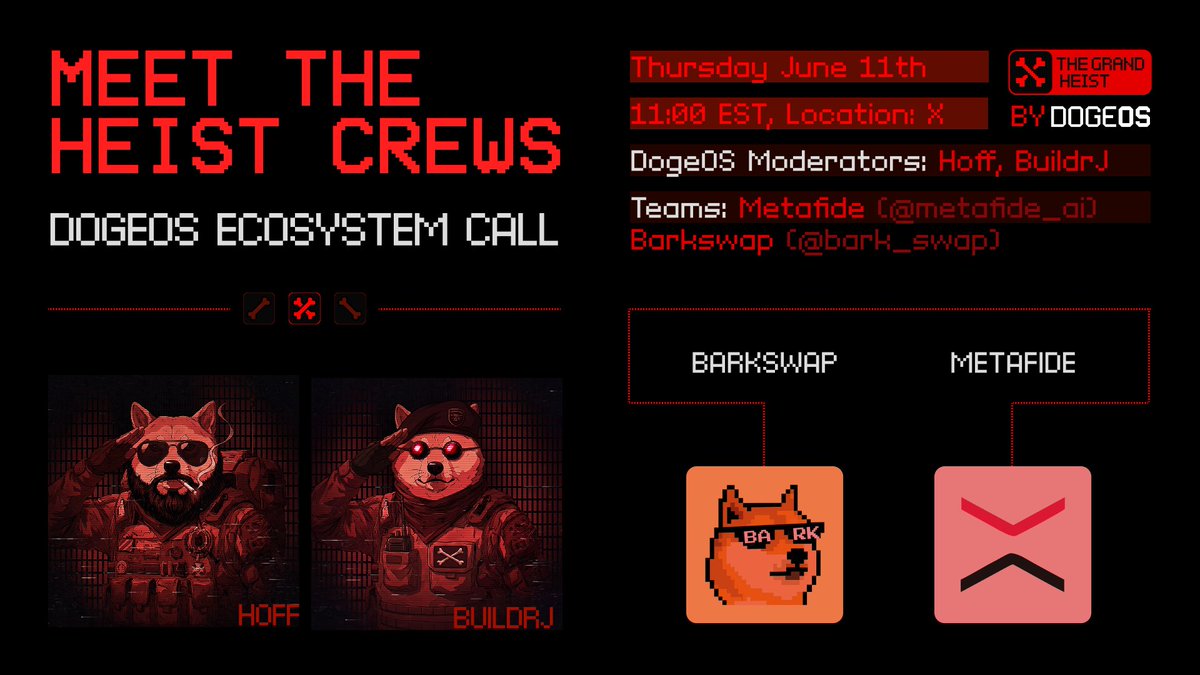
📢 We go again tomorrow at 3 PM UTC. Don't miss the Alpha on @DogeOS Heist Crew Part II.
🔔 x.com/i/spaces/1YxNrrzgXgyxw

Join us for the second edition of Heist Crews conversation hosted by @hoffdogg and @BuildrJ this week joined by @metafide_ai and @bark_swap.
📍Thursday, June 11th at 11am EST on X.
3
10
87


𝗧𝗲𝗲 🥋 retweeted

Jun 9
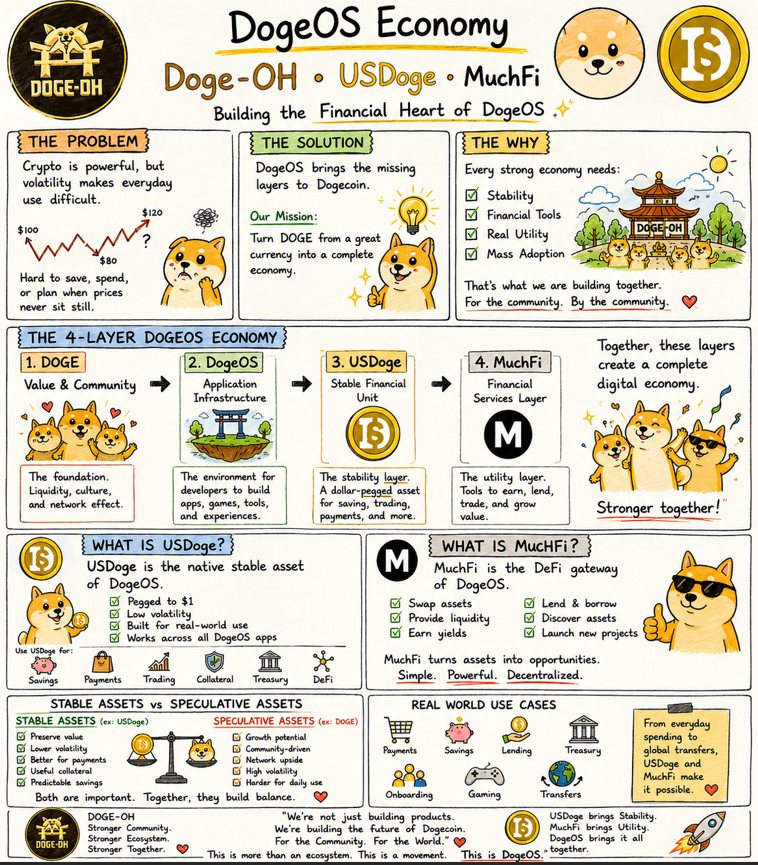
Understanding USDoge and MuchFi: Building Financial Infrastructure for DogeOS
For years, Dogecoin has been known primarily as a payment asset and internet culture phenomenon. While its community is one of the largest in crypto, DOGE has historically lacked the financial infrastructure that exists on networks like Ethereum, where users can lend, borrow, trade, save, and interact with decentralized applications.
This is one of the problems DogeOS aims to solve.
DogeOS is being developed as an application layer for Dogecoin, allowing developers to build decentralized applications, financial services, games, and digital experiences while keeping DOGE at the center of the ecosystem. Rather than creating a new blockchain, the goal is to expand what can be done with Dogecoin itself.
Within this growing ecosystem, two projects stand out for addressing a fundamental challenge: how can Dogecoin users participate in decentralized finance without constantly exposing themselves to price volatility?
The answer comes in the form of USDoge and MuchFi.
Why Stable Assets Matter in Crypto Ecosystems
One of the biggest limitations of using cryptocurrencies for everyday financial activity is volatility.
Imagine receiving a payment worth $100 in a cryptocurrency today, only to find that it is worth $85 or $120 a few days later. While traders may welcome volatility, it creates uncertainty for people who simply want to save, spend, lend, or manage treasury funds.
This is why stablecoins have become one of the most important pieces of infrastructure in crypto.
A stable asset serves several purposes:
- A unit of account for pricing goods and services.
- A store of value that is less volatile than cryptocurrencies.
- A settlement asset for trading.
- Collateral for lending and borrowing.
- A bridge between traditional finance and decentralized finance.
The growth of stablecoins across the broader crypto industry reflects this demand. They are increasingly being used for payments, savings, remittances, and financial applications because users often need stability before they can comfortably engage with more advanced financial services.
therefore, without stable assets, most DeFi ecosystems struggle to develop beyond speculation.
What Is USDoge?
USDoge is being positioned as a native stable asset for the DogeOS ecosystem.
The idea is relatively simple:
Instead of forcing DOGE holders to sell their assets or move funds to another blockchain in order to access stable value, USDoge aims to provide a dollar-denominated asset that exists within the DogeOS environment itself.
In theory, this allows users to maintain participation in the Dogecoin economy while also gaining access to a more stable medium for transactions and financial activities.
Its intended roles include:
- Stable savings.
- Trading pair liquidity.
- Lending collateral.
- Payments and commerce.
- Treasury management.
- DeFi participation.
What makes the concept interesting is that it attempts to solve a long-standing issue in many crypto communities: users often have to leave their ecosystem entirely when they need stability.
Rather than replacing DOGE, USDoge is designed to complement it.
DOGE remains the ecosystem's core asset, while USDoge provides a stable financial layer that can support broader economic activity.
What Is MuchFi?
If USDoge represents the stable currency layer, MuchFi appears to represent the financial services layer.
it's interesting to note that most blockchain ecosystems follow a similar pattern:
A base asset exists.
A stable asset emerges.
Financial applications are built on top and this is where MuchFi fits into the DogeOS stack.
however, based on available ecosystem materials, MuchFi is being developed as a DeFi gateway where users can interact with digital assets through services such as:
- Asset swaps.
- Liquidity provision.
- Yield generation.
- Lending and borrowing.
- Asset discovery
- Launchpad services for new projects.
similarly, in traditional finance, banks and financial institutions provide the infrastructure that allows money to move through the economy whereas in decentralized finance, platforms like MuchFi attempt to perform a similar role, but through smart contracts rather than centralized intermediaries.
what that means in simple terms is this:
USDoge creates stability while MuchFi creates utility around that stability.
How USDoge and MuchFi Work Together
A useful way to think about the ecosystem is as a four-layer structure:
DOGE → Value and community
DogeOS → Application infrastructure
USDoge → Stable financial unit
MuchiFi → Financial services
Each layer solves a different problem.
DOGE provides liquidity and network effects.
DogeOS provides the environment where applications can operate.
USDoge provides a stable asset for economic activity.
MuchFi provides tools that allow users to put those assets to work.
in essence, without a stable asset, DeFi services often become highly speculative. also, without financial services, stable assets become passive balances sitting in wallets and the combination is what creates an actual digital economy.
Stable Assets vs Speculative Assets
Understanding the difference between these two asset classes is important.
Stable Assets
Examples include dollar-pegged stablecoins.
Primary goal: Preserve value.
Advantages:
- Reduced volatility.
- Easier budgeting.
- Better for payments
- Useful collateral.
- Lower financial uncertainty.
Challenges:
- Dependence on reserve systems.
- Redemption mechanisms must work reliably.
- Smart contract and custody risks.
Speculative Assets
Examples include DOGE and many other cryptocurrencies.
Primary goal: Capital appreciation and network participation.
Advantages:
- Growth potential
- Community-driven adoption.
- Market upside.
Challenges:
- Significant price fluctuations
- Harder to use for everyday spending
- Less predictable for savings.
it is note worthy to mention that neither category replaces the other. however, most mature crypto ecosystems eventually use both.
conclusively, it is good to say that speculative assets drive growth and participation while Stable assets provide economic stability and practical utility.
Real-World Use Cases
If the DogeOS ecosystem develops as intended, stable assets and financial services could support a variety of use cases beyond simple trading.
Payments
Users could pay for products or services without worrying about DOGE price fluctuations between purchase and settlement.
Savings
People may prefer holding a stable asset when they need predictable purchasing power.
Lending and Borrowing
Stable collateral is often easier to manage than highly volatile collateral.
Treasury Management
Projects and communities can manage operational funds with lower volatility exposure.
Onboarding New Users
Many newcomers find stable assets easier to understand than highly volatile cryptocurrencies.
Gaming and Digital Economies
Stable rewards can create more predictable in-game economies than assets that fluctuate dramatically in value.
Cross-Border Transfers
Stable digital dollars have become increasingly important for global payments and remittances because they reduce settlement uncertainty.
In conclusion,
The significance of USDoge and MuchFi is not that they replace DOGE.
Their significance lies in addressing a long-standing limitation of many crypto ecosystems: the gap between holding an asset and actually using it.
therefore, DogeOS is attempting to expand Dogecoin from a currency into a broader application ecosystem. Within that vision, USDoge provides stability while MuchFi provides financial functionality.
What is clear, however, is that stable assets and financial infrastructure are becoming essential components of every major blockchain economy. The DogeOS ecosystem appears to be moving in that same direction by combining DOGE's community and liquidity with tools designed for saving, spending, lending, and building applications.
Disclaimer-No paid content, all opinion expressed are my own
3
2
7
143
Jun 9
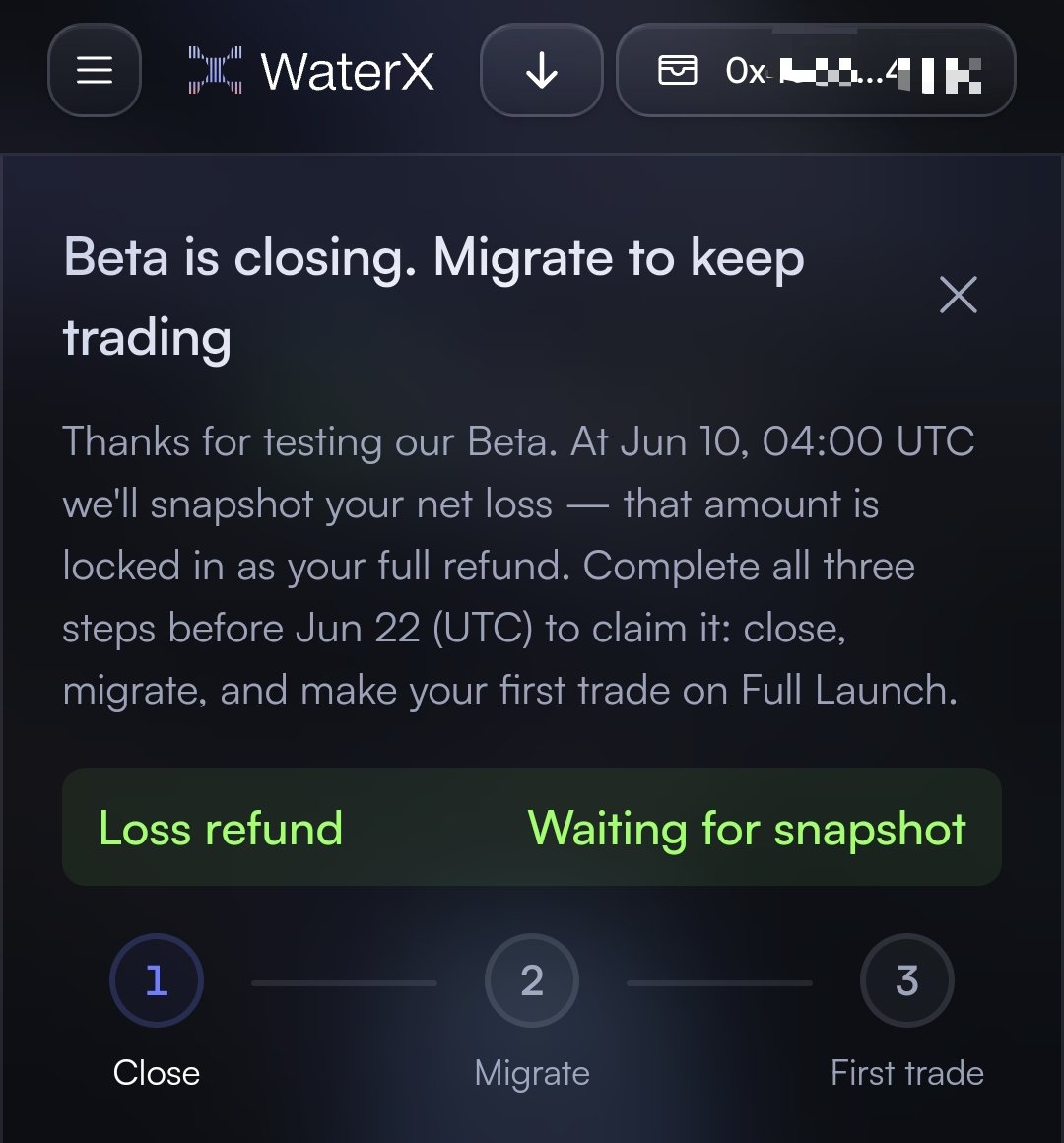
If you have been trading on @WaterX_app, you are one of the Beta traders.
𝗔𝗰𝘁𝗶𝗼𝗻 𝗿𝗲𝗾𝘂𝗶𝗿𝗲𝗱:
➤ Open your account and follow the instructions to complete the migration.
➤ Close your existing positions.
➤ Open a trade on the full version before the 24th.
#WaterX
Jun 9

Today, WaterX moves from beta to full launch on @SuiNetwork.
Thank you to every beta trader who helped test the features. If you ended net-down, we’ll refund your full net loss.
Migrate to claim: waterx.app/
Learn more 🧵
1
2
63
Jun 9
➤ You will receive a refund of your net loss on the 24th.
𝗪𝗮𝘁𝗲𝗿𝗫 𝗶𝘀 𝗻𝗼𝘄 𝗹𝗶𝘃𝗲 𝗼𝗻 𝗦𝗨𝗜!
@SuiNetwork currently does not have its own major perpetual DEX or prediction market. WaterX is building exactly that and is backed by the SUI ecosystem, having been…
1
1
22
Jun 9
selected for the Moonshot program.
We look forward to seeing how it performs. As always, please trade responsibly, with caution and discipline.
18
𝗧𝗲𝗲 🥋 retweeted

Jun 8
The Creator’s Bounty results are in 🥳
The winners of the Videos category are:
🥇@EsenellyTex
x.com/EsenellyTex/status/206…
🥈@LoneRogue8
x.com/LoneRogue8/status/2062…
The Two winners for the thread category are:
🏅@tee_encrypt
x.com/tee_encrypt/status/205…
🏅@BIGLAD_77
x.com/BIGLAD_77/status/20620…
All rewards will be sent to you through the @usemoneymoves username you provided during submission.
Thank you all for participating, expect more bounties 😁
May 24

🚨 New bounty now live on MoversMap
The @usemoneymoves Creators Bounty is now live and open to everyone globally 🌍
Create videos or threads about Money Moves and earn rewards 💸 Full details are available on the bounty page: moversmap.xyz/bounty
Also, the Money Moves Trading Competition is currently live and open to Nigerian users only 🇳🇬 via the Money Moves app
15
7
31
1,966
Jun 8
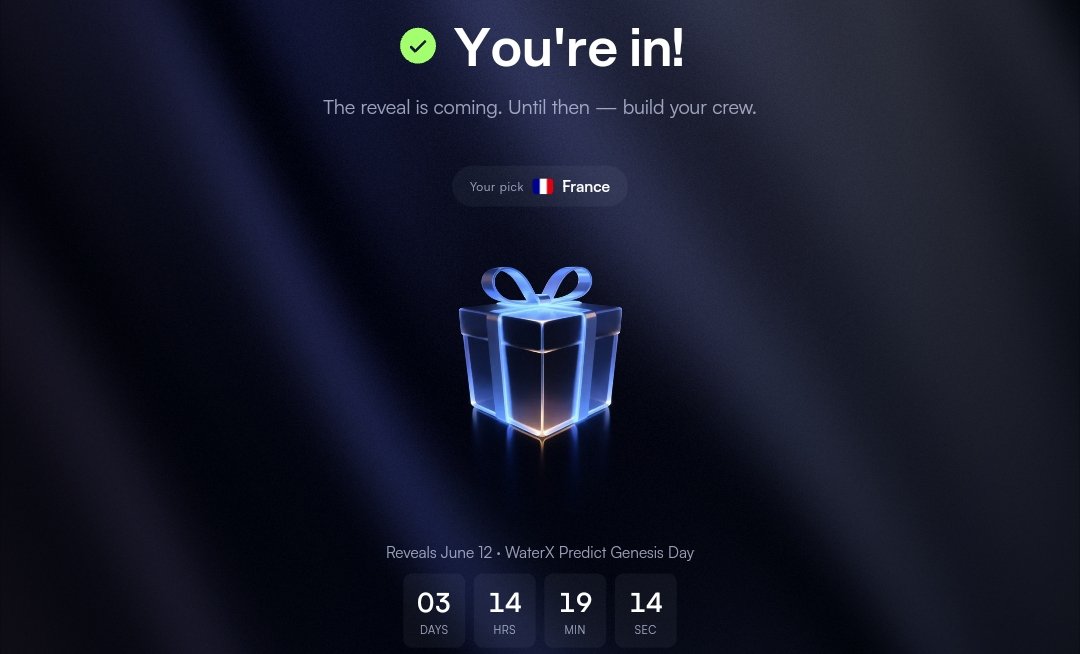
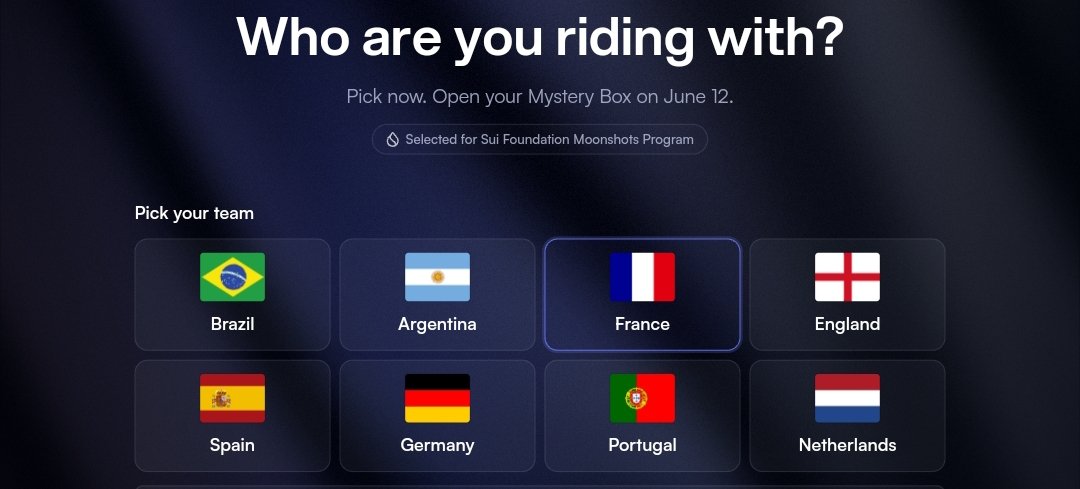
𝗣𝗿𝗲𝗱𝗶𝗰𝘁𝗶𝗼𝗻 𝗠𝗮𝗿𝗸𝗲𝘁𝘀 𝗔𝗿𝗿𝗶𝘃𝗲 𝗼𝗻 𝗪𝗮𝘁𝗲𝗿𝗫: 𝗚𝗲𝘁 𝗥𝗲𝗮𝗱𝘆 𝗮𝗻𝗱 𝗖𝗹𝗮𝗶𝗺 𝗬𝗼𝘂𝗿 𝗚𝗲𝗻𝗲𝘀𝗶𝘀 𝗕𝗼𝘅
In anticipation of the FIFA World Cup 2026™, hosted across the United States, Canada, and Mexico, @WaterX_app is launching an…
#WaterX
1
5
101
Jun 8
product, it will continue well beyond the tournament. While the team works on advanced features like native agentic perpetual trading, delivering practical, user-friendly products in the interim strengthens the ecosystem and provides…
x.com/i/status/2063259658643…
Jun 6
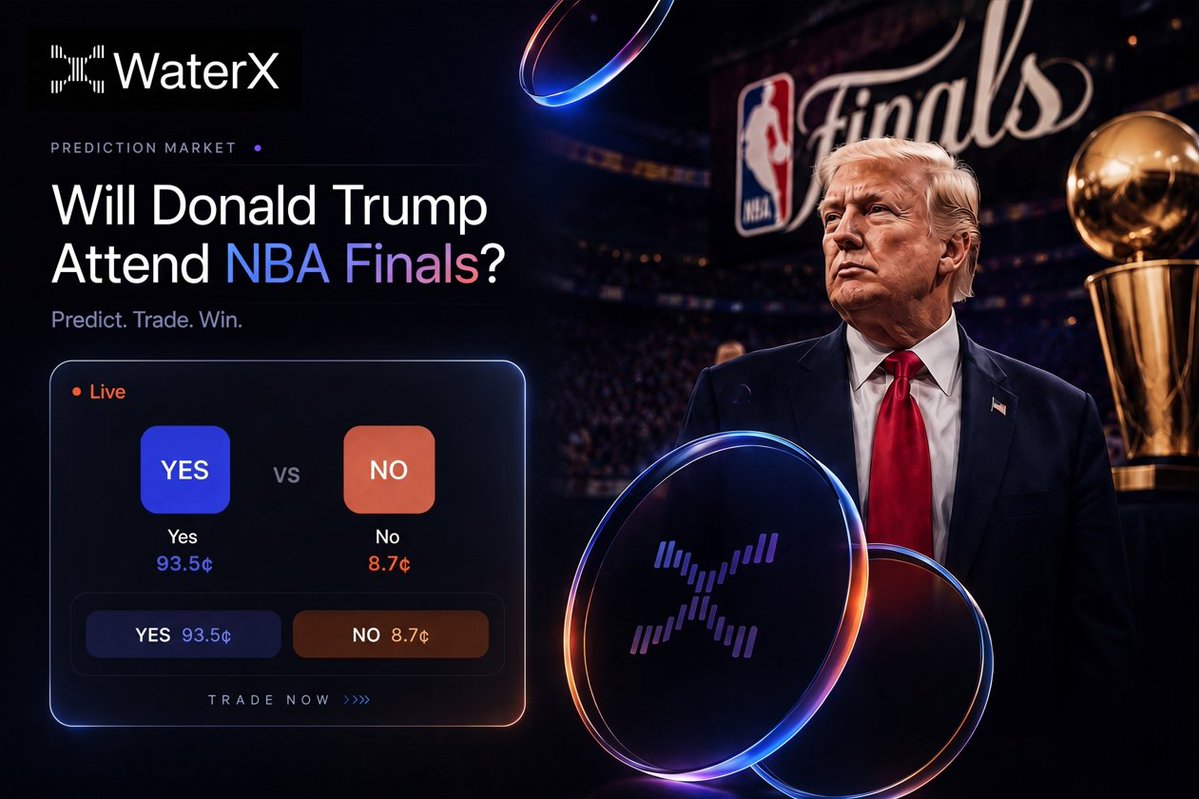
Will Donald Trump attend the NBA Finals? 🏀
Right now it looks like a landslide 👀
🎁 Join WaterX Predict now and claim your Mystery Box: bit.ly/4x1Dw5y
1
1
33
Jun 8
immediate value to the community.
This launch positions @WaterX_app as a dynamic player in the growing prediction markets, combining timely sports engagement with broader, sustainable utility on the @SuiNetwork.
Stay tuned for more updates as Genesis Day approaches!
#WaterX
1
28
Jun 7
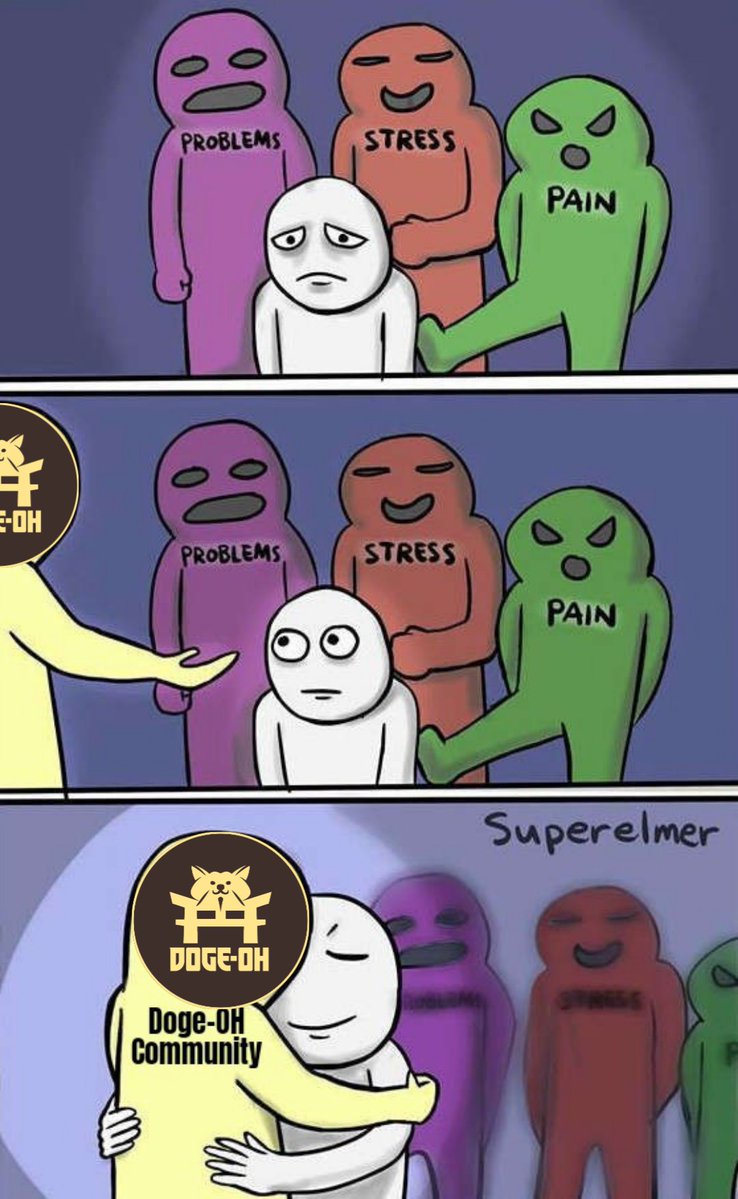
If a community lacks a clear identity, it feels incomplete. Every successful project needs a strong culture and a shared sense of belonging to truly thrive.
That’s exactly why NFTs became powerful, they gave people a visible badge of membership. When you spot the same NFT in…
7
1
14
402
Jun 7
hear “Haffan Haffan,” I immediately know: this person is part of the pack. They understand @TheDogeOH and @DogeOS. Doge-OH reps DogeOS any time, any day!
This kind of shared identity creates real bonding. Instead of shallow daily chats, you build genuine connections, a…
1
4
47
Jun 7
digital family. When life gets heavy or you’re just bored, you have a place to share, vent, and lift each other. The best part? This bond doesn’t stay online, it flows into real life: meetups, adventures, and lasting friendships.
Gwoof 🐕
Haffan Haffan 🥋
5
43