
2,139 Photos and videos




Data is no longer the scarce resource.
Action is.
Every ecosystem generates endless streams of information, dashboards, alerts, and signals.
The challenge isn't collecting more data.
It's knowing what to do with it.
That's one reason @RialoHQ stands out.
Instead of treating information as something that simply gets stored and analyzed, Rialo is building infrastructure that helps transform information into execution.
Data becomes decisions.
Decisions become actions.
And actions can be automated, verified, and adapted as conditions change.
The next generation of digital infrastructure won't be defined by how much data it can process.
It will be defined by how effectively it can act on that data.
4
5
61
Some projects build applications.
Some projects build blockchains.
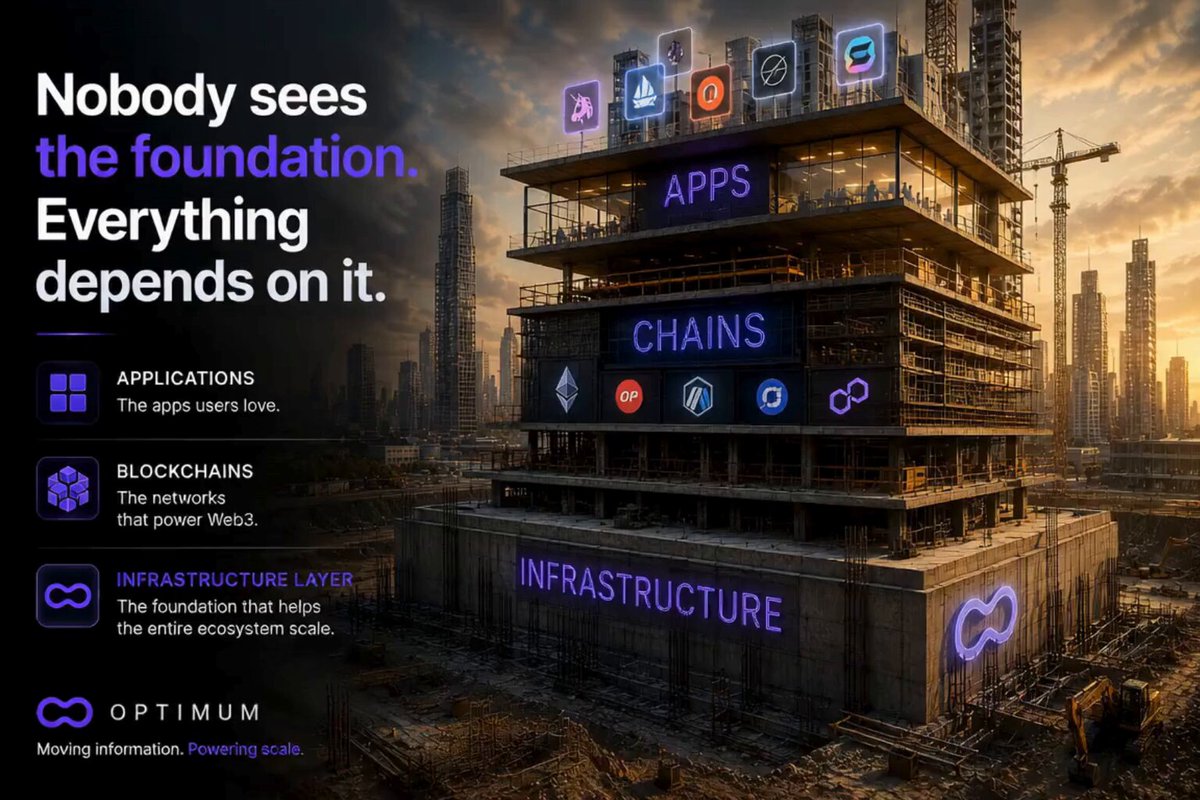
@get_optimum is building something different.
The infrastructure layer that helps all of them scale.
Because every chain, rollup, validator, and application depends on one thing:
Moving information efficiently.
The future of Web3 won't be built by applications alone.
It will be built on better infrastructure.
@blockchainjeff
3
6
65
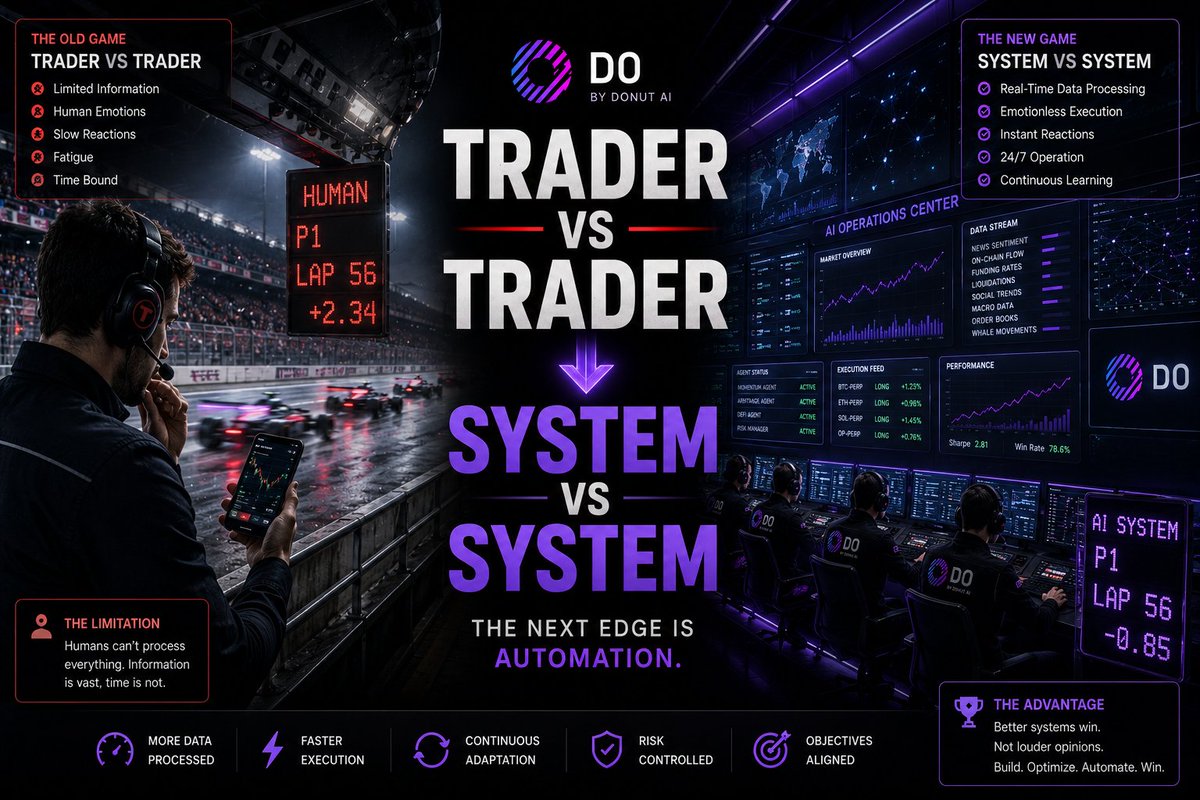
For years, markets have been shaped by people competing against other people.
That may be starting to change.
The most interesting thing about AI agents isn't that they can trade.
It's that they can continuously monitor markets, process information, and react faster than any individual ever could.
As these systems become more capable, the role of the trader begins to evolve.
Less time watching charts.
More time designing strategies, defining risk, and building systems.
The edge may no longer come from being the fastest person in the market.
It may come from having the best system.
That's why projects like @DonutAI are so interesting to watch.
The future may not be trader vs trader.
It may be system vs system.🍩
2
5
63
Most communities reward attention.
Surf is trying to reward contribution.
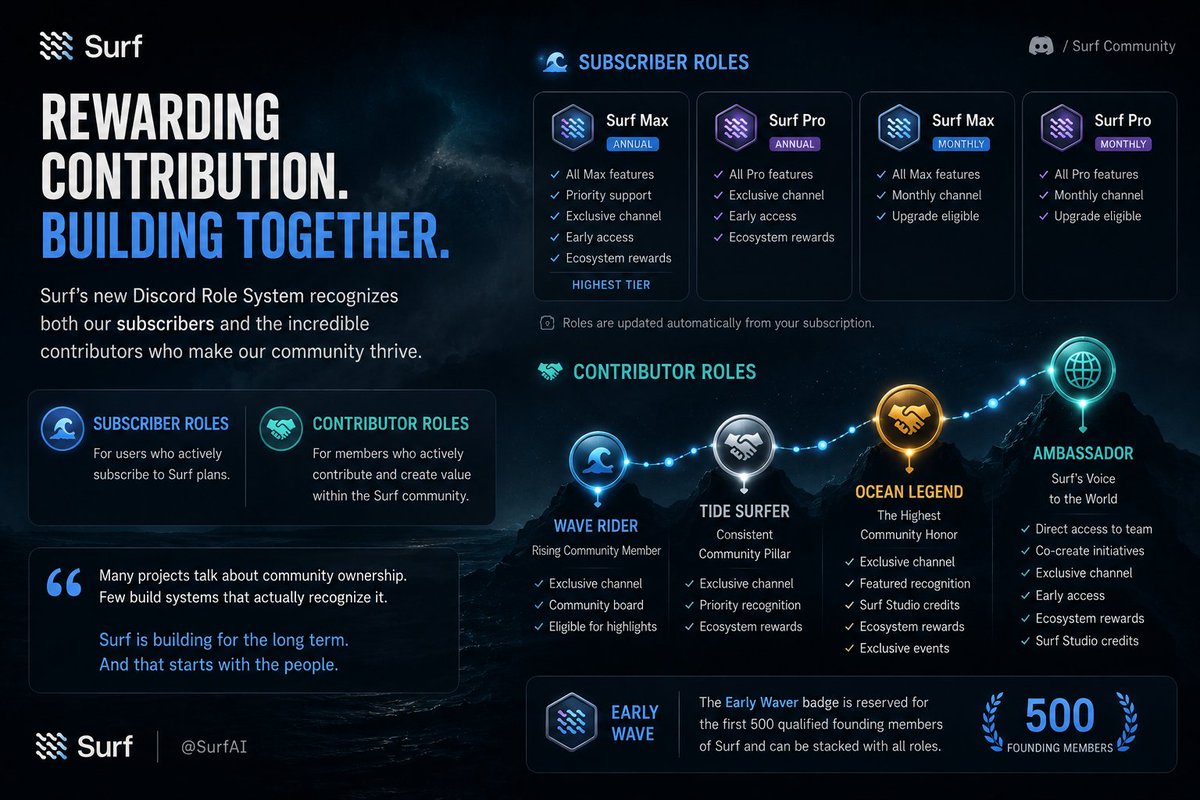
After looking through the new Discord role system, what stood out to me wasn't the subscriber tiers.
It was the contributor path.
🌊 Wave Rider
🌊 Tide Surfer
🌊 Ocean Legend
🌊 Ambassador
The structure creates a progression based on impact, not just activity.
Helping others.
Creating content.
Supporting the ecosystem.
Growing the community.
Many projects talk about community ownership.
Few build systems that actually recognize it.
The most interesting role to me is Ocean Legend.
Not because of the perks.
Because it represents something every strong community needs:
A way to recognize people who consistently create value.
Curious to see how these roles evolve as @SurfAI continues to grow. 🌊
@datillaa @YiwiJR
3
6
87
Orkunu çıkarttı amk malı,şimdide orta sahayı değiştiriyor 😂 seni bu ülkenin teknik direktörü yapanı sikeyim Monttella !! Gol atmamız gerek malın evladı #BizimÇocuklar
53
Kerem ve Barış ilk 11 aşkına sokayım montella 😊
#BizimÇocuklar
1
110
Most Perp DEXs compete for the same thing.
More volume.
More users.
More attention.
After spending some time looking into @popdex_, I think they're approaching the problem from a different angle.
Instead of optimizing for token holders first, they're building around traders and liquidity providers.
That means focusing on:
• Capital efficiency
• Deep liquidity
• Better execution
• Tighter spreads
• A trading experience designed for active participants
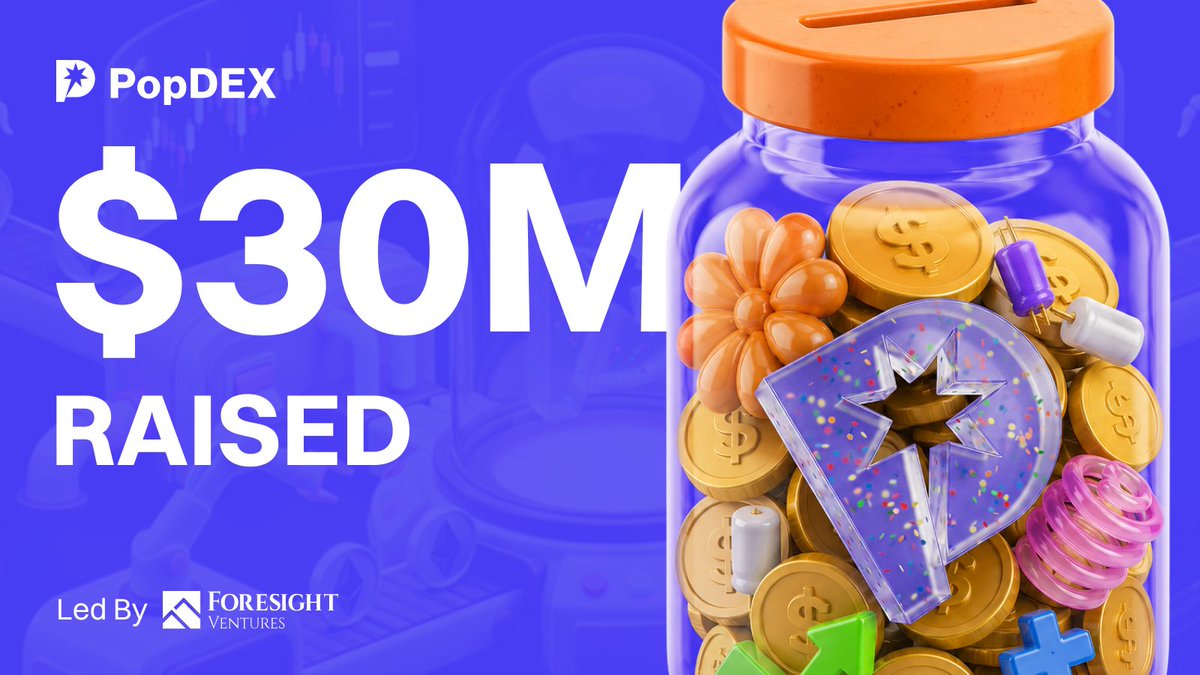
The recent $30M Seed round led by @ForesightVen gives the team significant resources to keep building in that direction.
What also caught my attention is PopLab, their invite-only testing program where traders can directly shape the product before launch.
In a market crowded with Perp DEXs, execution and alignment matter more than promises.
Definitely one to keep on the radar.
1
2
61
98
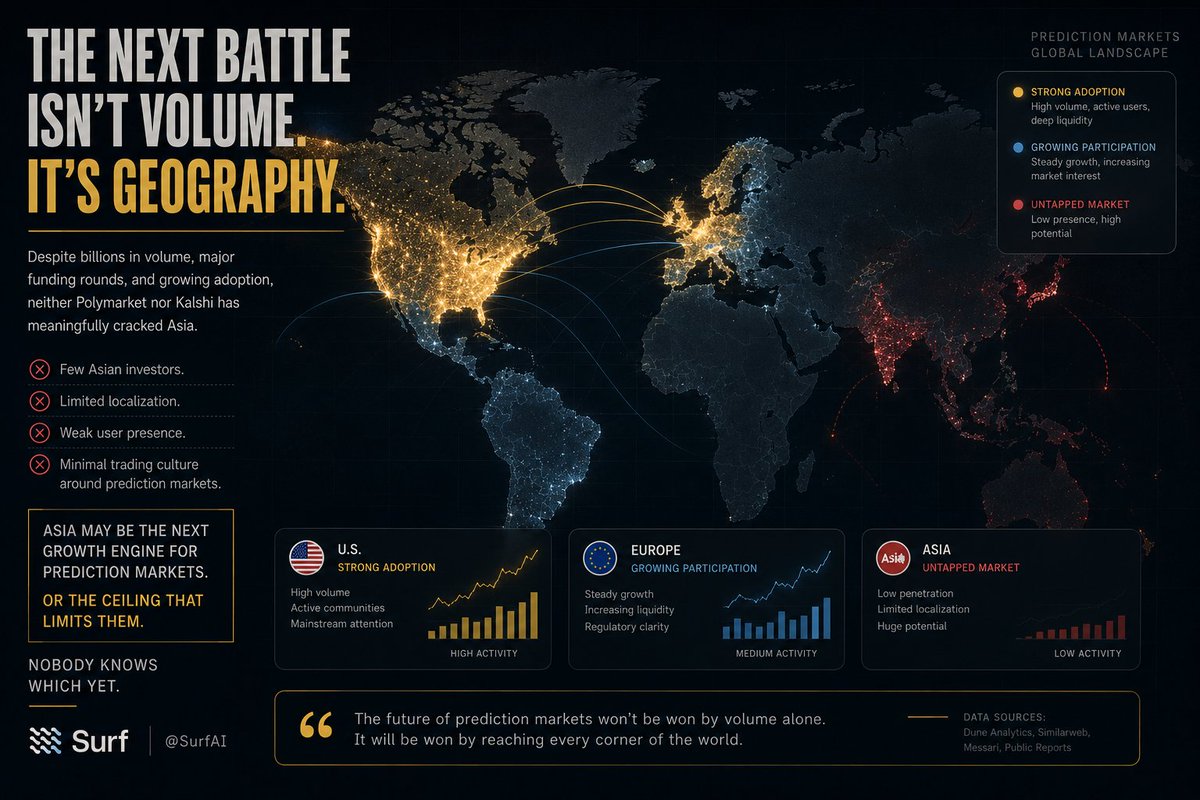
While exploring prediction market data on @SurfAI, I kept coming back to one question :
What happens if the next phase of growth isn't driven by volume...
but by geography ?
Polymarket and Kalshi have attracted billions in volume, major investors, and increasing mainstream attention.
Yet Asia still feels largely untapped.
Limited localization.
Few active communities.
Minimal prediction market culture compared to Western markets.
That creates an interesting possibility.
Asia could become the next major growth engine for prediction markets.
Or it could remain the missing piece that prevents them from reaching true global adoption.
Right now, it's still an open question.
And that's what makes it interesting.
1
5
93
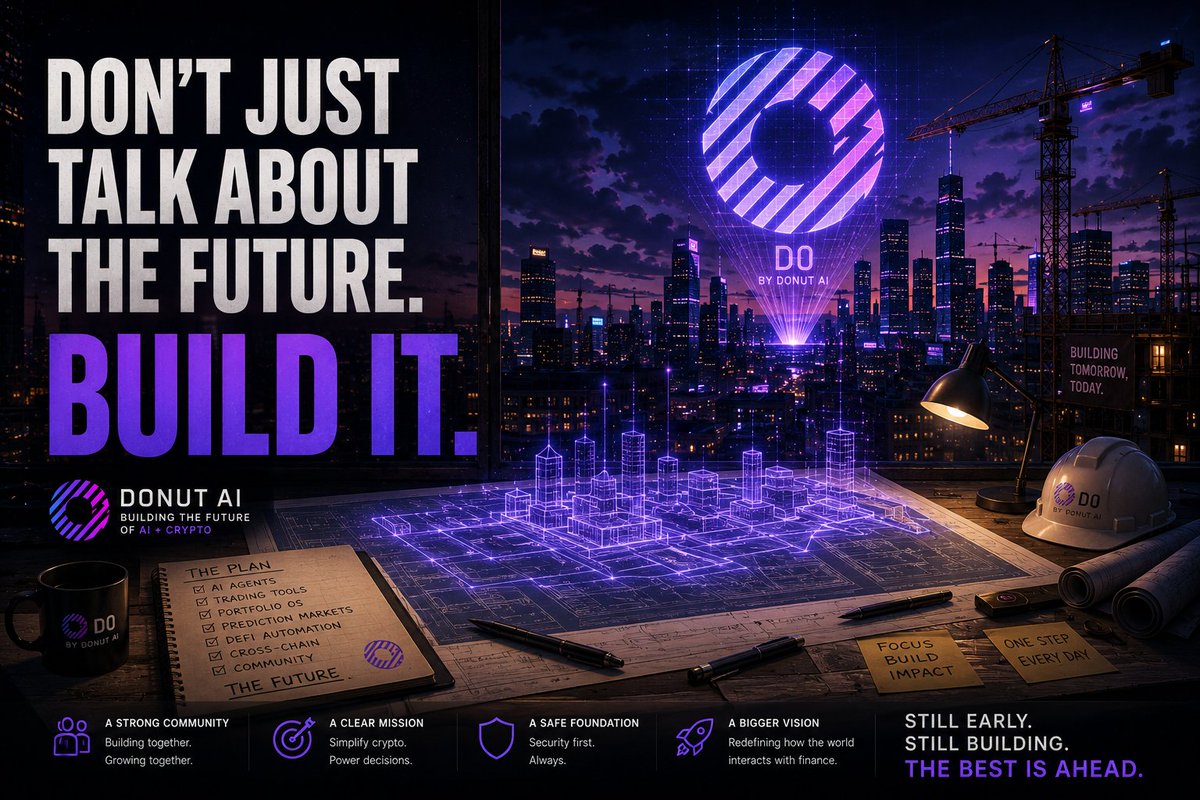
A lot of people talk about where AI and crypto are heading.
Fewer are actually building toward that future.
It's been interesting watching Donut evolve from an idea into a growing ecosystem of AI-powered tools, workflows, and products.
Still early.
Still plenty to build.
But the direction is becoming clearer with every update.
Excited to see what's next.
🍩@DonutAI
1
6
64
A lot of DeFi innovation has focused on creating new assets.
What's more interesting is making existing assets work harder.
That's the direction @ConcreteXYZ appears to be heading.
Less complexity.
Less idle capital.
More productive infrastructure.
Sometimes the biggest opportunities come from improving the foundation rather than building something entirely new.
🪨
9
72
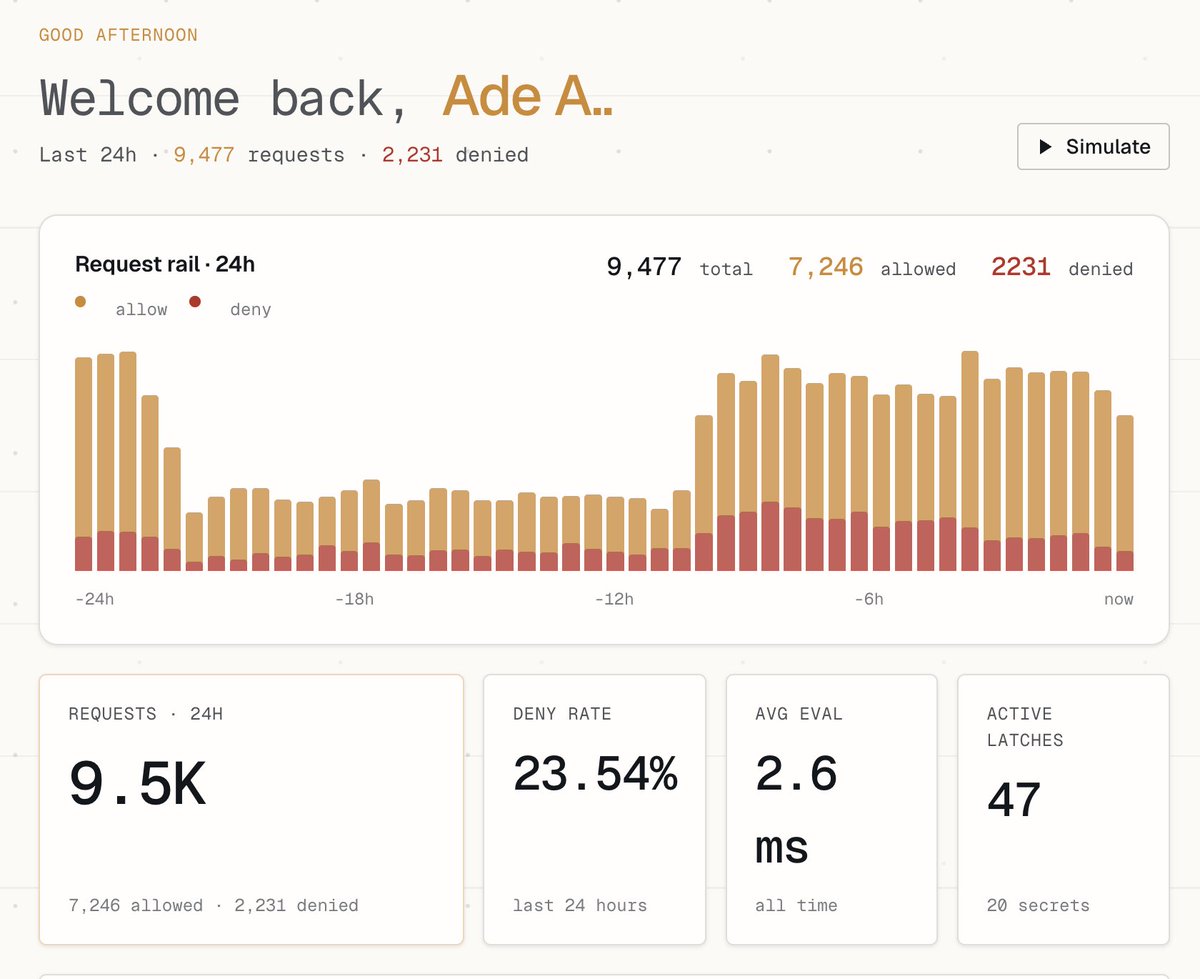
Been testing the Latch policy engine.
Smooth experience so far.
Support for Cedar policies and agent spend limits is a meaningful step forward.
Agent infrastructure isn't just about execution.
It's about defining :
→ what an agent can access
→ what it can spend
→ when those permissions expire
Governance for agents is becoming a category of its own.
🚀
gRialo @RialoHQ
Jun 12

Testing out onlatch.com policy engine
Going flawlessly 🚀
Latch now supports Cedar policies and spend limits on agent.
6
18
168

Jun 13
gRitual fam 🕯️🌒
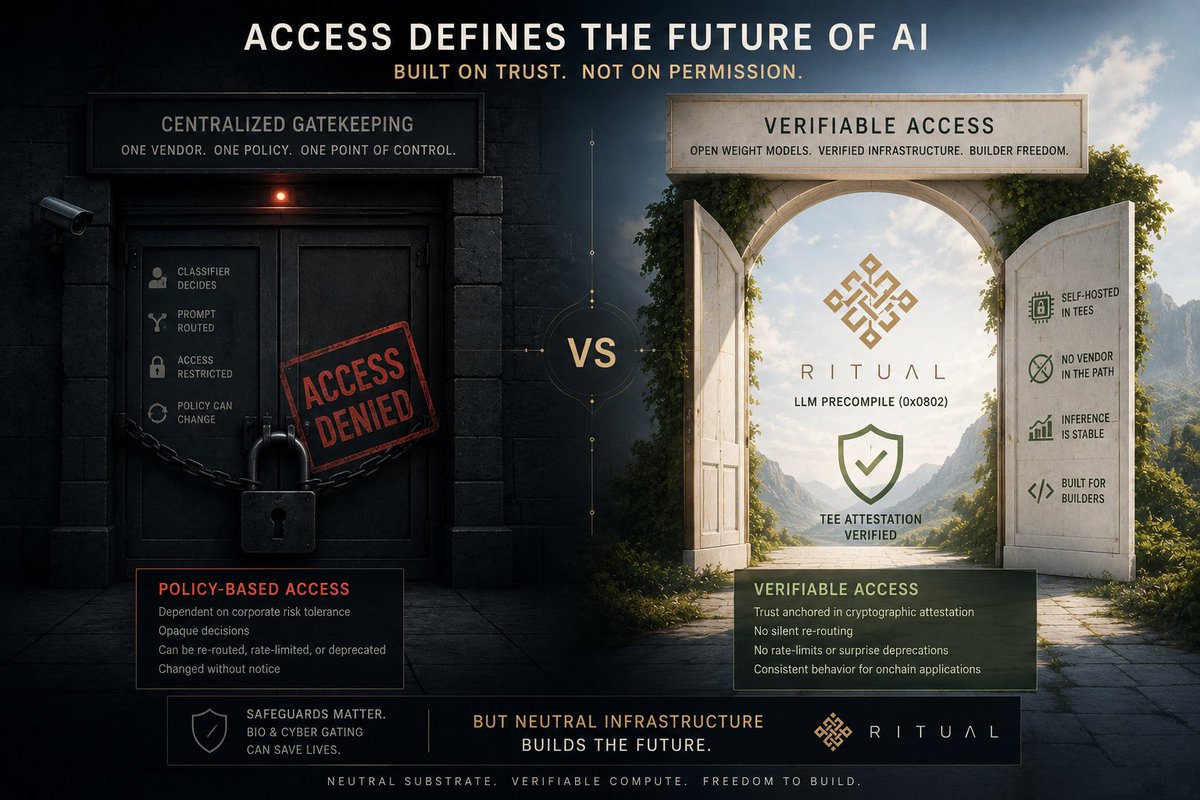
One of the biggest questions in AI today isn't capability.
It's access.
When a frontier model can be re routed, restricted, or modified by a single company, builders inherit a new dependency:
Corporate risk tolerance.
A model may be powerful.
But if access depends on classifiers, policy updates, or centralized controls, the rules can change overnight.
That's what makes @ritualfnd 's approach interesting to me.
Instead of placing a vendor between applications and inference, @ritualnet enables open weight models to run inside TEEs through its LLM precompile.
The trust assumption shifts from corporate policy to verifiable infrastructure.
This isn't an argument against safeguards.
It's an argument for neutrality.
Because the future of AI shouldn't depend entirely on which requests a single company decides are acceptable.
Powerful intelligence matters.
Reliable access matters too.
Jun 12

Fable 5 shipped this week as Anthropic's most capable public model. It also routes any prompt its classifiers tag as bio, chem, or cyber to a fallback model — and devs are already hitting it on basic engineering and inference questions.
We at Ritual feel conditional access to breakthrough capabilities is antithetical to the democratization of technological progress.
4
10
117
Jun 13
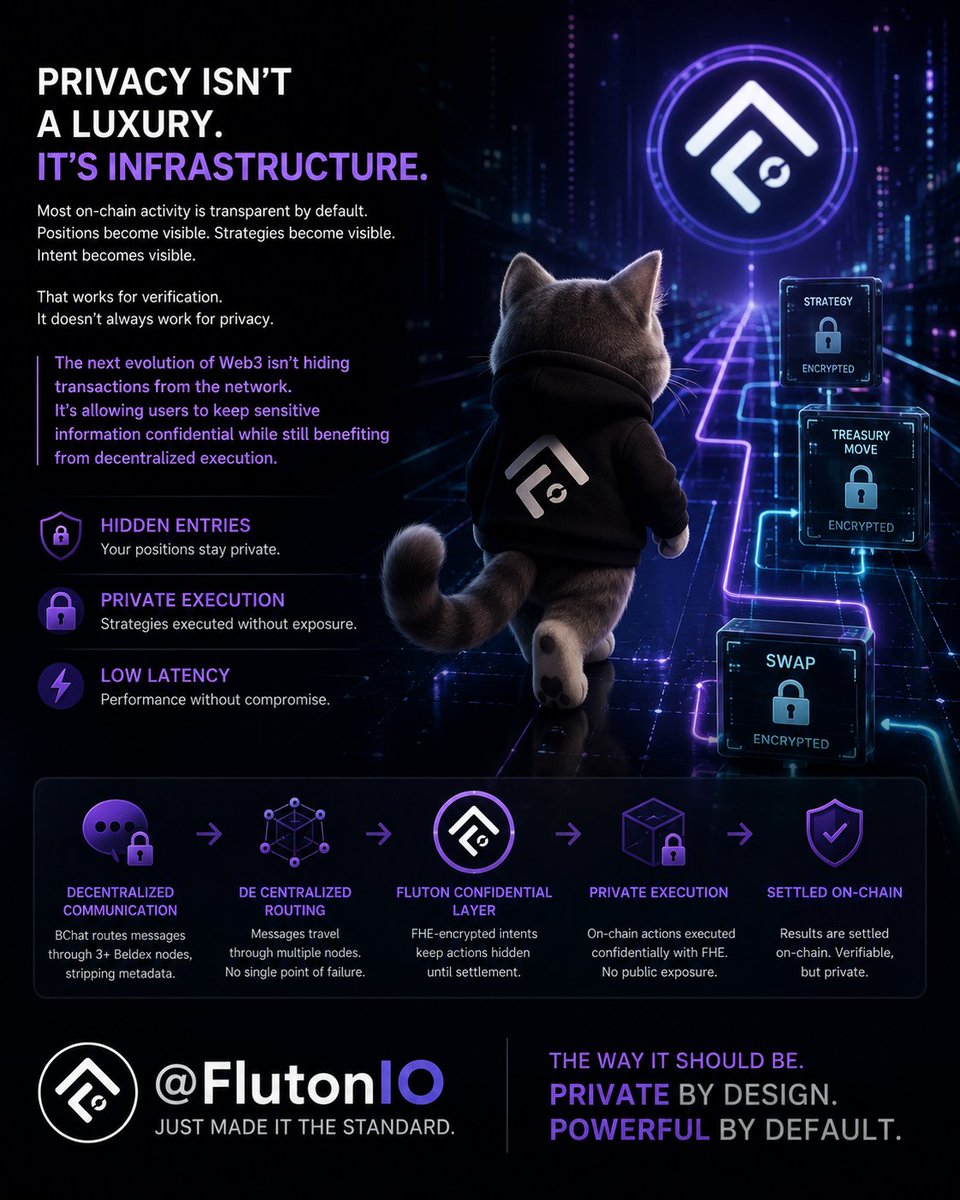
Most on chain activity is transparent by default.
Positions become visible.
Strategies become visible.
Intent becomes visible.
That works for verification.
It doesn't always work for privacy.
The next evolution of Web3 isn't hiding transactions from the network.
It's allowing users to keep sensitive information confidential while still benefiting from decentralized execution.
Hidden entries.
Private execution.
Low latency.
@FlutonIO is helping make confidential coordination a native part of blockchain infrastructure rather than an afterthought.
Privacy isn't the opposite of transparency.
It's about revealing only what needs to be revealed.
6
13
131
Jun 13
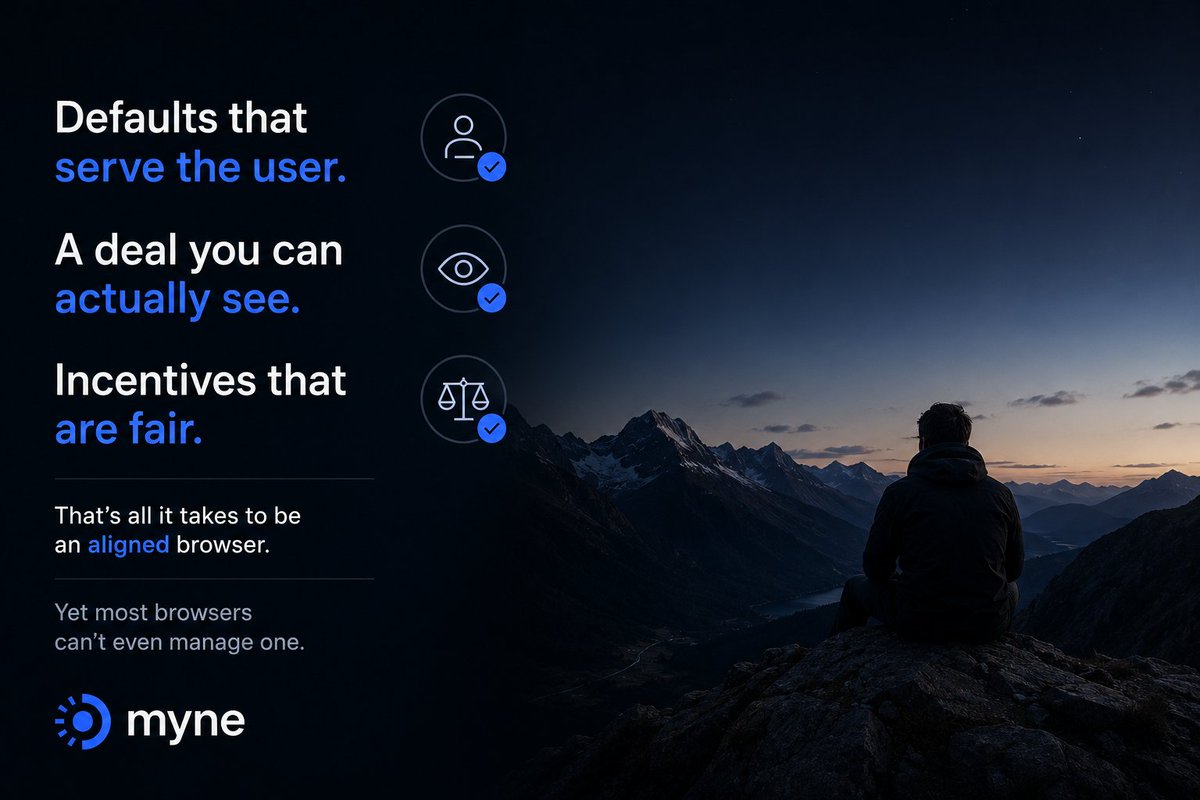
Defaults that serve the user.
A value exchange you can actually understand.
Incentives that don't depend on exploiting your data.
That's what an aligned browser should look like.
Not endless tracking.
Not hidden profiling.
Not collecting everything first and asking questions later.
Just software that works for you.
Funny thing is, most browsers still can't manage even one of those.
gmyne @mynebrowser
Jun 12

Defaults that serve the user.
A deal you can actually see.
Incentives that are fair.
That's all it takes to be an aligned browser.
Yet most browsers can't even manage one.

2
91
Jun 13
I used to think blockchain scaling was simple.
More TPS.
Faster blocks.
Lower latency.
Problem solved.
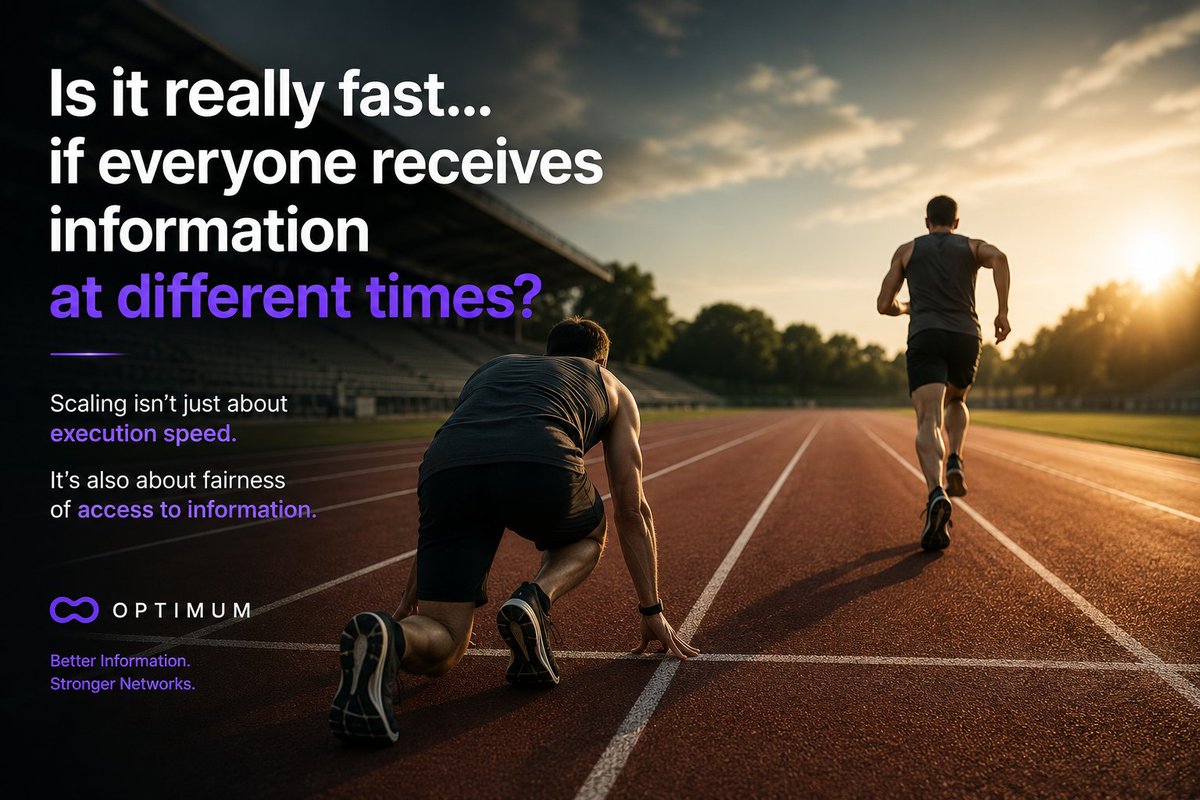
But the more I learn about infrastructure, the more I realize speed alone isn't enough.
A network can look incredibly fast on paper.
Yet if information reaches different validators at different times, not everyone is playing the same game.
That changed how I think about scaling.
Maybe the future isn't just about making networks faster.
Maybe it's about making access to information more equal.
That's one of the reasons @get_optimum continues to stand out to me.
Because communication matters just as much as computation.
2
11
75
Jun 12
When people talk about AI powered trading, the conversation usually starts with performance.
I think it should start with trust.
Because even the smartest AI agent is useless if users don't feel comfortable giving it access to their financial workflow.
That's what makes D0's approach interesting.
The goal isn't to take control away from users.
It's to help users automate tasks while keeping them in control of their assets.
As AI agents become more capable, security becomes more important than intelligence itself.
Anyone can build an agent that analyzes markets.
Building one that operates within clear boundaries, respects user defined permissions, and prioritizes safe execution is much harder.
Especially when dealing with :
• Perpetuals
• DeFi strategies
• Prediction markets
• Cross chain transactions
In the long run, adoption won't be determined by how much an agent can do.
It will be determined by how much users trust it to do.
And in finance, trust is earned through architecture, safeguards, and consistency.
Not marketing.
🍩@DonutAI
3
11
106
Jun 12
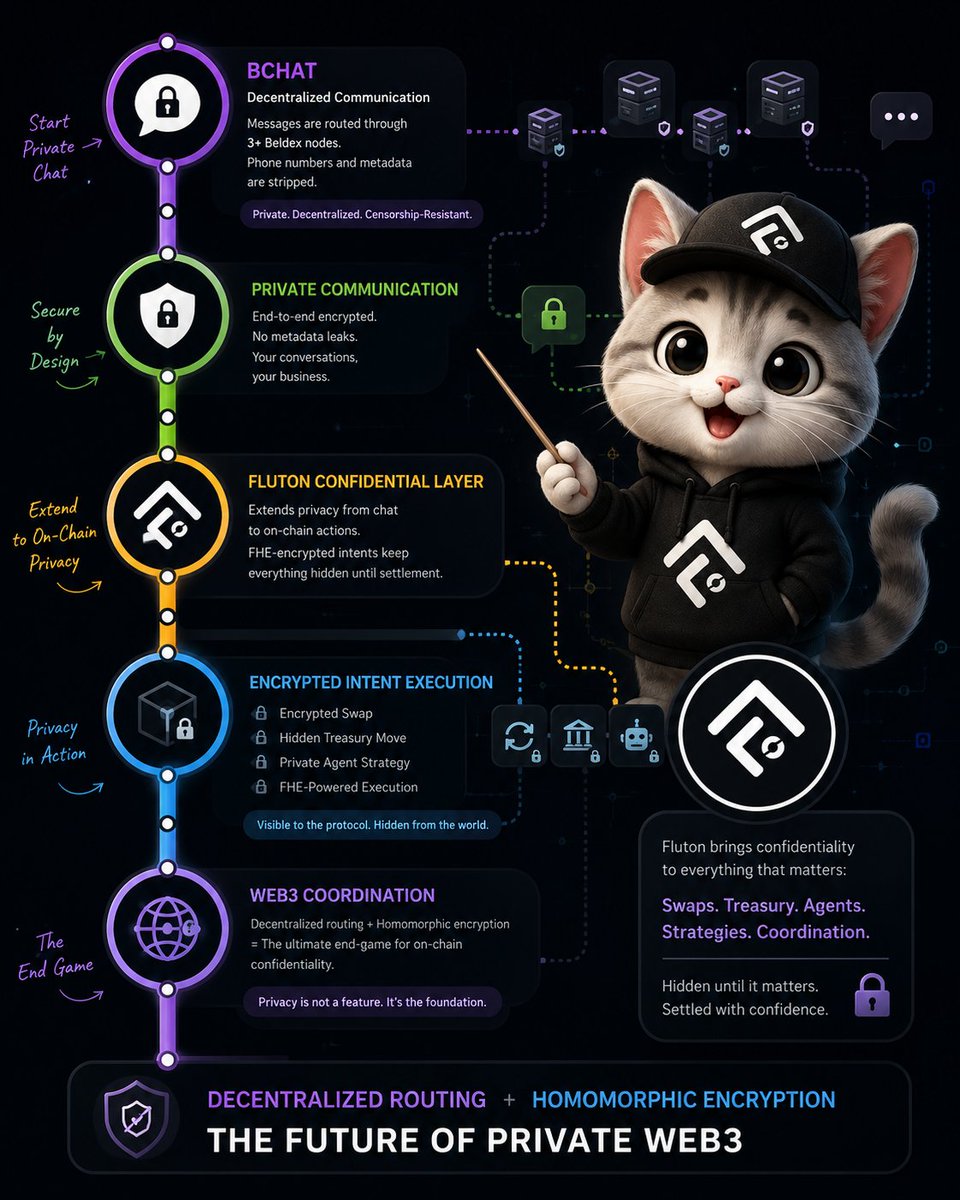
Privacy should never be an optional layer.
BChat proves that communication can work without exposing identities, phone numbers, or behavioral metadata. Messages move through a decentralized network, making surveillance and censorship far more difficult.
@FlutonIO brings that same philosophy to blockchain activity.
Instead of broadcasting every action to the world, FHE-powered execution allows transactions, treasury operations, and autonomous agent decisions to remain encrypted throughout the process.
The future of Web3 isn't just decentralized infrastructure.
It's infrastructure that protects what users are doing while they use it.
Decentralized networks secure the route.
Homomorphic encryption secures the intent.
Together, they create a foundation where privacy becomes the default rather than the exception.
4
10
115
Jun 12
Every community has its early believers.
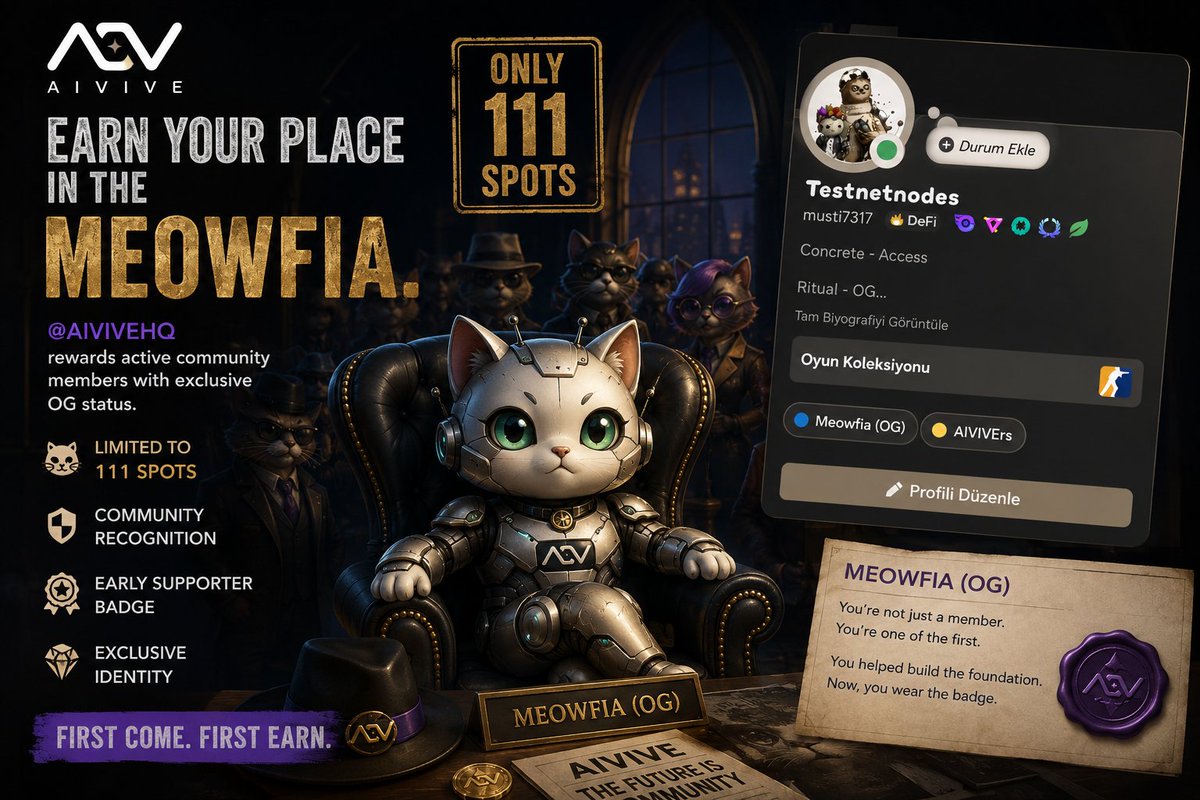
AIVIVE calls them the Meowfia. 🐾
@AIVIVEHQ is rewarding its most active community members with exclusive OG status.
• Only 111 spots available
• Community recognition
• Early supporter badge
• Unique identity within the ecosystem
Not bought.
Earned.
The earlier you contribute, the stronger your place in the Meowfia becomes.
4
66
Jun 12
gRitual @ritualfnd 🕯️🌒
For most of internet history, software has been a tool.
It executed instructions.
It followed rules.
It waited for humans to decide what happened next.
But what happens when software becomes an economic actor ?
What happens when an AI agent has :
• its own identity
• its own wallet
• its own capital
• its own ability to recover and continue operating
At that point, you're no longer talking about automation.
You're talking about autonomous entities.
That's one of the ideas that fascinates me about @ritualnet.
Agents that can own assets.
Deploy capital.
Interact with protocols.
Persist through failures.
Not temporary programs.
Persistent digital citizens.
The next chapter of the internet may not be defined by applications.
It may be defined by the entities that live inside them.

3
1
13
92