
Adesekonge-Ire Aremu. Filmmaker. Screen Writer. Helped by the Holy Spirit.
Joined August 2019
- Tweets 69,258
- Following 1,208
- Followers 6,155
- Likes 14,451
1,604 Photos and videos






Pinned Tweet

20 Apr 2025
poietes noun /ˈpɔɪ.ɪtiːz/ (plural: poietai)
Etymology: From Ancient Greek ποιητής (poiētḗs), meaning “maker, poet,” from ποιέω (poiéō), “to make, to create.”
Definition:
1. A poet; one who composes poetry.
2. (Philosophy, esp. in the context of poiesis) A creator or maker, especially in a metaphysical or artistic sense.
1
16
11,245
poietes. Screenwriter. 🐆🦅 M.A retweeted

Jun 10
I really pray you find a good church; a faithful shepherd who will labor over you, and a loving Christian family you can be accountable to,
So you won’t have to depend on x for doctrine or be swayed by plenty opinions here.
I really hope you do.
9
140
752
10,973
poietes. Screenwriter. 🐆🦅 M.A retweeted

Jun 10
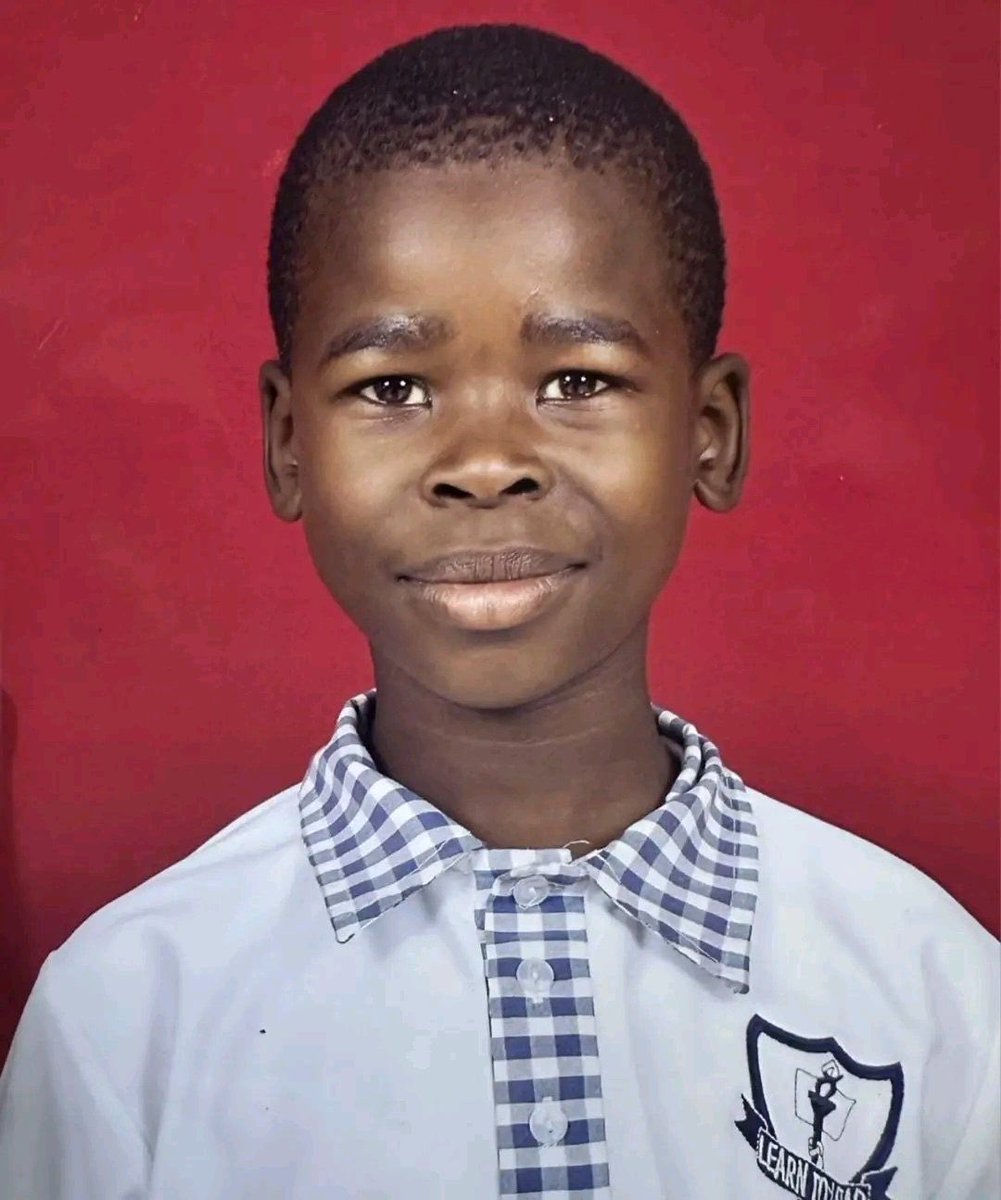
Still missing, please repost until he is found.💔😔

7
12,649
11,846
315,940
poietes. Screenwriter. 🐆🦅 M.A retweeted

Jun 7
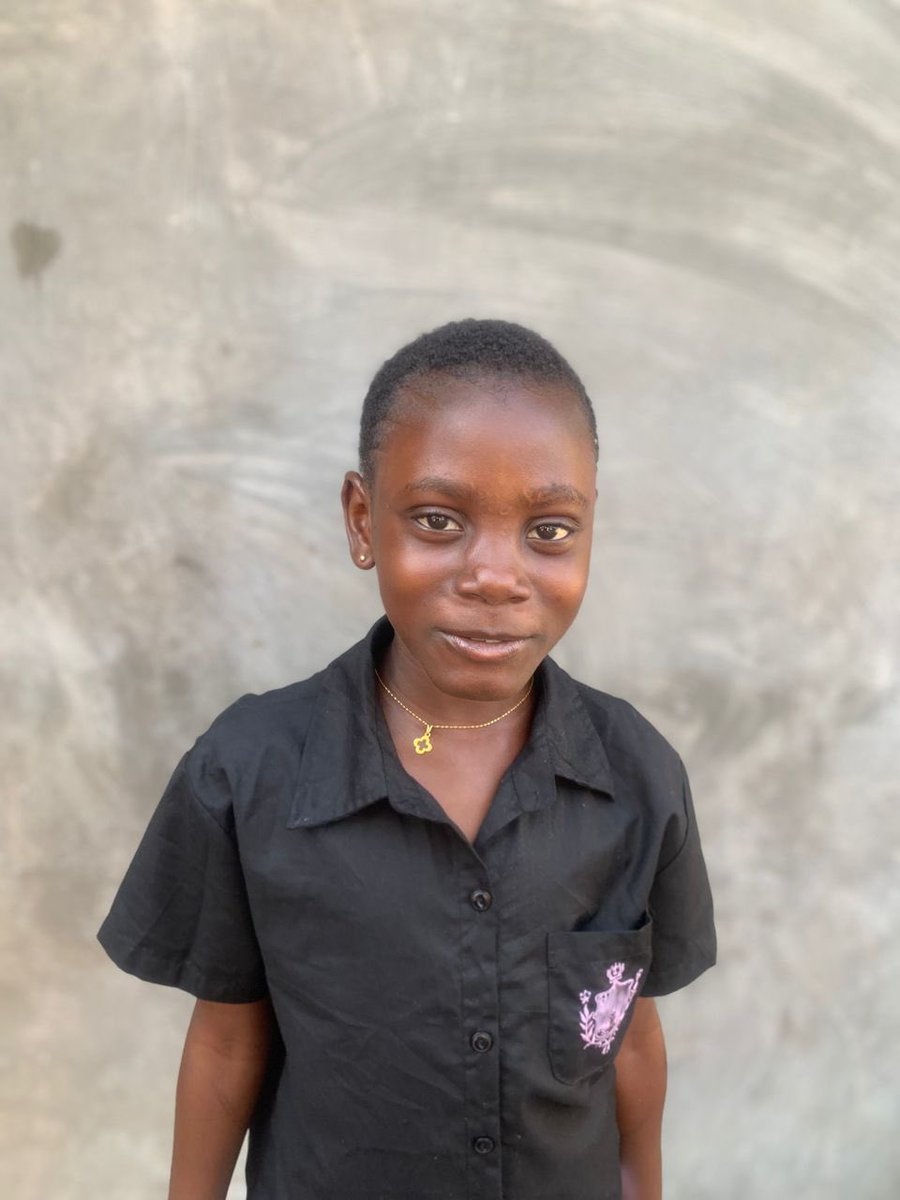
You will be saving a little princess just by Retweeting please 🙏🏽🙏🏽🥹
Jun 6

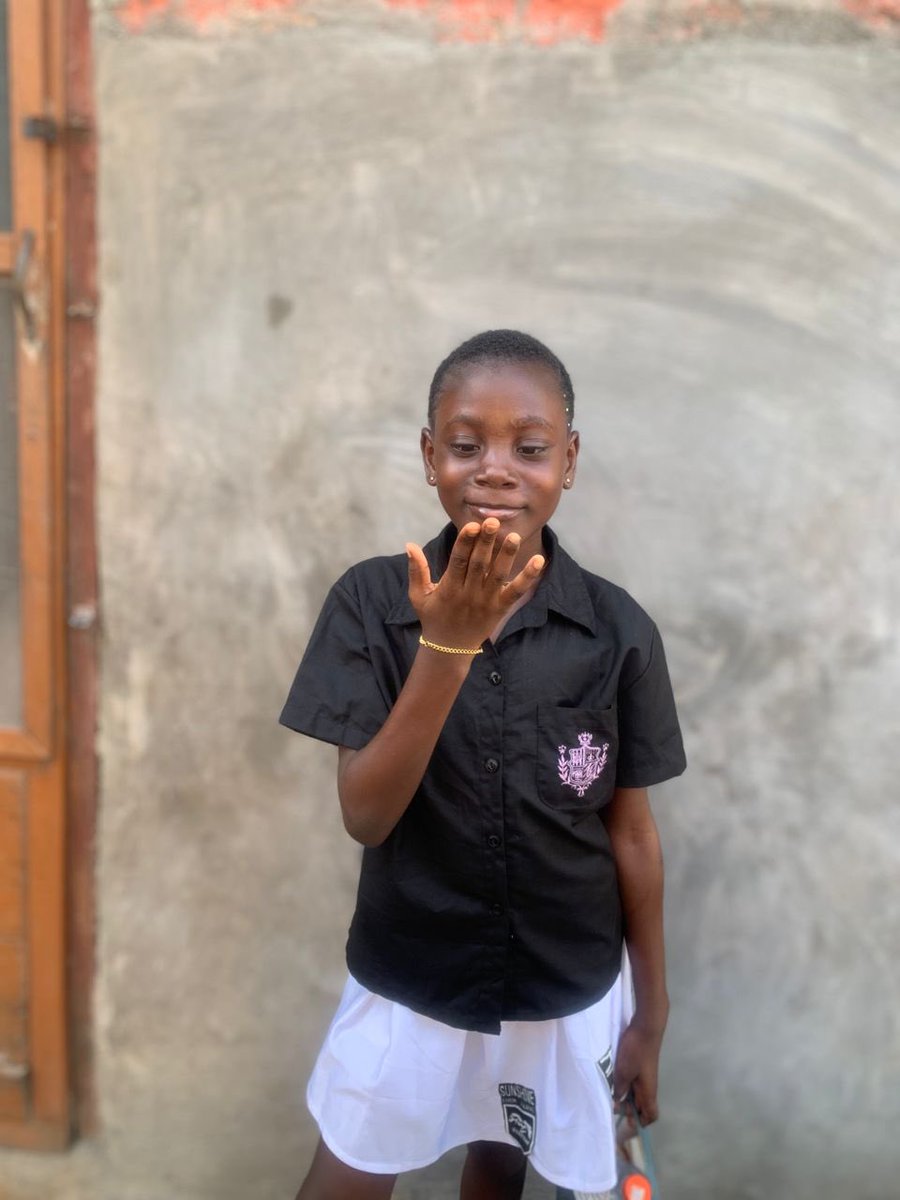
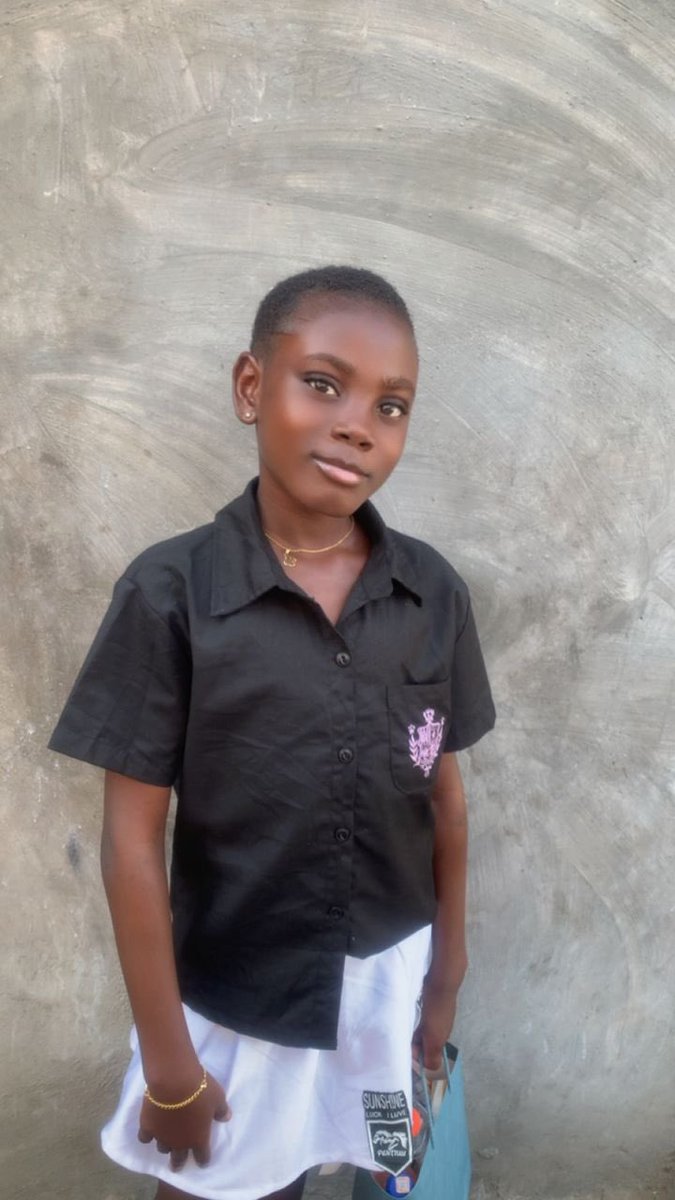
SHE IS MISSING 💔
Her name is Queenstar Oparebea.. also known as Naa and she stays at labadi,10yrs old girl
She’s nowhere to be found for the past 5days.
I beg y’all to help RETWEET this wide 🥹🙏🙏🙏
Contact this number incase you see her : 233 50 350 4335
2
5,210
2,828
128,650

poietes. Screenwriter. 🐆🦅 M.A retweeted

Jun 7
Christianity is "impossible"
That is why it is God through the Spirit of Christ living out His desires and works through Humans.

Christianity is hard
That is why we have few Christians
4
109
510
11,460
poietes. Screenwriter. 🐆🦅 M.A retweeted

Jun 7
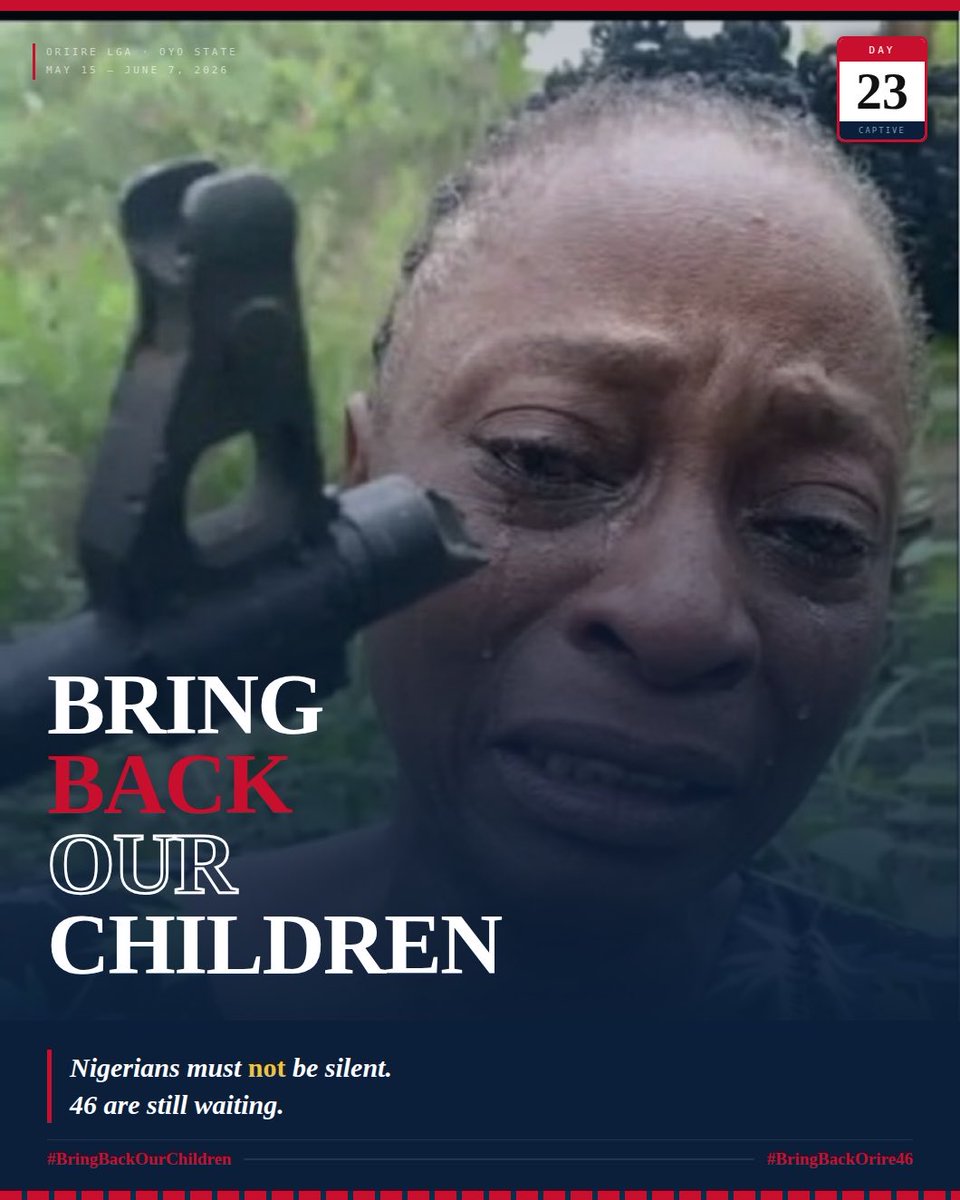
Day 23.
Yall are starting to slowly forget 💔
72
13,271
17,407
249,983
poietes. Screenwriter. 🐆🦅 M.A retweeted

Jun 8
Good morning, I don’t know what is funny about begging terrorist for money. What kind of moral decadence is that??
56
1,991
5,061
74,167
poietes. Screenwriter. 🐆🦅 M.A retweeted

Lastly, if you are Christian, you should be pro-life.
It’s not an easy stance to hold on to, but the contrary argument does not align with scriptures at all.
Grace to us all, amen.
4
51
249
7,519
poietes. Screenwriter. 🐆🦅 M.A retweeted

Jun 7
They want to hold that position but still want to tell ancient Romans and Greeks that throwing away girls and weak babies is wrong. Forgetting that just like them ancient civilizations saw girls and weak babies as inconvenient to raise.
1
2
11
815
poietes. Screenwriter. 🐆🦅 M.A retweeted

It is important that if you are ambiguous about what it means to preserve life as a Christian, that you process that ambiguity in silence and prayer.
It’s unhelpful to process this disbelief in public with gallant statements incoherent with the faith you profess.
This conversation requires deep introspection; an intellectual and spiritual humility
27
64
1,911
poietes. Screenwriter. 🐆🦅 M.A retweeted

Imagine our disabled brothers and sisters reading your tweets, are you insinuating that their parents made a mistake birthing them?
Because if you follow your logic truthfully, this is where it eventually leads to.
Guys, we need to be careful.
17
65
173
50,267
poietes. Screenwriter. 🐆🦅 M.A retweeted

“Before I formed you, I knew you”— God
This is also very true for a congenitally deformed baby.
What is wrong with us?!
Or when you quote texts like this, it should only apply to healthy babies?
Goodness me!
4
54
157
2,446
poietes. Screenwriter. 🐆🦅 M.A retweeted

Jun 6
That anger you refuse to control will destroy you. That tongue you refuse to tame will ruin you.
59
213
4,487
A person’s ability to hold conversations without resorting to insults is a strong indicator of their level of intelligence.
The moment you start to insult and call people names, I just assume that you are grossly unintelligent.
This never proves wrong.
2
1
63
RT @__ajala: You must think yourself a god to opine that you're the one who gives life and as such, are free to take it at will. This is no…
43
It means something to be a Christian.
Advocating for the killing of unborn babies because they may have a disorder is ungodly, demonic and a clear rebellion against God.
There is simply no middle ground here. Life is precious to God, and so also must it be to His people.
19
91
352
16,634
poietes. Screenwriter. 🐆🦅 M.A retweeted

Jun 6
Christianity is the only major world religion structurally built on reasoning. Isaiah 1:18 isn’t an ornament, it says “Come, let us reason together” this is the actual operating system.
God for instance does not drop the resurrection out of nowhere and demand blind surrender. He spends centuries building a case.
He starts with Sarah’s dead womb, pulling life from what biology wrote off. He establishes a pattern so that when He later asks Abraham to sacrifice that same son, Abraham isn’t taking a leap in the dark. Hebrews 11:19 says Abraham reasoned that God could raise the dead. He applied logic to a pattern he had already witnessed. A pattern that also simultaneously prepared Israel for a virgin birth. If God can resuscitate a barren and biologically dead womb, he can make a virgin conceive.
Look at the Book of Hebrews. No other religious text matches its structural intent. It wasn’t written to merely assert authority; it was written to argue. It addresses deep doubt, deconstructs a competing framework from within its own texts, and walks wavering believers through a sophisticated intellectual crisis. Other religions rely on later theologians to patch up their texts. Hebrews does it internally. That is a different category of scripture.
Now turn the lens.
Look at Islam’s foundational structure: one man, one cave, one angel, 23 years, and zero witnesses. If Christianity rested on a single person claiming they saw the resurrected Christ, it would rightly be dismissed for a lack of evidence. Yet Islam’s entire revelation hangs on a private, solitary encounter no other human could corroborate. The Quran arrived through a chain of one.
Even its view of angels lacks checks and balances. Daniel 10 shows an angelic messenger being resisted by spiritual forces for 21 days, needing Michael’s help to break through. In the biblical framework, angels operate within a contested cosmic order; they aren’t automated, infallible pipelines. Islam makes Gabriel the sole transmitter of truth for two decades based on a single, unverified human experience.
The five daily prayers, the very core of Islamic practice, never appear in the Quran. You must rely on later Hadith collections to even find them. A system that claims to correct the Bible, yet depends on outside oral traditions to fill its own structural gaps, hasn’t answered anything.
Islam doesn’t resolve doubt with argument. It resolves it with institutional pressure; a closed system that criminalizes exit and suppresses questioning, presenting forced conformity as divine conviction. That is not clearing doubt; that is just outlawing it.
Christianity looks at the skeptic and says: Come, look at the empty tomb, examine the evidence, reason with Me. Islam’s response to the crucifixion is simply: “it was made to appear so”.
Think about what that requires. It means God staged a cosmic illusion on a hill in Jerusalem, actively deceiving the followers of Jesus, only to later punish humanity for believing the very trick He played. One faith is secure enough to invite its own interrogation. The other has to resort to a divine magic trick just to keep its narrative from collapsing under the weight of historical fact. 😂

Muslims can get doubts, Christians can also get doubts!
The difference ?
Islam sufficiently answers, while Christianity is not able to clear its adherents doubts.
This is why Christianity is a failing system with a net-loss of 6 million per year.
77
413
1,535
68,911
poietes. Screenwriter. 🐆🦅 M.A retweeted

Jun 6
After some initial years of "freedom", you realise that there's an emptiness that only God can fill.
Jun 6

That age where they can’t force you to church anymore>>>>>>
706
13,013
57,240
1,808,023
poietes. Screenwriter. 🐆🦅 M.A retweeted

Jun 4
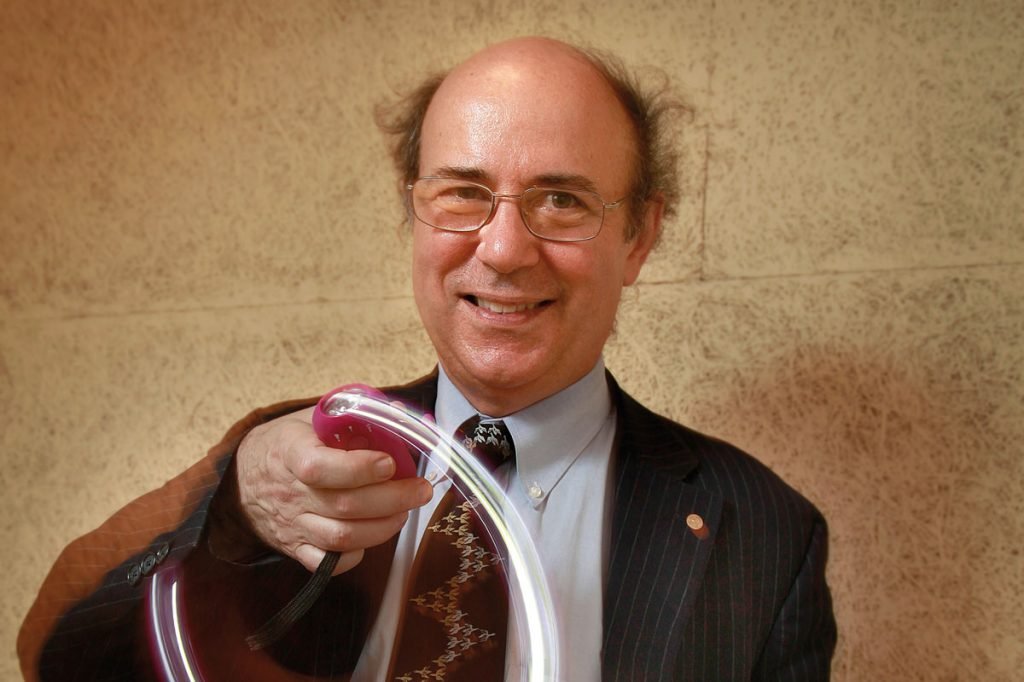
In the beginning was the.... Word, you say?
May 10

Nobel Prize physicist Frank Wilczek says matter, energy, and even reality itself may ultimately emerge from information.
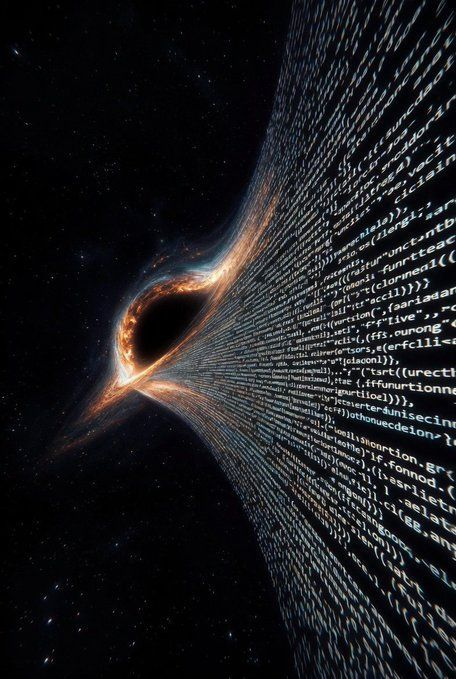
237
6,888
63,143
1,583,336
poietes. Screenwriter. 🐆🦅 M.A retweeted

Amaka went to get pads. She wanted to get 3. Then she checked her purse, looked at the price tag, and did the math. She could only afford 1. Last month, she could afford 3 packs. Today, only a single pack.
140
1,974
9,518
341,948