
I tweet
Joined February 2011
- Tweets 78,843
- Following 5,135
- Followers 2,283
- Likes 50,180
2,410 Photos and videos






Pinned Tweet

8 Oct 2020
Dependency murders creativity. Creativity plays with the unknown. No strategies exist that can enclose the endless realm of the new. Only trust in yourself can carry you past your fears and the already known.
- Polly Anna, 1983
1
7
8
💊🧠 retweeted

HUGE NEWS!
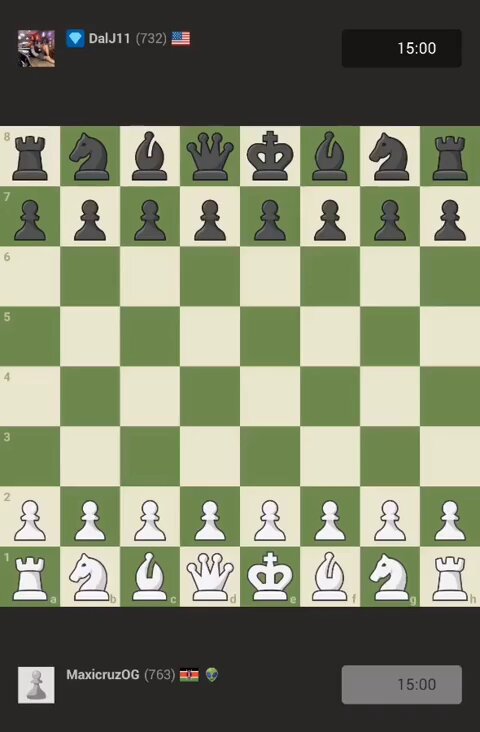
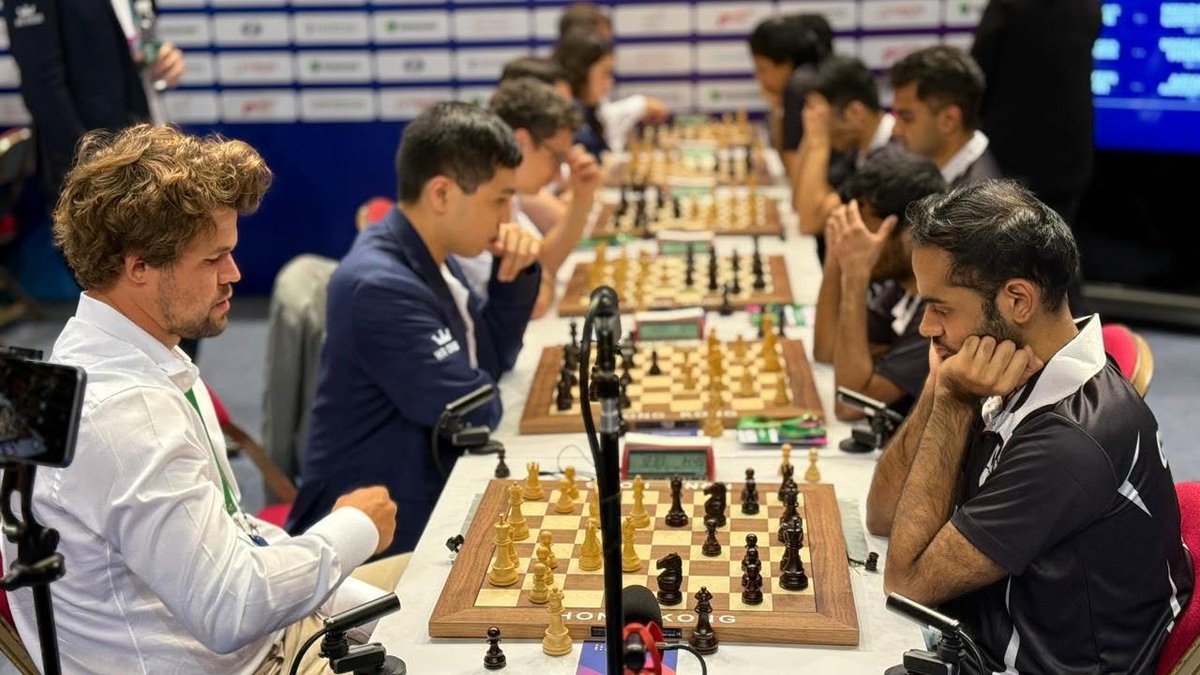
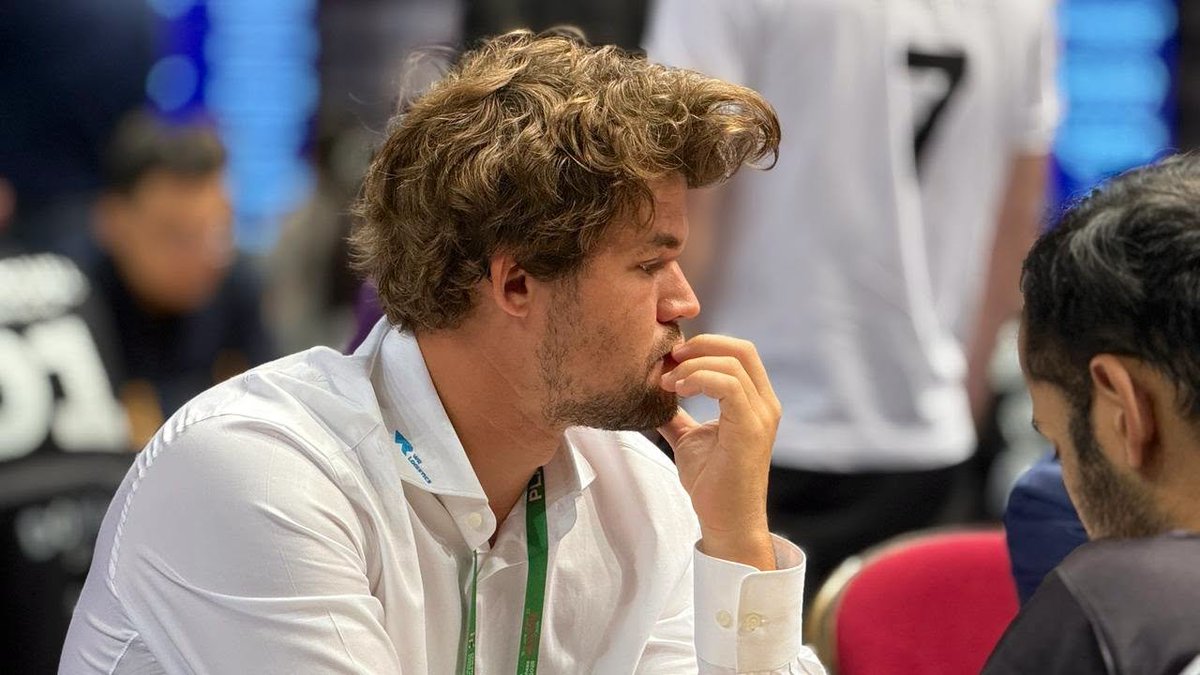
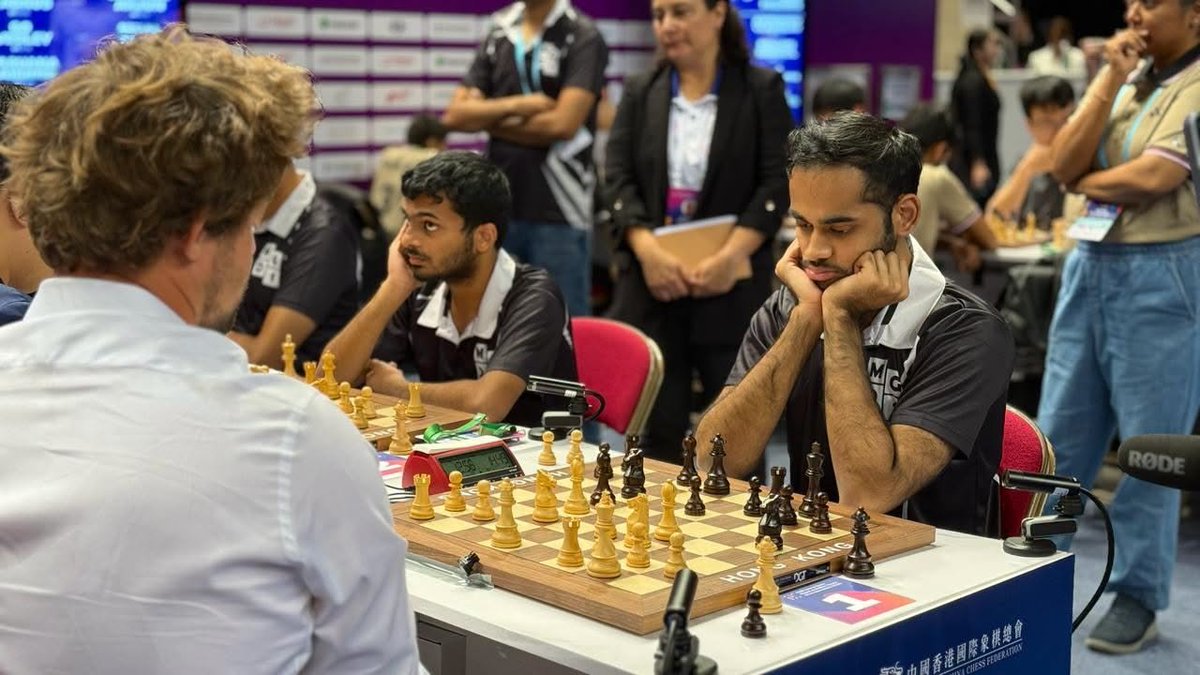
India no.1 Arjun Erigaisi stuns World no.1 Magnus Carslen at the FIDE World Rapid Team Championships 2026. This win helped Team MGD1 beat team WR Chess 3.5-2.5.
Arjun played an amazing game of chess and was at his tactical best. Magnus missed one move and Arjun got the advantage. But very soon Magnus fought back. In an equal position under time pressure Magnus blundered and Arjun sacrificed his queen and brought home the full point.
On the other boards Nihal Sarin held Wesley So to a draw. Abhimanyu Puranik lost to Fabiano Caruana. Leon Mendonca drew his game against MVL and Harika split the point against Goryachkina. On the recreation board (below 2000 Elo) it was Aryan Shah who beat Wadim Rosenstein to seal the victory for MGD1. Aryan is currently on 6.0/6!
MGD1 are the defending champions of this event and are currently in joint 2nd position behind Dragon Chilling team from China. Round 7 will see the Indian and Chinese team clash! Let's see who comes out on top!
Photos: Abhyudaya Ram/ChessBase India
#chess #chessbaseindia #magnuscarlsen

4
31
354
15,096



Somali women turning into whores is probably the most successful story of feminism in the 21st century.
Jun 17

Lower muthaiga chairlady. Ananijengea siku pale clock app. Top fan
59
301
2,226
127,168

Don't forget that in July 2012, Kristen Stewart cheated on her boyfriend Robert Pattinson.
She was having an affair with Rupert Sanders, the married director of her movie.
She even issued a public apology and said she loved and respected Robert Pattinson the most.
Nobody should take what she says seriously.
The first step of being an empowered feminist woman is to cheat on your boyfriend and husband.

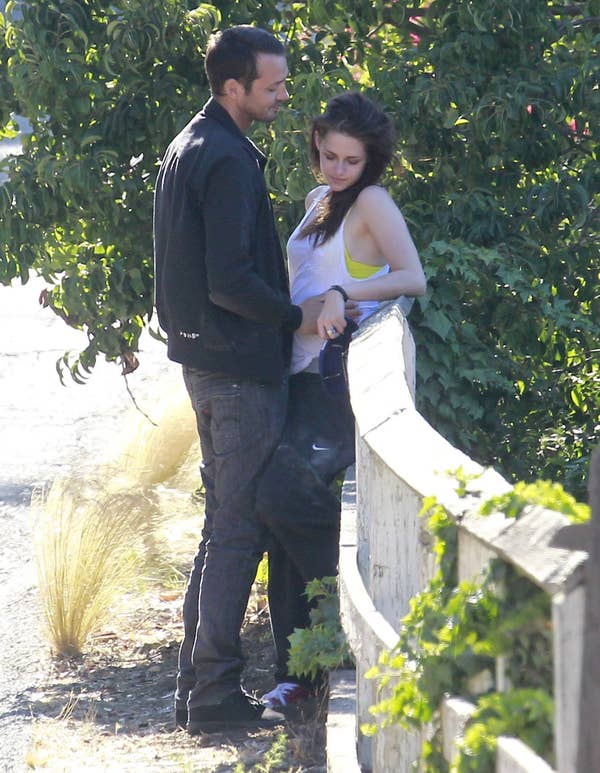

Kristen Stewart says acting is by nature “quite embarrassing and unmasculine,” and that going Method is a way for some male actors to temper the “inherently vulnerable” side of being a performer:
“Have you ever heard of a female actor that was method?”
421
1,617
28,420
10,443,885
💊🧠 retweeted

What a finish in the game between Magnus Carlsen 🇳🇴 and Arjun Erigaisi 🇮🇳! 🔥
Magnus blundered twice in a row, and Arjun struck immediately! ⚡️
#FIDERapidBlitzTeams #HongKong
1
32
447
31,089
💊🧠 retweeted

Jun 17
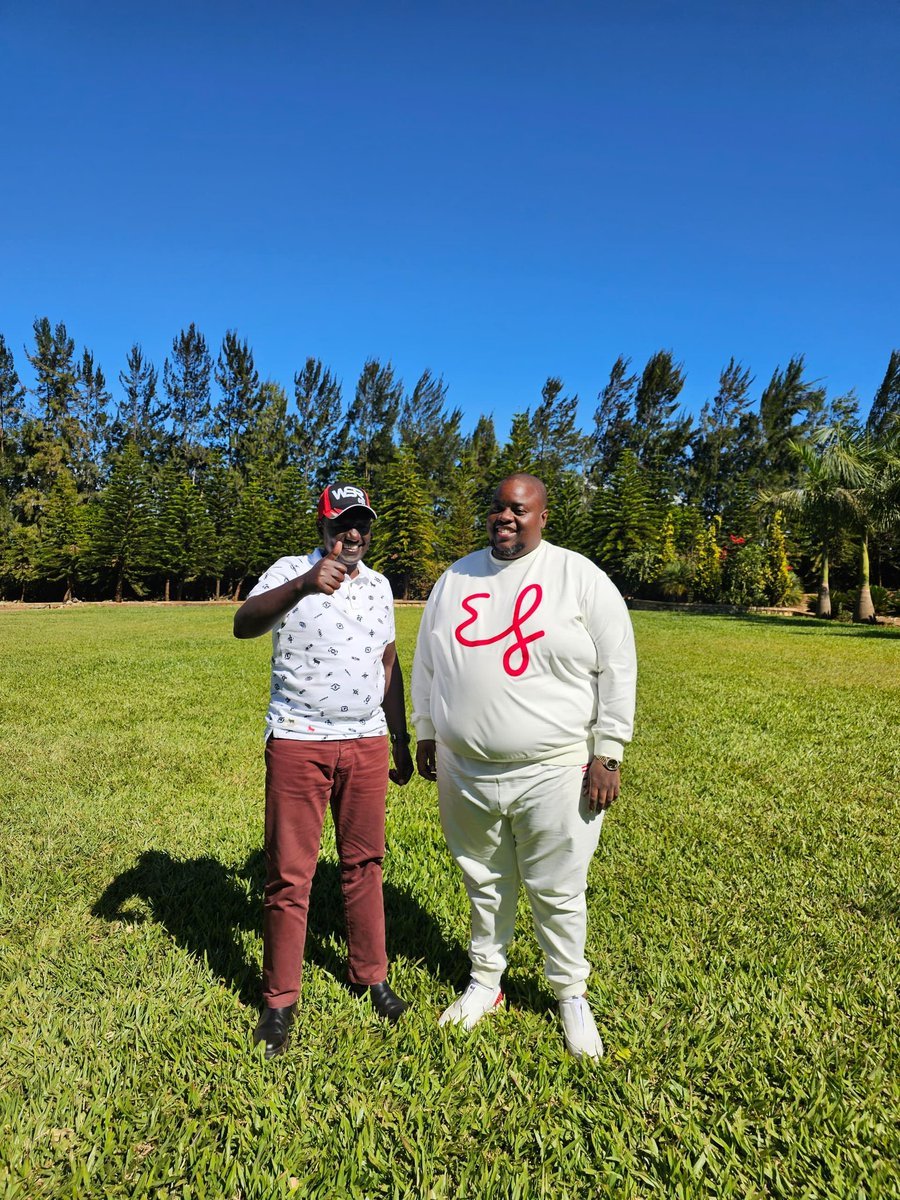
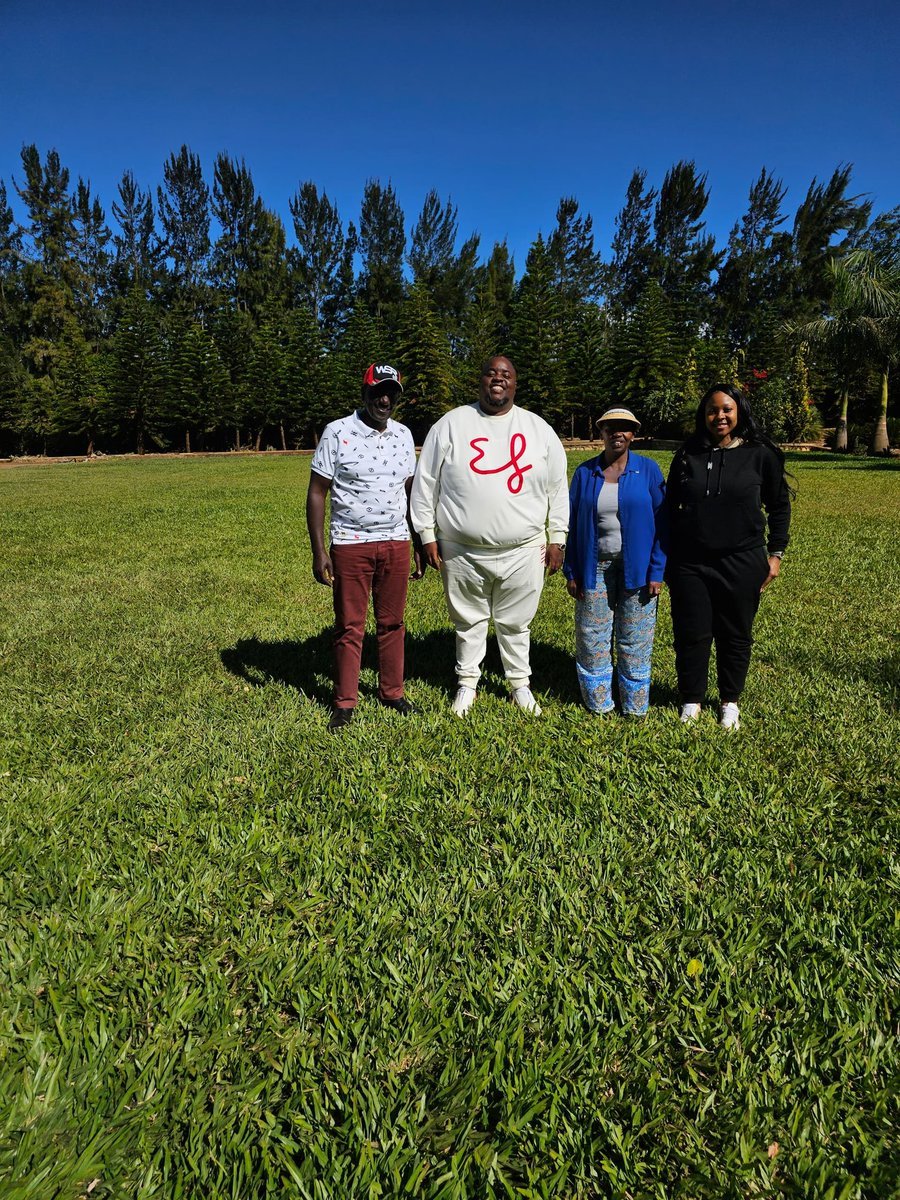
The reason why Wicknell Chivayo posts all these pics every time he meets President Ruto is some form of insurance just in case something happens to him.
Jun 17

I documented all meetings between President Ruto and Wicknell Chivayo since he started posting publicly on Twitter. This was 5th January 2025 (I think this is Eldoret or Sugoi).


8
163
325
11,150
💊🧠 retweeted

President William Ruto finally admits that the flurry of attention from Donald Trump and the ebola issue was all about minerals after all.
Ruto should go as soon as yesterday.
#RutoMustGo
111
1,122
2,164
91,885

After this expose i have never looked at those trolley the same way. Napenda tumbo yangu joh.
Jun 16

Kama kuna a kenyan snack nimeshindwa kuelewa ni zile waru huwa kwa smokie vendors 🤣😭
As an adult, mbona unasimama kukula waru baridi iko na kachumbari
Let's be serious as a nation 😭
52
512
2,234
187,561
💊🧠 retweeted

Elgon Group Payment Scandal: Luo Piny Festival Suppliers Expose CEO Mercy Wamoto in Ksh 105 Million Fallout — nyakundireport.com/a/12135/e…
12
15
58
7,245
💊🧠 retweeted

Jun 16
For Activists:
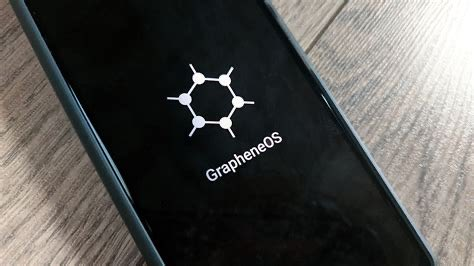
I've been looking into GrapheneOS myself and one of the features is very illuminating. It allows you to set up a 'Duress PIN' which will immediately and irreversibly wipe your device as soon as it is entered anywhere your credentials are requested.

65
287
5,250
292,480
💊🧠 retweeted

14h
Here is the ranking of the most expensive ways to send money to Kenya (average cost per transaction):
— Hundi: Sh1,500
— WorldRemit: Sh1,401
— Banks: Sh827
— Hawala: Sh526
— Western Union: Sh504
— Prepaid international cards: Sh390
— MoneyGram: Sh272
— Wave: Sh177
— PayPal: Sh172
— Forex bureaus: Sh158
— Dahabshil: Sh151
— Mobile money operators: Sh120
— Ria: Sh107
— Through someone living in Kenya: Sh24
— Carried personally by sender: Sh14
— Sent through other travellers: Sh1.40
— Personally carried by recipient: Sh0.50
— Digital/crypto currency: Sh0
41
238
1,295
79,735
💊🧠 retweeted

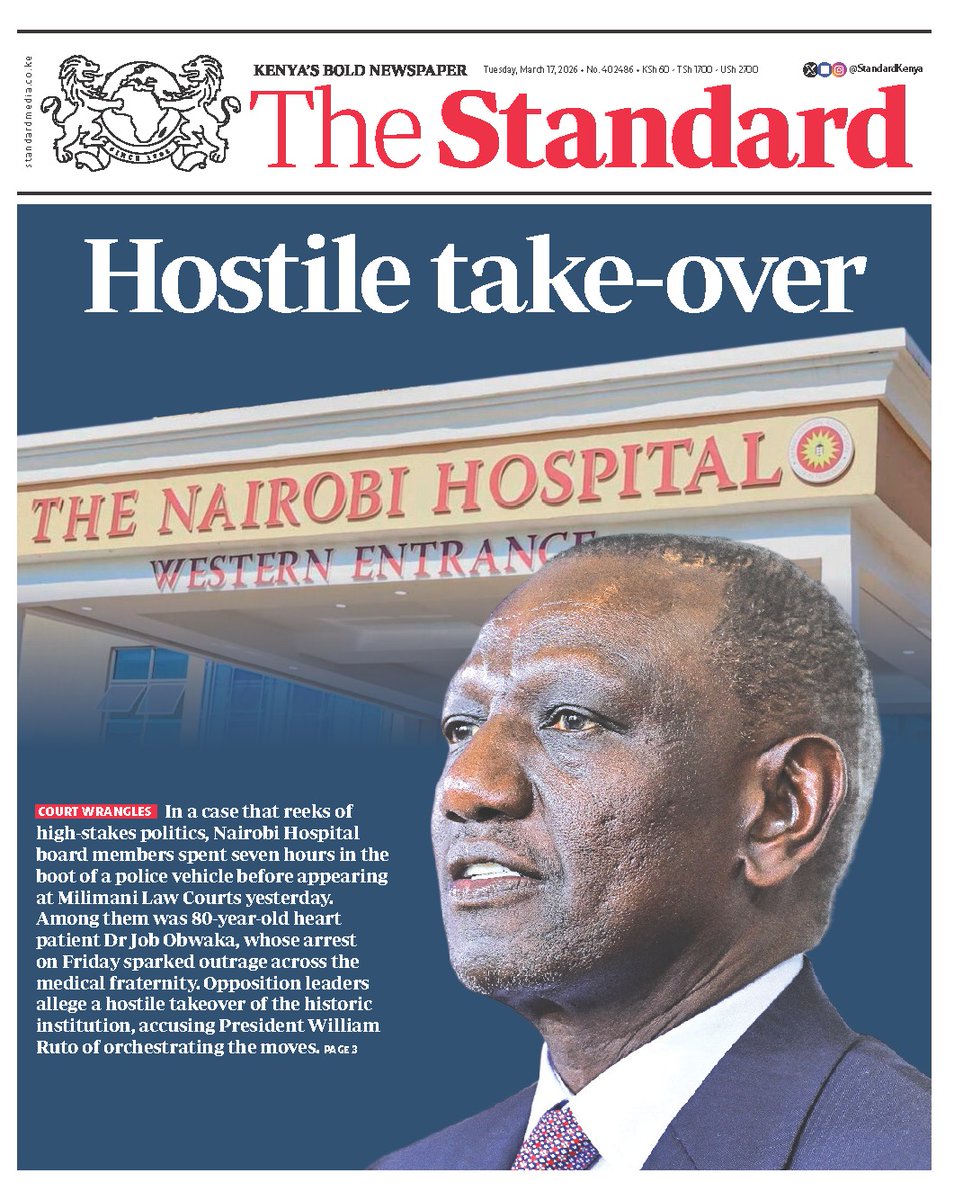
Wait, what?
They want Nairobi Hospital to be put under the administration of the Eston Apartments , Kwae Island Development Ltd. and Weston and Dolphine Hotel Group of companies?
Jun 17

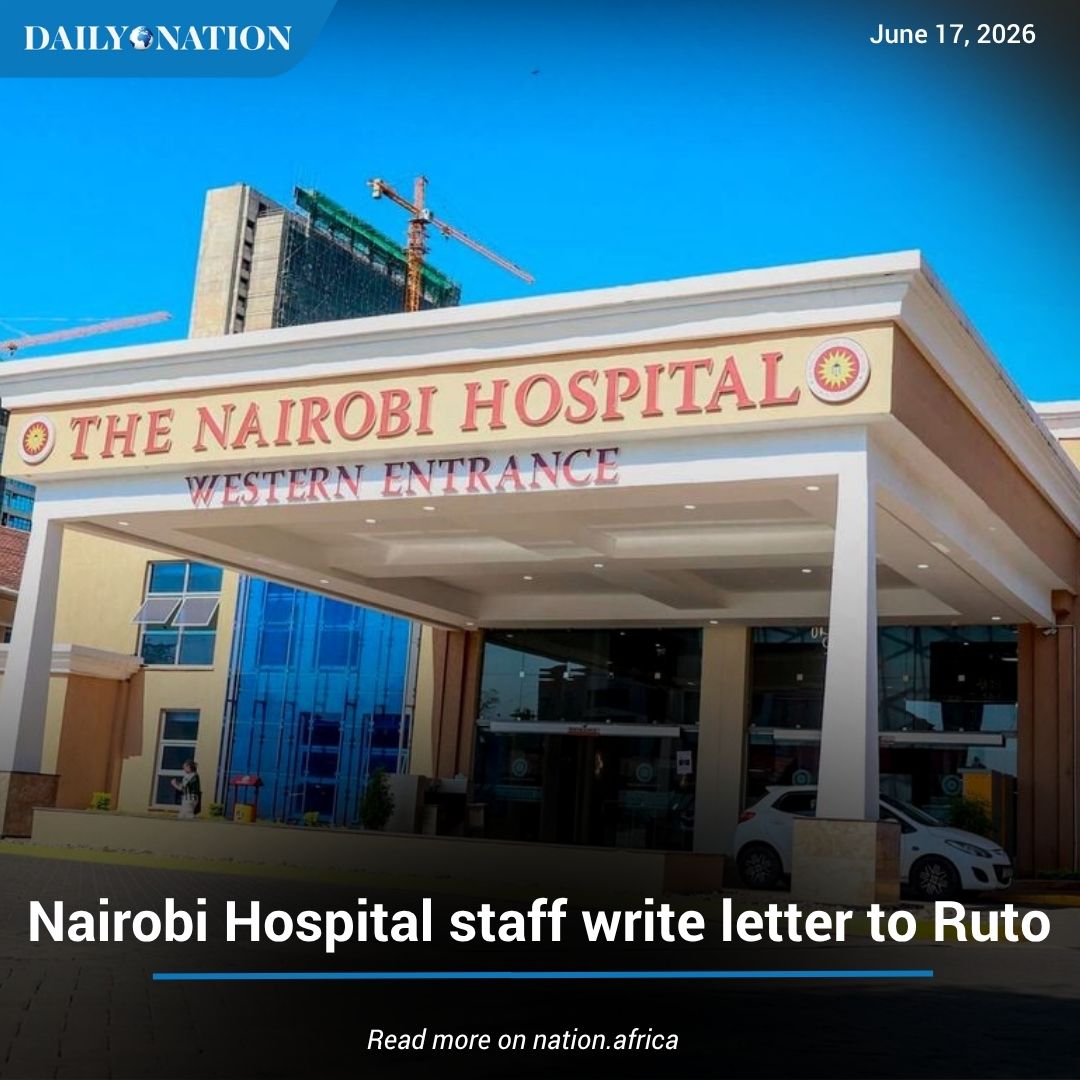
Staff and doctors at The Nairobi Hospital have escalated their concerns over the management of the country's premier referral facility, writing to President William Ruto and Nairobi County Senator Edwin Sifuna, accusing senior hospital officials of corruption, mismanagement of funds and victimisation of employees. zurl.co/U2f5K
14
381
472
49,391
💊🧠 retweeted

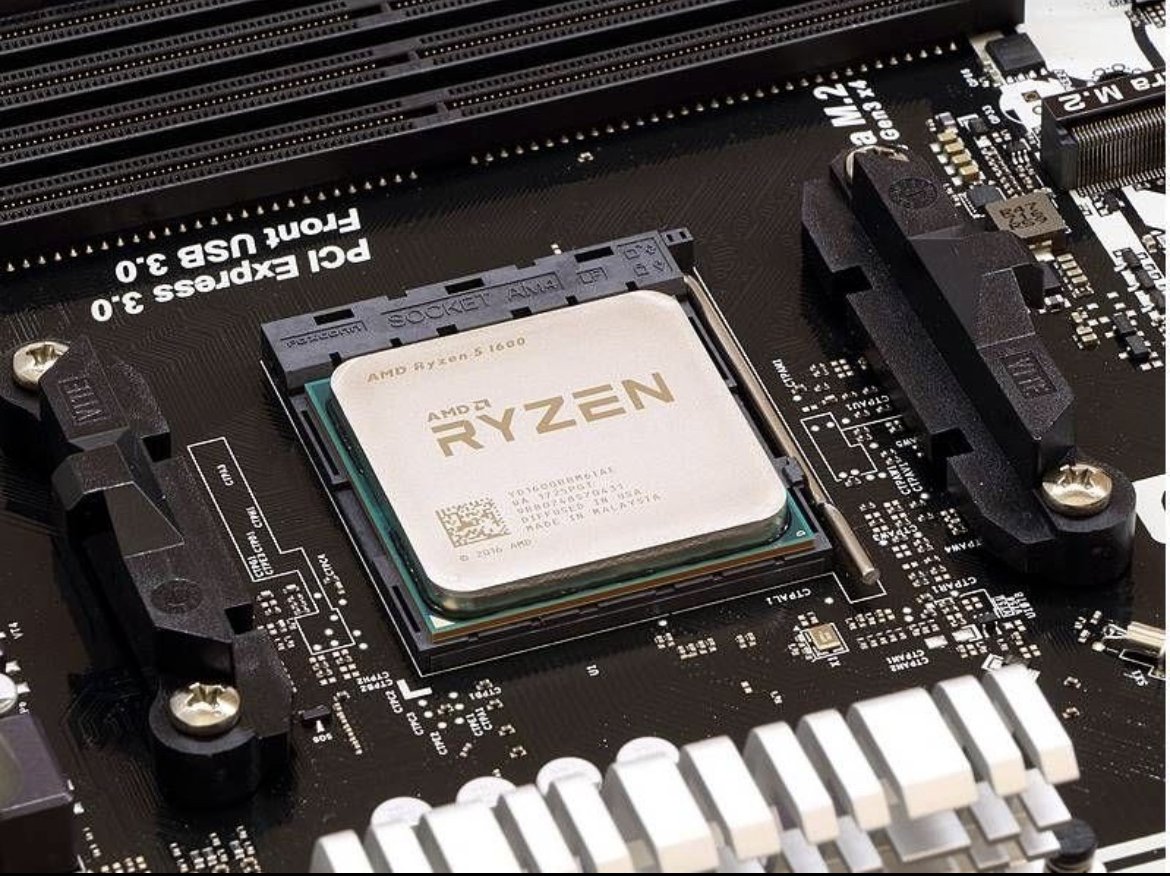
AMD quietly removed RAM encryption from consumer Ryzen CPUs.
Via a routine firmware update.
No release notes.
No advisory.
No announcement.
The BIOS setting still shows up.
Still toggles on and off.
Does absolutely nothing.
A privacy-focused Linux hobbyist noticed in April.
Spent months chasing it down.
Filed a bug report on AMD’s GitHub.
AMD engineers replied suggesting he toggle the setting off and back on.
He showed them internal firmware dumps proving the flag was hardcoded to FALSE.
An AMD senior principal engineer closed the thread with:
“My apologies but I don’t have any more information to share on this topic.”
That’s it.
Seven weeks of investigation.
Multiple motherboard vendors confirming it.
Internal firmware evidence.
AMD’s answer: no comment.
The feature still works on Pro and EPYC chips.
Which cost significantly more.
The hardware is physically capable.
The firmware just says no.
Windows users have no way to detect this happened.
There is no Windows tool that checks TSME status.
The BIOS lies to you.
AMD’s own engineers confirmed the feature worked on consumer chips in 2020.
Then again in 2025.
In 2026 it’s a PRO feature.
Nobody told you.

AMD has quietly removed the security feature called Transparent Secure Memory Encryption (TSME) from consumer Ryzen processors via newer BIOS firmware updates.
This encrypts data stored in RAM, making it harder for someone with physical access to steal information
The hardware remains capable of supporting the feature, which is still available on Ryzen Pro and EPYC processors. Users discovered the change only after updating their BIOS and noticing that memory encryption was no longer available.
Many users feel AMD should have clearly explained the change, especially since some systems lost the feature after firmware updates.
AMD has not provided a public explanation for removing memory encryption from consumer Ryzen CPUs.
7
16
113
9,488
💊🧠 retweeted

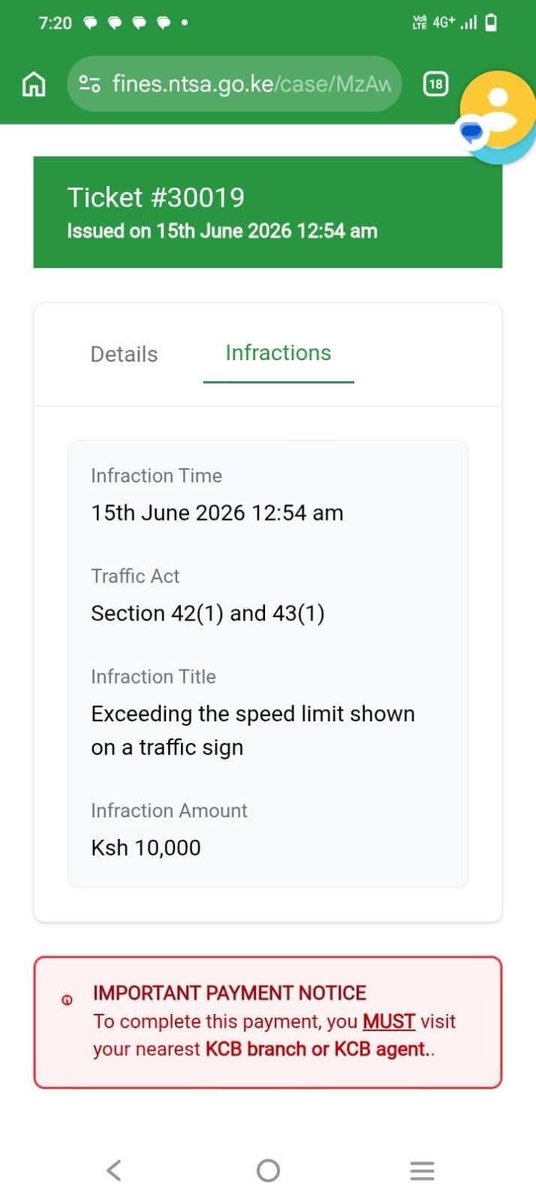
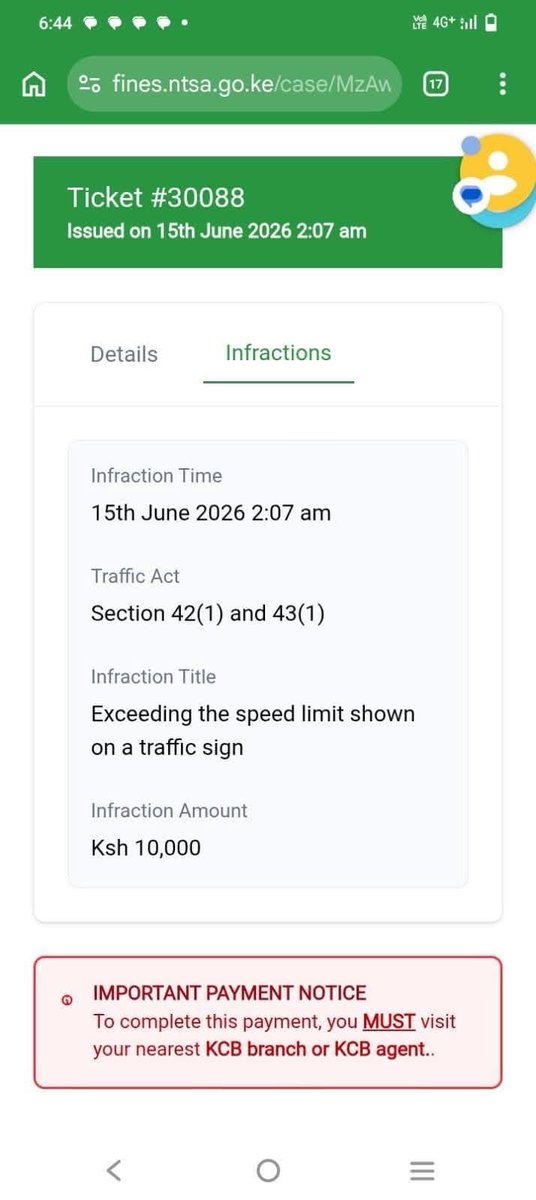
Hii mambo sijui kama tutawezana nayo. It’s going to be very expensive to drive your car.
The speed limits are ridiculous, no proper signage, poor roads etc. This is a plot to extort Kenyans.

Shock as a road user, Mercy Maina, is charged Kshs 20,000 in one night for over speeding.
50
465
964
47,472

💊🧠 retweeted
A beginner’s stack for digital privacy and countering the state’s attempt to restrict your online anonymity:
1) Buy a Pixel in cash, preferably second hand. Facebook marketplace or one of those sole trader phone shops. No contract / finance.
2) Install GrapheneOS on your new pixel. Transfer all of your private affairs here e.g if you’re an activist. Signal, telegram, crypto wallet (if that’s your thing), etc etc.
3) Maintain your old phone for every-day affairs. Your bank account, your Facebook account, Uber, that thing. Take this with you for most things, keep your Pixel at home.
4) Switch your email, at least for your private affairs, away from gmail/outlook/etc towards a privacy-first provider. I haven’t done this yet but I know ProtonMail is used by many, but there may be better providers out there. Switch your private accounts to that email.
5) Buy a cheap sim, most shops will sell them. They’re £2 or so, pennies. Don’t take a plan out. Just switch your number on your private accs to the number of the new sim. Put that sim in your Pixel. That gives full security for your accs and separation of public/priv.
6.1) Install Mullvad VPN or your preferred choice, once again, if you use crypto, Mullvad will let you pay this way. It’s around £5/mo. Enable it on both phones and any other devices.
6.2) You could also rent a server from AWS etc for around £5/month and set up a unique VPN with an IP not used by any other service. I’m looking into it myself, I’m not an expert on it, or any of this really.
7) Make the switch from Windows / MacOS to a a more private and fun alternative! Linux is the most obvious. I’ve been looking into Linux Mint myself. It’s not as scary as it looks at first glance!
8) Check out ‘Nostr’ for privacy oriented, alternative platforms. I won’t say much on that as my knowledge is amateur. Good men have suggested it o me though, see the first 2 people below!
—
I’ve learnt this all very recently, scouring accounts of those smarter than I. I’ll suggest following @derekmross, @freddienew & @augusteprompt. Auguste isn’t a tech account exactly but still valuable.

Jun 16

For Activists:
I've been looking into GrapheneOS myself and one of the features is very illuminating. It allows you to set up a 'Duress PIN' which will immediately and irreversibly wipe your device as soon as it is entered anywhere your credentials are requested.
32
75
430
18,125
💊🧠 retweeted

15h
Burundi is a cautionary tale for Kenya's regions like Meru. Like Burundi, Meru is incredibly fertile and blessed with famously industrious farmers, yet it risks falling into the same trap.
By focusing solely on growing and shipping raw crops out of the county, Meru remains trapped in volatile income cycles dictated by shifting global market prices. True wealth will remain unlocked until the region transitions toward agro-processing. Meru needs to attract and establish factories to package and brand its tea, process macadamia oil, and manufacture cosmetics from local herbs. The revenue generated from these factories could then be reinvested into education, tech, and service industries.
Hard work and fertile soil are excellent foundations, but true wealth requires leverage, and that only comes through industrialisation, value addition, and economic diversification.


Burundi is a perfect example of why hard work in agriculture can only feed you well but never make you wealthy. It is a stepping stone into other high value engagements and never a destiny for wealth creation.
10
55
185
14,561
💊🧠 retweeted

Ule muoshwo unakuja hata Goldenberg e tal will look like child’s play. Interesting times ahead..
122
726
2,080
268,640
💊🧠 retweeted

On 22 October 1991, senior customs officer Samuel Njiraini was in his office at Wilson Airport when an aeroplane from Bunia, Zaire (now DRC) landed at 8.00 pm.
As an Examining Officer Grade II, Njiraini would work late into the evening just in case somebody tried to smuggle anything through the airport.
At 7.30pm, Preventive Officer Elizabeth Opondo got information that an aeroplane registration 5Y-ZYS would land from Bunia.
As procedure, she got the travel manifest that indicated the number of travellers — a Mr Rasul, the pilot, and passengers Bwambale I, Omar Soba, Athew, Khambale, Ghelani, Pattni K and Dhakan L.
They all carried bags.
Pattni K was infact Paul Kamlesh Pattni.
As Ms Opondo started the task of clearing the passengers, two of them — Kamlesh Pattni and a Mr Dhakan — refused to open their bags.
She asked them to go to Mr Njiraini’s office and they carried along with them a briefcase and a canvas bag.
'These two have refused to open their bags, sir', Ms Opondo told Njiraini.
'What do you have with you gentlemen?' Njiraini asked the two.
'Two-and-a-half kilos of gold', answered Pattni.
Njiraini had been briefed on what had happened outside and did not believe the two-and-half kilogramme story.
He lifted the bags and asked Pattni to open them.
Inside were thirty one kilos of gold dust.
'You have made a false declaration', Njiraini told Pattni.
That was not only an offence but it could land him in jail.
The second mistake was that Pattni and his group did not have import documents.
That was an indicator that the gold was being smuggled into the country.
Pattni requested to call his brother but he instead called the commissioner of customs, Francis Cheruiyot, and explained his predicament at Wilson Airport.
He then handed the phone to Njiraini:
'Talk to your commissioner'.
Cheruiyot listened as Njiraini explained the details.
He then asked Njiraini to handle the issue very diligently, saying he was under pressure.
'Record all the particulars of the goods and the names and passport numbers of the importers and then release the goods', he instructed.
Njiraini could not believe what he was hearing.
At his level as Examining Officer Grade II, he was not authorised to give prior release to any goods.
He requested Cheruiyot to drive to Wilson Airport and give the release authority in writing.
But Cheruiyot was far away and could not have made it to the airport.
Njiraini made a suggestion:
'Can we deposit the goods in a customs warehouse and wait for the importers to bring the required documents?'
Cheruiyot agreed but as soon as Njiraini put the phone down, James Kanyotu, the director of intelligence, was on the line asking why Pattni was detained.
He was told Pattni had two bags of gold and was waiting for the commissioner of mines and geology, Mr. Collins Owayo, to bring import documents.
Njiraini had just finished speaking to Kanyotu when another call came.
It was Noah arap Too, the CID director.
'Why have you arrested Mr Pattni?' arap Too asked.
Njiraini, for the zenith time, explained that they had only seized some goods pending production of import papers.
It was going to be a long night as Owayo drove into Wilson Airport and went straight to Njiraini’s office.
He called the Custom’s boss, Cheruiyot, hoping to have Pattni’s cargo released.
Njiraini had told Cheruiyot that without the documents, the gold had to go to the warehouse at Jomo Kenyatta International Airport for bonding.
With phone calls and the right connections, Pattni walked out with his gold to continue with his fiddle.
Although he had said that the thirty five per cent compensation would enable Goldenberg to compete with smugglers, the Wilson Airport incident indicated otherwise.
1
32
83
12,312