Joined January 2013
120 Photos and videos
THE BIONIC BOOK retweeted
Global warming is cutting the production of phytoplankton in the North Atlantic, undermining the entire food web and limiting its ability to soak up carbon, a new study reveals. Looks serious…. oceanographicmagazine.com/ne…
57
467
742
26,274
THE BIONIC BOOK retweeted
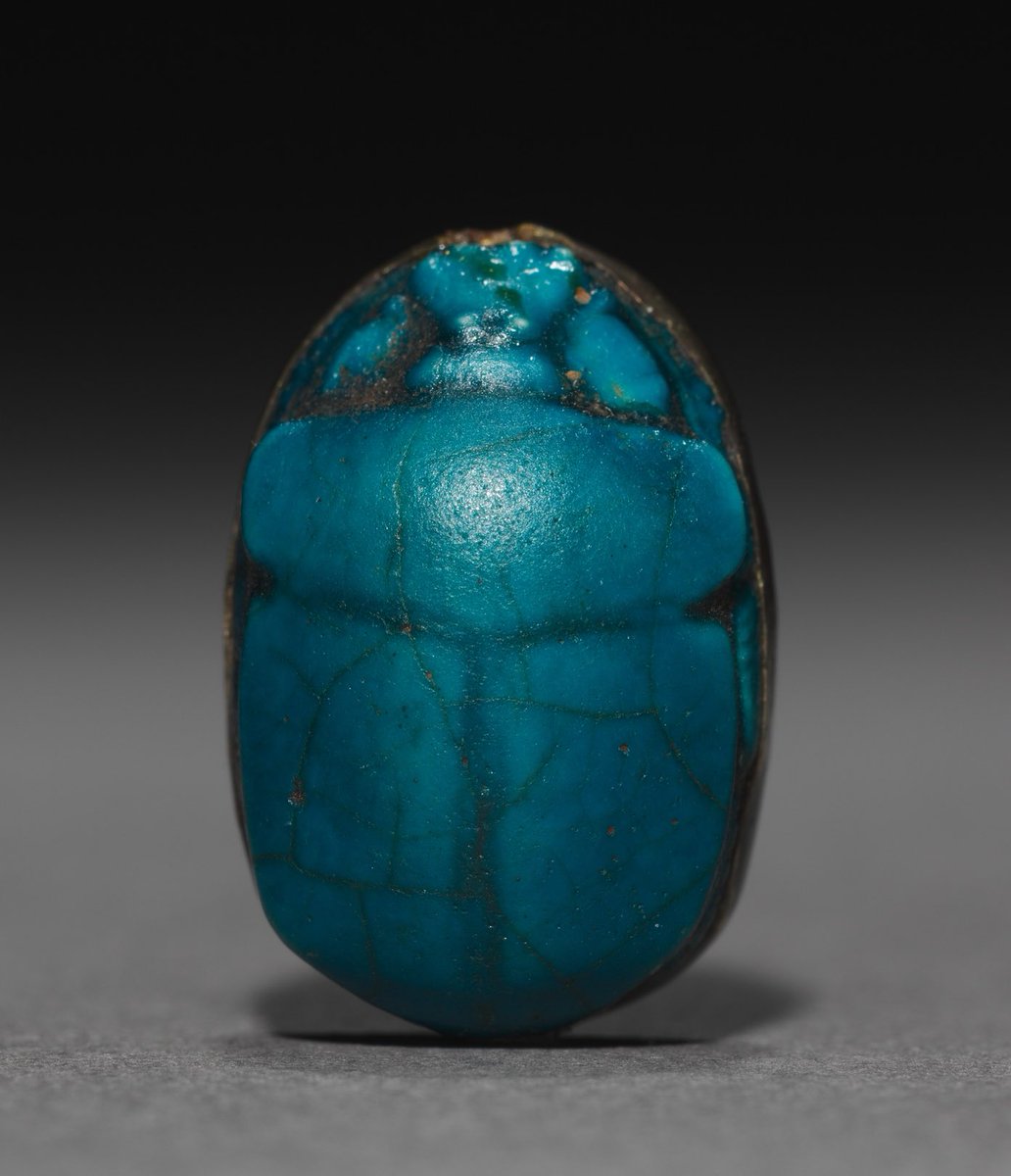
Scarab, 1980–1648 BCE. Egypt, Middle Kingdom (2040–1648 BCE), Dynasties 12–13. Blue-green glazed steatite, gold mount; overall: 1.3 cm (1/2 in.). The Cleveland Museum of Art, Gift of the John Huntington Art and Polytechnic Trust 1914.746
8
26
450
THE BIONIC BOOK retweeted
“We are living in necrocapitalism, and genocide is part of it. This economic death cult operates at optimal level only when every resource, species, product or human is sold, used, destroyed and discarded as expediently as possible so that demand continues and production resumes”
1
43
113
1,230
THE BIONIC BOOK retweeted
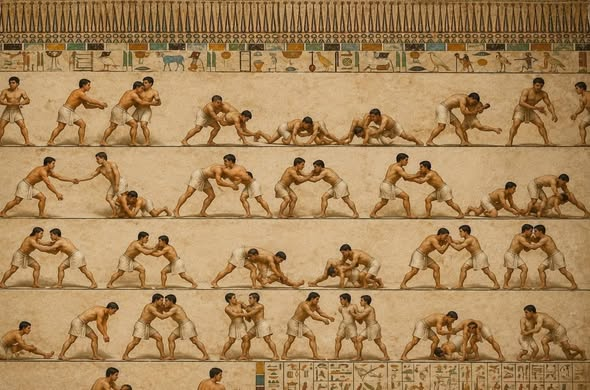
do not call it greco-roman wrestling it's Egyptian wrestling detailed on Mariruka tomb mestaba in Saqqara before 5000 years ok??????
4
38
154
3,342
THE BIONIC BOOK retweeted
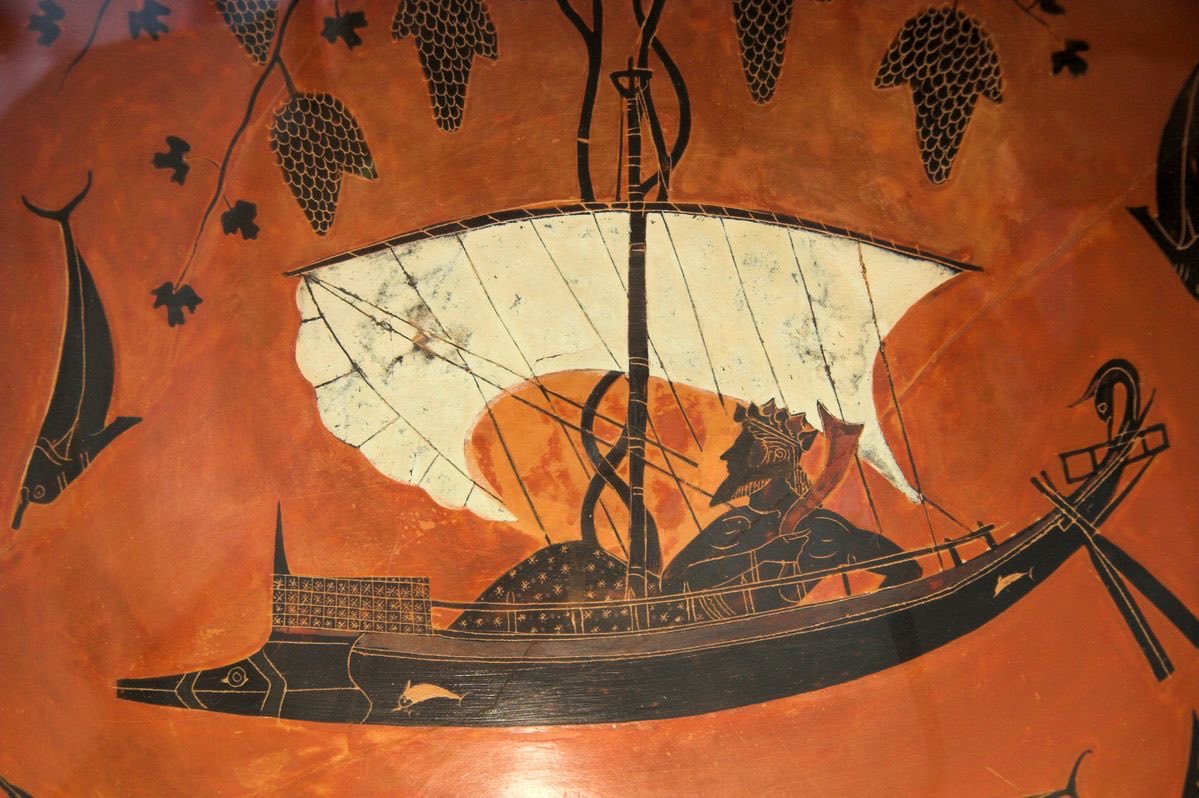
Detalle de la Copa de Dioniso, una kylix de figuras negras del antiguo arte griego creada por el pintor Exequias alrededor del 530 a.C..
2
31
116
1,667
THE BIONIC BOOK retweeted
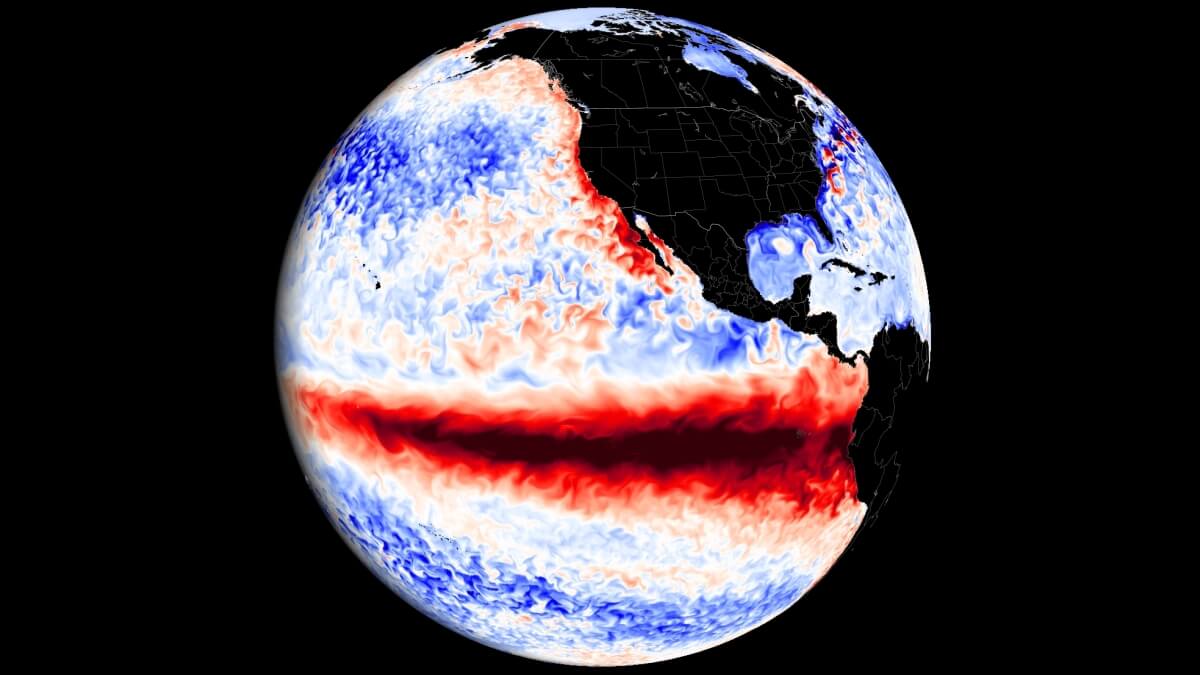
Hold on to your rice paddies, NASA satellites are detecting a major sea-level rise across the tropical Pacific as the Super El Niño rapidly strengthens. If forecasts verify, late 2026 /2027 will see extreme floods and crops impacted. The climate system is sending another warning.
34
312
815
26,662
THE BIONIC BOOK retweeted
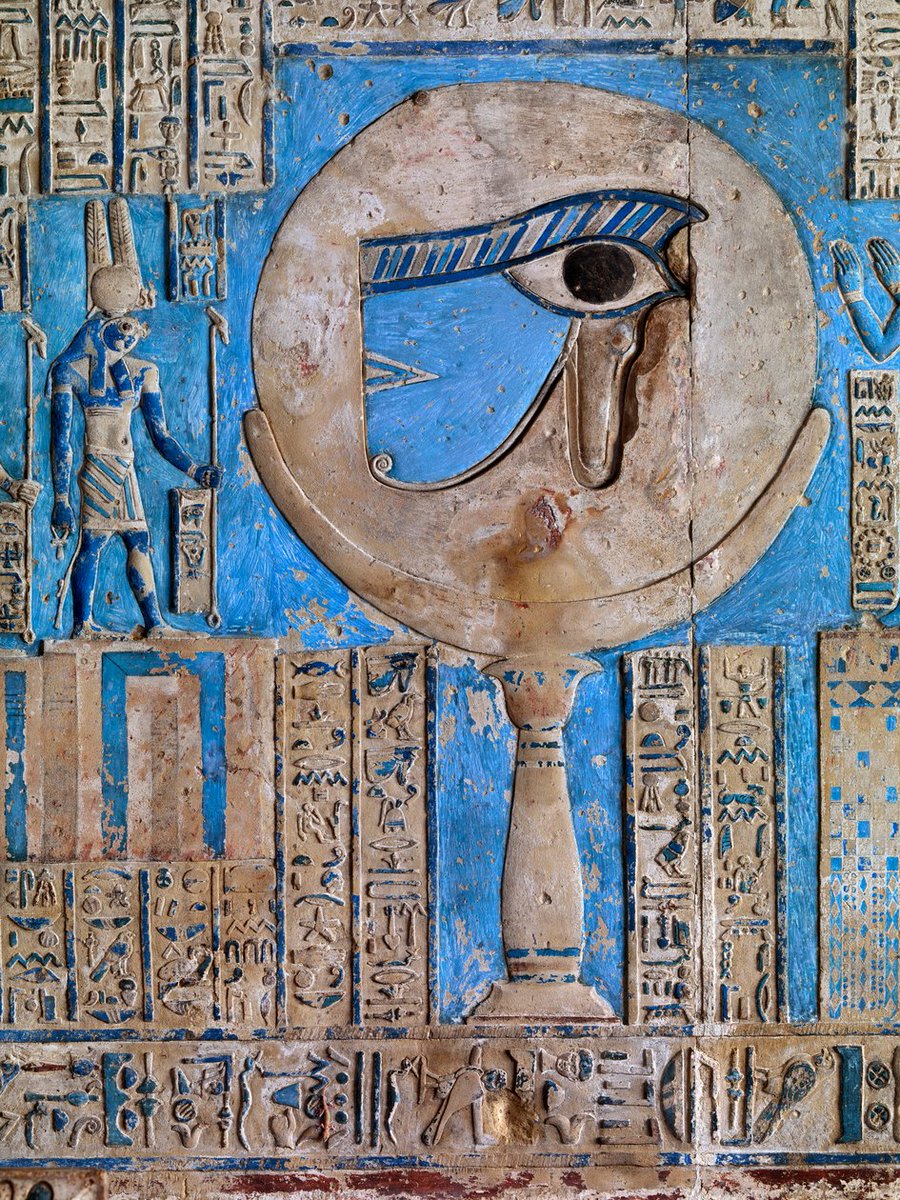
Ceiling of the Temple of Hathor, Dendera, c. 50–48 B.C.
71
263
3,149
THE BIONIC BOOK retweeted
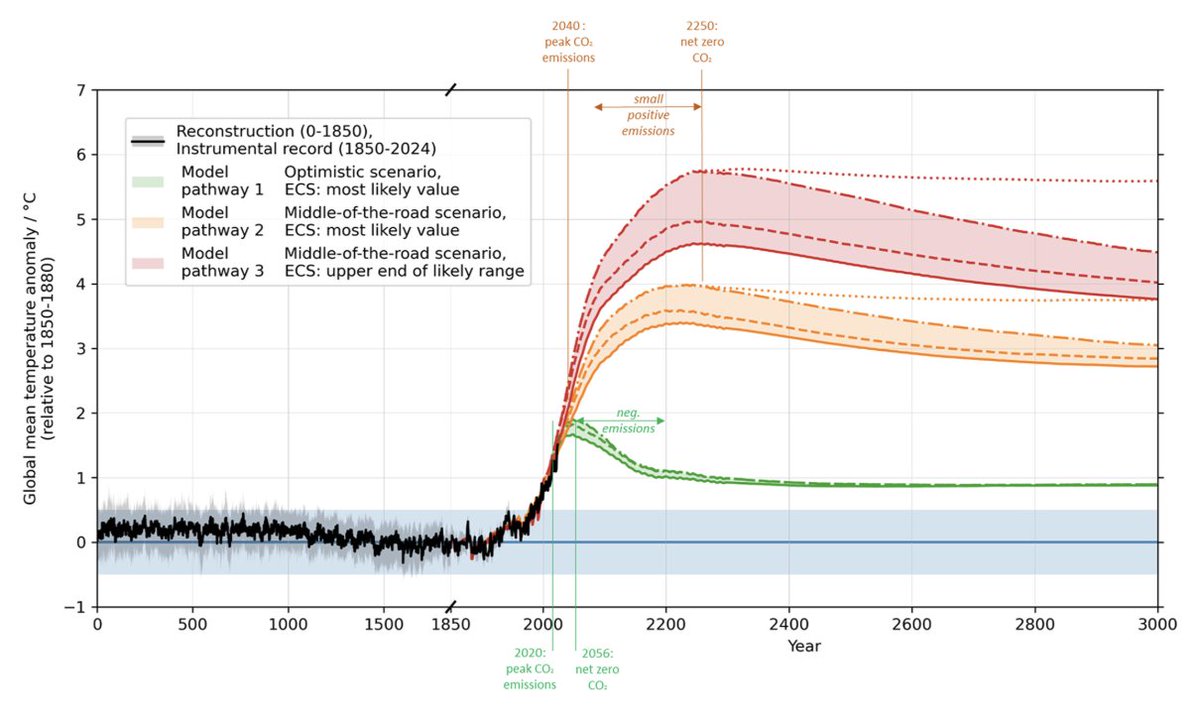
New Anthropocene paper. Earth still operates in "Holocene logic", buffering heat imbalance. Anthropocene = Pressure. But, BAU, reaching 3°C in 2100 & we get "stuck" in a Hothouse trajectory for 1000 years. Anthropocene risks turning into a state. No Good. agupubs.onlinelibrary.wiley.…
24
177
413
44,943
THE BIONIC BOOK retweeted
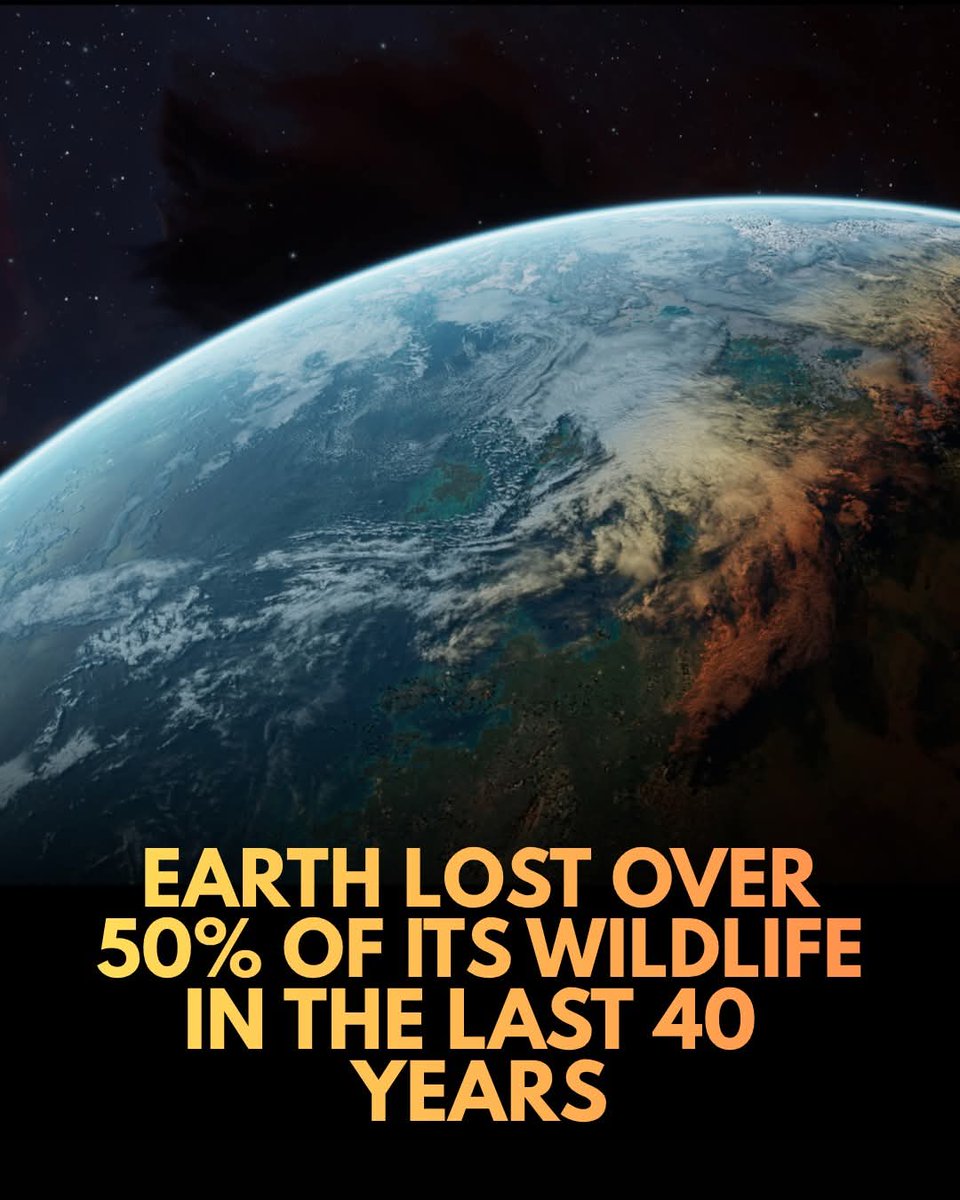
🚨 A devastating report reveals that Earth lost half of its wild animal populations in just 40 years, driven by unsustainable human consumption and habitat destruction. A critical report by the World Wide Fund for Nature (WWF) and the Zoological Society of London has delivered a stark wake-up call, revealing that global wildlife populations plummeted by 50% between 1970 and 2010. By tracking 10,000 distinct populations across 3,000 species, researchers created the Living Planet Index to measure the catastrophic scale of human impact on the natural world. Freshwater ecosystems suffered the most devastating blow, with animal numbers crashing by 75% due to severe pollution, excessive water extraction, and river fragmentation by dams. Land and marine species have fared similarly poorly, with both groups seeing their populations tumble by 40% as habitats are cleared and species are overexploited for food. The biodiversity crisis is fundamentally fueled by humanity's swelling ecological footprint, with global consumption rates requiring 1.5 Earths to sustainably support our current lifestyle. However, this resource strain is heavily skewed; the report highlights that it would take four planet Earths to sustain the average consumption level of a United States resident, and 2.5 Earths for the United Kingdom [1]. While wealthier countries may point to local conservation gains, researchers warn they are simply outsourcing ecological damage by importing goods tied to deforestation and habitat loss in developing nations. To curb this decline, experts insist on an immediate global pivot toward sustainable food production, resource equity, and aggressive habitat protection. source: Carrington, D. ( September 30). Earth has lost half of its wildlife in the past 40 years, says WWF. The Guardian
15
156
224
6,336
THE BIONIC BOOK retweeted
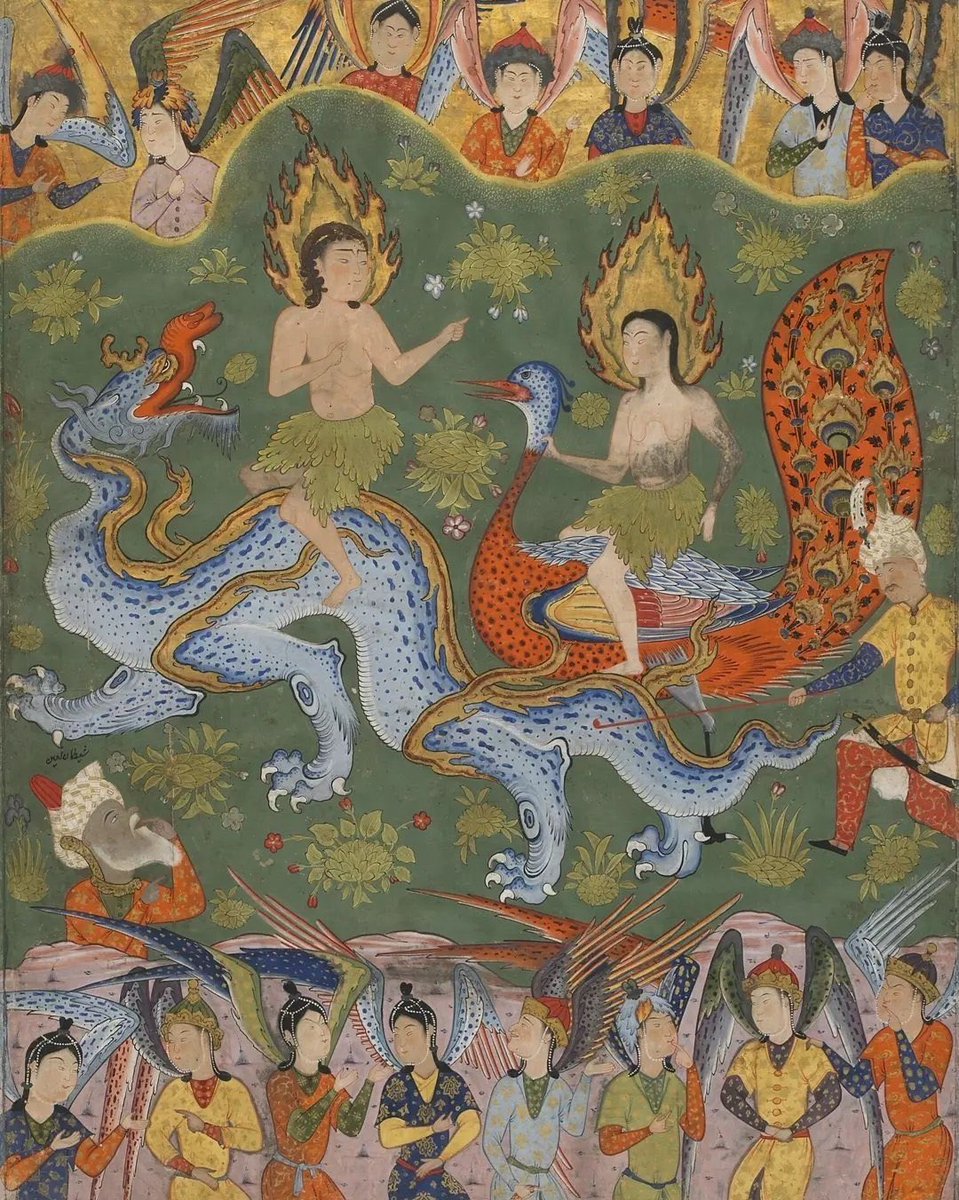
The expulsion of Adam and Eve in Persian miniature art from the 1500s
2
45
236
9,484
THE BIONIC BOOK retweeted
Dracaena Cinnabari or Dragon Blood Tree; is native to a single island from Socotra archipelago, part of Yemen 🇾🇪. Dragon's Blood tree is named for unique red sap. This red sap forms a resin that was a prized commodity in ancient times. It is a unique tree that is one of the most peculiar trees in the world. The tree has a distinctive external shape that makes it look like a huge umbrella, as the leaves grow only at the end of branches and point upwards. It has many branches; it grows by dichotomy, which means that each branch is divided into two until the leaves finally grow on the branches' ends. It produces a lot of green leaves that are renewed every three or four years; they fall and other leaves grow in their place. Dragon blood tree dates back to over 50 million years; it first appeared in Mediterranean. It can now be found in a nature reserve containing 360 species of endangered plants and animals in Socotra, Yemen. It can also be found on Mount Dhofar in Oman, and in some subtropical forests. At 1400 sq miles, Socotra is largest of four islands in Socotra archipelago about 210 miles off southern coast of Yemen. Archipelago is one of most biodiverse places in the world, nicknamed “Galápagos of the Indian Ocean”. An estimated 37% of the island’s 825 plant species, 90% of its reptiles and 95% of its land snails are endemic, meaning they are found nowhere else on Earth. In 2008, Unesco named the Socotra archipelago a natural world heritage site. Most of the dragon’s blood trees in the wild today are probably hundreds of years old, though their exact age is impossible to calculate, because they have no rings in their trunks. But without a younger generation to replace them, current generation could be the last. Many ancient sources reported on dragon’s blood trees, from Herodotus and Pliny to Marco Polo and Hindu texts. In Hindu myth, gods Brahma and Shiva fought in form of a dragon and elephant respectively. Dragon bit elephant and drank its blood. However, upon falling, elephant crushed the dragon and their blood mixed to form tree’s red sap. In Greek mythology, dragon’s blood tree myth comes from legend of Heracles and Ladon. Ladon was a 100-headed dragon that guarded golden apples in the Garden of Hesperides. Heracles’s 11th labor was to steal golden apples and kill Ladon. Spilled dragon’s blood led to creation of trees, and when cut, tree bleeds Ladon’s blood. In Arabic, dragon’s blood tree is known as Dam al-Akhawain, or “blood of the two brothers”. According to folklore, first dragon’s blood tree grew in spot where two brothers, Darsa and Samha, fought each other to death. Today, Firmhin plateau is part forest, part dragon’s blood graveyard. Perhaps because of these legends, many people believed that dragon’s blood trees held magical sap that could cure almost anything. Tree's root yields a gum-resin, used in gargle water as a stimulant, astringent and in toothpaste. Root is used in rheumatism, leaves are a  carminative. Trees can be harvested for their crimson red resin, called dragon's blood, which was highly prized in ancient world and is still used today. Around the Mediterranean basin it is used as a dye and as a medicine, Socotrans use it ornamentally as well as dyeing wool, gluing pottery, a breath freshener, and lipstick. Because of belief that it is blood of dragon it is also used in ritual magic and alchemy. Some sources suggest that Egyptians and Guanches of Canary Islands used dragon’s blood in embalming and mummification processes. Dragon's blood was used as a source of varnish for 18th-century Italian violin-makers. It was also used as tooth-paste in 18th century. It is still used as varnish for violins and for photoengraving. According to Mark Milburn, an expedition to Socotra Island by Oxford University researchers found “large artificial reservoirs, megaliths, temples, caves containing rock paintings and glassware fused with dragon’s blood.” 🎥© margaretrivertrees (IG) #archaeohistories
4
29
105
6,128
THE BIONIC BOOK retweeted
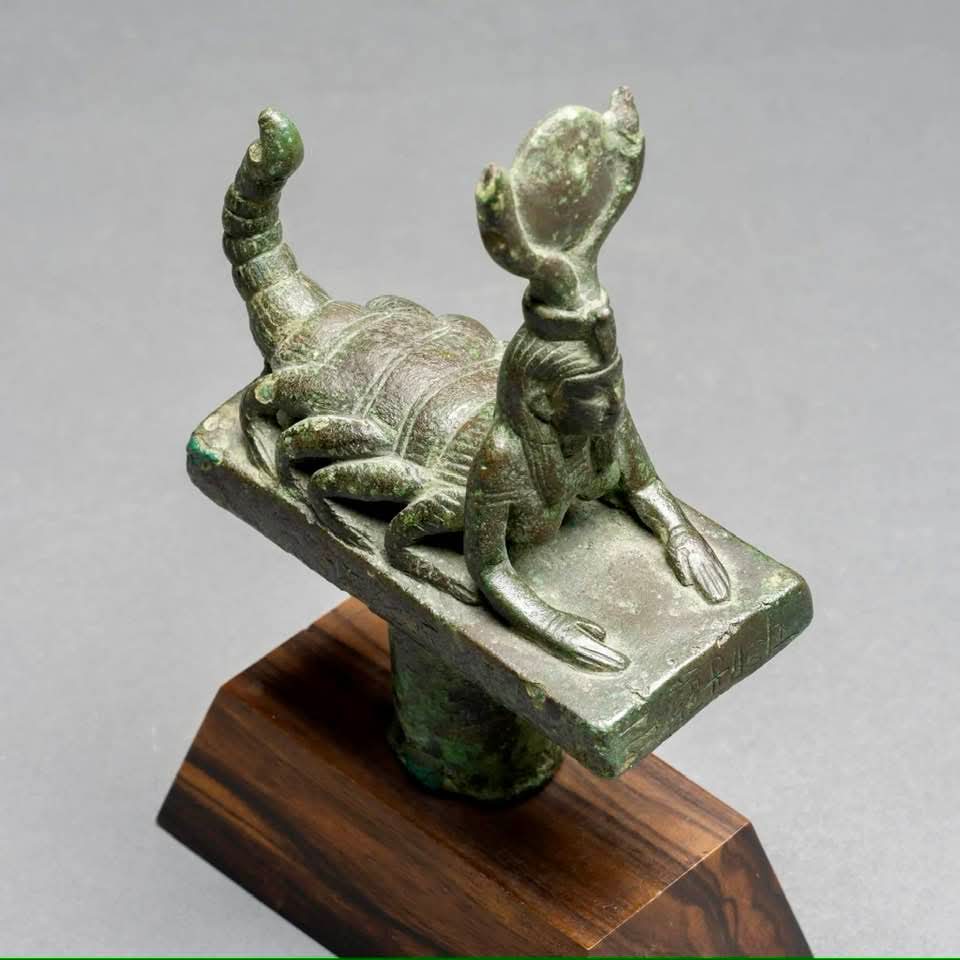
Egyptian Bronze Statue of Selket, 664 BC The scorpion on her head identifies Selket, the ancient Egyptian goddess linked to venom, healing, and protection. She guarded the living from deadly stings and watched over the dead in funerary belief.
1
6
56
743
THE BIONIC BOOK retweeted
May 28
ESCAPING FROM EVIL - HONEVO SONG CUANDO DEJAIS QUE @depacoserrano Y @CiudadanaMartaR NOS TORTUREN Y VIOLEN A LOS #ARTISTASMADRILEÑOS DESDE #MADRID Y #COMUNIDADDEMADRID OS CONVERTÍS EN #COMPLICESDEABUSOS @IdiazAyuso @SerranoAlfonso @cdpache @BorjaFanjul @AlmeidaPP_ #SINALMA
4
5
357
THE BIONIC BOOK retweeted
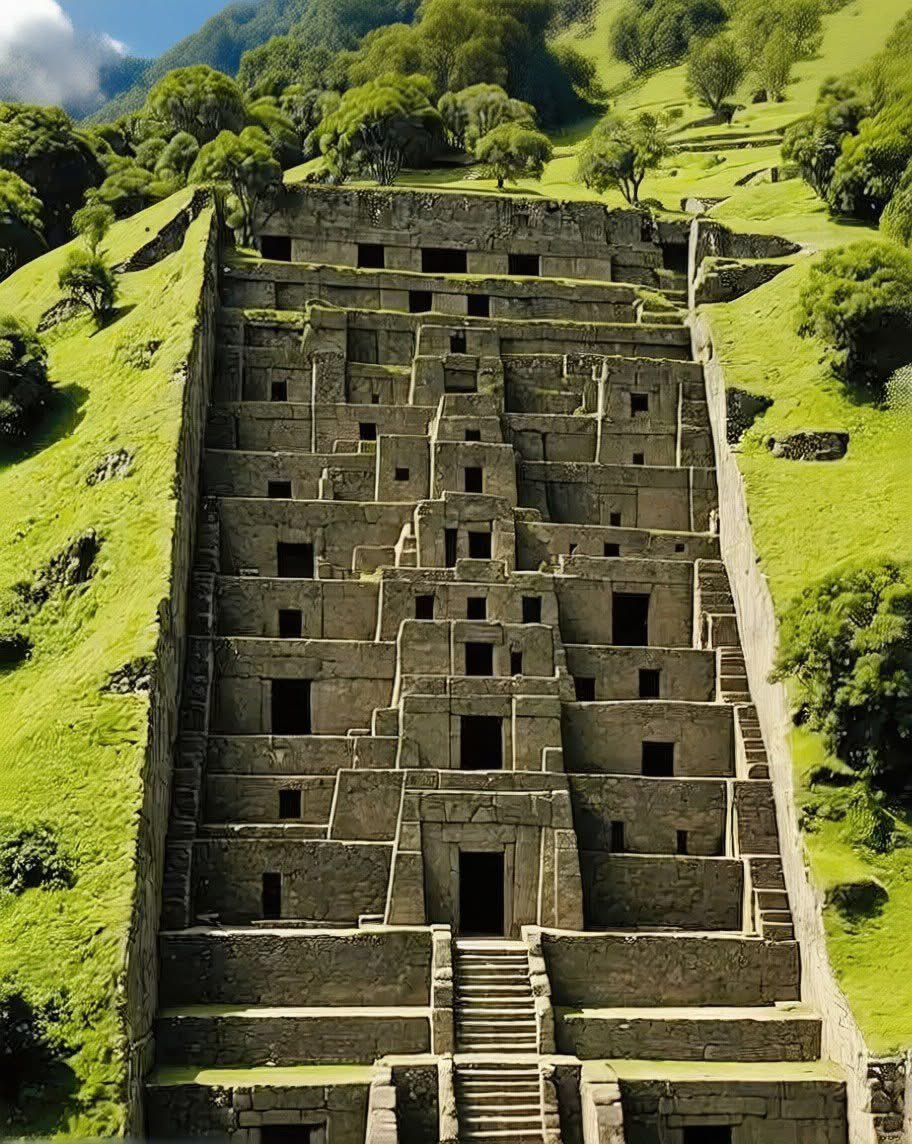
The Lost City You’ve Probably Never Heard Of… Hidden deep in the mountains of southern Peru lies Choquequirao—an ancient Inca city many call the “sister” of Machu Picchu, yet far fewer have ever seen it. There are no crowds here, no easy roads—only a long, quiet journey through wild landscapes. And maybe that’s why it feels so different. Almost untouched. Stone terraces cling to steep hillsides. Empty plazas sit in silence. Every corner feels like it’s holding a secret from centuries ago. Built in the late 15th century, this vast city is still mostly unexplored. What’s still hidden beneath the earth? Some places you visit… others make you feel like you’ve discovered them first.
11
202
902
15,429
THE BIONIC BOOK retweeted
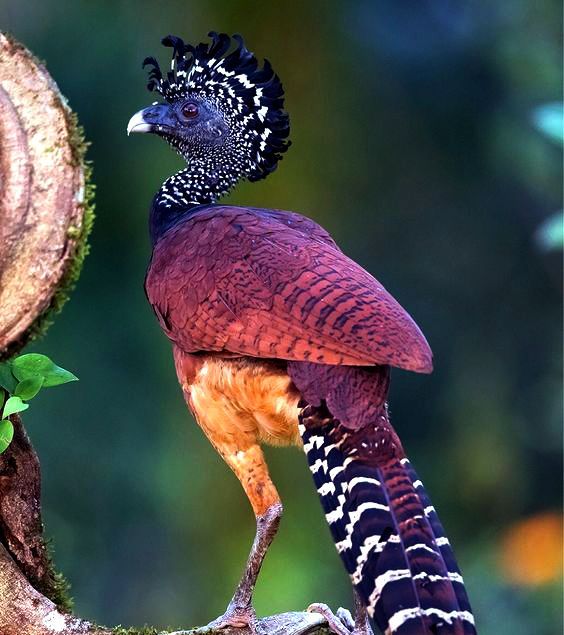
female Great Curassow (Crax rubra). The female exhibits a striking curly black crest. She typically has a reddish-brown body with barred tail feathers, although some females can be entirely black or striped. These large, pheasant-like birds are native to the Neotropical rainforests, ranging from eastern Mexico
3
97
562
6,280
THE BIONIC BOOK retweeted
May 30
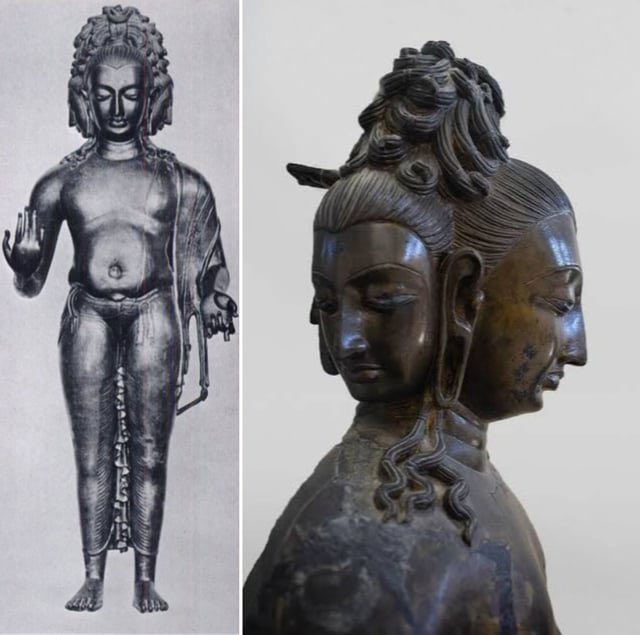
Brahma from Sindh Gupta period Bronze, c. 500 CE, National Museum of Pakistan, Karachi.
4
75
611
8,280
THE BIONIC BOOK retweeted
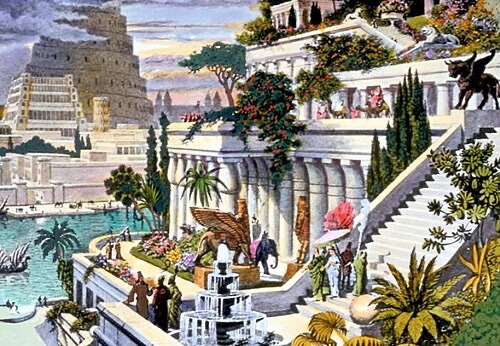
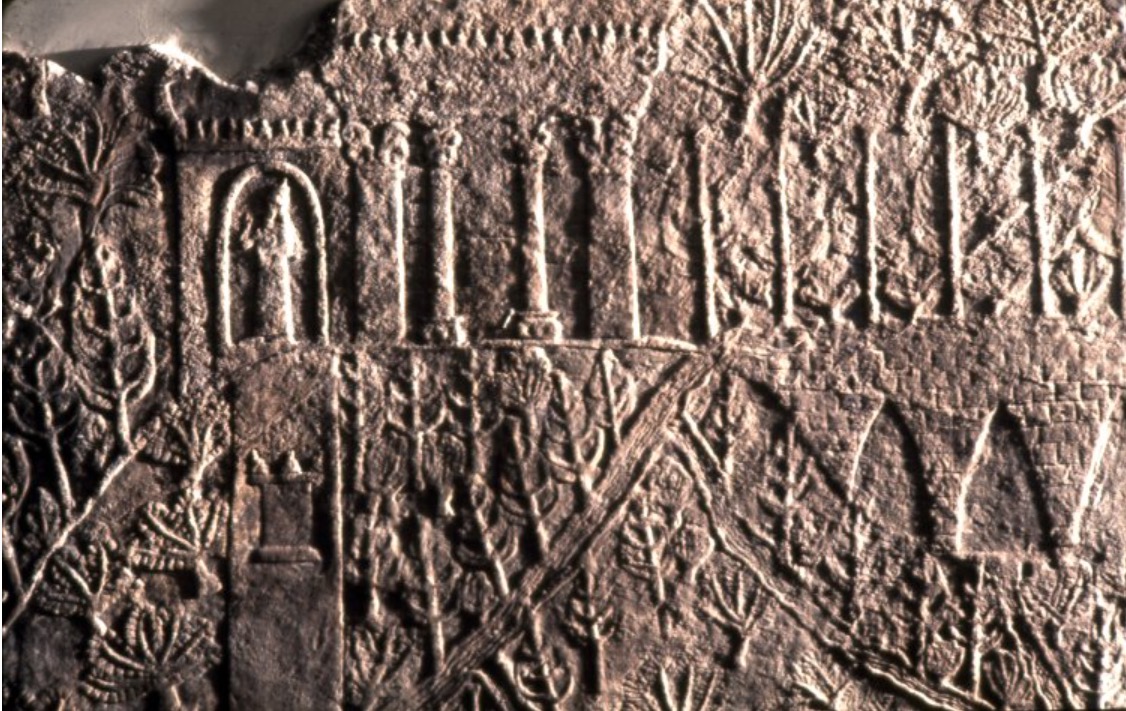
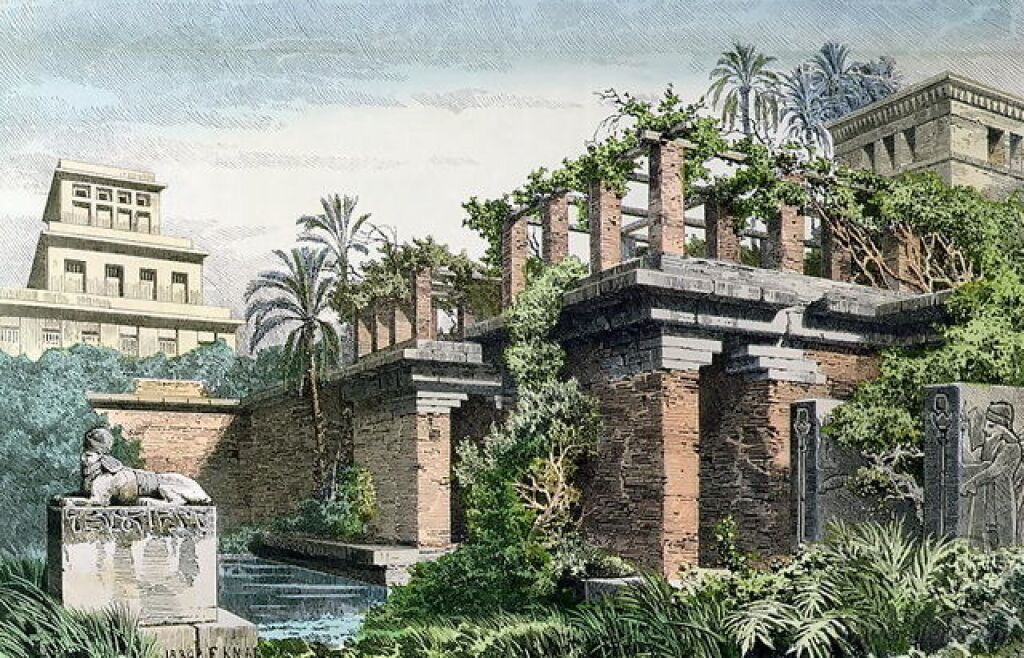
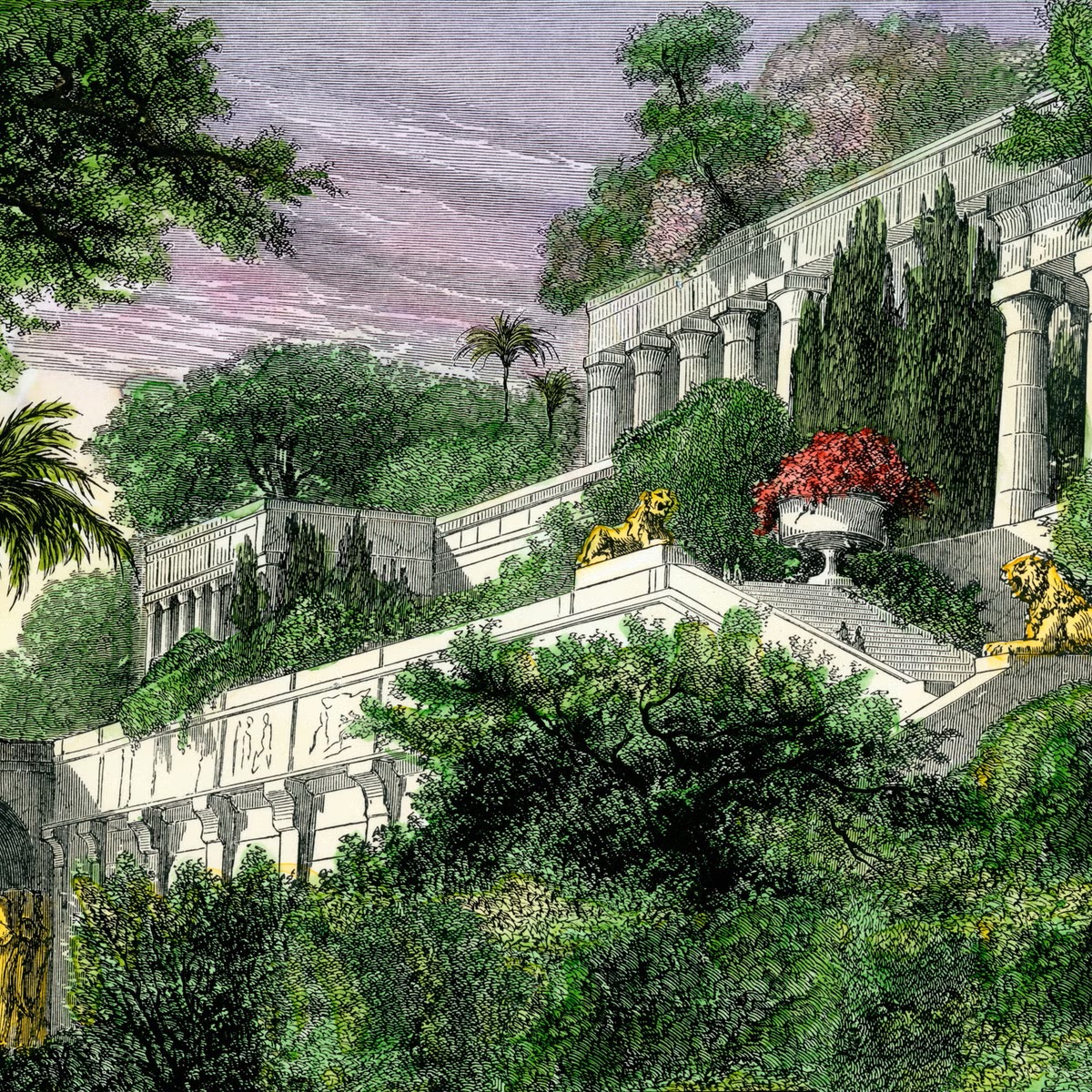
One of the Seven Wonders of the Ancient World has never been found, and almost nobody asks why. The Hanging Gardens of Babylon are the most famous wonder we have no archaeological evidence for, after over a century of excavations at the site itself. Nebuchadnezzar, the king who supposedly built them, stamped his name on individual bricks across the city and left detailed inscriptions about his projects, but he never once mentioned the gardens. 🔹Never found at Babylon 🔹Herodotus never mentioned it 🔹Nebuchadnezzar never wrote of them 🔹No Babylonian source places them at Babylon 🔹Greek accounts appear centuries after the fact To put the gap in human terms, Nebuchadnezzar reigned 43 years and left some of the most extensive royal inscriptions in the ancient world, yet not one mentions the wonder mainstream credits him with building. And the thing most people miss is that Stephanie Dalley of Oxford has argued for decades the gardens were never at Babylon at all. She places them at Nineveh, 300 miles north, built by Sennacherib a century before the traditional date. Her case rests on Sennacherib's own inscriptions, a palace bas-relief showing tiered terraces fed by aqueduct, and an Assyrian water-raising system matching the Greek descriptions. How does the most famous garden in the world become the subject of a debate over which city it was in?
11
32
272
11,618